


Antineoplastic Drugs API (75)
Showing 61–72 of 75 products · Page 6 of 7
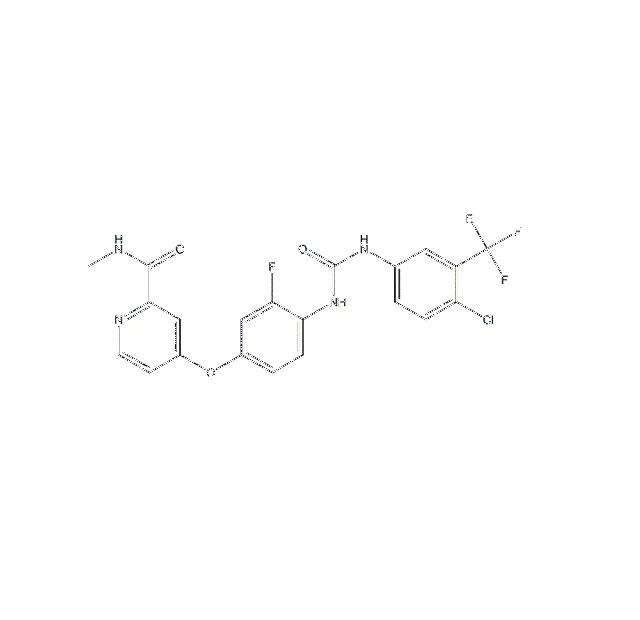
Regorafenib
Regafinil is a small multi kinase inhibitor, its molecular structure is similar to sorafenil, the difference is only the fluorine atom on the intermediate benzene ring. It is a new molecular targeted drug developed by Bayer company. On September 27, 2012, it was approved by the US Food and Drug Administration (FDA) for the treatment of metastatic colorectal cancer. On February 25, 2013, it was approved by the FDA for the treatment of advanced GIST patients who could not be operated and other treatment methods were invalid. Regafinil is a novel oral multi-target protein kinase inhibitor, which can block tumor cell proliferation, inhibit tumor angiogenesis and regulate tumor microenvironment, and has good antitumor activity. "Correct" study confirmed that it is a TKI with therapeutic activity for patients with metastatic colorectal cancer. Based on the data of this study, in September 2012, the U.S. FDA approved it to treat patients with MCRC who have failed to receive multi-line standard treatment. In China, a multicenter phase III clinical trial of regafinil for the treatment of Chinese patients with MCRC is under way.
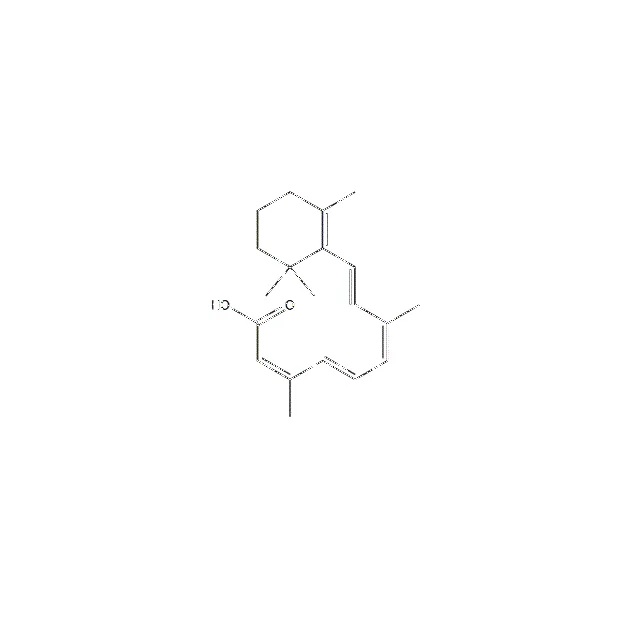
Retinoic Acid
Retinoic acid is a common drug in dermatology. It is the intermediate product of vitamin A (methanol) metabolism in vivo. It mainly affects the growth of bone and epithelial metabolism, promotes the proliferation and renewal of epithelial cells, inhibits the proliferation and differentiation of keratinocytes, and normalizes hyperkeratosis. Therefore, it has a certain therapeutic effect on many diseases with complete, incomplete and hyperkeratosis, It can treat many kinds of skin diseases. The penetration of local application to the skin is very fast, which can significantly increase the epithelial cell renewal. This kind of medicine has a strong and rapid inhibitory effect on the secretion of sebaceous glands, which can reduce the secretion of sebaceous glands. In addition, the product also has anti-tumor, promoting wound healing and anti infection effects.
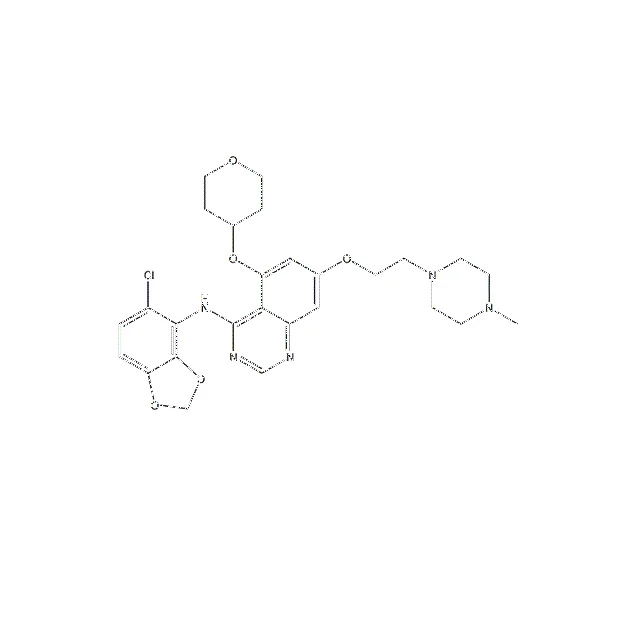
Saracatinib
Saracatinib (AZD0530) is a potent Src inhibitor with IC50 of 2.7 nM, and potent to c-Yes, Fyn, Lyn, Blk, Fgr and Lck; less active for Abl and EGFR (L858R and L861Q).
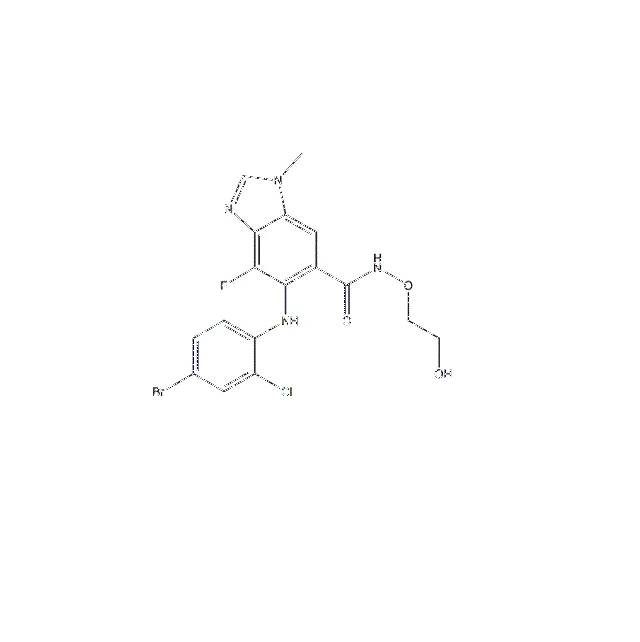
Selumetinib
Smetinib, developed by AstraZeneca, UK, is used to treat advanced non-small cell lung cancer. Smetinib inhibits the growth of a variety of tumors, including melanoma with b-raf-mutation and non-small cell lung cancer with K-ras mutation (NSCLC), mainly by regulating the level of key protein kinase MEK in the RA Raf-MEK-ERK pathway. It is mainly used for the treatment of cholangiocarcinoma, colorectal cancer and NSCLC. At present, smetinib is in the phase III clinical trial of non-small cell lung cancer.
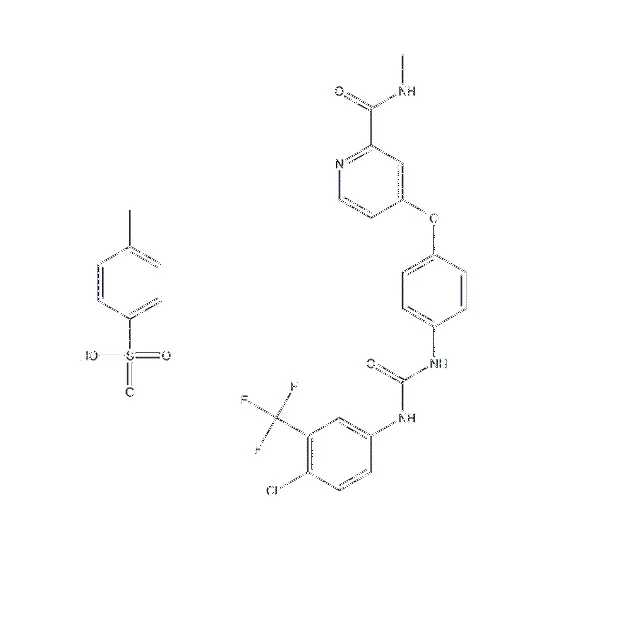
Sorafenib Tosylate
Sorafenib toluene sulfonate is a new multi-target anti-tumor drug, which was developed by Bayer pharmaceutical company in Germany. It can act on tumor cells and tumor blood vessels at the same time. It has dual antitumor effects: it can directly inhibit the proliferation of tumor cells by blocking the Raf / MEK / ERK mediated cell signaling pathway, and it can also block the formation of tumor neovascularization by inhibiting VEGF and PDGF receptor, and indirectly inhibit the growth of tumor cells.
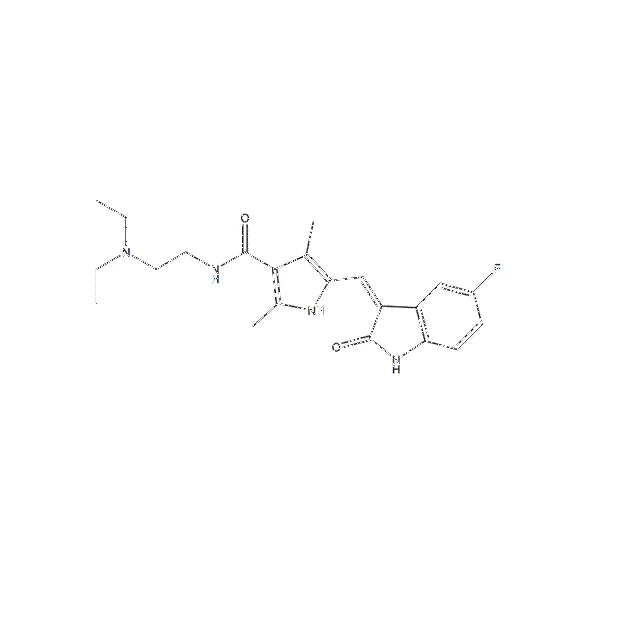
Sunitinib
This drug is a small molecular substance that can inhibit many receptor tyrosine kinases, some of which are involved in the process of tumor growth, pathological angiogenesis and tumor metastasis. By evaluating the activity of sunitinib in inhibiting various kinases (more than 80 kinds of kinases), it is proved that sunitinib can inhibit platelet-derived growth factor receptor, vascular endothelial growth factor receptor, stem cell factor receptor, FMS like tyrosine kinase-3, type 1 colony stimulating factor receptor and neurotrophic factor receptor derived from glial cell line. Biochemical and cellular assays confirmed that sunitinib can inhibit the activity of tyrosine kinase of these receptors, and the inhibition of sunitinib was proved in cell proliferation assay. Biochemical and cellular assays showed that the main metabolites were similar to those of sunitinib.
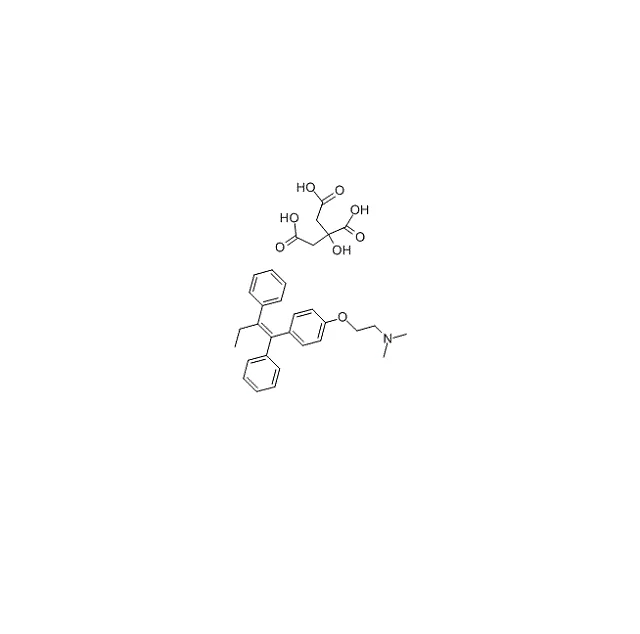
Tamoxifen Citrate
Tamoxifen citrate is an estrogen competitive antagonist. It is a non sterol anti estrogen drug. It can compete with estrogen (estradiol) in vivo and combine with estrogen receptor of breast cancer cells, so as to inhibit the effect of estrogen on cancer cells, hinder the growth and development of tumor cells, and play an anti-cancer effect. It is commonly used to treat all kinds of breast cancer, especially for postmenopausal women with estrogen receptor and progesterone receptor positive and low prostate specific antigen level.
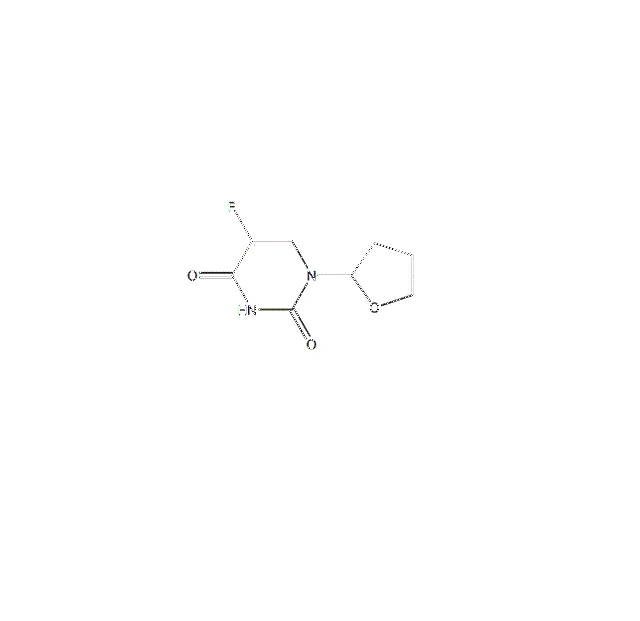
Tegafur
Tegafur is an anti-tumor drug, also known as furafluorouracil, furfuradine, furfuradine, furyl, Fangke, flufluflurane, furafluorouracil, tetrahydrofuran fluorouracil. It is a derivative of fluorouracil, and has no anti-tumor effect in vitro. After entering the human body, it is released gradually through the liver drug metabolism enzyme and microsomal enzyme P-450 Fluorouracil (5-FU) is produced and plays a cytotoxic role. The mechanism of 5-FU is to inhibit thymidine synthetase, to block the conversion of deoxypyrimidine nucleotides to Thymine Nucleotides, and to interfere and block the synthesis of DNA, RNA and protein.
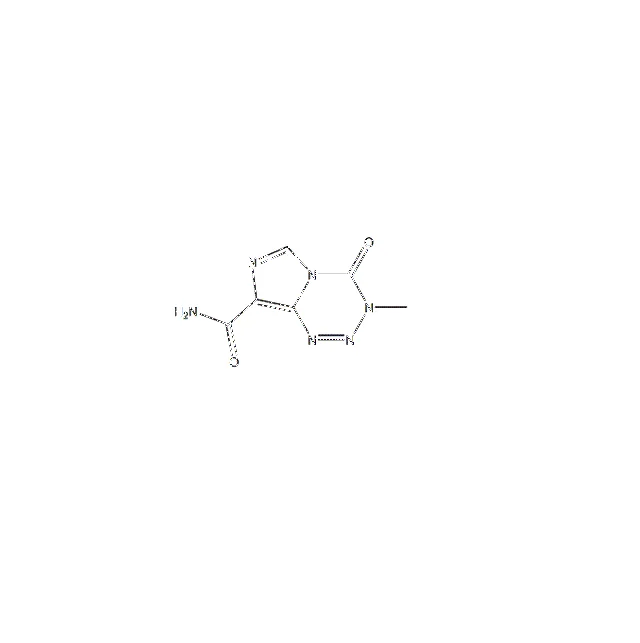
Temozolomide
Temozolomide is the first oral effective imidazolium tetrazine anti-tumor drug, which belongs to the second generation of alkylating agents with anti-tumor activity. After oral administration, temozolomide does not need to be activated by metabolism in the liver. It is easy to pass through the blood-brain barrier, has good tolerance and no superimposed toxicity with other drugs. It has synergistic effect with radiotherapy, and is suitable for recurrent malignant glioma after conventional treatment, such as polymorphous gum It is also the first-line treatment for metastatic melanoma.
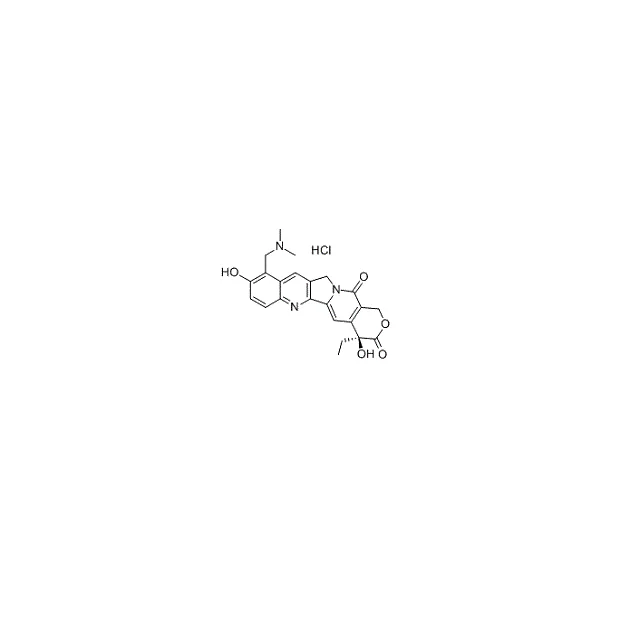
Topotecan Hydrochloride
Topotecan hydrochloride can inhibit the activity of topoisomerase I, which is needed for DNA replication. After intravenous injection, the product is hydrolyzed in blood and excreted in urine. This product has a rapid serum clearance rate of 62L per hour, widely distributed in the body, with a half-life of about 2-3H. The preclinical test showed that the product had antitumor activity for all kinds of tumors. In phase I clinical trial, the product also has obvious antitumor effect on cisplatin resistant ovarian cancer patients.
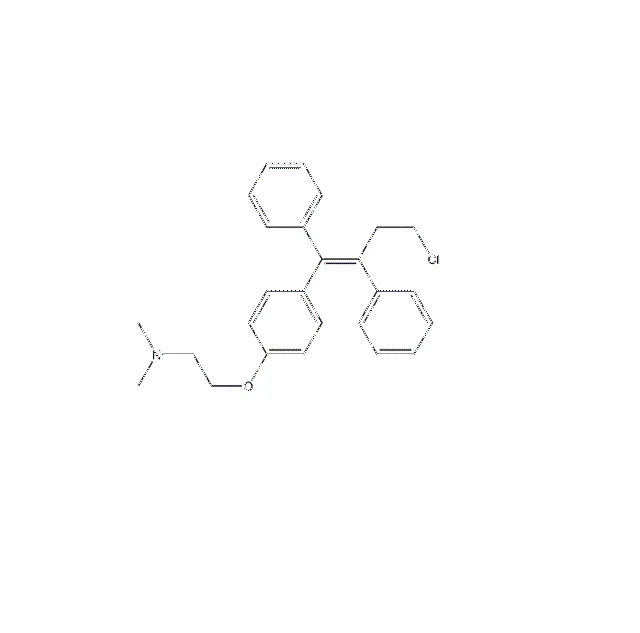
Toremifene
Toremifene, a chloroethyl derivative of tamoxifene, can competitively bind to estrogen receptor in breast cancer cell plasma, enter the nucleus to regulate the synthesis of mRNA and protein, and prevent the proliferation and differentiation of cancer cells. It is safe to take orally. The peak plasma concentration is reached within 4 hours. The area under the plasma concentration time curve is directly proportional to the dosage. It is mainly metabolized in the liver. Only a small part of the metabolites are excreted from the kidney, and most of them are excreted from the body through defecation. Therefore, hepatoenterocirculation can occur. It has anti estrogen and anti-tumor effects. This product is bound to estrogen receptor, which can prevent the synthesis of chromosomal genes and the growth of tumor cells caused by estrogen. It is suitable for postmenopausal breast cancer and the treatment of recurrent breast cancer. No matter long-term or short-term drug use, there is no obvious toxicity.
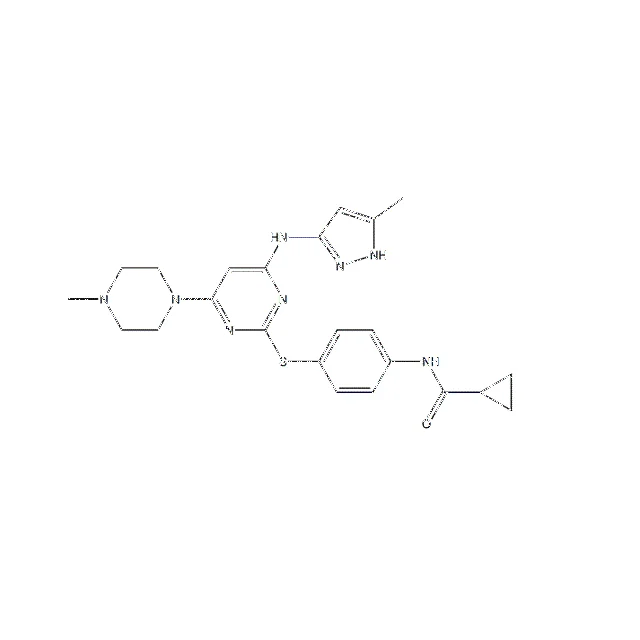
Tozasertib
VX-680 is the product of vertex pharmaceuticals (VRTX). It is the first drug targeting Aurora kinases to prevent tumor growth. The drug is mainly used in the treatment of blood tumors, colon cancer and breast cancer.