

Cosmetic Ingredient Chemicals (26)
Showing 1–12 of 26 products · Page 1 of 3
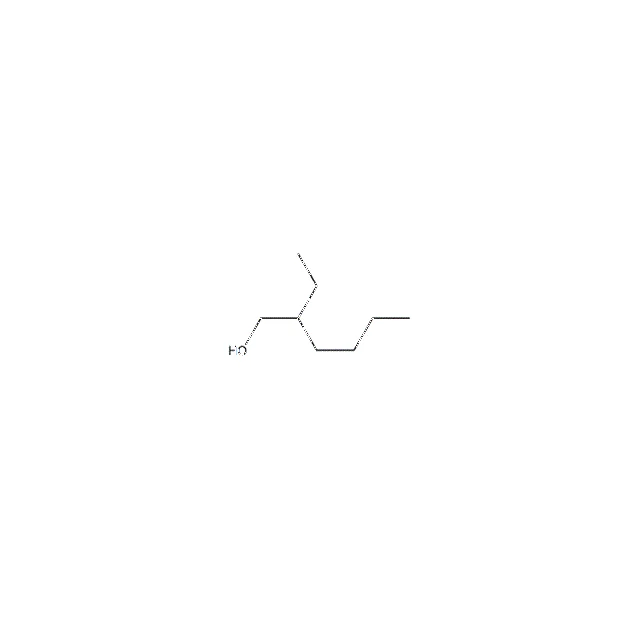
2-Ethylhexanol
2-ethylhexanol is often called octanol in the neighborhood of plasticizer. It is an important chemical raw material. In addition to the production of plasticizers, foreign octanol can also be used to produce octyl acrylate or surfactant. It can be mainly used to produce: DOP, DOA, totm, other plasticizers, octyl acrylate, surfactants, bone oil additives, mining, diesel engine fuel additives, solvents and formulations Rust inhibitor ester and other chemicals. Octanol itself is a useful solvent, defoamer, dispersant and lubricant. Its series products are mainly plasticizer such as dioctyl phthalate and octyl acrylate. Dioctyl phthalate produced from octanol is the main plasticizer of PVC. The consumption of dioctyl phthalate for PVC accounts for 95% of the total consumption.
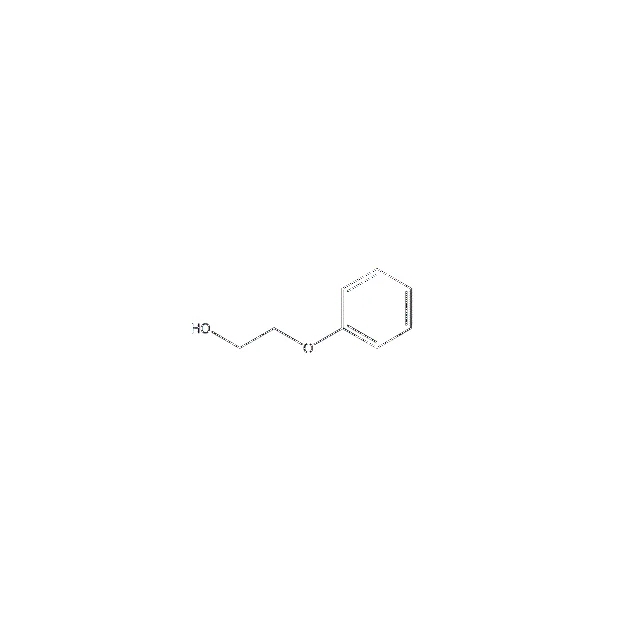
2-Phenoxyethanol
Phenoxyethanol is an organic compound often used in skin care products. It can be synthesized by etherification of glycol and phenol. It is commonly used in skin care cream and sunscreen. Phenoxyethanol is a colorless, slightly viscous liquid with aromatic odor, slightly soluble in water, easily soluble in ethanol and sodium hydroxide. It has antibacterial effect (generally used with quaternary ammonium salt), and is often used as a substitute for highly toxic sodium azide in biological buffer solution, because 2-phenoxyethanol has low toxicity and is not chemically active to copper and lead. In cosmetics, skin care products, vaccines and drugs, they usually play the role of preservatives.
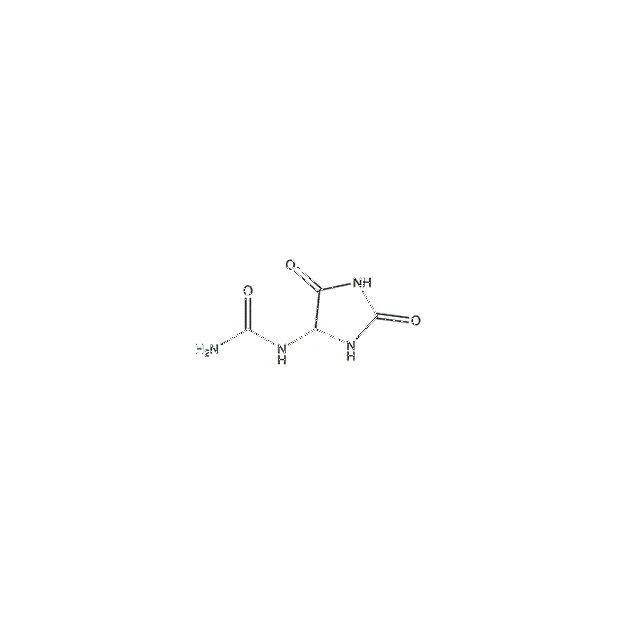
Allantoin
Allantoin has anti-inflammatory and analgesic effects, and it also has weak local paralysis effect, which can effectively reduce the stimulation of irritants. It can be used as a skin protection agent and anti irritant, which can reduce the stimulation of cosmetic ingredients on the skin. China food and drug administration has listed it as the first type of high-efficiency active group skin care agent, which has been widely used in shampoo and sunscreen products Cream products, shaving cream and oral care products.
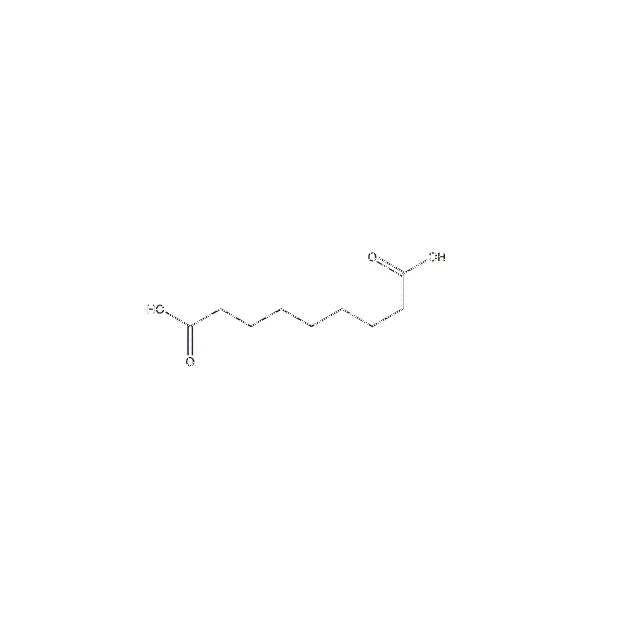
Azelaic Acid
Azelaic acid is a skin disease prevention and treatment drug, mainly used for acne, chloasma and skin melanin deposition. It is also an important organic synthesis intermediate. It is also used in plastics, rubber and other industries to synthesize plasticizers, aviation oil to synthesize low-temperature high-speed lubricating oil, electrolytic capacitor manufacturing and other aspects. At present, the main production method is to prepare azelaic acid from unsaturated fatty acids such as oleic acid and triglycerides such as castor oil and cottonseed oil.
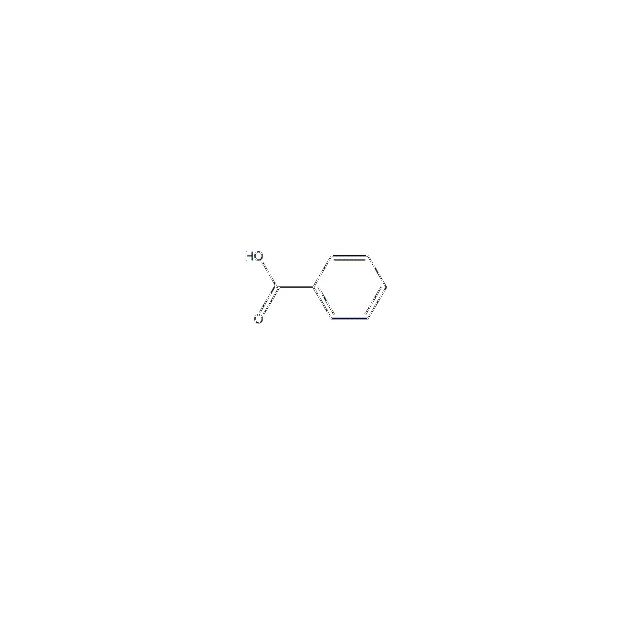
Benzoic Acid
Benzoic acid, also known as benzoic acid, has a molecular formula of c6h5cooh. The simplest aromatic acid with the carboxyl group directly linked to the carbon atom of the benzene ring is a compound formed by the substitution of hydrogen on the benzene ring by the carboxyl group (- COOH). It is colorless and tasteless lamellar crystal. Melting point 122.13 °C, boiling point 249 °C, relative density 1.2659 (15 / 4 °C). When it sublimates rapidly at 100 °C, its steam has a strong irritant, which is easy to cause cough after inhalation. Slightly soluble in water, easily soluble in ethanol, ether, chloroform, benzene, toluene, carbon disulfide, carbon tetrachloride, turpentine and other organic solvents. In the form of free acid, ester or its derivatives, it exists widely in nature, for example, in the form of free acid and benzyl ester in benzoin gum; it exists in some plant leaves and stems and leaves in a free form; exists in methyl oil or benzyl ester in essential oils; in horse urine, it exists in the form of its derivative, uric acid. Benzoic acid is a weak acid, stronger than fatty acid. Their chemical properties are similar, and they can form salts, esters, acyl halides, amides, anhydrides, etc., which are not easy to be oxidized. The electrophilic substitution reaction can take place on the benzene ring of benzoic acid, which is mainly produced by the intermediate substitution. Benzoic acid is often used as medicine or preservative, which can inhibit the growth of fungi, bacteria and molds. It is usually applied on the skin for the treatment of ringworm skin diseases. Used in synthetic fiber, resin, coating, rubber, tobacco industry. At first, benzoic acid was prepared by carbonization of benzoin gum or hydrolysis of alkaline water, or hydrolysis of hippuric acid. In industry, benzoic acid is produced by oxidation of toluene with air in the presence of cobalt, manganese and other catalysts, or by hydrolysis and decarboxylation of phthalic anhydride. Benzoic acid and its sodium salt can be used as bacteriostatic agent of latex, toothpaste, jam or other food, and as mordant of dyeing and printing
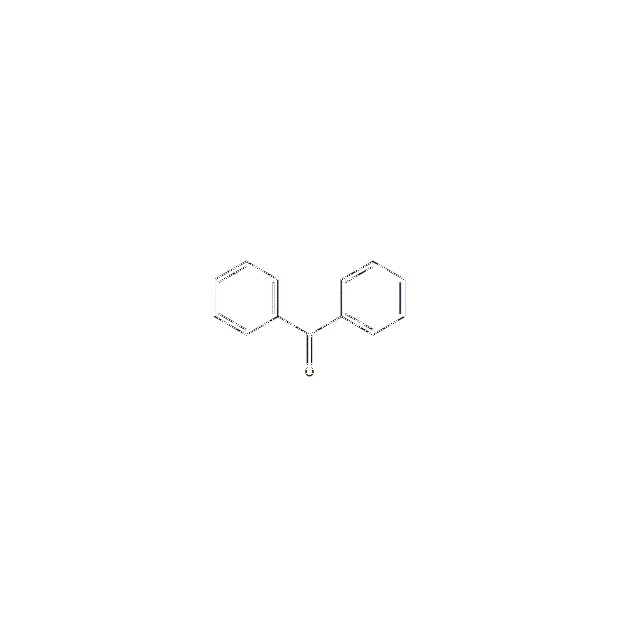
Benzophenone
Benzophenone is a colorless prismatic crystal with sweet and rose flavor, melting point 47-49 °C, relative density 1.1146, refractive index 1.6077. Soluble in ethanol, ether, chloroform and other organic solvents and monomers, insoluble in water. It is a free radical photoinitiator, mainly used in UV curing system of free radicals, such as coatings, inks, adhesives, etc. it is also an intermediate of organic pigments, medicines, spices, pesticides. In the pharmaceutical industry, it is mainly used to produce dicyclohexylpiperidine, benzotropine hydrobromate, diphenhydramine hydrochloride, etc. This product is also a styrene polymerization inhibitor and spice setting agent. It can give spices sweet flavor and is widely used in perfumes and soap flavors. In the process of storage and transportation, the product shall be kept away from moisture, sun and heat source, and its temperature shall not exceed 45 °C.
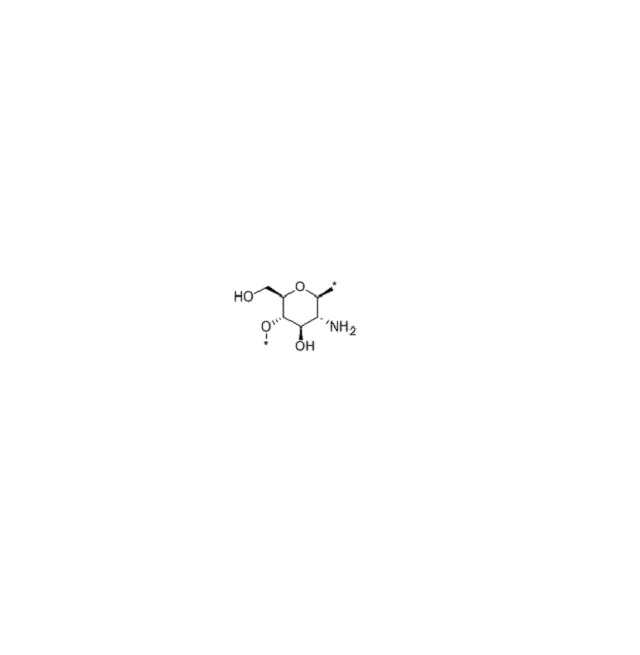
Chitin
Chitin is a kind of nitrogen-containing polysaccharide, also known as chitin, chitin, chitin, chitin, chitin, and cuticle. Chitin is the second most abundant biopolymer in nature, which is widely distributed. It is the important component of the shells of many lower animals, especially arthropods, such as shrimp, crab, insect, etc. the shells of shrimp contain about 15% - 30% and the shells of crab contain about 15% - 20%. It is also a component of cell membrane of lower plant fungi, lichen, green algae, yeast, jellyfish and squid. It is estimated that the annual biomass is more than 1 billion tons, which is a huge renewable resource. It is a 2-acetylglucosamine polymer with a white or yellowish transparent appearance. Its chemical structure is similar to that of natural cellulose. Besides hydroxyl, there are also acetylamino and amino functional groups in the molecule. There are many groups available for structural modification. It has more functional properties than cellulose and its derivatives. It is insoluble in water, ethanol, ether, salt, dilute acid and alkali; Soluble chitin, which is soluble in acetic acid and concentrated caustic soda solution, forms glassy colloid soluble chitin (also known as polyaminodextrose, chitosan, sugar solution chitin, chitosan, etc.), which can be used for: (1) purified water and ion exchange resin for extracting uranium from seawater; (2) packing and molecular sieve of gel column; (3) preparation of food packaging film or soluble food which can be degraded by biological or enzyme. (4) water retention agent for cultivating plants or microorganisms; (5) anti shrinkage and anti wrinkle treatment of textiles and fixation of direct dyes or sulfurized dyes.
Citrus Oil
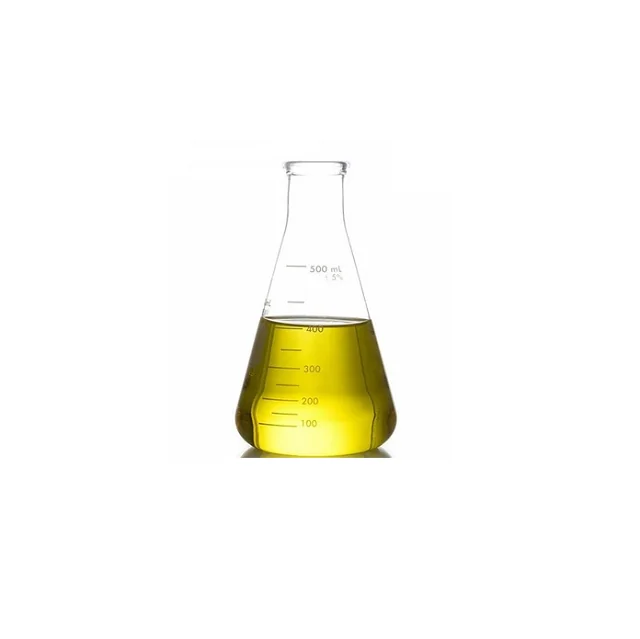
Lemon, also known as Caragana fruit, lemon and Leonurus fruit, is the fruit of small evergreen tree fruit trees of Rutaceae, Rosaceae, and the third largest citrus fruit variety after orange and orange. It is mainly produced in Mexico, Argentina, Brazil and southwest China. Among them, the output of fresh lemon fruit in Anyue County, Sichuan Province accounts for more than 80% of the total output of the country, which is the largest concentration area of fresh lemon fruit in China at present, known as the country of lemon in China. Lemon essential oil is one of the main active ingredients of lemon. It has the functions of relieving asthma, eliminating phlegm, relieving cough, relieving pain, anti-bacterial and anti-inflammatory, promoting gastrointestinal peristalsis and secretion of digestive fluid. It is a flavoring agent for drinks, beer and pastry. At the same time, it is widely used in toilet water, perfume, toothpaste, soap and other daily necessities. Therefore, lemon essential oil is widely used in food, medicine, daily chemical products and chemical industry.
Collagen
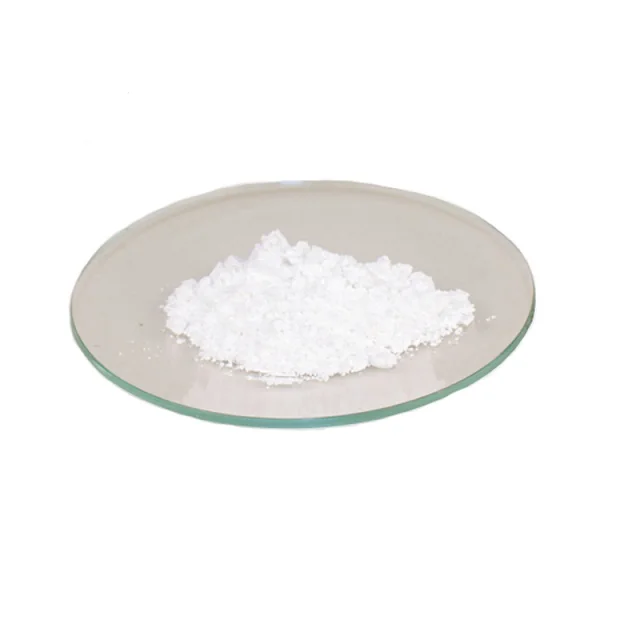
Generally, it is a white and transparent powder with long and thin rod like molecules, and its relative molecular weight ranges from about 2kd to 300kd. Collagen has a strong elongation, insoluble in cold water, dilute acid, dilute alkali solution, with good water retention and emulsification. Collagen is not easy to be hydrolyzed by ordinary protease, but it can be broken by animal collagenase, and the broken fragments can be denatured automatically, which can be hydrolyzed by ordinary protease. When the environmental pH is lower than neutral, the denaturation temperature of collagen is 40-41 °C, when the environmental pH is acidic, the denaturation temperature of collagen is 38-39 °C.
Ethyl Vanillin
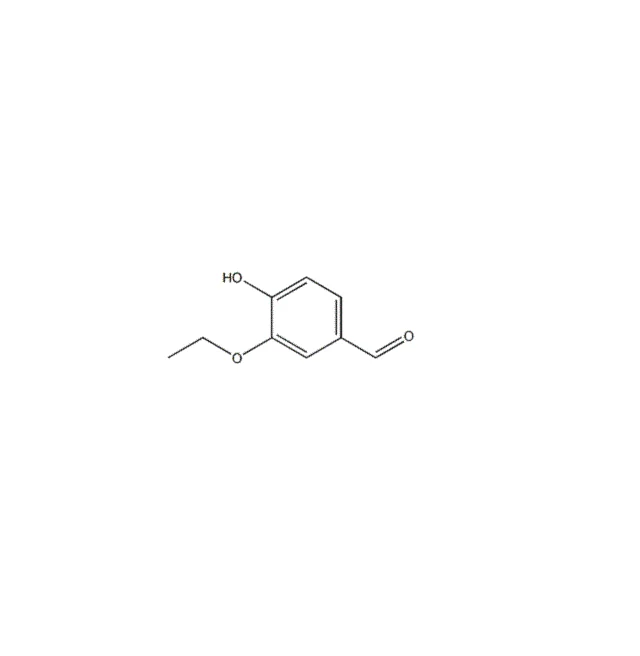
Ethyl vanillin, also known as ethyl vanillin, is a white to yellowish scale crystalline powder, presenting sweet chocolate aroma and vanillin unique fragrance, basically harmless, widely used in perfumery, cosmetics, food additives, medicine and other industries. The first flavor of human synthesis is vanillin, which was synthesized by Dr. M. and Dr. G. in 1874.
Hyaluronic Acid
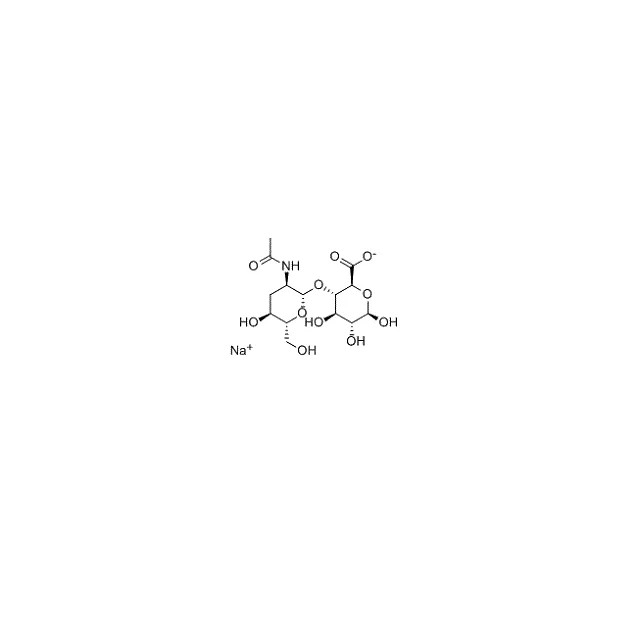
Hyaluronic acid is a kind of acid mucopolysaccharide. It has many important physiological functions in the body with its unique molecular structure and physical and chemical properties, such as lubricating joints, regulating the permeability of blood vessel wall, regulating the diffusion and operation of protein and water electrolyte, promoting wound healing, etc. What's more, hyaluronic acid has a special function of keeping water, which is the best moisturizing substance found in nature at present. It is called an ideal natural moisturizing factor.
Hydroxypropyl Methyl Cellulose
Hydroxypropyl methylcellulose is the propylene glycol ether of methylcellulose, in which hydroxypropyl and methyl are combined by ether bond and anhydrous glucose ring of cellulose, which are white to gray white cellulose powder or particles, with the characteristics of cold water dissolution and hot water insolubility similar to methylcellulose. The solubility in organic solvent is better than that in water. It can be dissolved in anhydrous methanol and ethanol solution, and also in chlorinated hydrocarbons and ketones and other organic solvents. Soluble in water, its aqueous solution has surface activity, and after drying, it forms a thin film. After heating and cooling, it can undergo reversible conversion from sol to gel. It can be used alone or in combination with other emulsifiers and stabilizers in cold drinks. The maximum dosage of cold drinks is 1%. Hydroxypropylmethylcellulose can be mixed with other water-soluble polymer compounds to form a uniform and transparent solution with higher viscosity. The gelation temperature of low viscosity products is higher than that of high viscosity. Its solution is stable when stored at room temperature. In recent years, it has been widely used in petrochemical, papermaking, leather, textile printing and dyeing, medicine, food, cosmetics and other industries as dispersant, thickener, adhesive, excipient, capsule, oil-resistant coating and filler.