


Antineoplastic Drugs API (75)
Showing 37–48 of 75 products · Page 4 of 7
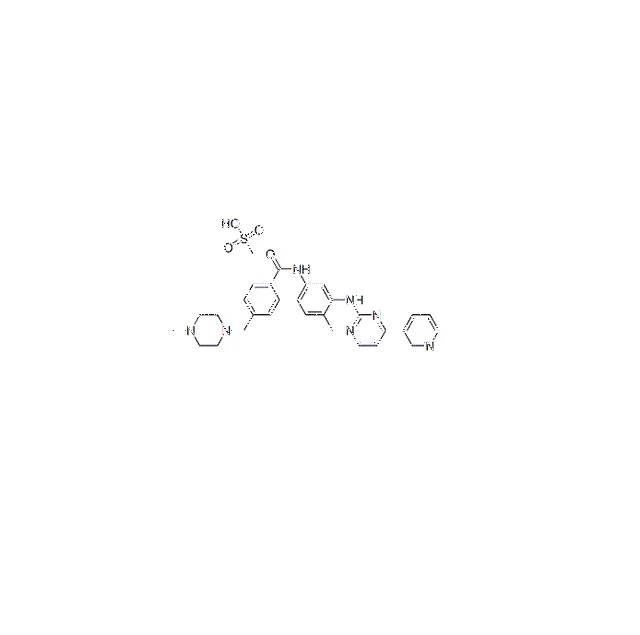
Imatinib Mesylate
Imatinib mesylate can inhibit BCR ABL tyrosine kinase in vitro and in vivo, selectively inhibit the proliferation and induce apoptosis of BCR ABL positive cell lines, chronic myeloid leukemia and fresh cells from patients with acute lymphoblastic leukemia. In addition, imatinib mesylate can also inhibit the tyrosine kinase of PDGF receptor, SCF and c-kit receptor, thus inhibiting the cell behavior mediated by PDGF and stem cell factor.
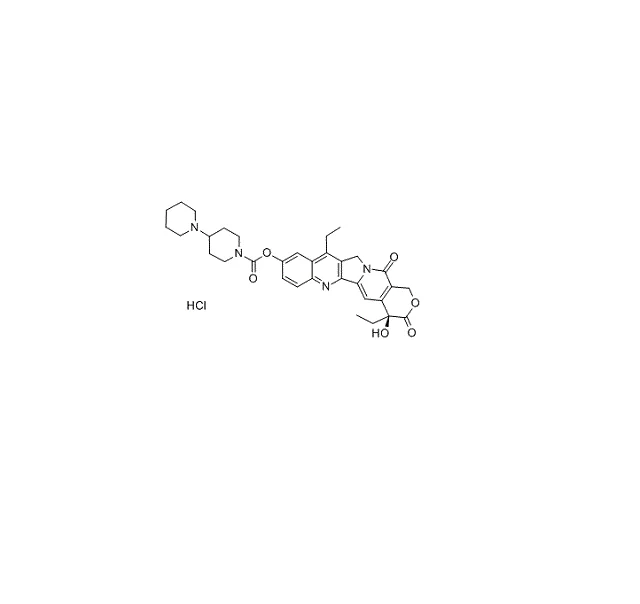
Irinotecan Hydrochloride
Irinotecan hydrochloride is a semi synthetic derivative of camptothecin. It is light yellow powder or light yellow crystalline powder at room temperature, odorless. Slightly soluble in water, ethanol or chloroform, insoluble in acetone. Camptothecin can specifically bind to topoisomerase I, which can induce reversible single strand breaks, so that the DNA double strand structure can be untwisted; irinotecan and its active metabolite SN-38 can bind to topoisomerase I-DNA complex, so as to prevent the reconnection of the broken single bond, resulting in cytotoxicity, which is time-dependent and specific to S-phase, and toxicity is also Better than irinotecan. It is suitable for the treatment of patients with advanced colorectal cancer, combined with 5-fluorouracil and folic acid to treat patients with advanced colorectal cancer who have not received chemotherapy before. As a single drug, it is used to treat patients who have failed to receive chemotherapy containing 5-fluorouracil. Irinotecan has broad-spectrum and strong antitumor activity in vivo and in vitro. It is important that irinotecan and its metabolites are still effective in the expression of multidrug-resistant tumors.
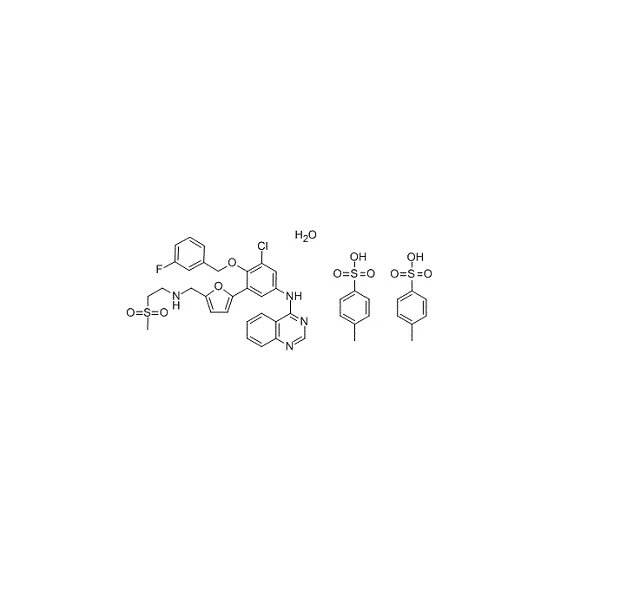
Lapatinib ditosylate
Lapatinib (INN), used in the form of lapatinib ditosylate, (USAN) (Tykerb/Tyverb, GSK) is an orally active drugfor breast cancer and other
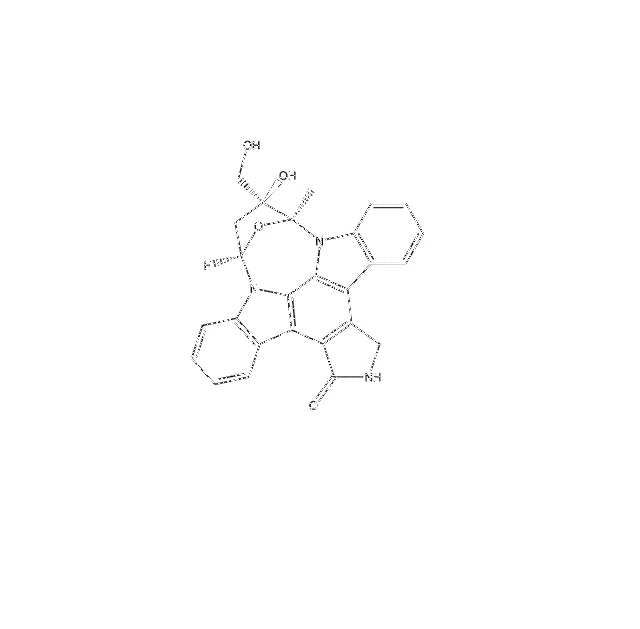
Lestaurtinib
CAS 111358-88-4 Letatinib is a semi synthetic, oral, biologically effective receptor tyrosine kinase inhibitor, which has been shown to have therapeutic effects in the treatment of diseases such as acute myeloid leukemia, chronic myeloid leukemia and acute lymphocytic leukemia. Letatinib, a multi-target indole carbazole derivative, has been widely used in clinical trials to inhibit FLT3 autophosphorylation in vitro. A number of late stage trials are under way to study the drug in adult and child leukaemia.
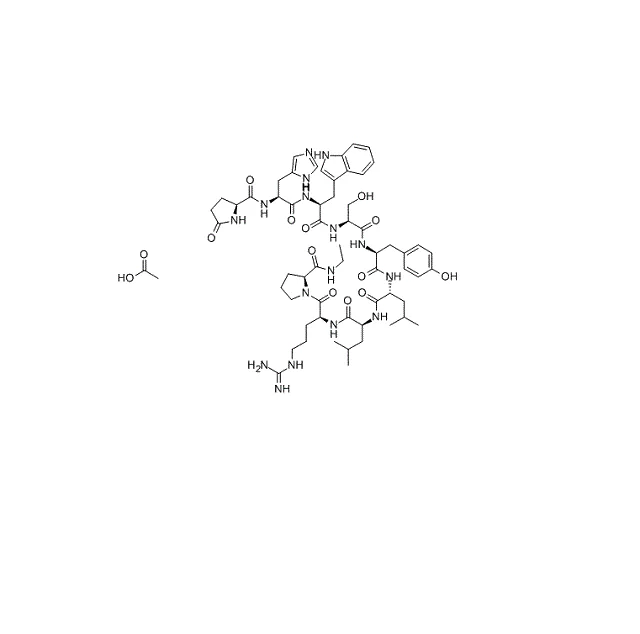
Leuprorelin
Leuprorelin, goserellin, triptoreline and nafrareline are currently commonly used drugs to remove ovaries in the treatment of premenopausal breast cancer and prostate cancer (GnRH-a drugs for short). GnRH-a drugs are similar to GnRH in structure, competing for GnRH receptor in pituitary. When GnRH receptor in pituitary is fully occupied and exhausted by GnRH-a, it will have a downward regulating effect on pituitary, that is, prolapse The decrease of gonadotropins secreted by the body leads to the obvious decrease of sex hormones secreted by the ovary, which is similar to the operation of ovariectomy, which is called drug ovariectomy. Leuprorelin, a GnRH analogue, is a peptide composed of nine amino acids. This product can effectively inhibit the function of pituitary gonadal system. Its resistance to proteolytic enzyme and affinity to GnRH receptor of pituitary are stronger than GnRH. The activity of promoting the release of luteinizing hormone (LH) is about 20 times of GnRH, and its inhibition to pituitary gonadal function is also stronger than GnRH. At the initial stage of treatment, FSH, LH, estrogen or androgen may rise for a short time. Subsequently, FSH, LH and the secretion of estrogen or androgen are inhibited due to the decreased responsiveness of pituitary gland, which has therapeutic effect on sex hormone dependent diseases (such as prostate cancer, endometriosis, etc.).
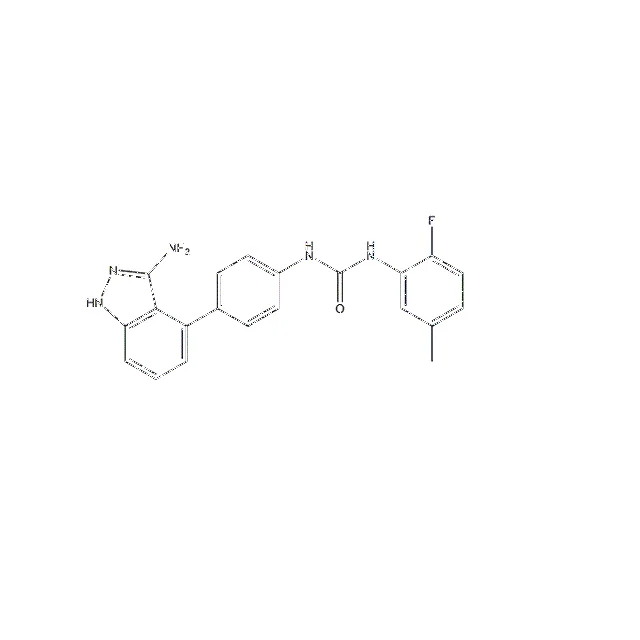
Linifanib
Linifanib (ABT-869) is a structurally novel, potent inhibitor of receptor tyrosine kinases (RTK), vascular endothelial growth factor (VEGF) andplatelet-derived growth factor (PDGF) with IC50 of 0.2, 2, 4, and 7 nM for human endothelial cells, PDGF receptor beta (PDGFR-β), KDR, and colony stimulating factor 1 receptor (CSF-1R), respectively. It has much less activity (IC50s > 1 μM) against unrelated RTKs, soluble tyrosine kinases, or serine/threonine kinases. In vivo linifanib is effective orally in mechanism-based murine models of VEGF-induced uterine edema (ED50 = 0.5 mg/kg) and corneal angiogenesis (>50%inhibition, 15 mg/kg).
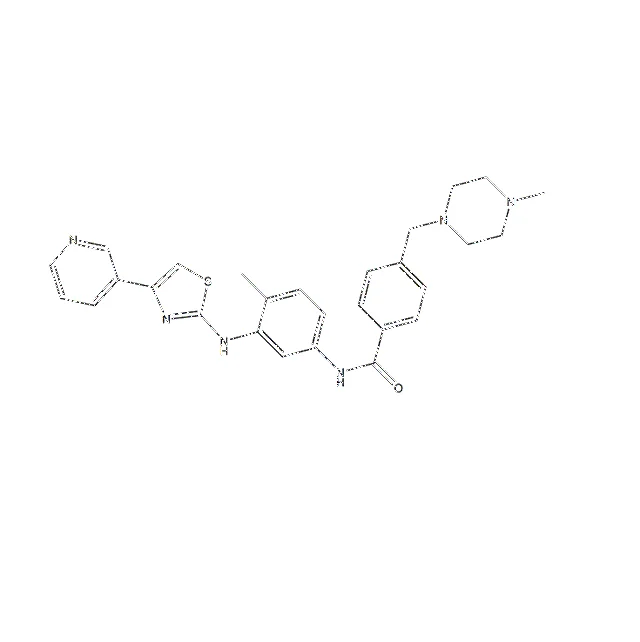
Mastinib
Masitinib is a tyrosine-kinase inhibitor used in the treatment of mast cell tumors in animals, specifically dogs. Since its introduction in November 2008 it has been distributed under the commercial name Masivet. It has been available in Europe since the second part of 2009. In theUSAit is distributed under the name Kinavet and has been available for veterinaries since 2011.
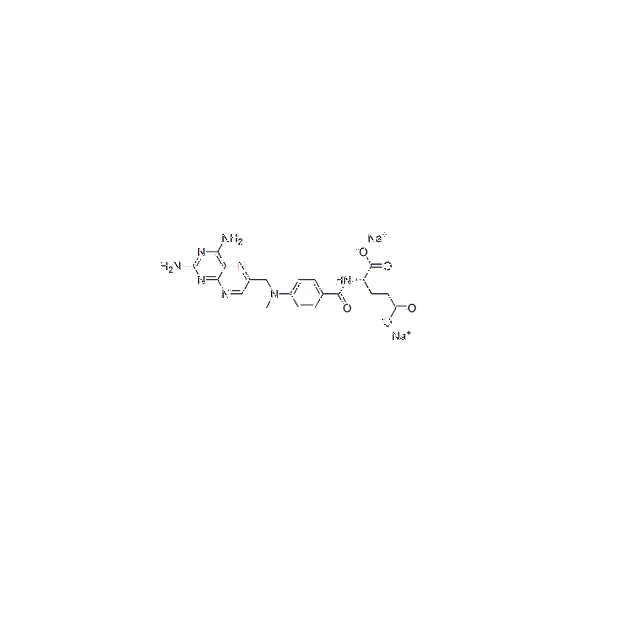
Methotrexate Disodium Salt
Test method: abdominal intake dosage: 120 mg/kg, male mating test object before 60 days (county) : rodents - rat toxicity type: reproductive toxicity effect: 1. The influence of his father - testis, epididymis and sperm tube 2 copies of male fertility index (such as # # men and women each impregnated with men fertile pregnancy women) 2. Test method: abdominal intake dosage: 284 mg/kg test object: rodents - rat toxicity type: acute toxic effects: the side effects of detailed didn't report other than lethal dose values
Miripla
Miplatin is a platinum anticancer drug developed by Sumitomo pharmaceutical plant Club of Japan. The specification of freeze-dried powder injection is 70mg / dose. It has a significant effect on the treatment of liver cancer, malignant lymphoma, non-small cell lung cancer, small cell lung cancer and superficial bladder cancer. The mechanism of action is similar to other platinum drugs. It can inhibit the synthesis and replication of DNA and the growth of tumor by producing alkylation complexes and acting on DNA to form cross-linking within and between chains. Animal studies have shown that after TACE, MIPT suspension can be targeted to accumulate in tumor tissue slow-release active ingredients, which has good antitumor effect, and its antitumor activity is better than that of jingsitatin. The clinical study showed that the ratio of TeV in the two groups was 26.5% (22 / 83) and 17.9% (7 / 39), the two-year survival rates were 75.9 and 70.3%, and the three-year survival rates were 58.4% and 48.7%, respectively. Compared with jingsitatin, no hepatic vascular injury (no effect on the second treatment) was found in the group of miplatin, and the irreversible damage (adverse effect on the prognosis) to the hepatobiliary system was reduced, and the safety was better than jingsitatin. Miplatin is a kind of anticancer drug, which is soluble in the fatty acid ethyl ester of papaverine iodide oil and administered in the hepatic artery. It has a high affinity with the fatty acid ethyl ester of papaverine iodide oil, and remains in the tumor site after administration in the hepatic artery. The platinum component in the suspension can be slowly released into the blood or tissue for a long time. The bivalent platinum compound combines with DNA, and inhibits the proliferation of cancer cells by preventing DNA synthesis It improves the anti-cancer effect. Clinical trials show that the product has a good anti-cancer effect in patients who have received this treatment for the first time, or in patients who have received other treatment methods such as hepatectomy.
Mitoxantrone
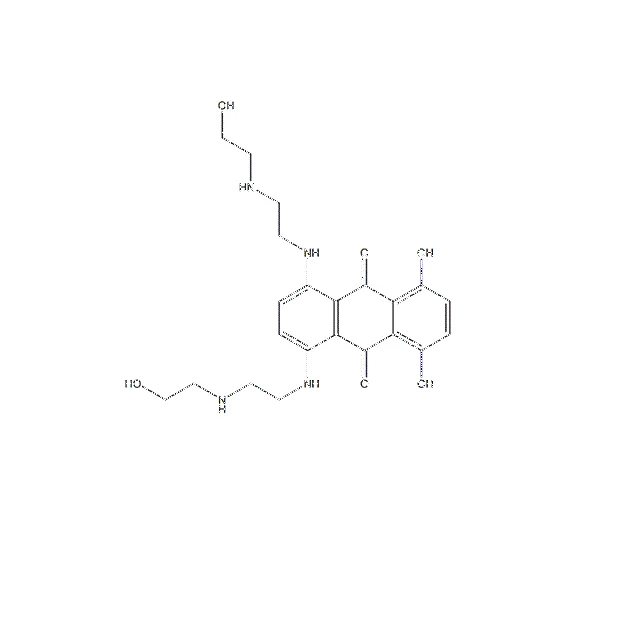
Miplatin is a platinum anticancer drug developed by Sumitomo pharmaceutical plant Club of Japan. The specification of freeze-dried powder injection is 70mg / dose. It has a significant effect on the treatment of liver cancer, malignant lymphoma, non-small cell lung cancer, small cell lung cancer and superficial bladder cancer. The mechanism of action is similar to other platinum drugs. It can inhibit the synthesis and replication of DNA and the growth of tumor by producing alkylation complexes and acting on DNA to form cross-linking within and between chains. Animal studies have shown that after TACE, MIPT suspension can be targeted to accumulate in tumor tissue slow-release active ingredients, which has good antitumor effect, and its antitumor activity is better than that of jingsitatin. The clinical study showed that the ratio of TeV in the two groups was 26.5% (22 / 83) and 17.9% (7 / 39), the two-year survival rates were 75.9 and 70.3%, and the three-year survival rates were 58.4% and 48.7%, respectively. Compared with jingsitatin, no hepatic vascular injury (no effect on the second treatment) was found in the group of miplatin, and the irreversible damage (adverse effect on the prognosis) to the hepatobiliary system was reduced, and the safety was better than jingsitatin. Miplatin is a kind of anticancer drug, which is soluble in the fatty acid ethyl ester of papaverine iodide oil and administered in the hepatic artery. It has a high affinity with the fatty acid ethyl ester of papaverine iodide oil, and remains in the tumor site after administration in the hepatic artery. The platinum component in the suspension can be slowly released into the blood or tissue for a long time. The bivalent platinum compound combines with DNA, and inhibits the proliferation of cancer cells by preventing DNA synthesis It improves the anti-cancer effect. Clinical trials show that the product has a good anti-cancer effect in patients who have received this treatment for the first time, or in patients who have received other treatment methods such as hepatectomy.
Mitoxantrone Hydrochloride
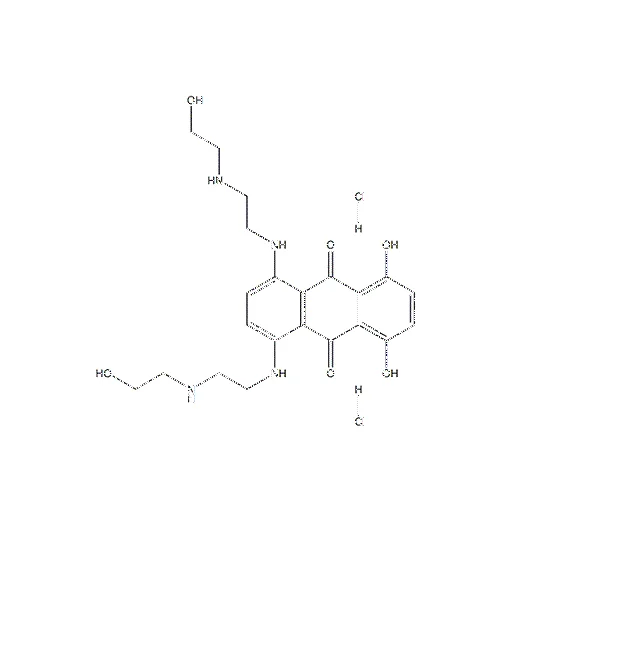
It is used in the treatment of certain types of cancer, mostly metastatic breast cancer, acute myeloid leukemia, and non-Hodgkin's lymphoma. It was also shown to improve the survival of children suffering from first relapse of acute lymphoblastic leukaemia.The combination of mitoxantrone and prednisone is approved as a second-line treatment for metastatic hormone-refractory prostate cancer. This combination has been the first line of treatment, until recently, when combination of docetaxel and prednisone has been shown to improve survival and disease-free period.Mitoxantrone is also used to treat multiple sclerosis (MS), most notably the subset known as secondary progressive MS. Mitoxantrone will not cure multiple sclerosis, but is effective in slowing the progression of secondary progressive MS and extending the time between relapses in relapsing-remitting MS and progressive relapsing MS.
Monensin Sodium
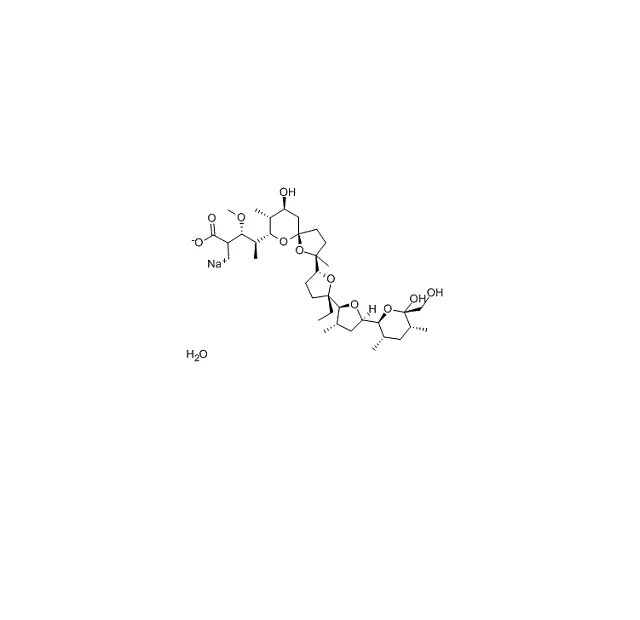
1. Monensin sodium, as an anticoccidial agent, can be used in the feed of broilers under 16 weeks of age, the dosage is 90-110g / T, the laying period is forbidden, and the stopping period is 3 days. Horses are not allowed to use, and will die after use; it is prohibited to use it at the same time with temicin and zhutaomycin.