

Indicator (87)
Showing 1–12 of 87 products · Page 1 of 8
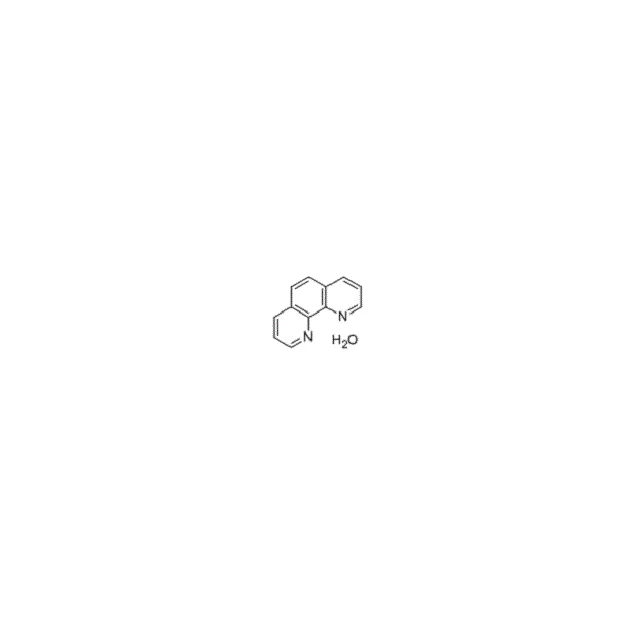
1,10-Phenanthroline Hydrate
O-phenanthroline (o-phenanthroline) is a commonly used redox indicator. As a simple, cheap and fast detection method, o-phenanthroline colorimetry is widely used in the detection and analysis of iron. The principle is that in the solution of pH = 3 ~ 9, o-phenanthrene and Fe₂⁺ will form a stable orange red complex. The color depth of the complex can be used to determine the content of iron ions in the sample to be tested.
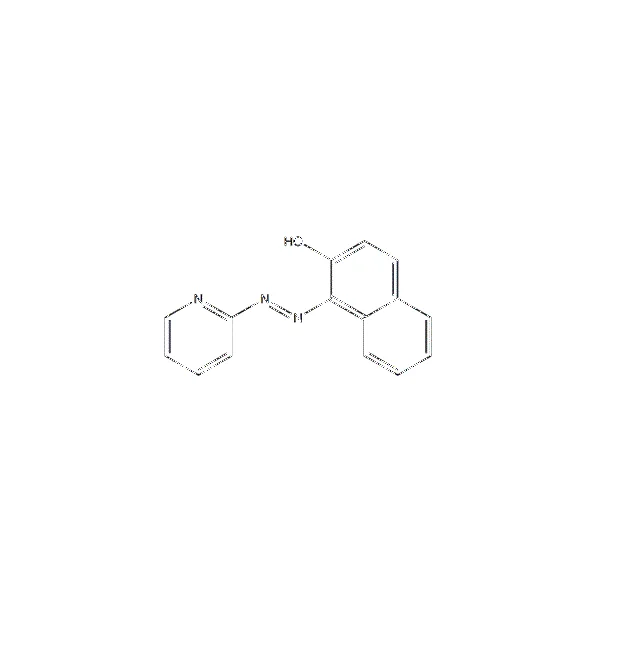
1-(2-Pyridylazo)-2-naphthol
Orange red amorphous powder. Melting point 141 °C, soluble in methanol, ethanol, benzene, ether, chloroform and hot dilute alkali solution, insoluble in water. The solution is pink above pH12, orange red in weak acid and purple in concentrated sulfuric acid. Its metal complex is pink or red.
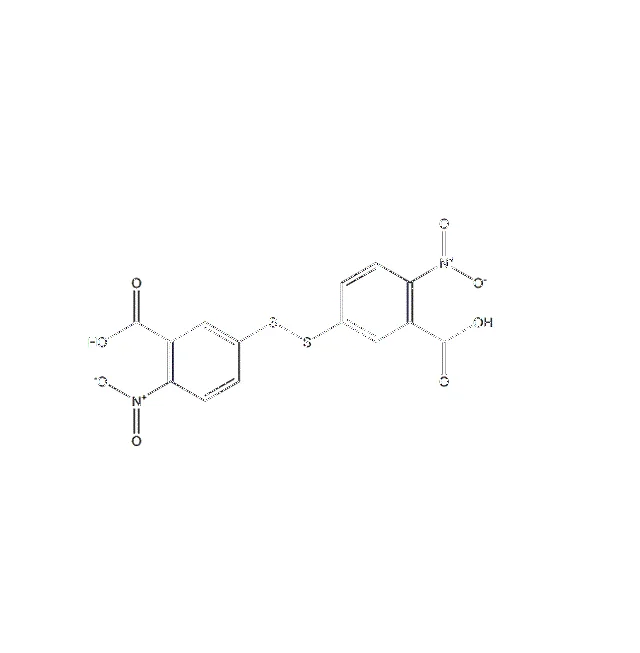
5,5′-Dithiobis(2-nitrobenzoic Acid)
Widely used in biochemical research, it is a sensitive reagent for the determination of thiol group in protein, polypeptide and tissue. Monitoring of organophosphorus pesticide poisoning (determination of cholinesterase).
8-Hydroxyquinoline
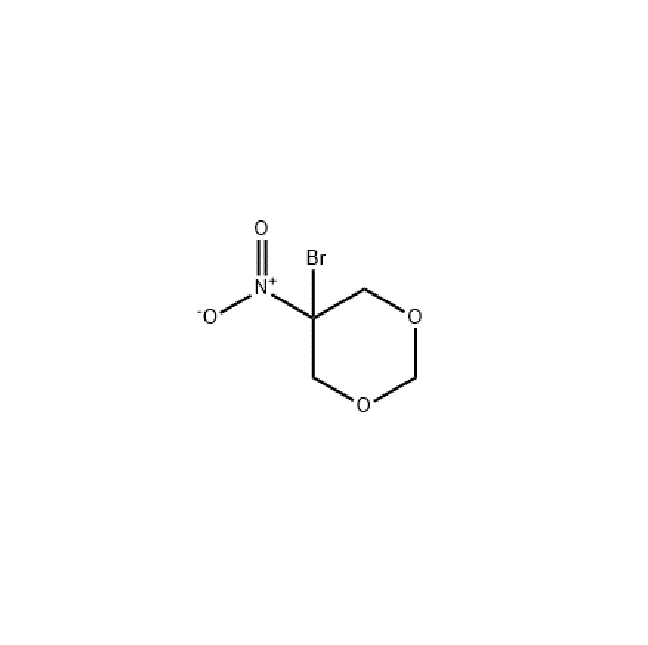
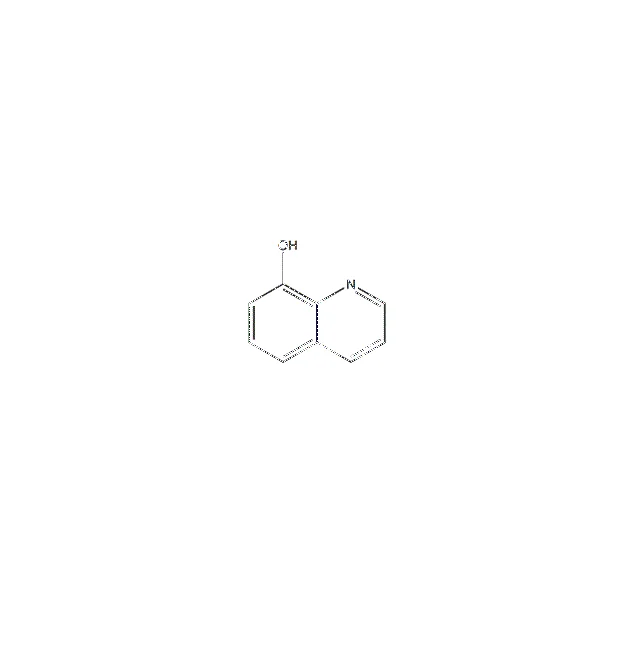
8-hydroxyquinoline is a white or light yellow crystalline or crystalline powder. It is a white or light yellow crystalline or crystalline powder, insoluble in water and ether, soluble in ethanol, acetone, chloroform, benzene or dilute acid, and can be sublimated. Less corrosive. Low toxicity, ld504800mg / kg.
AZURE II EOSINATE
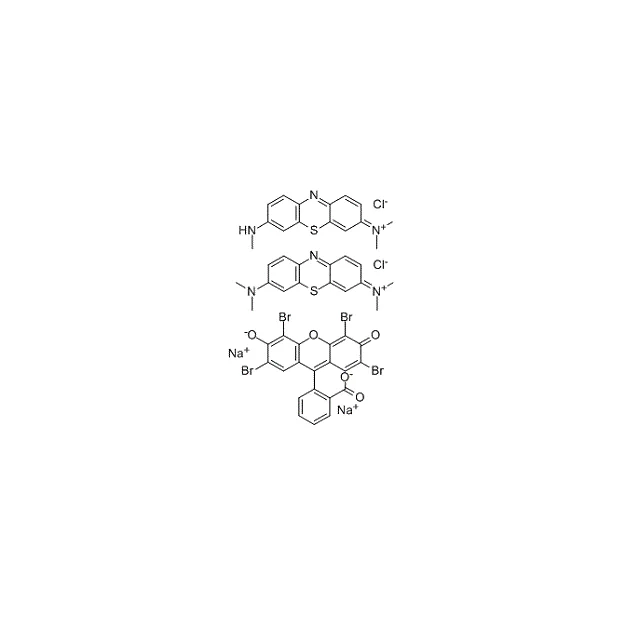
The main components are the mixture of methylene blue, azure I and eosin.
Acid Blue 93
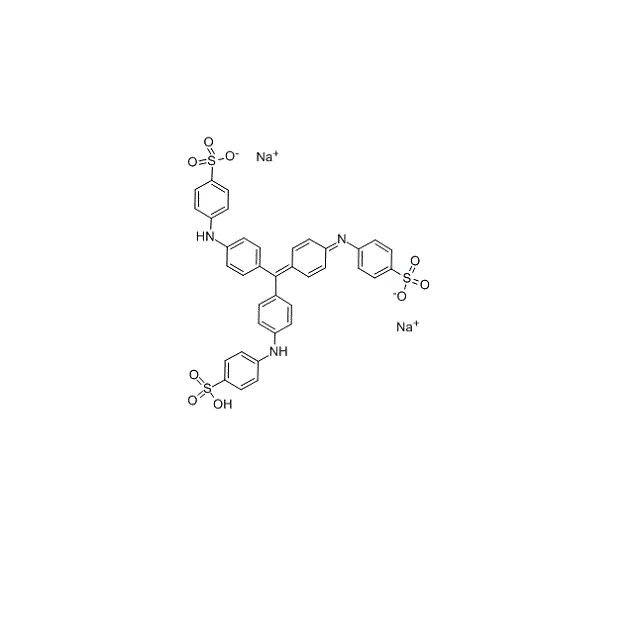
It is a weak acid dye, soluble in water and alcohol. Methyl blue is widely used in animal and plant production technology. When combined with eosin, it can dye nerve cells, which is also an indispensable dye in bacterial production. Aqueous solution is the living dye of protozoa. Methyl blue is very easy to oxidize, so it can not be preserved for a long time after dyeing.
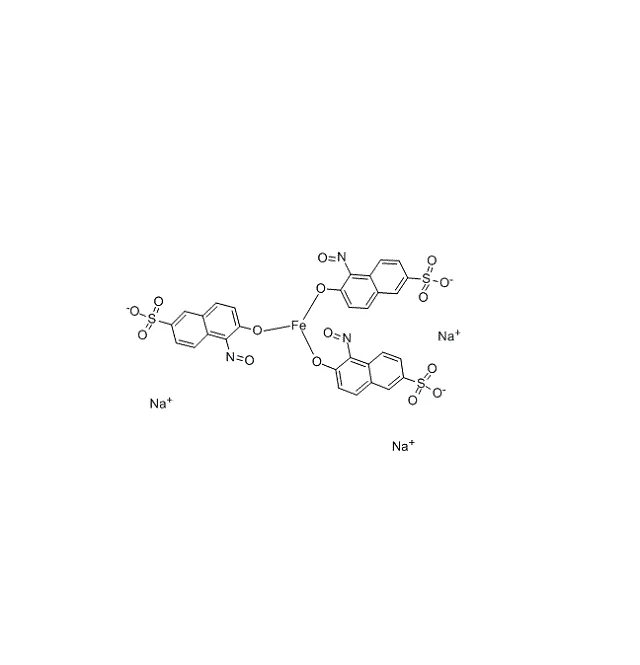
Acid Green 1
Biological staining, complexation indicator. Naphthol green B can be combined with acid chrome blue K to form a mixed indicator KB indicator, which makes its color change more acute, from purplish red to blue green.
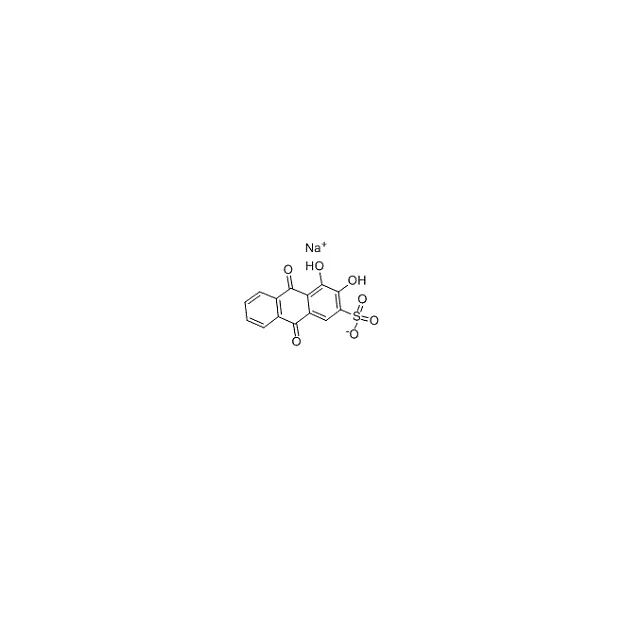
Alizarin Red S
Orange yellow or yellow brown powder, soluble in water, slightly soluble in ethanol, insoluble in benzene and chloroform; pH of 1% aqueous solution is 2.15, and its aqueous solution is light yellow brown, yellow after adding hydrochloric acid, and blue purple after adding sodium hydroxide. As a dye coordination agent, it has been widely used in spectrophotometry. In recent years, many authors have applied the adsorptive catalytic wave of ARS and its metal complexes on the mercury electrode to the electroanalysis, which has improved the sensitivity and selectivity of the determination.
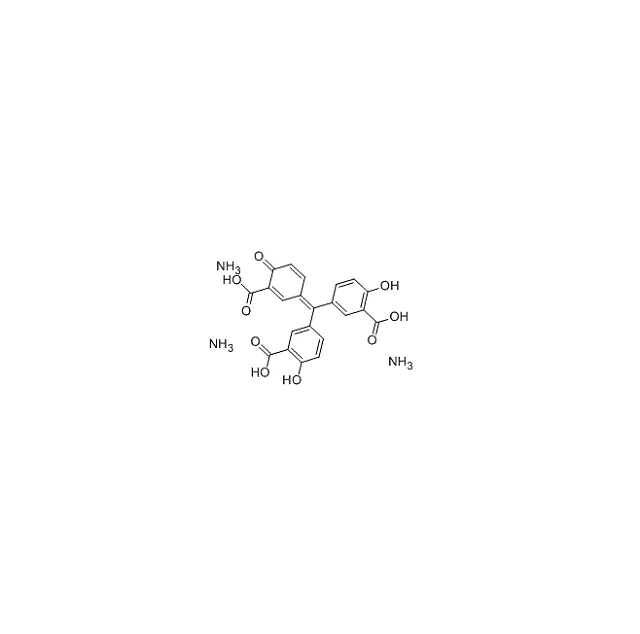
Aluminon
Aluminum reagent is also called Rose Red tricarboxylic acid triammonium, 3 - [bis (3-carboxyl-4-hydroxyphenyl) methylene] - 6-oxygen-1, 4-cyclohexadiene-1-carboxylic acid triammonium salt, lysoon, c.i.43810 (rose red tricarboxylic acid). Orange to brown glassy powder. The relative molecular weight is 473.43. Melting point 223-225 °C (decomposition). The absorption wavelength is λ Max 522nm. Insoluble in ether, acetone, chloroform, slightly soluble in ethanol, easily soluble in water. With aluminum, chromium, iron, beryllium can form a lake. This product has the structure of triarylmethane and has hydroxyl group and - NH4 group on the aromatic ring, so it has the function of color development.
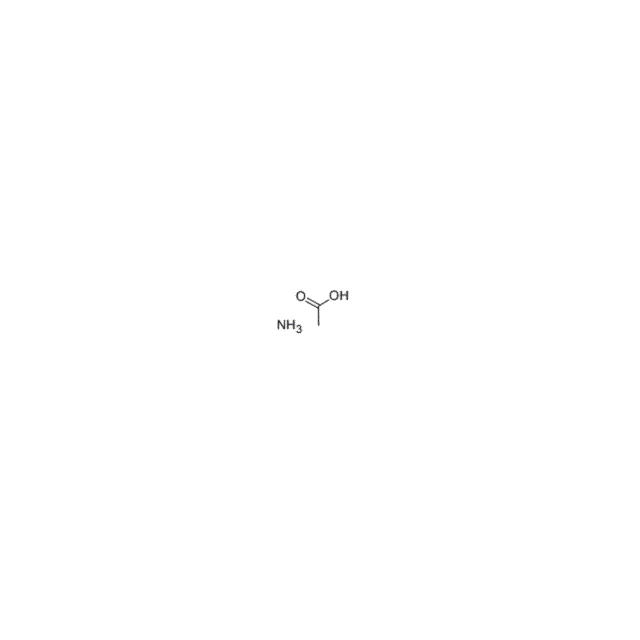
Ammonium Acetate
Ammonium acetate is also called "ammonium acetate". Chemical formula nh4c2h3o2. Molecular weight 77.08. White crystal. Melting point 114 °C, relative density 1.17. Decomposition in high temperature and hot water. Soluble in ethanol, soluble in water, slightly soluble in acetone. Ammonia is easily lost in the air. It is obtained by the interaction of glacial acetic acid and ammonia. In recent years, with the development of pharmaceutical industry, the demand for high purity and low water ammonium acetate has increased dramatically. At present, ammonium acetate has analytical purity, superior purity, pharmaceutical grade and industrial grade, far from meeting the requirements of the pharmaceutical industry. The reason is that the content is low (97% - 98), the pH range is unsatisfactory, the water content is high, the water is easy to be deliquesced, and the storage is difficult. Once the water is absorbed in the storage process, the product can't be treated twice at all. Because it can't be used continuously, it is discarded, resulting in a lot of waste and serious environmental pollution. According to the analysis, the reason why ammonium acetate is easy to absorb moisture is that there is a certain amount of water in the finished product of ammonium acetate. Even the water content of analytical pure, superior grade and reagent grade ammonium acetate is about 2% - 3%. Therefore, ammonium acetate is easy to absorb moisture in the process of storage and use, so it is urgent to study and prepare high purity and low water ammonium acetate.
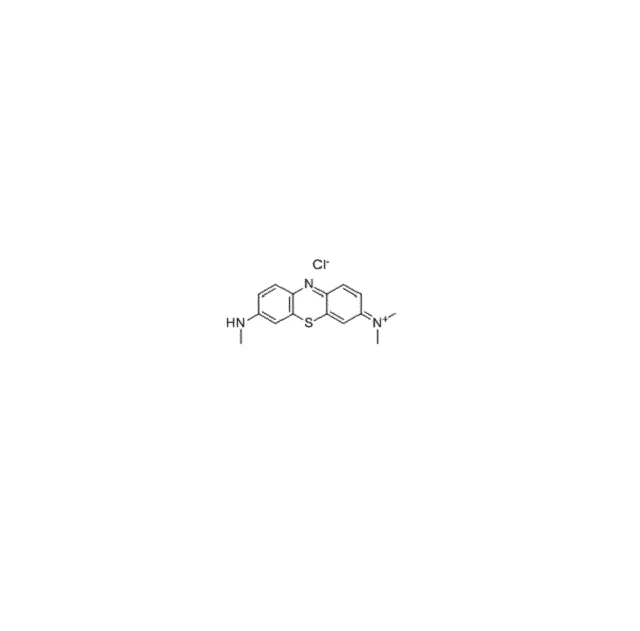
Azure B
Azurol B is used as a biological dye and can be used for the determination of lignin peroxidase.