


Water Treatment Chemicals (21)
Showing 1–12 of 21 products · Page 1 of 2
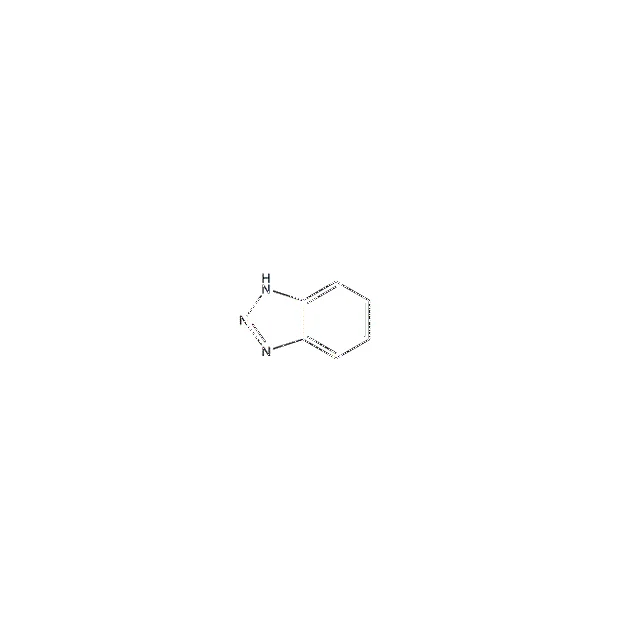
1H-Benzotriazole
It is widely used in antirust and corrosion inhibitor of metal, preparation of water quality stabilizer and antirust grease, as well as the synthesis of photographic antifogging agent and vapor phase antirust agent.
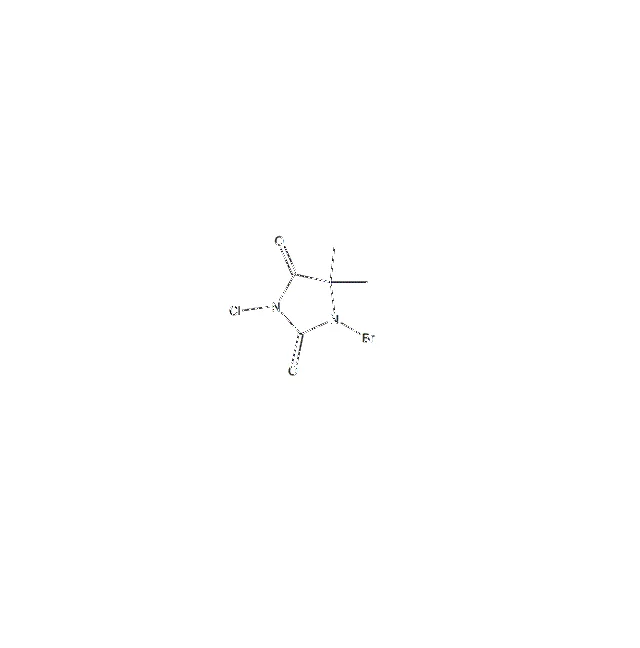
AGRIBROM
BROMOCHLOROHYDANTOIN, also known as junzaoqing, chemical name is 1-bromo-3-chloro-5,5-dimethylhydantoin, white powder. It is a special disinfectant and bactericide, which is used in industrial water treatment, flower and seed disinfection, sterilization, aquaculture, fruit preservation and other aspects.
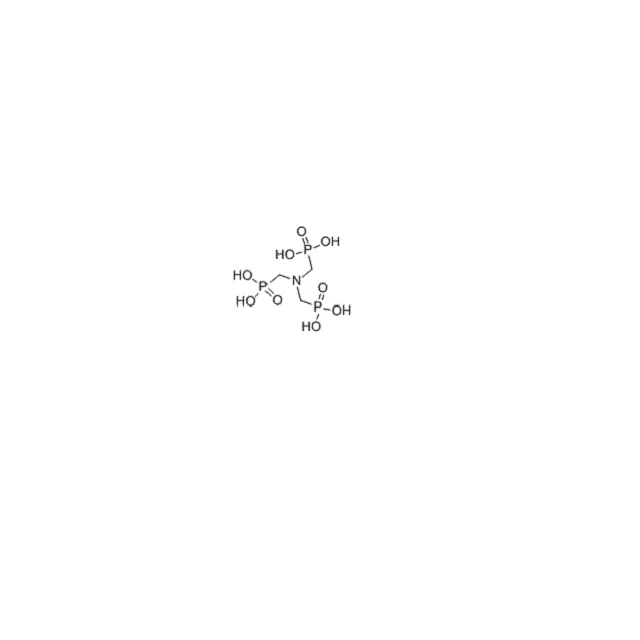
ATMP
Amino trimethylene phosphonic acid (amtp) is a crystalline powder, which is soluble in water and easy to absorb moisture. It has good chelation, low limit inhibition and lattice distortion. Under 200 °C, it has excellent scale inhibition effect, low toxicity and good thermal stability. It can be dissociated into six positive and negative ions in water, and can chelate with iron, copper, aluminum, zinc, calcium, magnesium and other metal ions to form a stable complex, especially for carbonate scale prevention. It has good synergistic ability with polyphosphate, polycarboxylate and nitrite. It has good corrosion inhibition effect at 40 mg / L.
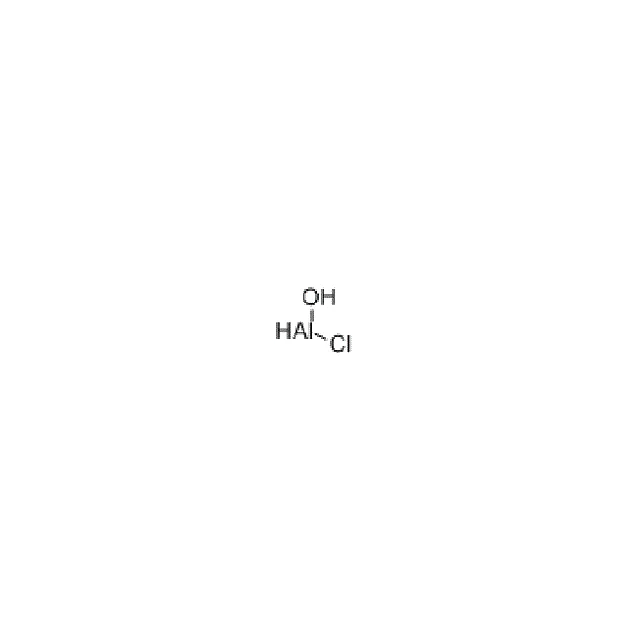
Aluminum Chlorohydrate
Polyaluminium chloride is a kind of inorganic polymer. It has certain cementitious property, and can be used as the cementitious material of refractory coating, ultrapure alumina products and refractory concrete. Polyaluminium chloride is a kind of high valence polyhydroxy electrolyte, which can be regarded as the intermediate product of AlCl3 hydrolysis to Al (OH) 3. The gel core is positively charged and the hydrolysis is acid. The composition of this kind of products is a mixed system composed of various aqueous complexes in a certain proportion under certain conditions. Its expression is [Al2 (OH) n · cl6-n] m, where n = 1-5, m ≤ 10.
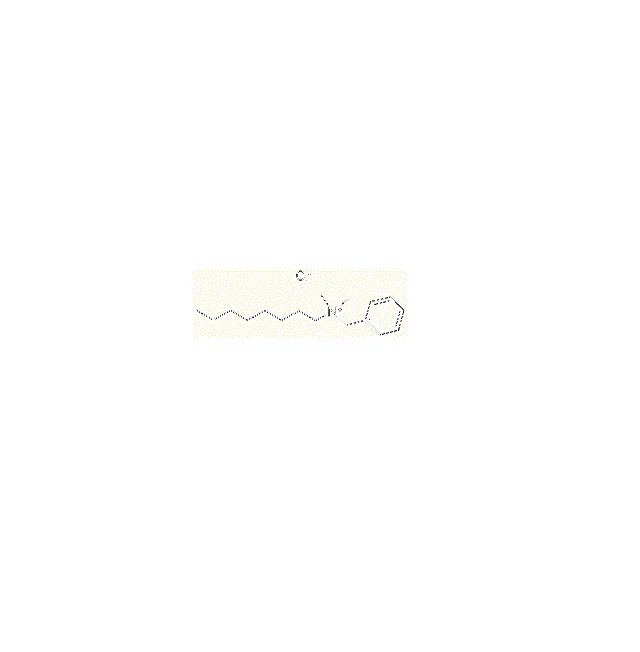
Benzalkonium Chloride
Benzalkonium chloride, also known as jieermiao, and benzalkonium bromide are widely used in clinical use as cationic surfactants. They are dissociated into cationic active groups in aqueous solution. They are clean and bactericidal. They have strong and rapid bactericidal power, low toxicity, little irritation to skin and mucous membrane. They can change the permeability of bacterial plasma membrane, make the cytoplasmic substances of bacteria permeate, and hinder their metabolism It has strong killing effect on Gram-positive bacteria, but has no effect on Pseudomonas aeruginosa, acid fast bacteria, virus and bacterial spore. It can combine with protein rapidly, and reduce the effect significantly in the presence of blood, cotton, cellulose and organic matter. It is mainly used for disinfection of skin, wound, mucous membrane and surgical instruments, and also used as bacteriostatic in liquid preparations.

Calcium Hypochlorite
Calcium hypochlorite, commonly known as bleaching essence, is often used in the bleaching process of chemical production. It plays an important role in the industrial production because of its rapid effect and outstanding bleaching effect. However, because it is a strong oxidant, it does great harm to people, so it can not be used for other purposes outside industry. When using it, we should also pay attention to self-protection to avoid being corroded. In addition, it has carcinogenicity, which should be paid attention to during preservation.
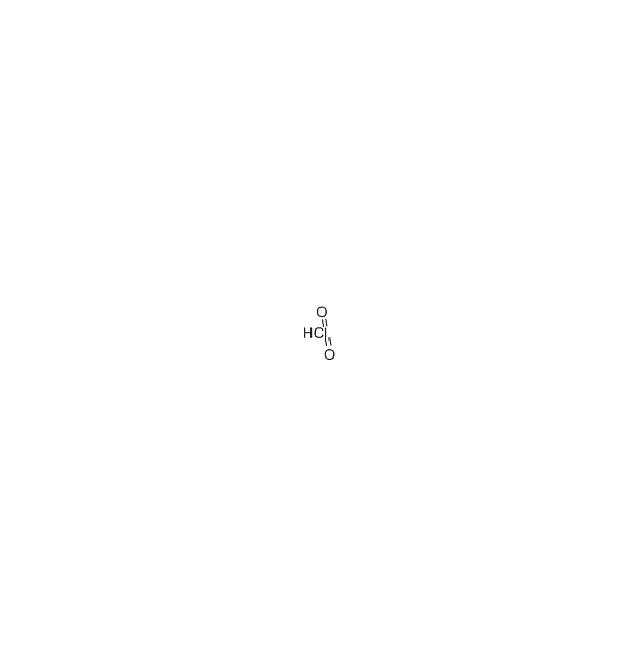
Chlorine Dioxide
Red and yellow have strong irritating odor gas: liquefy into red brown liquid at 11 °C , and solidify into orange red crystal at - 59 °C . It has a special odor like chlorine and nitric acid. The liquid is reddish brown and the solid is orange red. Boiling point 11 °C . The relative vapor density is 2.3g/l. In case of hot water, it will decompose into hypochlorite, chlorine and oxygen, which are easy to decompose under light, and its solution is relatively stable in cold and dark places. Chlorine dioxide can react explosively with many chemicals. It is very sensitive to heat, vibration, impact and friction, and is easy to decompose and explode. When heated or exposed to light or organic substances, which can promote oxidation, it can promote decomposition and easily cause explosion. If air, carbon dioxide, nitrogen and other inert gases are used for dilution, the explosiveness will be reduced. It is a strong oxidant and its effective chlorine is 2.6 times that of chlorine. Can react violently with many substances. Very corrosive.
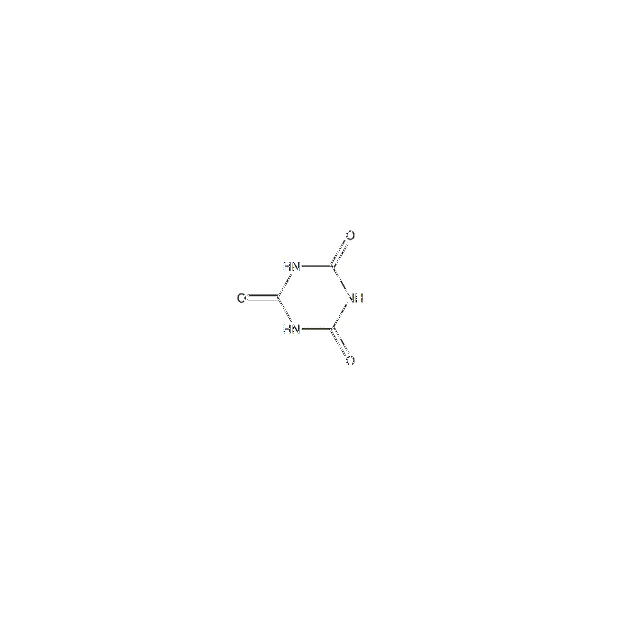
Cyanuric Acid
Cyanuric acid is also known as isocyanuric acid and cyanuric acid. Its molecular formula is c3h3n3o3, which is tasteless white powder or particle, slightly soluble in water, melting point 330 °C , and pH value of saturated solution ≥ 4.0. It is mainly used in the manufacture of cyanuric acid bromide, chloride, bromine chloride, iodine chloride and cyanuric acid salts and esters. It is used in the synthesis of new disinfectants, water treatment agents, bleaching agents, Chlorinators, brominating agents, antioxidants, paint coatings, selective herbicides and metal cyanide moderators. It can also be directly used as a chlorine stabilizer for swimming pools, nylon, plastic, polyester flame retardant Additives and cosmetics, synthesis of special resins, etc.
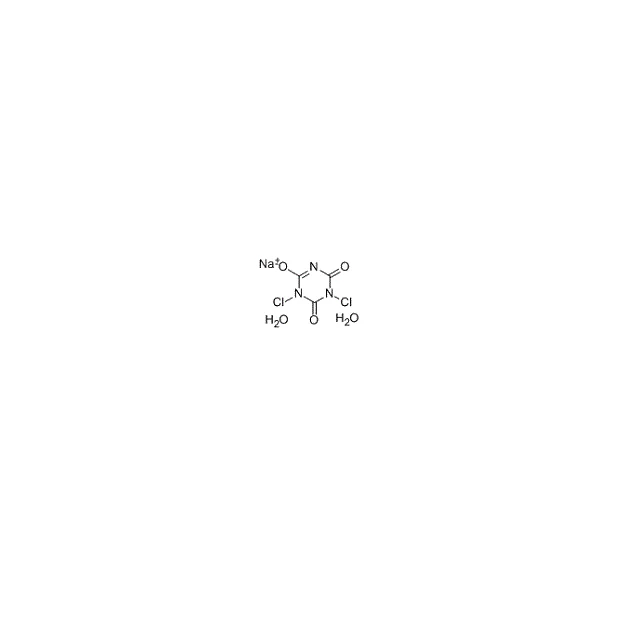
Dichloroisocyanuric Acid Dihydrate Sodium Salt
As a kind of disinfectant, it can sterilize drinking water, swimming pool, tableware and air, light against infectious diseases as routine disinfection, preventive disinfection and environmental sterization in different places, act as disinfectant in raising silkworm, livestock, poultry and fish, and also can be used to prevent wool from shrinkage bleach the textile and clean the industrial circulating water. The product has high efficiency and constant performance and has no harm to human beings. It enjoys good reputation both at home and abroad.
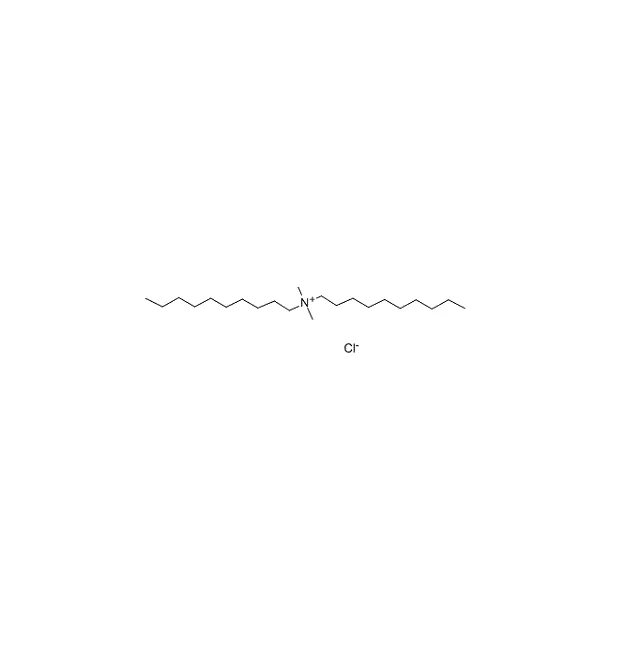
Didecyl Dimethyl Ammonium Chloride
DDAC is a kind of mothproofing agent for wool fabric to prevent insect diseases, and is used as disinfectant and fungicide in medicine, health and civil use. DDAC is one of the third-generation products of quaternary ammonium bactericide, its ability of killing microorganisms is significantly better than that of the first and second generation products .Besides, It can be used as fungicides and bactericidal algae killer in oilfield water injection and industrial circulating cooling water system. When used as moth-proofing for woolen fabrics, it can be filled, impregnated or sprayed; Used as an antiseptic to treat hard surfaces, it can be combined with chlorine dioxide.
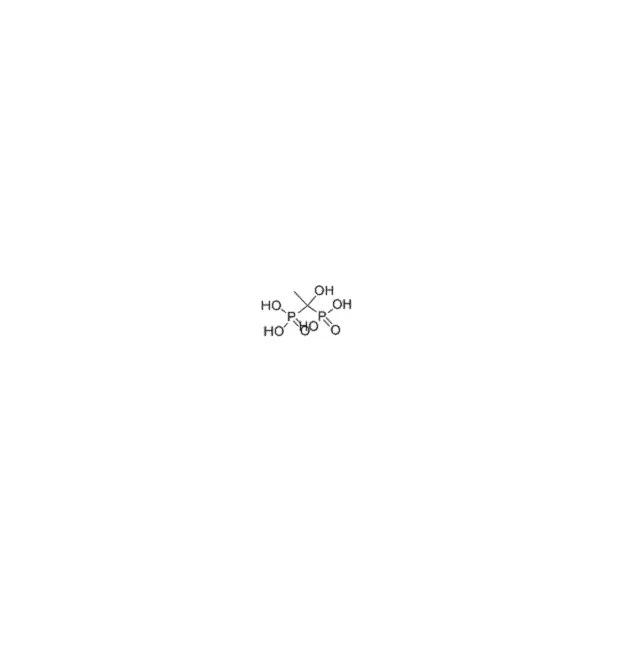
Etidronic Acid
Hydroxyethylidene diphosphonic acid (HEDP), chemical product, an organic phosphoric acid scale and corrosion inhibitor, can form stable complexes with iron, copper, zinc and other metal ions, and can dissolve oxides on the metal surface.
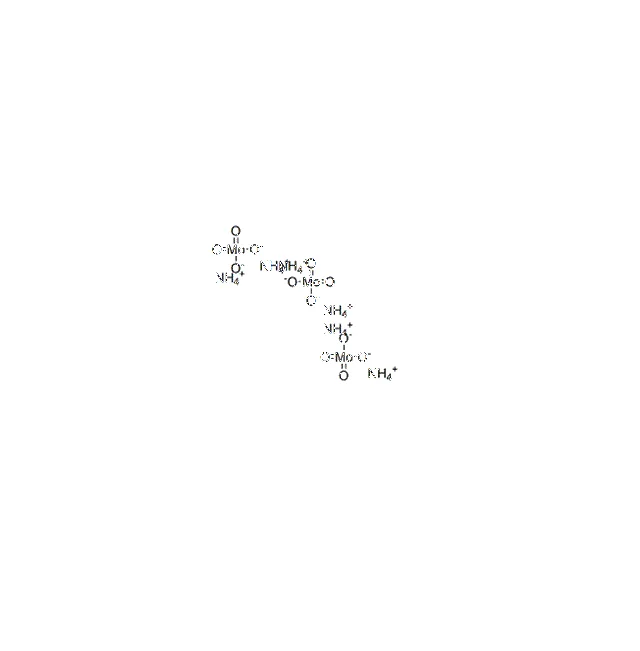
Hexaammonium Molybdate
Ammonium heptamolybdate is an important intermediate product in the process of molybdenum metallurgy. It is the main raw material for the production of molybdenum powder, molybdenum wire and molybdenum based products. It is also used in chemical and petroleum catalyst, flame retardant, dye, pigment, microelement fertilizer and other industries and fields. With the rapid development of molybdenum high-tech products, ammonium molybdate has become an indispensable material in high-tech fields, such as superconductivity, cermet, laser, computer, polymer synthesis, detection and testing.