

Food Additive Chemicals (38)
Showing 1–12 of 38 products · Page 1 of 4
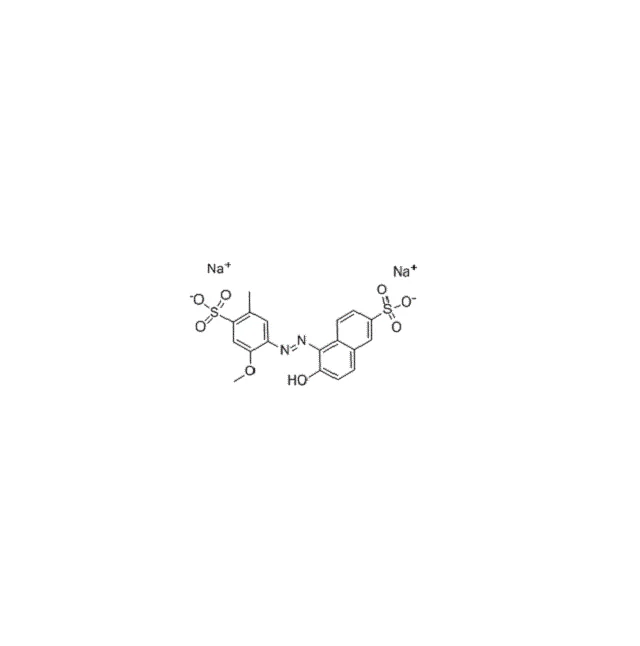
ALLURA RED AC
Dark red powder, odorless. It is soluble in water, glycerin and propylene glycol, slightly soluble in ethanol, and insoluble in oil. It is red in neutral and acidic aqueous solutions, and dark red in alkaline conditions. Good light resistance and heat resistance, but poor alkali resistance and oxidation-reduction resistance. The oral LD50 of mice is 10g/kg, and Adl0 ~ 7mg/kg (FAO/WHO, 1994). Allure Red Aluminum Lake is orange-red fine powder, odorless. It is insoluble in water and organic solvents, and will slowly dissolve allure red in acidic or alkaline media. See Allure Red for toxicity. Used as colorant in food, medicine and cosmetics.
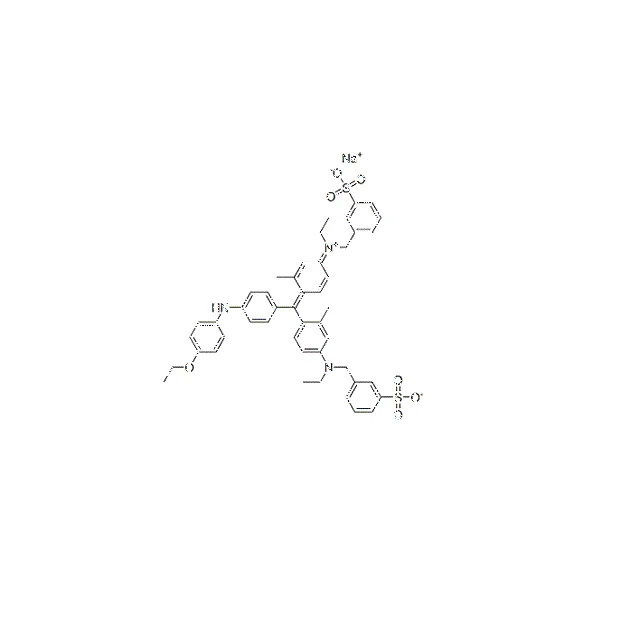
Acid Blue 90
Dark brown powder. Slightly soluble in cold water, soluble in hot water, the aqueous solution is bright blue, adding sodium hydroxide solution to become purple. It is bright blue when dissolved in ethanol. It is blood-red in concentrated sulfuric acid, and orange-red after dilution.
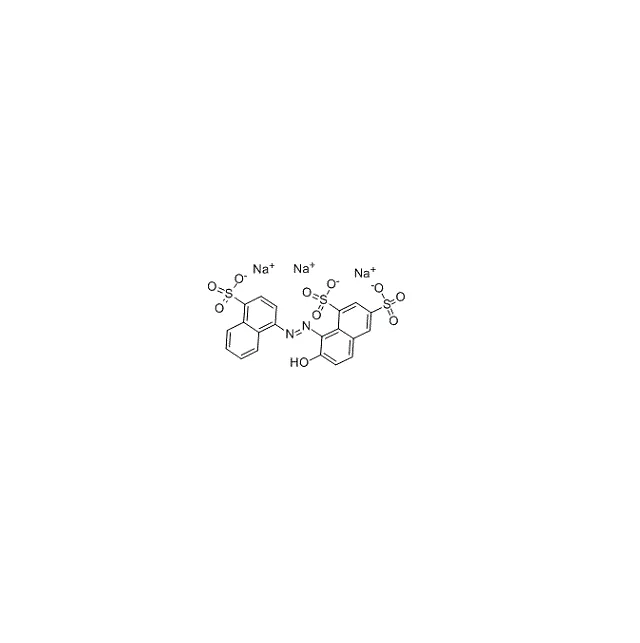
Acid Red 18
Red to dark red powder, the aqueous solution is red, odorless. Easily soluble in water, soluble in glycerin, slightly soluble in ethanol, and insoluble in oil. It has good light resistance and acid resistance, stable to citric acid and tartaric acid, poor bacterial resistance, and poor heat resistance and reduction resistance. Turns brown in alkaline solution. The maximum absorption wavelength is (508±2) nm. Rat oral LD50 is greater than 8000mg/kg, mouse oral LD50 is 19300mg/kg, ADI0-4mg/kg (FAO/WHO, 1994). Carmine aluminum lake is red fine powder, odorless. It has better light resistance and heat resistance than carmine, and is insoluble in water and organic solvents. Used as food coloring agent, medicine and cosmetics coloring agent.
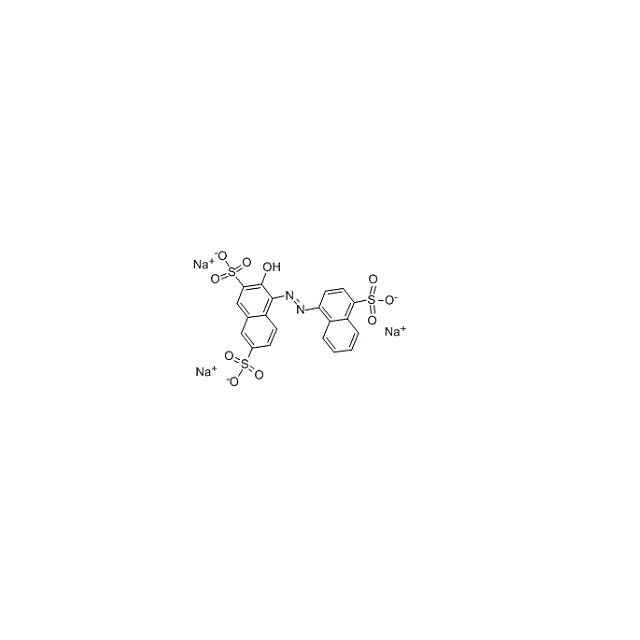
Acid Red 27
Reddish brown to dark reddish brown powder or granules. Odorless. It has strong light resistance and heat resistance (105°C), and poor oxidation and reduction resistance. It is not suitable for fermented foods and foods containing reducing substances. Stable to citric acid and tartaric acid. It turns dark red in contact with alkali. It is easy to fade in contact with copper and iron. The dyeing power is weak. It is easily soluble in water (17.2g/100ml, 21°C) and glycerin. The aqueous solution is purple. Slightly soluble in ethanol (0.5g/100mL50% ethanol).
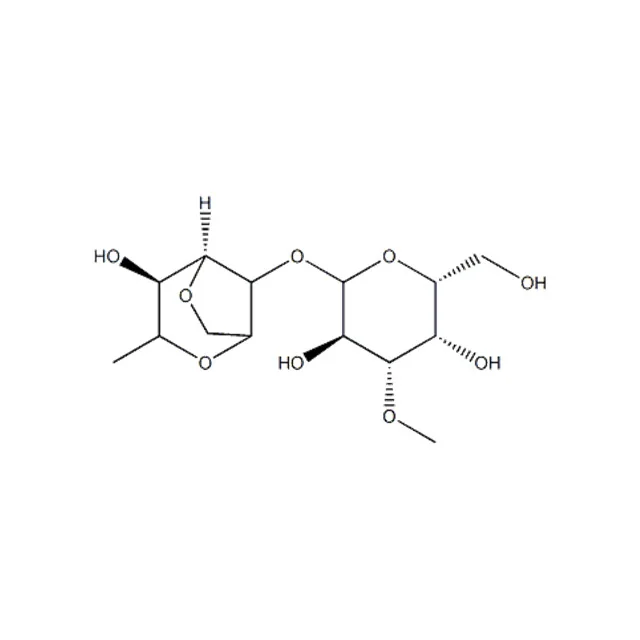
Agar
Agar is a gelatinous substance, obtained from algae. Agar (agar-agar) can be used as a laxative, an appetite suppressant, vegetarian gelatin substitute, a thickener for soups, in fruit preserves, ice cream, and other desserts.
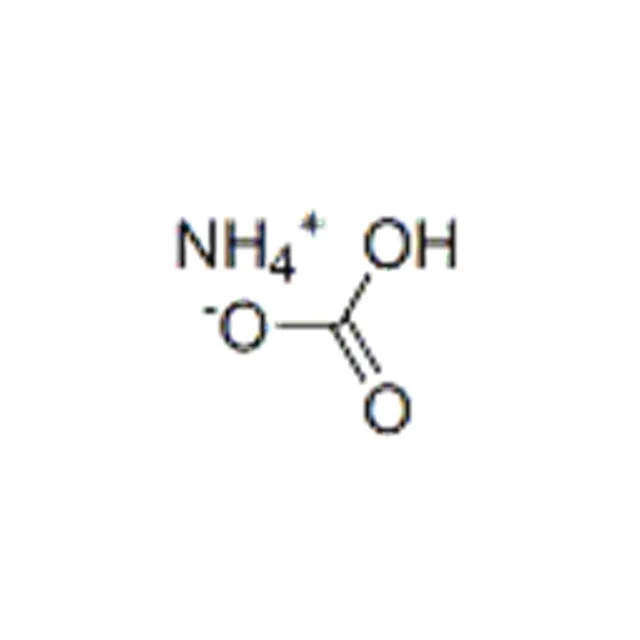
Ammonium Bicarbonate
Ammonium Bicarbonate is an inorganic compound with formula (NH4)HCO3. Ammonium bicarbonate is used in the food industry as a raising agent for flat baked goods, such as cookies and crackers, and inChinain steamed buns and Chinese almond cookies.
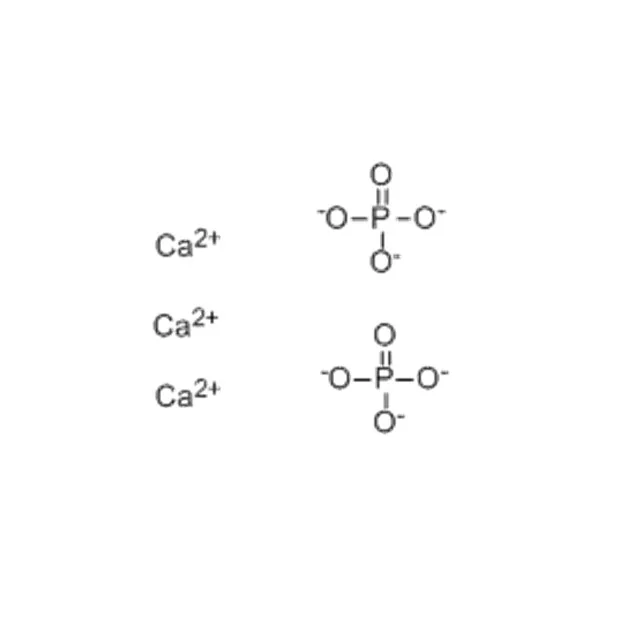
Calcium Phosphate
Calcium phosphate is a raising agent (food additive) E341. As a mineral salt found in rocks and bones, it is used in cheese products.
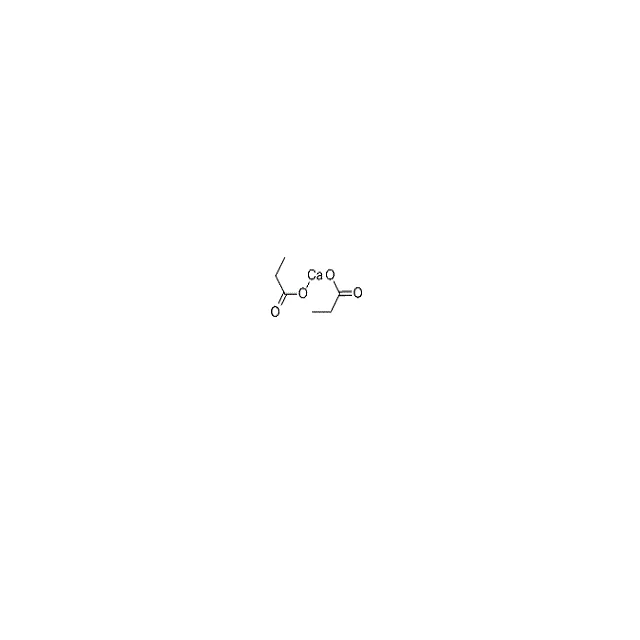
Calcium Propionate
Calcium propionate is a newer food antifungal agent. It is the calcium salt of acidic antifungal agent propionic acid. It is white crystal or powder in appearance, odorless or slightly odor of isopropionic acid, stable to light and heat, and hygroscopic. Easily soluble in water, the aqueous solution is weakly alkaline, slightly soluble in methanol and ethanol, but insoluble in benzene and acetone. It is easy to deliquescence in humid air, lose crystal water when heated to 120°C, change phase at 200 ~ 210°C, and decompose into calcium carbonate at 330 ~ 340°C. Under acidic conditions, it produces free propionic acid, which is weaker than sorbic acid and stronger than acetic acid. It has an antibacterial effect. It has an inhibitory effect on Aspergillus niger and aerophilic bacillus, but has no effect on yeast. Calcium propionate is a normal intermediate product of animal body metabolism, and it is safer after being eaten by animals. It has a wide range of antibacterial effects on molds, enzyme mother bacteria and bacteria, inhibits the reproduction of microorganisms, can prevent feed molds, and can be used as an antifungal agent for food and feed and a preservative for bread and cakes. As a feed additive, it can effectively inhibit feed mold and extend the storage period of feed. If it is combined with other inorganic salts, it can also increase the appetite of livestock and increase the milk production of dairy cows. The addition amount is less than 0.3% of the compound feed (calculated as propionic acid) . Our country stipulates that when it is used as a food additive, it is implemented in accordance with GB2760-86, and its use scope is only bread, vinegar, soy sauce, soy products, and the maximum use amount is 2.5g/kg.
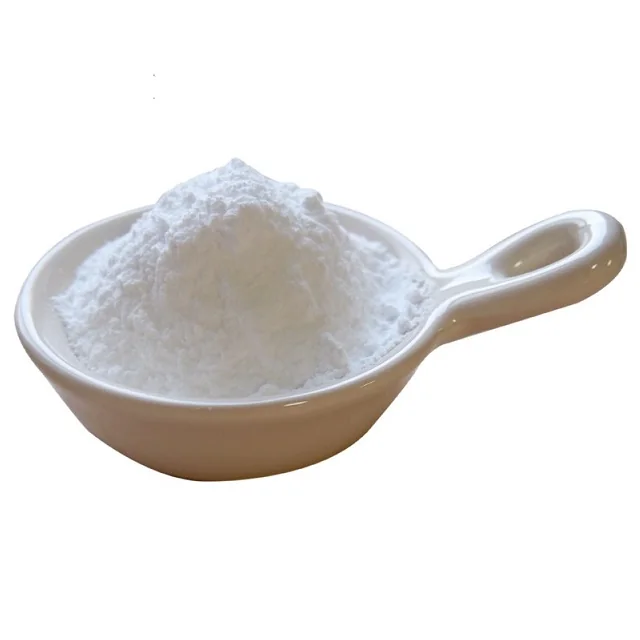
Carrageenan
Carrageenan is a family of linear sulfated polysaccharides that are extracted from red edible seaweeds. They are widely used in the food industry, for their gelling, thickening, and stabilizing properties. Their main application is in dairy and meat products, due to their strong binding to food proteins. There are three main varieties of carrageenan, which differ in their degree of sulfation.
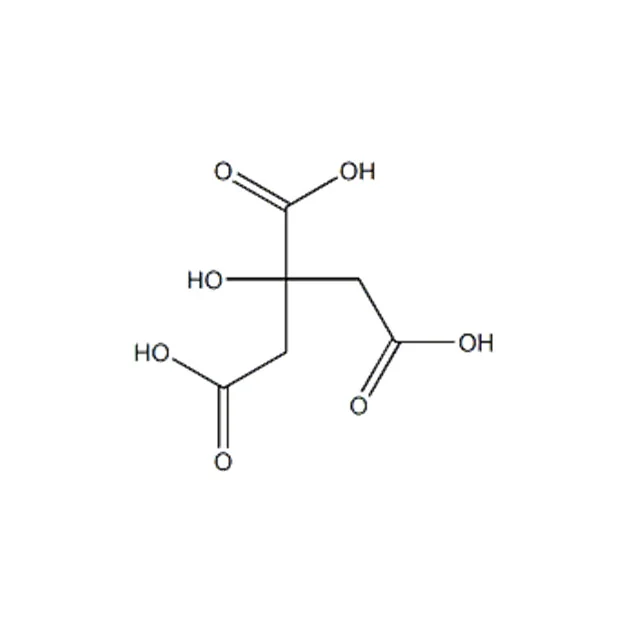
Citric Acid Anhydrous
Citric Acid is a weak organic acid with the formula C6H8O7. It is a natural preservative/conservative and is also used to add an acidic or sour taste to foods and drinks. It is used mainly as an acidifier, as a flavoring, and as a chelating agent.
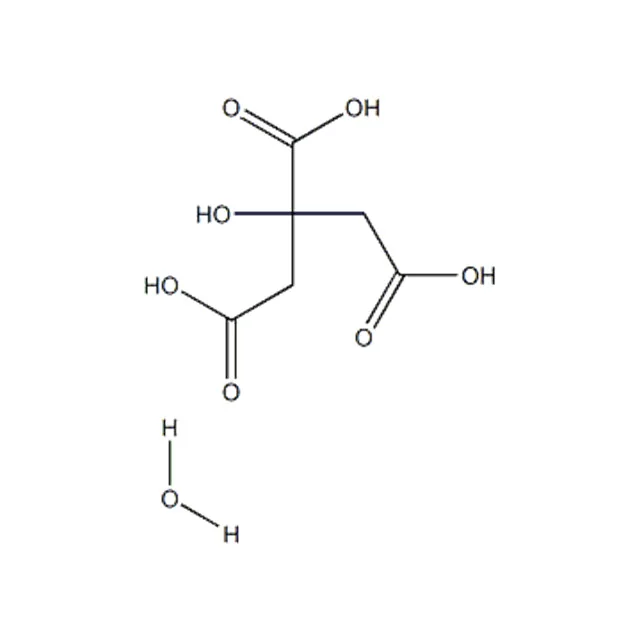
Citric Acid Monohydrate
Citric acid mainly used as acidulant, flavoring agent, preservative and antistaling agent in food and beverage industry.
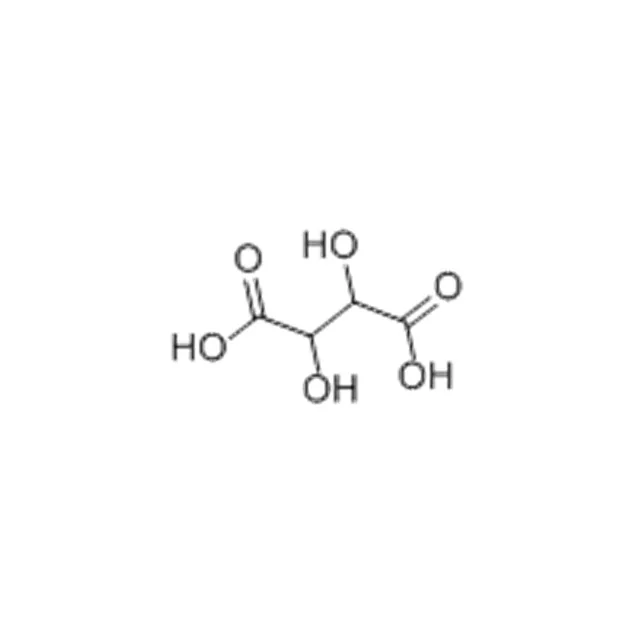
DL Tartaric Acid
Tartaric Acid, also called dihydroxysuccinic acid, is a white crystalline naturally occurring carboxylic acid. It is obtained natually as a by-products of wine fermentation along with its salts. Tartaric acid is biodegradable and no pollution problems are known. Tartaric acid is used chiefly in the form of its salts, e.g., cream of tartar (potassium hydrogen tartrate), Rochelle salt (potassium sodium tartrate) and Tartar Emetic (antimony potassium tartrate). It is used to enhance flavours in foods, confectionery and beverages.