

Petroleum Drilling Additives (6)
Showing 1–6 of 6 products · Page 1 of 1
CMC
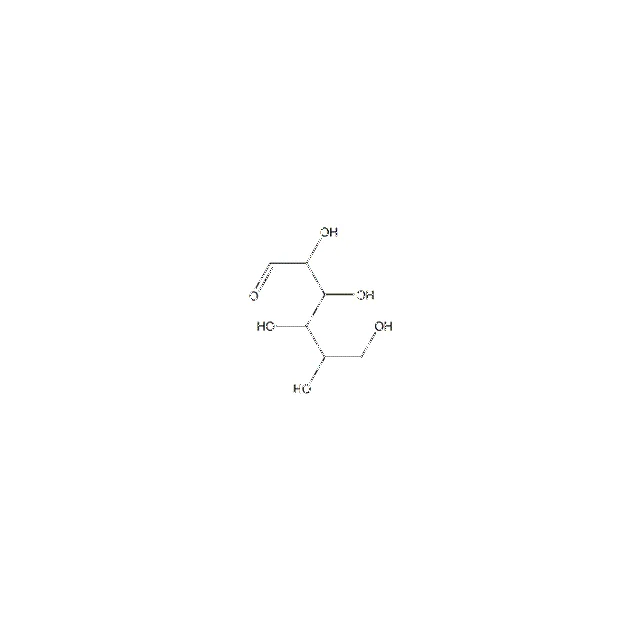
Carboxymethylcellulose (CMC) is a kind of tackifier. It is a nontoxic and tasteless white flocculent powder at room temperature. It has stable performance and is easily soluble in water. Its aqueous solution is a neutral or alkaline transparent viscous liquid, which can be soluble in other water-soluble adhesives and resins, and insoluble in organic solvents such as ethanol. Carboxymethylcellulose is a carboxymethyl group substituted product of cellulose. According to its molecular weight or degree of substitution, it can be a completely soluble or insoluble polymer. The latter can be used as a weak acid cation exchanger to separate neutral or basic proteins.
CMS-Na
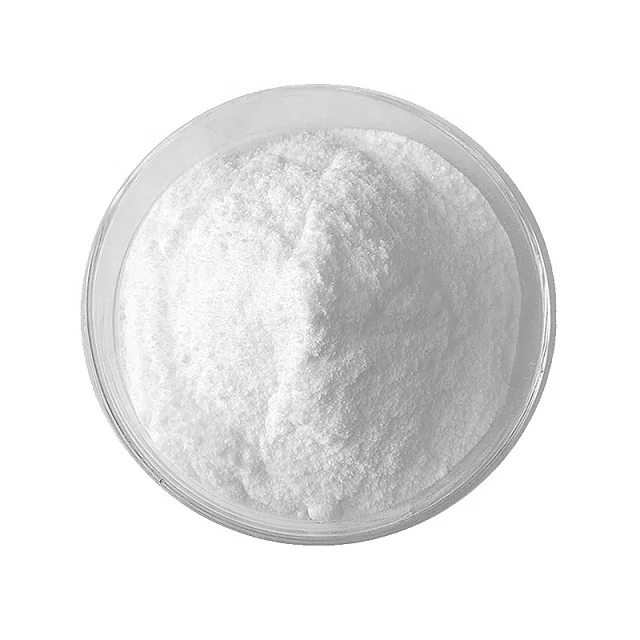
Starchy white powder. Odorless and tasteless. Dissolve in water at room temperature to form colloidal solution. It is easy to dissolve in water after mixing, or it can be moistened with ethanol before adding into water. When the water solution becomes acidic, a free acid insoluble in water will be formed and the viscosity will be reduced. It is stable for alkali. The addition of metal salts will form a variety of water-insoluble metal salts, so it is not suitable for strong acid food. Long term contact with metal is not allowed during manufacturing. When the water solution is heated above 80 °C for a long time, the viscosity decreases.
Hydroxypropyl Starch
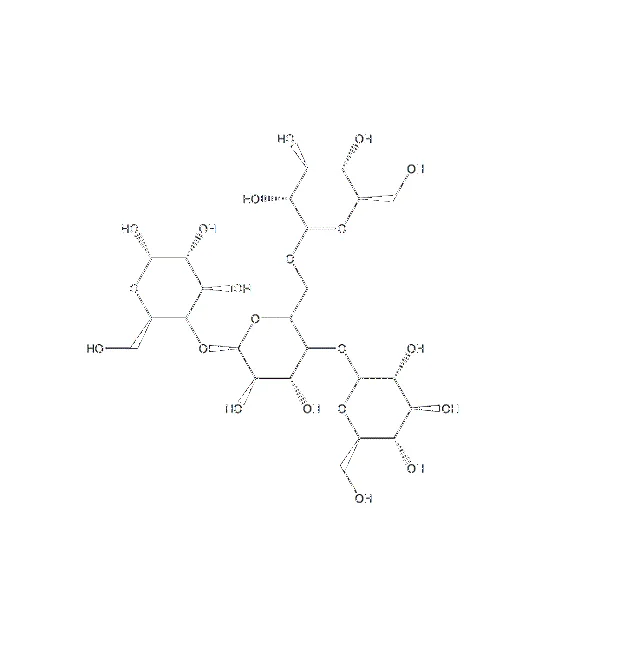
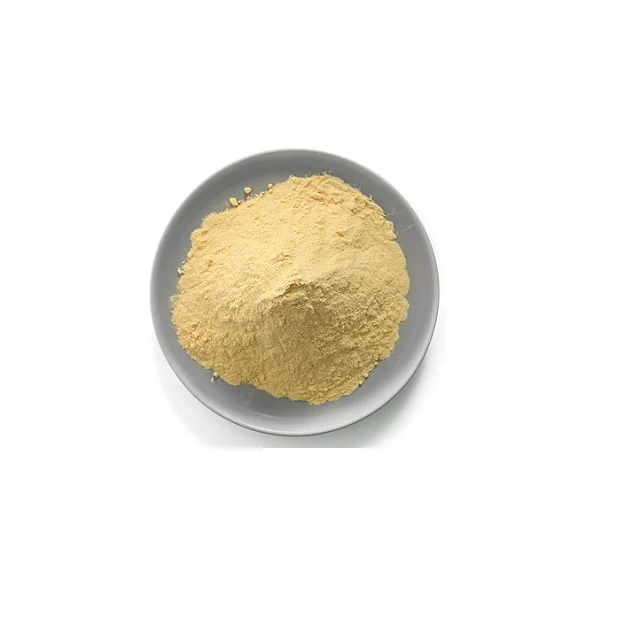
In order to improve the properties of starch and expand its application, physical, chemical or enzymatic treatments are used to introduce new functional groups on starch molecules or alter the size of starch molecules and properties of starch granules, thereby changing the natural properties of starch (e.g. gelatinization temperature, thermal viscosity and stability, freeze-thaw stability, gel strength, film forming, transparency, etc.) To make it more suitable for certain application requirements. This kind of starch, which has changed its properties after secondary processing, is called modified starch.
PAC
PAC is a kind of inorganic high polymer coagulant. It is a kind of inorganic high polymer water treatment agent with high molecular weight and high charge, which is produced due to the bridging effect of hydroxyl ion and the polymerization effect of multivalent anion. Solid products have the advantages of high adsorption activity, short settling time, wide range of pH value, no need of coagulant aids and no influence of water temperature, It is widely used in the water treatment of domestic water and industrial water, urban sewage treatment, industrial wastewater, sewage, sludge treatment and the recovery of some slag in the sewage. At the same time, for some industrial sewage which is difficult to be treated, PAC is used as the matrix, mixed with other agents, and mixed into a composite PAC. The treatment of sewage can get surprising results.
Polyacrylamide
Polyacrylamide is called PAM for short. It is usually a high polymer with the head tail bond structure of acrylamide monomer, which is a hard glassy solid at room temperature. Due to different manufacturing methods, the products are white powder, translucent beads and flakes. density 1.302g/cm³ (23 °C), vitrification temperature 153 °C, softening temperature 210 °C. It has good thermal stability. It is clear and transparent when dissolved in water, and its viscosity changes with the increase of polymer molecular weight, and the change of polymer concentration is logarithmic. Except for a few solvents such as acetic acid, acrylic acid, chloroacetic acid, glycol, glycerin and formamide, they are generally insoluble in organic solvents.
Xanthan Gum
Xanthan gum is a kind of macromolecular polysaccharide material, which is polymerized with 5 Molecular sugars as a unit. Each unit consists of two molecules of glucose, two molecules of mannose and one molecule of glucuronic acid. Its main chain is composed of two molecules of glucose linked by β - glucose through 1,4-glycoside bond. Its structure is the same as that of cellulose. There are two molecules of mannose and one molecule of glucuronic acid on C3 of glucose to form side chain. There are pyruvate and carboxylic acid side groups in the side chain. Because its side chain contains acid groups, it is polyanion in aqueous solution, forming the three-dimensional structure of xanthan gum: the side chain with anions winds the main chain to form a spiral structure, and the molecules form a double helix by hydrogen bond, while the double helix structure is a regular "super bonded ribbon spiral polymer" by weak non covalent bond dimension system. The unique properties of xanthan gum are related to the pyruvic acid contained in it. Usually, the content of pyruvic acid in xanthan gum can be used to measure its performance.