

Agricultural Farm Chemicals (194)
Showing 1–12 of 194 products · Page 1 of 17
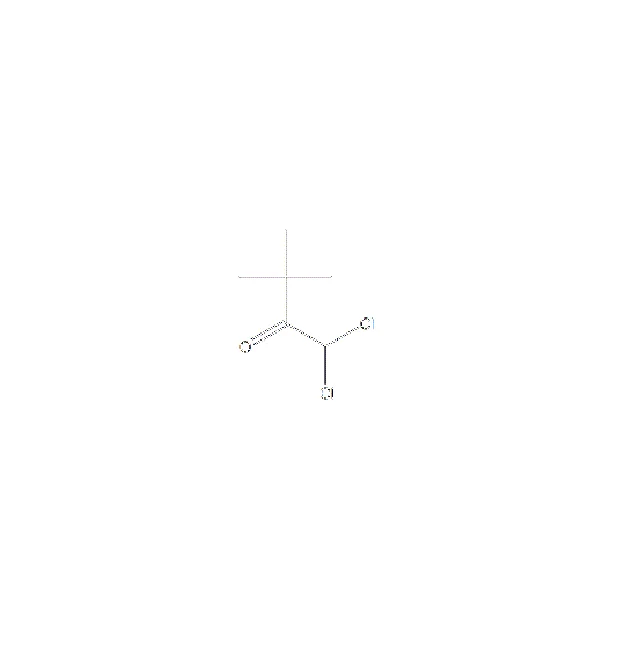
1,1-DICHLOROPINACOLIN
1,1-Dichloropinacolone is an intermediate of the herbicide oxazinone and has been used in the past to prepare triazolone fungicides.
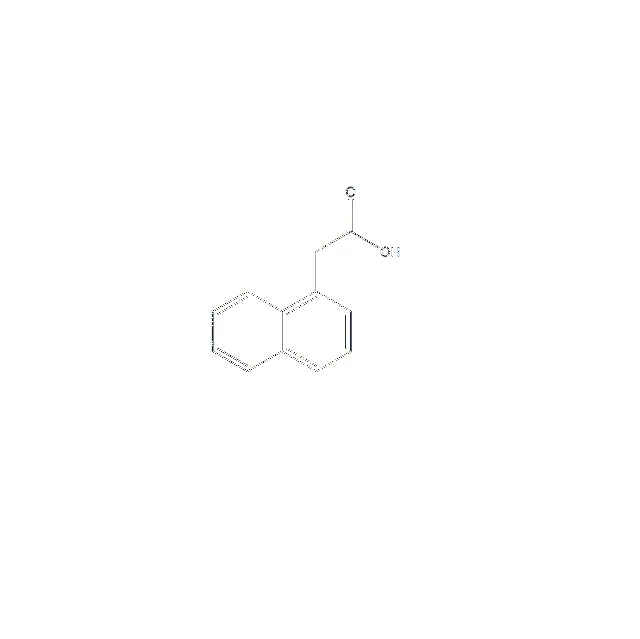
1-Naphthaleneacetic Acid
1-naphthylacetic acid, also known as naphthylacetic acid and α - naphthylacetic acid, is a broad-spectrum plant growth regulator. Its physiological function and mechanism are similar to indoleacetic acid, which can promote cell division and expansion, induce the formation of adventitious roots, increase fruit setting, prevent fruit falling, and change the ratio of female and male flowers. It can enter the plant through the tender epidermis and seeds of leaves and branches, and then be transported to the whole plant with nutrient flow. 1-naphthylacetic acid was synthesized by condensation of naphthalene and chloroacetic acid in the presence of catalyst potassium chloride or aluminum powder. Due to the low solubility of NAA in water, NAA is often made into sodium salt for dissolution and use. The dosage is very small, and the concentration is only about 10 ppm. It takes only a few tens of grams to convert 10000 M2 (15 mu) of land into effective ingredients. If the concentration of the solution is too high, it will inhibit the growth of plants. After soaking rice seeds in 10 ppm NAA solution for 2 hours, the seedlings returned to green quickly, had strong vitality, thick straw, and could increase yield. Spraying it on cotton plants and fruit trees can prevent cotton buds and bolls from falling off, keep fruit trees from falling before picking, and keep tomatoes and melons from falling.
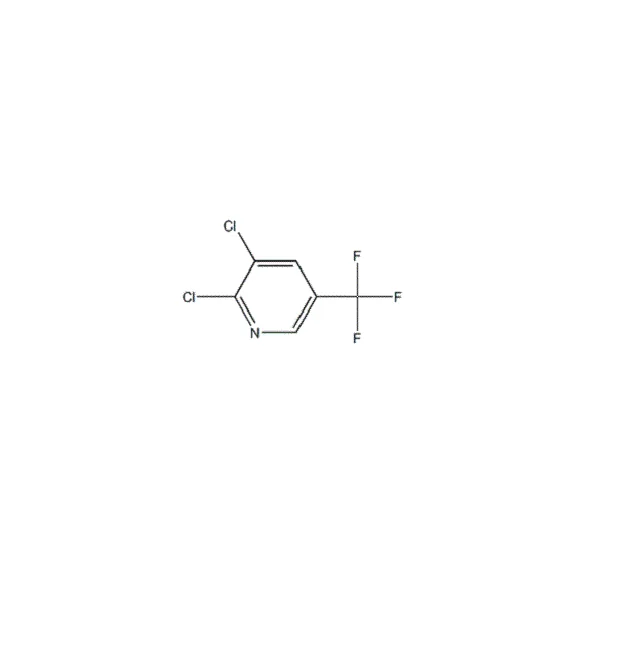
2,3-Dichloro-5-(trifluoromethyl)pyridine
2,3-dichloro-5-trifluoromethylpyridine is the intermediate of diflubenzuron and diflubenzuron, and it can also be used to synthesize the herbicide flupyrifenone.
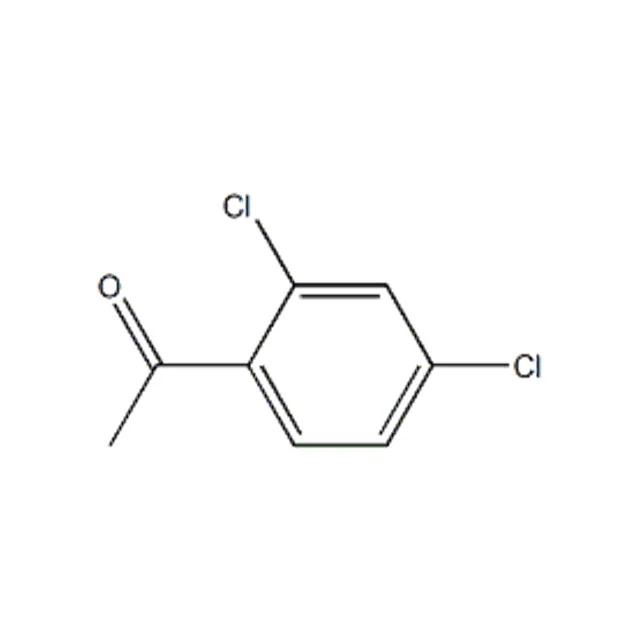
2 4 Dichloroacetophenone
We can customize according to customer's requirement.
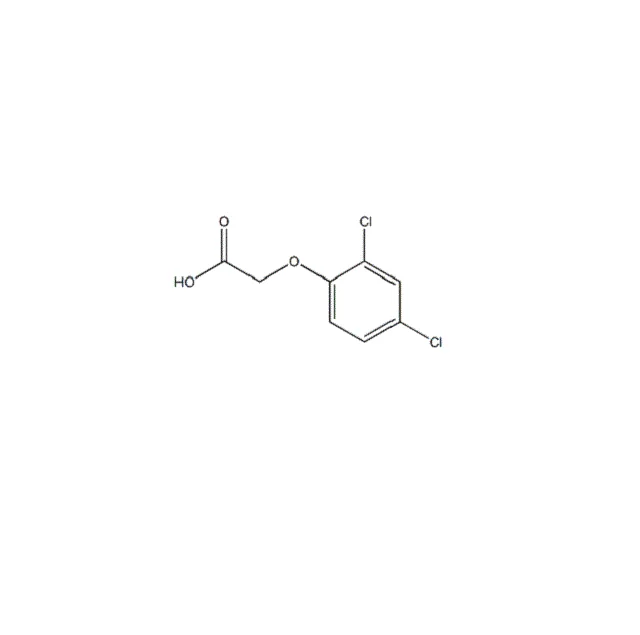
2,4-Dichlorophenoxyacetic Acid
White crystal. Melting point: 138 °C, boiling point: 160 °C (53pa). Soluble in ethanol, acetone, ether, benzene and other organic solvents, insoluble in water. The oral ld50375mg / kg of rats. As a chemical antiseptic and bactericide, it can be used for the fresh-keeping of vegetables and fruits according to the regulations of our country. The maximum usage is 0.01g/kg, and the residue is not more than 2.0mg/kg.
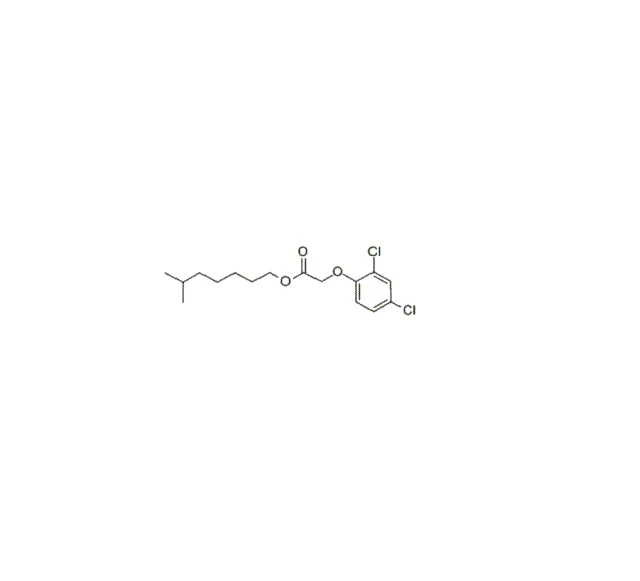
2,4-D isooctyl ester
Synonym:2,4-D ISOOCTYL ESTER;2-Ethyl-4-methylpentyl 2,4-dichlorophenoxyacetate;ISOOCTYL-2,4-DICHLOROPHENOXY ACETATE;(2,4-dichlorophenoxy)-aceticaciisooctylester;(2,4-dichlorophenoxy)-aceticaciisooctylester[qr];2,4-dichlorophenoxyaceticacid,isooctylester;2,4-dichlorophenoxyaceticacidisooctylester;2,4-dichlorophenoxyaceticacidisooctylester . Light brown oily single-phase liquid
2-Chloro-5-chloromethylpyridine
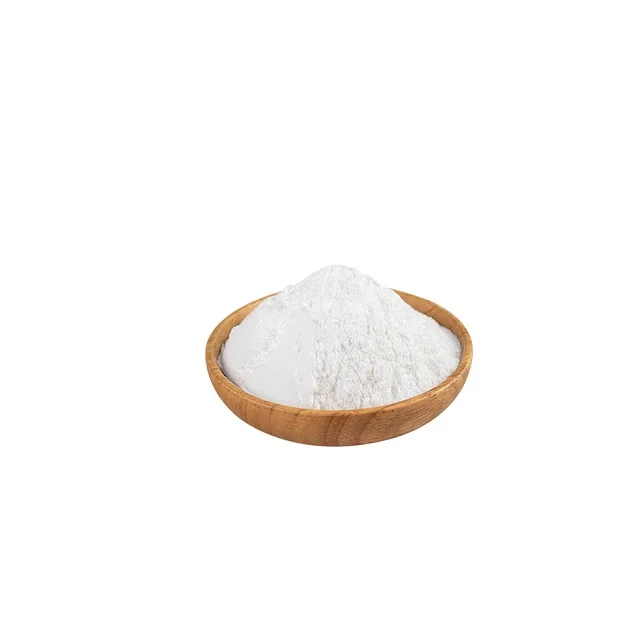
2- chloro-5-chloromethylpyridine is colorless crystal, m.p.35-36 °C, b.p.88-90 °C / 400pa, industrial product is orange red liquid or viscous, with pungent smell, soluble in a variety of organic solvents, weak alkali, soluble in organic acids. 2-chloro-5-chloromethylpyridine is the intermediate of imidacloprid and acetamiprid.
2-Chloro-5-chloromethylpyridine
2-Chloro-5-chloromethylpyridine is used for the synthesis of various pharmaceutical compounds. It can also be used for the synthesis of new neonicotinoid compounds1, having insecticidal activity. It is the raw material of pesticide products such as imidacloprid, acetamiprid as well as bactericide and herbicide2,3.
2-Chloro-5-chloromethylthiazole
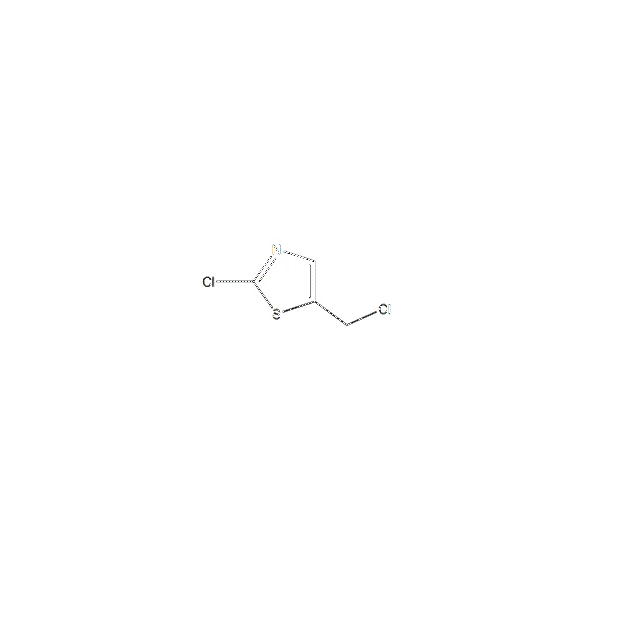
2-chloro-5-chloromethylthiazole (CCMT) is a kind of light yellow crystal or light yellow liquid with content of ≥ 98% and melting point of 29-31 °C. It is a necessary intermediate for the synthesis of thiamethoxam, thiametholine, chlorothialine and other second-generation new nicotine insecticides. The action mechanism of the second generation of new nicotine insecticides is similar to that of the first generation of new nicotine insecticides, but it has the advantages of lower dosage, wider insecticidal spectrum and higher safety. It can not only prevent and control the above ground and underground pests, but also treat the stems, leaves, soil and seeds.
2-Fluoro-6-trifluoromethylpyridine
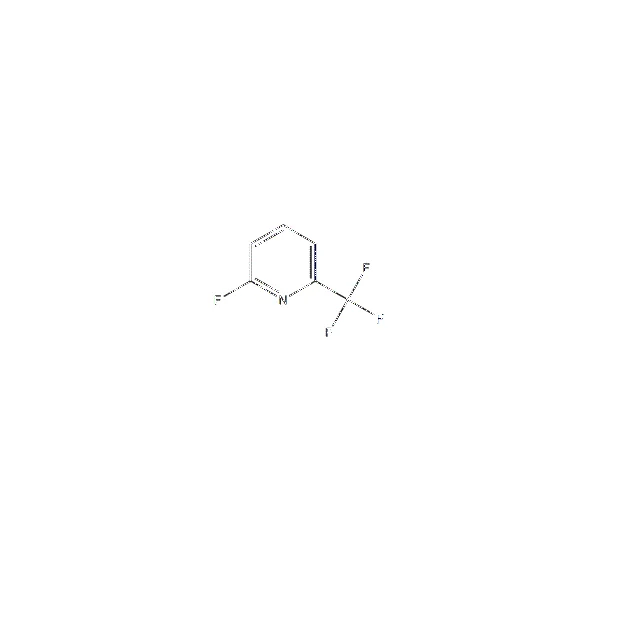
Boiling point: 121.6 ± 35.0 °C (predicted)
2-methyl-3-biphenylmethanol
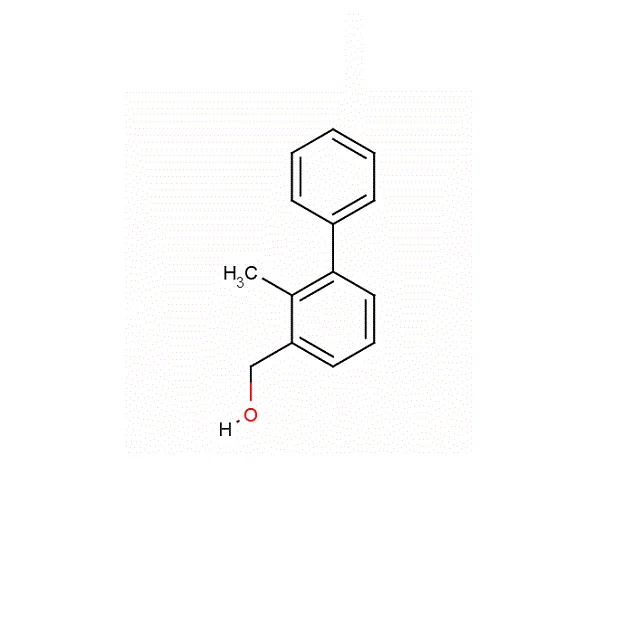
It is white crystal at room temperature, soluble in ethanol, benzene, toluene and other organic solvents, insoluble in water. Biphenyl alcohol is flammable. Moderate toxicity, lack of specific toxicity data and toxic symptoms, please refer to the relevant toxicity of biphenyls. It is mainly used as pesticide intermediates such as pyrethroid insecticides.
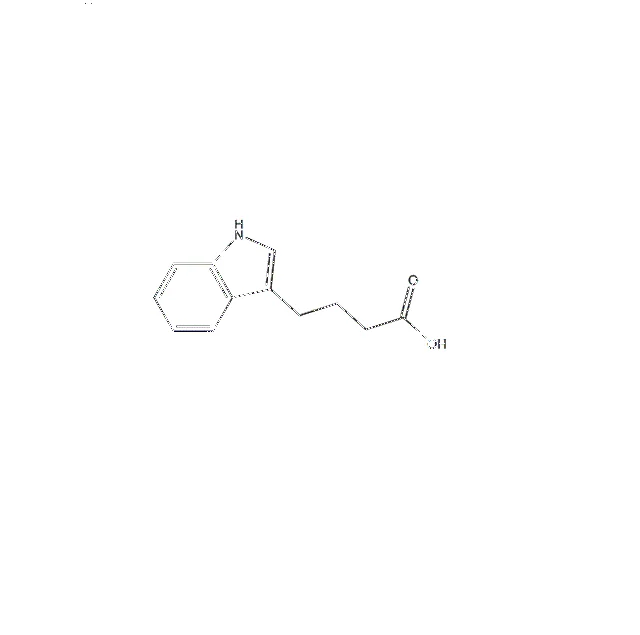
3-Indolebutyric Acid
Plant growth regulators are synthetic organic compounds with physiological activities, which are similar to plant hormones and can regulate plant physiological processes and control plant growth and reproduction. Indobutyric acid (IBA) and NAA are two commonly used plant growth regulators for cuttings and rooting. Among them, indobutyric acid is the best because it operates less in plants and is easy to remain in use Near the site. In addition, if a root promoting growth regulator is mixed with another substance which is conducive to the function of the growth regulator, it can show synergistic or cooperative use, which may make the plants that are difficult to root obtain satisfactory results. Indolbutyric acid has a strong rooting promoting effect, but the adventitious roots produced are thin and long, while NAA has a small but thick rooting promoting effect. Therefore, the better effect can be obtained when they are mixed.