


Antineoplastic Drugs API (75)
Showing 73–76 of 75 products · Page 7 of 7
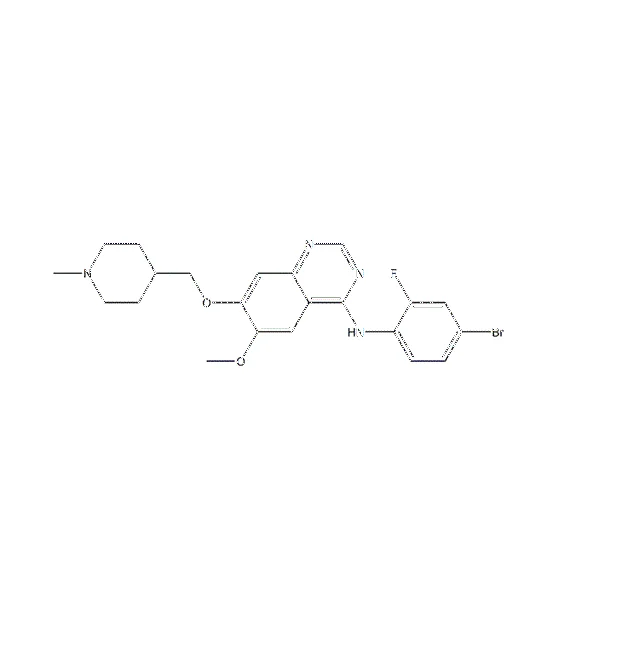
Vandetanib
Vandetanide is a multi-target tyrosine kinase inhibitor, belonging to anilinoquinozoline compounds, known as "second generation Iressa". It not only acts on EGFR, VEGFR and RET tyrosine kinases of tumor cells, but also inhibits other tyrosine kinases and serine / threonine kinases. Vandetanide is the first approved medulloid thyroid cancer treatment drug, suitable for the treatment of unresectable, locally advanced or metastatic medulloid thyroid cancer with symptoms or progression. In a randomized, placebo-controlled clinical trial, vandetanib significantly delayed the progression of locally advanced or metastatic medullary thyroid cancer. The recommended daily dose is 300mg (oral), and the treatment should be stopped when the patient has tolerance to the drug or cannot tolerate its toxicity. The most common adverse reactions are diarrhea, rash, acne, nausea, hypertension, headache, fatigue, anorexia and abdominal pain.
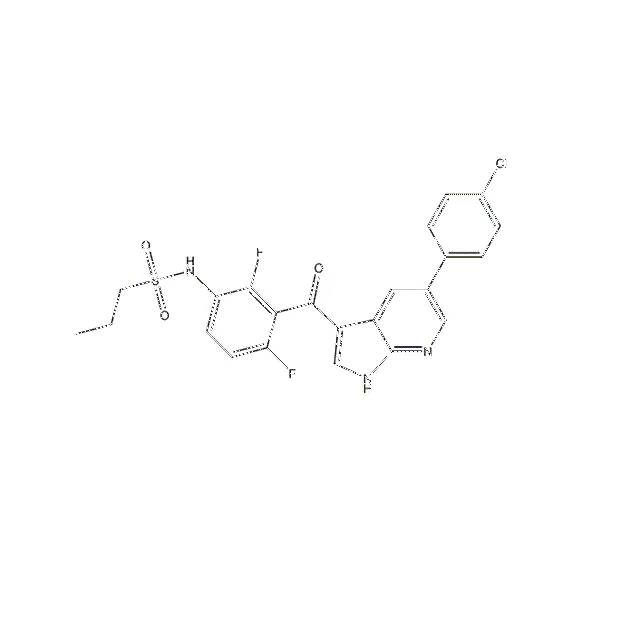
Vemurafenib
Verofinil is a small molecule BRAF kinase inhibitor, which can selectively bind to the ATP binding domain of the mutant BRAF, thus inhibiting the activation of the enzyme. The U.S. Food and Drug Administration (FDA) has approved verofinil for the treatment of malignant melanoma with BRAF gene mutation.
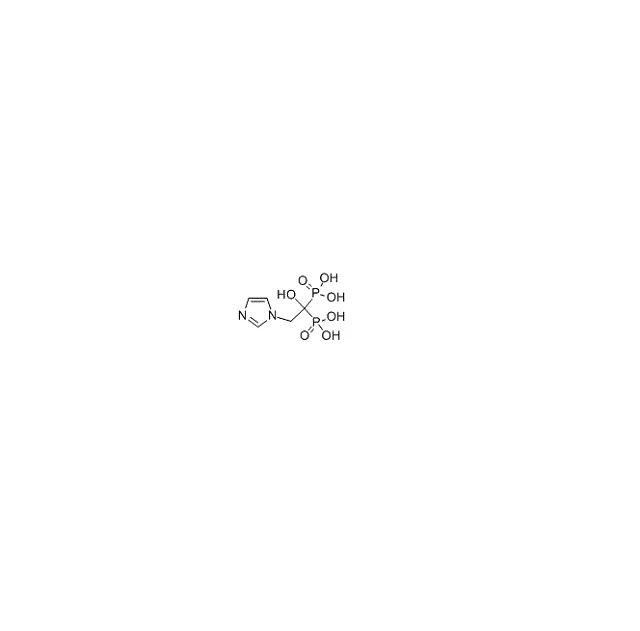
Zoledronic Acid
Zoledronic acid monohydrate is a white powder, tasteless, fusible in sodium hydroxide solution, slightly soluble in water, insoluble in methanol, ethanol and dichloromethane. Melting point 237 ℃ - 240 ℃. Zoledronic acid has an alkaloid structure and can form orange yellow precipitate with bismuth potassium iodide. Take 20mg of this product and add 20ml of water, pH = 2.0-3.5.
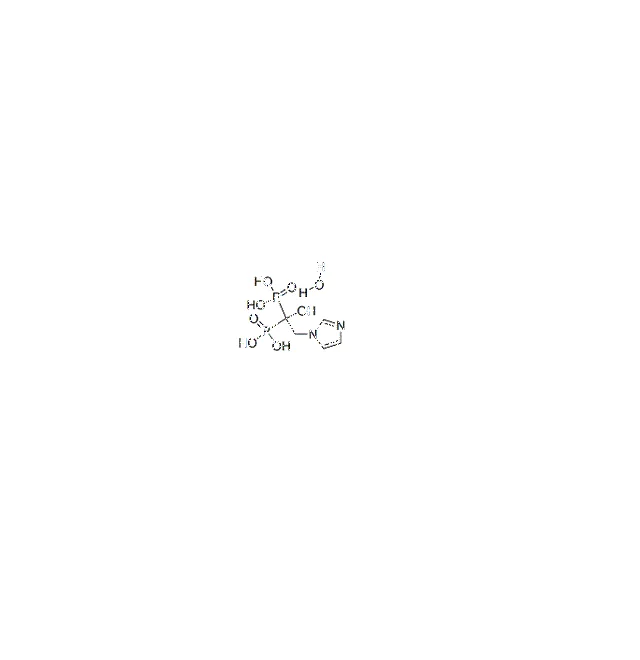
Zoledronic Acid Hydrate
Azole phosphonic acid is a kind of specific effect on bone diphosphate compounds, it inhibits by osteoclasts activity increased bone resorption. Diphosphate compound effect on bone tissue selectivity depends on its high affinity of mineralized bone role of molecular mechanism is unclear. Long-term animal studies have shown that azole phosphonic acid can inhibit bone absorption, but for the formation of bone, bone mineralization and mechanical characteristics of no bad influence, in the initial 24 hours, dosage of 44 plus or minus 18% excretion in the urine, the rest of the main stranded in the bone tissue. Azole phosphonic acid and blood no affinity, and the combination of plasma protein is low (about 22%), and is not dependent on the azole phosphonic acid concentration, the injection time increased from 5 minutes to 15 minutes, at the end of the injection, azole phosphonic acid concentration was reduced by 30%, but has no effect on AUC .