


Rare Earth (31)
Showing 1–12 of 31 products · Page 1 of 3
CERIUM
The chemical symbol of cerium is CE and the atomic number is 58. Cerium is a soft, malleable silver white metal that discolors when exposed to air and is soft enough to be cut with a knife. Cerium is the most abundant rare earth. Its chemical characteristic is that it has two valence states, namely + 3 CE state and + 4 CE state. Cerium state is the only stable non trivalent rare earth ion in aqueous solution. Therefore, it is a strong acid and strong oxidant. Cerium state is very similar to other trivalent rare earth.

CESIUM OXIDE
Cesium oxide is a kind of inorganic compound, which is composed of cesium and oxygen. It belongs to oxide. Its chemical formula is CS Е o. The known binary cesium oxides are CS ₁₁ o ₃, CS ₄ o, CS ₇ O and CS ₇ o. They are brightly colored. The appearance of cesium oxide CS ξ o is orange yellow hexagonal crystal.

Cerium Dioxide
Light yellow or yellow brown powder. The density is 7.13g/cm³. Melting point 2397 °C. Insoluble in water and alkali, slightly soluble in acid. At 2000 °C and 15MPa, cerium oxide can be obtained by hydrogen reduction of cerium oxide. When the temperature is free between 2000 °C and the pressure is free at 5MPa, cerium oxide is yellowish red and pink. Its performance is used as polishing material, catalyst, catalyst carrier (Assistant), ultraviolet absorber, fuel cell electrolyte, automobile exhaust absorber, electronic ceramics Wait.
Cobalt
Steel gray metal powder, easily oxidized in the air at room temperature. It is widely used in aviation, aerospace, electrical appliances, machinery manufacturing, chemical and ceramic industries. Cobalt-based alloys or cobalt-containing alloy steels are used as blades, impellers, ducts, jet engines, rocket engines, missile components and various high-load heat-resistant components in chemical equipment and important metal materials in the atomic energy industry. As a binder in powder metallurgy, cobalt can ensure the toughness of cemented carbide. Magnetic alloy is an indispensable material in modern electronics and electromechanical industries, used to make various components of sound, light, electricity and magnetism. Cobalt is also an important component of permanent magnetic alloys. In the chemical industry, in addition to high-alloy and anti-corrosion alloys, cobalt is also used in colored glass, pigments, enamels, catalysts, and desiccants.
Cobalt Oxide
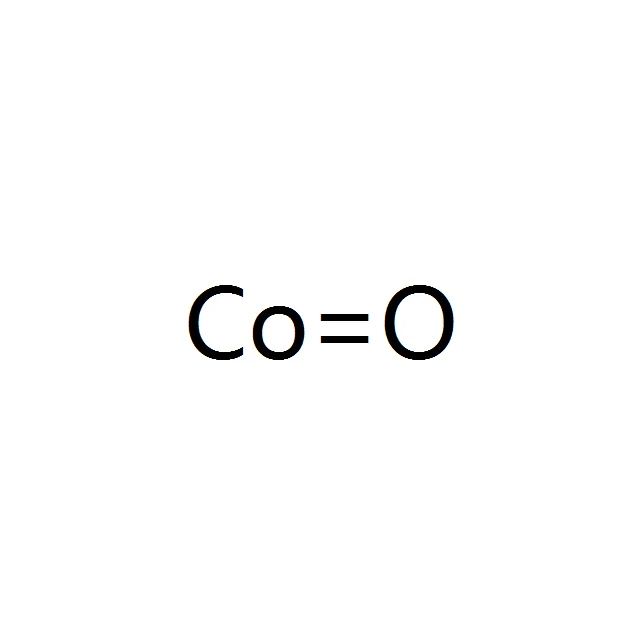
Cobalt oxide is also called cobalt oxide and cobalt monoxide, chemical formula CoO, light grayish green crystalline powder. The relative density is 6.45 and the melting point is 1935°C. Insoluble in water and alcohol, soluble in dilute acid to become a light red solution, and blue when soluble in hot concentrated sodium hydroxide. It is insoluble in ammonia, but when oxygen is present, it can react with ammonia to form a complex and dissolve. Roasting in the air produces black cobalt tetroxide. It can be reduced to metallic cobalt by carbon powder, hydrogen or carbon monoxide. Cobalt oxide can be obtained by oxidizing metal cobalt powder in oxygen or air, or heating and decomposing cobalt nitrate, cobalt carbonate or cobalt hydroxide in a vacuum or in an inert atmosphere.
DYSPROSIUM
Dysprosium is a silvery white metal, which is soft and can be cut with a knife; its melting point is 1412 °C, boiling point is 2562 °C, and its density is 8.55g/cm³; it has superconductivity near absolute zero. Dysprosium is quite stable in the air. At high temperature, it is easy to be oxidized by air and water to form dysprosium oxide. Dysprosium is mainly used to make new lighting source dysprosium lamp; dysprosium can be used as control material of reactor; dysprosium compound can be used as catalyst in oil refining industry.
Dysprosium Oxide
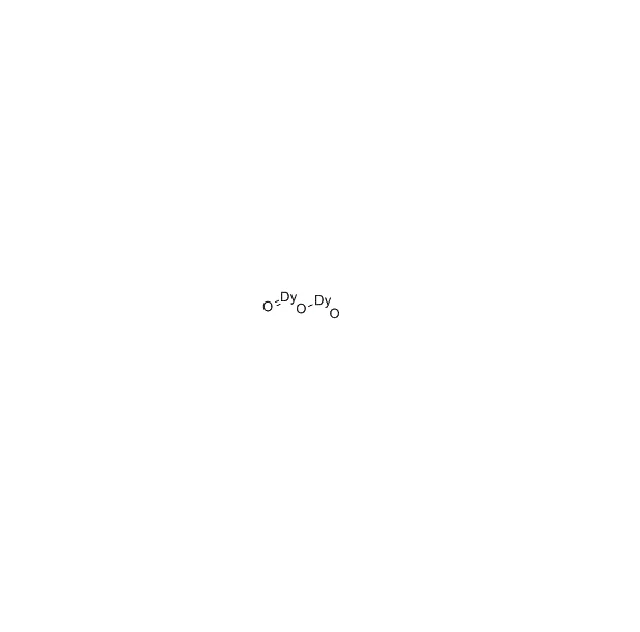
Dysprosium oxide is a kind of chemical substance, and its chemical formula is Dy2O3. White powder, slightly hygroscopic, can absorb water and carbon dioxide in the air. Magnetism is many times stronger than that of iron oxide. Soluble in acids and ethanol. It is mainly used for lighting.
ERBIUM
Element symbol Er, atomic number 68, in the periodic table of chemical elements in the sixth period, lanthanide (IIIB group) 11, atomic weight one hundred and sixty-seven point two six The element name comes from the discovery site of yttrium earth. In 1843, mossander, a Swedish scientist, discovered the oxide of erbium from yttrium soil by the method of graded precipitation, which was officially named in 1860. The content of erbium in the crust is 0.000247% , existing in many rare earth ores.
EUROPIUM
Europium is a kind of metal element, silvery white, which can be burned into oxides; the oxides are almost white. Europium is an iron gray metal, with a melting point of 822 °C, a boiling point of 1597 °C and a density of 5.2434g/cm³. Europium is the smallest, softest and most volatile element in rare earth elements. Europium is the most active metal among the rare earth elements: at room temperature, europium immediately loses its metallic luster in the air and is quickly oxidized into powder; it reacts violently with cold water to generate hydrogen; europium can react with boron, carbon, sulfur, phosphorus, hydrogen, nitrogen, etc. Europium is widely used in reactor control materials and neutron protection materials. As the phosphor of color TV set, it has important application in europium (EU) laser material and atomic energy industry.
Erbium(III) Oxide
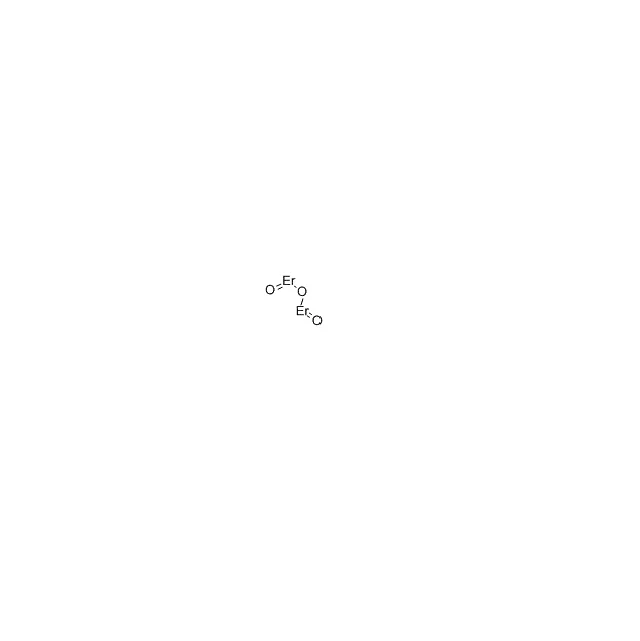
It is mainly used as yttrium iron garnet additive, nuclear reactor control material, special luminescent glass, infrared absorbing glass and glass colorant. It is obtained by the reaction of erbium nitrate or erbium sulfate solution with alkali, separation and burning. Only Er2O3 is a stable compound. It is a powder with body centered cubic and monoclinic structures. The magnetic moment of Er2O3 is also large, which is 9.5m. B. Other properties and preparation methods are the same as lanthanide elements. Make pink glass.
Europium Oxide
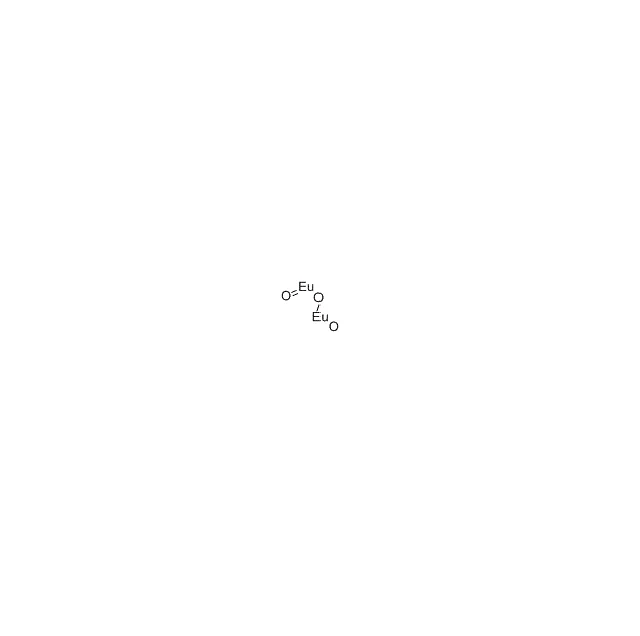
Light pink powder. The relative density is 7.42g/cm³. Melting point 2002 °C. Insoluble in water, soluble in acid. It can volatilize together with steam, alkaline and toxic, irritating to eyes, respiratory tract and skin, absorbing carbon dioxide in the air and forming salt soluble in water with inorganic acid.
GADOLINIUM
Gadolinium is a metal element, atomic number 64, atomic weight 157.25, silver white, malleable, melting point 1313 °C, boiling point 3266 °C, density 7901kg / m3. The element name comes from gadolin, a Finnish scientist who has made outstanding contributions to the study of lanthanide elements. In 1880, gadolinium was separated from maliyak, Switzerland. In 1886, the French chemist bouaberrand produced pure gadolinium and named it. Gadolinium content in the crust is 0.000636%, mainly in monazite and bastnaesite. Gadolinium is widely used in medical, industrial, nuclear and other fields.