

Fire Retardant Products (10)
Showing 1–10 of 10 products · Page 1 of 1
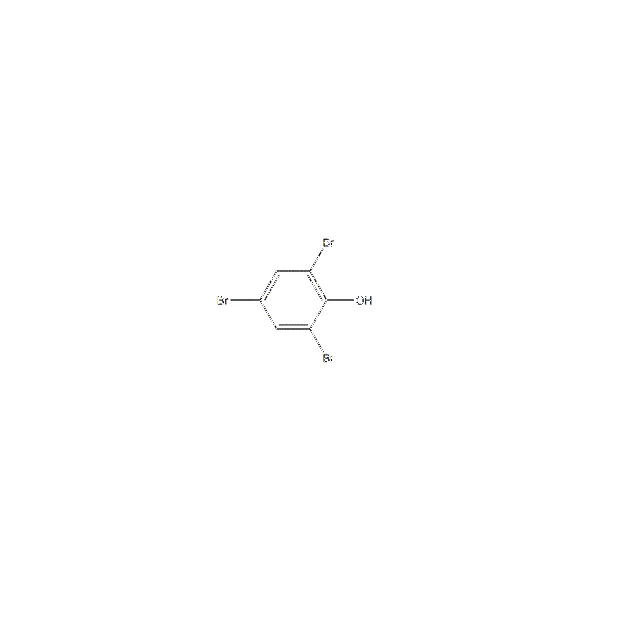
BROMOL
White acicular crystal. Melting point 95-96 °C (sublimation), boiling point 244 °C, relative density 2.55. Soluble in alcohol, chloroform, ether and caustic solution, almost insoluble in water, sweet. It is used to produce bismuth tribromophenol and so on. Tribromophenol can be polymerized into 2,6-dibromophenyl ether by solution polycondensation or aqueous precipitation polycondensation. It is a newly developed flame retardant, which can be used in nylon 66, thermoplastic polyester, modified polyphenylene ether and other engineering plastics, as well as high impact polystyrene and ABS resin.
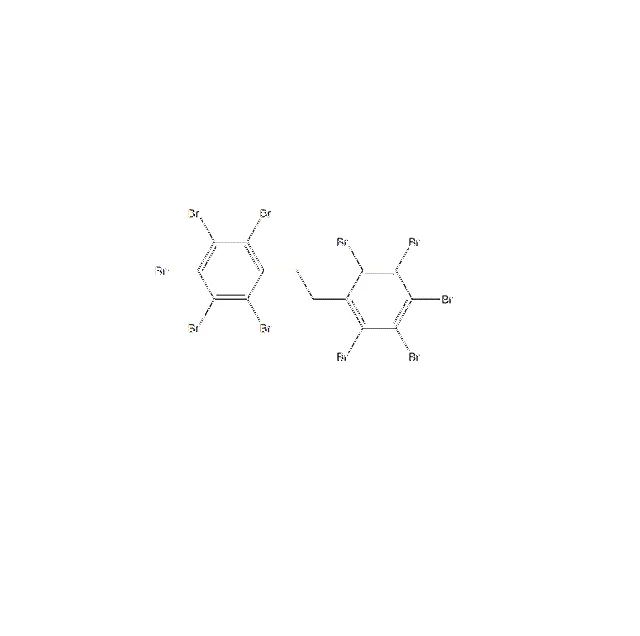
DECABROMODIPHENYLETHANE
Appearance white or light yellow powder, melting point 335-342 °C, slightly soluble in alcohol, ether, almost insoluble in water. This product is a new, broad-spectrum, efficient, additive, environmental friendly flame retardant, with excellent thermal stability and high bromine content, as well as strong UV resistance and low toxicity. It is widely used in styrene polymer, engineering thermoplastic, wire and cable coating, insulator, elastomer and thermosetting plastic.
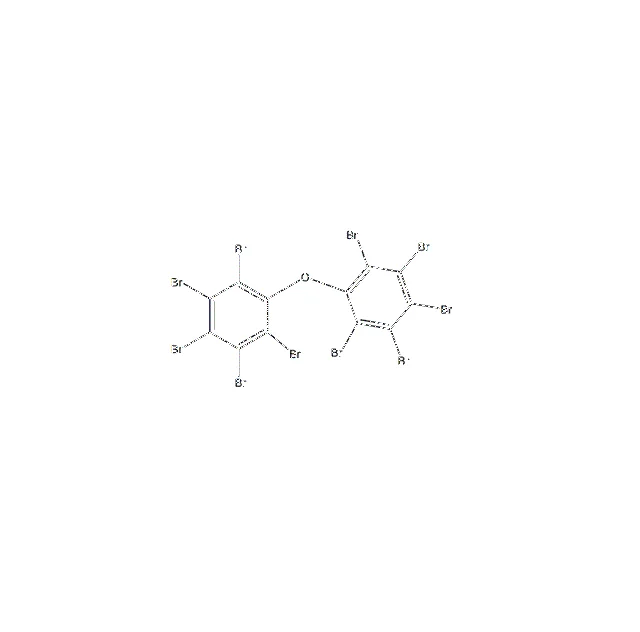
Decabromodiphenyl Oxide
Decabromodiphenyl ether product is a white fine powder, non corrosive, insoluble in water, ethanol, acetone, benzene and other solvents, slightly soluble in chlorinated aromatic hydrocarbons; solution point: 304-309 °C, bromine content greater than 82%, specific gravity of 3.02, good stability. The temperature of 5% heat loss was higher than 320 °C, the thermal stability was good, LD50 was higher than 15% g / kg, it was a non-toxic and pollution-free flame retardant.
Diantimony Trioxide
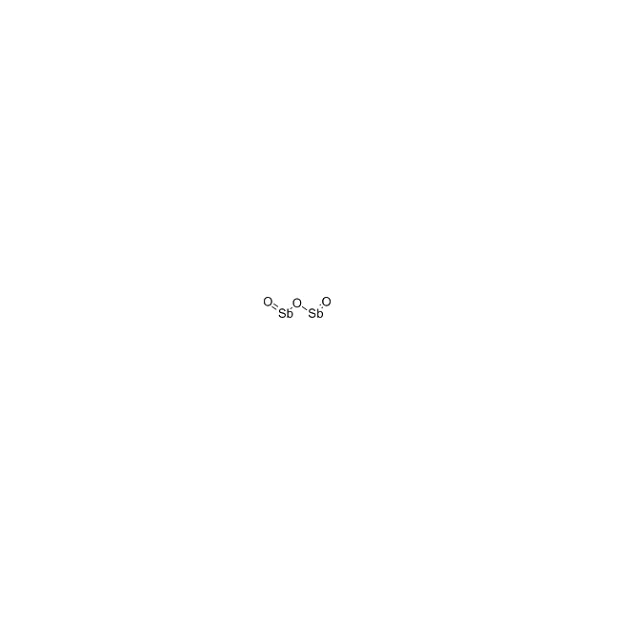
Antimony trioxide is a white powder with a density of 5.67g/cm³. It turns yellow when heated and turns white when cooled. At 656 °C, it melts into light yellow or gray liquid, and then turns into white asbestos like substance with mercerization after cooling. Antimony trioxide is slightly soluble in water, ethanol and dilute acid, easily soluble in concentrated hydrochloric acid, oxalic acid and tartaric acid solution, also soluble in fuming nitric acid and fuming sulfuric acid, and soluble in alkali to form antimonate. Antimony trioxide is not toxic, but it can irritate the nose, eyes, throat and respiratory tract. It can induce dermatitis in contact with skin.
HBBCD
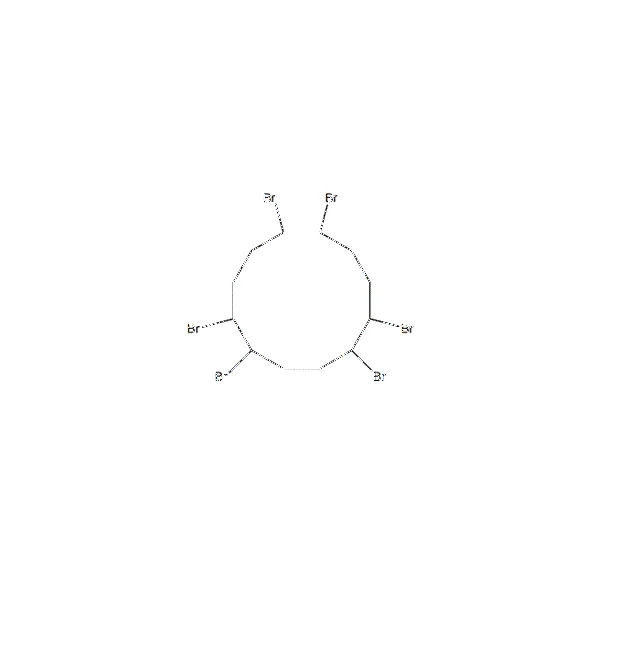
Halide flame retardant is a kind of commonly used organic additive flame retardant. The order of flame retardant effect of halide elements is I > br > CL > F. Because the C-F bond is very stable and difficult to decompose, its flame retardant effect is poor, and the thermal stability of sulfonates is poor. Therefore, chlorides or bromides are generally used in industry. The order of flame retardant traffic is aliphatic, alicyclic and aromatic. However, the aliphatic thermal stability is poor, and the processing temperature cannot exceed 205 °C. The thermal stability of aromatics is good, and the processing temperature can be as high as 315 °C.
Melamine Cyanurate
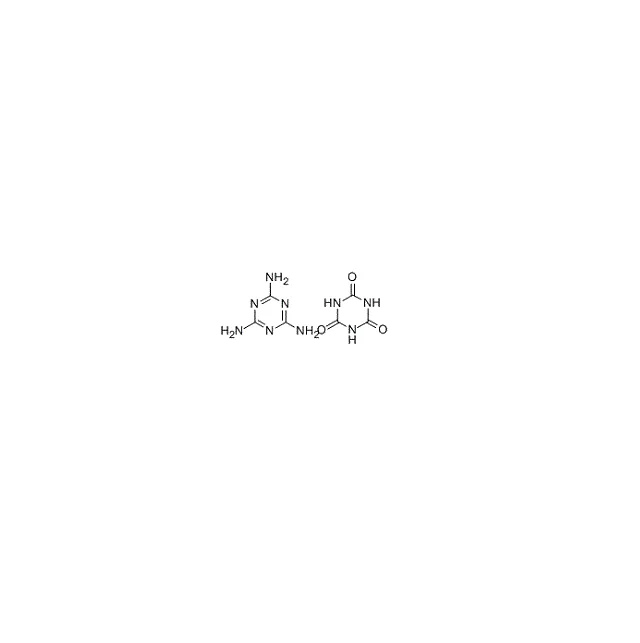
Melamine cyanurate is a kind of halogen-free flame retardant, also known as melamine cyanurate (MCA), which is white crystalline powder, insoluble in water, soluble in ethanol, formaldehyde and other organic solvents; it is weak acid, can be well dispersed in oil medium, non-toxic, environmental friendly, tasteless, stable in 300 °C, endothermic decomposition and sublimation at 350 °C. Non combustible, chemically stable, widely used in nylon, acrylic emulsion, polytetrafluoroethylene resin and other olefin resins as halogen free flame retardant components. It is especially suitable for nylon 6 and nylon 6, 6, which are two kinds of pure nylon. It has good flame-retardant effect, small processing smoke, and can easily achieve ul94v-o flame-retardant level. It has very low application cost, superior electrical properties, mechanical properties and coloring properties. At the same time, when it is used as a mixed additive to manufacture flame-retardant masterbatch, due to its self Excellent balance between good thermal stability and high efficiency flame retardant, so it has the advantage of easy processing.
Octabromobisphenol-S
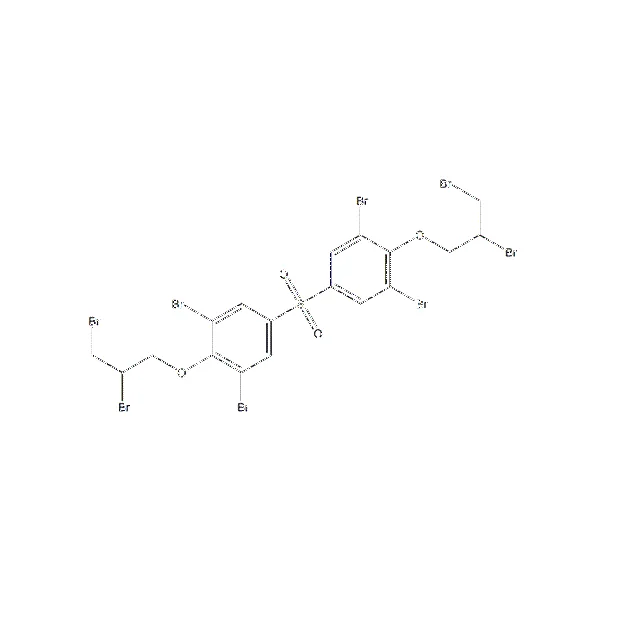
White powder, mainly used as flame retardant.
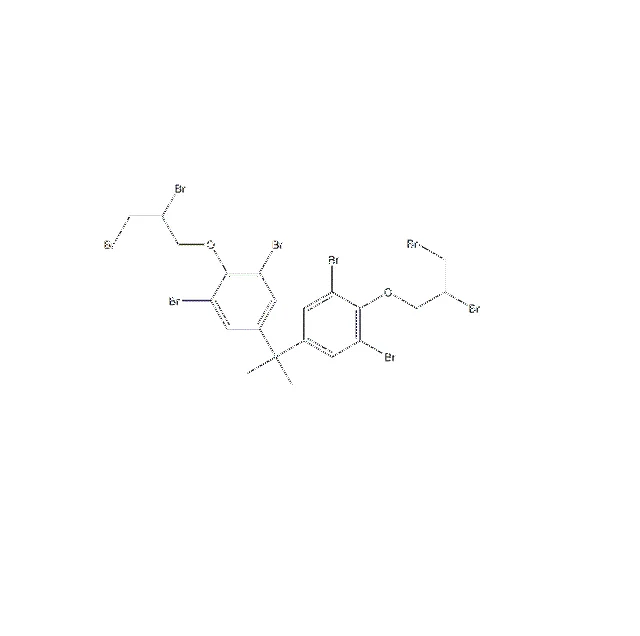
Tetrabromobisphenol A Bis(dibromopropyl Ether)
Octabromoether, molecular formula c21h20o2br8, molecular weight 934.26, melting point about 105 °C, soluble in benzene, acetone, chloroform, etc., insoluble in water hexanol, decomposition temperature 270 °C, is the main product of further processing of tetrabromobisphenol A, with better flame retardant effect. It belongs to additive flame retardant in polymer flame retardant, and is often used in flame retardant of polypropylene (PP), polyethylene (PE), polybutene and many polyolefin copolymers. Its molecular structure contains aliphatic bromine and aromatic bromine. It has high flame-retardant efficiency, can withstand high processing temperature, can melt blend with polyolefin, and has appropriate thermal stability, low price and efficiency. When comparing the flame-retardant PP with the non flame retardant PP blank sample, it was found that there was almost no difference in mechanical properties between them. In the combustion products of this product, the carcinogens tetrabromodibenzodiane and tetrabromodibenzofuran can hardly be detected. The results show that compared with the traditional flame retardant decabromodiphenyl ether, when it reaches the same flame retardant level, the amount of this product is less. Compared with hexabromocyclododecane, the decomposition temperature is higher, and in some aspects, hexabromocyclododecane can not be replaced. The flame retardant effect of octabromoether is very good, which is one of the development directions of bromine series flame retardants, and its application prospect is very broad.
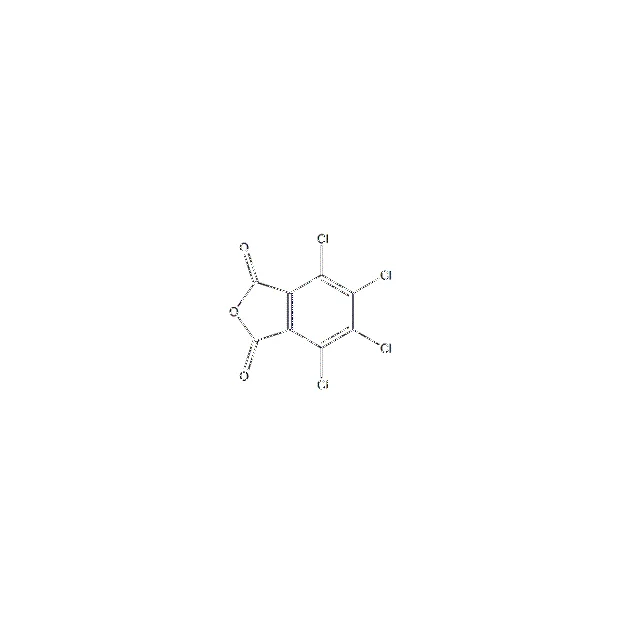
Tetrachlorophthalic Anhydride
Colorless acicular crystal or powder. Melting point: 255 °C (sublimation), boiling point: 366 °C (371 °C). Soluble in dioxane, insoluble in ether, insoluble in cold water, decomposed into tetrachlorobenzoic acid in hot water. No smell. The product is a reactive flame retardant, which can be used in polyester and epoxy resin, but the effect is not as good as tetrabromophthalic anhydride. Tetrachlorobenzyldicarboxylic anhydride is also an organic synthesis intermediate of pesticides (pyricularphthalein), dyes, drugs, plasticizers, fire-retardant paints, etc.
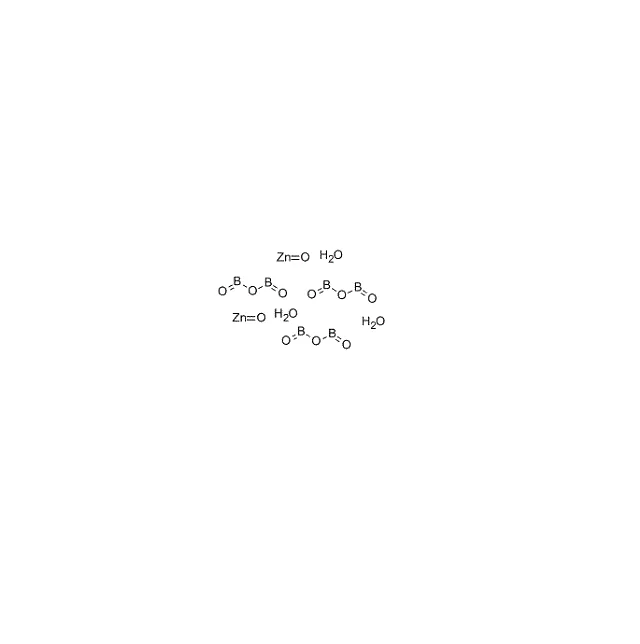
Zinc Borate
Zinc borate is an inorganic additive flame retardant, which is characterized by good thermal stability, flame retardancy and smoke elimination. It can replace antimony trioxide in some products, and can also be used in coordination with other inorganic flame retardants, with better effect. This product is widely used in rubber, plastic, cable, wood, defense and military products, coating, tarpaulin and other industries.