


Polyurethane Additive Chemicals (10)
Showing 1–10 of 10 products · Page 1 of 1
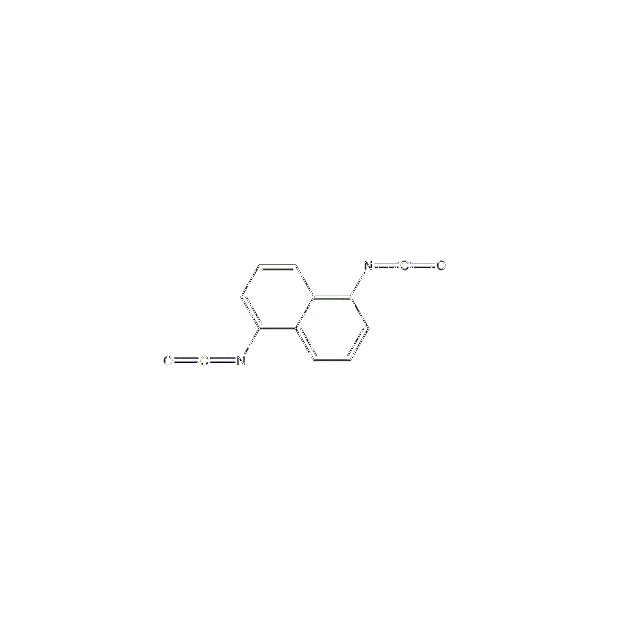
1,5-Naphthalene Diisocyanate
Used as intermediate of pesticide and medicine.
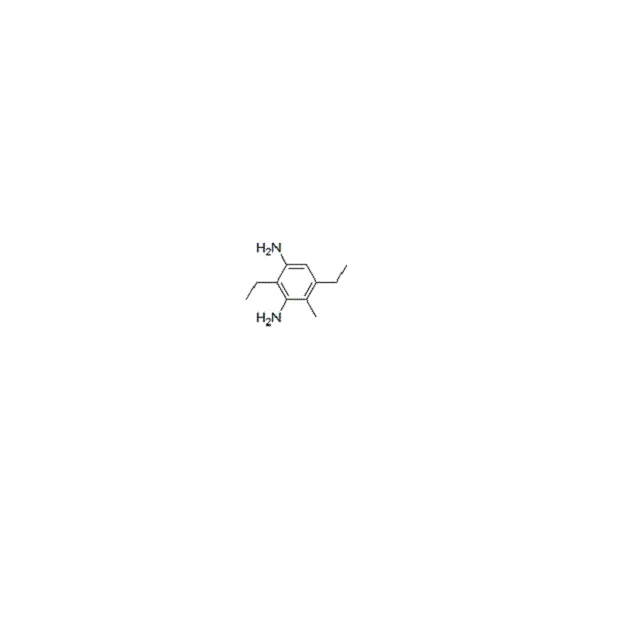
Diethyltoluenediamine
Diethylmethylenediamine is a mixture of two isomers of diethylmethylenediamine (detda). It is light yellow to red brown transparent liquid with ammonia flavor at room temperature, slightly soluble in water, soluble in polar organic solvents such as alcohol, ether, ketone, etc., and has good compatibility with polyether and polyester polyols. Long term exposure to the air will darken the color. Diethylmethylenediamine is flammable and highly corrosive. Skin and eye contact can cause irritation and serious burns. It is harmful to take by mistake. Specific toxicity data is lack. Please refer to Methylenediamine for its toxicity. Its main uses are curing agent, antioxidant, chain extender, lubricant, polyurethane raw material, amine catalyst, etc.
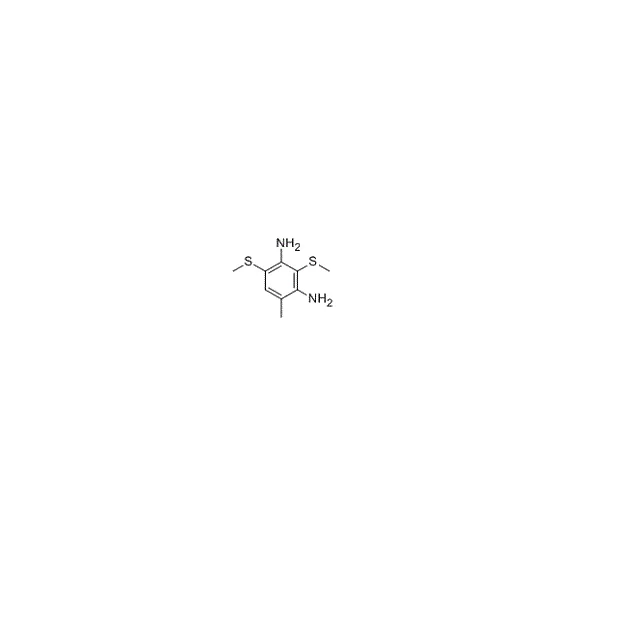
Dimethyl Thio-toluene Diamine
Dimethyl Thio-toluene Diamine CAS 106264-79-3
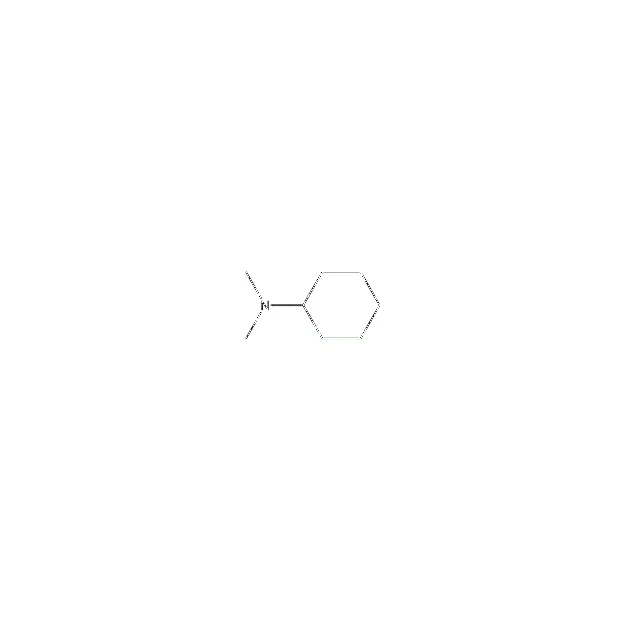
N,N-Dimethylcyclohexylamine
N, N- two methyl cyclohexanamine can be used in a wide range of rigid foam. One of the main applications is insulating foam, including sprays, plates, adhesive sheets and refrigerated formulations. N, N- two methyl cyclohexanamine is also suitable for the manufacture of rigid foam furniture frame and decorative parts. The catalyst can be used as the main catalyst in the hard foam products, without adding organic tin, and can also be supplemented with JD series catalyst according to the process and product requirements. It is also used as an intermediate of rubber accelerator and synthetic fiber.
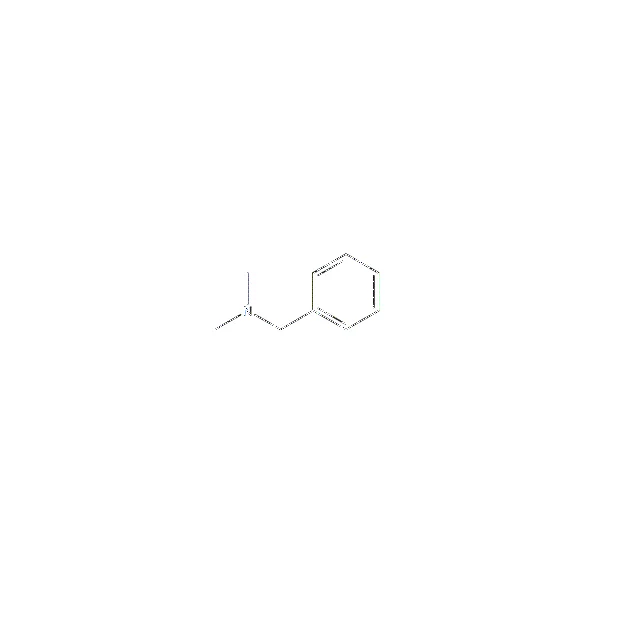
N,N-Dimethylbenzylamine
Colorless to yellowish liquid with ammonia odor. It can be mixed with alcohol and ether, soluble in hot water, slightly soluble in cold water. It can be used as catalyst, corrosion inhibitor, neutralizer and organic synthesis.
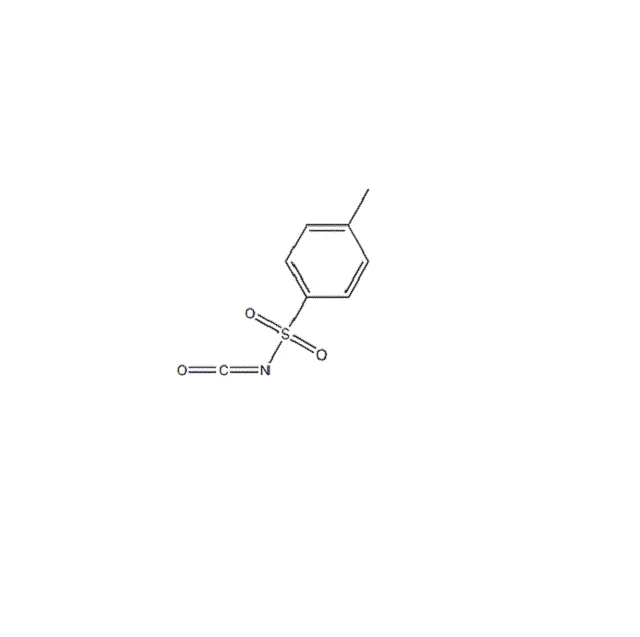
P-Toluenesulfonyl Isocyanate
It can be used as a dehydrating agent of solvent, filler, pigment and asphalt tar in the process of paint making. It reacts with water to produce carbon dioxide and toluene sulfonamide. The latter generally does not react with alkyl isocyanate and aryl isocyanate, and dissolves in common solvent. In addition, it will not lead to yellowing of the system. By using TI in polyurethane paint, the phenomenon of loss of light, yellowing and reaction foam caused by wet surface has been reduced.
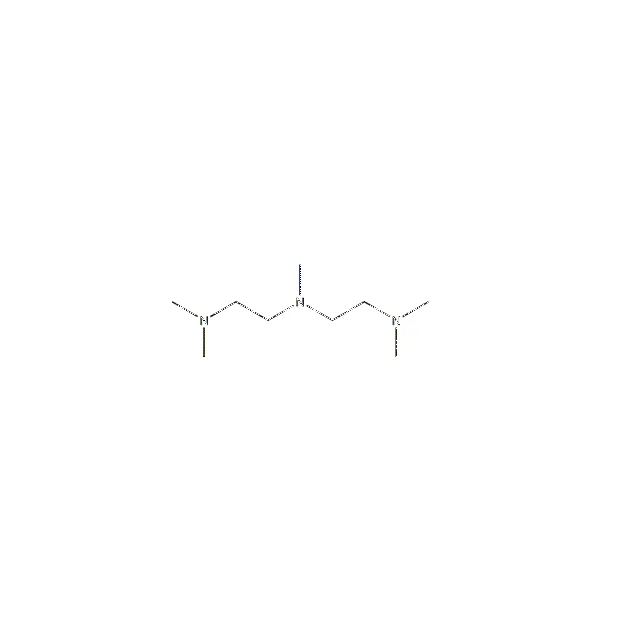
Pentamethyldiethylenetriamine
Pentamethyldiethylenetriamine is a chemical substance. It is a high efficient catalyst for polyurethane soft foam. It can be used in the formulation of soft foam products and as an auxiliary catalyst for hard foam to improve the fluidity of PU foam for large capacity refrigerator.
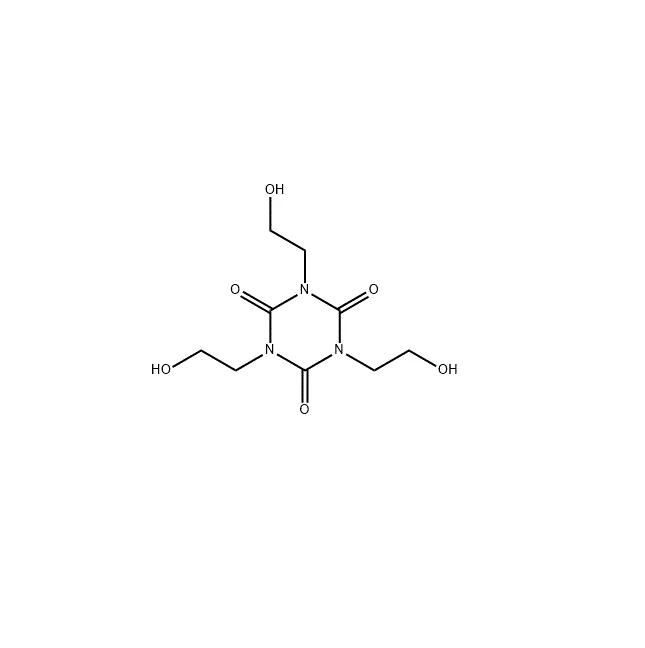
THEIC
1,3,5-Tris(2-hydroxyethyl)cyanuric acid is mainly used to prepare polyester heat-resistant insulating varnishes, and can also be used in coatings, medicines, pesticides and organic synthesis intermediates. Mainly used in the manufacture of heat-resistant enameled wires and paints with excellent mechanical properties, organic synthesis intermediates such as dyes, pharmaceuticals, and stabilizers in the PVC industry.
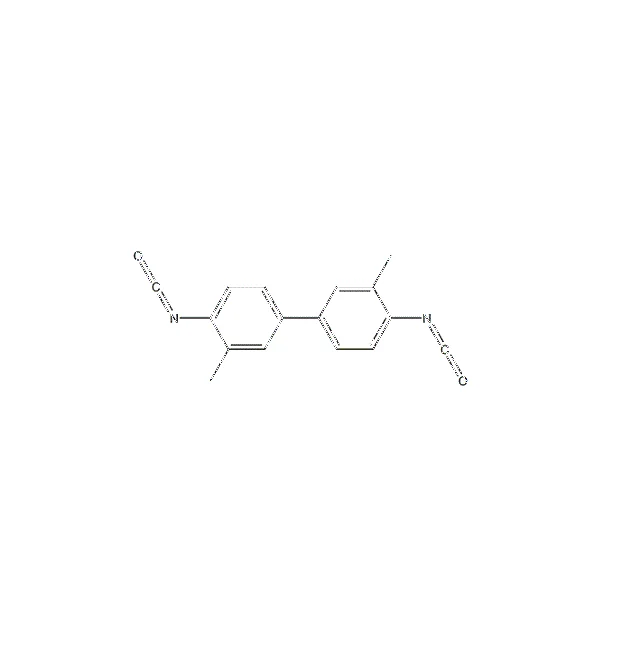
TODI
Raw materials of polyurethane elastomer (used for rubber, coating and foaming body); oil seal materials; heat-resistant resin modifier; raw materials of urea formaldehyde resin and heat-resistant coating; raw materials of polyamide imide high-function engineering plastics and biuret resin.
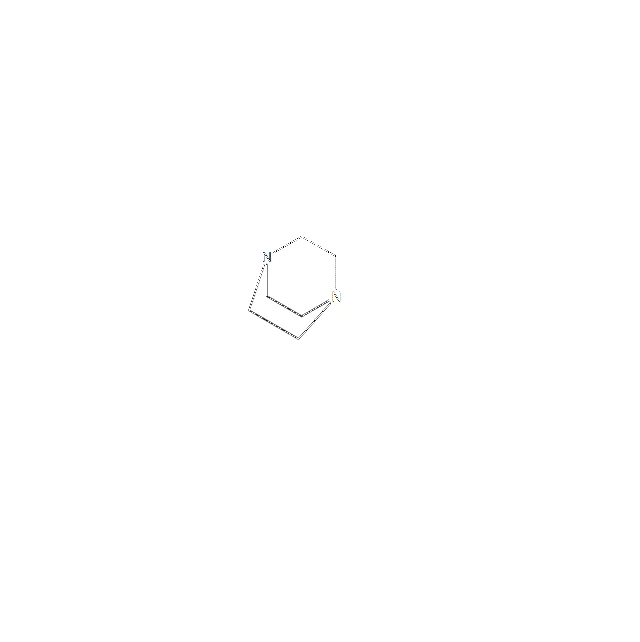
Triethylenediamine
Anhydrous material is combustible white crystal, which is easy to deliquesce. Soluble in water, ethanol, acetone and benzene. The solubility is 45g / 100g in water, 77g / 100g in ethanol, 13g / 100g in acetone and 51g / 100g in benzene at 25 °C.