


Rubber Additives (17)
Showing 1–12 of 17 products · Page 1 of 2
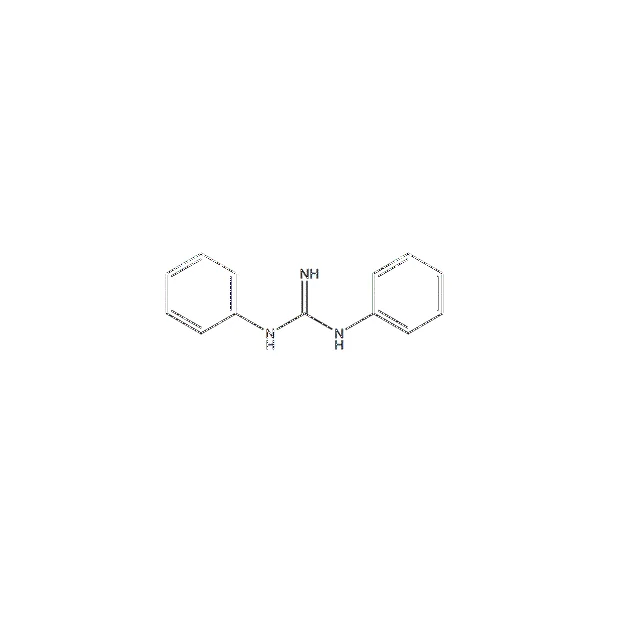
AcceleratorD
It is mainly used as a medium speed accelerator of natural rubber and synthetic rubber. It is commonly used as an activator of thiazole, tyrum and hypoiodide accelerators. When used in combination with accelerators DM and TMTD, it can be used for continuous vulcanization. When the second accelerator of thiazole accelerant is used, the aging resistance of vulcanizate will be decreased, so appropriate antioxidant must be added. In neoprene, the product has the function of plasticizer and plasticizer. This product is not suitable for white or light colored products and rubber products in contact with food. Mainly used for manufacturing tires, rubber plates, sole, industrial products, hard rubber and thick wall products. The dosage of the second accelerator is 1-2 phr, and the dosage of the second accelerator is 0.1-0.5 phr. Chromium casein diphenylguanidine, a derivative of diphenylguanidine, is a highly effective antirust agent.
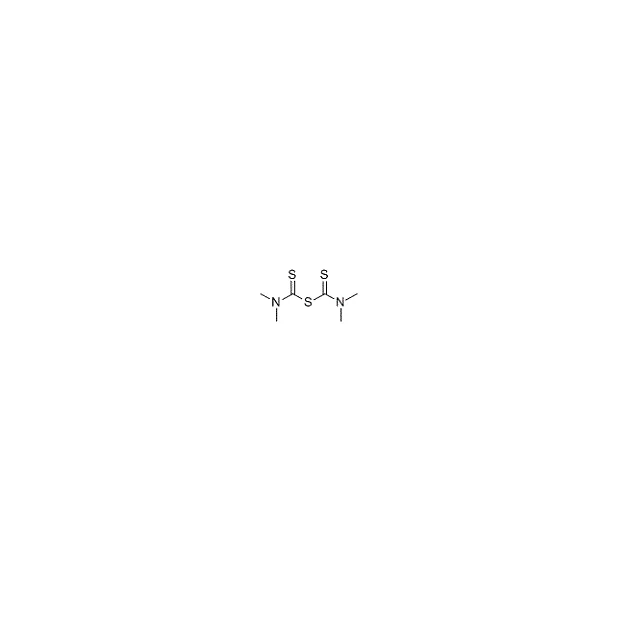
Bis(dimethylthiocarbamyl) Sulfide
This product is a non discolored, non polluting super accelerator, mainly used in natural rubber and synthetic rubber. The activity is about 10% lower than that of willingtmtd, and the tensile strength of vulcanizate is also slightly lower. The effect of 121 ο C is higher than that of thiuram disulfide and dithiocarbamate accelerators. When using this product, the sulfur consumption range is large. This product can be used alone or in combination with thiazole, aldehyde amine, guanidine and other accelerators. It is the active agent of thiazole accelerators. It has the effect of delayed vulcanization in the general type (gn-a type) butadiene rubber. When it is used with dithiocarbamate in latex, the tendency of early vulcanization can be reduced. This product can't decompose active sulfur and can't be used for sulfur free coordination.
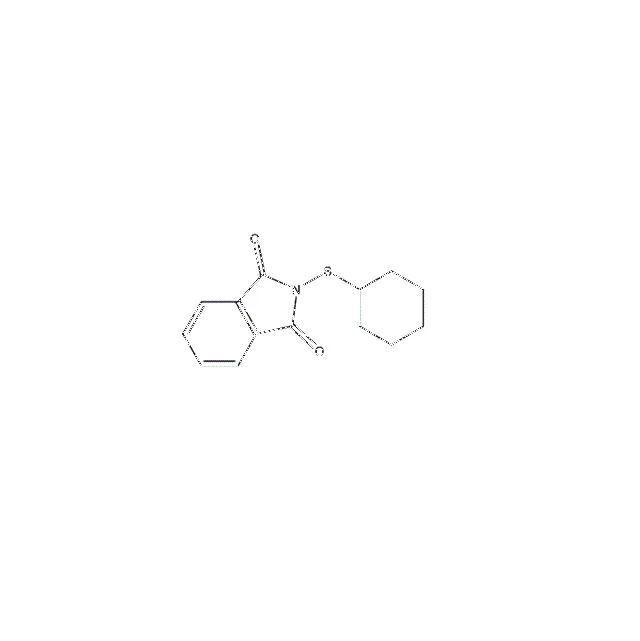
Cyclohexylthiophthalimide
C yclohexylthiophthalimide is also known as delayed coking agent, early curing inhibitor, anti coking agent CTP and anti coking agent PVI. It is white, light yellow or light yellow brown crystal at room temperature, while the product recrystallized from n-heptane is white crystal. Soluble in acetone, benzene, toluene, ether, ethyl acetate and ethyl acetate, slightly soluble in gasoline, insoluble in kerosene and water, soluble in hot carbon tetrachloride, ethanol and heptane. Cyclohexane is reacted with hydrochloric acid to form cyclohexane chloride. Chlorothiocyclohexane was prepared by sulfurization with sulfur. Finally, the product was prepared by the reaction of phthalimide and chlorothiocyclohexane in the presence of acid absorbent. It can be used in natural rubber and synthetic rubber to effectively prevent rubber from burning in the process of processing and improve production efficiency. At the same time, it can restore the rubber material that has been subjected to high heat or slight scorch. N-cyclohexylthiophthalimide is widely used in sulfur vulcanizable elastomers. It has good anti coking effect when used with various general accelerators. When CTP is used, whether it is open or high temperature rapid internal mixing, one-stage mixing process can be used to effectively prevent coke burning. It can be used with accelerator M, DM, TMTD and effective or semi effective curing system to improve the properties of rubber compound. It can improve the production efficiency of calendering and extrusion. It is beneficial to improve the adhesion between rubber and brass plated steel wire. It is widely used in all kinds of general rubber and special rubber such as NBR, EPDM or EPDM, butyl rubber and chloroprene rubber. During storage, the temperature and humidity which are too high and too low shall be avoided, and the product shall be placed in a ventilated and dry place to avoid heat and moisture. Flammable, low toxic.
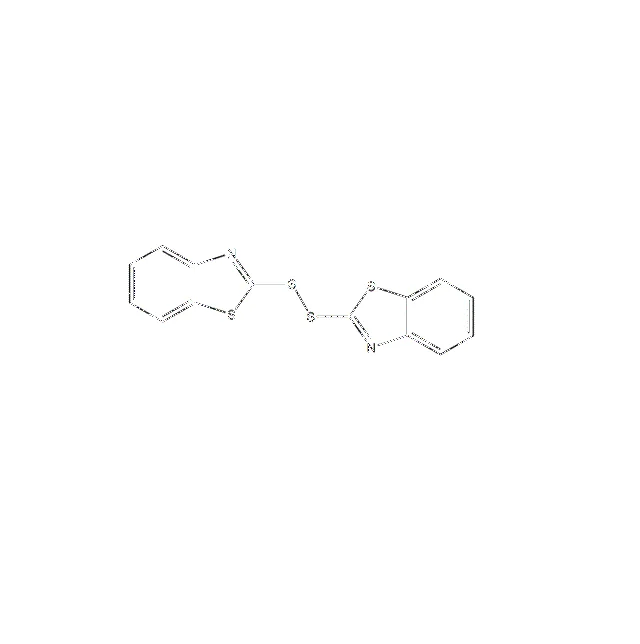
Di(benzothiazol-2-yl) Disulfide
Dibenzothiazole disulfide is a chemical substance with molecular formula of c14h8n2s4 and molecular weight of 332.47. As a general accelerator for natural rubber, synthetic rubber and recycled rubber, it is mainly used to manufacture high-purity DM (medical grade) for tires, inner tubes, rubber belts, rubber shoes and general industrial products, which is an important pharmaceutical intermediate for the manufacture of cephalosporin anti-inflammatory drugs.
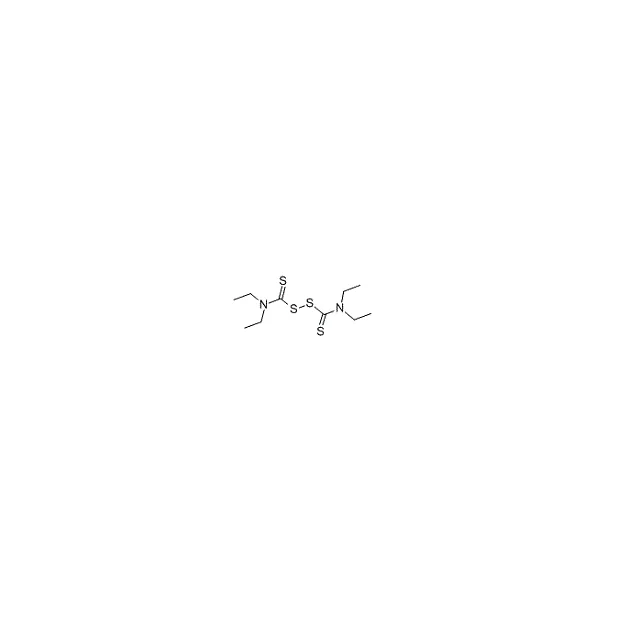
Disulfiram
Tetraethyl thiuram disulfide, or dithiolon, is used to treat chronic alcohol addiction because of its immediate response to alcohol. When we drink alcohol (ethanol), ethanol will be converted into acetaldehyde through the action of alcohol dehydrogenase in the liver, acetaldehyde will be converted into acetic acid through the action of acetaldehyde dehydrogenase, and finally acetic acid will be converted into H20 and CO2 through the citric acid circulation to be discharged from the body. However, dithione blocks the conversion of acetaldehyde to acetic acid by inhibiting the action of acetaldehyde dehydrogenase, resulting in acetaldehyde accumulation and physical discomfort, which should be used in cooperation with the doctor's prescription. In addition to alcohol, dithione is also used in cocaine withdrawal therapy because it prevents the breakdown of dopamine.
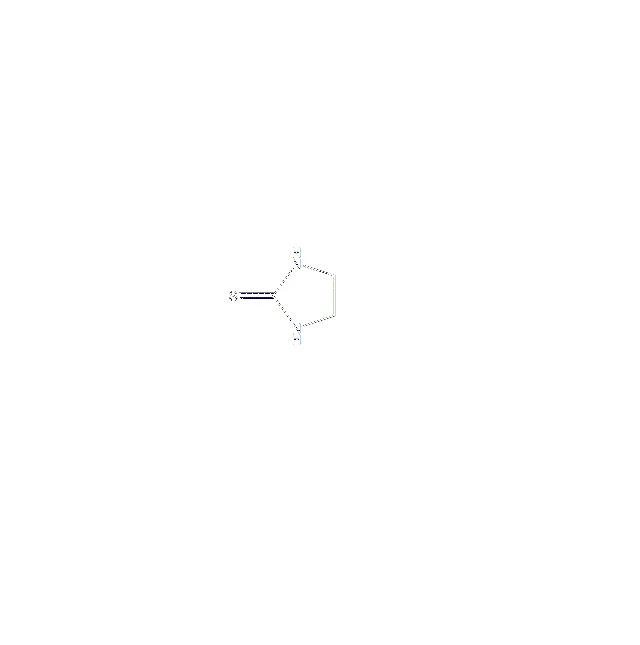
Ethylene Thiourea
It can be used as an accelerant of chloroprene rubber, chlorosulfonated polyethylene and acrylate adhesive with a reference dosage of 0.25-1.5 phr. It is also used as an accelerant of polysulfide rubber. It can also be used as an accelerator of dicyandiamide curing agent for epoxy adhesive with a reference dosage of 8 phr.
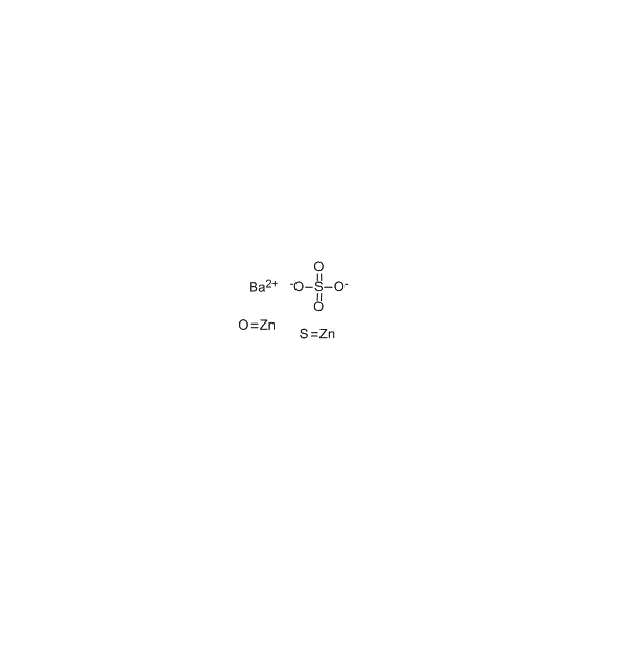
Lithopone
Lithopone is a white crystalline powder. It is a mixture of zinc sulfide and barium sulfate. The more zinc sulfide it contains, the stronger the covering power and the higher the quality. The density is 4.136-4.34g/cm³, insoluble in water. In case of acid, it is easy to decompose to produce hydrogen sulfide gas, which will not work in case of hydrogen sulfide and alkali solution. When exposed to ultraviolet light in the sun for 6-7 hours, it turns light gray, and it still returns to its original color when placed in the dark. It is easy to oxidize in the air and agglomerate and deteriorate after being affected with moisture.
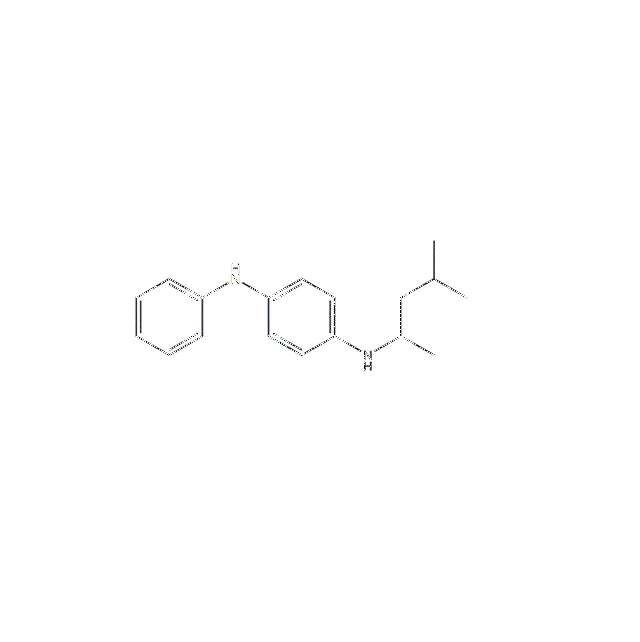
N-(1,3-Dimethylbutyl)-N'-phenyl-p-phenylenediamine
This product is a kind of pollution antioxidant. In addition to its good anti oxygen effect, it also has the functions of anti ozone, anti bending and cracking, and inhibiting harmful metals such as copper and manganese. Its performance is similar to that of antioxidant 4010NA, but its toxicity and skin irritation are less than 4010NA, and its solubility in water is better than 4010NA (washing loss rate: 4010NA is 50%, while 4020 is only 15-20%). It can be widely used in the preparation of tire, rubber belt and many other industrial rubber products. The general dosage is 0.5-1.5%. This product is not suitable for making light colored products because of its serious pollution. Antioxidant 4020 is one of the main varieties of p-phenylenediamine antioxidant. At present, p-phenylenediamine antioxidant is the main excellent product commonly used in rubber industry at home and abroad, and it is also the development direction of antioxidant in the future.
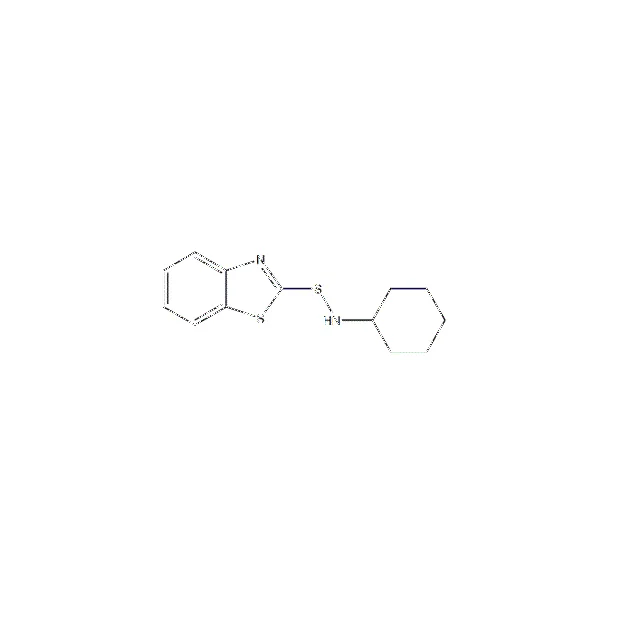
N-Cyclohexyl-2-benzothiazolesulfenamide
CZ, scientific name of n-cyclohexyl-2-benzothiazolesulfonamide, is a highly active after effect semi overspeed accelerator with excellent scorch resistance, safe processing and short curing time. The addition of basic accelerants, such as thiuram and dithiocarbamate, can enhance their activity and is suitable for all kinds of rubber with slight discoloration and no frost spray. The vulcanized rubber products are resistant to aging, tensile strength and constant elongation, and are suitable for manufacturing industrial rubber products such as tires, rubber shoes and cables. It is suitable for the use of furnace black rubber materials, such as natural rubber, butyl rubber, isoprene rubber, styrene butadiene rubber, nitrile rubber, EPDM rubber, etc. it is characterized by excellent scorch resistance, short curing time, frost free, aging resistance, heat resistance, cracking resistance and wear resistance. It can be used as a curing accelerator alone or in combination with other accelerators such as D, DT, TT, TS, etc. It is used to prepare tire, tape, cable, hose and other general industrial products.
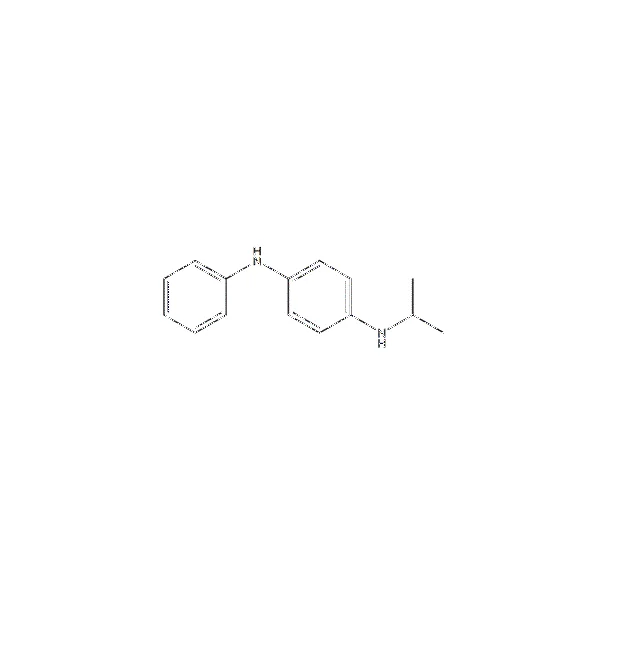
N-Isopropyl-N'-phenyl-1,4-phenylenediamine
Natural rubber, synthetic rubber and latex are general-purpose excellent anti-aging agents, which have excellent anti-aging properties for ozone, flex cracking, heat, oxygen, light and general aging. It is often used to manufacture products with high static stress, such as aircraft and automobile tires, bicycle tires, cables, rubber tubes, tapes, rubber rollers and other industrial rubber products. The product is polluting and not suitable for light colored rubber products.
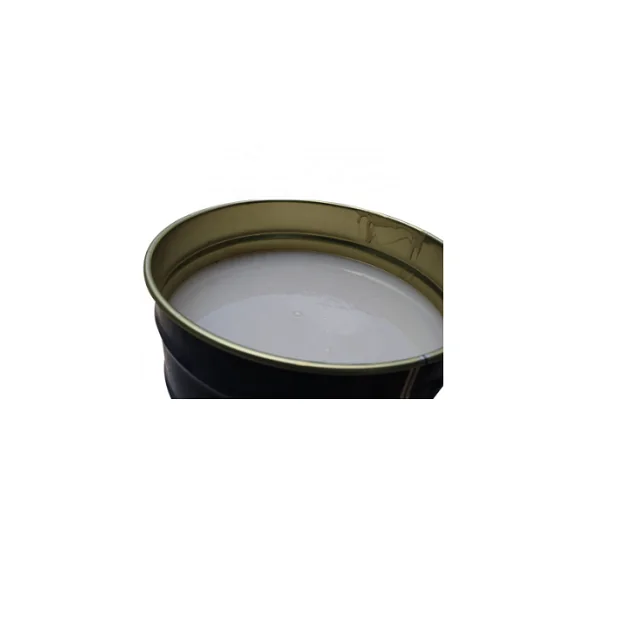
SILICONE RUBBER
Silicone rubber is a kind of synthetic rubber and semi-inorganic polymer elastic material with silicon oxygen structure in the molecular main chain. It is formed by the condensation of organosilicon monomers with two functional groups such as dimethyldichlorosilane after hydrolysis. Silicone rubber is similar to ordinary rubber in appearance, but it has high thermal stability and elasticity. Keep the original characteristics in the range of - 60 ~ 300 °C. When compressed at high temperature, the shrinkage is very small, and it will return to the original state after the external force is relieved. According to curing methods, silicone rubber can be divided into heat curing type and room temperature curing type.
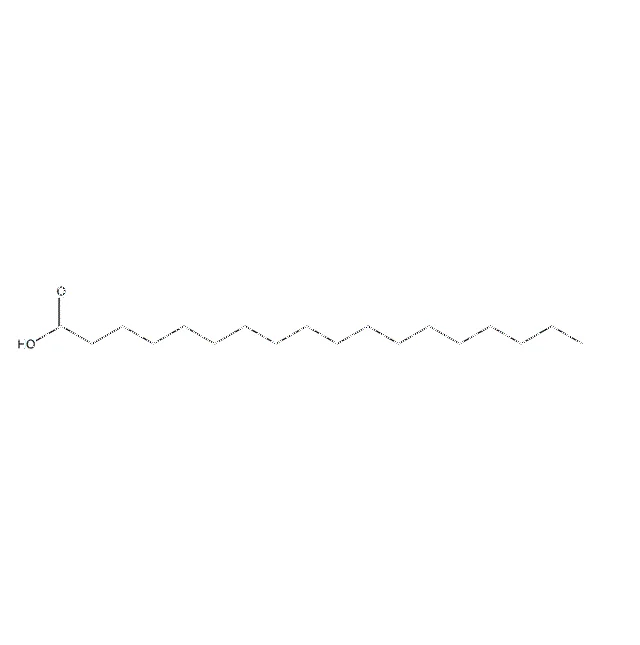
Stearic Acid
Stearic acid is one of the main long-chain fatty acids that make up oil. It exists in animal fat, oil and some vegetable oil in the form of glycerides. After hydrolysis, stearic acid is obtained. Stearic acid is a kind of fatty acid widely existing in nature. It has the chemical properties of general carboxylic acid. Almost all oils contain stearic acid with different contents. The content of stearic acid in animal fat is relatively high. For example, the content of stearic acid in tallow is up to 24%, the content of vegetable oil is less, tea oil is 0.8%, palm oil is 6%, but the content of cocoa fat is up to 34%.