


Antineoplastic Drugs API (75)
Showing 13–24 of 75 products · Page 2 of 7
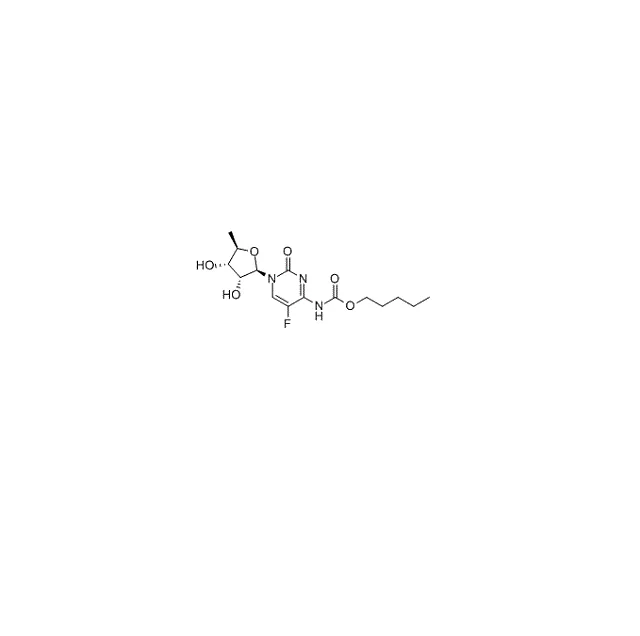
Capecitabine
Capecitabine is an antimetabolic fluorodeoxynucleoside carbamate drug that can be converted into 5-FU in vivo. It is developed by Roche company and trade name is Xeloda. It can inhibit cell division and interfere with RNA and protein synthesis. It is suitable for the further treatment of paclitaxel and advanced primary or metastatic breast cancer, including anthracycline antibiotic chemotherapy. It is mainly used for the treatment of advanced primary or metastatic breast cancer, rectal cancer, colon cancer and gastric cancer.
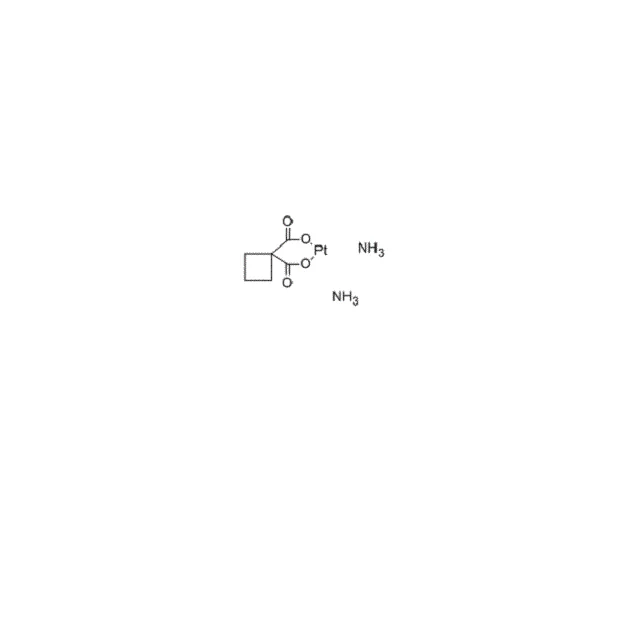
Carboplatin
Carboplatin is the second generation of platinum antitumor drugs. Its antitumor activity is similar to cisplatin, but its nephrotoxicity, ototoxicity and neurotoxicity, especially gastrointestinal reaction, are significantly lower than cisplatin, and its antitumor spectrum is not as wide as cisplatin. The main mechanism of action is to cause cross-linking between and within DNA chains, interfere with DNA molecules and inhibit DNA synthesis of cells. It mainly acts on N-7 and O-6 atoms of guanine in DNA and produces cytotoxic effect. Because the cyclobutane ring in carboplatin molecule is more stable as a ligand than the chloride ion group in cisplatin, it was initially thought that carboplatin may not have the ototoxicity, nephrotoxicity and neurotoxicity like cisplatin, but it has been proved by systematic biological evaluation and a large number of clinical trials, Although carboplatin is not as serious as cisplatin in renal toxicity, myelosuppression, ototoxicity and neurotoxicity, its damage to the body can not be ignored. There is cross resistance between cisplatin and its antitumor effect in vivo, so cancer cells that are not sensitive to cisplatin are also resistant to cisplatin. It was found that carboplatin not only inhibited tumor growth, but also had radiosensitization effect.
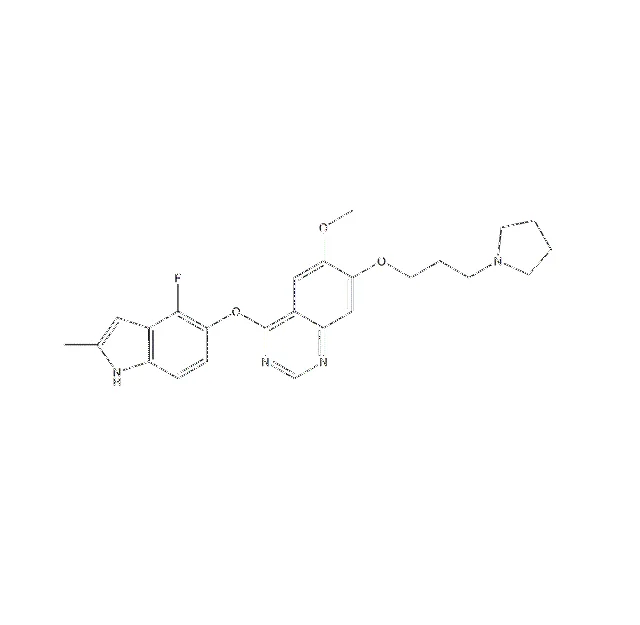
Cediranib
Cediranib is an oral antitumor drug. It is a highly effective inhibitor of VEGFR tyrosine kinase and can inhibit all known VEGFR tyrosine kinases (including VEGFR-1, VEGFR-2, VEGFR-3 and PDGFR). Sildenab can inhibit VEGF induced angiogenesis, neovascularization and xenograft cell growth. In the phase I study of NSCLC patients, it was found that the combination of sildenab and PC regimen had significant antitumor effect. Phase II / III study br24 studied 30 mg of sildenab as the first-line treatment for NSCLC patients, which proved that it had antitumor effect, but the incidence of adverse events was high, including diarrhea, dehydration, hand foot syndrome, hypertension and neutropenia. Therefore, it was decided to stop the clinical trial. Repeated evaluation of the dose and toxicity of the combination indicated that part of the adverse reactions were dose-related, and it could be tried to reduce the dose to improve the drug tolerance.

Cisplatin
Cisplatin is one of the most commonly used drugs in the current combination chemotherapy. Its full chemical name is cis dichlorodiamine platinum, which is an inorganic metal complex. After dissociation of chlorine, it is cross linked with DNA of cancer cells, thus damaging DNA function. It may form cross-linking within or between the chains with DNA, or with DNA and protein, and inhibit cell mitosis. It is a non-specific drug of cell cycle. Besides anti-cancer, it can also inhibit lymphocyte transformation and has immunosuppressive effect. It can be used as a metal complex of anti-cancer drugs.
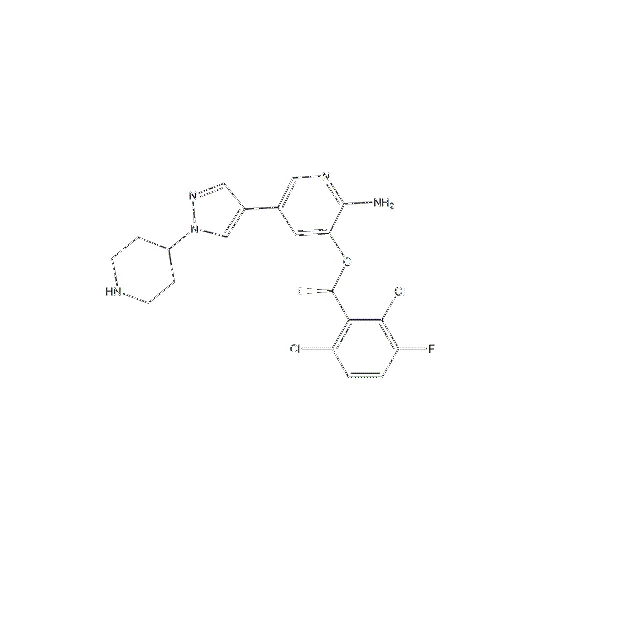
Crizotinib
Crizotinib (trade name Xalkori, Pfizer), is an anti-cancer drug acting as an ALK (anaplastic lymphoma kinase) and ROS1 (c-ros oncogene 1) inhibitor, approved for treatment of some non-small cell lung carcinoma (NSCLC) in the US and some other countries, and undergoing clinical trials testing its safety and efficacy in anaplastic large cell lymphoma, neuroblastoma, and other advanced solid tumors in both adults and children.
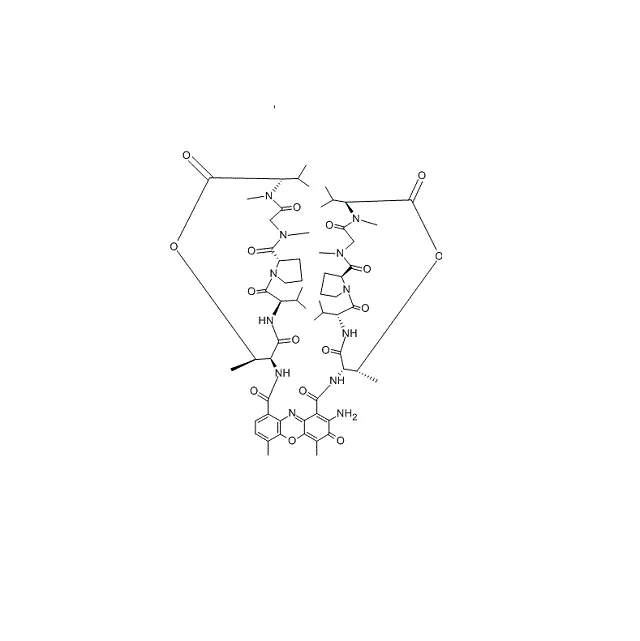
Dactinomycin
Bright red crystalline powder, hygroscopic, gradually lost activity under light. Specific rotation [α] 18d-315 ° (0.02%, methanol). Insoluble in petroleum chemical Book ether, slightly soluble in water, soluble in methanol, ethanol and ethyl acetate, easily soluble in benzene, chloroform and acetone. Extremely toxic, LD50 (rat, oral) 7200 μ g / kg. It is effective in the treatment of malignant hydatidiform mole, nephroblastoma, Hodgkin's disease, testicular tumor, rhabdomyosarcoma, neuroblastoma and reticulosarcoma. With cervical cancer, ovarian cancer, breast cancer and gastrointestinal cancer, there are also some curative effects. Combined with radiotherapy can improve the sensitivity of radiotherapy.
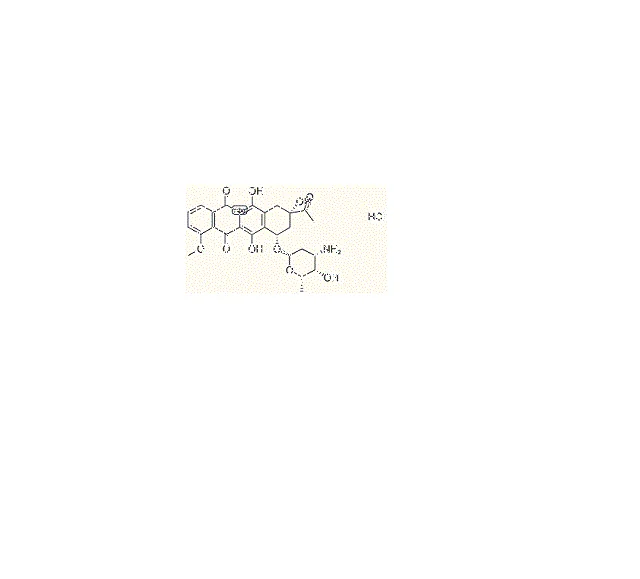
Daunorubicin Hydrochloride
Orange red crystalline powder was obtained from ethanol. [α] D20-50 ° (C = 0.2, water). UV maximum absorption (methanol): 232.5253480495nm (ε 40225353001048010300). Acute toxicity LD50 mice (mg / kg): 13.66 subcutaneous injection, 4.42 intraperitoneal injection, 8.50 intravenous injection. It is a semi synthetic anti-tumor antibiotic similar to positive dinomycin, and its curative effect is similar to that of adriamycin. It is used for the remission of acute lymphoblastic leukemia and acute primordial leukemia, especially acute monocytic leukemia.
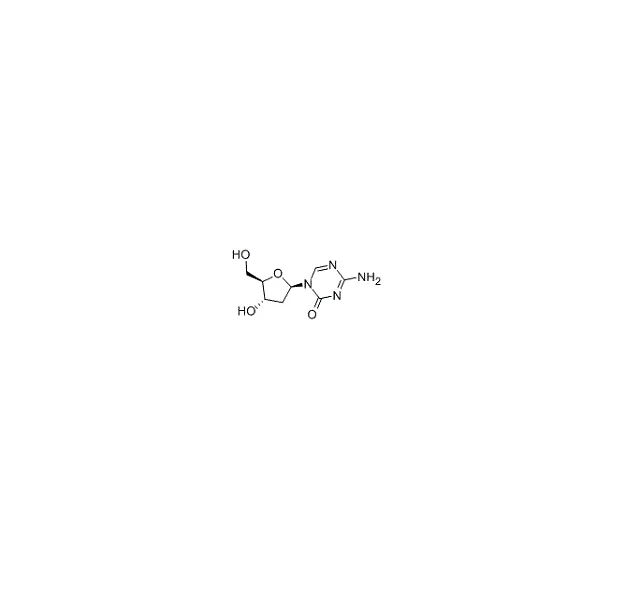
Decitabine
It is a kind of natural adenosine analogue of 2 ′ - deoxycytidine acid. It can inhibit the proliferation of tumor cells and prevent the occurrence of drug resistance by inhibiting DNA methyltransferase and reducing DNA methylation. It is the most powerful specific inhibitor of DNA methylation, belonging to S-phase cell cycle specific drug, and is suitable for the treatment of myelodysplastic syndrome (MDS).
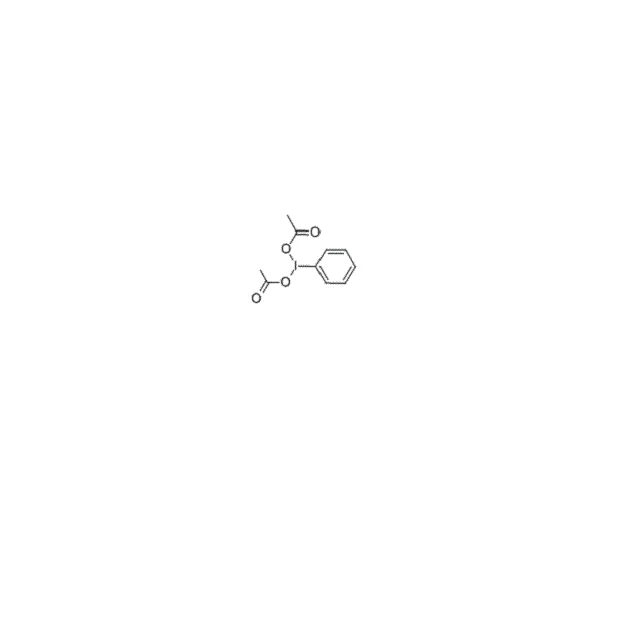
Diacetoxyiodo
Multifunctional oxidation and acetification reagents; stoichiometric oxidant in tempo oxidation of neritol to nerolaldehyde; oxidant in rhodium catalyzed acridine reaction of alkene with sulfamate; 2-arylation of indole catalyzed by palladium at room temperature; reagents for synthesis of various heterocyclic compounds; Vic glycol cracking agent, hydroxylation and many oxidation reactions It is used for the preparation of thermal labile substance iodobenzene.
Docetaxel
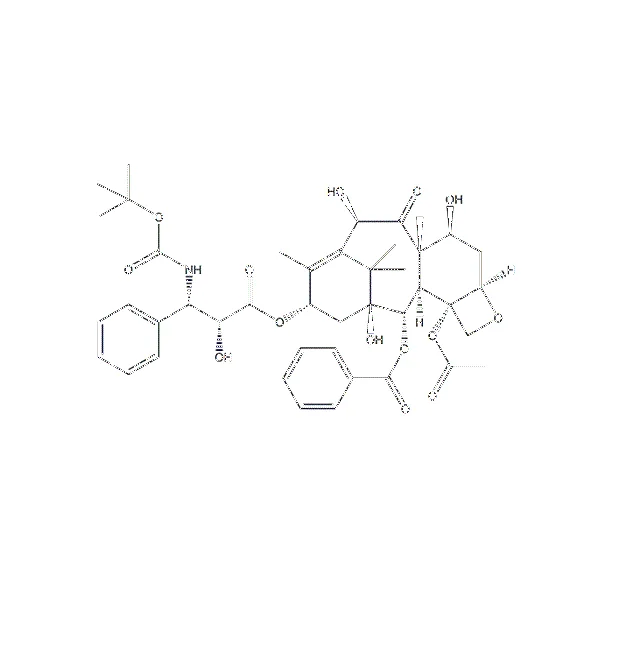
Docetaxel is a kind of Taxus drug. It can promote the assembly of microtubule dimer into microtubule, stabilize microtubule by preventing the depolymerization process, block cells at G2 and M stages, and inhibit the mitosis and proliferation of cancer cells. Docetaxel has a stronger pharmacological effect than paclitaxel, a concentration three times higher than paclitaxel in the cell, and a longer retention time in the cell, and its affinity to microtubule is two times higher than Paclitaxel; as a microtubule stabilizer and assembly accelerator, its activity is two times higher than Paclitaxel; as a microtubule depolymerization inhibitor, its activity is two times higher than paclitaxel. The antitumor activity of docetaxel was 1.3-12 times that of paclitaxel in vitro. Clinical studies show that docetaxel is more effective than paclitaxel in anthracycline resistant breast cancer. Docetaxel is the most effective drug in the second-line treatment of anthracycline resistant breast cancer; in the single drug treatment and combined chemotherapy of non-small cell lung cancer, docetaxel is one of the most effective drugs.
Doramapimod
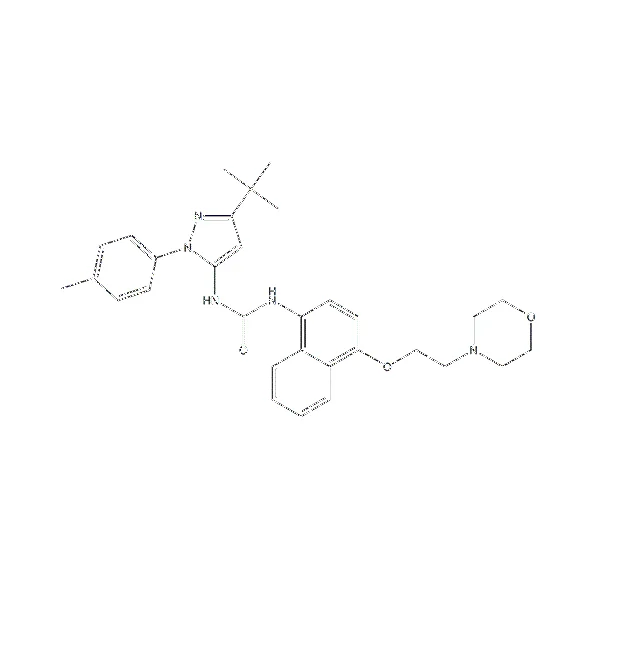
It is a pyrazole-based allosteric inhibitor of p38 MAP Kinase with a Kd of 0.1 nM. BIRB796 has slow binding kinetics, as evidenced by an marked increase in apparent IC50 after preincubation periods up to 2h, as well as dissociation rates of up to six orders of magnitude greater when compared to other MAPK inhibitors. BIRB796 possesses an excellent selectivity profile over a panel of relevant kinases, with the most active being inhibition of JNK2a2 at 100 nM (330-fold selectivity).Related studies have shown that BIRB796 also inhibits activity and activation of SAPK3/p38g (3% remaining activity at 10 uM). At these concentrations, BIRB796 blocks stress-induced phosphorylation of scaffold protein SAP97.
Dovitinib
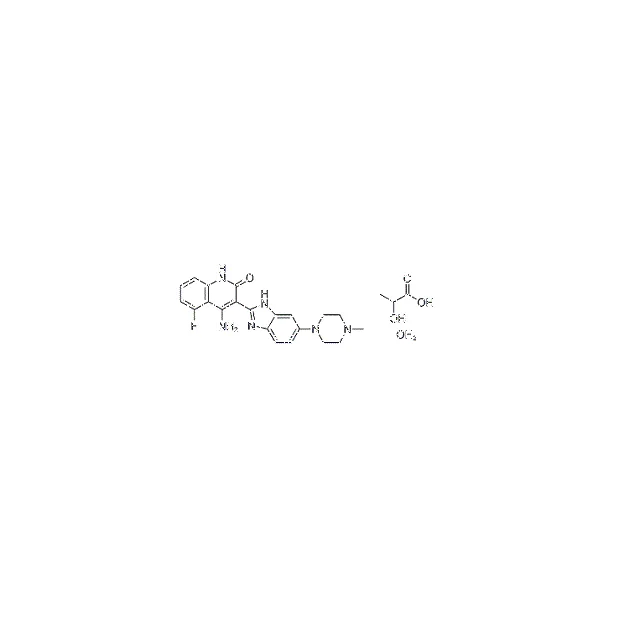
Dowetinib is an effective small molecule and multi-target tyrosine kinase inhibitor, which can directly act on tumor cells and provide nutritional support for tumor cells. It can inhibit a variety of growth factors, such as vegfr1-3, fgfr1-3, PDGFRb, E-kit, RET, TRAA and CSF-1. At present, dowetinib is in the third phase of clinical research, which shows that it has obvious therapeutic effect on breast cancer, urinary tract cell cancer, prostate cancer, multiple myeloma and melanoma. With the deepening of clinical research, it is expected to expand the scope of tumor treatment.