

Pharmaceutical Chemicals API (267)
Showing 241–252 of 267 products · Page 21 of 23
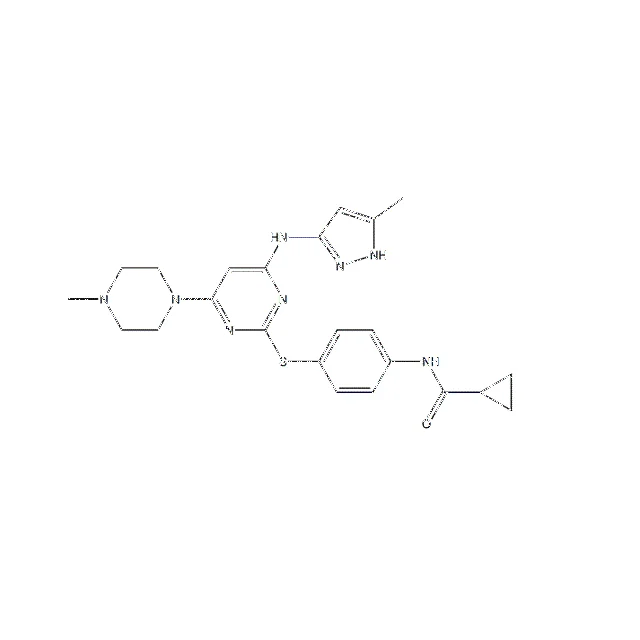
Tozasertib
VX-680 is the product of vertex pharmaceuticals (VRTX). It is the first drug targeting Aurora kinases to prevent tumor growth. The drug is mainly used in the treatment of blood tumors, colon cancer and breast cancer.
Urokinase
Urokinase (trade name Abbokinase), also called urokinase-type plasminogen activator (uPA), is a serine protease (EC3.4.21.73). It was discovered in 1947 by McFarlane. Urokinase was originally isolated from human urine, but is present in several physiological locations, such as blood stream and the extracellular matrix. The primary physiological substrate is plasminogen, which is an inactive form (zymogen) of the serine protease plasmin. Activation of plasmin triggers a proteolysis cascade that, depending on the physiological environment, participates in thrombolysis orextracellular matrix degradation. This links urokinase to vascular diseases and cancer.
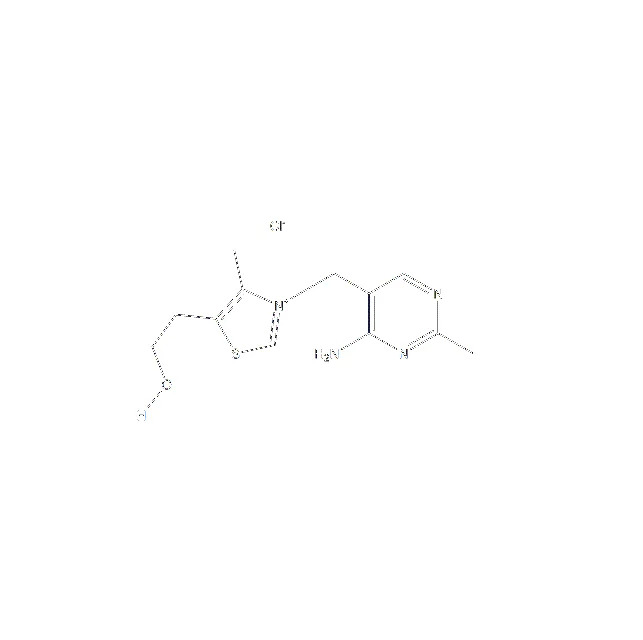
VB1
Vitamin B1, also known as "thiamine" or "thiamine", is one of the B vitamins. It can promote normal glucose metabolism, and it is necessary to maintain the normal function of nerve conduction, heart and gastrointestinal tract. It combines with adenosine triphosphate to form vitamin B1 pyrophosphate (thiamine diphosphate or coenzyme), which is a coenzyme necessary for carbohydrate metabolism. The lack of this coenzyme can cause oxidative metabolism to be blocked and form pyruvate and lactic acid accumulation, which affects the body’s Energy supply. Vitamin B1 can also inhibit the activity of cholinesterase, when it is lacking; cholinesterase activity is enhanced, acetylcholine hydrolysis is accelerated, resulting in nerve impulse conduction obstacles, affecting gastrointestinal and myocardial function. Vitamin B1 is rich in seed husks and germs, such as rice bran, wheat bran, etc.; the content of coarse grains is higher than that in refined rice or white flour. Others such as yeast, lean meat, peanuts, soybeans, liver, whole wheat, fresh vegetables such as cabbage, celery, Chinese medicine parsnip, plantain, and coix seed are all rich in vitamin B1. It can be used as a spice, mainly for the preparation of bitter beverages.
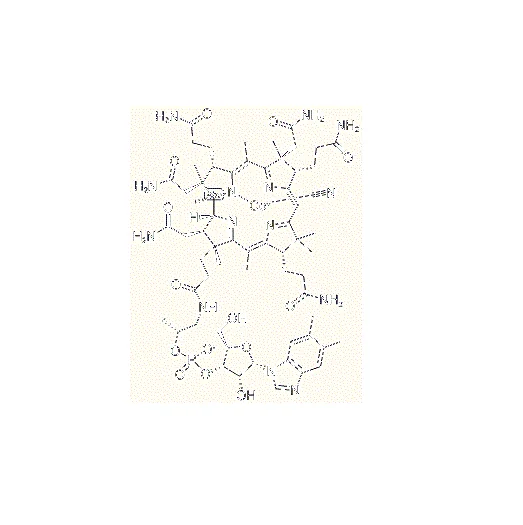
VB12
Vitamin B12, vitamin B12 or vitamin B-12, also called cobalamin, is a water-soluble vitamin with a key role in the normal functioning of the brainand nervous system, and for the formation of blood. It is one of the eight B vitamins. It is normally involved in the metabolism of every cell of the human body, especially affecting DNA synthesis and regulation, but also fatty acid synthesis (especially odd chain fatty acids) and energy production. Neither fungi, plants, nor animals are capable of producing vitamin B12. Only bacteria and archaea have the enzymes required for its synthesis, although many foods are a natural source of B12 because of bacterial symbiosis. The vitamin is the largest and most structurally complicated vitamin and can be produced industrially only through bacterial fermentation-synthesis.
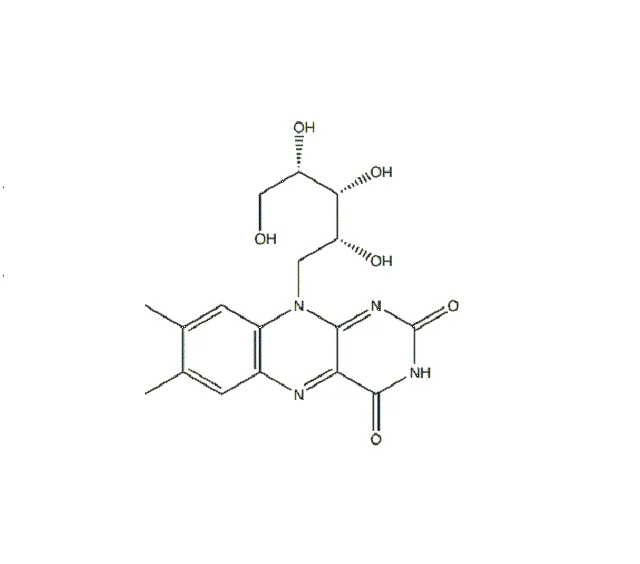
VB2
Riboflavin, also known as vitamin B2 and is the vitamin formerly known as G, is an easily absorbed colored micronutrient with a key role in maintaining health in humans and other animals. It is the central component of the cofactors FAD and FMN, and is therefore required by all flavoproteins. As such, vitamin B2 is required for a wide variety of cellular processes. It plays a key role in energy metabolism, and for the metabolism of fats,ketone bodies, carbohydrates, and proteins.
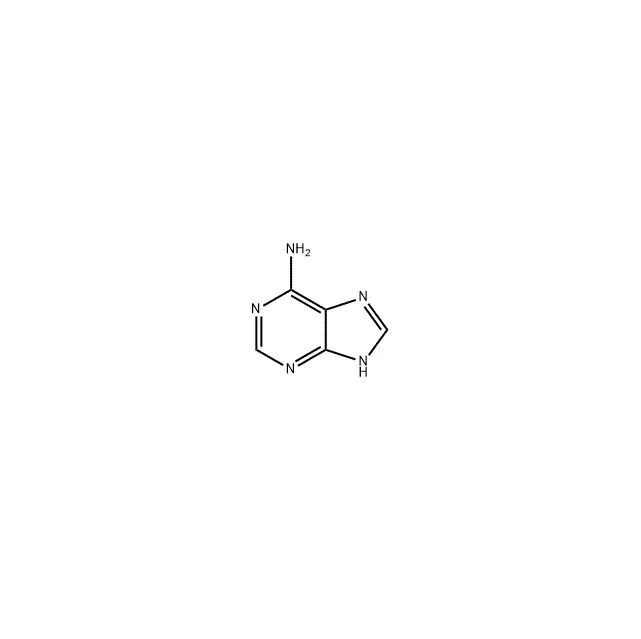
VB4
Adenine (formerly known as vitamin B4) is a purine that has many different functions in biochemistry. In cellular respiration, it acts in the form of energy-rich adenosine triphosphate (ATP), cofactors nicotinamide adenine dinucleotide (NAD) and flavin adenine dinucleotide (FAD). It is also used as a component of DNA and RNA in the process of protein biosynthesis.
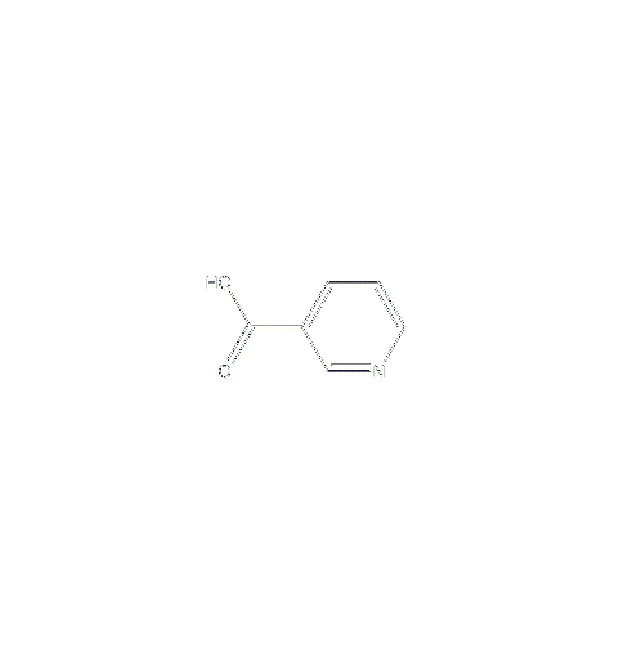
VB5
Niacin (also known as vitamin B3 and nicotinic acid) is an organic compound with the formula C6H5NO2 and, depending on the definition used, one of the 20 to 80 essential human nutrients. Insufficient niacin in the diet can cause nausea, skin and mouth lesions, anemia, headaches, and tiredness. Chronic Niacin deficiency leads to a disease called pellagra. The lack of niacin may also be observed in pandemic deficiency disease which is caused by a lack of five crucial vitamins: niacin, vitaminC, thiamin, vitamin D and vitamin A, and is usually found in areas of widespread poverty and malnutrition. Niacin has been used for over 50 years to increase levels of HDL in the blood and has been found to decrease the risk of cardiovascular events modestly in a number of controlled human trials.
VB6
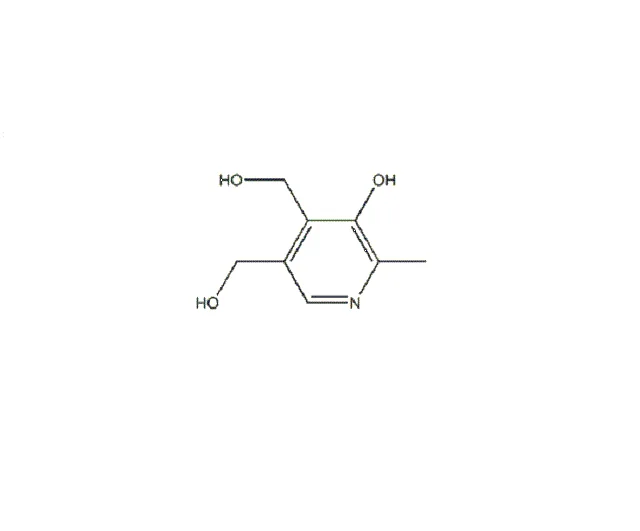
Pyridoxine is one of the compounds that can be called vitamin B6, along with pyridoxal and pyridoxamine. It differs from pyridoxamine by the substituent at the '4' position. Its hydrochloride salt pyridoxine hydrochloride is often used. It is on the World Health Organization's List of Essential Medicines, a list of the most important medication needed in a basic health system.
VD3
Contact MOSINTER for product specifications and supply information.
VE
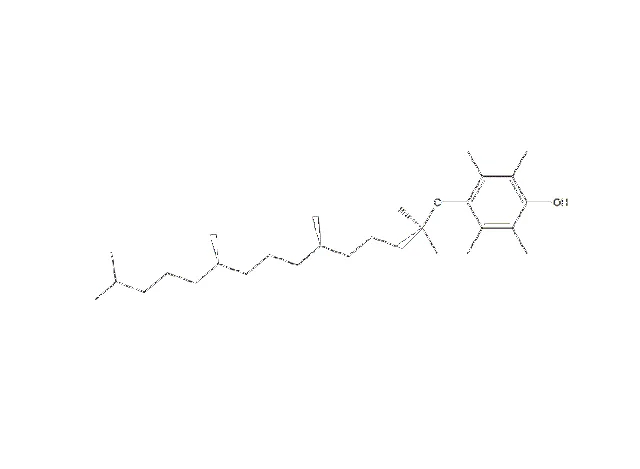
Vitamin E refers to a group of eight fat-soluble compounds that include both tocopherols and tocotrienols. Of the many different forms of vitamin E,γ-tocopherol is the most common in the North American diet. γ-Tocopherol can be found in corn oil, soybean oil, margarine, and dressings. α-tocopherol, the most biologically active form of vitamin E, is the second-most common form of vitamin E in the diet. This variant can be found most abundantly in wheat germ oil, sunflower, and safflower oils. As a fat-soluble antioxidant, it stops the production of reactive oxygen species formed when fat undergoes oxidation. Amounts over 1,000 mg (1,500 IU) per day are called Hypervitaminosis E, as they may increase the risk of bleeding problems and vK deficiency.
VK
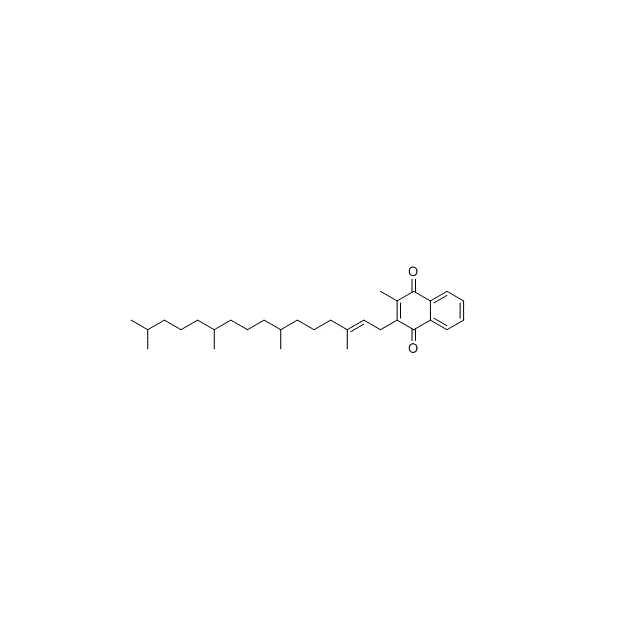
Vitamin K is necessary for the liver to synthesize four coagulation factors (active coagulation factor Ⅱ (prothrombin), coagulation factor Ⅶ, coagulation factor Ⅺ and coagulation factor Ⅹ). If vitamin K1 is lacking, the above four coagulation factors synthesized by the liver As abnormal protein molecules, their ability to catalyze blood clotting is greatly reduced. It is known that vitamin K is a cofactor for the carboxylation of glutamate gamma. Without vitamin K, the γ-carboxylation of the above coagulation factors cannot be carried out. In addition, these coagulation factors in the blood are reduced, and coagulation delay and bleeding disorders will occur. In addition, it is recognized that vitamin K is dissolved in the lipids of the mitochondrial membrane and plays an electron transfer role. Vitamin K can increase intestinal peristalsis and secretion. When vitamin K is lacking, smooth muscle tension and contraction are weakened. It can also affect the metabolism of some hormones.
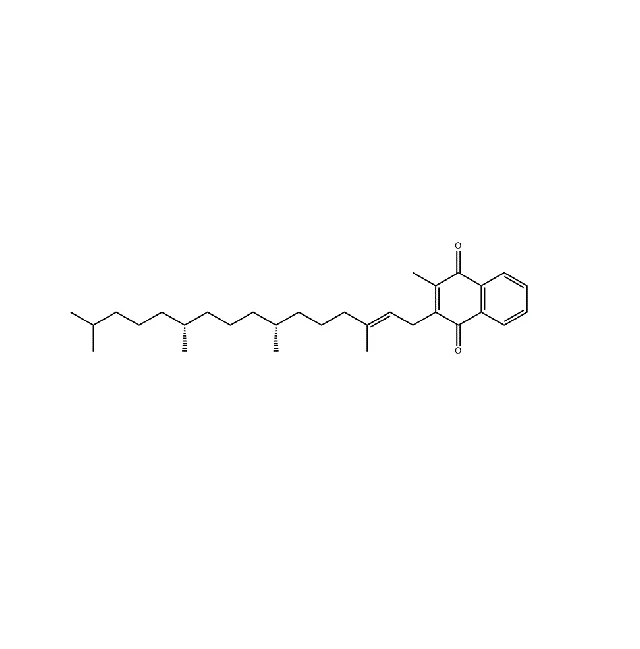
VK1
Vitamin K1, also known as phytomenadione, phytyl menadione, phylloquinone, and its chemical name is 2-methyl-3-phytyl-1,4-naphthoquinone, which is a polycyclic aromatic ketone. It is a fat-soluble vitamin, stable to air and humidity, but will be decomposed in the sun. Exist widely in natural green plants.