


Pharmaceutical Chemicals API (267)
Showing 217–228 of 267 products · Page 19 of 23
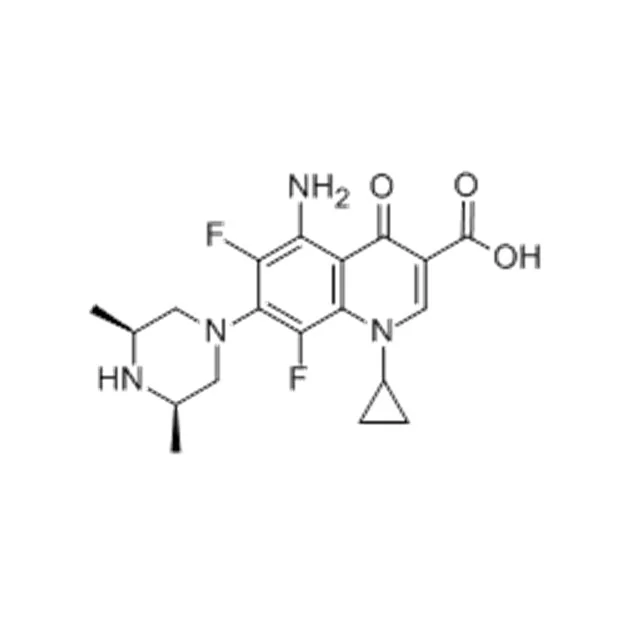
Sparfloxacin
Sparfloxacin (spar FLOX a sin), trade names Spacin in Bangladesh, Zagam and Zagam Respipac, is a fluoroquinolone antibiotic used in the treatment of bacterial infections. The compound is indicated for treating community-acquired lower respiratory tract infections (acute sinusitis, exacerbations of chronic bronchitis caused by susceptible bacteria, community-acquired pneumonia). Sparfloxacin, like other quinolones and fluoroquinolones, are bactericidal medicine, actively killing bacteria. Quinolones inhibit the bacterial DNA gyrase or the topoisomerase IV enzyme, thereby inhibiting DNA replication and transcription. Quinolones can enter cells easily and therefore are often used to treat intracellular pathogens such as Legionella pneumophila and Mycoplasma pneumoniae. For many gram-negative bacteria DNA gyrase is the target, whereas topoisomerase IV is the target for many gram-positive bacteria. Eukaryotic cells do not contain DNA gyrase or topoisomerase IV.
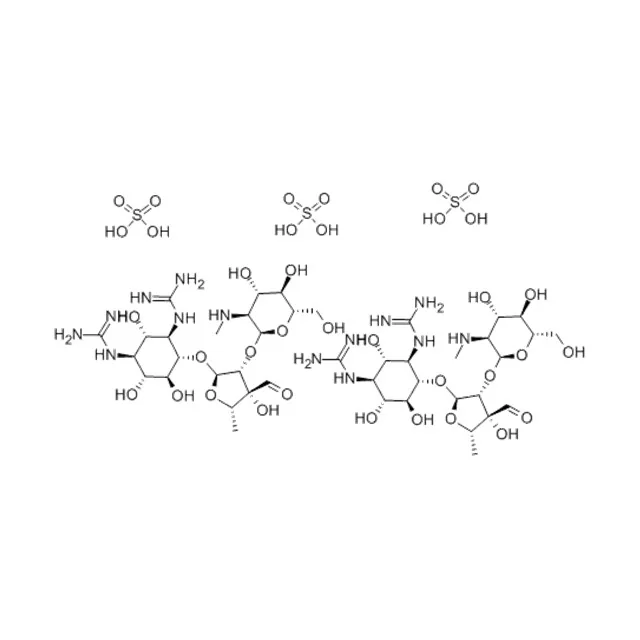
Streptomycin Sulfate
Streptomycin sulfate is a sulfate salt of streptomycin that is a protein synthesis inhibitor. Streptomycin is an antibiotic drug, it is used for treating tuberculosis, Brinell and non-hemolytic hammer bacillus caused infectious endocarditis, plague and tularemia, Haemophilus influenzae and gram-negative bacilli caused infections.
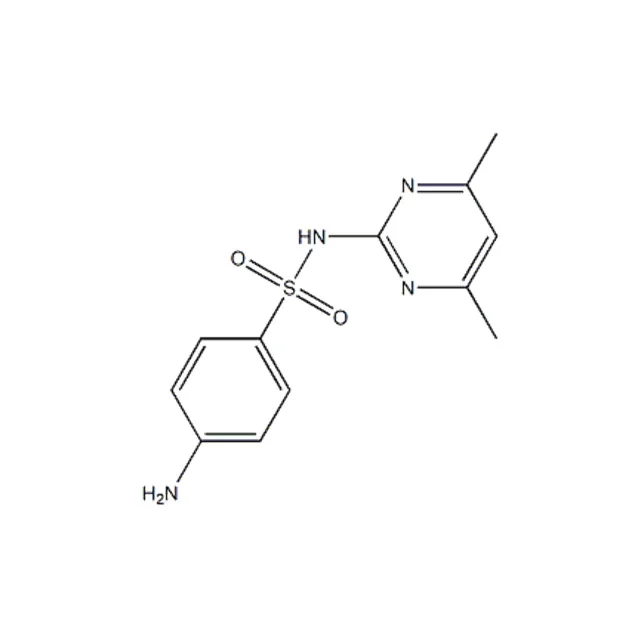
Sulfamethazine
Sulfamethazine is an antibacterial. Sulfamethazine blocks the synthesis of dihydrofolic acid by inhibiting dihydropteroate synthase. In addition, sulfamethazine is a structural analog and competitive antagonist of para-aminobenzoic acid (PABA) and can inhibit normal bacterial utilization of PABA for the synthesis of folic acid, which is an important metabolite in DNA synthesis.
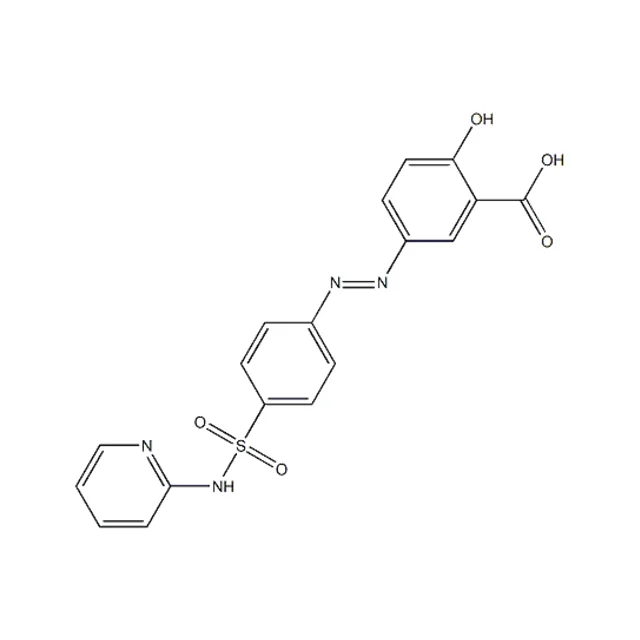
Sulfasalazine
Sulfasalazine is an antiinflammatory agent that inhibits GSH-H-transferase. Sulfasalazine largely inhibits NF-κB activation and induces apoptosis in T-lymphocytes. The compound also engages neutrophil apoptosis that can be abrogated by Tyr-K inhibitors, PKA inhibitors, or antioxidants. Sulfasalazine is shown to inhibit basic fibroblast growth factor-induced endothelial cell chemotaxis. Sulfasalazine is an inhibitor of TNFα and an activator of PPARγ.
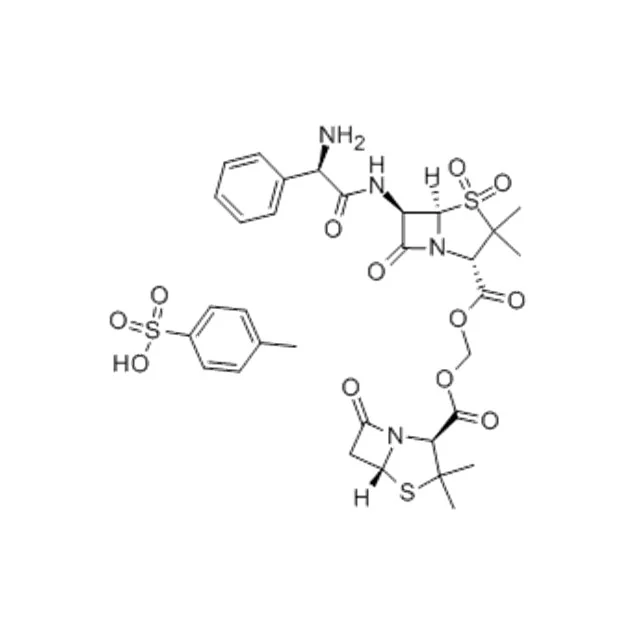
Sultamicillin Tosilate
Sultamicillin is indicated for infections caused by susceptible micro-organisms. Typical indications are upper respiratory tract infections including sinusitis, otitis media and tonsillitis; lower respiratory tract infections including bacterial pneumonias and bronchitis; urinary tract infections and pyelonephritis; skin and soft tissue infections; intra-abdominal infections and gonococcal infections.
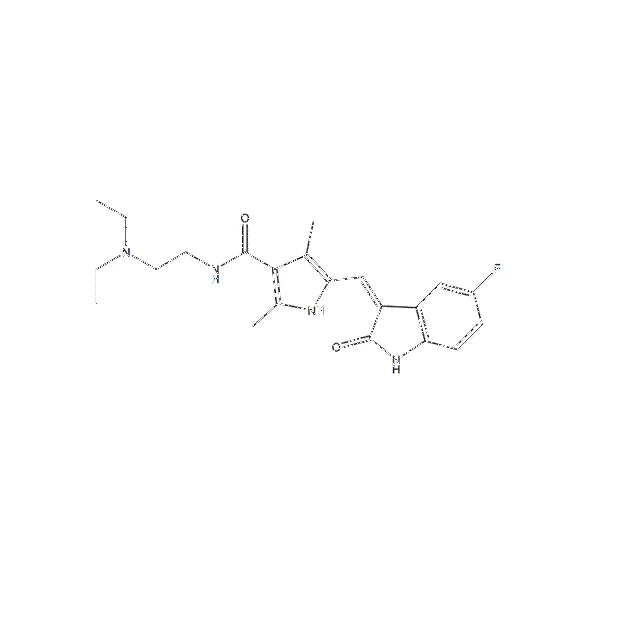
Sunitinib
This drug is a small molecular substance that can inhibit many receptor tyrosine kinases, some of which are involved in the process of tumor growth, pathological angiogenesis and tumor metastasis. By evaluating the activity of sunitinib in inhibiting various kinases (more than 80 kinds of kinases), it is proved that sunitinib can inhibit platelet-derived growth factor receptor, vascular endothelial growth factor receptor, stem cell factor receptor, FMS like tyrosine kinase-3, type 1 colony stimulating factor receptor and neurotrophic factor receptor derived from glial cell line. Biochemical and cellular assays confirmed that sunitinib can inhibit the activity of tyrosine kinase of these receptors, and the inhibition of sunitinib was proved in cell proliferation assay. Biochemical and cellular assays showed that the main metabolites were similar to those of sunitinib.
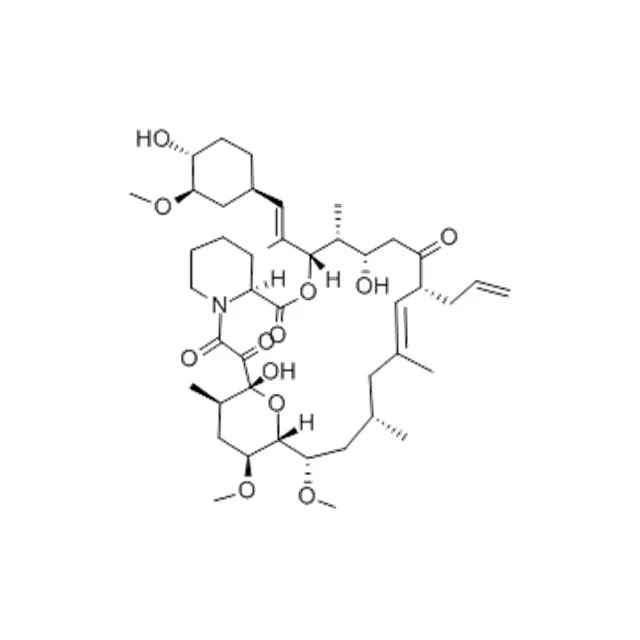
Tacrolimus
Tacrolimus is an immunosuppressive medicine used mainly after allogeneic organ transplant to reduce the activity of the patient's immune system and to lower the risk of organ rejection. It is also used in a topical preparation in the treatment of atopic dermatitis (eczema), severe refractory uveitis after bone marrow transplants, exacerbations of minimal change disease, TH2-mediated diseases such as Kimura's disease, and the skin condition vitiligo.
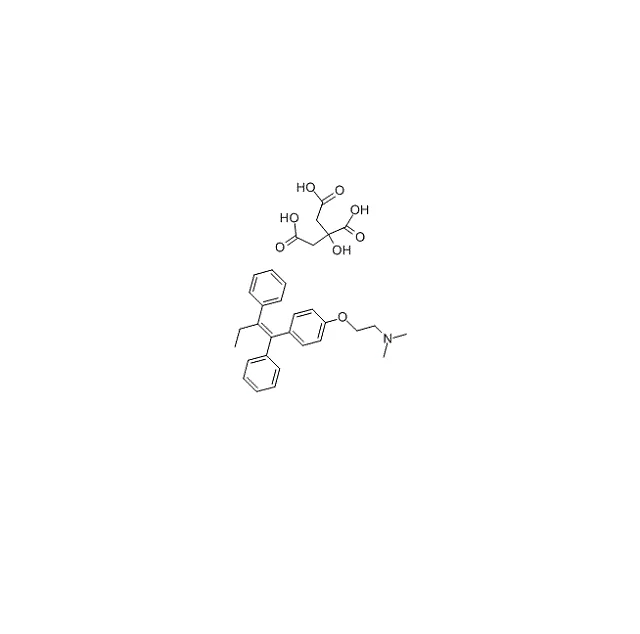
Tamoxifen Citrate
Tamoxifen citrate is an estrogen competitive antagonist. It is a non sterol anti estrogen drug. It can compete with estrogen (estradiol) in vivo and combine with estrogen receptor of breast cancer cells, so as to inhibit the effect of estrogen on cancer cells, hinder the growth and development of tumor cells, and play an anti-cancer effect. It is commonly used to treat all kinds of breast cancer, especially for postmenopausal women with estrogen receptor and progesterone receptor positive and low prostate specific antigen level.
Tecentriq
Pd-l1 may be expressed on tumor cells and/or tumor infiltrated immune cells and may contribute to the inhibition of anti-tumor immune responses in tumor microenvironment. The binding of pd-l1 to T cells showed that pd-1 and B7.1 receptors and antigen presentation showed that the cells inhibited the activity of cytotoxic T cells, t-cell proliferation and cytokine production. Atjuzumab is a monoclonal antibody that binds to pd-l1 and blocks its interaction with pd-1 and B7.1 receptors. This release of pd-l1 / pd-1 mediated inhibition of immune responses, including activation of anti-tumor immune responses, does not induce antibody dependent cytotoxicity. In the homologous mouse tumor model, inhibition of pd-l1 activity leads to reduced tumor growth.
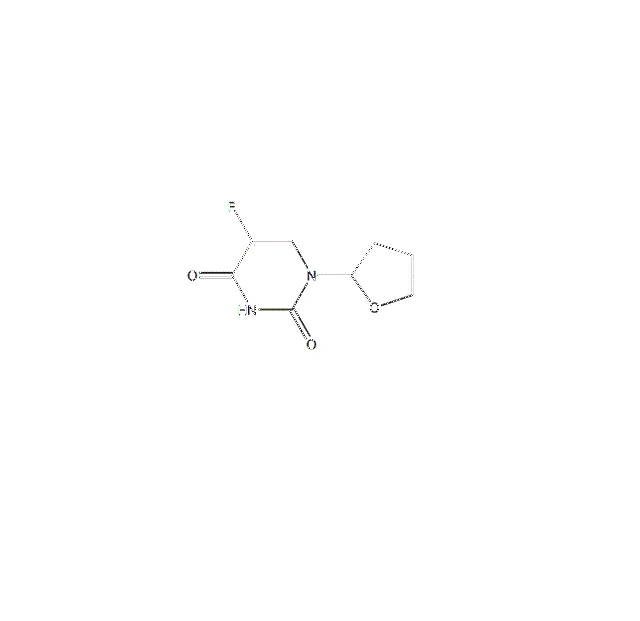
Tegafur
Tegafur is an anti-tumor drug, also known as furafluorouracil, furfuradine, furfuradine, furyl, Fangke, flufluflurane, furafluorouracil, tetrahydrofuran fluorouracil. It is a derivative of fluorouracil, and has no anti-tumor effect in vitro. After entering the human body, it is released gradually through the liver drug metabolism enzyme and microsomal enzyme P-450 Fluorouracil (5-FU) is produced and plays a cytotoxic role. The mechanism of 5-FU is to inhibit thymidine synthetase, to block the conversion of deoxypyrimidine nucleotides to Thymine Nucleotides, and to interfere and block the synthesis of DNA, RNA and protein.
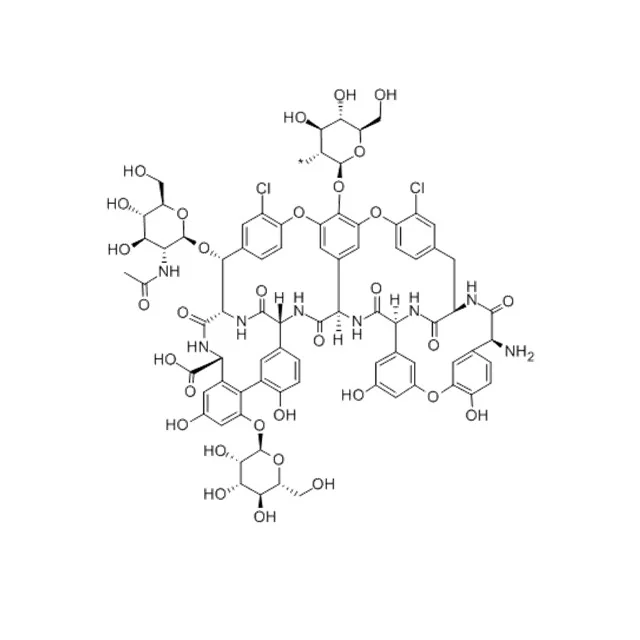
Teicoplanin
Teicoplanin is an antibiotic used in the prophylaxis and treatment of serious infections caused by Gram-positive bacteria, including methicillin-resistant Staphylococcus aureus and Enterococcus faecalis. It is a semisynthetic glycopeptide antibiotic with a spectrum of activity similar to vancomycin. Its mechanism of action is to inhibit bacterial cell wall synthesis.
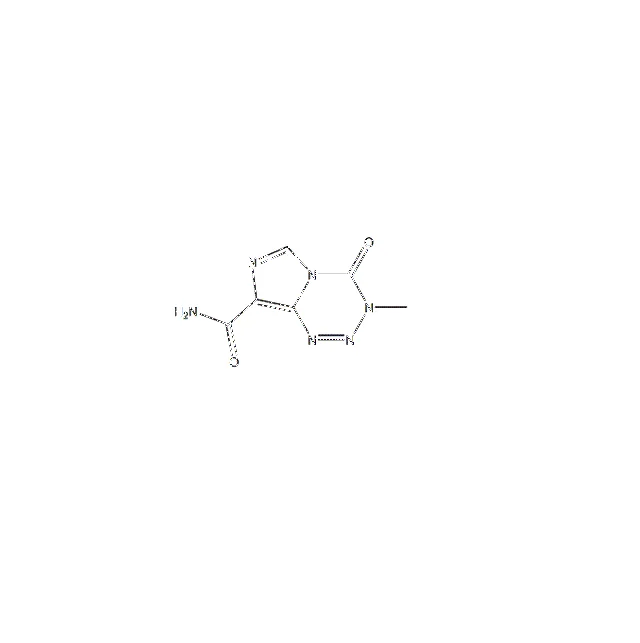
Temozolomide
Temozolomide is the first oral effective imidazolium tetrazine anti-tumor drug, which belongs to the second generation of alkylating agents with anti-tumor activity. After oral administration, temozolomide does not need to be activated by metabolism in the liver. It is easy to pass through the blood-brain barrier, has good tolerance and no superimposed toxicity with other drugs. It has synergistic effect with radiotherapy, and is suitable for recurrent malignant glioma after conventional treatment, such as polymorphous gum It is also the first-line treatment for metastatic melanoma.