


Pharmaceutical Chemicals API (267)
Showing 193–204 of 267 products · Page 17 of 23
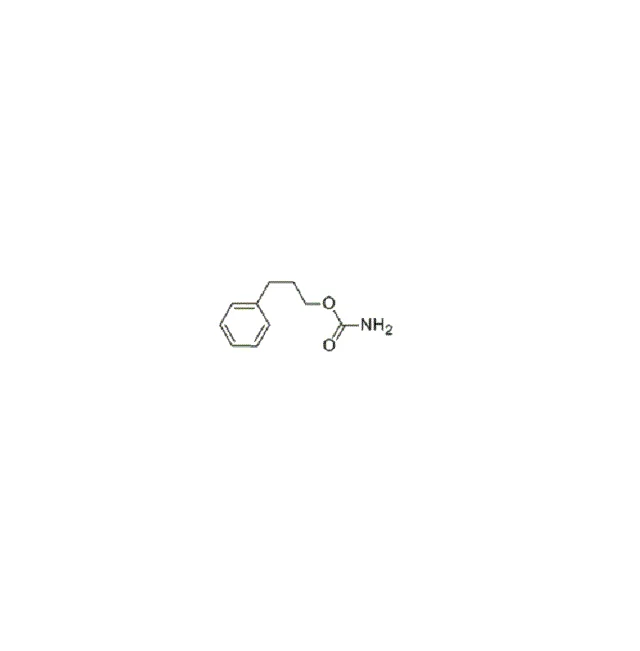
Phenprobamate
Contact MOSINTER for product specifications and supply information.
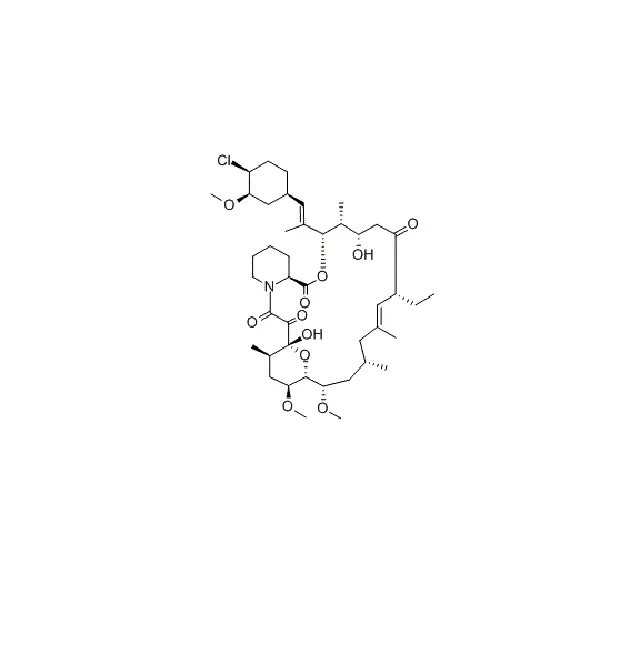
Pimecrolimus
Pimecrolimus is a topical immunomodulators and is a kind of semi-synthetic products of the Streptomyces-produced ascomycin. It has a greater lipophilicity than tacrolimus with a stronger affinity with the skin. It can effectively and safely control the signs and symptoms of facial seborrheic dermatitis and can quickly relieve the itching symptoms of patients with dermatitis and eczema as well as reduce the lesion area, clear atopic dermatitis (eczema) sign. Therefore, it is an effective treatment method for the treatment of atopic dermatitis (eczema) for both early remission purpose and long-term control purpose.
Polymyxin B Sulphate
Polymyxin B Sulphate is an antibiotic primarily used for resistant Gram-negative infections. It is derived from the bacterium Bacillus polymyxa. Polymyxin B is composed of a number of related compounds (see "Mixture composition"). It has a bactericidal action against almost all Gram-negative bacilli except the Proteus and Neisseria genera. Polymyxins bind to the cell membrane and alter its structure, making it more permeable. The resulting water uptake leads to cell death. Polymyxins are cationic, basic peptides that act like detergents (surfactants). Side effects include neurotoxicity and acute renal tubular necrosis. Polymyxins are used in the topical first-aid preparation Neosporin.
Ponatinib
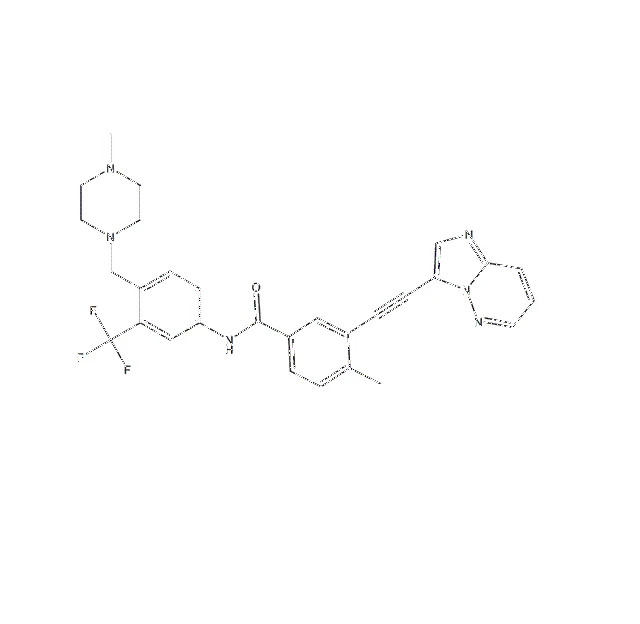
Panatinib is an anticancer drug. In December 2012, it was approved by FDA to be used in the treatment of adult chronic myeloid leukemia (CML) and Philadelphia chromosome positive (Ph + acute lymphoblastic leukemia (all). It is mainly used to treat patients who have no effect on dasatinib or nilotinib treatment, or who cannot tolerate dasatinib or nilotinib, and patients who are not suitable for follow-up treatment of imatinib. It can also be used to treat patients with gene mutation ("T315I mutation"), which makes patients resistant to imatinib, dasatinib or nilotinib. It is also used to treat CML and Ph + all in adults who have not used other TKIs. At present, it is the only available drug for BCR ABL kinase T315I mutation.
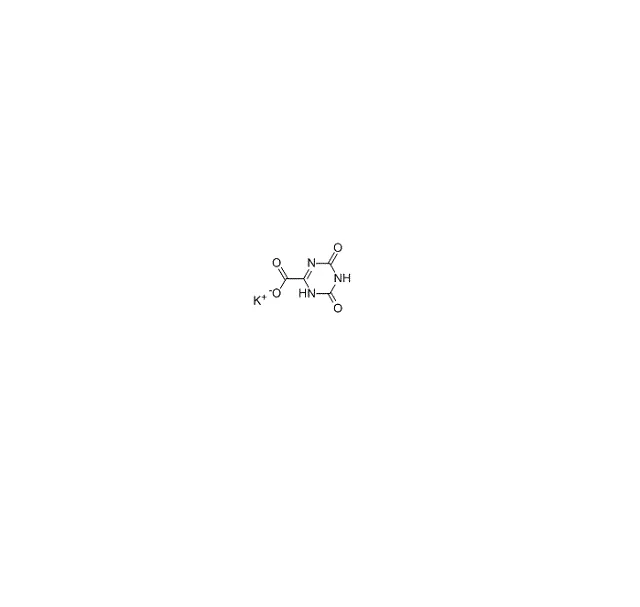
Potassium oxonate
Purpose: composed of a cancer medicine S - 1, inhibits antitumor medicine for the side effects of fluoride
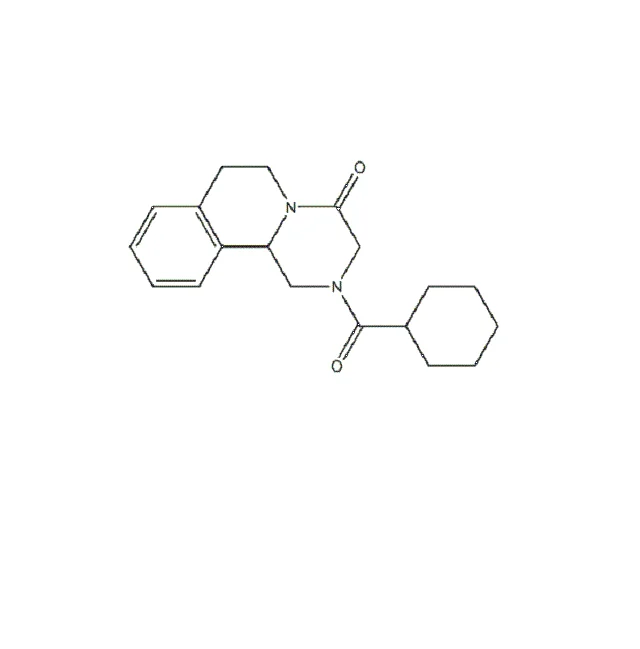
Praziquantel
Praziquantel (Biltricide) is an anthelmintic effective against flatworms. Praziquantel is not licensed for use in humans in theUK; it is, however, available as a veterinary anthelmintic, and is available for use in humans on a named-patient basis.
Pregnant Mare Serum Gonadotropin
Gonadotropins (or glycoprotein hormones) are protein hormones secreted by gonadotrope cells of the anterior pituitary of vertebrates. This is a family of proteins, which include the mammalian hormones follicle-stimulating hormone (FSH), luteinizing hormone (LH), placental chorionic gonadotropins hCG and eCG and chorionic gonadotropin (CG), as well as at least two forms of fish gonadotropins. These hormones are central to the complex endocrine system that regulates normal growth, sexual development, and reproductive function.The hormones LH and FSH are secreted by the anterior pituitary gland, while hCG and eCG are secreted by the placenta.
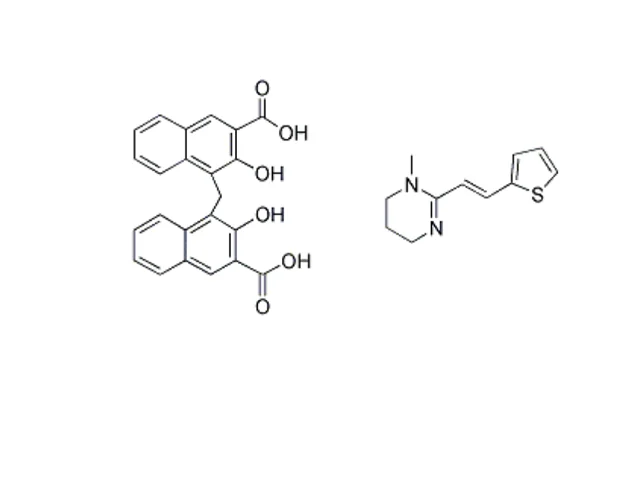
Ranitidine Hydrochloride
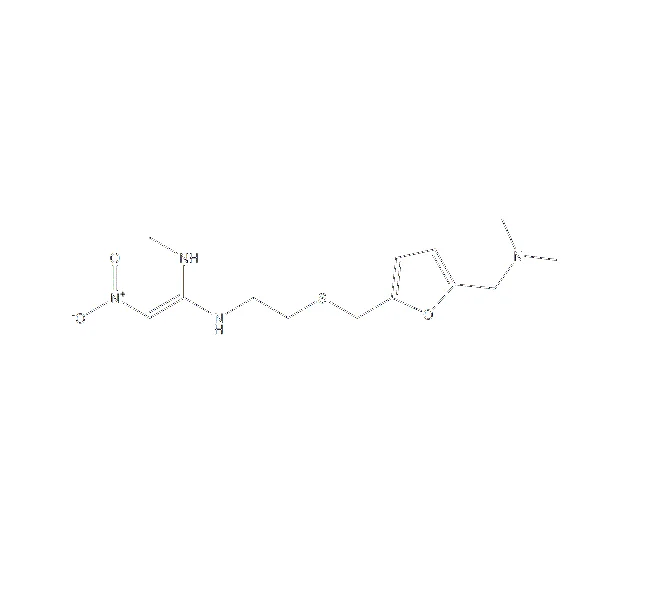
Ranitidine is a histamine H2-receptor antagonist that inhibits stomach acid production. It is commonly used in treatment of peptic ulcer disease (PUD) and gastroesophageal reflux disease (GERD). Ranitidine is also used alongside fexofenadine and other antihistamines for the treatment of skin conditions such as hives. Ranitidine is also known to give false positives for methamphetamine on drug tests.
Rapamycin
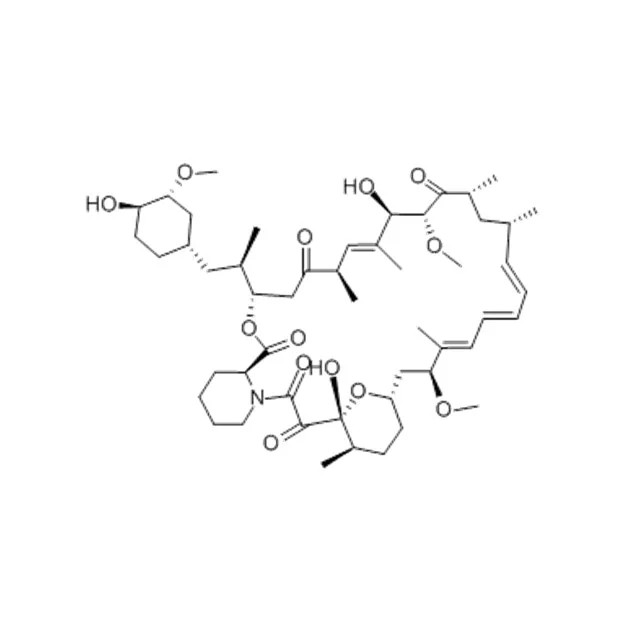
Rapamycin is a macrolide compound obtained from streptomyces hygroscopicus that acts by selectively blocking the transcriptional activation of cytokines thereby inhibiting cytokine production. Rapamycin is a member of the macrolide immunosuppressant family and a FRAP inhibitor. Rapamycin exhibits binding and inhibitory actions to the FK506 binding protein (FKBP5) proline rotamase via simultaneous binding by FKBP12 and FRAP. FRAP (RAFT1) proteins exhibit homology to PI 4- and PI 3-kinases, which have PI 4-kinase and autophosphorylating activities.The rapamycin/FKBP complex does not inhibit the FRAP PI 4-kinase activity, but does inhibit FRAP autophosphorylation. Rapamycin is unique in its ability to inhibit lymphokine induced cell proliferation at the G1 and S phase as well as an irreversible cellular arrest at the G1 phase in S. cerevisiae cells. It also exhibits selective signal blocking leading to the activation of p70/85 S6 kinase, which is potentially due to the inhibition of FRAP autophosphorylation or protein kinase activity. Angiogenesis inhibition is also exhibited,possibly through the inhibition of the Akt pathway. Rapamycin is an inhibitor of mTOR.
Regorafenib
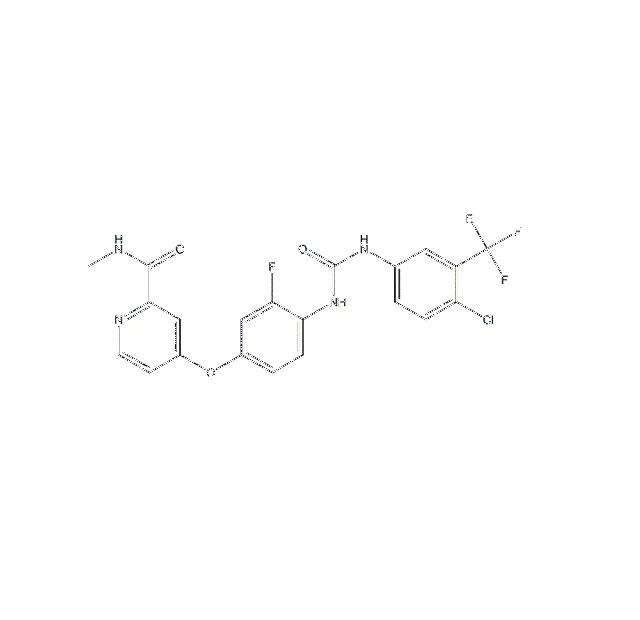
Regafinil is a small multi kinase inhibitor, its molecular structure is similar to sorafenil, the difference is only the fluorine atom on the intermediate benzene ring. It is a new molecular targeted drug developed by Bayer company. On September 27, 2012, it was approved by the US Food and Drug Administration (FDA) for the treatment of metastatic colorectal cancer. On February 25, 2013, it was approved by the FDA for the treatment of advanced GIST patients who could not be operated and other treatment methods were invalid. Regafinil is a novel oral multi-target protein kinase inhibitor, which can block tumor cell proliferation, inhibit tumor angiogenesis and regulate tumor microenvironment, and has good antitumor activity. "Correct" study confirmed that it is a TKI with therapeutic activity for patients with metastatic colorectal cancer. Based on the data of this study, in September 2012, the U.S. FDA approved it to treat patients with MCRC who have failed to receive multi-line standard treatment. In China, a multicenter phase III clinical trial of regafinil for the treatment of Chinese patients with MCRC is under way.
Retinoic Acid
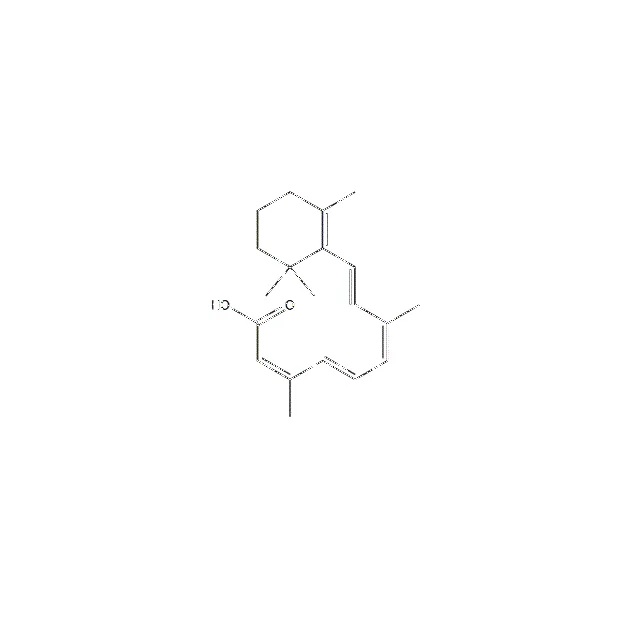
Retinoic acid is a common drug in dermatology. It is the intermediate product of vitamin A (methanol) metabolism in vivo. It mainly affects the growth of bone and epithelial metabolism, promotes the proliferation and renewal of epithelial cells, inhibits the proliferation and differentiation of keratinocytes, and normalizes hyperkeratosis. Therefore, it has a certain therapeutic effect on many diseases with complete, incomplete and hyperkeratosis, It can treat many kinds of skin diseases. The penetration of local application to the skin is very fast, which can significantly increase the epithelial cell renewal. This kind of medicine has a strong and rapid inhibitory effect on the secretion of sebaceous glands, which can reduce the secretion of sebaceous glands. In addition, the product also has anti-tumor, promoting wound healing and anti infection effects.