


Pharmaceutical Chemicals API (267)
Showing 121–132 of 267 products · Page 11 of 23
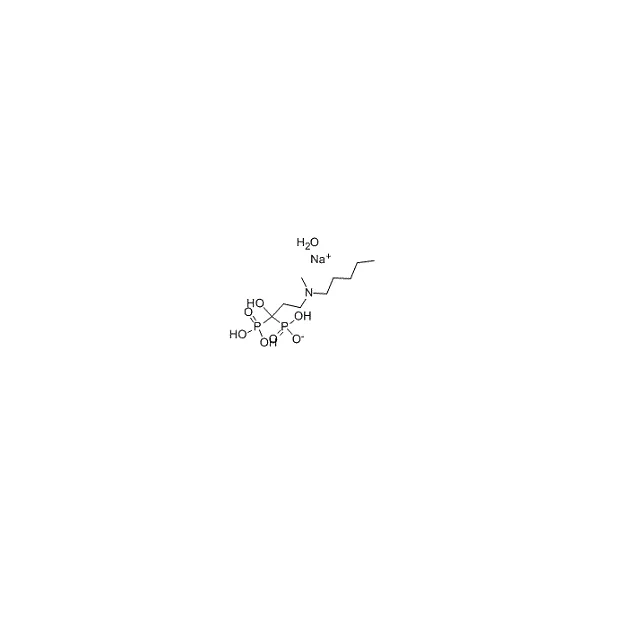
Ibandronate sodium monohydrate
Indications: This product is used for the treatment of postmenopausal osteoporosis; for the treatment of bone pain caused by osteolytic bone metastasis of malignant tumors; for the treatment of hypercalcemia caused by malignant tumors with or without bone metastasis.
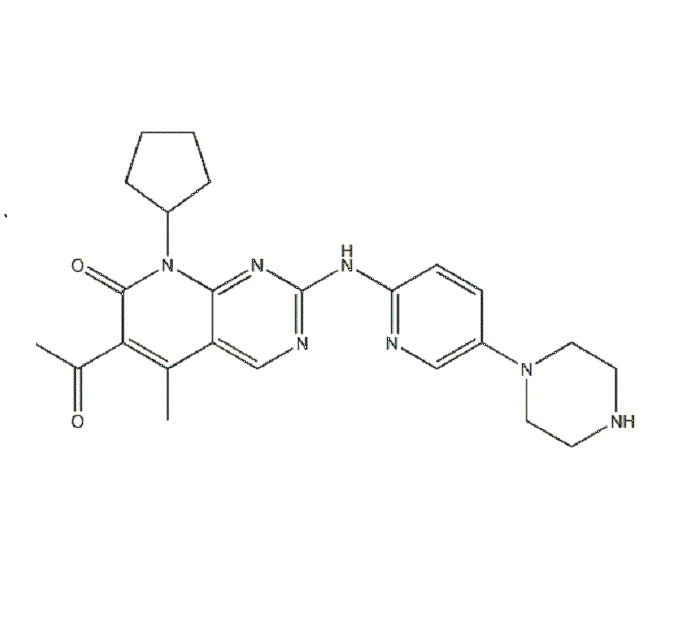
Ibrance
Palbociclib, a new breast cancer drug developed by Pfizer in the United States, is marketed as IBRANCE, an oral cyclin-dependent kinase (CDKs) 4 and 6 inhibitor, the first cyclin-dependent kinase 4/6 (cdk4/6) inhibitor approved by the us FDA. CDKs4 and 6 are key regulators of cell cycle and can trigger cell cycle progression. IBRANCE is indicated in the United States for the combination of letrozole for the treatment of estrogen receptor-positive, and human epidermal growth factor receptor-negative (ER+/ her2-negative) postmenopausal advanced breast cancer patients, as an initial endocrine-based regimen for the treatment of metastatic diseases.
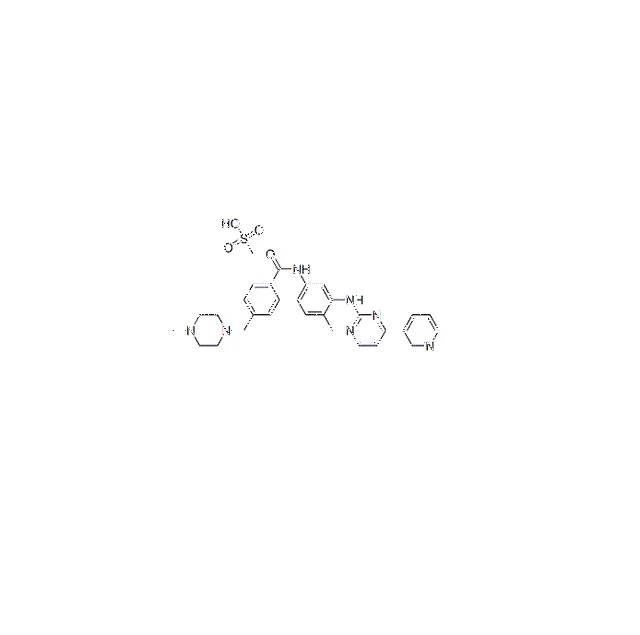
Imatinib Mesylate
Imatinib mesylate can inhibit BCR ABL tyrosine kinase in vitro and in vivo, selectively inhibit the proliferation and induce apoptosis of BCR ABL positive cell lines, chronic myeloid leukemia and fresh cells from patients with acute lymphoblastic leukemia. In addition, imatinib mesylate can also inhibit the tyrosine kinase of PDGF receptor, SCF and c-kit receptor, thus inhibiting the cell behavior mediated by PDGF and stem cell factor.
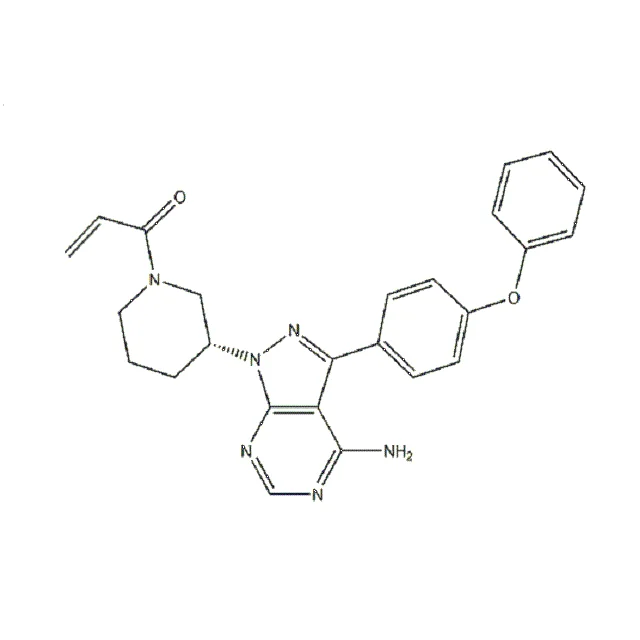
Imbruvica
Mechanism of action: Ibrutinib is a small molecule BTK inhibitor that binds covalently to the cysteine residue of the BTK active center, thereby inhibiting its activity. BTK stands for Bruton'styrosinekinase, which transmits signals in the BCR signaling pathway and cytokine receptor signaling pathway, and mediates B cell migration, chemotaxis, and adhesion. Preclinical studies have demonstrated that Ibrutinib can inhibit the proliferation and survival of malignant B cells.
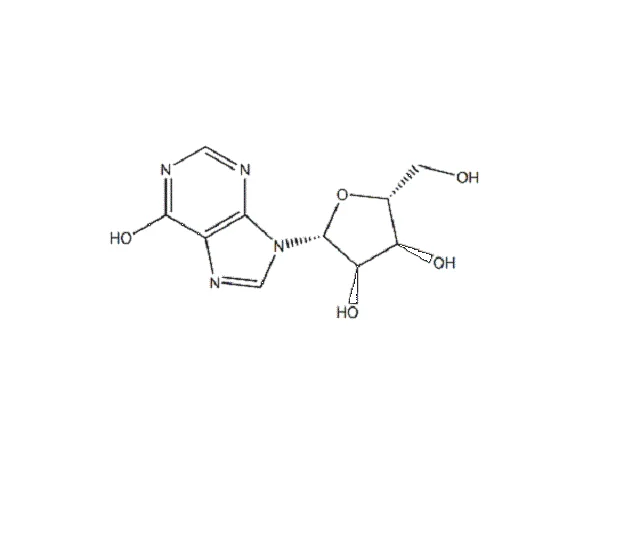
Inosine
Inosine is a nucleoside that is formed when hypoxanthine is attached to a ribose ring (also known as a ribofuranose) via a β-N9-glycosidic bond.
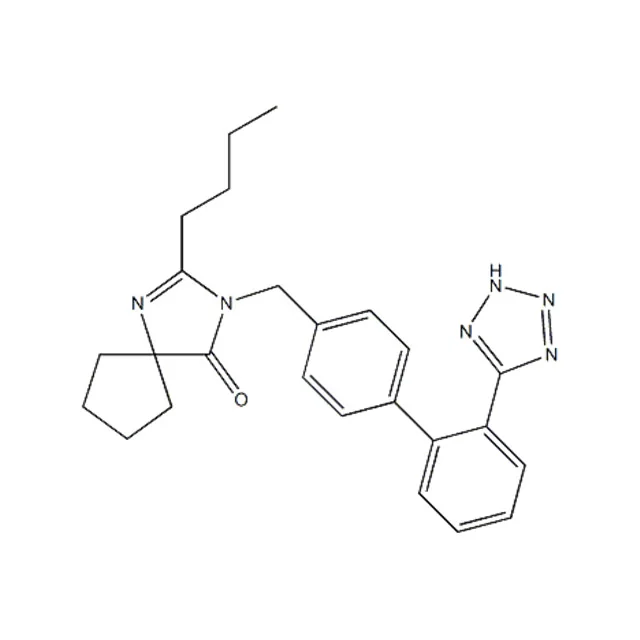
Irbesartan
Irbesartan is a Angiotensin Ⅱ receptor inhibitors.Angiotensin Ⅱ receptor divides into two kinds,AT1 and AT2.Irbesartan can inhibit Ang Ⅰ to transform into Ang Ⅱ by blocking the AT1 receptor of AnglI selectively,It can also antagonism AT1 specifically.Antagonism between the AT1 is AT2 8500 times.By blocking the combination of Ang Ⅱ and AT1,it can inhibit vascular contraction and the release of aldosterone,then lower the blood pressure.
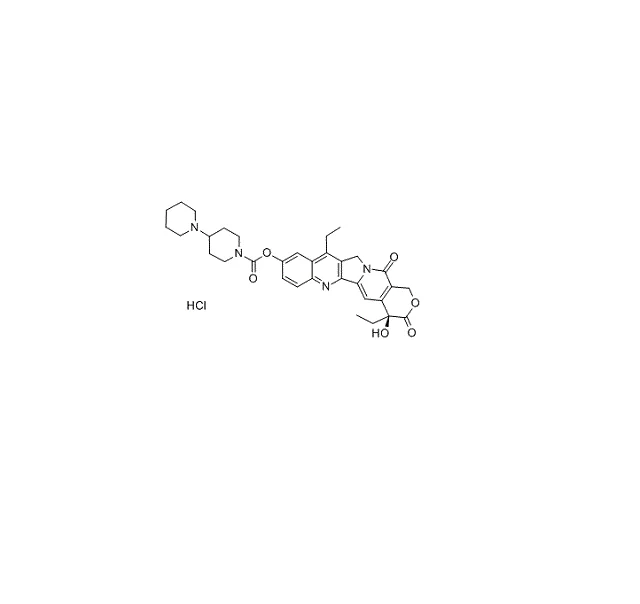
Irinotecan Hydrochloride
Irinotecan hydrochloride is a semi synthetic derivative of camptothecin. It is light yellow powder or light yellow crystalline powder at room temperature, odorless. Slightly soluble in water, ethanol or chloroform, insoluble in acetone. Camptothecin can specifically bind to topoisomerase I, which can induce reversible single strand breaks, so that the DNA double strand structure can be untwisted; irinotecan and its active metabolite SN-38 can bind to topoisomerase I-DNA complex, so as to prevent the reconnection of the broken single bond, resulting in cytotoxicity, which is time-dependent and specific to S-phase, and toxicity is also Better than irinotecan. It is suitable for the treatment of patients with advanced colorectal cancer, combined with 5-fluorouracil and folic acid to treat patients with advanced colorectal cancer who have not received chemotherapy before. As a single drug, it is used to treat patients who have failed to receive chemotherapy containing 5-fluorouracil. Irinotecan has broad-spectrum and strong antitumor activity in vivo and in vitro. It is important that irinotecan and its metabolites are still effective in the expression of multidrug-resistant tumors.
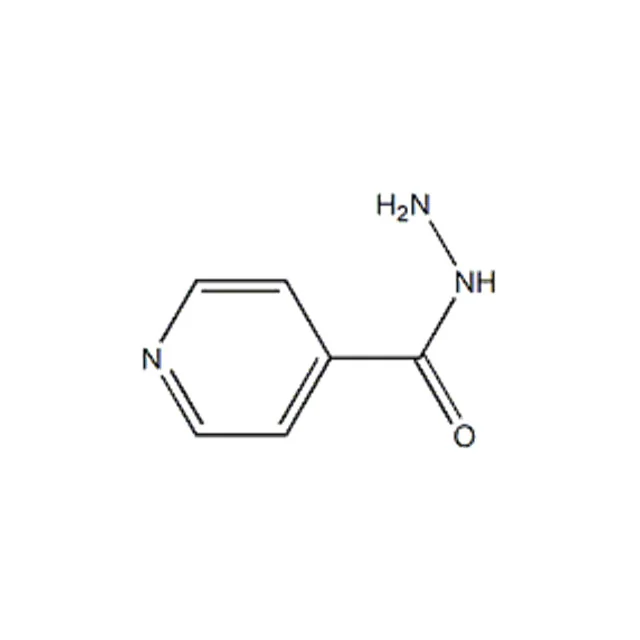
Isoniazid
Isoniazid is an antibacterial agent used primarily as a tuberculostatic. Target: Antibacterial Isoniazid is a prodrug and must be activated by a bacterial catalase-peroxidase enzyme that in M. tuberculosis is called KatG. KatG couples the isonicotinic acyl with NADH to form isonicotinic acyl-NADH complex. This complex binds tightly to the enoyl-acyl carrier protein reductase known as InhA, thereby blocking the natural enoyl-AcpM substrate and the action of fatty acid synthase. This process inhibits the synthesis of mycolic acid, required for the mycobacterial cell wall. A range of radicals are produced by KatG activation of isoniazid, including nitric oxide, which has also been shown to be important in the action of another antimycobacterial prodrug PA-824. Isoniazid is bactericidal to rapidly dividing mycobacteria, but is bacteriostatic if the mycobacteria are slow-growing.
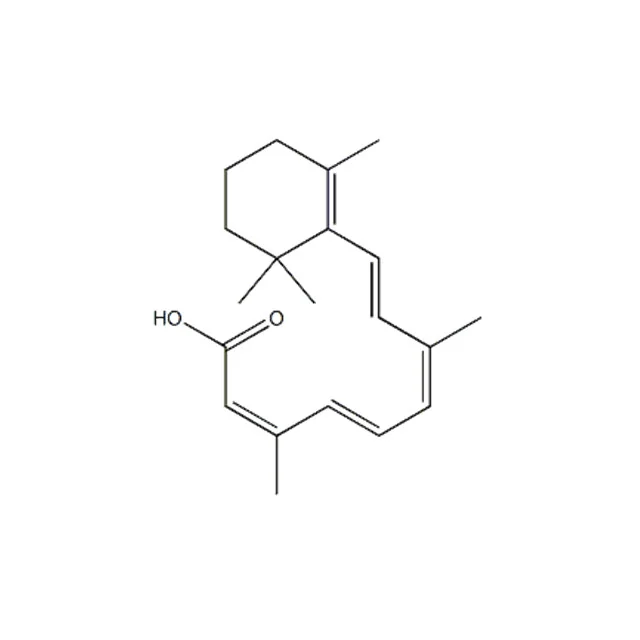
Isotretinoin
Isotretinoin (INN), also known as 13-cis retinoic acid, is an oral pharmaceutical medicine primarily used to treat cystic acne. Rarely, it is also used to prevent certain skin cancers (squamous-cell carcinoma), and in the treatment of other cancers. It is used to treat harlequin-type ichthyosis, a usually lethal skin disease, and lamellar ichthyosis. It is a retinoid, meaning it is related to vitamin A, and is found in small quantities naturally in the body. Its isomer, tretinoin, is also an acne medicine.

Ivermectin
Ivermectin (22,23-dihydroavermectin B1a + 22,23-dihydroavermectin B1b) is a broad-spectrum antiparasitic drug in the avermectin family. It is sold under brand names Heartgard, Sklice, and Stromectol in theUnited States, Ivomec worldwide by Merial Animal Health, Mectizan inCanadabyMerck, and Ivexterm inMexicoby Valeant Pharmaceuticals International. In Southeast Asian countries, it is marketed by Delta Pharma Ltd. under the trade name Scabo 6. While in development, it was assigned the code MK-933 by Merck.
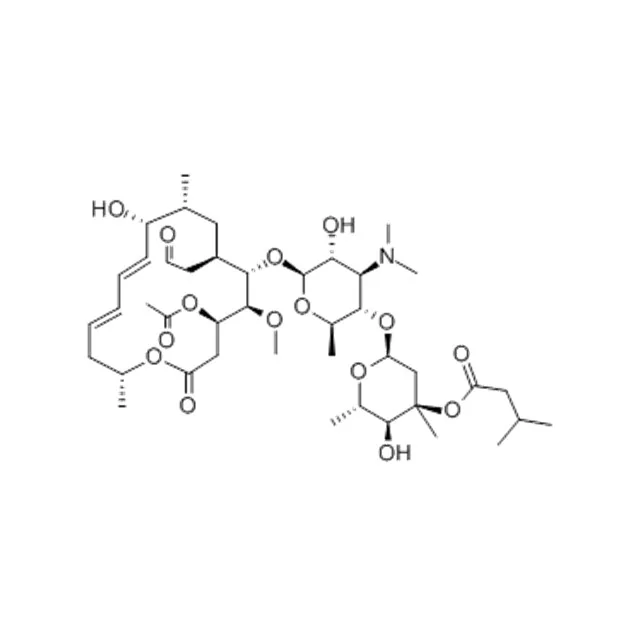
Josamycin
Josamycin is a macrolide antibiotic. It is synthesized from strains of Streptomyces narbonensis var. The product is novel macrolide antibiotics broad spectrum antimicrobial, and erythromycin approximation. Staphylococcus, streptococcus, pneumococcus, meningococcus and pertussis, clostridium, diphtheria, anthrax, brucellosis, Legionella, spiral bacteria, mycoplasma, rickettsia, chlamydia, spirochetes, etc. also good antibacterial effect. Mainly used in clinical respiratory system, otorhinolaryngology and dermatology and biliary site infections caused by susceptible strains. The product is mainly characterized by rapid oral absorption, fast and wide distribution, high tissue and organ concentrations. In particular there is a higher concentration in the trachea mucus and bile. Use safer, side effects.
Keytruda
As a humanized anti-pd1 monoclonal antibody, palmdrine (mk-3475, commodity name Keytruda, MSD) was approved by the food and drug administration (FDA) in September 2014 for the treatment of advanced or unresectable malignant melanoma as an immune checkpoint inhibitor (ICB). However, it has been found that pd-1 inhibitors can produce the side effects of autoimmune injury to the human body's multiple systems, such as hepatitis, pneumonia and myocardial injury.