

Pharmaceutical Chemicals API (267)
Showing 109–120 of 267 products · Page 10 of 23
GROWTH HORMONE HUMAN
Raw materials: TRIS BORATE EDTA BUFFER, 10X, DNASE, RNASE AND PROTEASE FREE, PH 8.3, FOR MOLECULAR BIOLOGY
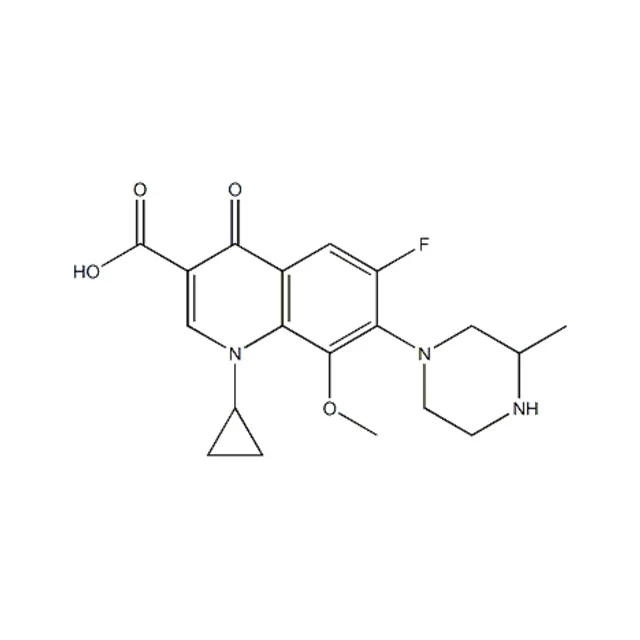
Gatifloxacin
Gatifloxacin sold under the brand names Gatiflo, Tequin and Zymar, is an antibiotic of the fourth-generation fluoroquinolone family, that like other members of that family, inhibits the bacterial enzymes DNA gyrase and topoisomerase IV.
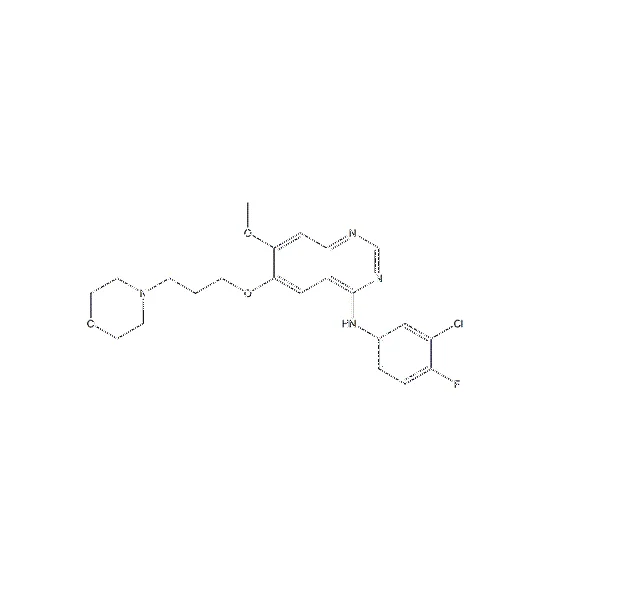
Gefitinib
Gefitinib is a drug used for certain breast, lung and other cancers. Gefitinib is an EGFR inhibitor, like erlotinib, which interrupts signaling through the epidermal growth factor receptor (EGFR) in target cells. Therefore, it is only effective in cancers with mutated and overactive EGFR.
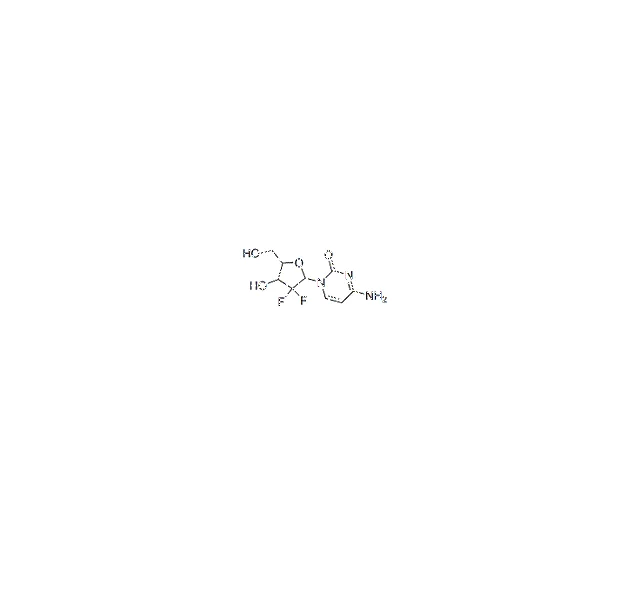
Gemcitabine
Gemcitabine is an anti-tumor drug, similar to pyrimidine, a new type of difluorocarbamide, which can be used in combination with cisplatin in the treatment of non-small cell lung cancer, or in the treatment of advanced or metastatic pancreatic cancer. Gemcitabine is also a bone marrow inhibitor, so the blood cell count should be checked during the treatment period (especially before each intravenous infusion).
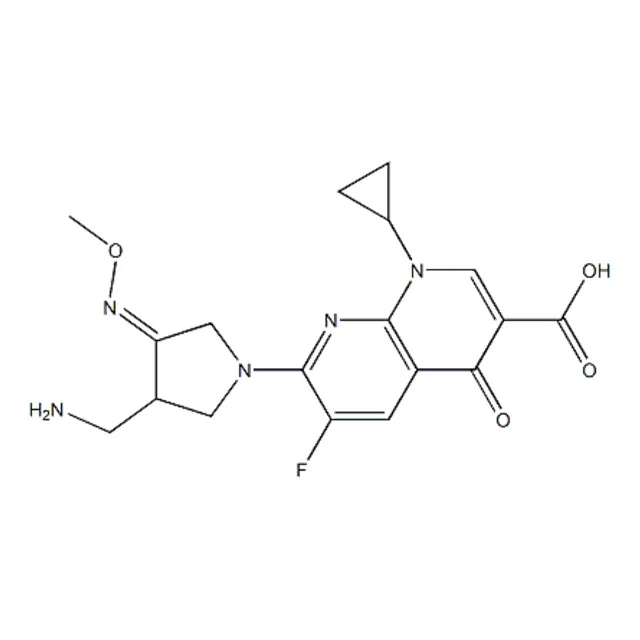
Gemifloxacin
Gemifloxacin (trade name Factive, Oscient Pharmaceuticals) is an oral broad-spectrum quinolone antibacterial agent used in the treatment of acute bacterial exacerbation of chronic bronchitis and mild-to-moderate pneumonia. Gemifloxacin is indicated for the treatment of infections caused by susceptible strains of the designated microorganisms in the conditions listed below.
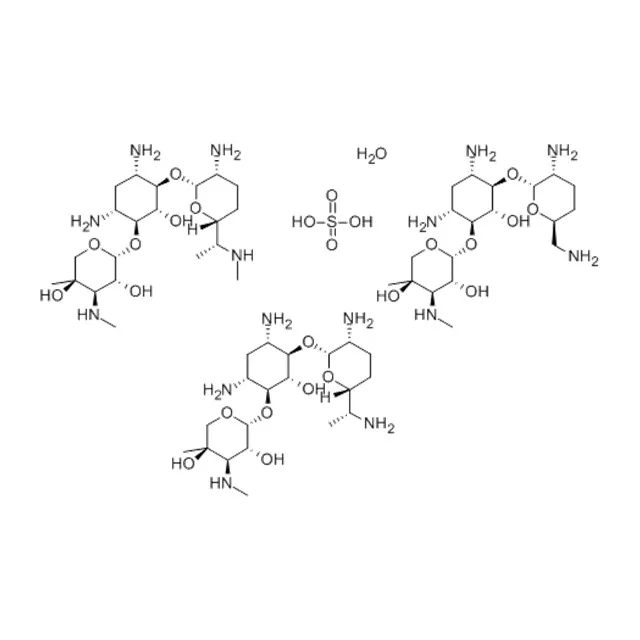
Gentamicin Sulfate
Gentamicin is an aminoglycoside antibiotic complex produced by fermentation of Micromonospora purpurea or M. echinospora. It is a mixture of 3 major components designated as C1 (C21H43N5O7), C1a (C19H39N5O), and C2 (C20H41N5O7). Gentamicin is used as the sulfate salt. Each component consists of five basic nitrogens and requires five equivalents of sulfuric acid per mole of gentamicin base. Gentamicin sulfate is a broad spectrum antibiotic. It inhibits the growth of a wide variety of Gram-positive and Gram-negative microorganisms, including strains resistant to tetracycline, chloramphenicol, kanamycin, and colistin, particularly strains of Pseudomonas, Proteus, Staphylococcus, and Streptococcus. It is effective against mycoplasma as well.
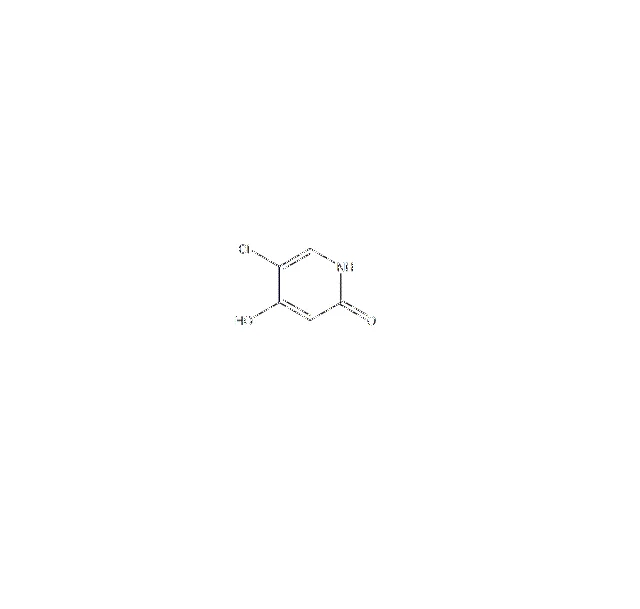
Gimeracil
Gimeracil is a dihydropyrimidine dehydrogenase (DPD) inhibitor used in combination with tegafur and oteracil in anticancer therapy.
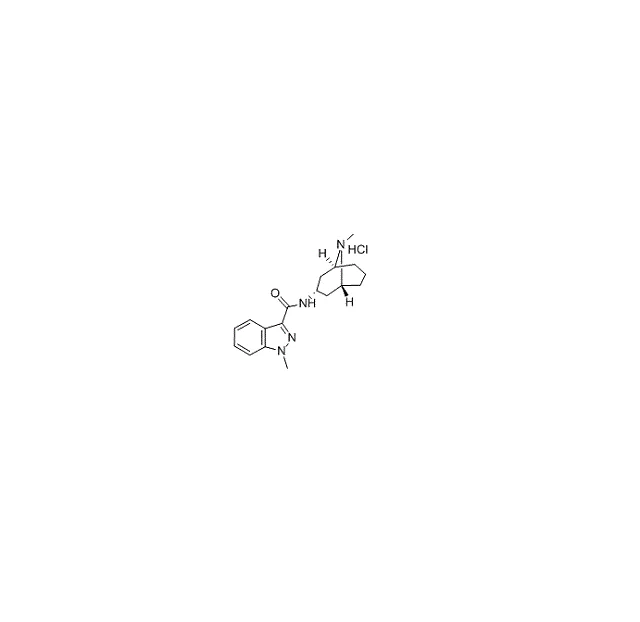
Granisetron Hydrochloride
Granisetron hydrochloride has high receptor selectivity. Its affinity with 5-HT3 receptor is 4000-10000 times of that with other receptors such as 5-HT1, 5-HT2, dopamine D1, D1, histamine H1, benzodiazepine and opioid receptor, while the difference of ondansetron is only 1000 times. The antiemetic rate of granisetron hydrochloride was 93%, 96% and 100% in three dose groups: 2 × 0.005, 2 × 0.05 and 2 × 0.5mg/kg (IV), while that of ondansetron 2 × 2.5mg/kg was 89%. According to the toxicity study, granisetron hydrochloride can achieve a good antiemetic effect at a small dose, with little side effect. The cardiovascular system was abnormal at high dose. As the clinical recommended dose of granisetron hydrochloride is very small (3mg / D), it is only the lowest dose used in animal experiments (< 1mg / kg = L / 25), so the clinical application is very safe. The pharmacokinetic study showed that the half-life (T1 / 2) of granisetron hydrochloride in patients was 9h, that in healthy people was 4h, that in the elderly was 7.7h, and that in young people was 4.9h. Granisetron hydrochloride is mainly metabolized in the liver. It is excreted in the form of 7-hydroxygranisetron hydrochloride and other metabolites through feces and urine. The plasma clearance rate of liver function damaged or liver metastasis cancer decreased, and the clearance rate of renal insufficiency was 1 / 4 of that of normal. A high first pass metabolism was observed by oral administration, with an absolute bioavailability of 60%.
Growth hormone releasing peptide
Polypeptide; Peptides; Pharmaceutical raw materials; Peptide; Polypeptide intermediates
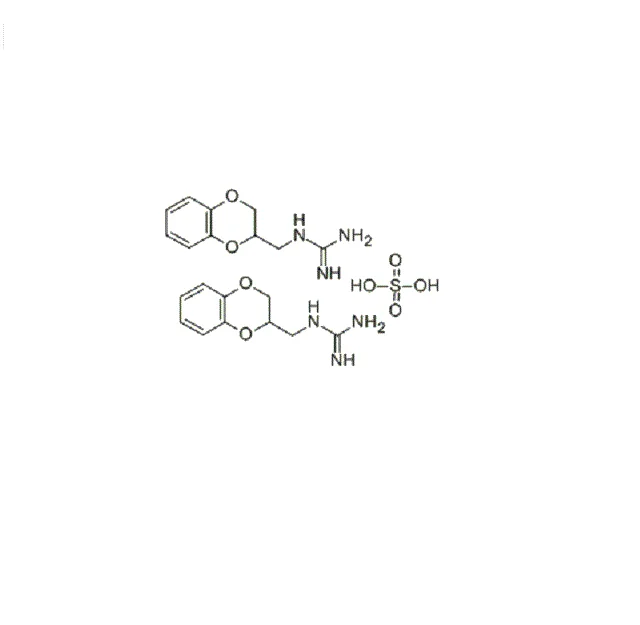
Guanoxan Sulfate
Contact MOSINTER for product specifications and supply information.
Heparin Sodium
Heparin ,also known as unfractionated heparin, a highly sulfated glycosaminoglycan, is widely used as an injectable anticoagulant, and has the highest negative charge density of any known biological molecule. It can also be used to form an inner anticoagulant surface on various experimental and medical devices such as test tubes and renal dialysis machines.
Hyaluronidase
Brand names of animal-derived hyaluronidase include HydaseTM (developed and manufactured by PrimaPharm Inc., distributed by Akorn Inc.), which has been FDA-approved as a "thimerosal-free" animal-derived hyaluronidase, Vitrase (ISTA Pharmaceuticals), Amphadase (Amphastar Pharmaceuticals), and Wydase. Wydase, however, is no longer manufactured.By catalyzing the hydrolysis of hyaluronan, a constituent of the extracellular matrix (ECM), hyaluronidase lowers the viscosity of hyaluronan, thereby increasing tissue permeability. It is, therefore, used in medicine in conjunction with other medicine to speed their dispersion and delivery. Common applications are ophthalmic surgery, in combination with local anesthetics. It also increases the absorption rate of parenteral fluids given byhypodermoclysis, and is an adjunct in subcutaneous urography for improving resorption of radiopaque agents. Hyaluronidase is also used for extravasation of hyperosmolar solutions.