


Pharmaceutical Chemicals API (267)
Showing 97–108 of 267 products · Page 9 of 23
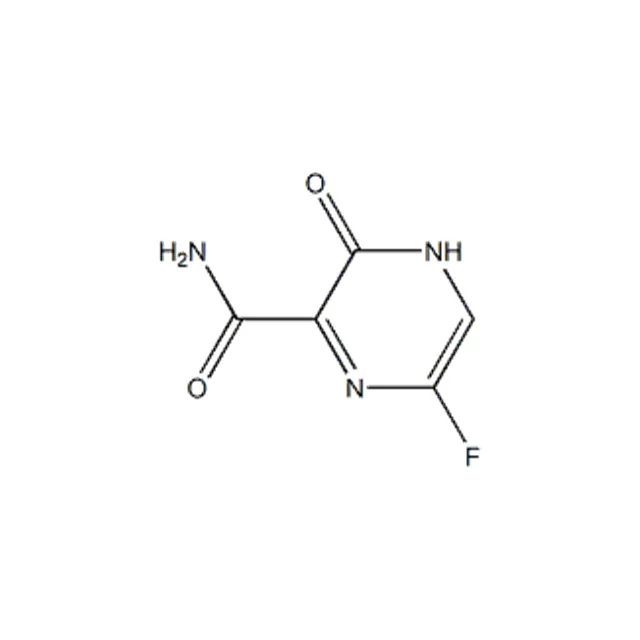
Favipiravir
Favipiravir is a nucleoside antiviral drug, the mechanism of action has not been fully explained. The target is the viral rna-dependent RNA polymerase. After oral absorption, the drug was converted into a bioactive nucleoside triphosphate of Favipiravir, whose structure was similar to that of purine and could compete with purines for viral RNA polymerase.The nucleoside triphosphates of Favipiravir can also be inserted into viral RNA strands, inducing lethal mutations in the virus.Therefore, in terms of mechanism, Favipiravir has potential antiviral effect on various RNA viruses.
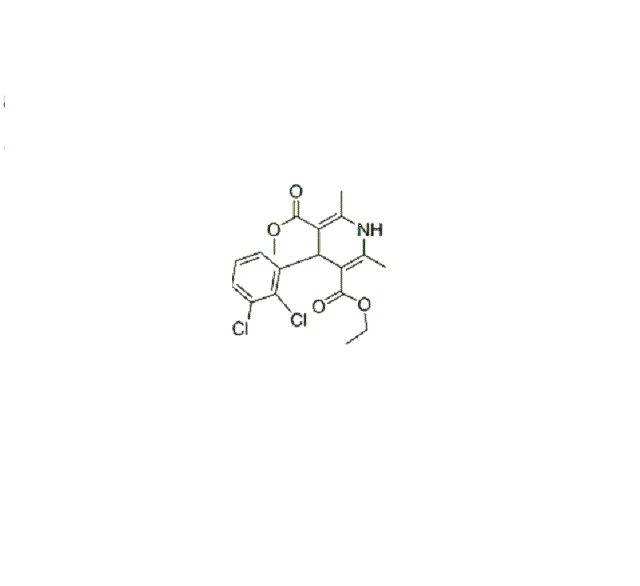
Felodipine
Felodipine is a calcium channel blocker (calcium antagonist), a drug used to control hypertension (high blood pressure). It is marketed under the brand name Plendil by AstraZeneca and Renedil by Sanofi-Aventis. The formulation patent for the substance expired in 2007.
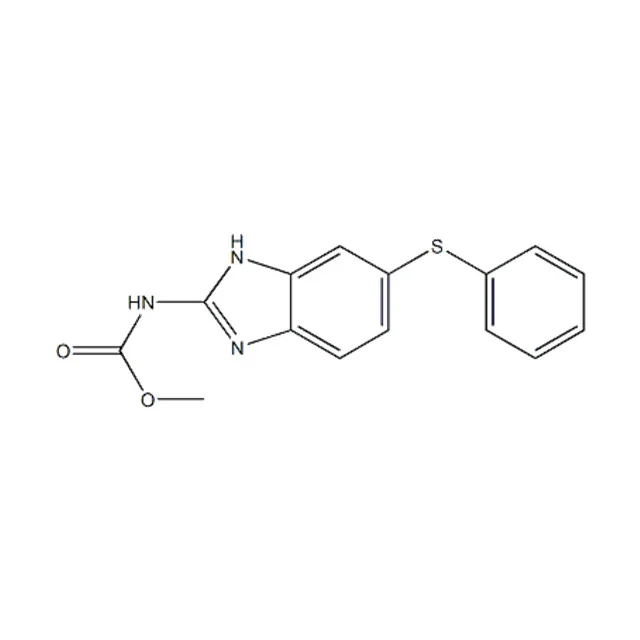
Fenbendazole
Fenbendazole (Hoechst brand names Panacur and Safe-Guard, Intervet Panacur and Panacur Rabbit) is a broad spectrum benzimidazole anthelmintic used against gastrointestinal parasites including: giardia, roundworms, hookworms, whipworms, the Taenia genus of tapeworms (but not effective against Dipylidium caninum, a common dog tapeworm), pinworms, aelurostrongylus, paragonimiasis, strongyles and strongyloides and can be administered to sheep, cattle, horses, fish, dogs, cats, rabbits and seals. Drug interactions may occur if salicylanilides like dibromsalan and niclosamide are co-adminstered.
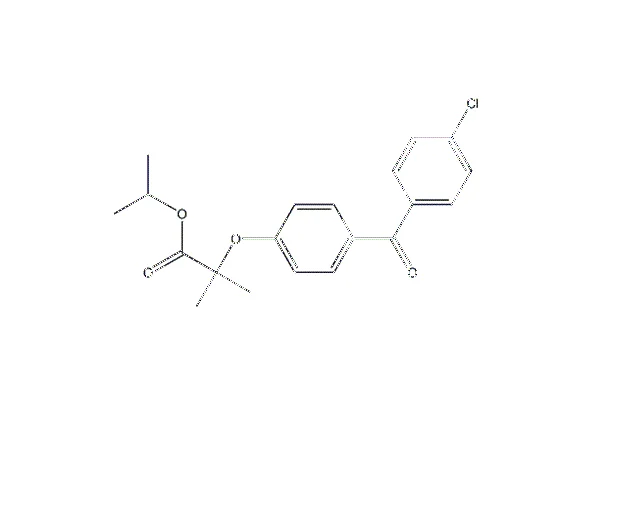
Fenofibrate
Fenofibrate (Tricor) is a drug of the fibrate class. It is mainly used to reduce cholesterol levels in patients at risk of cardiovascular disease. Like other fibrates, it reduces both low-density lipoprotein (LDL) and very low density lipoprotein (VLDL) levels, as well as increasing high-density lipoprotein (HDL) levels and reducing triglycerides level. It is used alone or along with statins in the treatment of hypercholesterolemia andhypertriglyceridemia.
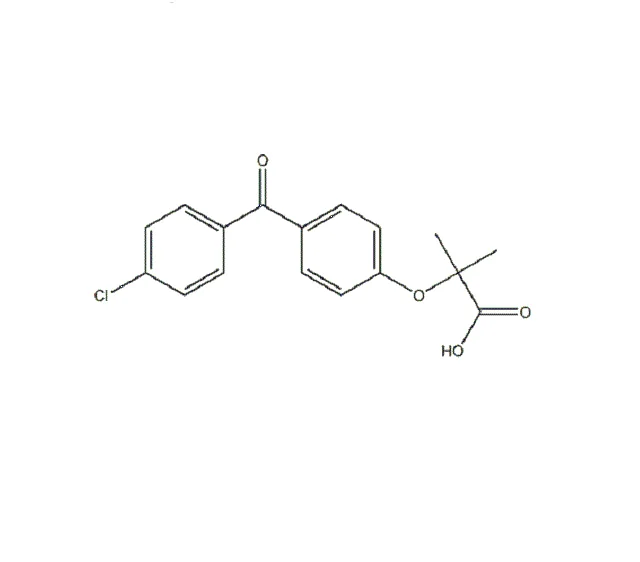
Fenofibric Acid
Fenofibric acid is the active metabolite of fenofibrate. It is a peroxisome proliferator-activated receptor alpha (PPARα) agonist used to reduce elevated LDL cholesterol and triglycerides and to raise HDL cholesterol in patients with hypercholesterolemia or hypertriglyceridemia.
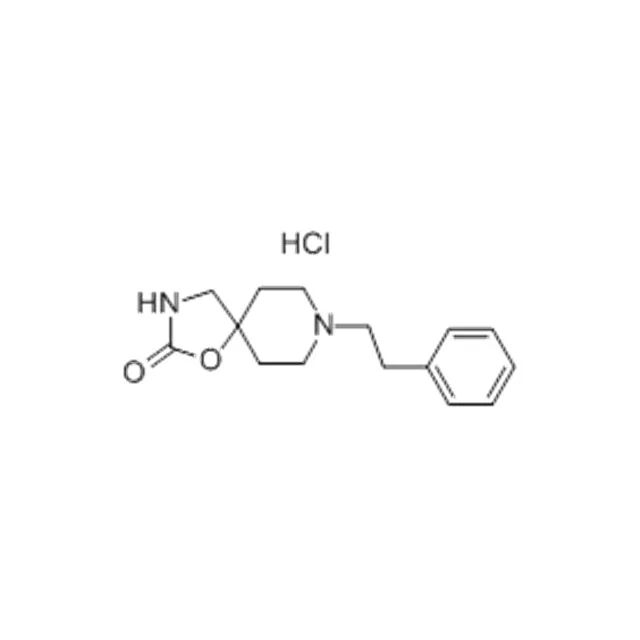
Fenspiride Hydrochloride
Fenspiride is an oxazolidinone spiro compound used as a drug in the treatment of certain respiratory diseases. The pharmacotherapeutic classification is antitussives. In Russia it is approved for the treatment of acute and chronic inflammatory diseases of ENT organs (ear, nose, throat) and the respiratory tract (like rhinopharyngitis, laryngitis, tracheobronchitis, otitis and sinusitis), as well as for maintenance treatment of asthma.
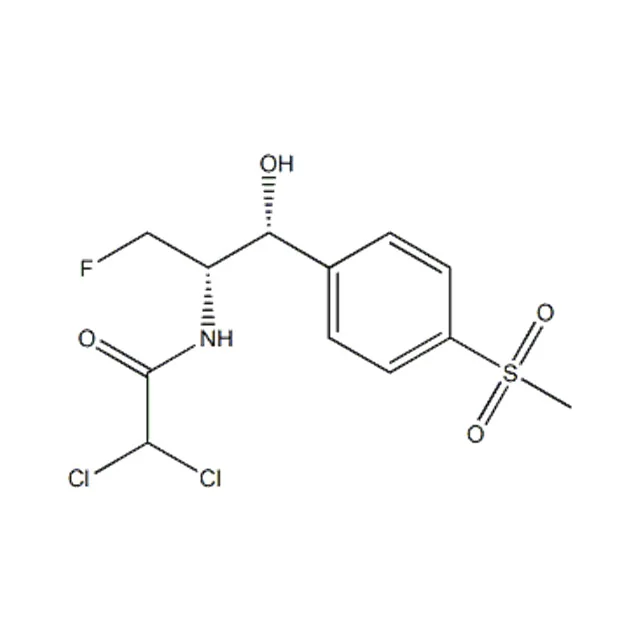
Florfenicol
Florfenicol is a fluorinated synthetic analog of thiamphenicol. florfenicol is currently indicated for the treatment of bovine respiratory disease (BRD) associated with Mannheimia (Pasteurella) haemolytica, Pasteurella multocida, and Haemophilus somnus, for treatment of bovine interdigital phlegmon (foot rot, acute interdigital necrobacillosis, infectious pododermatitis) associated with Fusobacterium necrophorum and Bacteroides melaninogenicus. Fluorine benzene nicol, can interfere with the bacterial protein synthesis, strongly absorb quickly, widely distributed in the body, long half-life, no side effects of aplastic anemia, not easy the creation bears the medicine, no residue, no cross resistance.
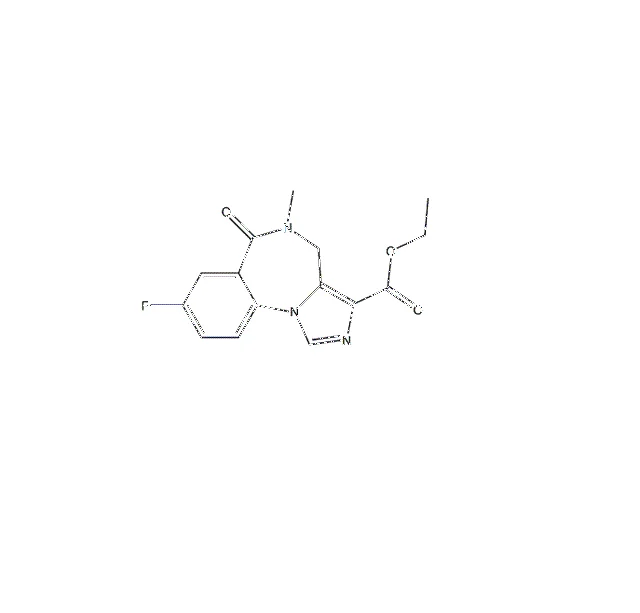
Flumazenil
The first benzodiazepine antagonist is used to resist the sedation and disorientation of benzodiazepine drugs after over dose use, and has anticonvulsant activity and antiepileptic effect. It can also be used in the recovery period after halothane anesthesia and encephalopathy due to liver hardening caused by alcoholism, as a diagnostic drug for unknown loss of mind, to identify benzodiazepines and Other drugs poisoning or brain injury.
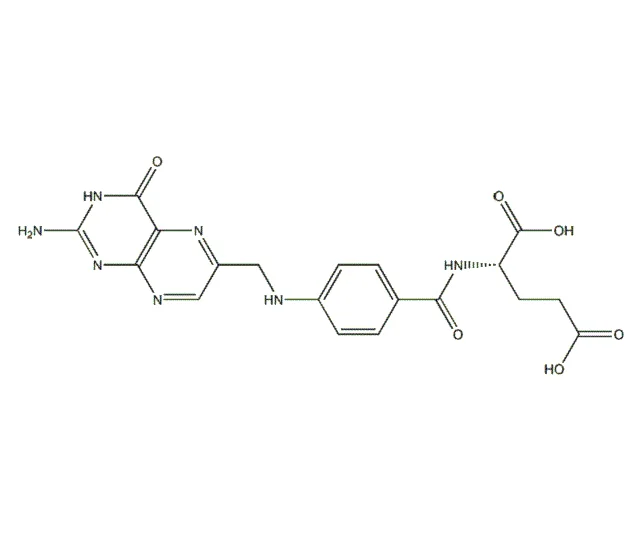
Folic Acid
is also known as vitamin B9, is a water-soluble vitamin. It is one of the vitamin B complex, equivalent to pteroylglutamic acid (pteroylglutamic acid, PGA), Mitchell (H.K.M itchell, 1941) extraction and purification from spinach leaves, so named folic acid. Have promote bone marrow cells mature, such as lack of folic acid can cause human giant red blood cell anemia, and white blood cells reduce disease, is especially important for pregnant women.
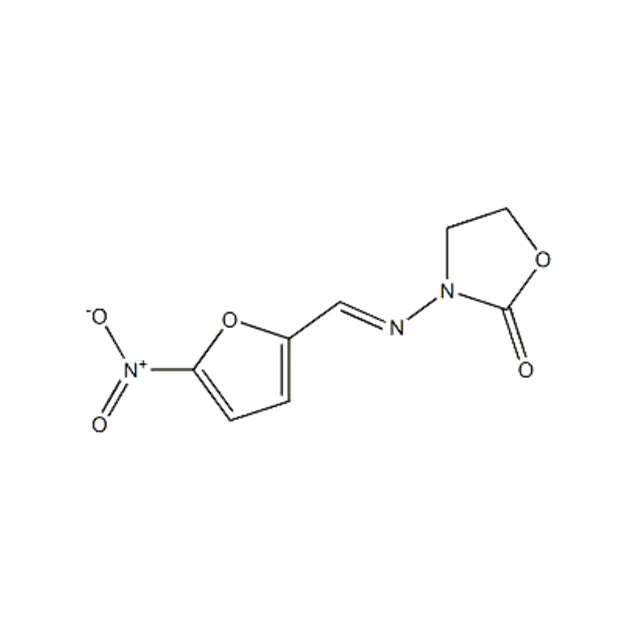
Furazolidone
Furazolidone has been used in human and veterinary medicine. In humans it has used to treat diarrhoea and enteritis caused by bacteria or protozoan infections. It has been used to treat traveler's diarrhoea, cholera and bacteremic salmonellosis. Use in treating Helicobacter pylori infections has also been proposed.As a veterinary medicine, furazolidone has been used with some success to treat salmonids for Myxobolus cerebralis infections.
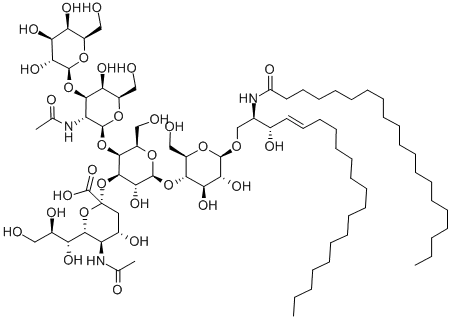
GANGLIOSIDE GM1 AMMONIUM SALT BOVINE
Ganglioside GM1 sodium salt is a specific and only receptor for cholera toxin which facilitates the toxin's transmembrane movement. Cells which lack Ganglioside GM1 can be toxin-resistant, further proving the role of this receptor in the cholera toxicity mechanism. Experiments have shown Ganglioside GM1 and bis(monoacylglycerol)phosphate (BMP) mixtures to spontaneously form small spherical vesicles of homogenous size in an energy independent manner. In addition, this receptor has been found to significantly decrease hydrogen peroxide-induced reactive oxygen species accumulation in PC-12 (sc-2250) cells. It has been shown that the reduction in reactive oxygen species is due to activation of protein kinase perceiving signal from this enzyme and tyrosine kinase Trk-receptors. We supply the Ganglioside GM1 sodium salt form.