

Browse 961 Chemical Products and Raw Materials
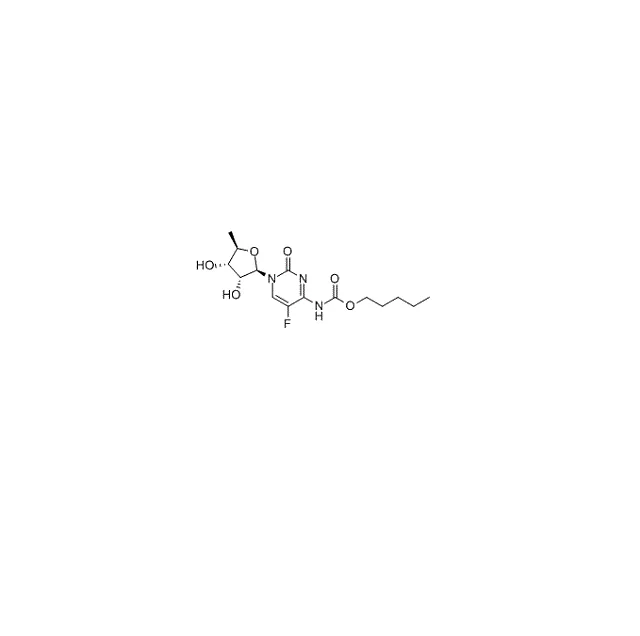
Capecitabine
Capecitabine is an antimetabolic fluorodeoxynucleoside carbamate drug that can be converted into 5-FU in vivo. It is developed by Roche company and trade name is Xeloda. It can inhibit cell division and interfere with RNA and protein synthesis. It is suitable for the further treatment of paclitaxel and advanced primary or metastatic breast cancer, including anthracycline antibiotic chemotherapy. It is mainly used for the treatment of advanced primary or metastatic breast cancer, rectal cancer, colon cancer and gastric cancer.
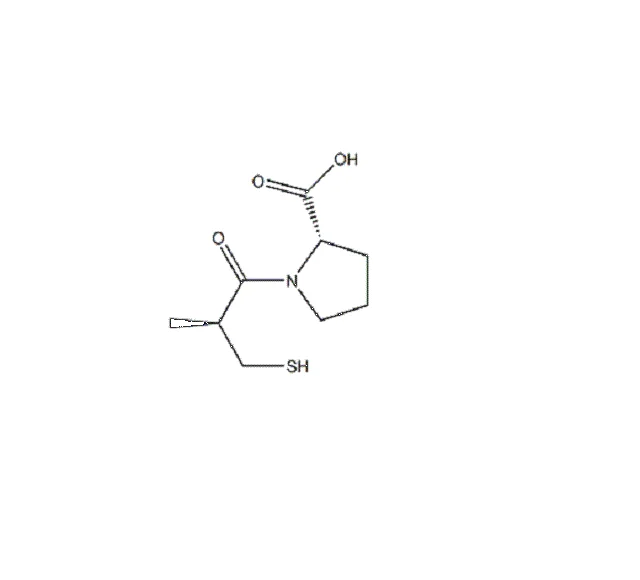
Captopril
Captopril is an angiotensin-converting enzyme (ACE) inhibitor used for the treatment of hypertension and some types of congestive heart failure. Captopril was the first ACE inhibitor developed and was considered a breakthrough both because of its novel mechanism of action and also because of the revolutionary development process. Captopril is commonly marketed by Bristol-Myers Squibb under the trade name Capoten.
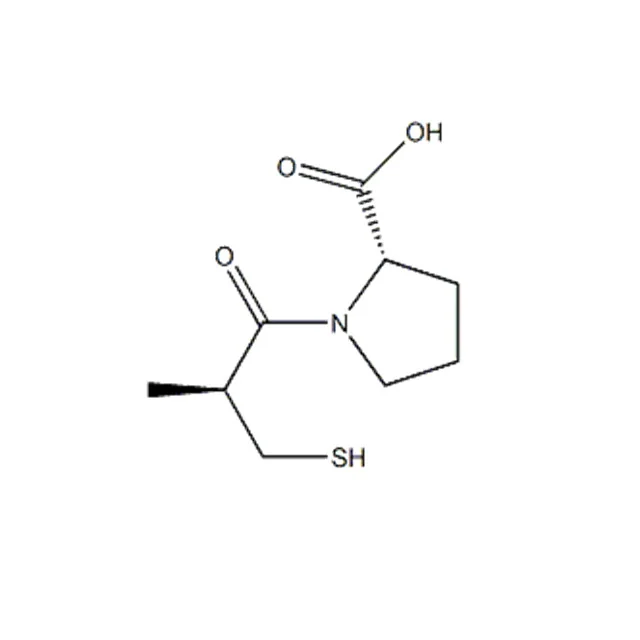
Captopril
Captopril have significant antihypertensive effect for various types of high blood pressure as antihypertensive medicine, and can also improve heart function in patients with congestive heart failure.
Carbendazim
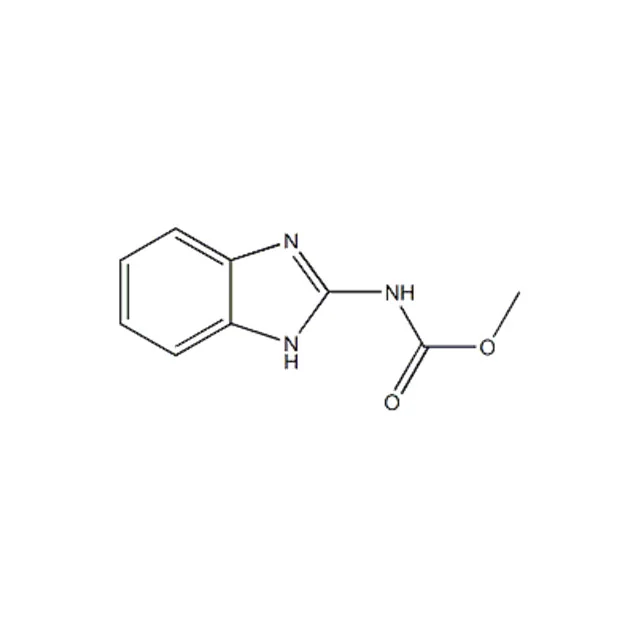
Carbendazim is a systemic fungicide used as a drench to control a broad range of fungi in cereals, vegetables, oilseed rape, sugar beets, grapes, tomatoes, pome fruit and stone fruit. It is also used in post-harvest storage and as treatment in seed pre-planting, frequently in combination with other fungicides.
Carbenicillin
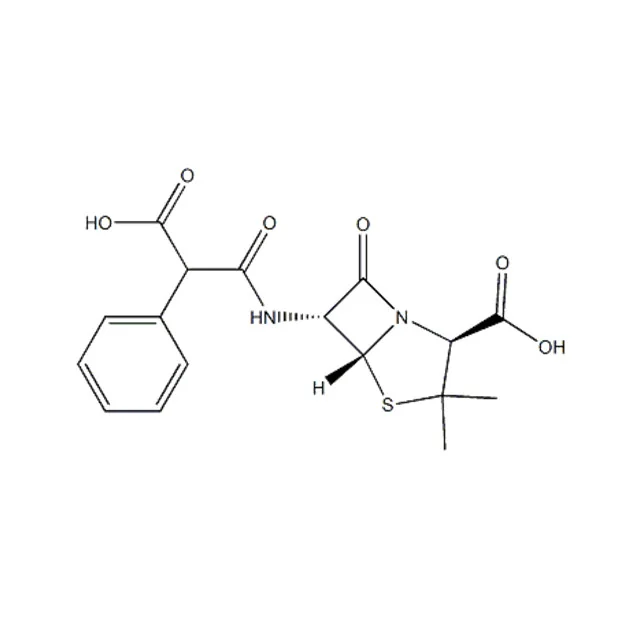
Carbenicillin is a bactericidal antibiotic belonging to the carboxypenicillin subgroup of the penicillins. This product is a broad-spectrum penicillin antibiotics, by inhibiting bacterial cell wall synthesis play a bactericidal effect. Escherichia coli, Enterobacteriaceae Proteus, Enterobacter, citrate spp, Salmonella and Shigella, as well as Pseudomonas aeruginosa, Haemophilus influenzae, Neisseria other Gram-negative bacteria have antibacterial effect. Hemolytic streptococcus, Streptococcus pneumoniae and non-penicillinase-producing staphylococci with antibacterial activity. Mainly suitable for systemic Pseudomonas aeruginosa infection, such as sepsis, urinary tract infections, respiratory tract infections, abdominal, pelvic infections, and skin and soft tissue infections, can also be used for other sensitive Enterobacteriaceae bacteria that cause systemic infections.

Carbon Tetrafluoride
Tetrafluoromethane, also known as carbon tetrafluoride, is colorless, tasteless and odorless. Insoluble in water, 0.0015 at 25 °C under normal pressure, soluble in chloroform and benzene. This product is non-toxic and non combustible. High concentration has anesthetic effect. The high-purity gas and its mixture with high-purity oxygen are the most widely used plasma etching gas in microelectronics industry, and can also be used as low-temperature refrigerant and insulation medium. It is inert to many reagents and does not hydrolyze at 1000 °C. It does not react with copper, nickel and tungsten at room temperature. Because of the strong chemical stability of the C-F bond, the perfluorocarbons represented by CF4 can be considered to be basically nontoxic.
Carboplatin
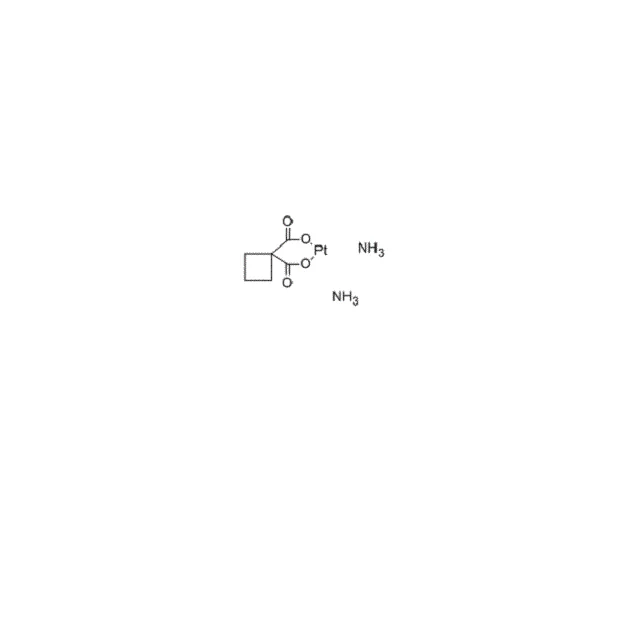
Carboplatin is the second generation of platinum antitumor drugs. Its antitumor activity is similar to cisplatin, but its nephrotoxicity, ototoxicity and neurotoxicity, especially gastrointestinal reaction, are significantly lower than cisplatin, and its antitumor spectrum is not as wide as cisplatin. The main mechanism of action is to cause cross-linking between and within DNA chains, interfere with DNA molecules and inhibit DNA synthesis of cells. It mainly acts on N-7 and O-6 atoms of guanine in DNA and produces cytotoxic effect. Because the cyclobutane ring in carboplatin molecule is more stable as a ligand than the chloride ion group in cisplatin, it was initially thought that carboplatin may not have the ototoxicity, nephrotoxicity and neurotoxicity like cisplatin, but it has been proved by systematic biological evaluation and a large number of clinical trials, Although carboplatin is not as serious as cisplatin in renal toxicity, myelosuppression, ototoxicity and neurotoxicity, its damage to the body can not be ignored. There is cross resistance between cisplatin and its antitumor effect in vivo, so cancer cells that are not sensitive to cisplatin are also resistant to cisplatin. It was found that carboplatin not only inhibited tumor growth, but also had radiosensitization effect.
Carrageenan
Carrageenan is a family of linear sulfated polysaccharides that are extracted from red edible seaweeds. They are widely used in the food industry, for their gelling, thickening, and stabilizing properties. Their main application is in dairy and meat products, due to their strong binding to food proteins. There are three main varieties of carrageenan, which differ in their degree of sulfation.
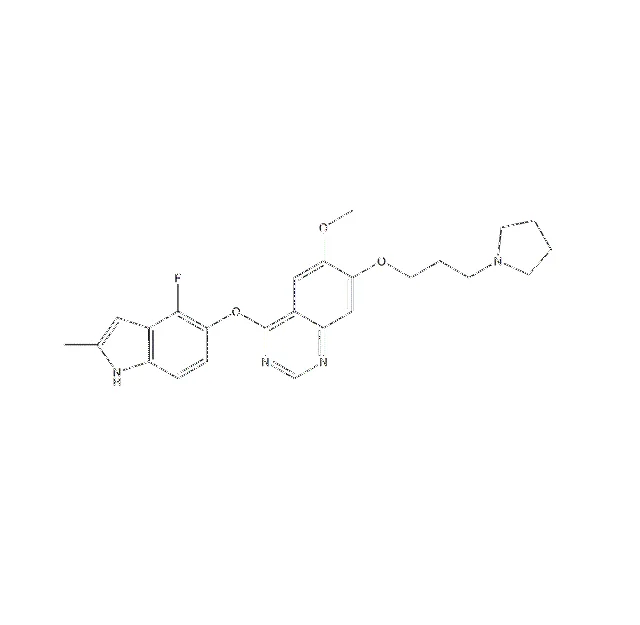
Cediranib
Cediranib is an oral antitumor drug. It is a highly effective inhibitor of VEGFR tyrosine kinase and can inhibit all known VEGFR tyrosine kinases (including VEGFR-1, VEGFR-2, VEGFR-3 and PDGFR). Sildenab can inhibit VEGF induced angiogenesis, neovascularization and xenograft cell growth. In the phase I study of NSCLC patients, it was found that the combination of sildenab and PC regimen had significant antitumor effect. Phase II / III study br24 studied 30 mg of sildenab as the first-line treatment for NSCLC patients, which proved that it had antitumor effect, but the incidence of adverse events was high, including diarrhea, dehydration, hand foot syndrome, hypertension and neutropenia. Therefore, it was decided to stop the clinical trial. Repeated evaluation of the dose and toxicity of the combination indicated that part of the adverse reactions were dose-related, and it could be tried to reduce the dose to improve the drug tolerance.
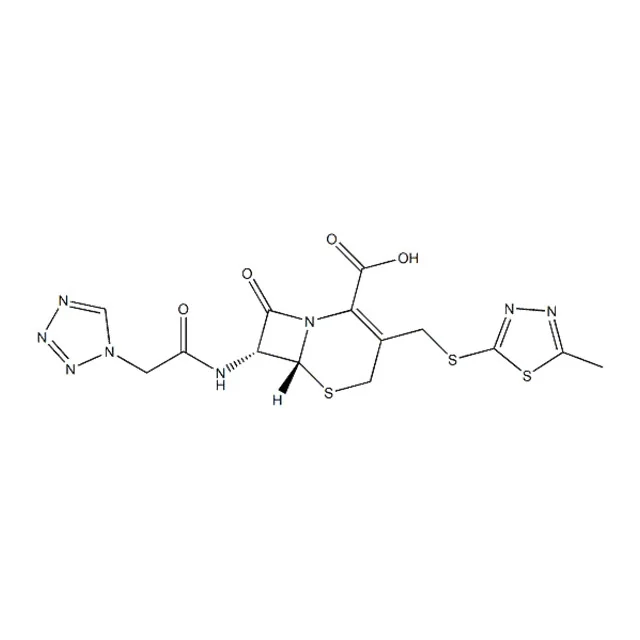
Cefazolin
Cefazolin (INN), also known as cefazoline or cephazolin is an antibiotic useful for the treatment of a number of bacterial infections.It is a first-generation cephalosporin antibiotic. Cephalosporins fall into the category of β-Lactam (beta-lactam) antibiotics. Other antibiotics that fall into this category are penicillin derivatives, monobactams and carbapenems. This group of antibiotics works by inhibiting cell wall synthesis of the bacteria by binding to penicillin-binding proteins. These groups of antibiotics are known as bactericidal, meaning that they kill the targeted bacteria (as opposed to inhibiting reproduction as bacteriostatic antibiotics do).
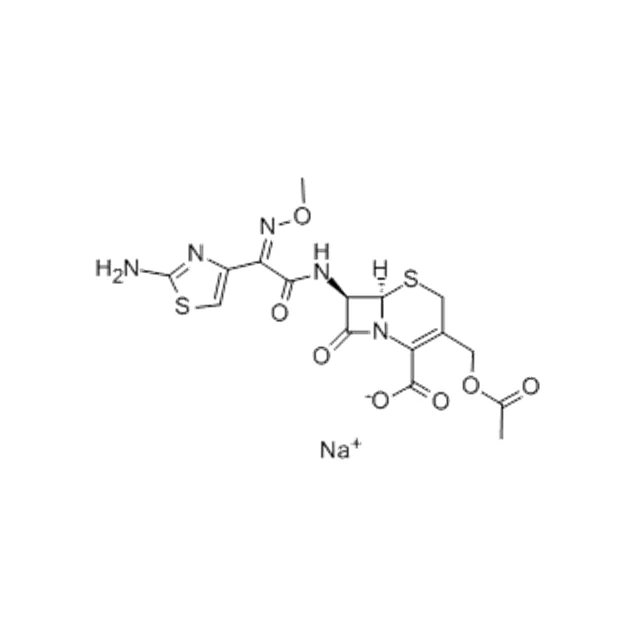
Cefotaxime Sodium
Cefotaxime Sodium is a class of broad-spectrum semi-synthetic antibiotic, penicillin, compared with a wider antibacterial spectrum, penicillin-resistant enzymes, high efficacy, low toxicity and fewer allergic reactions, etc., in the anti-infective therapy occupies an important position.
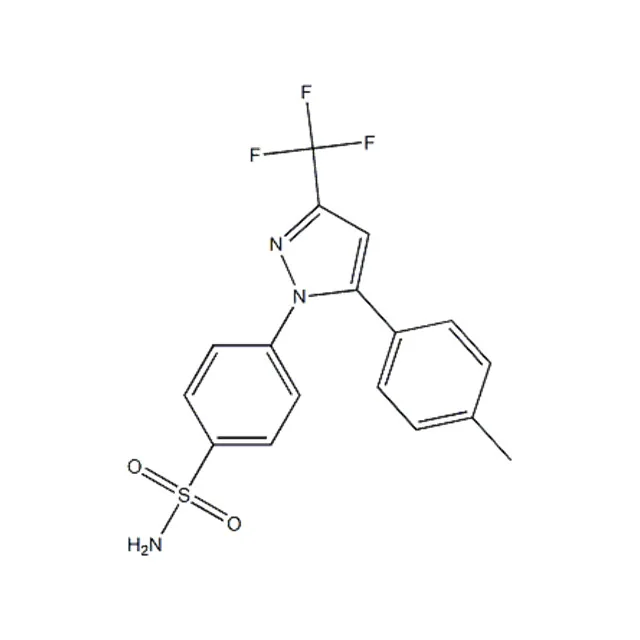
Celecoxib
Celecoxib is used for osteoarthritis, rheumatoid arthritis, acute pain, painful menstruation, ankylosing spondylitis, and to reduce the number of colon and rectal polyps in people with familial adenomatous polyposis.

Cerium Dioxide
Light yellow or yellow brown powder. The density is 7.13g/cm³. Melting point 2397 °C. Insoluble in water and alkali, slightly soluble in acid. At 2000 °C and 15MPa, cerium oxide can be obtained by hydrogen reduction of cerium oxide. When the temperature is free between 2000 °C and the pressure is free at 5MPa, cerium oxide is yellowish red and pink. Its performance is used as polishing material, catalyst, catalyst carrier (Assistant), ultraviolet absorber, fuel cell electrolyte, automobile exhaust absorber, electronic ceramics Wait.
Chitin
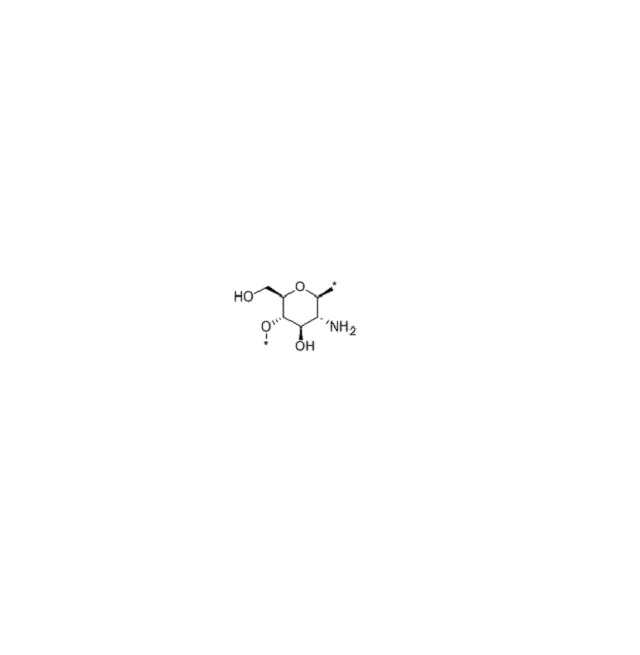
Chitin is a kind of nitrogen-containing polysaccharide, also known as chitin, chitin, chitin, chitin, chitin, and cuticle. Chitin is the second most abundant biopolymer in nature, which is widely distributed. It is the important component of the shells of many lower animals, especially arthropods, such as shrimp, crab, insect, etc. the shells of shrimp contain about 15% - 30% and the shells of crab contain about 15% - 20%. It is also a component of cell membrane of lower plant fungi, lichen, green algae, yeast, jellyfish and squid. It is estimated that the annual biomass is more than 1 billion tons, which is a huge renewable resource. It is a 2-acetylglucosamine polymer with a white or yellowish transparent appearance. Its chemical structure is similar to that of natural cellulose. Besides hydroxyl, there are also acetylamino and amino functional groups in the molecule. There are many groups available for structural modification. It has more functional properties than cellulose and its derivatives. It is insoluble in water, ethanol, ether, salt, dilute acid and alkali; Soluble chitin, which is soluble in acetic acid and concentrated caustic soda solution, forms glassy colloid soluble chitin (also known as polyaminodextrose, chitosan, sugar solution chitin, chitosan, etc.), which can be used for: (1) purified water and ion exchange resin for extracting uranium from seawater; (2) packing and molecular sieve of gel column; (3) preparation of food packaging film or soluble food which can be degraded by biological or enzyme. (4) water retention agent for cultivating plants or microorganisms; (5) anti shrinkage and anti wrinkle treatment of textiles and fixation of direct dyes or sulfurized dyes.
Chlorfenapyr
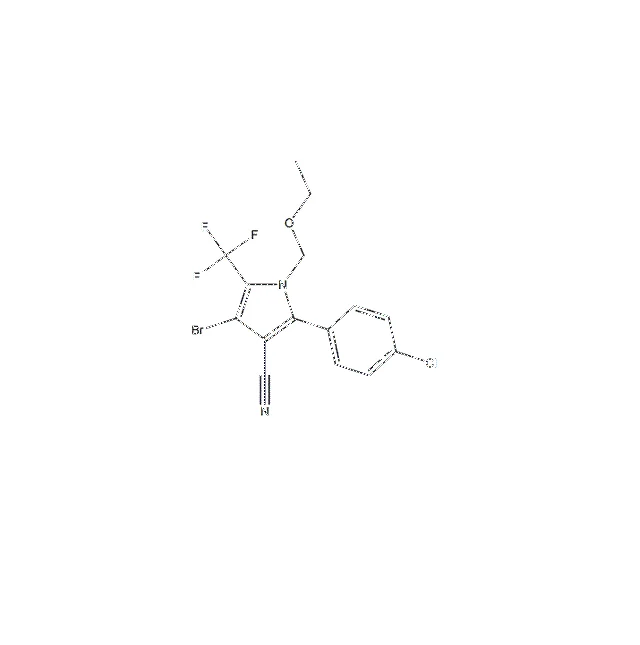
A novel pyrrole insecticide and acaricide. It has good control effect on borer, sucking and chewing pests and mites. It is more effective than cypermethrin and flufenpropathrin, and its acaricidal activity is stronger than dicofol and tricyclohexyltin. The insecticide has the following characteristics: broad-spectrum insecticidal and acaricidal agents; both gastric toxicity and contact killing effect; no cross resistance with other insecticides; moderate residual activity in crops; selective endosuction activity through root absorption in nutrient solution; moderate oral toxicity to mammals, low dermal toxicity; low effective application amount (100g effective ingredient / hm2). Its remarkable insecticidal activity, acaricidal activity and unique chemical structure have attracted extensive attention.
Chlorfluazuron
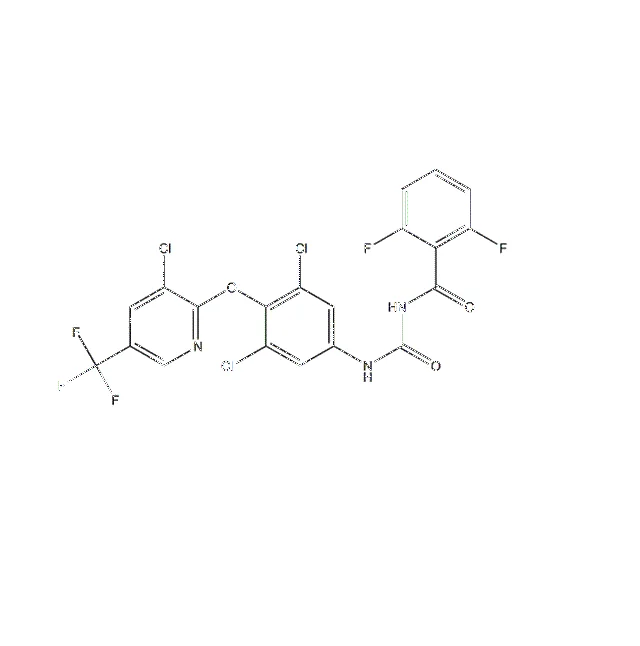
Fludiureas are benzoylureas, which have unique mechanism, high efficiency, low toxicity and environmental friendliness. It can be used in vegetables, cotton, fruit trees, pine trees, etc., mainly for the control of cabbage worm, Plutella xylostella, cotton bollworm, Apple peach small carnivore and pine caterpillars, etc., with remarkable control effect, especially for the control of vegetable pests, it will become one of the main varieties to replace the high toxic pesticides used now, and provide a new pesticide variety for the production of green food.
Chlorimuron-ethyl
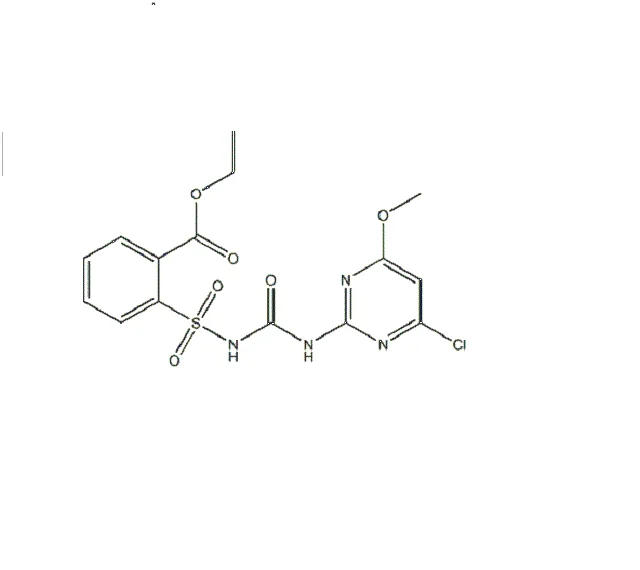
Chlorimuron-ethyl is a kind of post-emergence, foliar applied herbicide which is used without the EU regulatory approval. As an herbicide belonging to the sulfonylurea family, it is commonly used to control the weeds associated with wheat, rice, soybean, barley, potato, and corn. It has advantages of being broad-spectrum, having low use rate, having good crop selectivity as well as being of low toxicity to animals. Its mechanism of action is through suppressing the plant- and microbial-specific enzyme acetolactate synthase (ALS), further blocking the biosynthesis of branched-chain amino acids such as valine, leucine and isoleucine. Through this mechanism, it cause rapid cessation of plant cell division and growth.
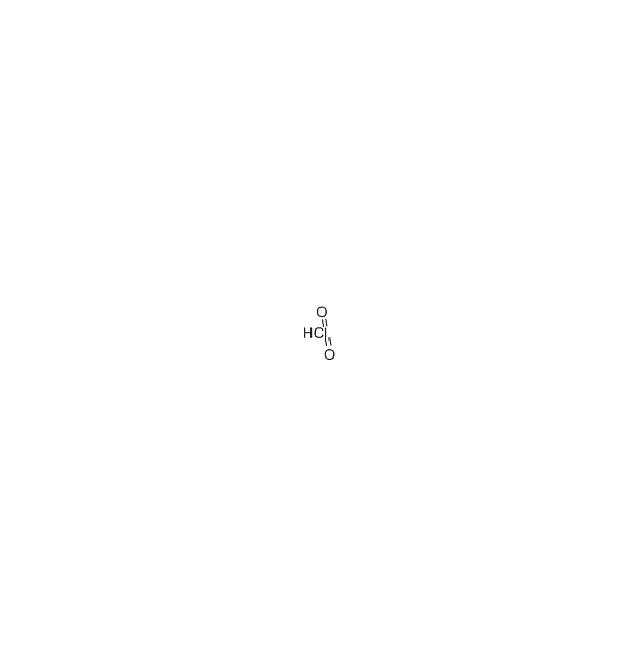
Chlorine Dioxide
Red and yellow have strong irritating odor gas: liquefy into red brown liquid at 11 °C , and solidify into orange red crystal at - 59 °C . It has a special odor like chlorine and nitric acid. The liquid is reddish brown and the solid is orange red. Boiling point 11 °C . The relative vapor density is 2.3g/l. In case of hot water, it will decompose into hypochlorite, chlorine and oxygen, which are easy to decompose under light, and its solution is relatively stable in cold and dark places. Chlorine dioxide can react explosively with many chemicals. It is very sensitive to heat, vibration, impact and friction, and is easy to decompose and explode. When heated or exposed to light or organic substances, which can promote oxidation, it can promote decomposition and easily cause explosion. If air, carbon dioxide, nitrogen and other inert gases are used for dilution, the explosiveness will be reduced. It is a strong oxidant and its effective chlorine is 2.6 times that of chlorine. Can react violently with many substances. Very corrosive.
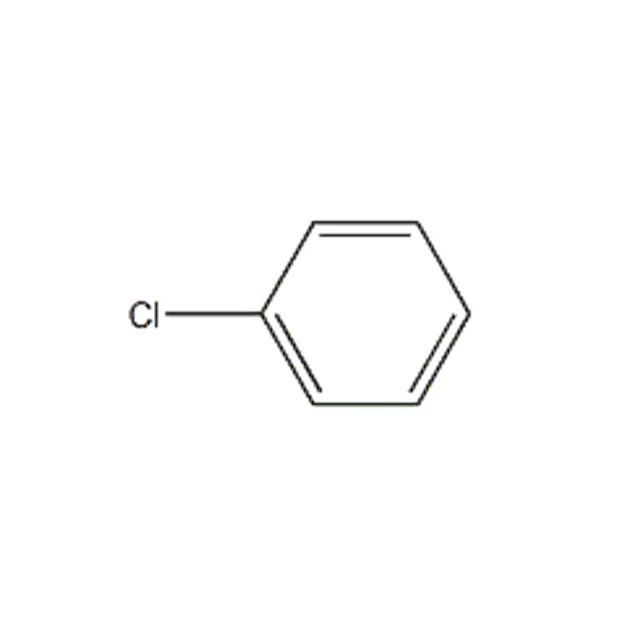
Chlorobenzene
Chlorobenzene is an aromatic organic compound with the chemical formula C6H5Cl. This colorless, flammable liquid is a common solvent and a widely used intermediate in the manufacture of other chemicals. The major use of chlorobenzene is as an intermediate in the production of commodities such as herbicides, dyestuffs, and rubber.
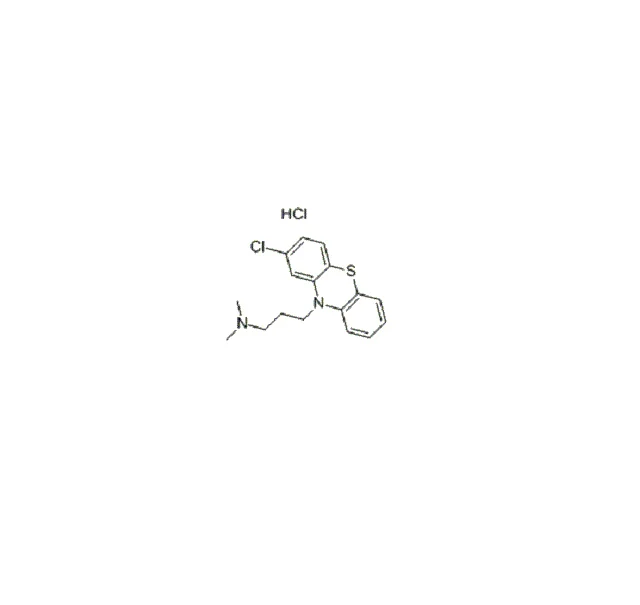
Chlorpromazine Hydrochloride
Chemical property:White or milk white crystalline powder. The melting point of 179-180 °C (179-180 °C). Soluble in water, ethanol,
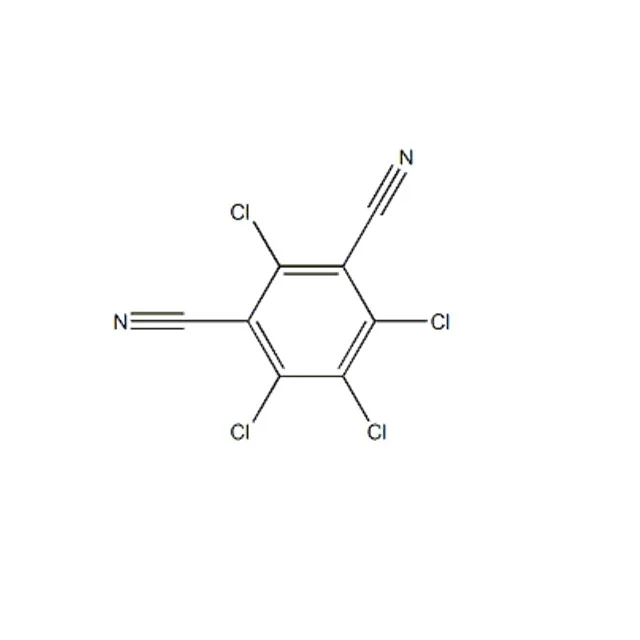
Chlorothalonil
Chlorothalonil is a broad-spectrum organic fungicide mainly used to control fungi that threatens a number of agricultural crops, vegetables, trees, fruits, turf and paints, etc. It can also serves as a wood protectant, pesticide, acaricide, which is effective to kill mildew, bacteria, algae, and insects. Besides, it can commercially act as a preservative additive in several paints, resins, emulsions, coatings and can be used on commercial grasses such as golf courses and lawns.
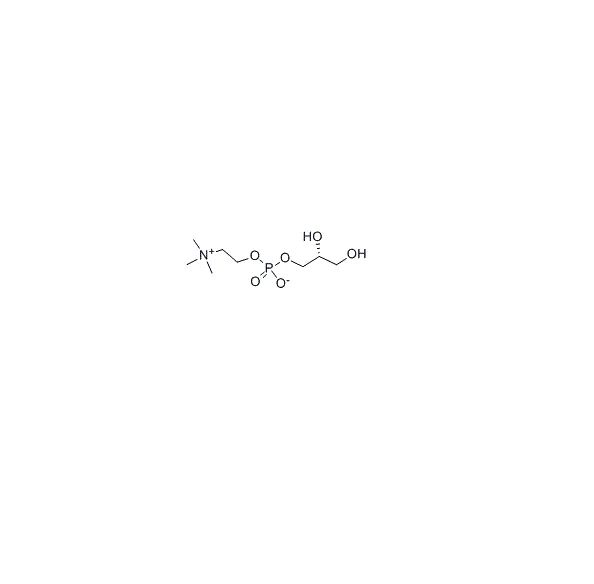
Choline Glycerophosphate
Choline glycophosphate is a natural phospholipid metabolism intermediates in the human body, exists in cells and throughout the human body, structurally composed of choline, glycerol, phosphoric acid, it is a major form of preservation of choline, is recognized as the source of choline. Because it belongs to endogenous substances, its toxic and side effects are very low. Glycerophosphate choline is absorbed and decomposed into choline and glycerophosphate by enzymes in the body: choline is involved in the biosynthesis of acetylcholine, which is a neurotransmitter; glycerophosphate is the precursor of lecithin, which is involved in the synthesis of lecithin. Major pharmacological actions include protecting the metabolism of choline, ensuring the synthesis of acetylcholine and lecithin in the nerve membranes, improving blood circulation, and improving cognitive and behavioral responses in patients with brain capillary nerve injury. In this field, there are no better new medicine listed or developed.
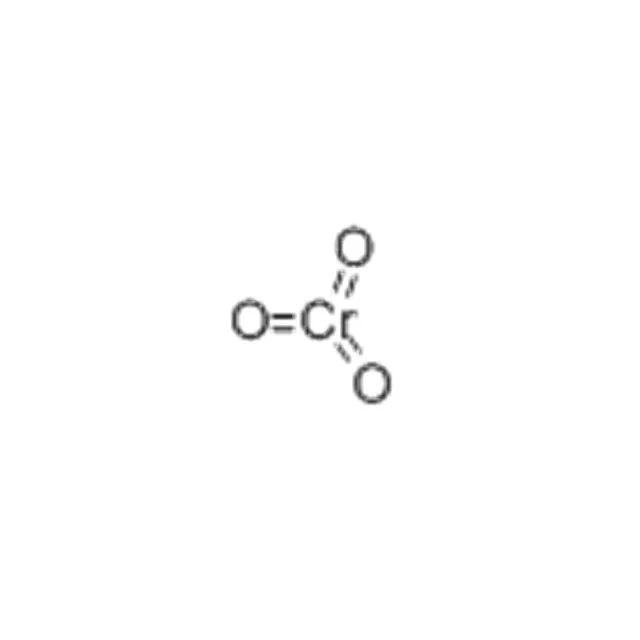
Chromium VI Oxide
Chromium trioxide is the inorganic compound with the formula CrO3. It is the acidic anhydride of chromic acid, and is sometimes marketed under the same name. This compound is a dark-purple solid under anhydrous conditions, bright orange when wet and which dissolves in water concomitant with hydrolysis.It mainly for electroplating.
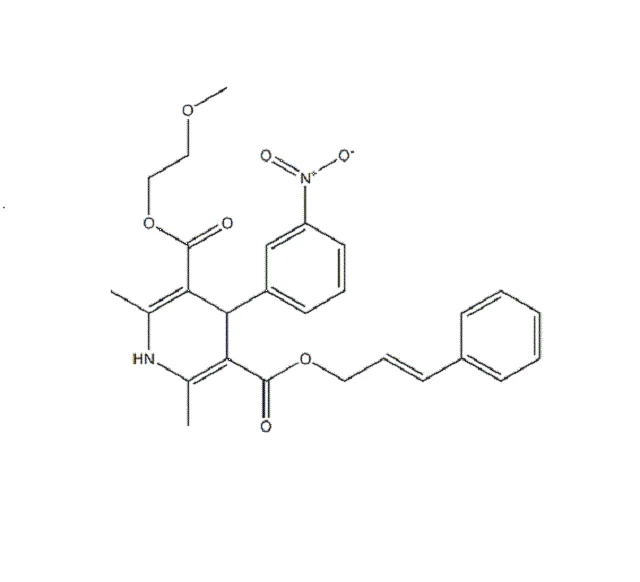
Cilnidipine
CILNIDIPINE due to its blocking action at N-type calcium channel dilates both arteriole & venules as a result the pressure in the capillary bed is reduces. The accumulated fluid in the tissues flows back to veins & thus Cilnidipine minimizes the incidence of pedal edema.