


Browse 961 Chemical Products and Raw Materials
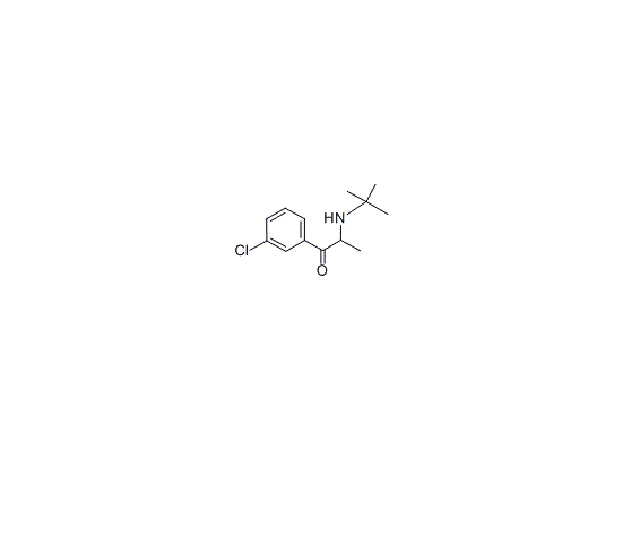
Bupropion hydrochloride API
New types of antidepressants, there are amino ketone structure, irrelevant to three ring, four ring and monoamine oxidase inhibitors or other standard medicine chemically,belongs to central nervous system medicine.
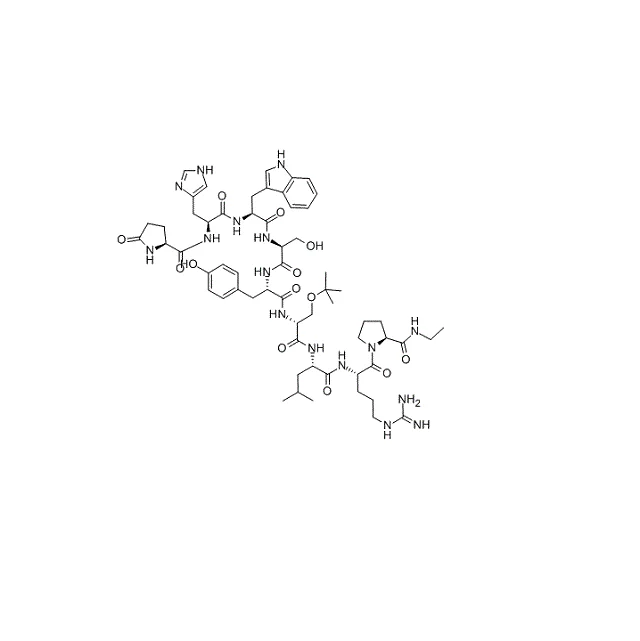
Buserelin
Bucherelin, GnRH analog. At the initial stage of use, the secretion of LH, FSH and sex hormone increased. After 1-2 weeks, the secretion of sex hormone decreased to castration level. It is mainly used in prostate cancer and breast cancer. Subcutaneous injection [with flutamide in men] was used at the beginning, while nasal injection was used for maintenance treatment.
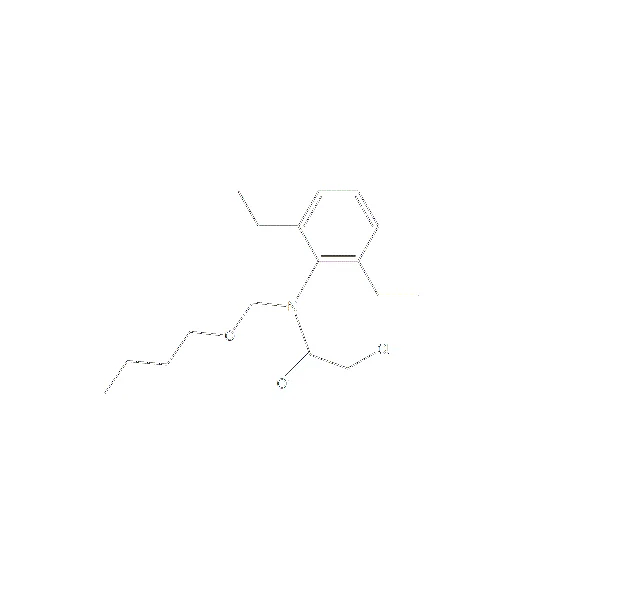
Butachlor
Butachlor is a selective pre emergent herbicide uptake and type within a amides.At room temperature and neutral, weakly alkaline chemical stability. Under strongly acidic conditions will accelerate its decomposition in the soil can be degraded. Low toxicity to humans and animals, skin, eye irritation, highly toxic to fish.
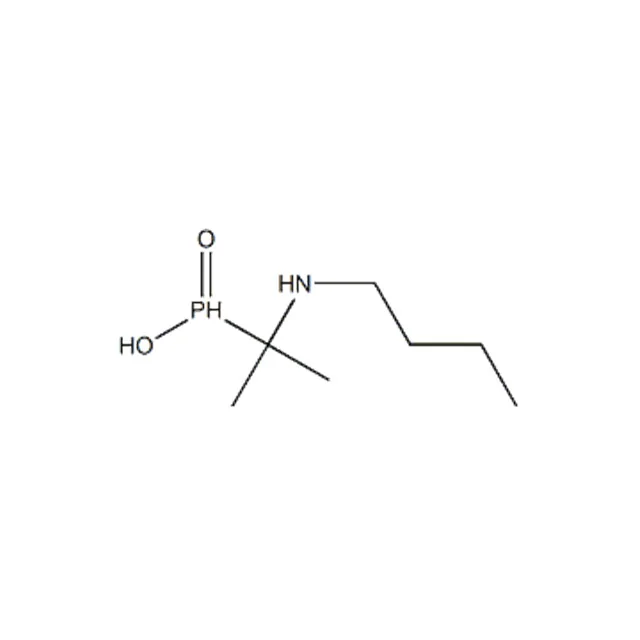
Butafosfan
Butafosfan, a component of Catosal, is licensed for the treatment of metabolic disorders or as a tonic in swine. It is veterinary drug materials, the main components of an effective organophosphorus supplement, promote liver function, help the muscle transport system to restore fatigue, reduce stress response, stimulate appetite, and promote non specific immune function; simple physical stimulation model, no residue in the body, no side effects.
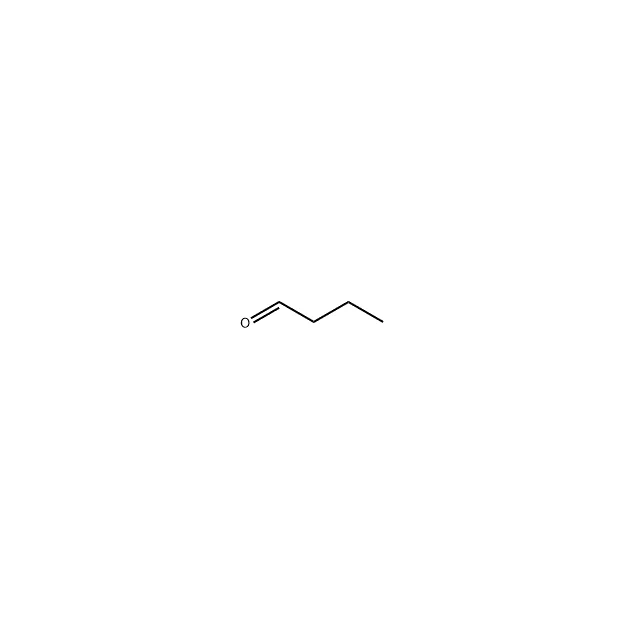
Butyraldehyde
Colorless and transparent liquid with suffocating irritating odor. Combustible. Slightly soluble in water, miscible with various organic solvents such as ethanol, ether, acetone, toluene, ethyl acetate, oils, etc. It has a stimulating effect on the mucous membrane of the respiratory tract. Commonly used as intermediates for resins, plastic plasticizers, vulcanization accelerators, pesticides, etc. Butyraldehyde (C4H8O), which is found in many essential oils in nature, such as flowers, leaves, fruits, grasses, dairy products, and alcohol. Extremely diluted, it has a delicate fragrance. Used as an intermediate for resins, plastic plasticizers, vulcanization accelerators, pesticides, etc.
CERIUM
The chemical symbol of cerium is CE and the atomic number is 58. Cerium is a soft, malleable silver white metal that discolors when exposed to air and is soft enough to be cut with a knife. Cerium is the most abundant rare earth. Its chemical characteristic is that it has two valence states, namely + 3 CE state and + 4 CE state. Cerium state is the only stable non trivalent rare earth ion in aqueous solution. Therefore, it is a strong acid and strong oxidant. Cerium state is very similar to other trivalent rare earth.

CESIUM OXIDE
Cesium oxide is a kind of inorganic compound, which is composed of cesium and oxygen. It belongs to oxide. Its chemical formula is CS Е o. The known binary cesium oxides are CS ₁₁ o ₃, CS ₄ o, CS ₇ O and CS ₇ o. They are brightly colored. The appearance of cesium oxide CS ξ o is orange yellow hexagonal crystal.
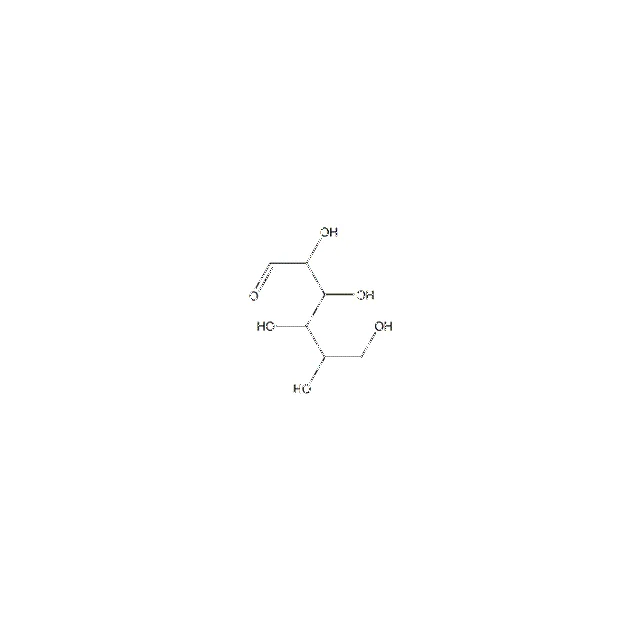
CMC
Carboxymethylcellulose (CMC) is a kind of tackifier. It is a nontoxic and tasteless white flocculent powder at room temperature. It has stable performance and is easily soluble in water. Its aqueous solution is a neutral or alkaline transparent viscous liquid, which can be soluble in other water-soluble adhesives and resins, and insoluble in organic solvents such as ethanol. Carboxymethylcellulose is a carboxymethyl group substituted product of cellulose. According to its molecular weight or degree of substitution, it can be a completely soluble or insoluble polymer. The latter can be used as a weak acid cation exchanger to separate neutral or basic proteins.
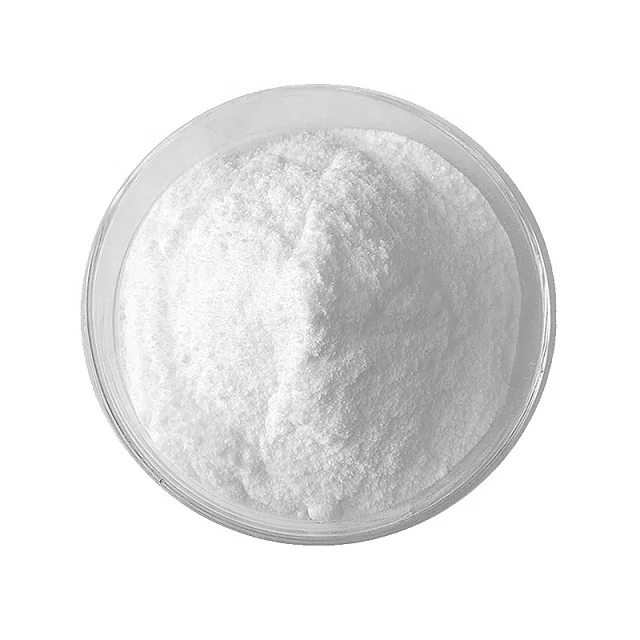
CMS-Na
Starchy white powder. Odorless and tasteless. Dissolve in water at room temperature to form colloidal solution. It is easy to dissolve in water after mixing, or it can be moistened with ethanol before adding into water. When the water solution becomes acidic, a free acid insoluble in water will be formed and the viscosity will be reduced. It is stable for alkali. The addition of metal salts will form a variety of water-insoluble metal salts, so it is not suitable for strong acid food. Long term contact with metal is not allowed during manufacturing. When the water solution is heated above 80 °C for a long time, the viscosity decreases.
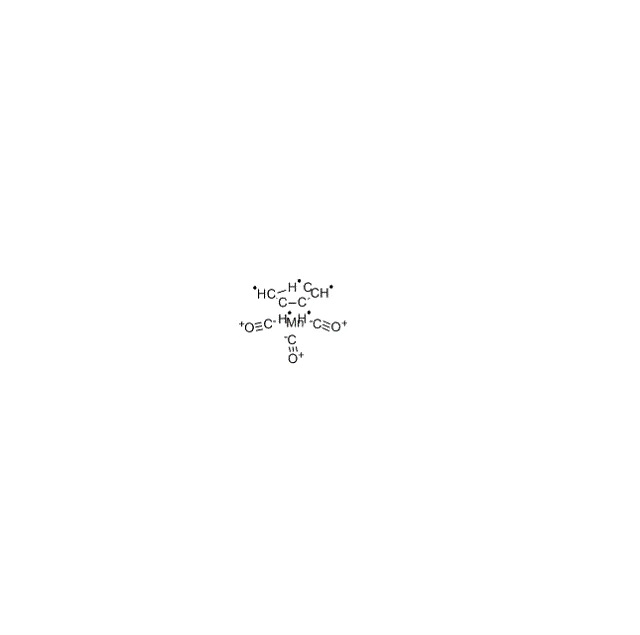
CYCLOPENTADIENYLMANGANESE TRICARBONYL
Cyclopentadienyl Manganese Tricarbonyl (CMT) is an economical kind of additives to remarkably increase the octane number of the gasoline and to reduce the harmful ingredients in tail gas of cars. This product is a manganese base composite octane number improver that cooperatively developed by our company. According to the evaluating results in some Chinese refineries, it is proved that this product is a perfect clean gasoline antiknock with very prominent effect.
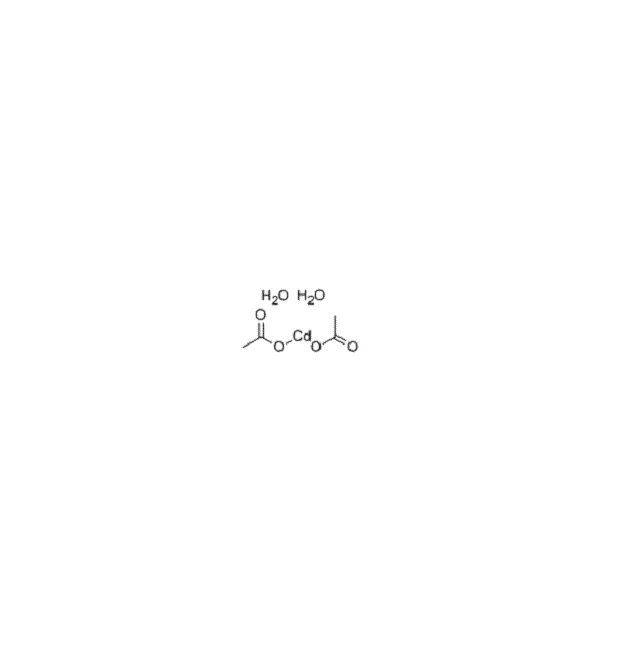
Cadmium Acetate Dihydrate
Usually in the form of dihydrate, at 130 °C, the crystal water is lost and becomes anhydrous. The melting point of anhydrous substance is 256 °C, the relative density is 2.341, and the relative density of dihydrate is 2.01. It has the smell of acetic acid, soluble in water and ethanol, and is easy to deliquesce.
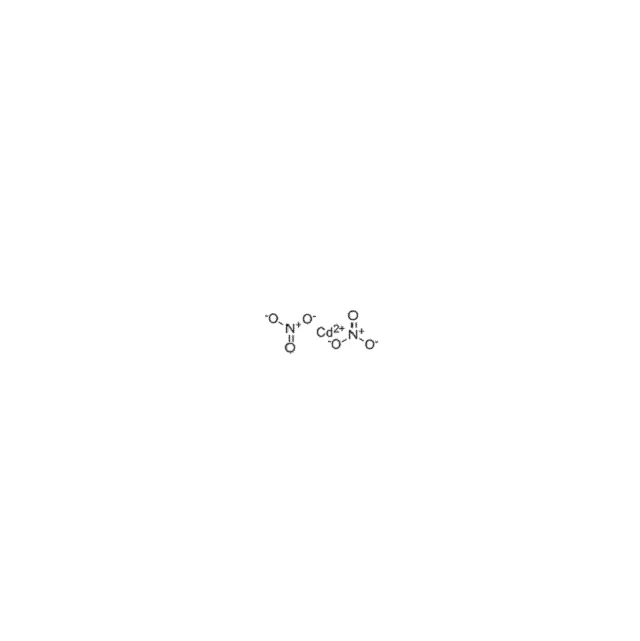
Cadmium Nitrate
Cadmium nitrate is a white chemical with the molecular formula of CD (NO3) 2. It is easy to deliquesce, soluble in water, ethanol, acetone and ethyl acetate, almost insoluble in concentrated nitric acid. It is usually used to make some chemicals containing cadmium.
Cadmium Sulfate
The anhydrous substance is a white powder with a melting point of 1000 °C and a relative density of 4.691. It absorbs moisture and is easily soluble in water. At 25 °C, 77.2g anhydrous salt can be melted per 100g of water, which is more soluble than the corresponding zinc sulfate, and the temperature change has little effect on the solubility, so it is used as a standard battery.
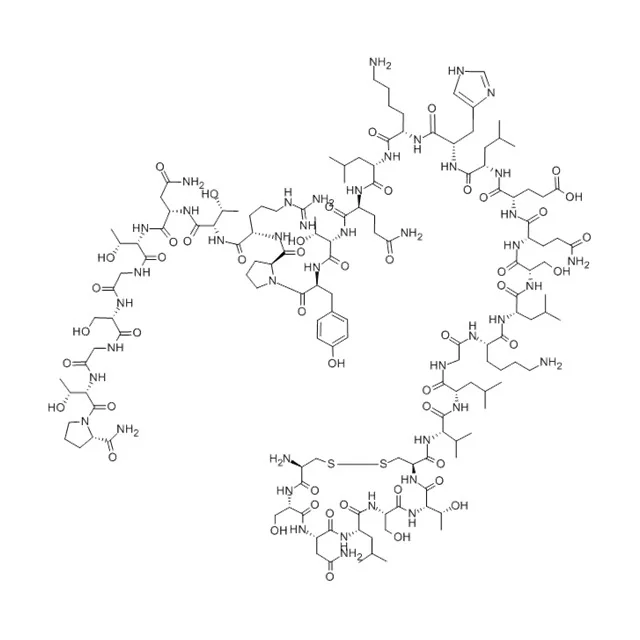
Calcitonin Salmon
Calcitonin Salmon CAS 47931-85-1 Manufacturer in China
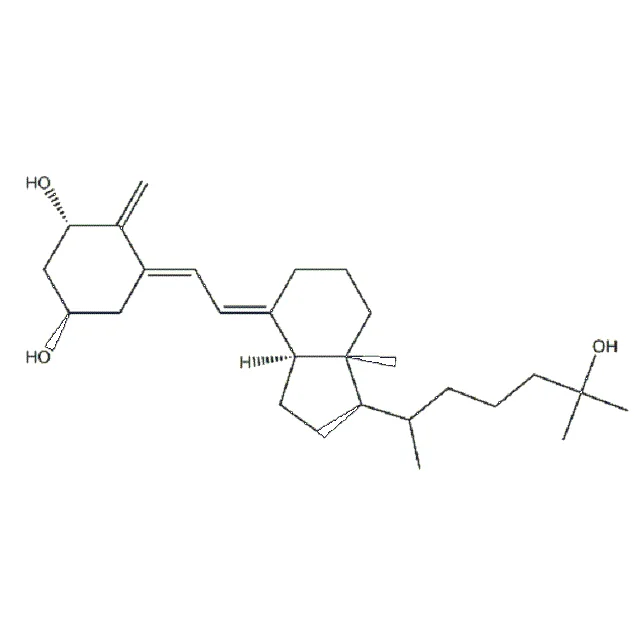
Calcitriol
Calcitriol also called 1,25-dihydroxycholecalciferol or 1,25-dihydroxyvitamin D3, is the hormonally active metabolite of vitamin
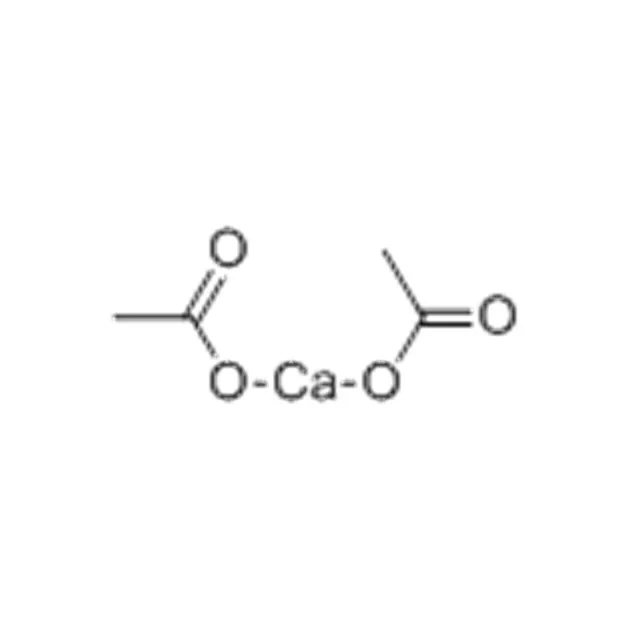
Calcium Acetate
Calcium Acetate is used as chelating agent, mildew-retarding agent, stabilizer, buffering agent, flavoring agent, preservatives, curing agent,nutrient supplement, PH value regulator and processing agent.
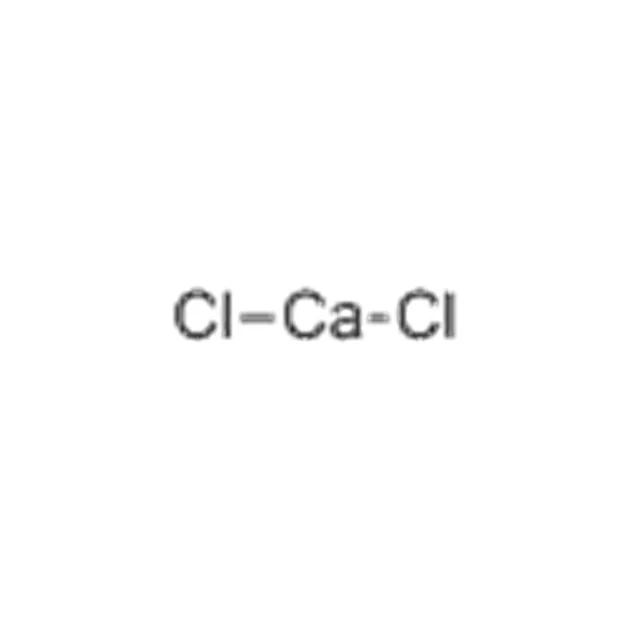
Calcium Chloride
Calcium chloride is used for various substances desiccant, the road dustproof, soil improver and coolant. Used for chemical reagent, pharmaceutical raw materials, food additives and manufacturing metal calcium materials. Also used in dehydrated agent, the OARS agent, DTC.
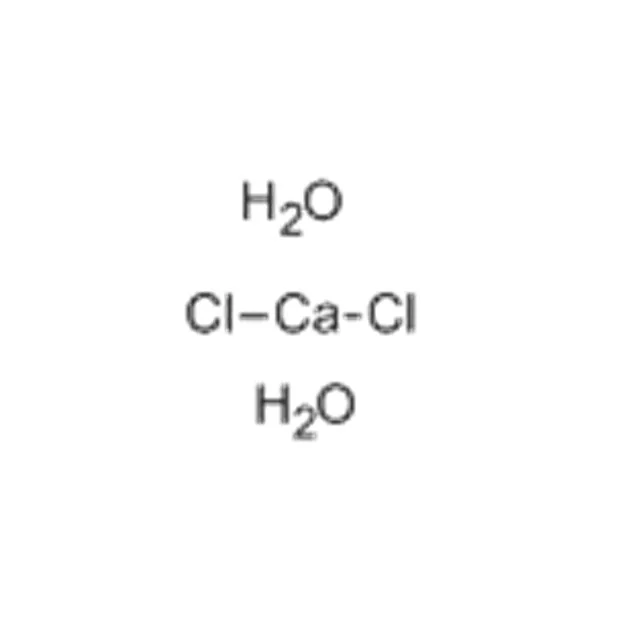
Calcium Chloride Dihydrate
Calcium Chloride Dihydrate is widely used in snow & ice melting,oil & gas drilling, moisture-absorbing, dehydration agent, cryogen, removing agent, dust collecting agent, polycoagulant, refrigeration, Buiding antifreeze, rubber and petroleum industries.
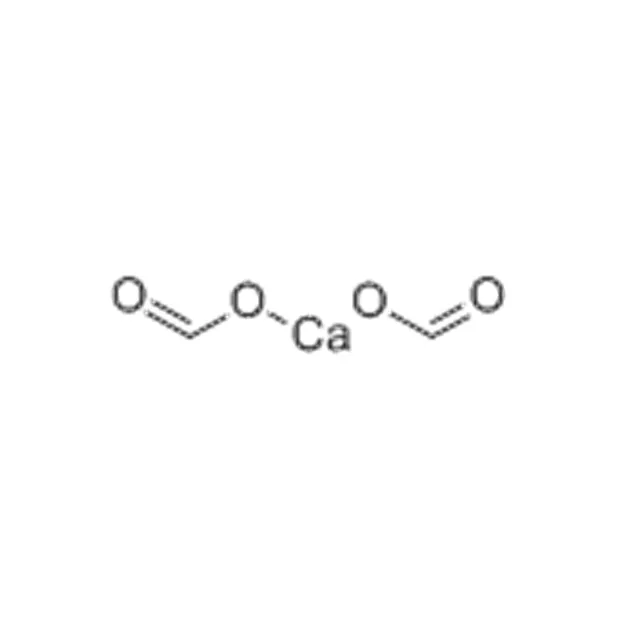
Calcium Formate
Calcium formate, Ca(HCOO)2, is the calcium salt of formic acid, HCOOH. It is also known as food additive E238 in food industry. It is used for preservatives, leather tanning, feed additives.

Calcium Hypochlorite
Calcium hypochlorite, commonly known as bleaching essence, is often used in the bleaching process of chemical production. It plays an important role in the industrial production because of its rapid effect and outstanding bleaching effect. However, because it is a strong oxidant, it does great harm to people, so it can not be used for other purposes outside industry. When using it, we should also pay attention to self-protection to avoid being corroded. In addition, it has carcinogenicity, which should be paid attention to during preservation.
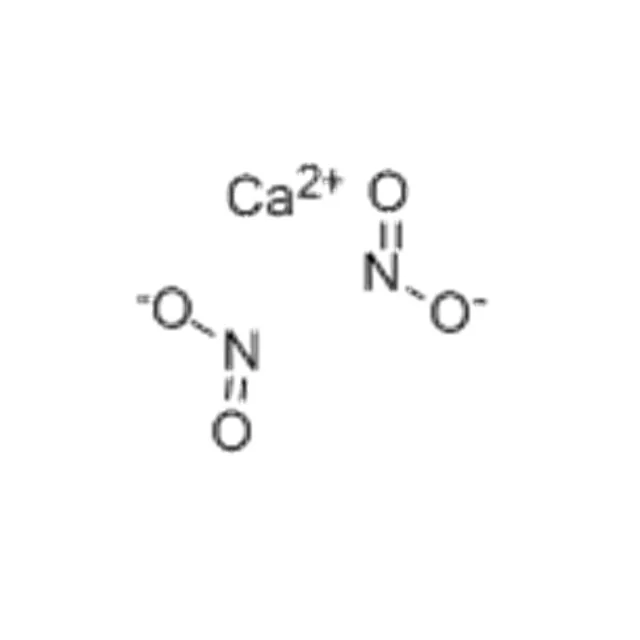
Calcium Nitrite
Calcium Nitrite is the main material of concrete additive, it can be used in the making of antifreeze, rust inhibitor of steel bar, early strength agent, it also can be used in the washing of heavy oil, emulsification of lube and chemicals.
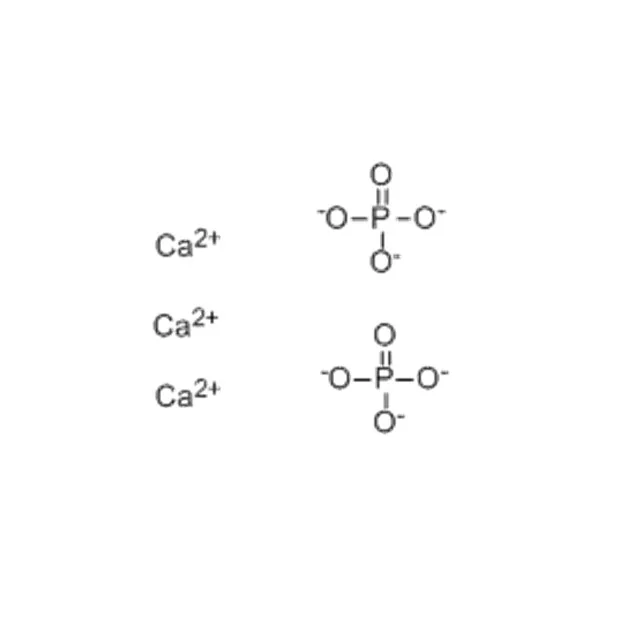
Calcium Phosphate
Calcium phosphate is a raising agent (food additive) E341. As a mineral salt found in rocks and bones, it is used in cheese products.
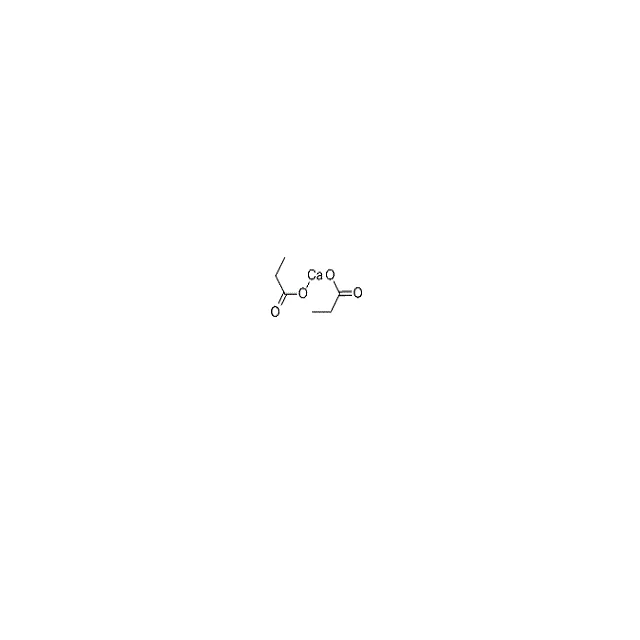
Calcium Propionate
Calcium propionate is a newer food antifungal agent. It is the calcium salt of acidic antifungal agent propionic acid. It is white crystal or powder in appearance, odorless or slightly odor of isopropionic acid, stable to light and heat, and hygroscopic. Easily soluble in water, the aqueous solution is weakly alkaline, slightly soluble in methanol and ethanol, but insoluble in benzene and acetone. It is easy to deliquescence in humid air, lose crystal water when heated to 120°C, change phase at 200 ~ 210°C, and decompose into calcium carbonate at 330 ~ 340°C. Under acidic conditions, it produces free propionic acid, which is weaker than sorbic acid and stronger than acetic acid. It has an antibacterial effect. It has an inhibitory effect on Aspergillus niger and aerophilic bacillus, but has no effect on yeast. Calcium propionate is a normal intermediate product of animal body metabolism, and it is safer after being eaten by animals. It has a wide range of antibacterial effects on molds, enzyme mother bacteria and bacteria, inhibits the reproduction of microorganisms, can prevent feed molds, and can be used as an antifungal agent for food and feed and a preservative for bread and cakes. As a feed additive, it can effectively inhibit feed mold and extend the storage period of feed. If it is combined with other inorganic salts, it can also increase the appetite of livestock and increase the milk production of dairy cows. The addition amount is less than 0.3% of the compound feed (calculated as propionic acid) . Our country stipulates that when it is used as a food additive, it is implemented in accordance with GB2760-86, and its use scope is only bread, vinegar, soy sauce, soy products, and the maximum use amount is 2.5g/kg.
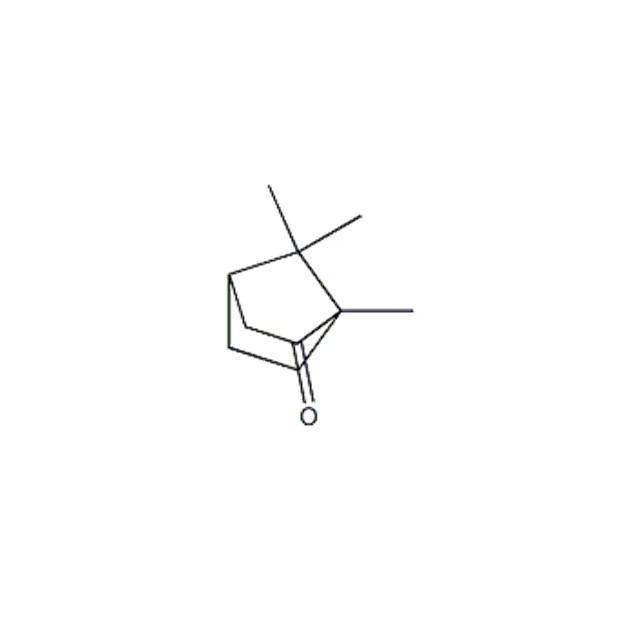
Camphor
Camphor is used for plasticizer, stablizer, cardiotoic and cooling agent, anthelmintic and preservative.