

Browse 961 Chemical Products and Raw Materials
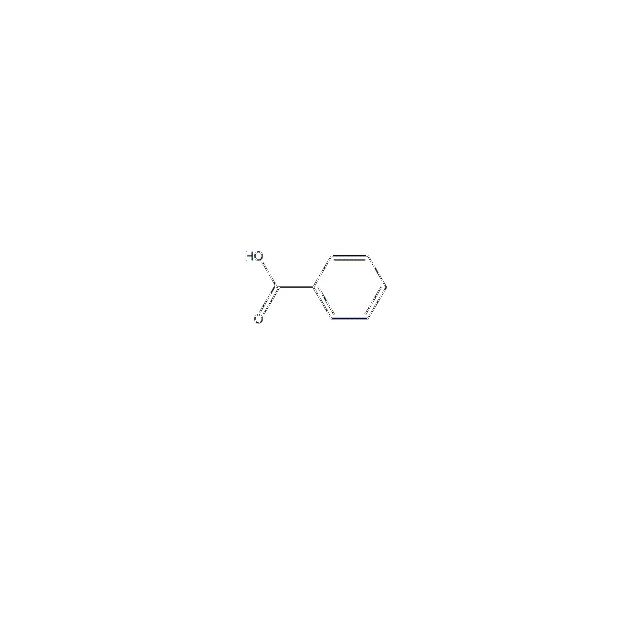
Benzoic Acid
Benzoic acid, also known as benzoic acid, has a molecular formula of c6h5cooh. The simplest aromatic acid with the carboxyl group directly linked to the carbon atom of the benzene ring is a compound formed by the substitution of hydrogen on the benzene ring by the carboxyl group (- COOH). It is colorless and tasteless lamellar crystal. Melting point 122.13 °C, boiling point 249 °C, relative density 1.2659 (15 / 4 °C). When it sublimates rapidly at 100 °C, its steam has a strong irritant, which is easy to cause cough after inhalation. Slightly soluble in water, easily soluble in ethanol, ether, chloroform, benzene, toluene, carbon disulfide, carbon tetrachloride, turpentine and other organic solvents. In the form of free acid, ester or its derivatives, it exists widely in nature, for example, in the form of free acid and benzyl ester in benzoin gum; it exists in some plant leaves and stems and leaves in a free form; exists in methyl oil or benzyl ester in essential oils; in horse urine, it exists in the form of its derivative, uric acid. Benzoic acid is a weak acid, stronger than fatty acid. Their chemical properties are similar, and they can form salts, esters, acyl halides, amides, anhydrides, etc., which are not easy to be oxidized. The electrophilic substitution reaction can take place on the benzene ring of benzoic acid, which is mainly produced by the intermediate substitution. Benzoic acid is often used as medicine or preservative, which can inhibit the growth of fungi, bacteria and molds. It is usually applied on the skin for the treatment of ringworm skin diseases. Used in synthetic fiber, resin, coating, rubber, tobacco industry. At first, benzoic acid was prepared by carbonization of benzoin gum or hydrolysis of alkaline water, or hydrolysis of hippuric acid. In industry, benzoic acid is produced by oxidation of toluene with air in the presence of cobalt, manganese and other catalysts, or by hydrolysis and decarboxylation of phthalic anhydride. Benzoic acid and its sodium salt can be used as bacteriostatic agent of latex, toothpaste, jam or other food, and as mordant of dyeing and printing
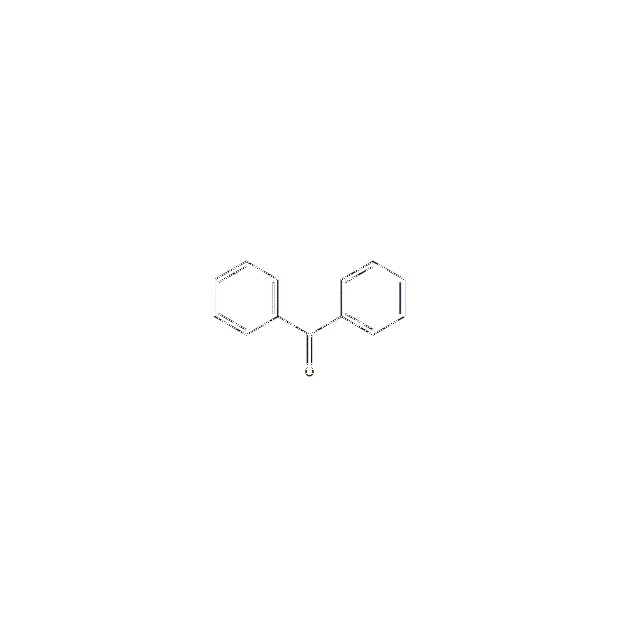
Benzophenone
Benzophenone is a colorless prismatic crystal with sweet and rose flavor, melting point 47-49 °C, relative density 1.1146, refractive index 1.6077. Soluble in ethanol, ether, chloroform and other organic solvents and monomers, insoluble in water. It is a free radical photoinitiator, mainly used in UV curing system of free radicals, such as coatings, inks, adhesives, etc. it is also an intermediate of organic pigments, medicines, spices, pesticides. In the pharmaceutical industry, it is mainly used to produce dicyclohexylpiperidine, benzotropine hydrobromate, diphenhydramine hydrochloride, etc. This product is also a styrene polymerization inhibitor and spice setting agent. It can give spices sweet flavor and is widely used in perfumes and soap flavors. In the process of storage and transportation, the product shall be kept away from moisture, sun and heat source, and its temperature shall not exceed 45 °C.
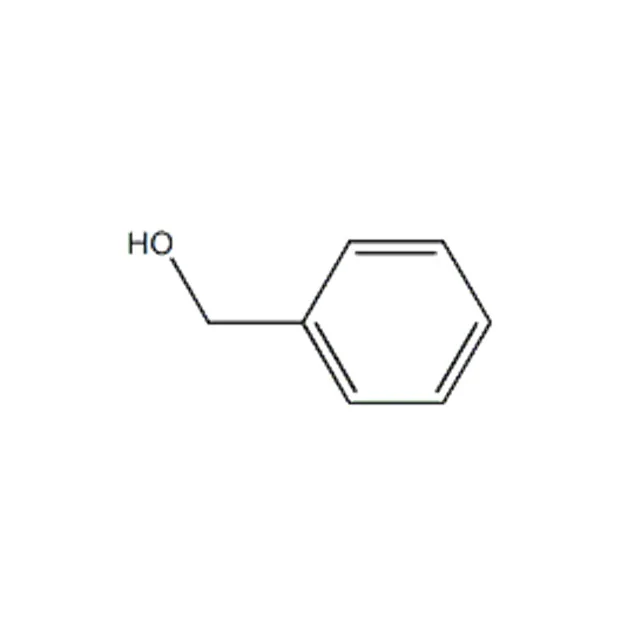
Benzyl Alcohol
Benzyl alcohol is used as a general solvent for inks, paints, lacquers, and epoxy resin coatings. It is also a precursor to a variety of esters, used in the soap, perfume, and flavor industries. It is also used as a photographic developer.
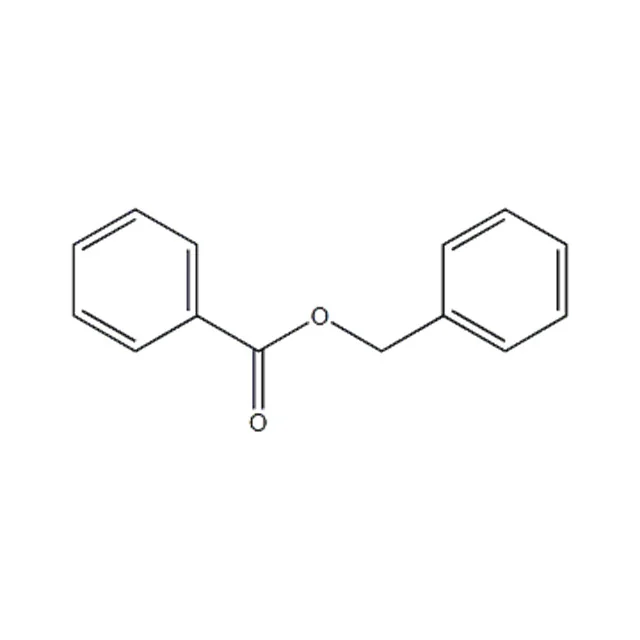
Benzyl Benzoate
Benzyl benzoate is the organic compound with the formula C6H5CH2O2CC6H5. It is the ester of benzyl alcohol and benzoic acid. It forms either a viscous liquid or solid flakes and has a weak, sweet-balsamic odor. Benzyl benzoate is used as an acaricide, scabicide, and pediculicide in veterinary hospitals. It is also a repellent for chiggers, ticks, and mosquitoes.It is an effective and inexpensive topical treatment for human scabies. It hasvasodilating and spasmolytic effects and is present in many asthma and whooping cough medicine. Other uses of benzyl benzoate are dye carrier, solvent for cellulose derivatives, plasticizer, and fixative in the perfume industry.
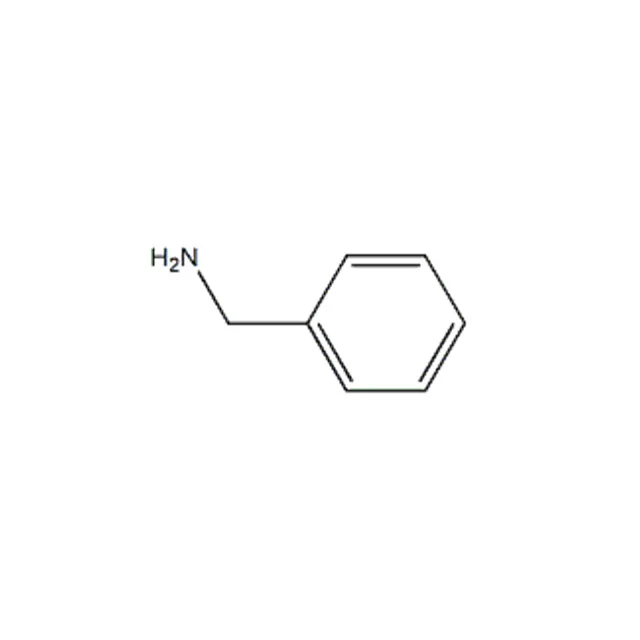
Benzylamine
Benzylamine is the chemical compound with the formula C6H5CH2NH2. It consists of a benzyl group, C6H5CH2, attached to an amine functional group. This colorless liquid is a common precursor in organic synthesis. It is used as a masked source of ammonia, since after N-alkylation, the benzyl group can be removed by hydrogenolysis.
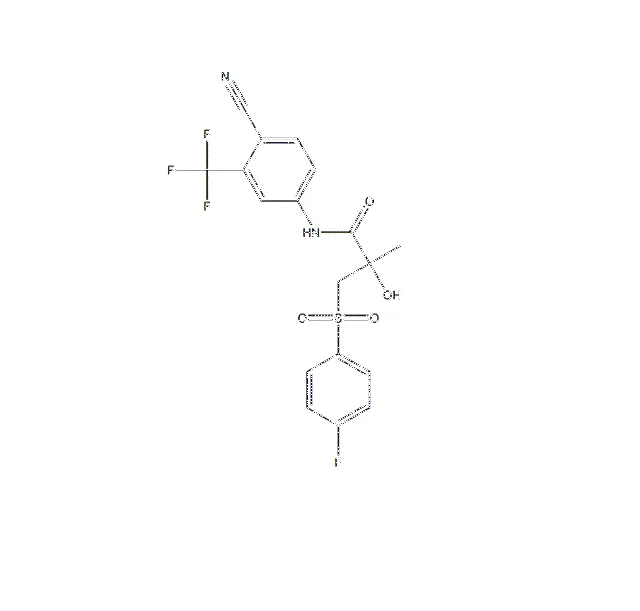
Bicalutamide
It is soluble in dimethylformamide, tetrahydrofuran, ethyl acetate and methanol, and insoluble in water. Bicalutamide is a non steroidal androgen antagonist, competing with androgen for androgen receptor, blocking the uptake of androgen by cells, inhibiting the combination of androgen and target organs. After binding with androgen receptor, bicalutamide can form receptor complex, enter the nucleus and bind with nucleoprotein, thus inhibiting the growth of tumor cells. Bicalutamide can be used as palliative treatment for advanced prostate cancer First line medication.
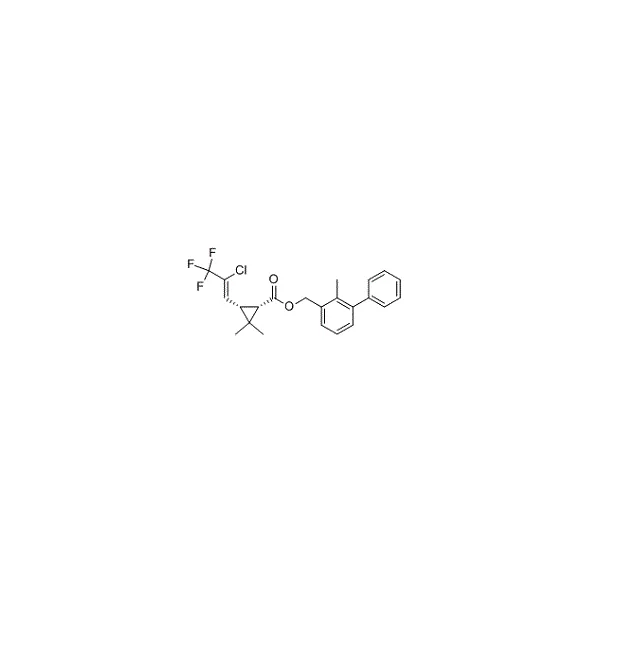
Bifenthrin
Bifenthrin is one of the new agricultural insecticides developed rapidly in the 1970s and 1980s, which is widely used in the world. Bifenthrin has moderate toxicity to human and livestock. It has high affinity and insecticidal activity in the soil. It has stomach toxicity and contact killing effect on insects. It is used in a variety of crops to control aphids, mites, cotton bollworm, pink bollworm, peach borer, leafhopper and other pests.
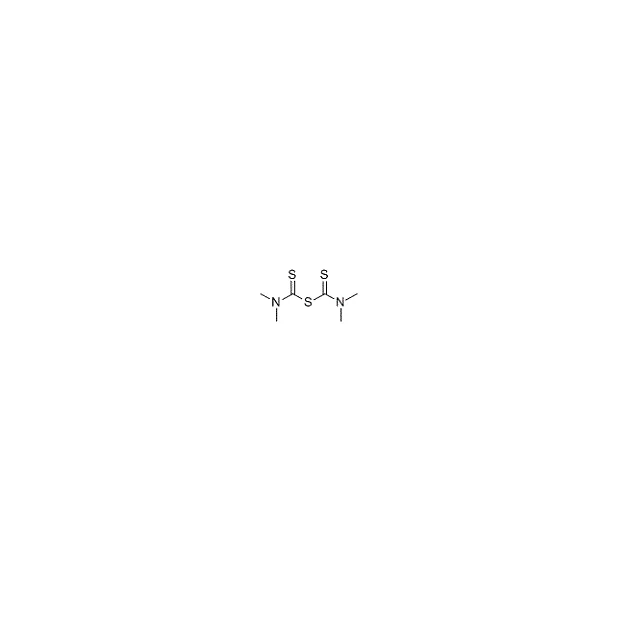
Bis(dimethylthiocarbamyl) Sulfide
This product is a non discolored, non polluting super accelerator, mainly used in natural rubber and synthetic rubber. The activity is about 10% lower than that of willingtmtd, and the tensile strength of vulcanizate is also slightly lower. The effect of 121 ο C is higher than that of thiuram disulfide and dithiocarbamate accelerators. When using this product, the sulfur consumption range is large. This product can be used alone or in combination with thiazole, aldehyde amine, guanidine and other accelerators. It is the active agent of thiazole accelerators. It has the effect of delayed vulcanization in the general type (gn-a type) butadiene rubber. When it is used with dithiocarbamate in latex, the tendency of early vulcanization can be reduced. This product can't decompose active sulfur and can't be used for sulfur free coordination.
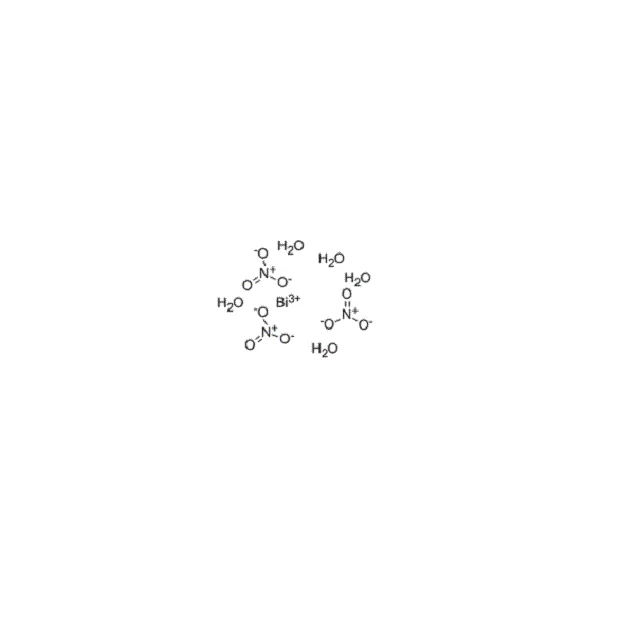
Bismuth Nitrate Pentahydrate
Triclinic crystallization. Soluble in nitric acid. Soluble in glycerin, acetone and dilute acid. Insoluble in ethanol and ethyl acetate. Used in the manufacture of other bismuth salts. Precipitation of alkaloids. Make all kinds of catalyst materials. Shiny paint. Enamel.
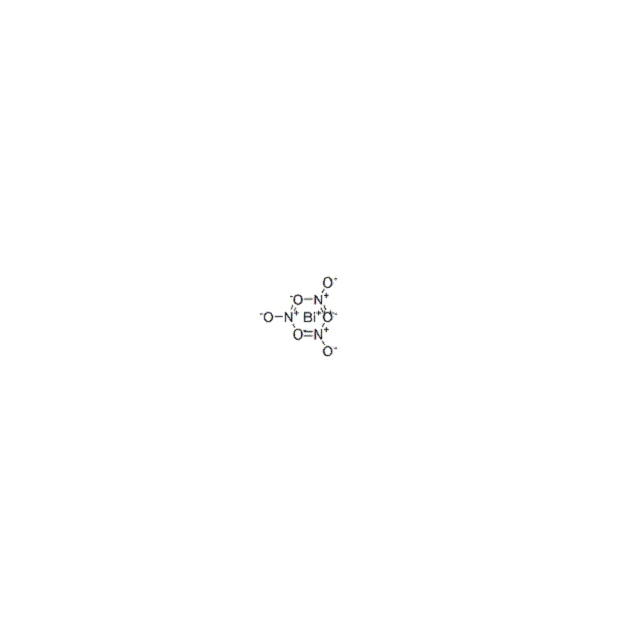
Bismuth Subnitrate
White heavy powder, pearlescent luster, slightly deliquescence. Soluble in hydrochloric acid, nitric acid and dilute sulfuric acid, insoluble in water and alcohol. It is commonly used in pharmaceutical industry to neutralize gastric acid and astringent drugs, and to treat gastric and duodenal ulcer and diarrhea.
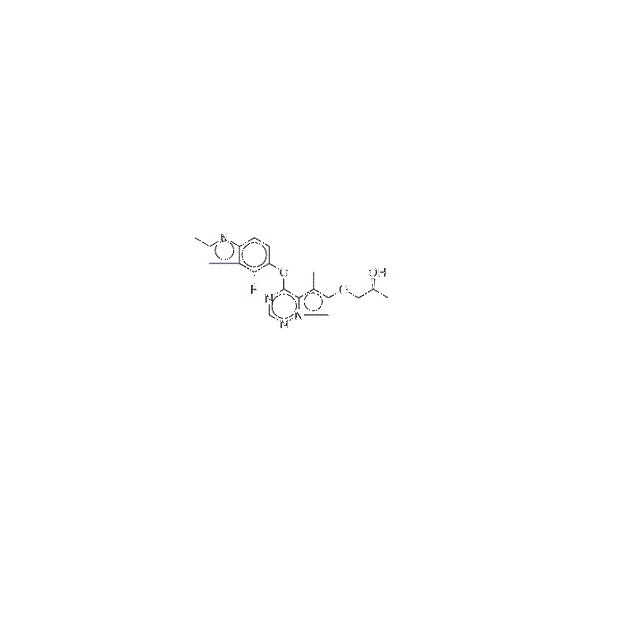
Bms 582664
It is an investigational, anti-tumorigenic drug for oral administration. The drug is being developed by Bristol-Myers Squibb for the treatment of hepatocellular carcinoma or HCC (also called malignant hepatoma), the most common type of liver cancer. Hepatocellular carcinoma is a primary cancer of the liver and is more common in men than in women. The disease occurs mostly in people who have scarring of the liver (cirrhosis) or after infection with hepatitis B or hepatitis C. Symptoms include pain and swelling in the abdomen, weight loss, weakness, loss of appetite and nausea. Hepatocellular carcinoma is a severe and life-threatening disease that is associated with poor overall survival. [2] While the choice of treatment depends mainly on how advanced the disease is, the only proven therapies to cure the cancer is surgery to remove the tumor and liver transplantation, but these therapies can only be carried out in very few patients. Other treatments include chemotherapy andimmunotherapy. Radiofrequency ablation and ethanol injection are also used to remove small tumors.
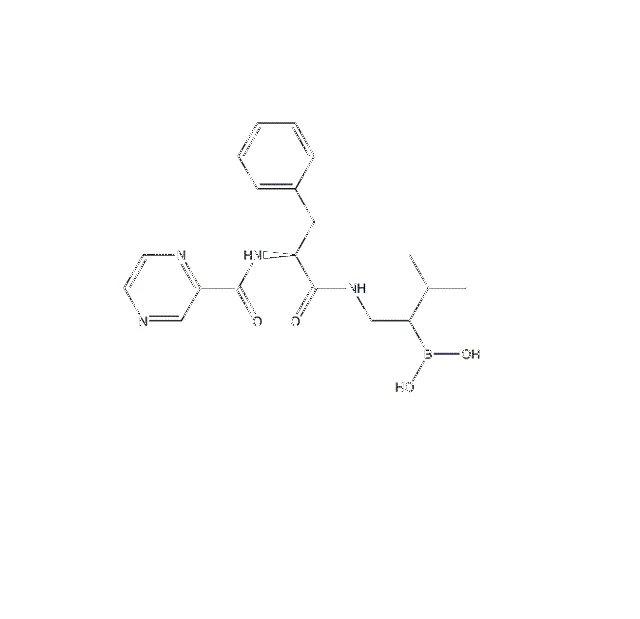
Bortezomib
Bortezomib, also known as bortezomib, is a kind of hematopoiesis system cancer treatment drug. It is white or almost white crystal powder, soluble in dimethyl sulfoxide, ethanol and water solution. It is a reversible inhibitor of 26S proteasome chymotrypsin like activity in mammalian cells. 26S proteasome is a large protein complex, which can degrade ubiquitin. The ubiquitin channel plays an important role in regulating the concentration of specific proteins in the cell to maintain the stability of the cell environment. Proteolysis will affect the multi-level signal tandem in cells, which will damage the normal cell environment and lead to cell death. The inhibition of 26S proteasome can prevent the hydrolysis of specific protein. In vitro experiments showed that bortezomib was cytotoxic to many types of cancer cells. The results of preclinical tumor model in vivo showed that bortezomib can delay the growth of tumor including multiple myeloma, and it is suitable for the treatment of multiple myeloma.
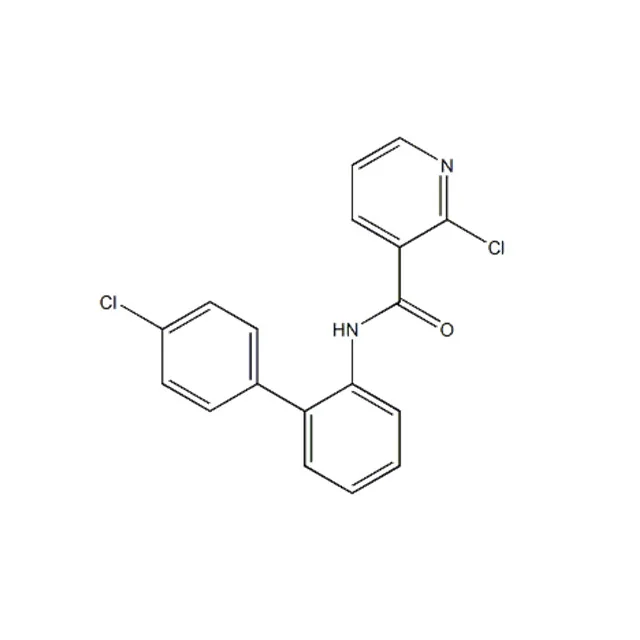
Boscalid
Boscalid is agricultural fungicide. Boscalid is Almost active against all types of fungal diseases. It is very effective against powdery mildew, gray mold, sclerotinia and various rot diseases, and is also effective against other resistant bacteria.Boscalid mainly is used for the prevention and treatment of diseases including rapeseed, grapes, fruit trees, vegetables and field crops.
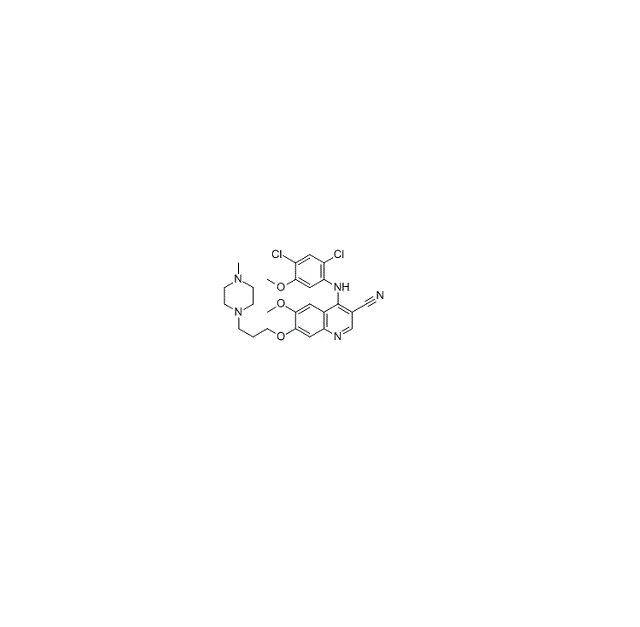
Bosutinib
Bosudinib is a powerful protein kinase inhibitor, which can not only inhibit the spontaneous phosphorylation of Src protein in a variety of human tumor cells, but also inhibit the phosphorylation process of SRC and Ab1 substrates. Non receptor tyrosine kinase SRC is a member of the Src kinase family SFKs. Its function mainly regulates different signal transduction pathways triggered by various surface receptors, such as tyrosine kinase receptor, G protein coupled receptor and antigen receptor. The expression or activity of this enzyme is closely related to the metastasis, development and spread of cancer cells.
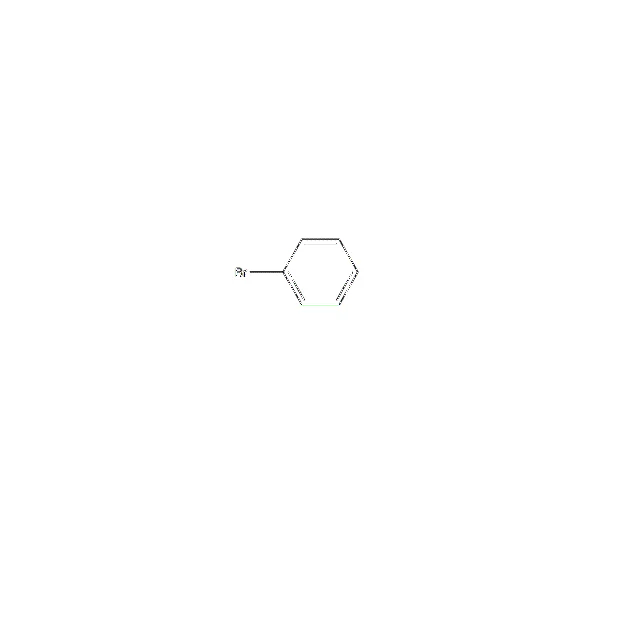
Bromobenzene
The product is colorless and mobile liquid at room temperature, with pleasant aromatic smell, and is miscible with benzene, chloroform and petroleum hydrocarbon. It is irritant to the skin and anesthetic to the nerves. Its toxicity is stronger than chlorobenzene. Inhalation of the vapor can cause anemia and damage to the liver. The electrophilic substitution of bromobenzene is more difficult than that of benzene. The second substituent enters the o or P position of bromine atom (similar to chlorobenzene). The interaction between bromobenzene and metallic magnesium can produce phenylmagnesium bromide, which is an important Grignard reagent in organic synthesis.
Bromocresol Green
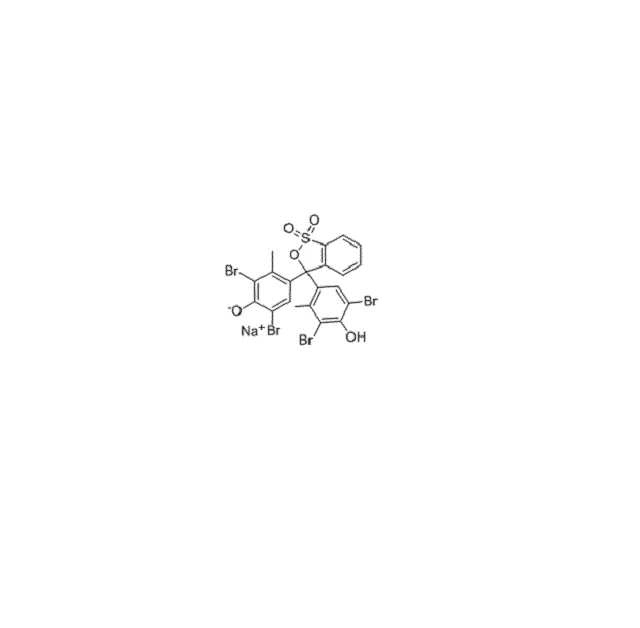
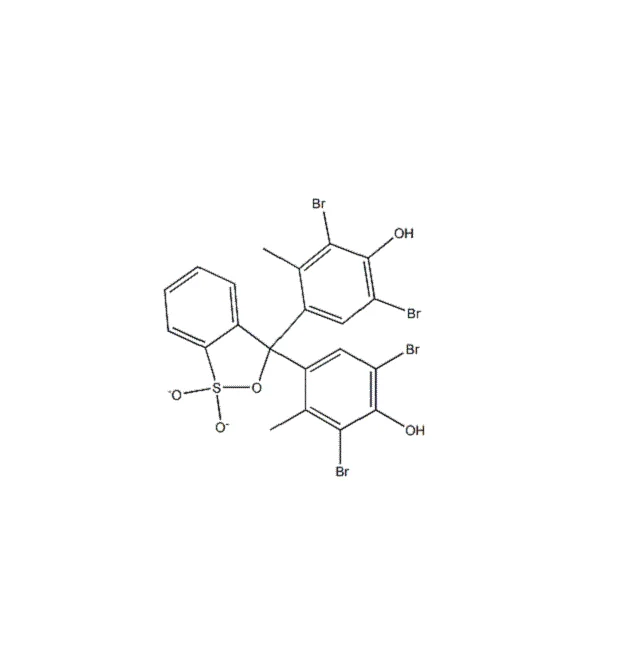
Bromocresol green is also known as 3,3 ′, 5,5 ′ - tetrabromo-m-cresyl sulfonyl phthalein and γ - Sultane. The precipitates from acetic acid are fine yellowish crystals. The relative molecular weight is 698.05. Melting point: 218-219 °C. Slightly soluble in water, soluble in ethanol, ether, ethyl acetate and benzene. It is very sensitive to alkali, and it appears special blue-green when meeting with alkaline aqueous solution. Bromocresol green can be used as indicator. It is yellow when pH = 3.8 and blue green when pH = 5.4.
Bromocresol Purple
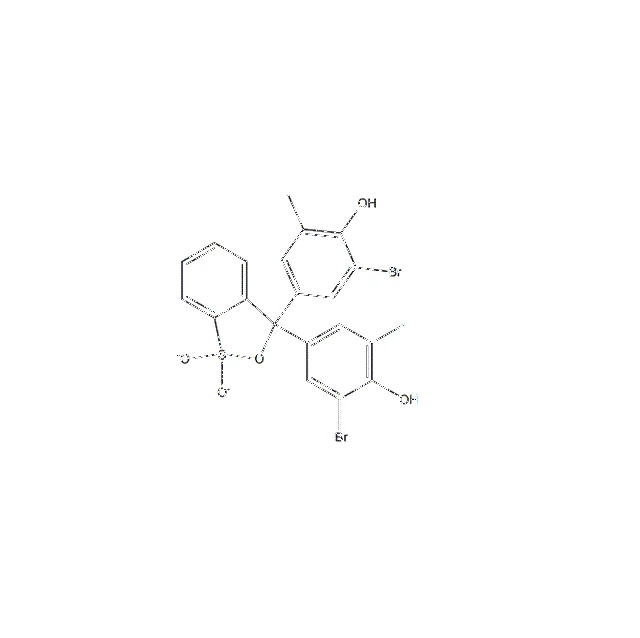
Light yellow rose crystal powder. Insoluble in water, soluble in ethanol, yellow, soluble in dilute sodium hydroxide and dilute sodium carbonate solution, purplish red, melting point 241-242 °C.
Bromophenol Blue
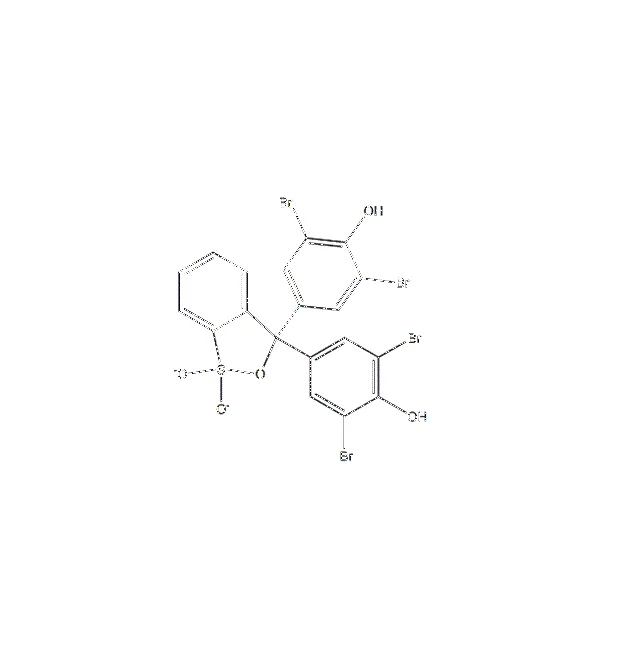
Bromophenol blue is a colorless or light rose red fine crystal. Soluble in ethanol, benzene, ether and other organic solvents, slightly soluble in water, the aqueous solution is yellow, blue purple in alkaline solution. It is mainly used as acid-base indicator. The range of pH change is 3.0-4.6, and the color changes from yellow to blue purple through green.
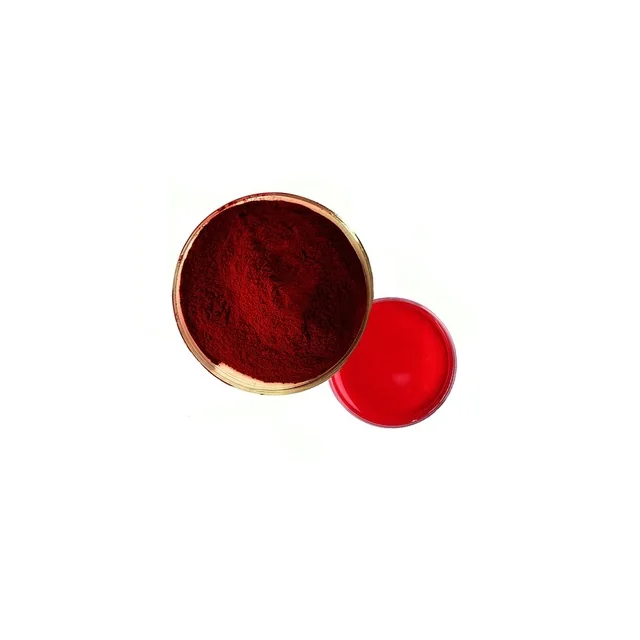
Bromophenol Blue
Bromophenol blue is colorless or light rose red fine crystals. Soluble in ethanol, benzene, ether and other organic solvents, slightly soluble in water, the aqueous solution is yellow, and blue-purple in alkaline solution. It is mainly used as an acid-base indicator, the pH discoloration range is 3.0 to 4.6, and the color changes from yellow to green to blue-violet. Dissolve phenol red in glacial acetic acid, add a solution of bromine dissolved in glacial acetic acid under stirring, pour into 60°C hot water after stirring for a few minutes, cool to room temperature, and place overnight. Filter, wash the filter cake with glacial acetic acid and benzene in turn, and air dry to obtain bromophenol blue.
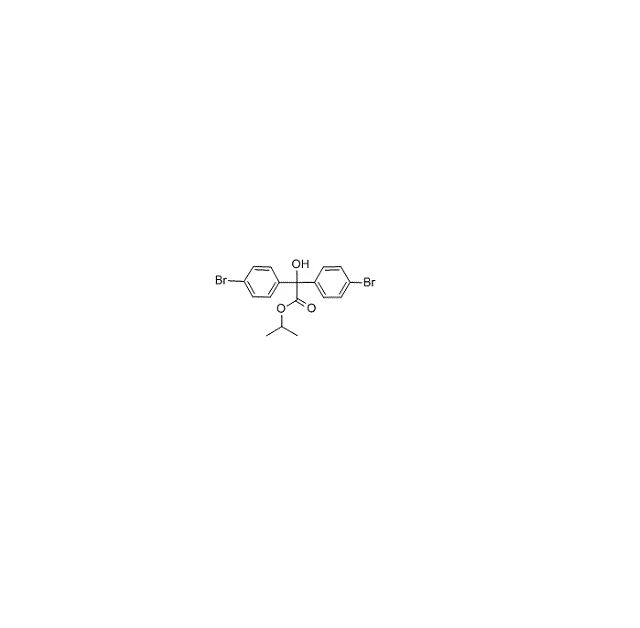
Bromopropylate
Broad spectrum acaricide has strong contact killing effect and no inhaling effect. It has high activity to RUOYE mite, adult mite and egg, but the effect of temperature change is not significant. It can be used in cotton, fruit trees, vegetables, tea trees to control Tetranychus, gall mite, linear mite and other harmful mites. For example, control of Tetranychus citrus spider mite, spray with 1250~2500 times liquid of 50% emulsifiable concentrate, spray of 2500 times of rust mite, spray of hawthorn spider mite and apple spider mite with 1000~1250 times liquid; spraying tea leaf mite and orange mite with 2000~4000 times liquid; prevent cotton spider mite from 20 to 30mL of 50% emulsifiable concentrate, spray 50 to 75kg of water; 50% MEC of 25 TEG to 40mL of various vegetable mites, spray water 50 to 75kg. The pesticide has a long residual period, is safe to crops, natural enemies and bees, and has cross resistance to dicofol.
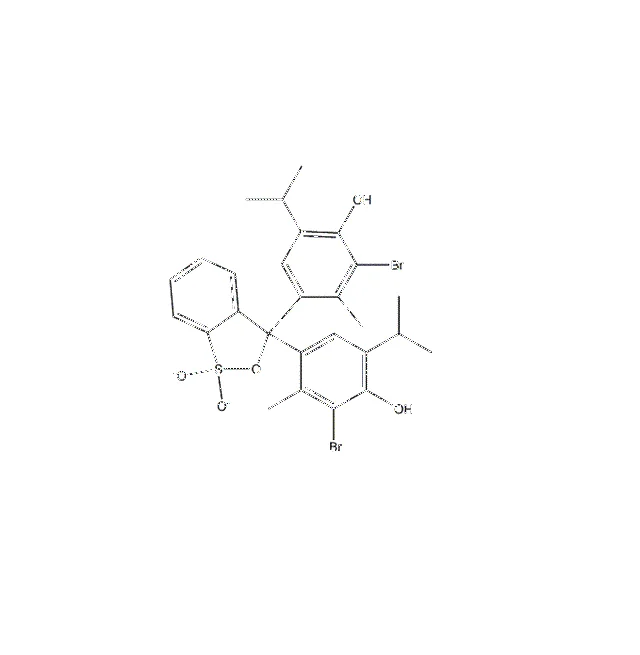
Bromothymol Blue
Bromothymol blue, also known as bromothymol blue. BTB for short. Bromothymol blue is a kind of acid-base indicator and adsorption indicator. It is often used as a respiratory reagent for aquatic organisms in biological experiments.
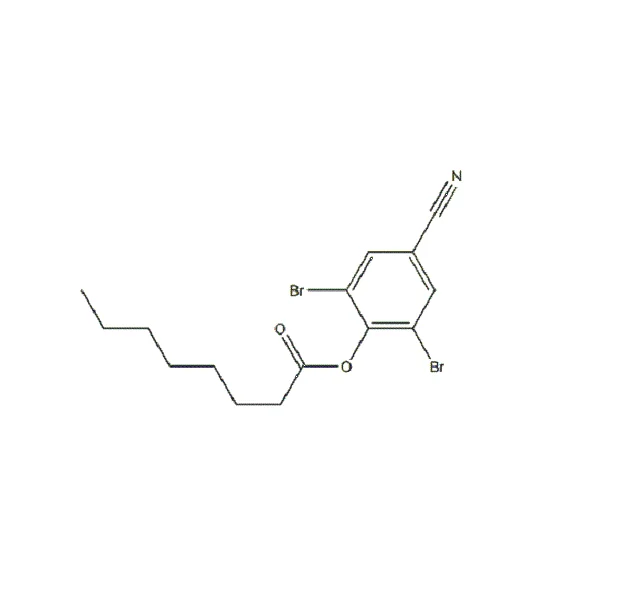
Bromoxynil Octanoate
Contact MOSINTER for product specifications and supply information.
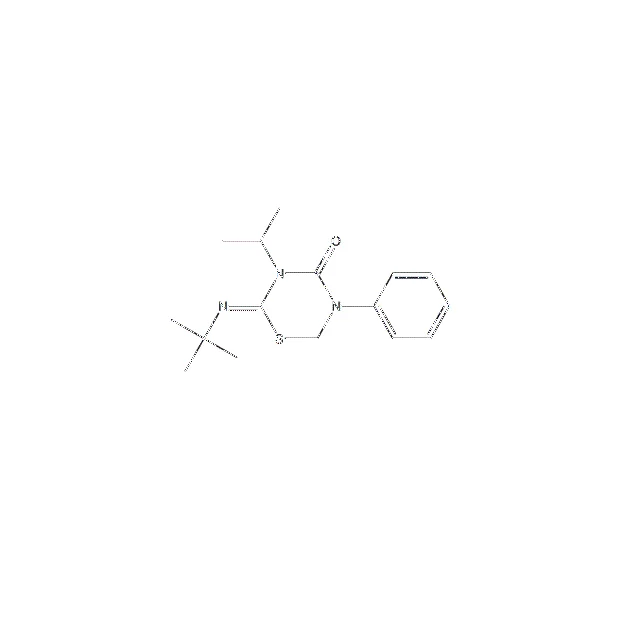
Buprofezin
Thiazidone is a new type of selective insecticide which can inhibit the growth and development of insects. It has strong contact effect and stomach toxicity. The mechanism of action is to inhibit the synthesis of chitin and interfere with metabolism of insects, resulting in the deformity of nymphs after peeling or the deformity of adult wings and slow death. Generally, the effect is not obvious until 3-7 days after the application of the insecticide, but it can shorten the life span, reduce the amount of spawning, and produce mostly sterile eggs, and the larvae will die soon even if they hatch. Thiazinone is highly selective and has good control effect on homopterous planthoppers, leafhoppers, whiteflies and scale insects. It also has long-lasting larvicidal activity against some Coleoptera and mites. It can effectively control planthoppers and leafhoppers on rice, leafhoppers on tea, leafhoppers on potatoes, whiteflies on oranges and vegetables, scale insects on oranges, scale insects on fruit trees and tea trees, etc. The effective period is more than 30 days. It is safe to the natural enemies of pests and has good comprehensive effect. There is no problem of cross resistance with other insecticides.