


Browse 961 Chemical Products and Raw Materials
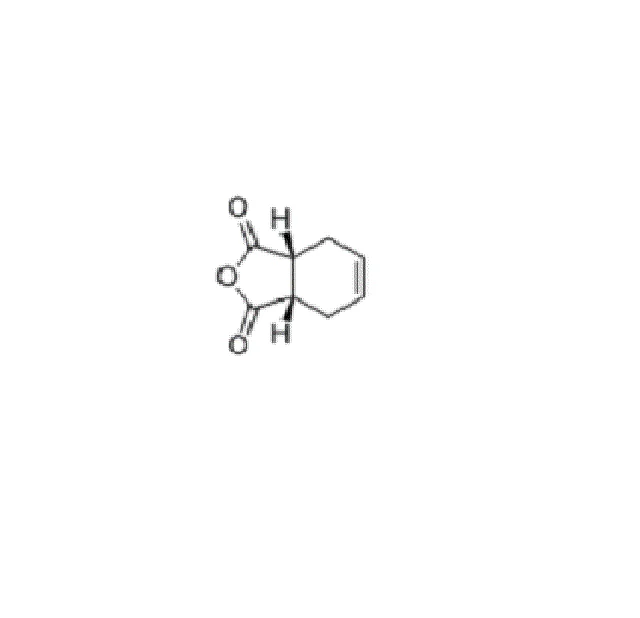
Cis-1,2,3,6-Tetrahydrophthalic Anhydride
As the intermediate of organic synthesis raw materials, tetrahydrophthalic anhydride is generally used to produce alkyd resin, unsaturated polyester resin, coating, curing agent of epoxy resin, insecticide, curing regulator, plasticizer and surfactant. Tetrahydrophthalic anhydride, as the raw material for the production of unsaturated polyester resin, mainly improves the air dryness of the resin, especially in the production of high-grade resin atomic ash and air dry coating.
Cisplatin
Cisplatin is one of the most commonly used drugs in the current combination chemotherapy. Its full chemical name is cis dichlorodiamine platinum, which is an inorganic metal complex. After dissociation of chlorine, it is cross linked with DNA of cancer cells, thus damaging DNA function. It may form cross-linking within or between the chains with DNA, or with DNA and protein, and inhibit cell mitosis. It is a non-specific drug of cell cycle. Besides anti-cancer, it can also inhibit lymphocyte transformation and has immunosuppressive effect. It can be used as a metal complex of anti-cancer drugs.
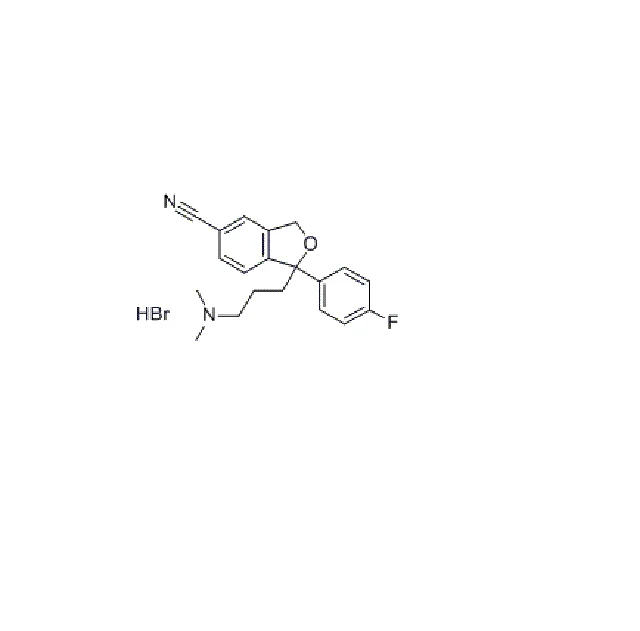
Citalopram Hydrobromide
Citalopram hydrobromide (citalopram HBr) is an orally administered selective serotonin reuptake inhibitor (SSRI) with a chemical structure unrelated to that of other SSRIs or of tricyclic, tetracyclic, or other available antidepressant agents. Citalopram HBr occurs as a fine, white to off-white powder. Citalopram HBr is sparingly soluble in water and soluble in ethanol. The tablet is available as the brand-name drug Celexa. In Australia, the UK, Germany, Portugal, Poland, and most European countries, it is licensed for depressive episodes and panic disorder with or without agoraphobia. In Spain, it is also used for obsessive-compulsive disorder.
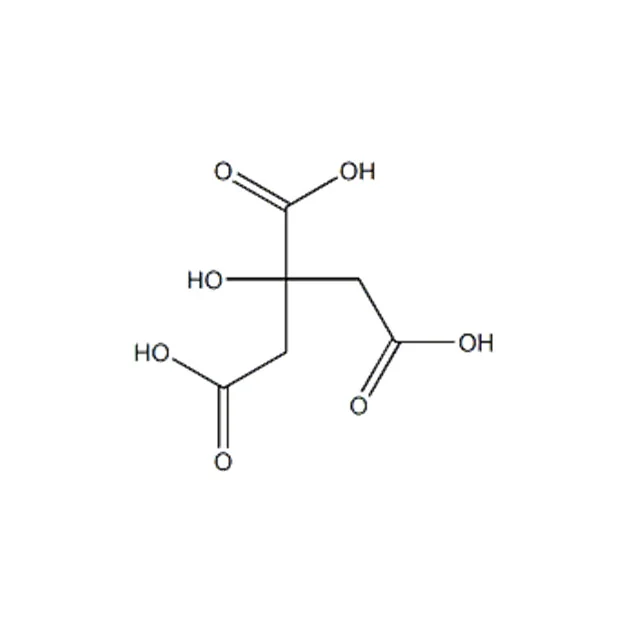
Citric Acid Anhydrous
Citric Acid is a weak organic acid with the formula C6H8O7. It is a natural preservative/conservative and is also used to add an acidic or sour taste to foods and drinks. It is used mainly as an acidifier, as a flavoring, and as a chelating agent.
Citric Acid Monohydrate
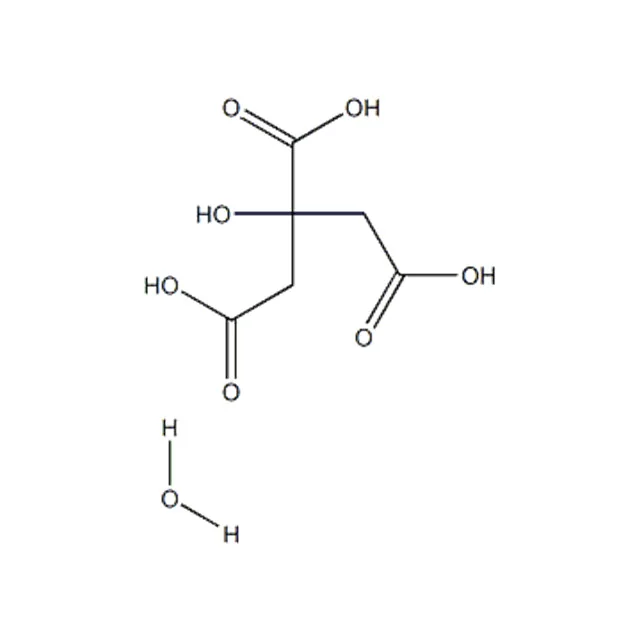
Citric acid mainly used as acidulant, flavoring agent, preservative and antistaling agent in food and beverage industry.
Citrus Oil
Lemon, also known as Caragana fruit, lemon and Leonurus fruit, is the fruit of small evergreen tree fruit trees of Rutaceae, Rosaceae, and the third largest citrus fruit variety after orange and orange. It is mainly produced in Mexico, Argentina, Brazil and southwest China. Among them, the output of fresh lemon fruit in Anyue County, Sichuan Province accounts for more than 80% of the total output of the country, which is the largest concentration area of fresh lemon fruit in China at present, known as the country of lemon in China. Lemon essential oil is one of the main active ingredients of lemon. It has the functions of relieving asthma, eliminating phlegm, relieving cough, relieving pain, anti-bacterial and anti-inflammatory, promoting gastrointestinal peristalsis and secretion of digestive fluid. It is a flavoring agent for drinks, beer and pastry. At the same time, it is widely used in toilet water, perfume, toothpaste, soap and other daily necessities. Therefore, lemon essential oil is widely used in food, medicine, daily chemical products and chemical industry.
Clarithromycin
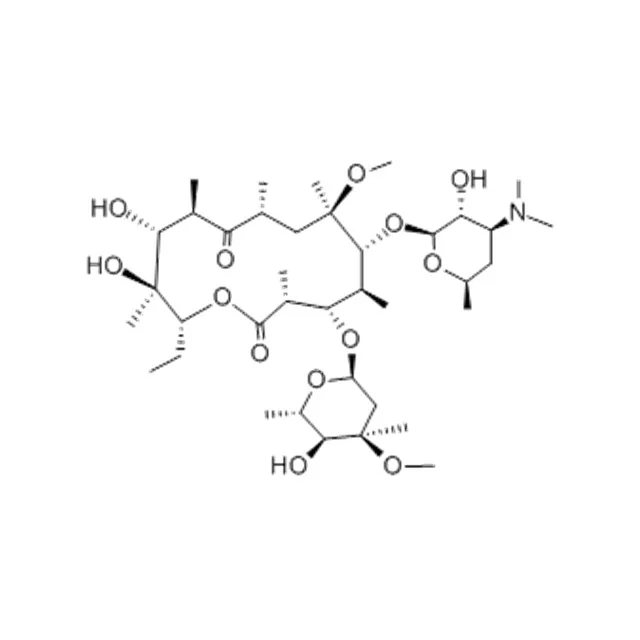
Clarithromycin, sold under the brand name Biaxin, is an antibiotic used to treat various bacterial infections.This includes strep throat, pneumonia, skin infections, H. pylori infection, and Lyme disease, among others. Clarithromycin can be taken by mouth as a pill or liquid. Common side effects include nausea, vomiting, headaches, and diarrhea. Severe allergic reactions are rare.Liver problems have been reported. It may cause harm if taken during pregnancy. It is in the macrolide class and works by decreasing protein production of some bacteria.
Clethodim
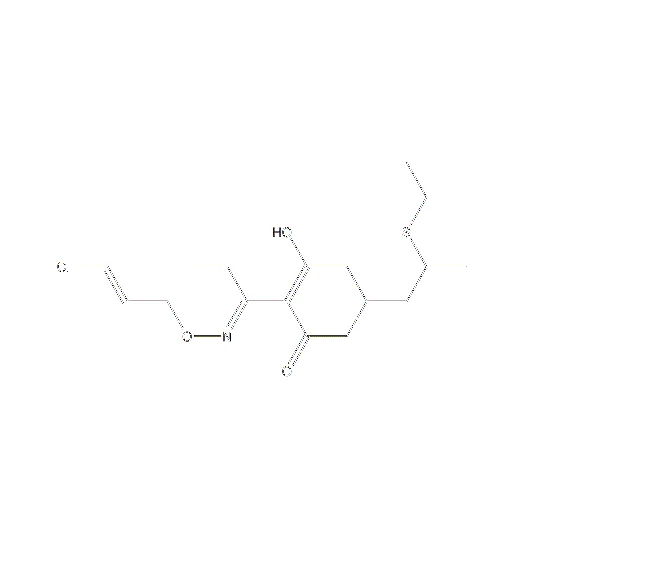
Clethodim is a post-emergence herbicide with the high selectivity and the internal absorption function of the stem, also is a leaf treatment agent. For a variety of annual weed control and multiple gramineous. The annual gramineous weeds should be 3 ~ 5 leaf stage of spraying, perennial grasses should after leaf spraying. Such as soybean, peanut, rapeseed, cotton, linen, tobacco, a variety of leafy vegetables, grapes, oranges, apples and other plantations in gramineous weeds second leaf to tillering stage could be application. For control of barnyard grass, wild oats, Setaria viridis, Digitaria Sanguinalis, Eleusine indica, see annual gramineous weeds in Mai Niang, Echinochloa crusgalli, thousands of gold, an appropriate increase in the dosage can control Imperata cylindrica, Arab sorghum, Cynodon dactylon perennial weeds and some resistance strong annual gramineous miscellaneous grass. For soybean field weeds using 24% EC 408 ~ 600mL/hm2, the stem and leaf water spray. If the non drug spraying period, to increase the number of spraying or increase the dosage.
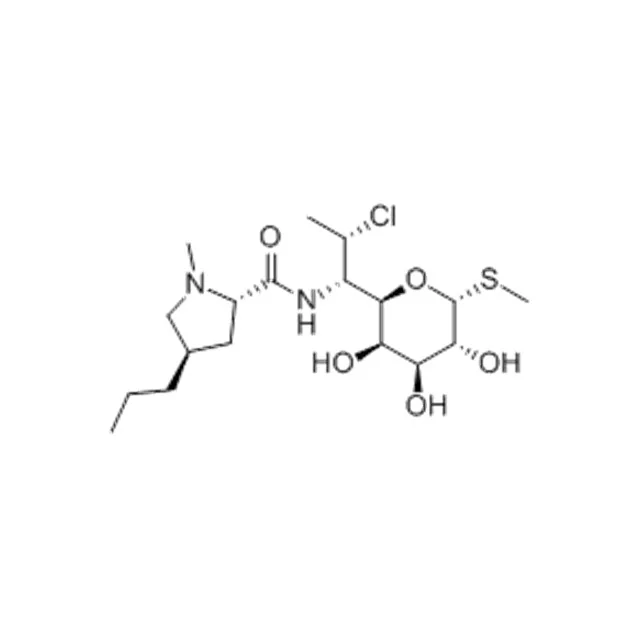
Clindamycin
Clindamycin is an antibiotic that fights bacteria in the body.Clindamycin is used to treat serious infections caused by bacteria.Clindamycin is a lincosamide antibiotic. It is usually used to treat infections with anaerobic bacteria, but can also be used to treat some protozoal diseases, such as malaria. It is a common topical treatment for acne and can be useful against some methicillin-resistant Staphylococcus aureus (MRSA) infections.The most severe common adverse effect of clindamycin is Clostridium difficile-associated diarrhea (the most frequent cause of pseudomembranous colitis). Although this side effect occurs with almost all antibiotics, including beta-lactam antibiotics, it is classically linked to clindamycin use.Clindamycin is marketed under various trade names, including Dalacin, Lincocin (Bangladesh), and Daclin. Combination products include Duac, BenzaClin, Clindoxyl and Acanya (in combination with benzoyl peroxide), and Ziana (with tretinoin). Clindamycin is also available as a generic drug.
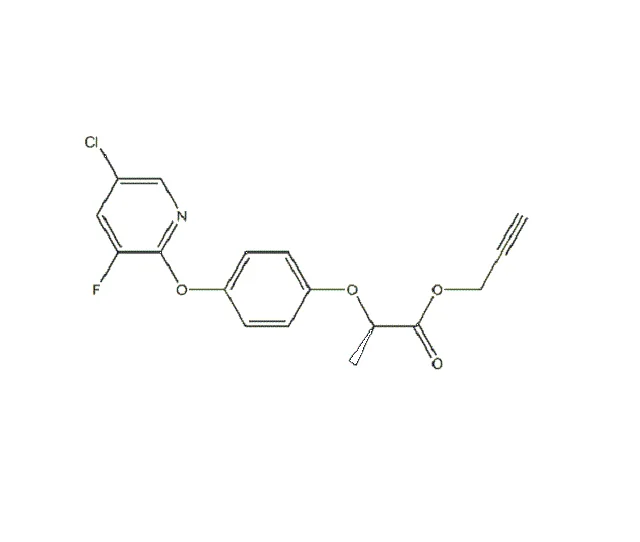
Clodinafop-propargyl
We can customize according to customer's requirement,
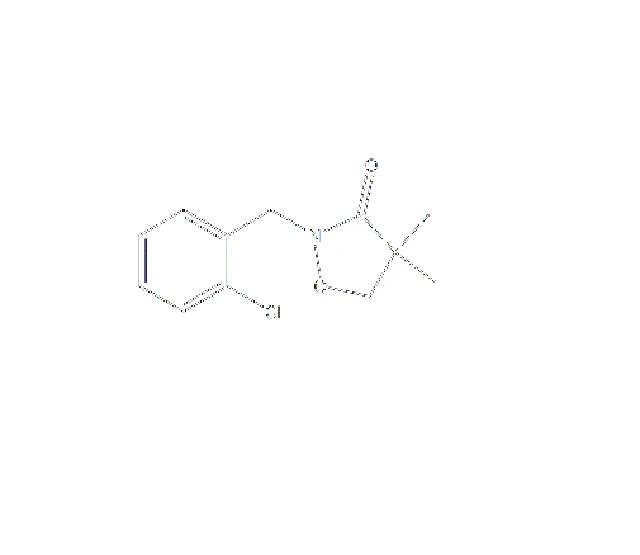
Clomazone
is a kind of pigment inhibit before bud herbicide.
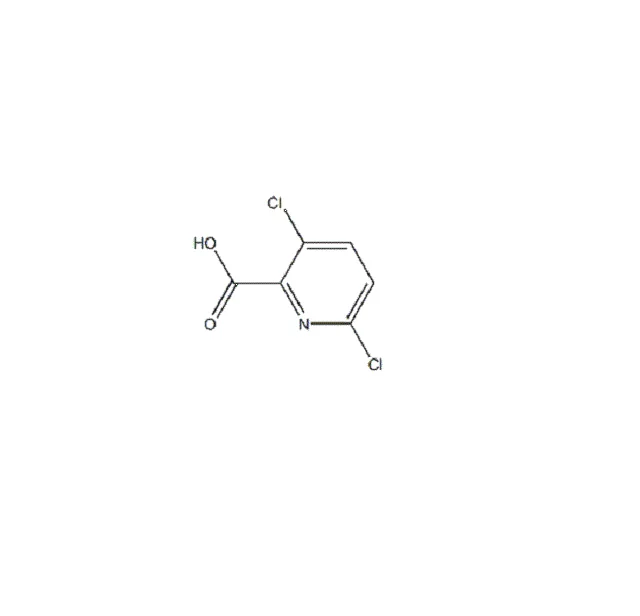
Clopyralid
is a kind of artificial plant growth hormone.Its chemical structure and a lot of natural plant growth hormones are similar, but in the plant tissues has better durability. It is mainly absorbed by plant roots and leaves and then conduction inside the plant, so its conduction performance is stronger. To weed after applying pesticide, it is absorbed by plant leaves or roots, and quickly move up and down the conduction in the plant to the whole plant. Low concentration of chlorine pyridine acid can stimulate plant DNA, RNA and protein synthesis leading to cell division and disorderly growth out of control, and finally lead to bundle are destroyed; A high concentration of dichloro pyridine acid can inhibit cell division and growth.
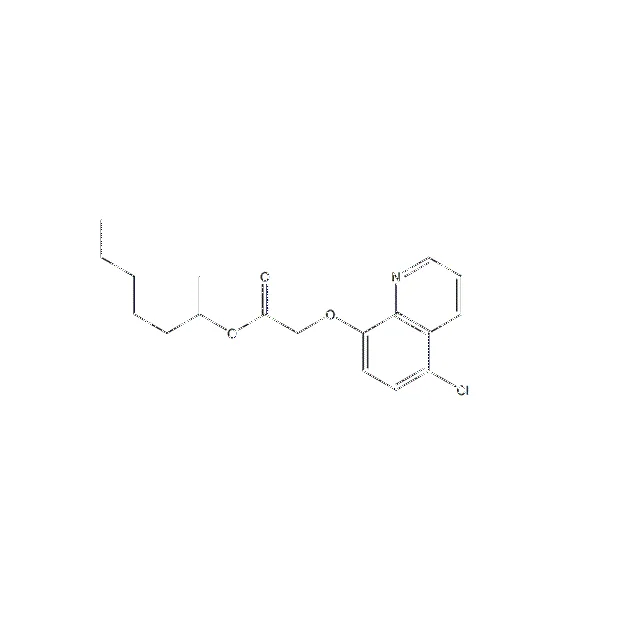
Cloquintocet-mexyl
Mode of action: improve the plant's acceptance of herbicide alkyne.
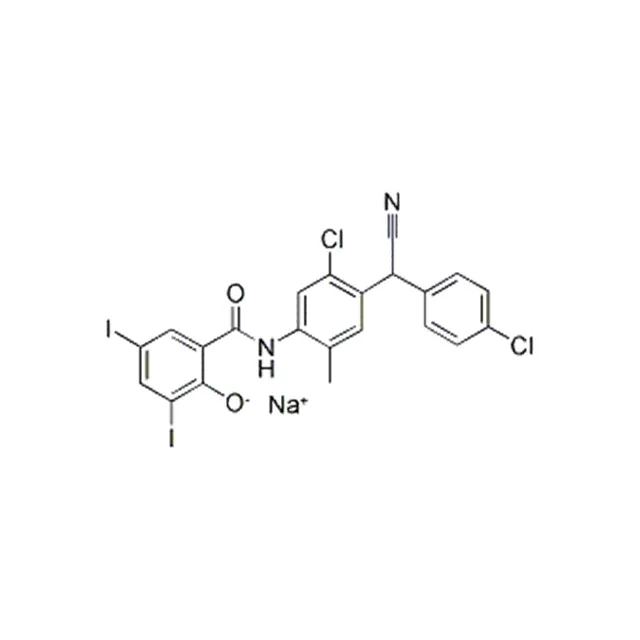
Closantel Sodium
Closantel sodium is a broad-spectrum insect repellent, which has good effect on the larva of various kinds ofnematode and arthropods. Its anti - absorption insect repellent activity is mainly aimed at the liver - schistosomiasis, and killing larvae of nematodes and arthropods are mainly targeted at various types of insects that use blood or plasma.Closantel sodium is a kind of strong oxidative phosphoric acid dissolving the coupling agent, which can inhibit phosphorylation process of mitochondria, so as to prevent insect body adenosine triphosphate (ATP) synthesis, leading to an insect physical metabolism vigor decrease rapidly and finally to death.
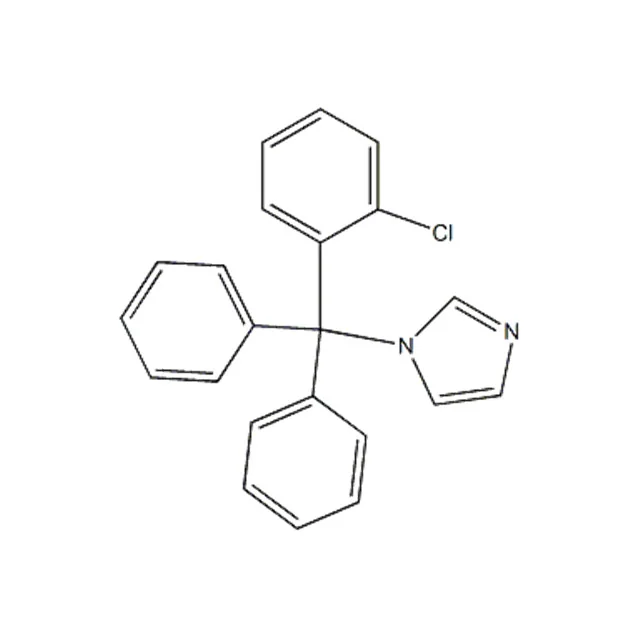
Clotrimazole
Clotrimazole is an antifungal agent. It is a potent antifungal agent with a broad antifungal spectrum,also use in the treatment of skin mycosis.
Cobalt
Steel gray metal powder, easily oxidized in the air at room temperature. It is widely used in aviation, aerospace, electrical appliances, machinery manufacturing, chemical and ceramic industries. Cobalt-based alloys or cobalt-containing alloy steels are used as blades, impellers, ducts, jet engines, rocket engines, missile components and various high-load heat-resistant components in chemical equipment and important metal materials in the atomic energy industry. As a binder in powder metallurgy, cobalt can ensure the toughness of cemented carbide. Magnetic alloy is an indispensable material in modern electronics and electromechanical industries, used to make various components of sound, light, electricity and magnetism. Cobalt is also an important component of permanent magnetic alloys. In the chemical industry, in addition to high-alloy and anti-corrosion alloys, cobalt is also used in colored glass, pigments, enamels, catalysts, and desiccants.
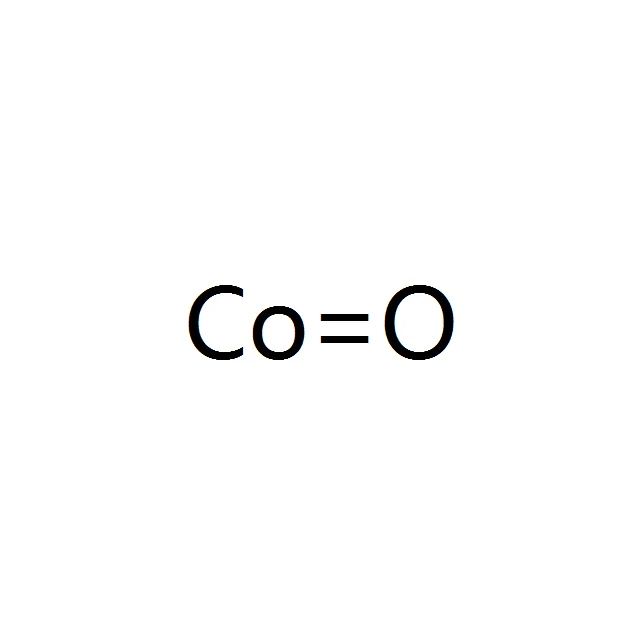
Cobalt Oxide
Cobalt oxide is also called cobalt oxide and cobalt monoxide, chemical formula CoO, light grayish green crystalline powder. The relative density is 6.45 and the melting point is 1935°C. Insoluble in water and alcohol, soluble in dilute acid to become a light red solution, and blue when soluble in hot concentrated sodium hydroxide. It is insoluble in ammonia, but when oxygen is present, it can react with ammonia to form a complex and dissolve. Roasting in the air produces black cobalt tetroxide. It can be reduced to metallic cobalt by carbon powder, hydrogen or carbon monoxide. Cobalt oxide can be obtained by oxidizing metal cobalt powder in oxygen or air, or heating and decomposing cobalt nitrate, cobalt carbonate or cobalt hydroxide in a vacuum or in an inert atmosphere.
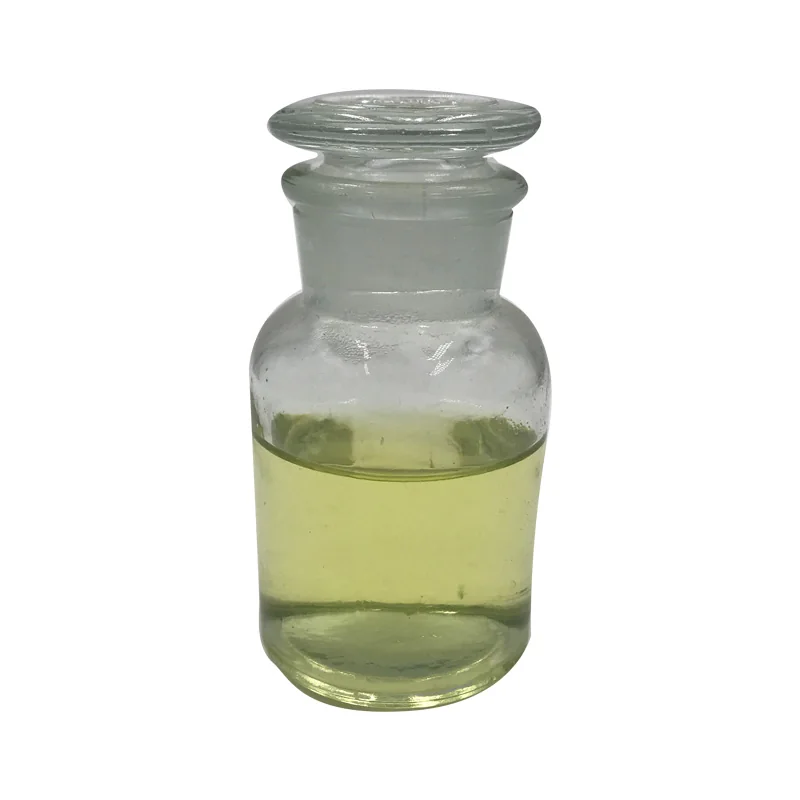
Coco Dimethyl Amine Oxide(CAPO)
It is an amine oxide amphoteric surfactant with good foaming and foam stabilization; it has excellent conditioning and antistatic properties; it is an ideal conditioning agent with good compatibility with anionic, cationic and nonionic surfactants. It can improve the comprehensive performance of the product; it is a high-efficiency thickener and is not affected by acid and hard water.
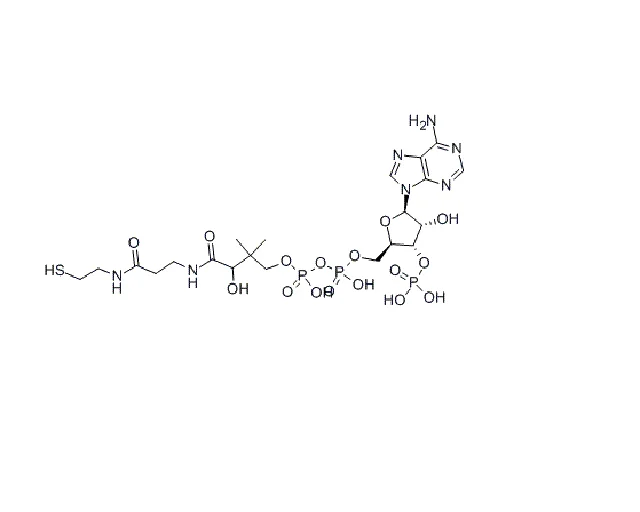
Coenzyme A
Coenzyme A (CoA, CoASH, or HSCoA) is a coenzyme, notable for its role in the synthesis and oxidation of fatty acids, and the oxidation ofpyruvate in the citric acid cycle. All genomes sequenced to date encode enzymes that use coenzyme A as a substrate, and around 4% of cellular enzymes use it (or a thioester, such as acetyl-CoA) as a substrate. In humans, CoA biosynthesis requires cysteamine, pantothenate, andadenosine triphosphate (ATP).
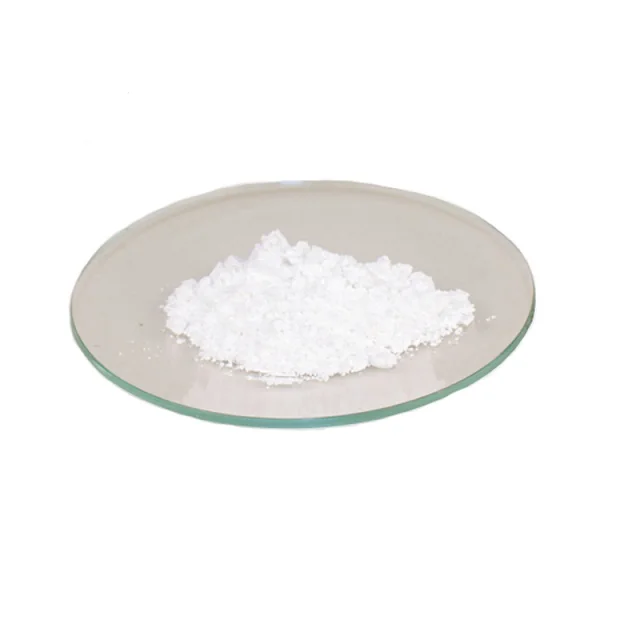
Collagen
Generally, it is a white and transparent powder with long and thin rod like molecules, and its relative molecular weight ranges from about 2kd to 300kd. Collagen has a strong elongation, insoluble in cold water, dilute acid, dilute alkali solution, with good water retention and emulsification. Collagen is not easy to be hydrolyzed by ordinary protease, but it can be broken by animal collagenase, and the broken fragments can be denatured automatically, which can be hydrolyzed by ordinary protease. When the environmental pH is lower than neutral, the denaturation temperature of collagen is 40-41 °C, when the environmental pH is acidic, the denaturation temperature of collagen is 38-39 °C.
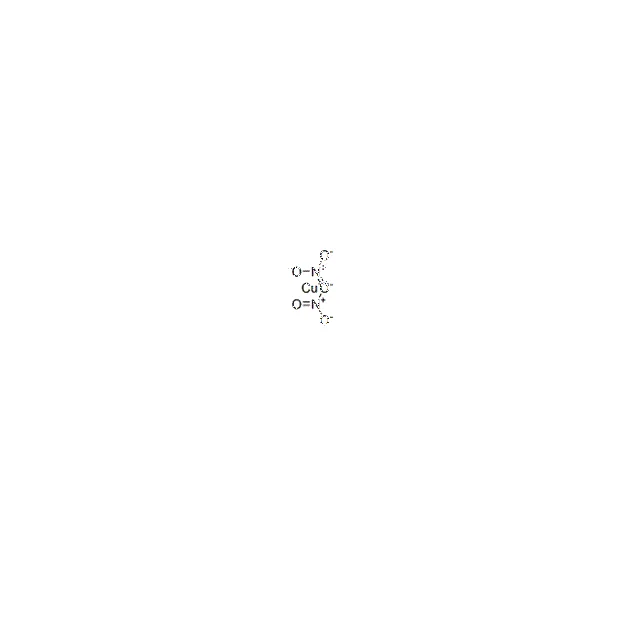
Copper Dinitrate
Chemical formula Cu (NO3) 2, white powder. It is easy to be deliquesced and soluble in water. The solubility is 45g at 0 °C. It can be re precipitated by adding concentrated nitric acid. Red hot decomposition into oxides of nitrogen and copper oxide, hydrochloric acid decomposition. The common hydrates are hexahydrate Cu (NO3) 2.6h2o and trihydrate Cu (NO3) 2.3H2O. The former is a blue crystal with a relative density of 2.074. When the temperature is 26.4 °C, it loses the crystal water and forms a trihydrate. When the temperature is 65 °C, it decomposes into a basic salt. The latter is dark blue trihedral crystal, molecular weight 241.60, melting point 114.5 °C, blue columnar crystal, density 2.32g/cm³. Soluble in water and ethanol, green in concentrated solution, light blue in dilute solution, easy to deliquesce. It was dissolved in crystal water at 114.5 °C, lost nitric acid and formed basic copper nitrate when heated to 170 °C, and decomposed into copper oxide when heated to 200 °C. It is oxidizable and easy to explode or burn when mixed with carbon, sulfur and other substances. It is used for copper plating, pesticide making, enamel and dyestuff etc. Copper nitrate can be prepared by the reaction of copper oxide or copper block with dilute nitric acid.
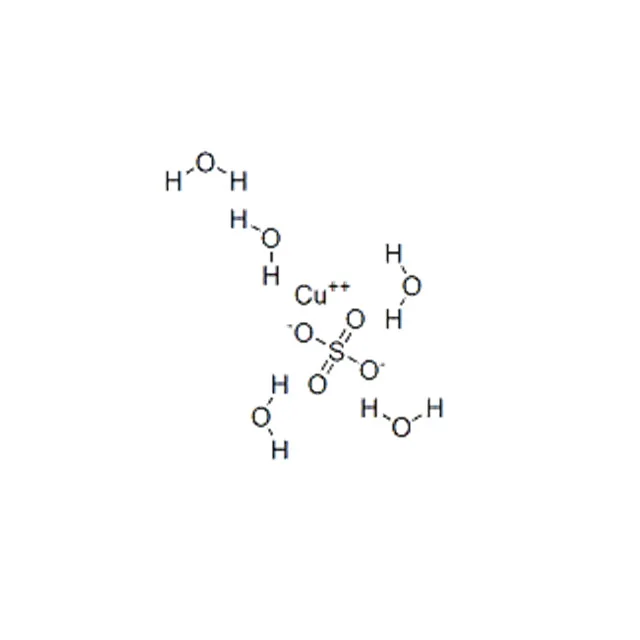
Copper Sulphate Pentahydrate
Copper sulfate pentahydrate is a fungicide. However, some fungi are capable of adapting to elevated levels of copper ions. Mixed with lime it is called Bordeaux mixture and used to control fungus on grapes, melons, and other berries. Another application is Cheshunt compound, a mixture of copper sulfate and ammonium
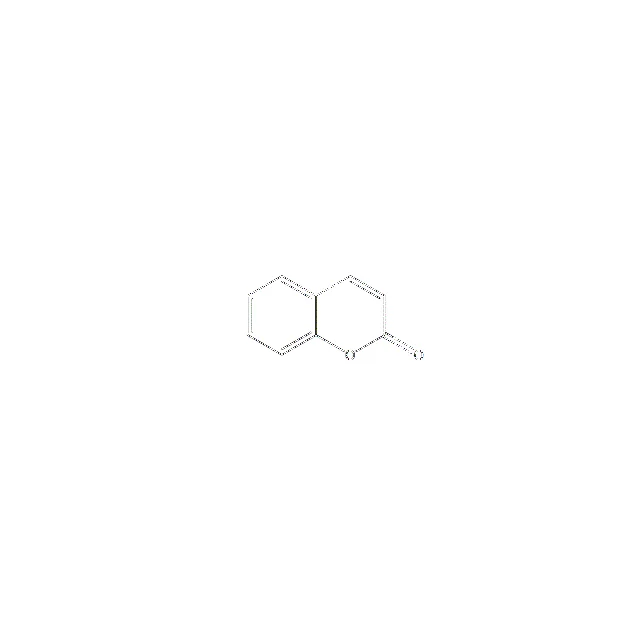
Coumarin
Coumarin was found in black beans in 1820. Coumarins exist in many plants as glycosides. It has a strong smell of black beans, sweet smell of fresh mowing and chocolate, and it has a long lasting fragrance. The aroma of fresh hay is largely caused by the production and release of coumarin during the fermentation and decomposition of glycosides in the process of hay drying. Coumarin is used to make spices. It is often used in the preparation of new mowing type and Fuqi type spices. As well as violet, sunflower, Cymbidium, hawthorn, orchid, lavender and other essence. Together with vanillin, it can be used for flavoring of sweets, cakes and so on. Adding tobacco can increase the natural flavor. Adding coumarin to the plating solution of zinc plating (or cadmium, nickel) can reduce the porosity and increase the brightness of the coating. Coumarin is the raw material for other spices and many other chemicals. Xiangdou is the mother of a large class of derivatives. Some of these derivatives exist in nature, some of them are synthesized by synthetic methods.
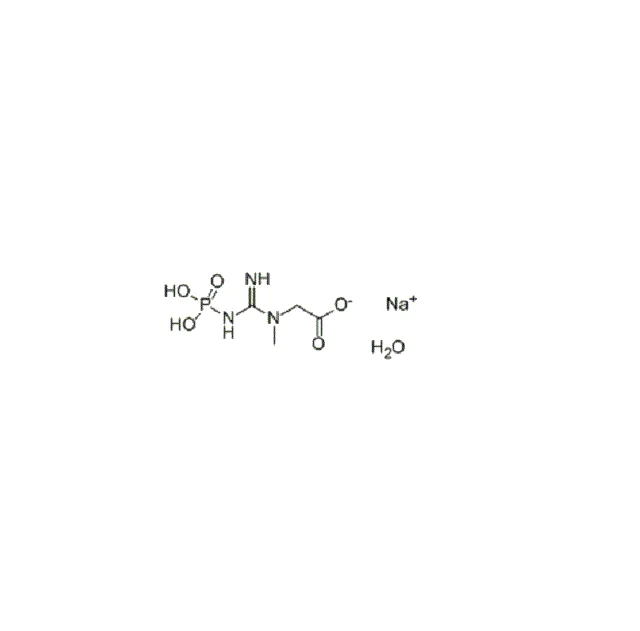
Creatine Phosphate Disodium Salt
The creatine phosphate shuttle facilitates transport of high energy phosphate from mitochondria.