


Browse 961 Chemical Products and Raw Materials
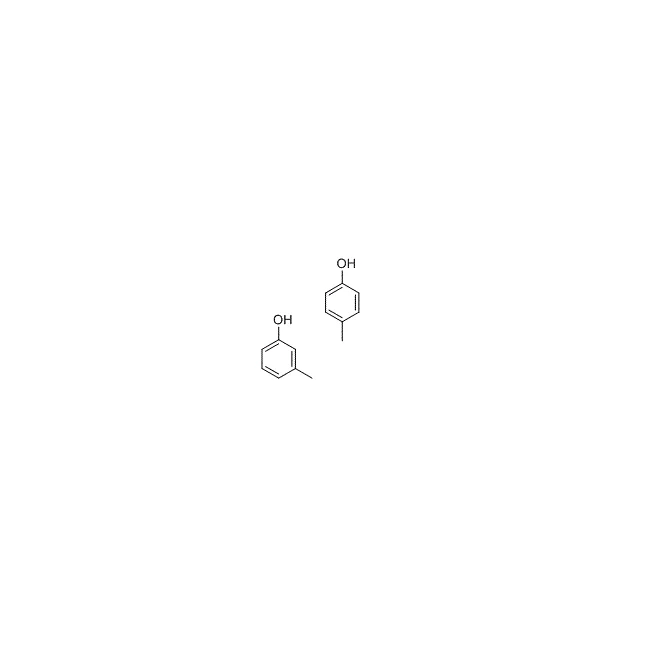
Cresol
It is obtained by cutting the 223-226°C fraction from the industrial xylenol residue after cutting the 3,5-xylenol fraction in a rectifying tower, cooling, crystallization and centrifugal separation. In addition, 3,4-xylenol can also be obtained by using o-xylene as a raw material, sulfonated by sulfuric acid, and then by alkali fusion, acid precipitation and distillation.
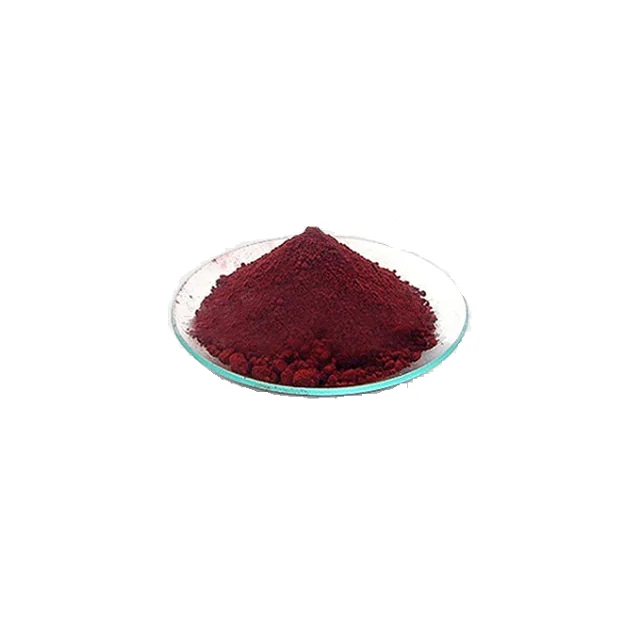
Cresol Red
Crystals with green luster, reddish-brown powder after grinding. Soluble in alcohol and dilute sodium hydroxide solution, slightly soluble in water. Acid-base prompter. Make 0.1% solution or 0.04% aqueous solution with 20% ethanol (dissolve 0.04g of this product in 1.05ml of 0.1M NaOH solution), and then dilute to 100ml. pH color change range: 7.2 (yellow)-8.8 (purple); 2.0 (red)-3.0 (amber). Production method: Mix benzene methanesulfonic anhydride, o-cresol, and anhydrous zinc chloride, stir and heat, and condense at 115-120 °C for about 7 hours, and pass water vapor to remove the remaining o-cresol. Filter, dissolve the filter cake with hot sodium carbonate aqueous solution, filter, add 1:1 hydrochloric acid to the clear filtrate to neutralize, and stir vigorously. The crystals are filtered out, washed with a small amount of water, and dried to obtain the finished product. If necessary, it can be purified by recrystallization with glacial acetic acid.
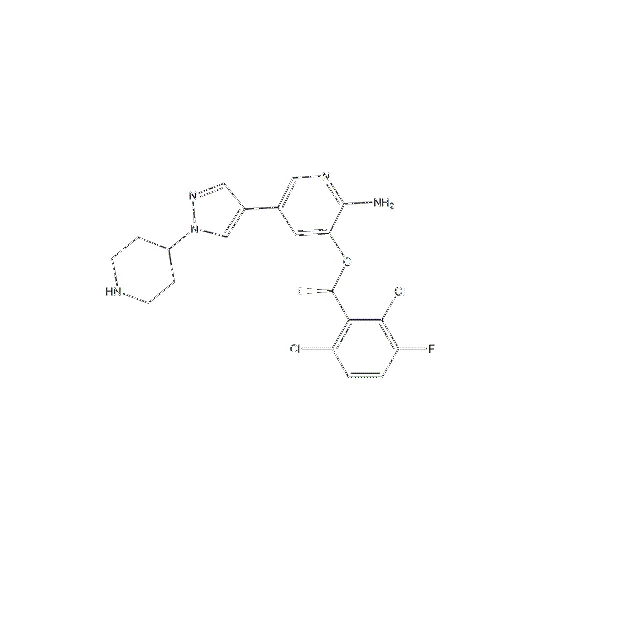
Crizotinib
Crizotinib (trade name Xalkori, Pfizer), is an anti-cancer drug acting as an ALK (anaplastic lymphoma kinase) and ROS1 (c-ros oncogene 1) inhibitor, approved for treatment of some non-small cell lung carcinoma (NSCLC) in the US and some other countries, and undergoing clinical trials testing its safety and efficacy in anaplastic large cell lymphoma, neuroblastoma, and other advanced solid tumors in both adults and children.
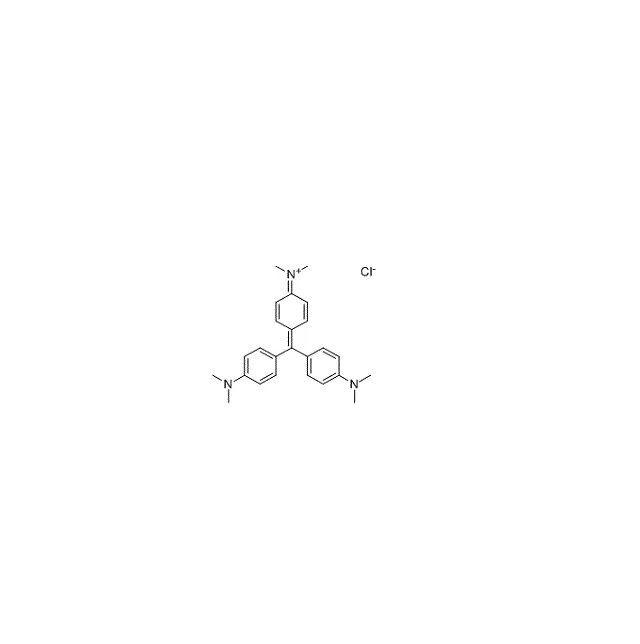
Crystal Violet
Methyl violet can be used as dye, acid-base indicator and disinfectant, and can be used as external medicine after dilution. The industrial grade products of methyl violet are called alkaline violet 5bn and alkaline cyanine lotus. They are mainly used for dyeing of silk, acrylic fiber, hemp, paper, leather, pigment, printing oil and ink, etc.
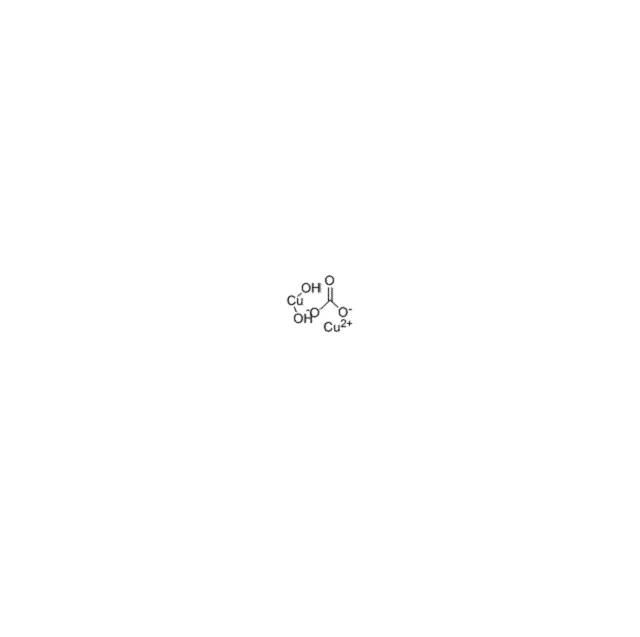
Cupric Carbonate Basic
Basic copper carbonate, also known as copper carbonate, is malachite green, so it is also called malachite, which is a precious mineral gem. It is copper and oxygen in the air, carbon dioxide and water and other substances produced by the reaction, also known as copper rust, green color. Heating in the air will break down into copper oxide, water and carbon dioxide. Dissolve in acid and form corresponding copper salt. It is also soluble in cyanide, ammonium salt and alkali metal carbonate solution to form copper complex. When boiled in water or heated in a strong alkaline solution, brown copper oxide can be formed and decomposed into black copper oxide at 200 °C. It is unstable in hydrogen sulfide atmosphere and can react with hydrogen sulfide to form copper sulfide. According to the ratio of cuco3: H2O, there are more than ten kinds of basic copper carbonate compounds. It exists in the form of malachite in nature.
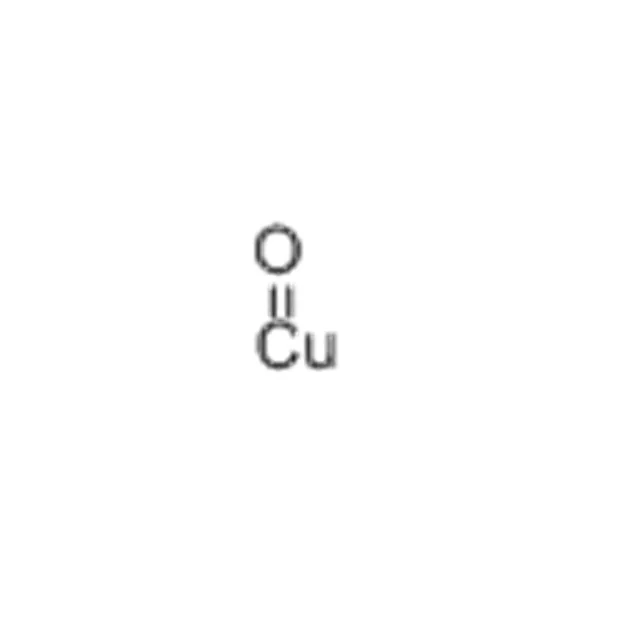
Cupric Oxide
Cupric oxide is used as a pigment in ceramics to produce blue, red, and green (and sometimes gray, pink, or black) glazes. It is also used to produce cuprammonium hydroxide solutions, used to make rayon. It is also occasionally used as a dietary supplement in animals, against copper deficiency. It is also used when welding with copper alloys. Another use for cupric oxide is as a substitute for iron oxide in thermite. This can turn the thermite from an incendiary to a low explosive.
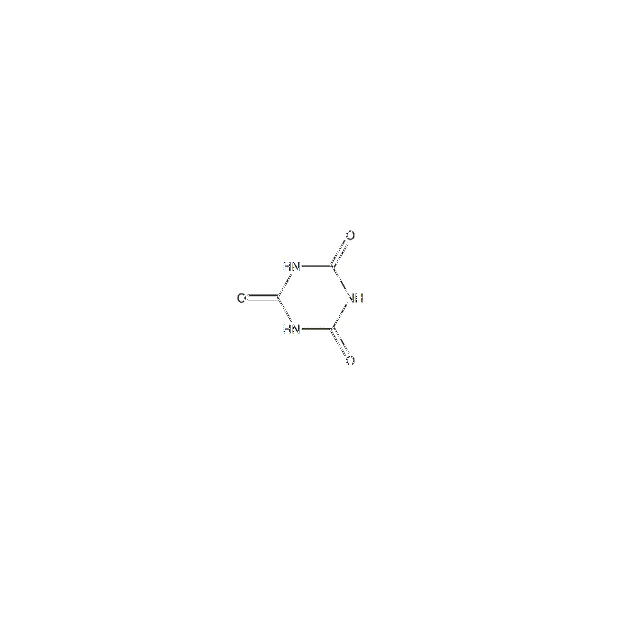
Cyanuric Acid
Cyanuric acid is also known as isocyanuric acid and cyanuric acid. Its molecular formula is c3h3n3o3, which is tasteless white powder or particle, slightly soluble in water, melting point 330 °C , and pH value of saturated solution ≥ 4.0. It is mainly used in the manufacture of cyanuric acid bromide, chloride, bromine chloride, iodine chloride and cyanuric acid salts and esters. It is used in the synthesis of new disinfectants, water treatment agents, bleaching agents, Chlorinators, brominating agents, antioxidants, paint coatings, selective herbicides and metal cyanide moderators. It can also be directly used as a chlorine stabilizer for swimming pools, nylon, plastic, polyester flame retardant Additives and cosmetics, synthesis of special resins, etc.
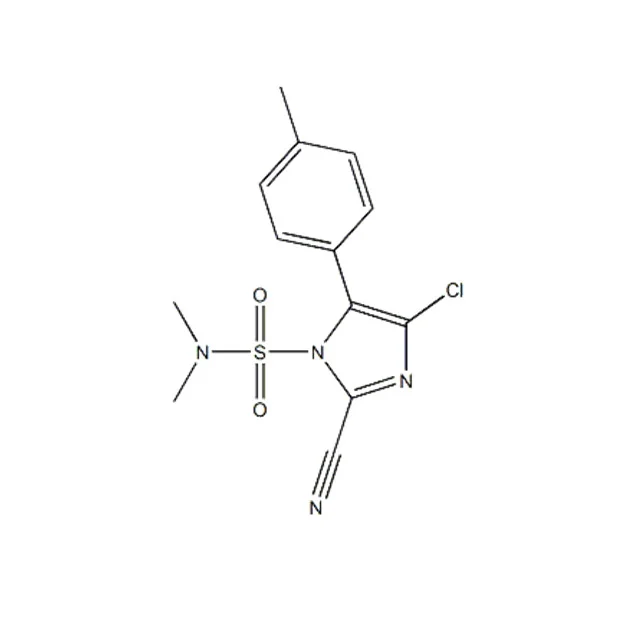
Cyazofamid
Cyazofamid is sulfonamides imidazole fungicides. Against Oomycetes fungi such as Phytophthora, downy mildew, false downy mildew, rot fungi and bacteria Gang clubroot clubroot fungus Brassica high biological activity.
Cyclohexyl Chloride
Protective ring n-hexane toxicity of anesthesia and stimulate the skin effect, the halogen
Cyclohexylamine
Cyclohexylamine is an organic compound, belonging to the aliphatic amine class. It is a colorless liquid, although like many amines, samples are often colored due to contaminants. It has a fishy odor and is miscible with water. Like other amines, it is a weak base, compared to strong basessuch as NaOH, but it is a stronger base than its aromatic analog, aniline.
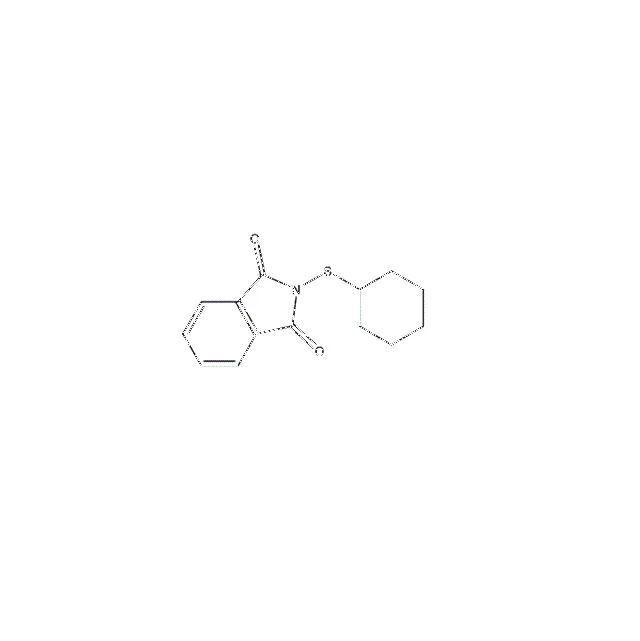
Cyclohexylthiophthalimide
C yclohexylthiophthalimide is also known as delayed coking agent, early curing inhibitor, anti coking agent CTP and anti coking agent PVI. It is white, light yellow or light yellow brown crystal at room temperature, while the product recrystallized from n-heptane is white crystal. Soluble in acetone, benzene, toluene, ether, ethyl acetate and ethyl acetate, slightly soluble in gasoline, insoluble in kerosene and water, soluble in hot carbon tetrachloride, ethanol and heptane. Cyclohexane is reacted with hydrochloric acid to form cyclohexane chloride. Chlorothiocyclohexane was prepared by sulfurization with sulfur. Finally, the product was prepared by the reaction of phthalimide and chlorothiocyclohexane in the presence of acid absorbent. It can be used in natural rubber and synthetic rubber to effectively prevent rubber from burning in the process of processing and improve production efficiency. At the same time, it can restore the rubber material that has been subjected to high heat or slight scorch. N-cyclohexylthiophthalimide is widely used in sulfur vulcanizable elastomers. It has good anti coking effect when used with various general accelerators. When CTP is used, whether it is open or high temperature rapid internal mixing, one-stage mixing process can be used to effectively prevent coke burning. It can be used with accelerator M, DM, TMTD and effective or semi effective curing system to improve the properties of rubber compound. It can improve the production efficiency of calendering and extrusion. It is beneficial to improve the adhesion between rubber and brass plated steel wire. It is widely used in all kinds of general rubber and special rubber such as NBR, EPDM or EPDM, butyl rubber and chloroprene rubber. During storage, the temperature and humidity which are too high and too low shall be avoided, and the product shall be placed in a ventilated and dry place to avoid heat and moisture. Flammable, low toxic.
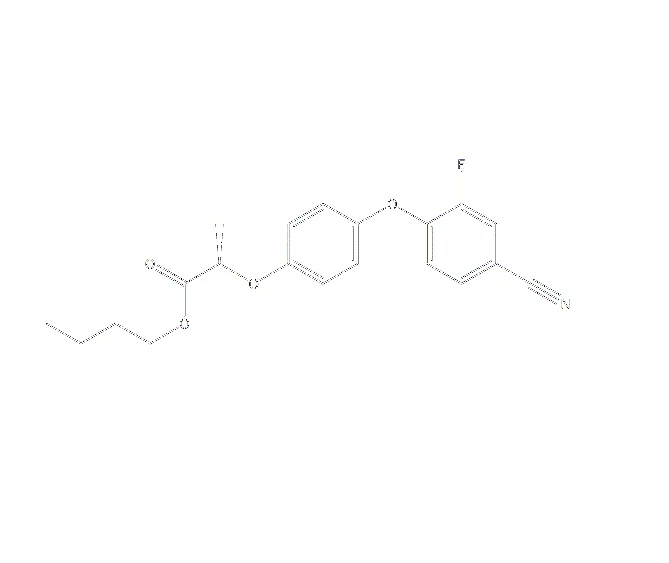
Cyhalofop-butyl
Contact MOSINTER for product specifications and supply information.
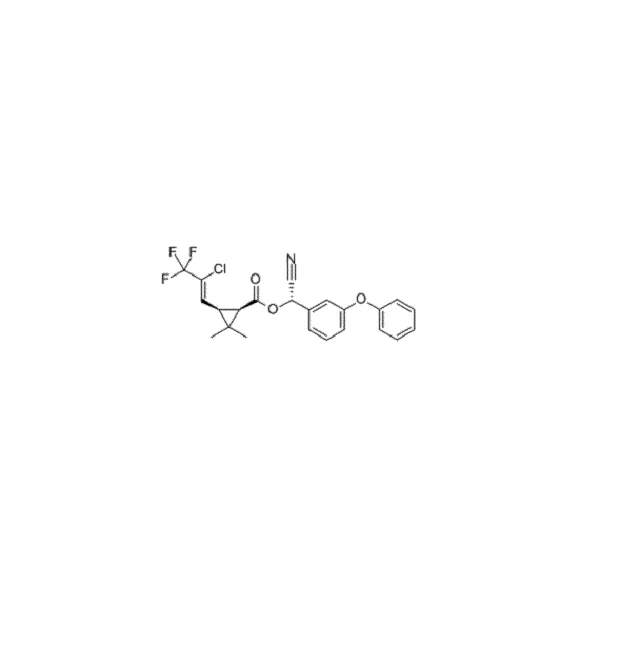
Cyhalothrin
It is an effective, broad-spectrum and quick acting pyrethroid insecticide and acaricide. It is mainly contact killing and stomach toxicity, and has no inhaling effect. It has good effect on Lepidoptera, Coleoptera, Hemiptera and other pests, as well as leaf mite, rust mite, gall mite, tarsonid mite, etc. it can be treated simultaneously when the mite and mite are concurrent, and it can prevent and control cotton bollworm, cabbage worm, cabbage constrictor aphid, tea geometrid, tea caterpillar, tea orange gall mite, leaf gall mite, orange leaf moth, orange aphid, and citrus leaf mite, rust mite, peach fruit borer It can also be used to control a variety of surface and public health pests. In order to prevent cotton bollworm and Helicoverpa armigera, the 2.5% generation of second, third times of egg spray was used to spray the red spider, the bridging worm and the cotton bollworm. The control of cabbage caterpillar and aphid were sprayed at the concentration of 6 ~ 10mg/L and 6.25 ~ 12.5mg/L respectively, and the spraying of 4.2 ~ 6.2mg/L concentration was carried out to control the leaf miner of citrus.
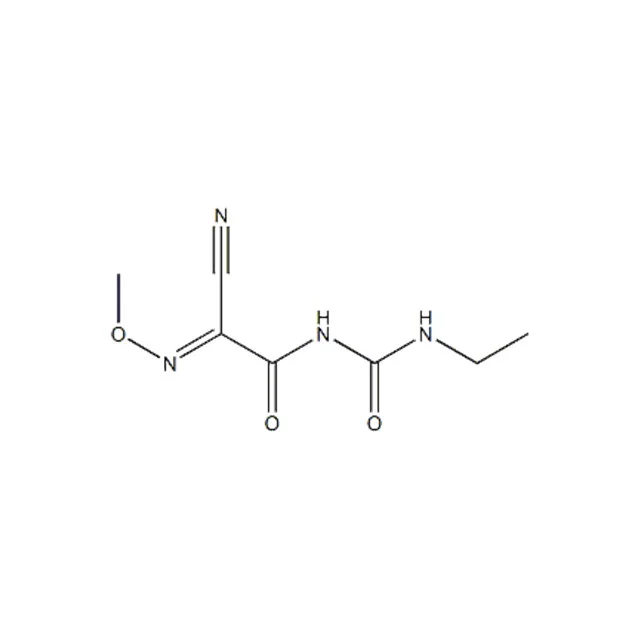
Cymoxanil
Cymoxanil is an acetimide compound used as both a curative and preventative foliar fungicide. It penetrates rapidly and when inside the plant, it cannot be washed off by rain. It controls diseases during the incubation period and prevents the appearance of damage on the crop.
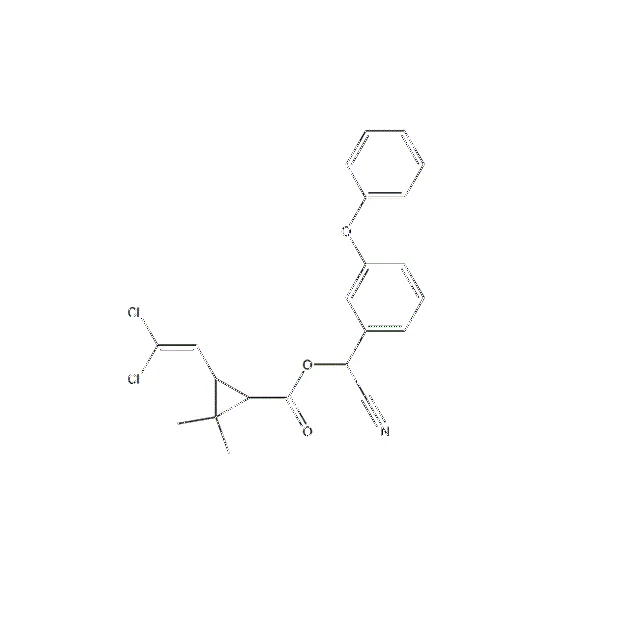
Cypermethrin
Cypermethrin is also known as methotrexate, cymbush, ripord, arrivo and cyperkill. Industrial products are yellow to brown viscous solids and viscous liquids at 60 °C. It is stable to light, slow weight loss when the temperature is higher than 220 °C, stable under weak acid neutral condition, decomposes in case of alkali, and hydrolysis half-life is 1 day. Cypermethrin is a moderately toxic insecticide, which acts on the nervous system of insects and disrupts the nervous function of insects through its interaction with sodium channels. It has the functions of contact killing and stomach toxicity, without inhaling. It has broad insecticide spectrum, rapid efficacy, stable to light and heat, and can kill the eggs of some pests. The control effect of this medicine on organophosphorus resistant insects is good, but it is not good for mites and mirids. It has a long residual period and is safe for crops when used correctly. It can be used to control flies, cockroaches, mosquitoes, fleas, lice, bedbugs and many other health pests in public places. It can also be used to control parasites outside livestock: ticks, mites and so on. In agriculture, it is mainly used to control Coleoptera, Lepidoptera, Orthoptera, Diptera, Hemiptera and Homoptera on alfalfa, cereal crops, cotton, grape, corn, rape, pear, potato, soybean, beet, tobacco and vegetables.
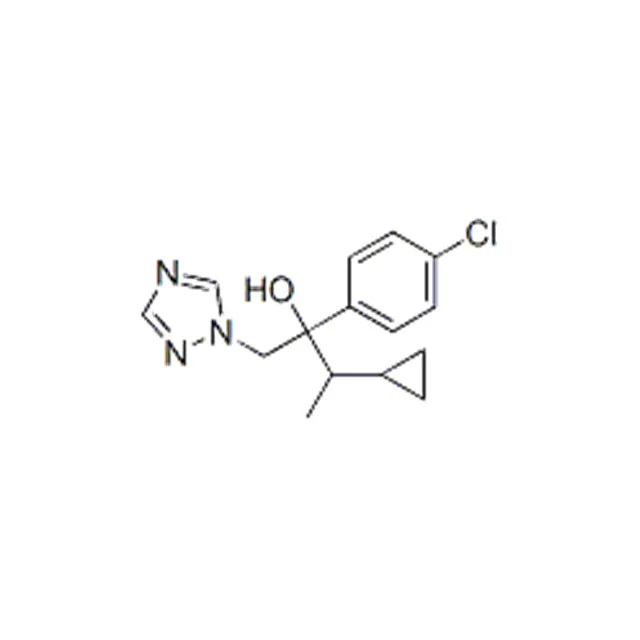
Cyproconazole
Cyproconazole is a triazole agricultural bactericidal agent, the mechanism is inhibition of sterol demethylation and play the role of prevention and treatment. Now it has been widely used in the field of pesticide, are effective on the wo Cereals, coffee, sugar beet and fruit of Erysiphales, Uredinales, Cercospora spp., beak spore genus, Septoria spp., Black Star bacteria is bacteria.
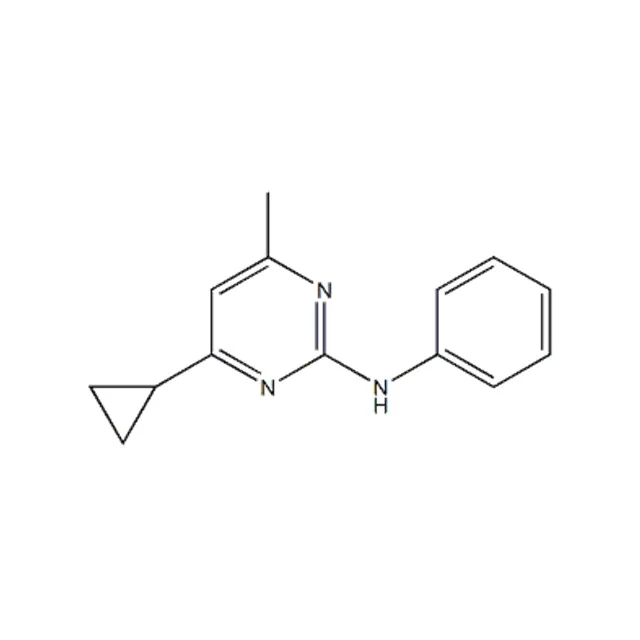
Cyprodinil
Cyprodinil is a broad-spectrum fungicide of the class of pyrimidinamines. It is commonly used for protection of cereal crops and fruits against fungal infections.
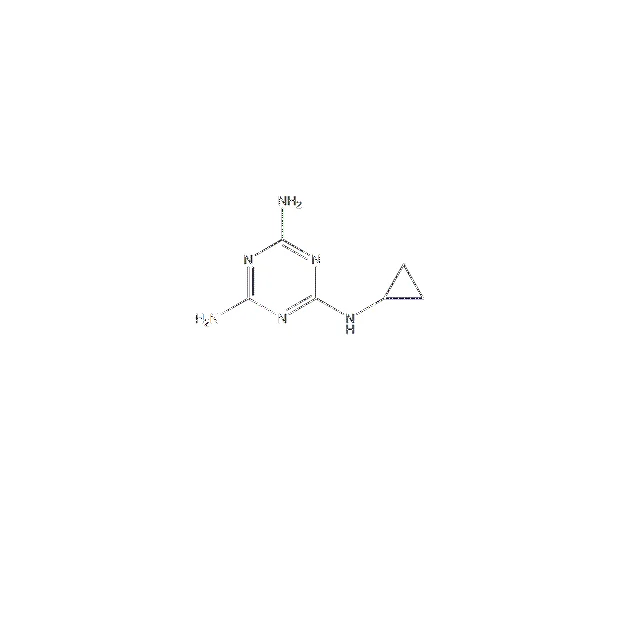
Cyromazine
Insect growth regulators against leafminer. It can make the larva and pupa of Diptera have morphological distortion during their development, and the emergence of adults is inhibited or incomplete, which indicates that it is due to the interference of molting and pupation. No matter by oral or local application, it has no lethal effect on adults, but the hatchability of eggs decreases after oral administration. It has the function of internal absorption on plants and strong conduction on leaves. It is absorbed by roots and transmitted to the top when applied to soil. It was applied to beans, carrots, celery, melons, lettuce, onions, peas, green peppers, potatoes and tomatoes with 12-30g / 100L medicament, or 75-225g / hm2. The effect of high dose was significantly longer than that of low dose. The dosage of soil application is 200-1000g / hm2, and the high dosage can keep the effect for 8 weeks.
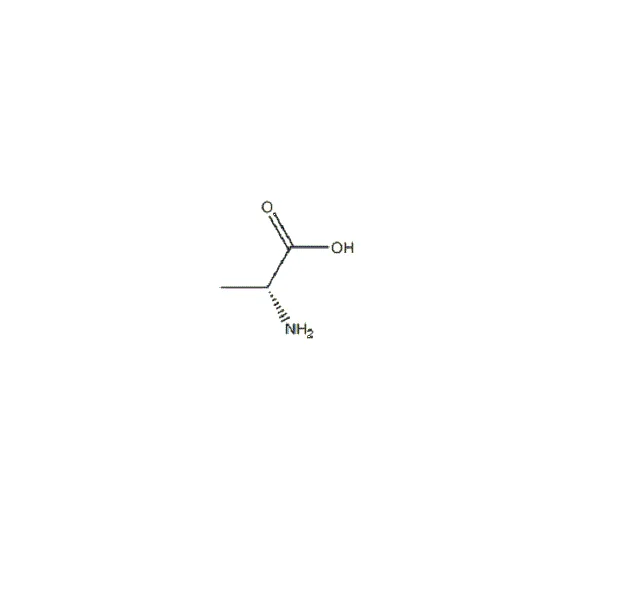
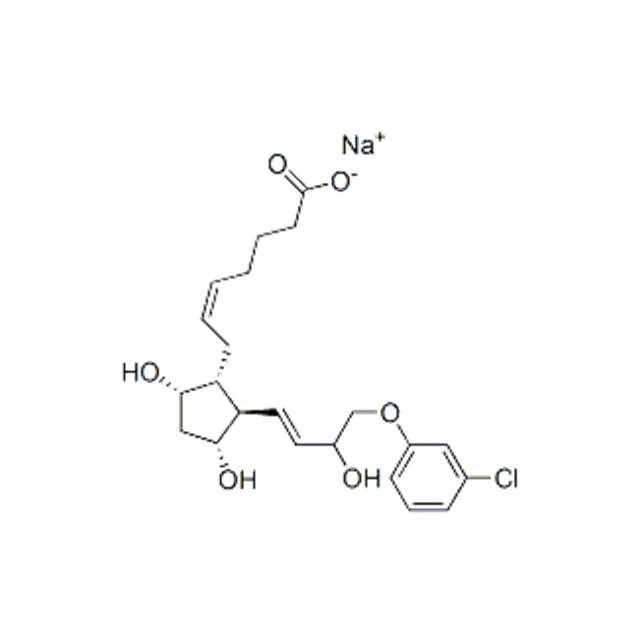
D Cloprostenol Sodium
Cloprostenol sodium is a synthetic analogue of dinoprost (prostaglandin F2a). It is used as a luteolytic agent in veterinary medicine. Many animal producers are using cloprostenol sodium to shorten cycle or induce animal to come into heat period. Cloprostenol sodium can help animal producers improve production efficiency and economic returns.
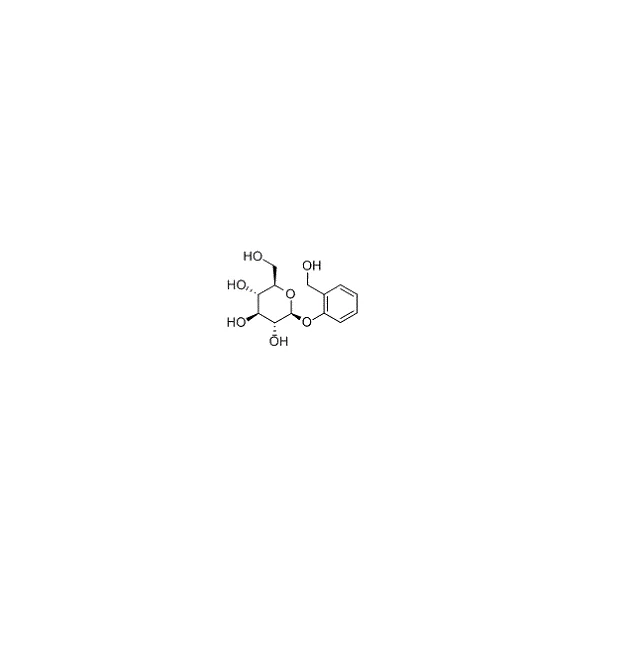
D-(-)-Salicin
White crystal powder, soluble in methanol, ethanol, DMSO and other organic solvents, from willow skin, white willow bark, bajiaofeng, raw willow.
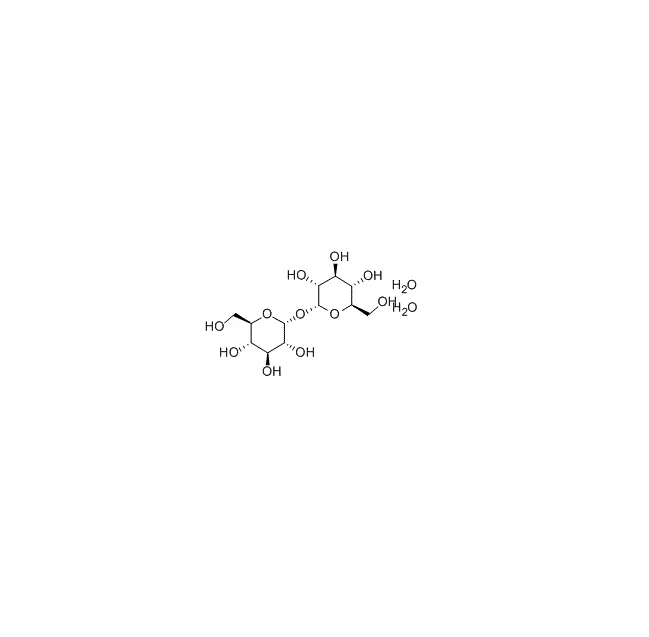
D(+)-Trehalose Dihydrate
Baking products In bakery products, trehalose has a variety of potential use values: it can adjust the sweetness and aroma of icing on cakes, biscuits and pastries, bread cream and fruit fillings, without compromising storage life and making people Taste the original flavor of the product. At the same time, trehalose helps reduce the fat in cookies, bread cream and icing, and produces a unique frosting feeling in delicious cakes and fast food.
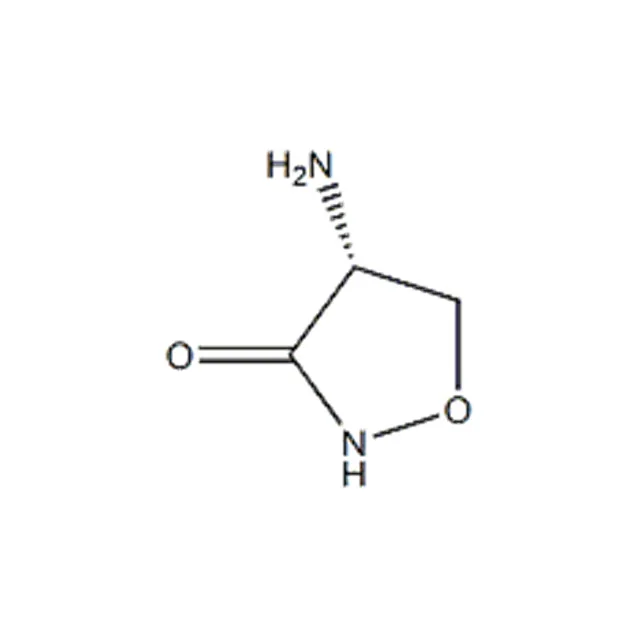
D-cycloserine
D-cycloserine is a colorless solid that is produced by some bacteria. It is an antibiotic effective against Mycobacterium tuberculosis. Since the discovery that cycloserine is able to penetrate into the central nervous system, numerous studies have been conducted to assess the efficacy of cycloserine for psychiatric disorders. It has been found to be effective in the treatment of some neurological disorders, due to its effect as a selective partial agonist of the N-methyl-D-aspartic acid (NMDA) glutamatergic receptors found in the basolateral nucleus of the amygdala. Specifically, cycloserine affects the glycine-binding sites which are important for opening these NMDA channels. Cycloserine is stable under basic conditions, with the greatest stability at pH = 11.5.
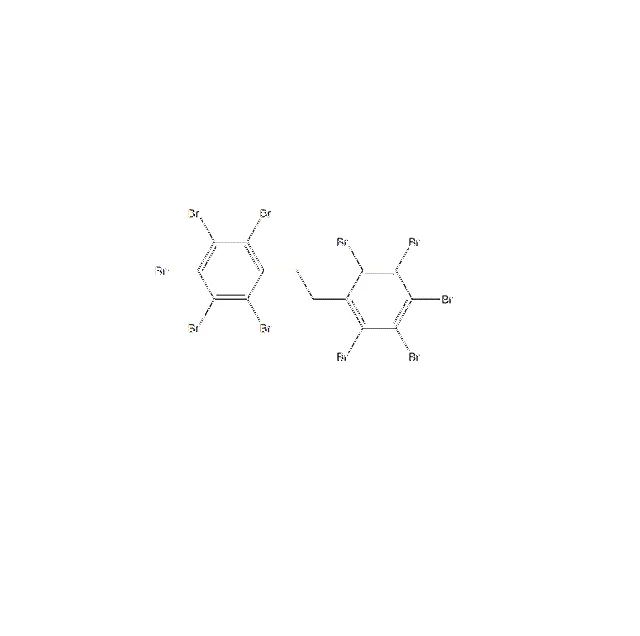
DECABROMODIPHENYLETHANE
Appearance white or light yellow powder, melting point 335-342 °C, slightly soluble in alcohol, ether, almost insoluble in water. This product is a new, broad-spectrum, efficient, additive, environmental friendly flame retardant, with excellent thermal stability and high bromine content, as well as strong UV resistance and low toxicity. It is widely used in styrene polymer, engineering thermoplastic, wire and cable coating, insulator, elastomer and thermosetting plastic.