


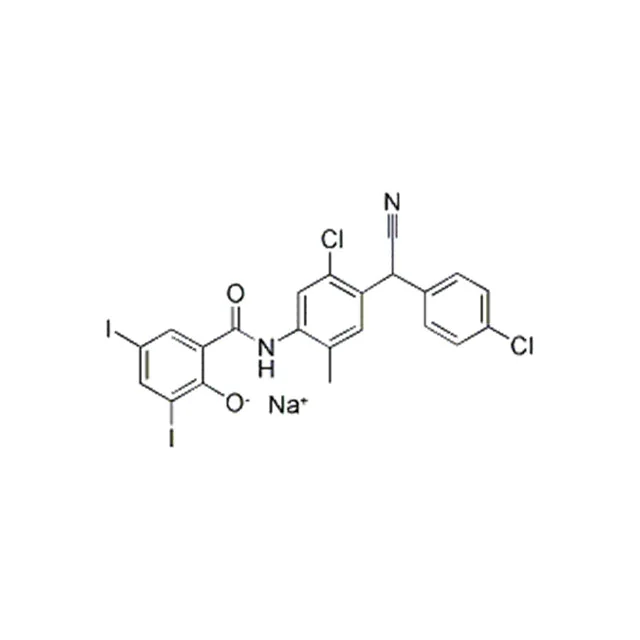
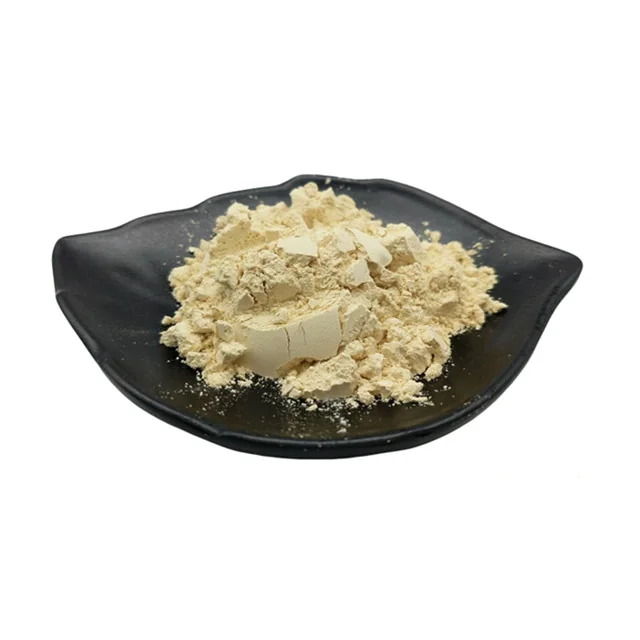
Closantel Sodium
Closantel sodium is a broad-spectrum insect repellent, which has good effect on the larva of various kinds ofnematode and arthropods. Its anti - absorption insect repellent activity is mainly aimed at the liver - schistosomiasis, and killing larvae of nematodes and arthropods are mainly targeted at various types of insects that use blood or plasma.Closantel sodium is a kind of strong oxidative phosphoric acid dissolving the coupling agent, which can inhibit phosphorylation process of mitochondria, so as to prevent insect body adenosine triphosphate (ATP) synthesis, leading to an insect physical metabolism vigor decrease rapidly and finally to death.
| Payment & Shipping Terms | Annual Production Capacity | ||
|---|---|---|---|
| Payment Terms: | T/T, WU | Annual Production Capacity: | 100 MT/year |
| Min. Order: | 1 Gram | Packing: | According to the customer's requirements |
| Means of Transport: | Ocean, Air, Land | Delivery Date: | 7 days |
Closantel Sodium
CAS 61438-64-0
Closantel sodium is a broad-spectrum insect repellent, which has good effect on the larva of various kinds ofnematode and arthropods. Its anti - absorption insect repellent activity is mainly aimed at the liver - schistosomiasis, and killing larvae of nematodes and arthropods are mainly targeted at various types of insects that use blood or plasma.Closantel sodium is a kind of strong oxidative phosphoric acid dissolving the coupling agent, which can inhibit phosphorylation process of mitochondria, so as to prevent insect body adenosine triphosphate (ATP) synthesis, leading to an insect physical metabolism vigor decrease rapidly and finally to death.
We can customize according to customer's requirement.
If you have any question please mail us or call us.
| CAS Number | 61438-64-0 |
|---|---|
| Molecular Formula | C22H13Cl2I2N2NaO2 |
| Molecular Weight | 685.0555 |
| Place of Origin | Zhejiang,China (Mainland) |
| CAS | 61438-64-0 |
| Flash point | 310.9°C |
| Boiling point | 590.5°C at 760 mmHg |
| Vapour Pressur | 1.53E-14mmHg at 25°C |
Send an inquiry for Closantel Sodium
Related products
1-Bromo-3-chloro-2-methylpropane
Application:Used as pharmaceutical intermediates
1-benzyl-2-phenyl-1H-imidazole
Contact MOSINTER for product specifications and supply information.
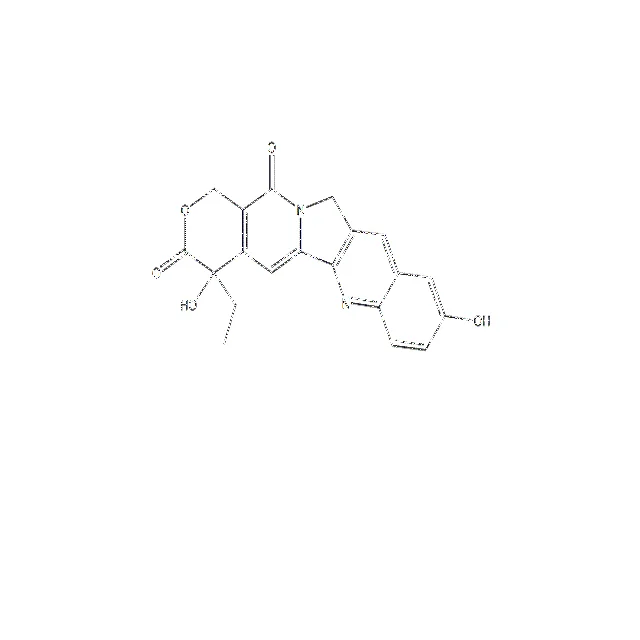
10-Hydroxycamptothecin
10-Hydroxycamptothecin is a natural camptothecin analogue isolated from Camptotheca acuminata. It is a DNA topoisomerase I inhibitor with antineoplastic activity.
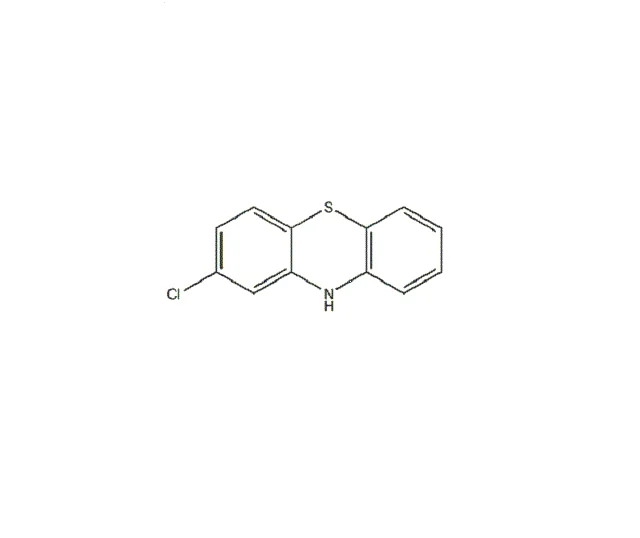
2-Chlorophenothiazine
Application:Chlorpromazine hydrochloride used as drug intermediates; Pharmaceutical intermediates for the preparation of chlorpromazine, perphenazine.
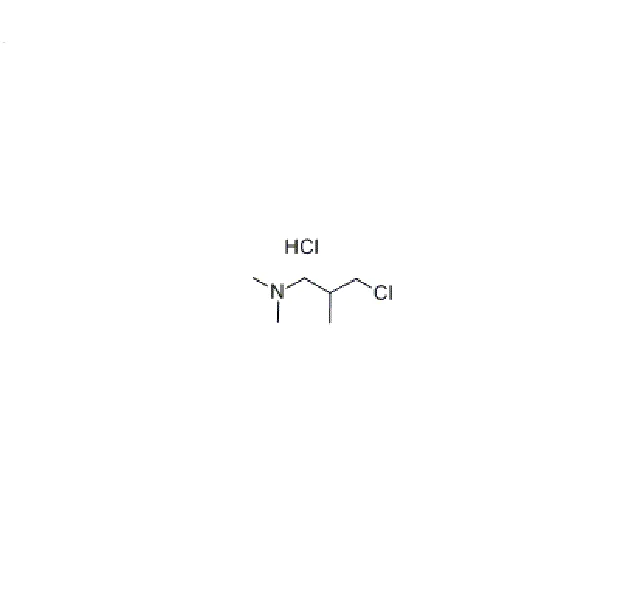
3-Dimethylamino-2-methylpropyl Chloride Hydrochloride
Application:Used as pharmaceutical intermediates
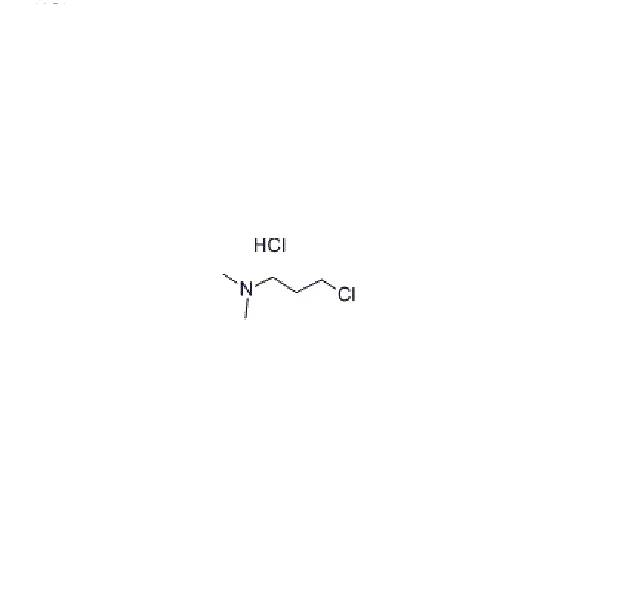
3-Dimethylaminopropylchloride Hydrochloride
1. Used for synthesis of chlorpromazine, doxepin hydrochloride, chlorprothixene medicine, etc
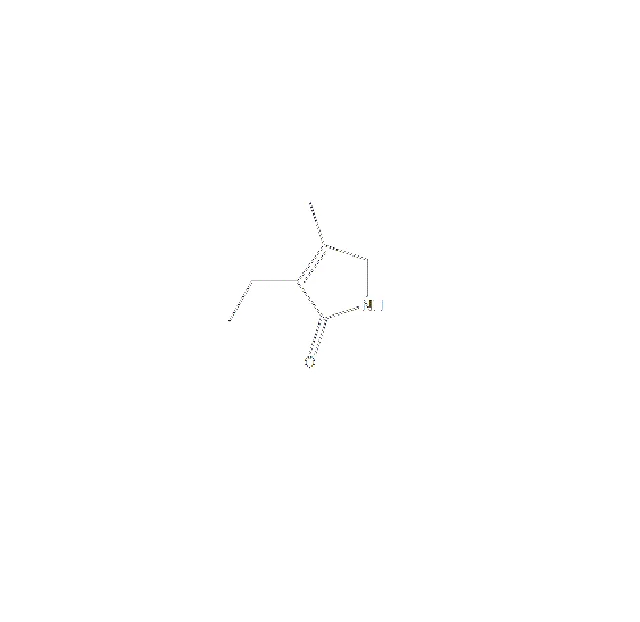
3-Ethyl-4-methyl-3-pyrrolin-2-one
3-Ethyl-4-methyl-3-pyrrolin-2-one, a five-membered α,β-unsaturated lactam derivative, has various applications in medicinal chemistry. It can be synthesized by employing following as starting materials:[1] • allylamine, via palladium(II)-assisted cyclization • 4-methoxybenzylamine, via a ring-closing-metathesis strategy • 3-ethyl-1-(4-methoxybenzyl)-4-methyl-1,5-dihydro-2H-pyrrol-2- one
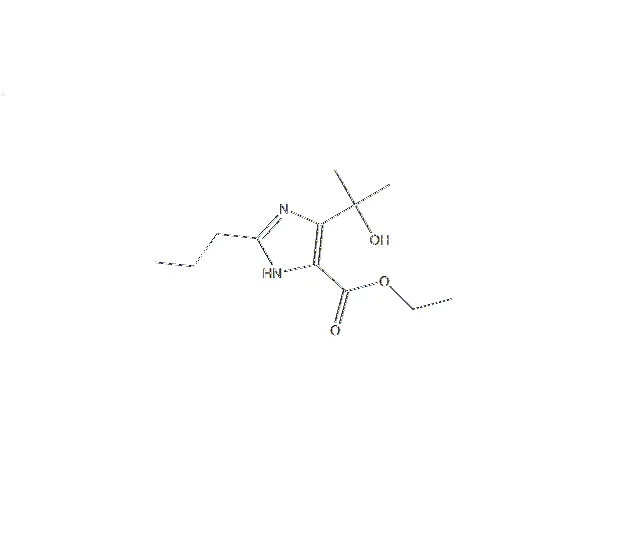
Ethyl 4-(1-hydroxy-1-methylethyl)-2-propyl-1H-imidazole-5-carboxylate
[5-(1-Hydroxyl-1-methylethyl)-2-propyl-imidazol-4-yl]carboxylic acid ethyl ester