


Pharmaceutical Chemicals API (267)
Showing 49–60 of 267 products · Page 5 of 23
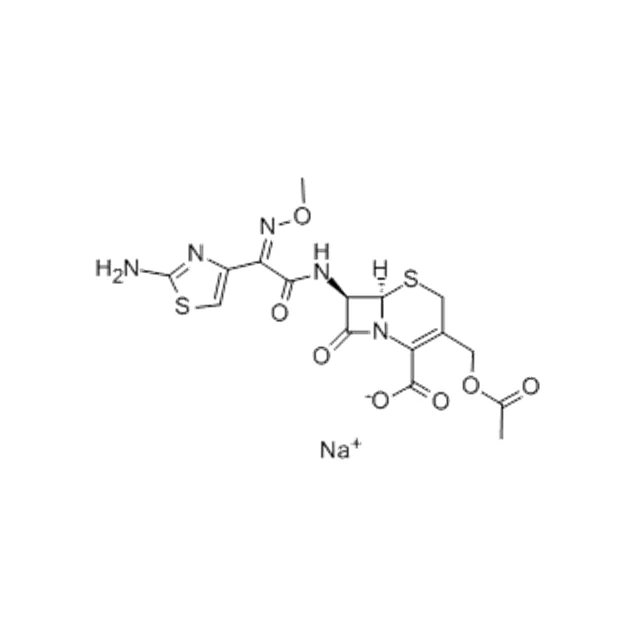
Cefotaxime Sodium
Cefotaxime Sodium is a class of broad-spectrum semi-synthetic antibiotic, penicillin, compared with a wider antibacterial spectrum, penicillin-resistant enzymes, high efficacy, low toxicity and fewer allergic reactions, etc., in the anti-infective therapy occupies an important position.
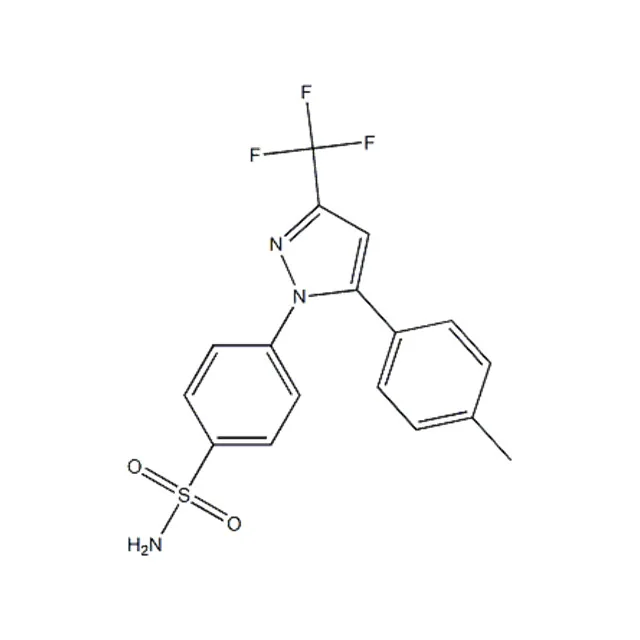
Celecoxib
Celecoxib is used for osteoarthritis, rheumatoid arthritis, acute pain, painful menstruation, ankylosing spondylitis, and to reduce the number of colon and rectal polyps in people with familial adenomatous polyposis.
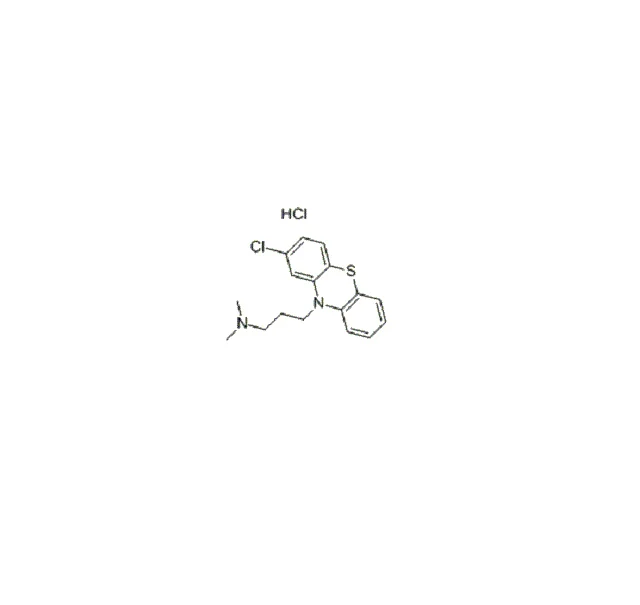
Chlorpromazine Hydrochloride
Chemical property:White or milk white crystalline powder. The melting point of 179-180 °C (179-180 °C). Soluble in water, ethanol,
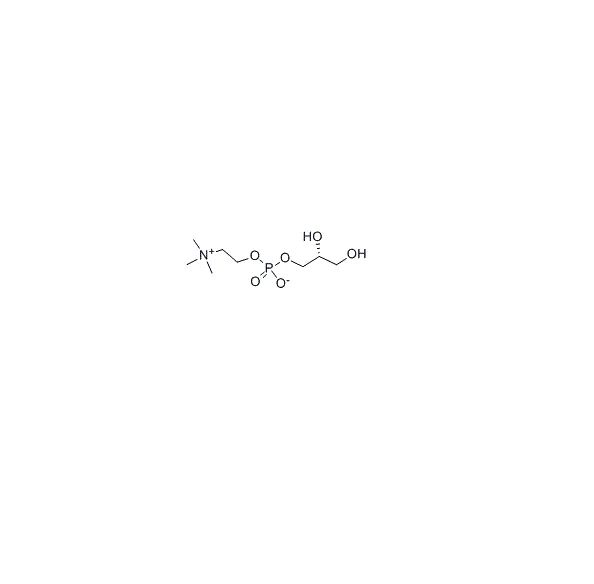
Choline Glycerophosphate
Choline glycophosphate is a natural phospholipid metabolism intermediates in the human body, exists in cells and throughout the human body, structurally composed of choline, glycerol, phosphoric acid, it is a major form of preservation of choline, is recognized as the source of choline. Because it belongs to endogenous substances, its toxic and side effects are very low. Glycerophosphate choline is absorbed and decomposed into choline and glycerophosphate by enzymes in the body: choline is involved in the biosynthesis of acetylcholine, which is a neurotransmitter; glycerophosphate is the precursor of lecithin, which is involved in the synthesis of lecithin. Major pharmacological actions include protecting the metabolism of choline, ensuring the synthesis of acetylcholine and lecithin in the nerve membranes, improving blood circulation, and improving cognitive and behavioral responses in patients with brain capillary nerve injury. In this field, there are no better new medicine listed or developed.
Cilnidipine
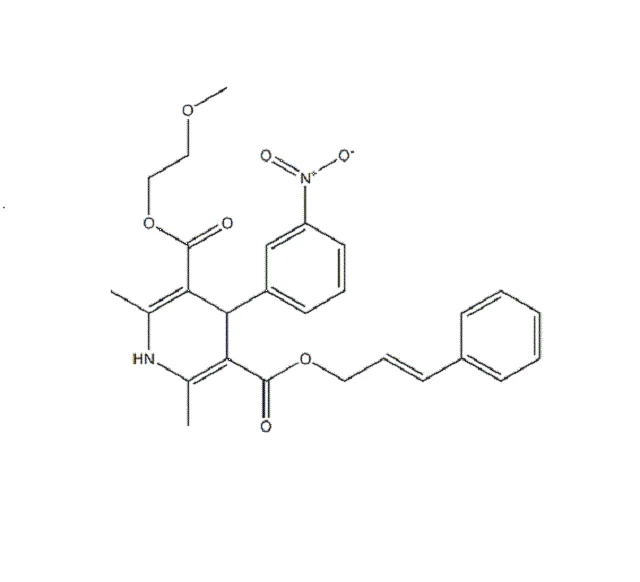
CILNIDIPINE due to its blocking action at N-type calcium channel dilates both arteriole & venules as a result the pressure in the capillary bed is reduces. The accumulated fluid in the tissues flows back to veins & thus Cilnidipine minimizes the incidence of pedal edema.

Cisplatin
Cisplatin is one of the most commonly used drugs in the current combination chemotherapy. Its full chemical name is cis dichlorodiamine platinum, which is an inorganic metal complex. After dissociation of chlorine, it is cross linked with DNA of cancer cells, thus damaging DNA function. It may form cross-linking within or between the chains with DNA, or with DNA and protein, and inhibit cell mitosis. It is a non-specific drug of cell cycle. Besides anti-cancer, it can also inhibit lymphocyte transformation and has immunosuppressive effect. It can be used as a metal complex of anti-cancer drugs.
Citalopram Hydrobromide
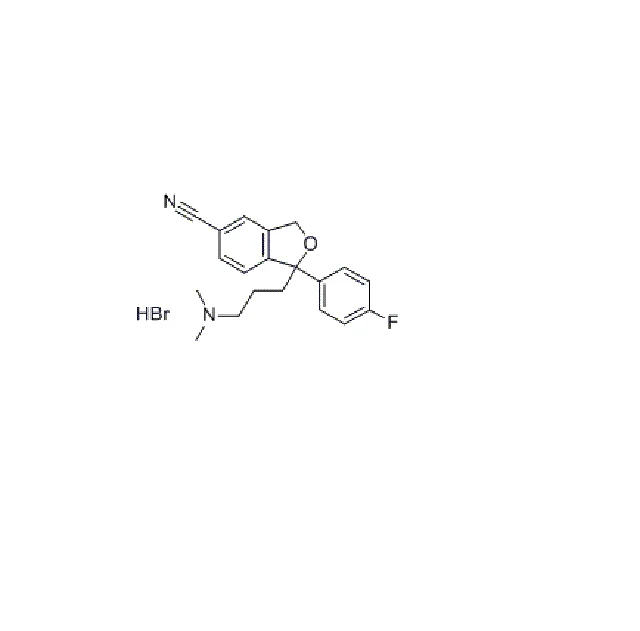
Citalopram hydrobromide (citalopram HBr) is an orally administered selective serotonin reuptake inhibitor (SSRI) with a chemical structure unrelated to that of other SSRIs or of tricyclic, tetracyclic, or other available antidepressant agents. Citalopram HBr occurs as a fine, white to off-white powder. Citalopram HBr is sparingly soluble in water and soluble in ethanol. The tablet is available as the brand-name drug Celexa. In Australia, the UK, Germany, Portugal, Poland, and most European countries, it is licensed for depressive episodes and panic disorder with or without agoraphobia. In Spain, it is also used for obsessive-compulsive disorder.
Clarithromycin
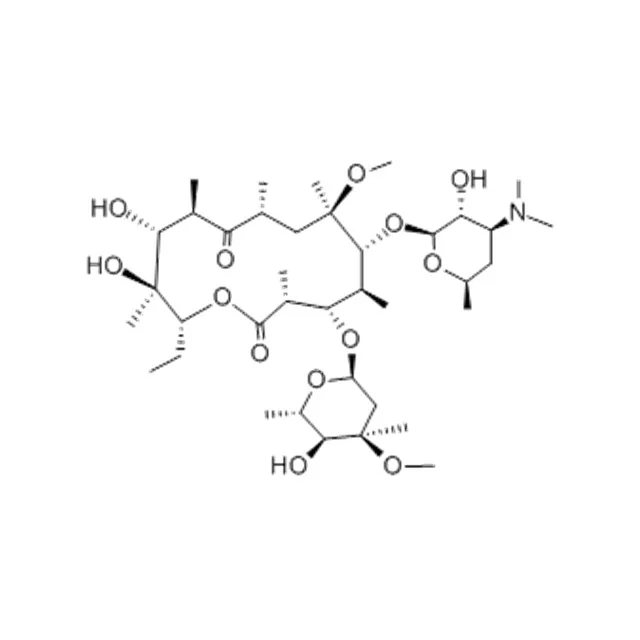
Clarithromycin, sold under the brand name Biaxin, is an antibiotic used to treat various bacterial infections.This includes strep throat, pneumonia, skin infections, H. pylori infection, and Lyme disease, among others. Clarithromycin can be taken by mouth as a pill or liquid. Common side effects include nausea, vomiting, headaches, and diarrhea. Severe allergic reactions are rare.Liver problems have been reported. It may cause harm if taken during pregnancy. It is in the macrolide class and works by decreasing protein production of some bacteria.
Clindamycin
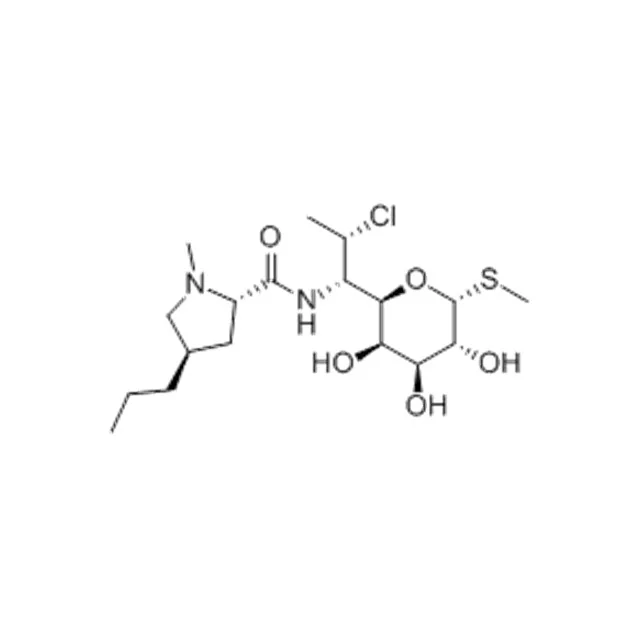
Clindamycin is an antibiotic that fights bacteria in the body.Clindamycin is used to treat serious infections caused by bacteria.Clindamycin is a lincosamide antibiotic. It is usually used to treat infections with anaerobic bacteria, but can also be used to treat some protozoal diseases, such as malaria. It is a common topical treatment for acne and can be useful against some methicillin-resistant Staphylococcus aureus (MRSA) infections.The most severe common adverse effect of clindamycin is Clostridium difficile-associated diarrhea (the most frequent cause of pseudomembranous colitis). Although this side effect occurs with almost all antibiotics, including beta-lactam antibiotics, it is classically linked to clindamycin use.Clindamycin is marketed under various trade names, including Dalacin, Lincocin (Bangladesh), and Daclin. Combination products include Duac, BenzaClin, Clindoxyl and Acanya (in combination with benzoyl peroxide), and Ziana (with tretinoin). Clindamycin is also available as a generic drug.
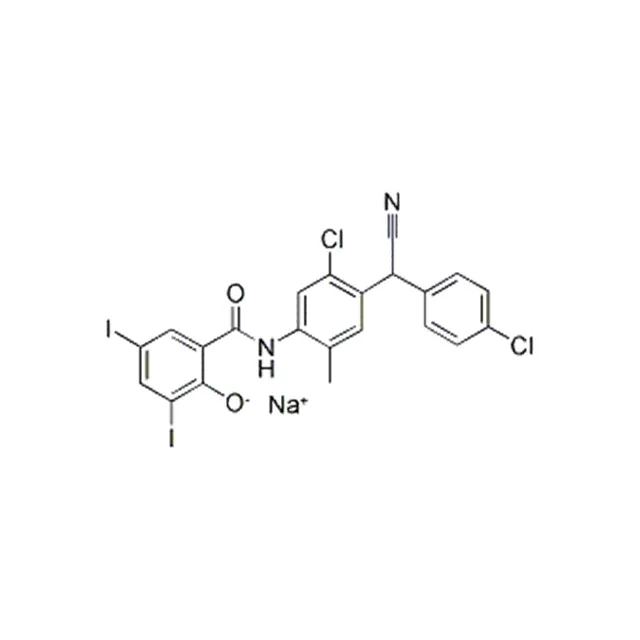
Closantel Sodium
Closantel sodium is a broad-spectrum insect repellent, which has good effect on the larva of various kinds ofnematode and arthropods. Its anti - absorption insect repellent activity is mainly aimed at the liver - schistosomiasis, and killing larvae of nematodes and arthropods are mainly targeted at various types of insects that use blood or plasma.Closantel sodium is a kind of strong oxidative phosphoric acid dissolving the coupling agent, which can inhibit phosphorylation process of mitochondria, so as to prevent insect body adenosine triphosphate (ATP) synthesis, leading to an insect physical metabolism vigor decrease rapidly and finally to death.
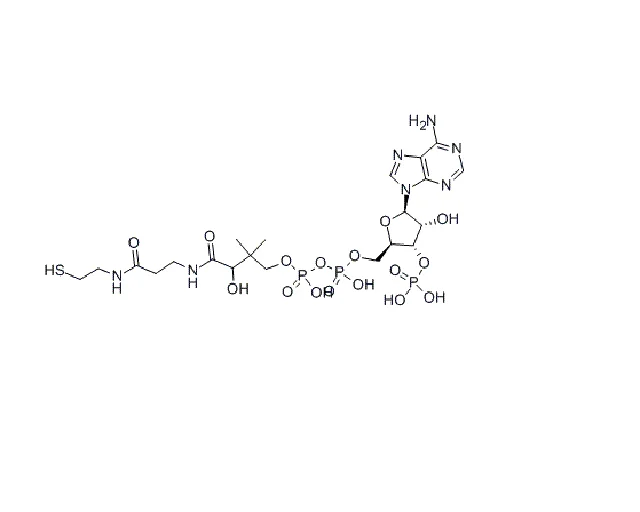
Coenzyme A
Coenzyme A (CoA, CoASH, or HSCoA) is a coenzyme, notable for its role in the synthesis and oxidation of fatty acids, and the oxidation ofpyruvate in the citric acid cycle. All genomes sequenced to date encode enzymes that use coenzyme A as a substrate, and around 4% of cellular enzymes use it (or a thioester, such as acetyl-CoA) as a substrate. In humans, CoA biosynthesis requires cysteamine, pantothenate, andadenosine triphosphate (ATP).
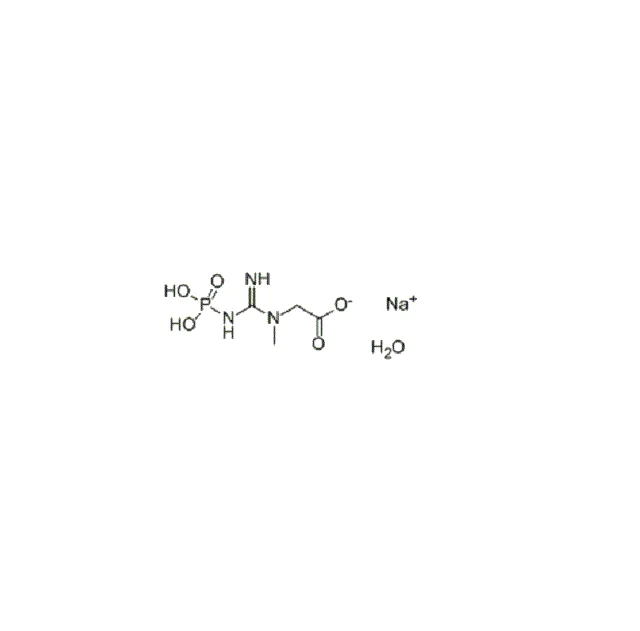
Creatine Phosphate Disodium Salt
The creatine phosphate shuttle facilitates transport of high energy phosphate from mitochondria.