


Pharmaceutical Chemicals API (267)
Showing 25–36 of 267 products · Page 3 of 23
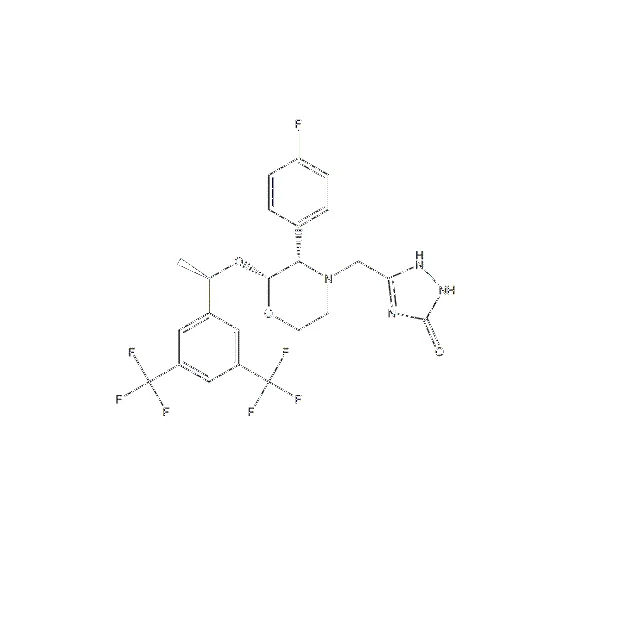
Aprepitant
Arepidem is used in combination with other antiemetic drugs to prevent acute or delayed nausea and vomiting during the initial or repeated treatment of high or moderate vomiting tumor chemotherapy. It has now been approved in more than 75 countries. The drug blocks the action of substance P by binding with NK-1 receptor (mainly in the central nervous system and its periphery), and it can occupy the NK-1 receptor in the brain through the blood-brain barrier, with high selectivity and affinity, but low affinity for NK-2 and nk-3 receptor. At the same time, the affinity of other drugs (such as dopamine receptor, 5-HT receptor) used to treat chemotherapy-induced nausea and vomiting symptoms is also very low, and the effect of reducing nausea and vomiting is better than other drugs.

Aprotinin
Trypsin inhibitor, pancreatic basic (CAS: 9087-70-1;9004-04-0)

Avastin
1. For the clinical treatment of tumors, such as the treatment of psoriasis. 2. For first-line treatment of patients with advanced colorectal cancer. It can be used to treat colon cancer, breast cancer and lung cancer.
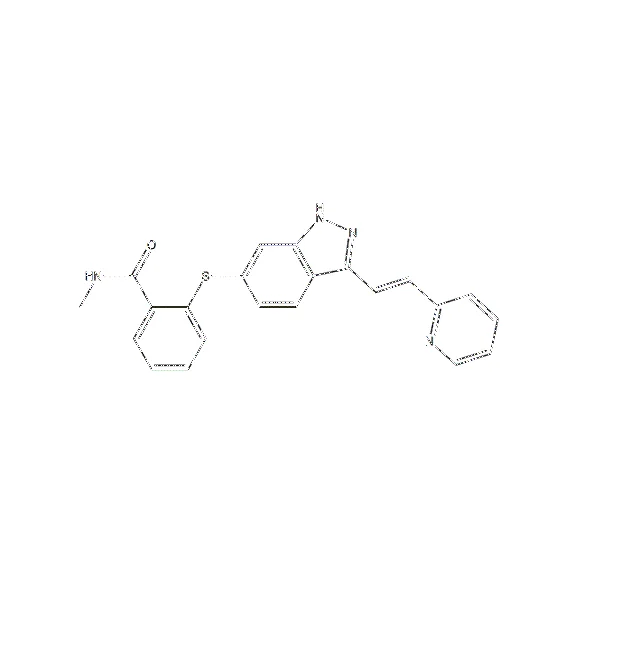
Axitinib
Acitinib is used to treat advanced renal cancer (RCC) that does not respond to other drugs. Renal cell carcinoma is a kind of tumor originated from renal tubular endothelial cells. Acitinib blocks the action of certain proteins called kinases that play a role in tumor growth and metastasis. Acetinib is a small molecule tyrosine kinase inhibitor, which is effective for many targets, including VEGF receptor 1, 2 and 3.
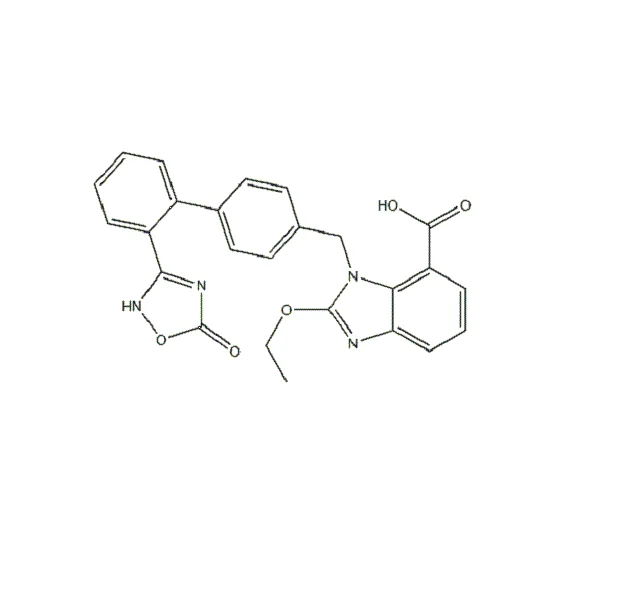
Azilsartan
Azilsartan (INN, codenamed TAK-536) is an angiotensin II receptor antagonist used in the treatment of hypertension that was developed by Takeda.

Azilsartan Medoxomil Potassium
Azilsartan kaMedoxomil (CAS: 863031-24-7)
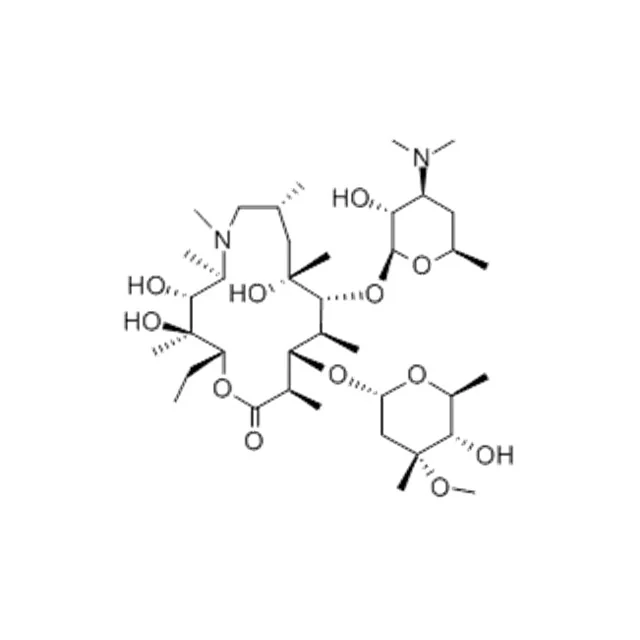
Azithromycin
Azithromycin is used to treat or prevent certain bacterial infections, most often those causing middle ear infections, strep throat, pneumonia, typhoid, and sinusitis; It has been used primarily to prevent bacterial infections in infants and those with weaker immune system. It is also effective against certain sexually transmitted infections, such as non-gonococcal urethritis, chlamydia, and cervicitis.
Bacitracin
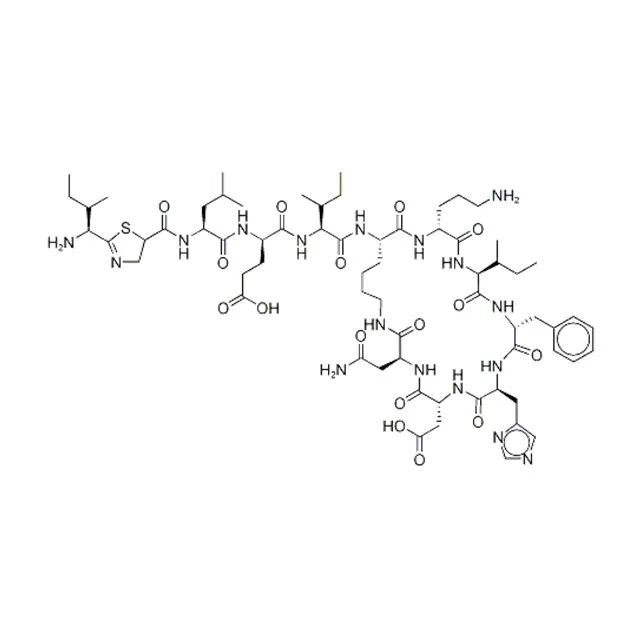
This product is mainly used as animal growth promoter in feed. Zinc, cadmium and mercury salts are used as feed additives because of their increased activity in the presence of zinc, cadmium and mercury salts. Growth promoters are non-nutritive additives, which can stimulate the growth of livestock and poultry, improve the rate of weight gain and feed utilization, and improve the health of livestock and poultry. It has strong antibacterial activity against most Gram-positive bacteria, similar to penicillin, and is also effective against penicillin-resistant Staphylococcus aureus. As a drug, it is mainly used to treat various infections caused by drug-resistant Staphylococcus aureus, such as sepsis, pneumonia, endocarditis and so on.
Benzbromarone
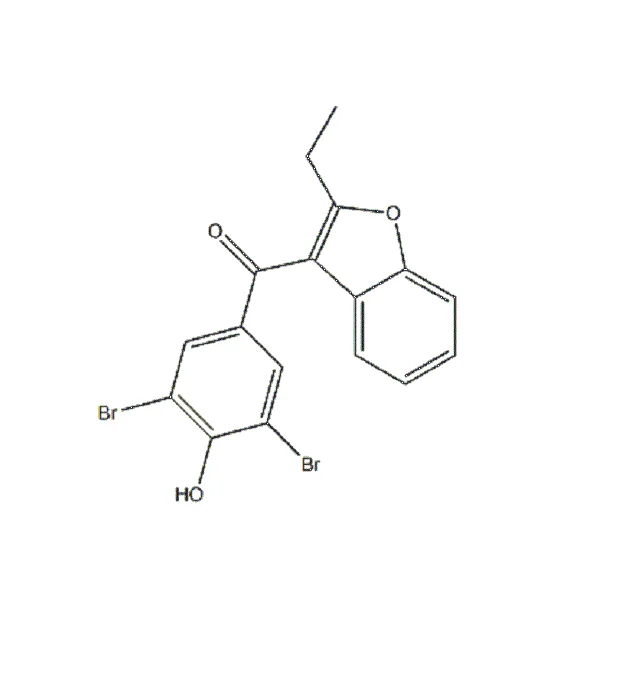
Benzbromarone (INN) is a uricosuric agent and non-competitive inhibitor of xanthine oxidase used in the treatment of gout, especially when allopurinol, a first-line treatment, fails or produces intolerable adverse effects. It is structurally related to the antiarrhythmic amiodarone.
Bicalutamide
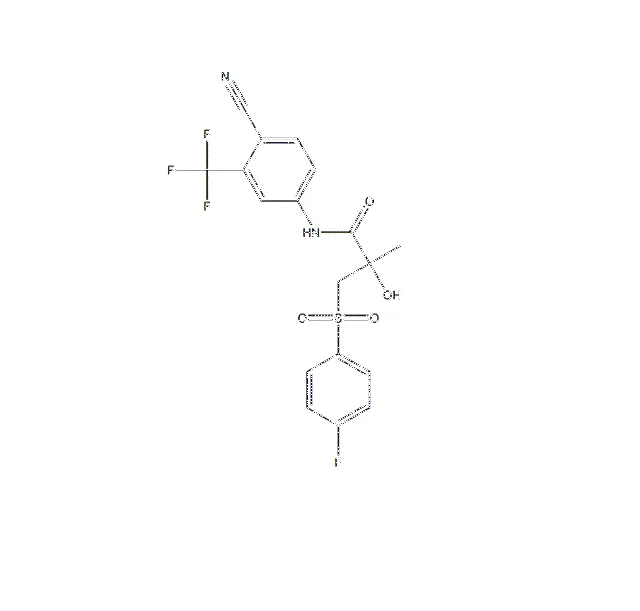
It is soluble in dimethylformamide, tetrahydrofuran, ethyl acetate and methanol, and insoluble in water. Bicalutamide is a non steroidal androgen antagonist, competing with androgen for androgen receptor, blocking the uptake of androgen by cells, inhibiting the combination of androgen and target organs. After binding with androgen receptor, bicalutamide can form receptor complex, enter the nucleus and bind with nucleoprotein, thus inhibiting the growth of tumor cells. Bicalutamide can be used as palliative treatment for advanced prostate cancer First line medication.
Bms 582664
It is an investigational, anti-tumorigenic drug for oral administration. The drug is being developed by Bristol-Myers Squibb for the treatment of hepatocellular carcinoma or HCC (also called malignant hepatoma), the most common type of liver cancer. Hepatocellular carcinoma is a primary cancer of the liver and is more common in men than in women. The disease occurs mostly in people who have scarring of the liver (cirrhosis) or after infection with hepatitis B or hepatitis C. Symptoms include pain and swelling in the abdomen, weight loss, weakness, loss of appetite and nausea. Hepatocellular carcinoma is a severe and life-threatening disease that is associated with poor overall survival. [2] While the choice of treatment depends mainly on how advanced the disease is, the only proven therapies to cure the cancer is surgery to remove the tumor and liver transplantation, but these therapies can only be carried out in very few patients. Other treatments include chemotherapy andimmunotherapy. Radiofrequency ablation and ethanol injection are also used to remove small tumors.
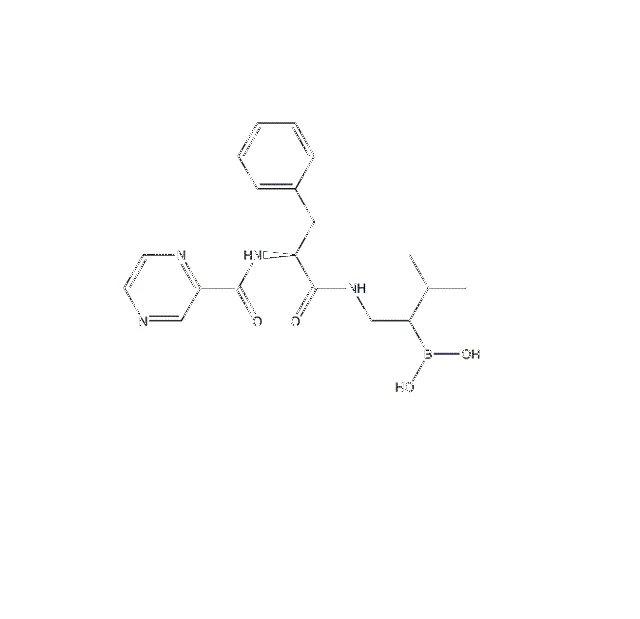
Bortezomib
Bortezomib, also known as bortezomib, is a kind of hematopoiesis system cancer treatment drug. It is white or almost white crystal powder, soluble in dimethyl sulfoxide, ethanol and water solution. It is a reversible inhibitor of 26S proteasome chymotrypsin like activity in mammalian cells. 26S proteasome is a large protein complex, which can degrade ubiquitin. The ubiquitin channel plays an important role in regulating the concentration of specific proteins in the cell to maintain the stability of the cell environment. Proteolysis will affect the multi-level signal tandem in cells, which will damage the normal cell environment and lead to cell death. The inhibition of 26S proteasome can prevent the hydrolysis of specific protein. In vitro experiments showed that bortezomib was cytotoxic to many types of cancer cells. The results of preclinical tumor model in vivo showed that bortezomib can delay the growth of tumor including multiple myeloma, and it is suitable for the treatment of multiple myeloma.