


Pharmaceutical Chemicals API (267)
Showing 37–48 of 267 products · Page 4 of 23
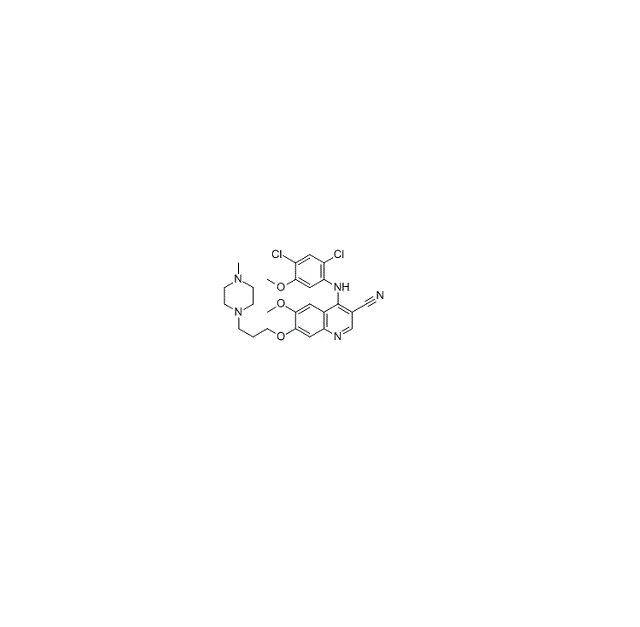
Bosutinib
Bosudinib is a powerful protein kinase inhibitor, which can not only inhibit the spontaneous phosphorylation of Src protein in a variety of human tumor cells, but also inhibit the phosphorylation process of SRC and Ab1 substrates. Non receptor tyrosine kinase SRC is a member of the Src kinase family SFKs. Its function mainly regulates different signal transduction pathways triggered by various surface receptors, such as tyrosine kinase receptor, G protein coupled receptor and antigen receptor. The expression or activity of this enzyme is closely related to the metastasis, development and spread of cancer cells.
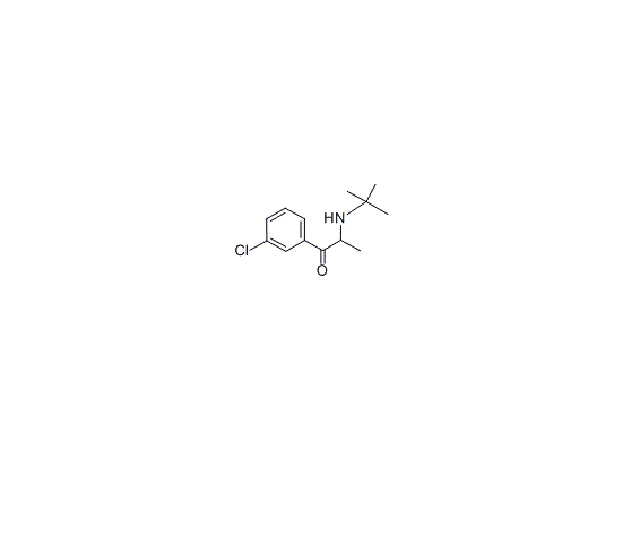
Bupropion hydrochloride API
New types of antidepressants, there are amino ketone structure, irrelevant to three ring, four ring and monoamine oxidase inhibitors or other standard medicine chemically,belongs to central nervous system medicine.
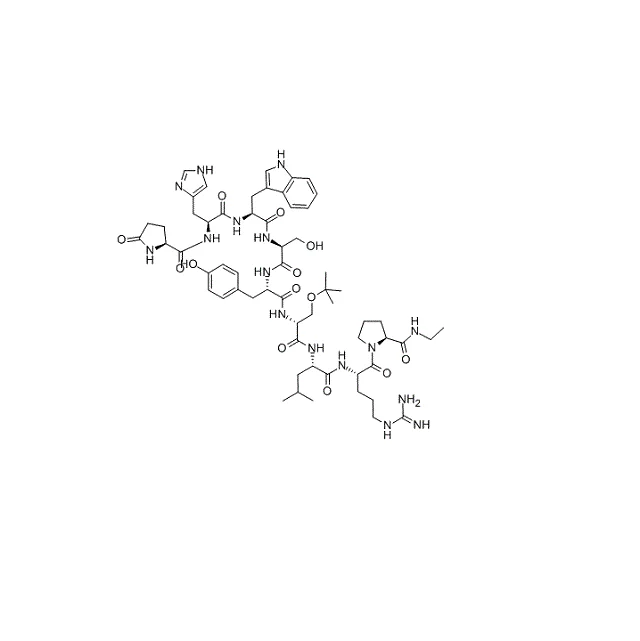
Buserelin
Bucherelin, GnRH analog. At the initial stage of use, the secretion of LH, FSH and sex hormone increased. After 1-2 weeks, the secretion of sex hormone decreased to castration level. It is mainly used in prostate cancer and breast cancer. Subcutaneous injection [with flutamide in men] was used at the beginning, while nasal injection was used for maintenance treatment.
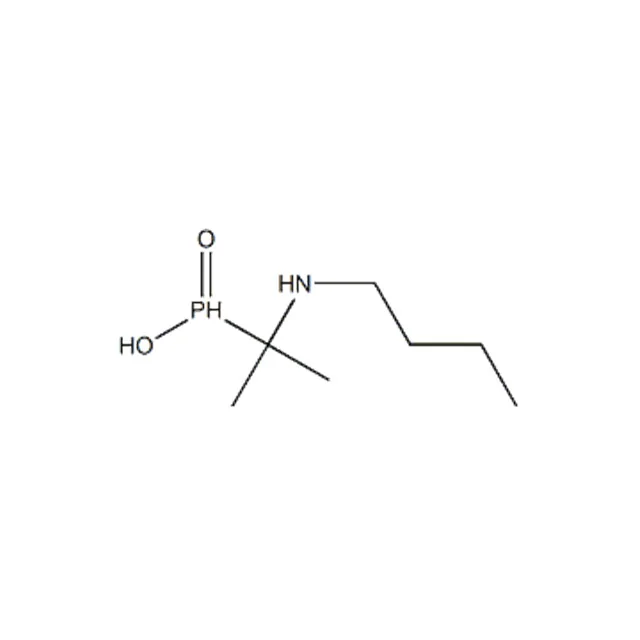
Butafosfan
Butafosfan, a component of Catosal, is licensed for the treatment of metabolic disorders or as a tonic in swine. It is veterinary drug materials, the main components of an effective organophosphorus supplement, promote liver function, help the muscle transport system to restore fatigue, reduce stress response, stimulate appetite, and promote non specific immune function; simple physical stimulation model, no residue in the body, no side effects.
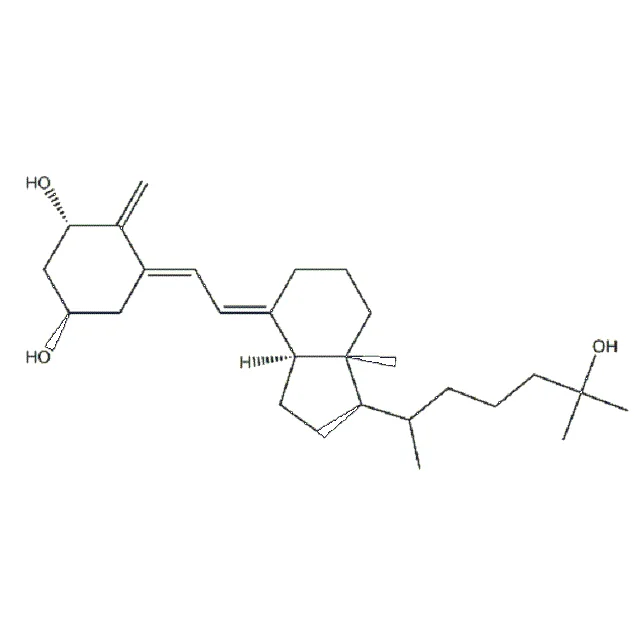
Calcitriol
Calcitriol also called 1,25-dihydroxycholecalciferol or 1,25-dihydroxyvitamin D3, is the hormonally active metabolite of vitamin
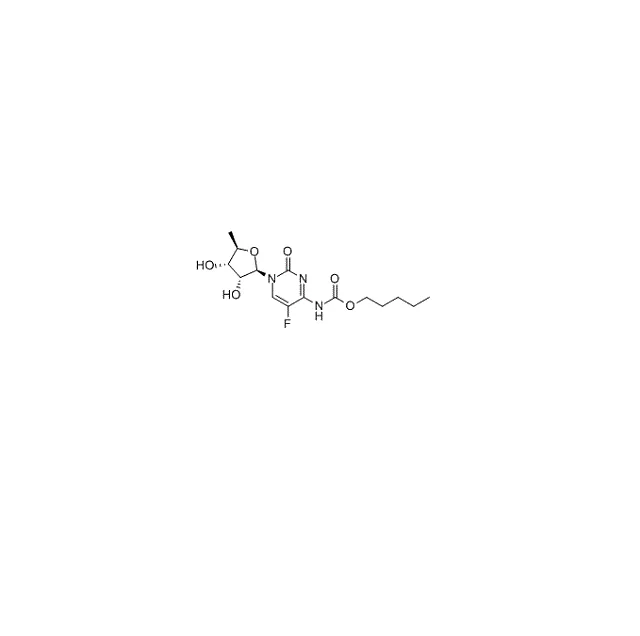
Capecitabine
Capecitabine is an antimetabolic fluorodeoxynucleoside carbamate drug that can be converted into 5-FU in vivo. It is developed by Roche company and trade name is Xeloda. It can inhibit cell division and interfere with RNA and protein synthesis. It is suitable for the further treatment of paclitaxel and advanced primary or metastatic breast cancer, including anthracycline antibiotic chemotherapy. It is mainly used for the treatment of advanced primary or metastatic breast cancer, rectal cancer, colon cancer and gastric cancer.
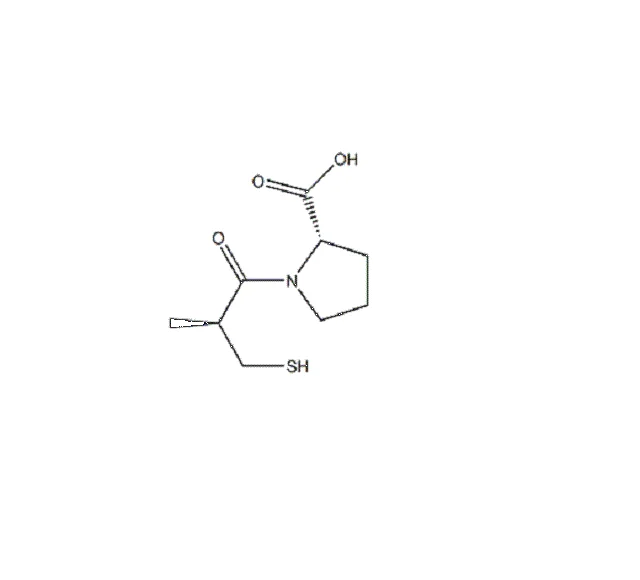
Captopril
Captopril is an angiotensin-converting enzyme (ACE) inhibitor used for the treatment of hypertension and some types of congestive heart failure. Captopril was the first ACE inhibitor developed and was considered a breakthrough both because of its novel mechanism of action and also because of the revolutionary development process. Captopril is commonly marketed by Bristol-Myers Squibb under the trade name Capoten.
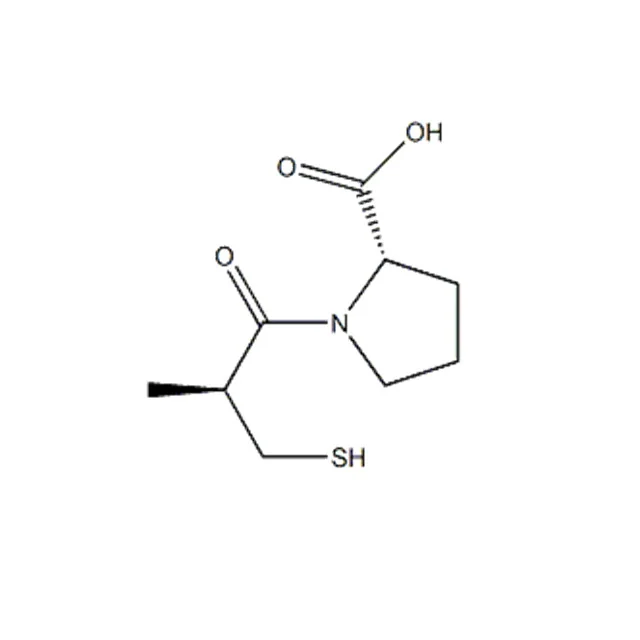
Captopril
Captopril have significant antihypertensive effect for various types of high blood pressure as antihypertensive medicine, and can also improve heart function in patients with congestive heart failure.
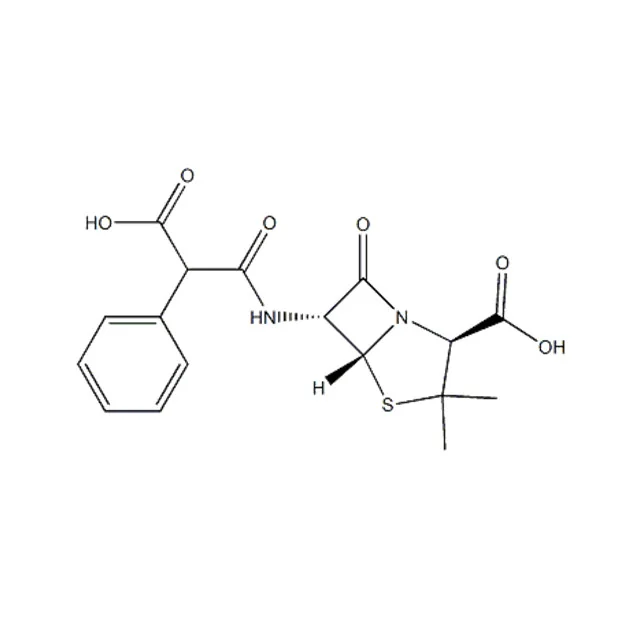
Carbenicillin
Carbenicillin is a bactericidal antibiotic belonging to the carboxypenicillin subgroup of the penicillins. This product is a broad-spectrum penicillin antibiotics, by inhibiting bacterial cell wall synthesis play a bactericidal effect. Escherichia coli, Enterobacteriaceae Proteus, Enterobacter, citrate spp, Salmonella and Shigella, as well as Pseudomonas aeruginosa, Haemophilus influenzae, Neisseria other Gram-negative bacteria have antibacterial effect. Hemolytic streptococcus, Streptococcus pneumoniae and non-penicillinase-producing staphylococci with antibacterial activity. Mainly suitable for systemic Pseudomonas aeruginosa infection, such as sepsis, urinary tract infections, respiratory tract infections, abdominal, pelvic infections, and skin and soft tissue infections, can also be used for other sensitive Enterobacteriaceae bacteria that cause systemic infections.
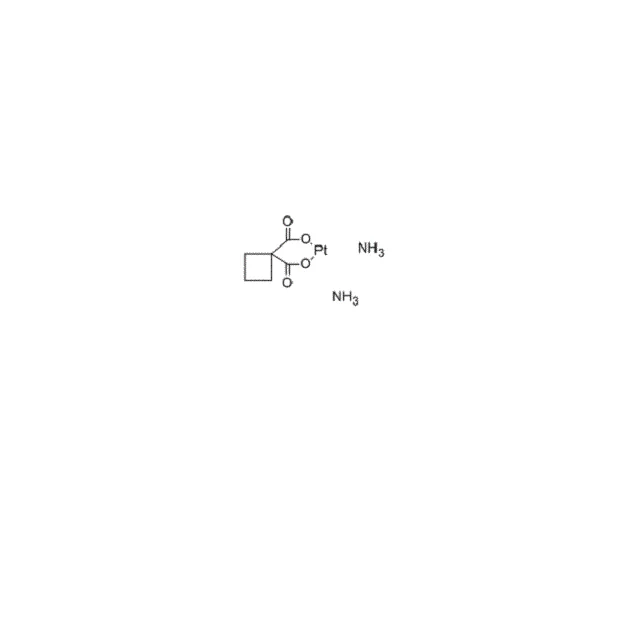
Carboplatin
Carboplatin is the second generation of platinum antitumor drugs. Its antitumor activity is similar to cisplatin, but its nephrotoxicity, ototoxicity and neurotoxicity, especially gastrointestinal reaction, are significantly lower than cisplatin, and its antitumor spectrum is not as wide as cisplatin. The main mechanism of action is to cause cross-linking between and within DNA chains, interfere with DNA molecules and inhibit DNA synthesis of cells. It mainly acts on N-7 and O-6 atoms of guanine in DNA and produces cytotoxic effect. Because the cyclobutane ring in carboplatin molecule is more stable as a ligand than the chloride ion group in cisplatin, it was initially thought that carboplatin may not have the ototoxicity, nephrotoxicity and neurotoxicity like cisplatin, but it has been proved by systematic biological evaluation and a large number of clinical trials, Although carboplatin is not as serious as cisplatin in renal toxicity, myelosuppression, ototoxicity and neurotoxicity, its damage to the body can not be ignored. There is cross resistance between cisplatin and its antitumor effect in vivo, so cancer cells that are not sensitive to cisplatin are also resistant to cisplatin. It was found that carboplatin not only inhibited tumor growth, but also had radiosensitization effect.
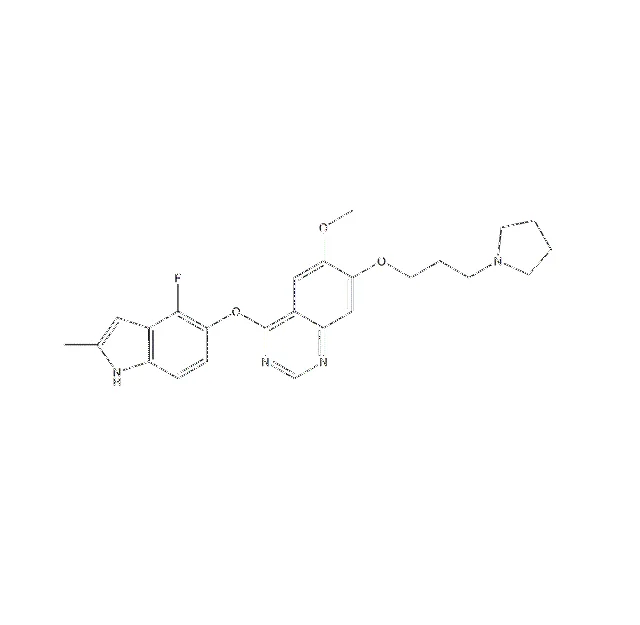
Cediranib
Cediranib is an oral antitumor drug. It is a highly effective inhibitor of VEGFR tyrosine kinase and can inhibit all known VEGFR tyrosine kinases (including VEGFR-1, VEGFR-2, VEGFR-3 and PDGFR). Sildenab can inhibit VEGF induced angiogenesis, neovascularization and xenograft cell growth. In the phase I study of NSCLC patients, it was found that the combination of sildenab and PC regimen had significant antitumor effect. Phase II / III study br24 studied 30 mg of sildenab as the first-line treatment for NSCLC patients, which proved that it had antitumor effect, but the incidence of adverse events was high, including diarrhea, dehydration, hand foot syndrome, hypertension and neutropenia. Therefore, it was decided to stop the clinical trial. Repeated evaluation of the dose and toxicity of the combination indicated that part of the adverse reactions were dose-related, and it could be tried to reduce the dose to improve the drug tolerance.
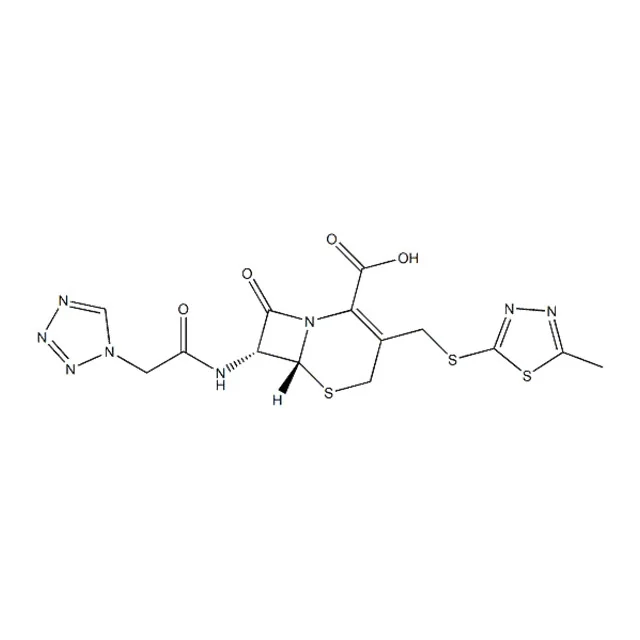
Cefazolin
Cefazolin (INN), also known as cefazoline or cephazolin is an antibiotic useful for the treatment of a number of bacterial infections.It is a first-generation cephalosporin antibiotic. Cephalosporins fall into the category of β-Lactam (beta-lactam) antibiotics. Other antibiotics that fall into this category are penicillin derivatives, monobactams and carbapenems. This group of antibiotics works by inhibiting cell wall synthesis of the bacteria by binding to penicillin-binding proteins. These groups of antibiotics are known as bactericidal, meaning that they kill the targeted bacteria (as opposed to inhibiting reproduction as bacteriostatic antibiotics do).