


Antibiotic Drugs API (46)
Showing 37–46 of 46 products · Page 4 of 4
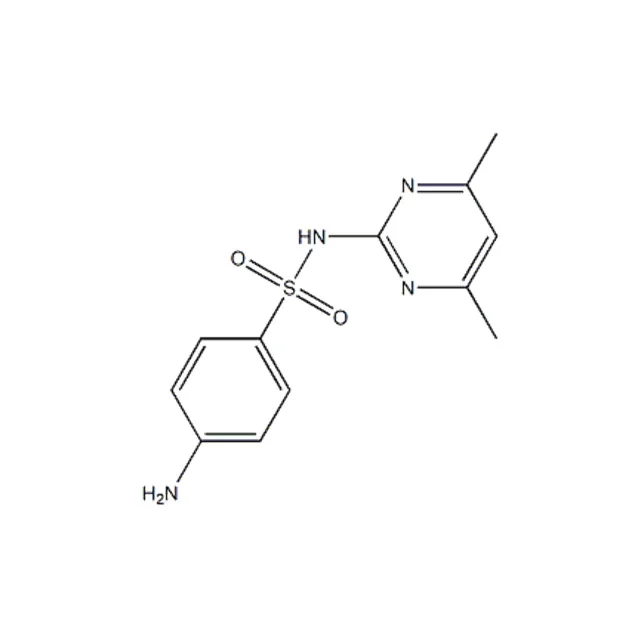
Sulfamethazine
Sulfamethazine is an antibacterial. Sulfamethazine blocks the synthesis of dihydrofolic acid by inhibiting dihydropteroate synthase. In addition, sulfamethazine is a structural analog and competitive antagonist of para-aminobenzoic acid (PABA) and can inhibit normal bacterial utilization of PABA for the synthesis of folic acid, which is an important metabolite in DNA synthesis.
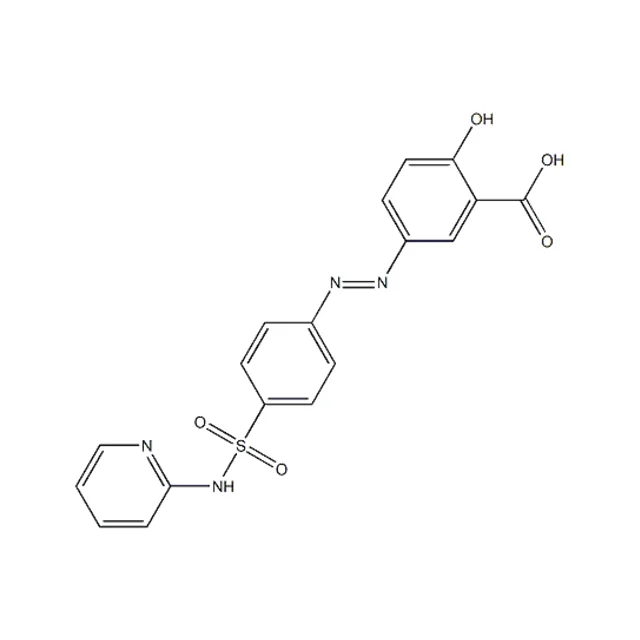
Sulfasalazine
Sulfasalazine is an antiinflammatory agent that inhibits GSH-H-transferase. Sulfasalazine largely inhibits NF-κB activation and induces apoptosis in T-lymphocytes. The compound also engages neutrophil apoptosis that can be abrogated by Tyr-K inhibitors, PKA inhibitors, or antioxidants. Sulfasalazine is shown to inhibit basic fibroblast growth factor-induced endothelial cell chemotaxis. Sulfasalazine is an inhibitor of TNFα and an activator of PPARγ.
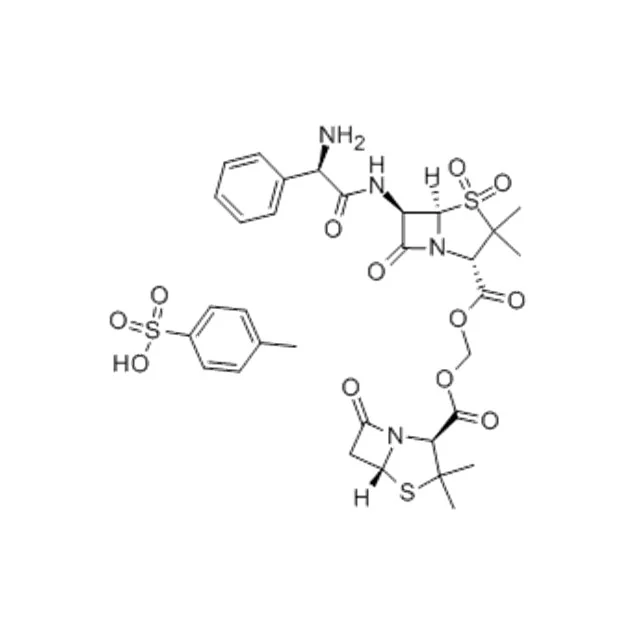
Sultamicillin Tosilate
Sultamicillin is indicated for infections caused by susceptible micro-organisms. Typical indications are upper respiratory tract infections including sinusitis, otitis media and tonsillitis; lower respiratory tract infections including bacterial pneumonias and bronchitis; urinary tract infections and pyelonephritis; skin and soft tissue infections; intra-abdominal infections and gonococcal infections.
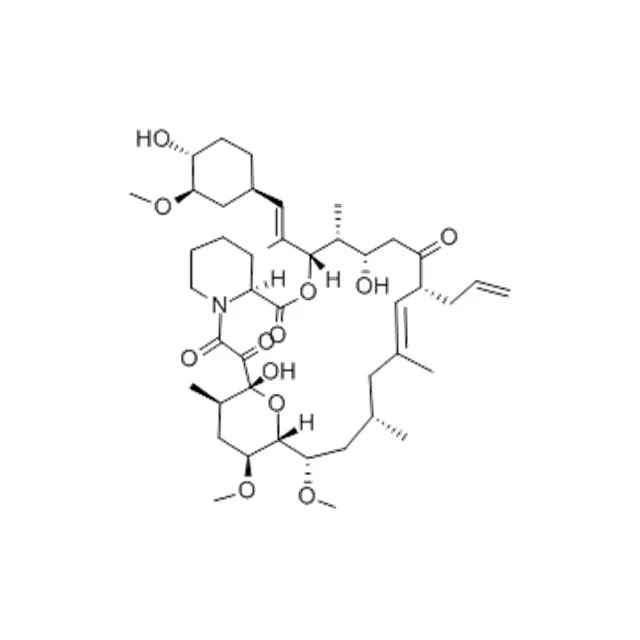
Tacrolimus
Tacrolimus is an immunosuppressive medicine used mainly after allogeneic organ transplant to reduce the activity of the patient's immune system and to lower the risk of organ rejection. It is also used in a topical preparation in the treatment of atopic dermatitis (eczema), severe refractory uveitis after bone marrow transplants, exacerbations of minimal change disease, TH2-mediated diseases such as Kimura's disease, and the skin condition vitiligo.
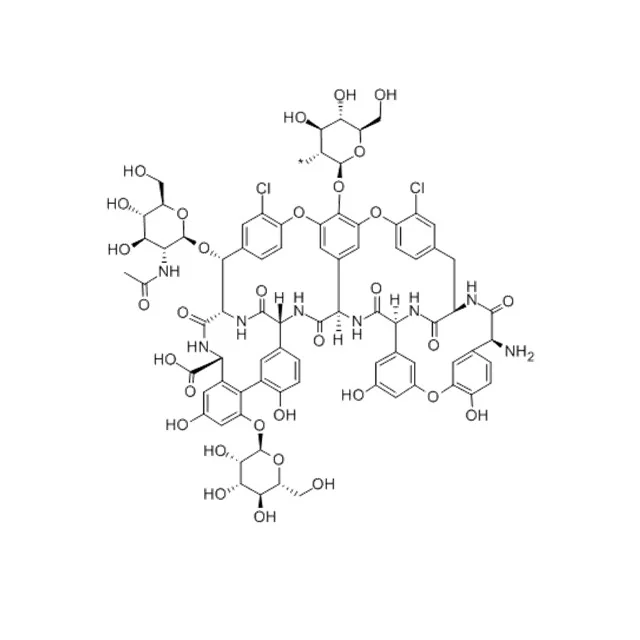
Teicoplanin
Teicoplanin is an antibiotic used in the prophylaxis and treatment of serious infections caused by Gram-positive bacteria, including methicillin-resistant Staphylococcus aureus and Enterococcus faecalis. It is a semisynthetic glycopeptide antibiotic with a spectrum of activity similar to vancomycin. Its mechanism of action is to inhibit bacterial cell wall synthesis.
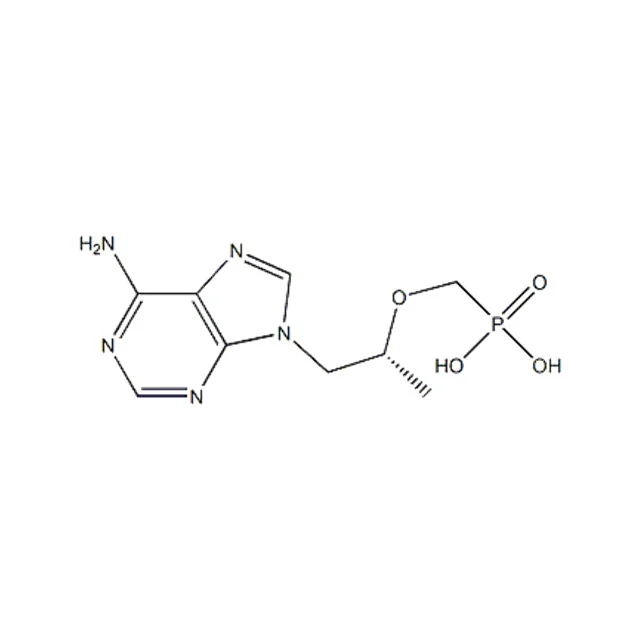
Tenofovir
Tenofovir is a kind of Acyclic phosphonate nucleotide analogue; reverse transcriptase inhibitor. Used as an anti-HIV agent. Antiviral.Tenofovir is a non cyclic nucleoside antiviral medicine, has the role of inhibition of HBV multi enzyme poly and HIV reverse transcriptase, for active ingredient tenofovir tenofovir bisphosphonates can through direct competition with natural DNA substrate combination and inhibit the viral polymerase and through in the human DNA chain termination.
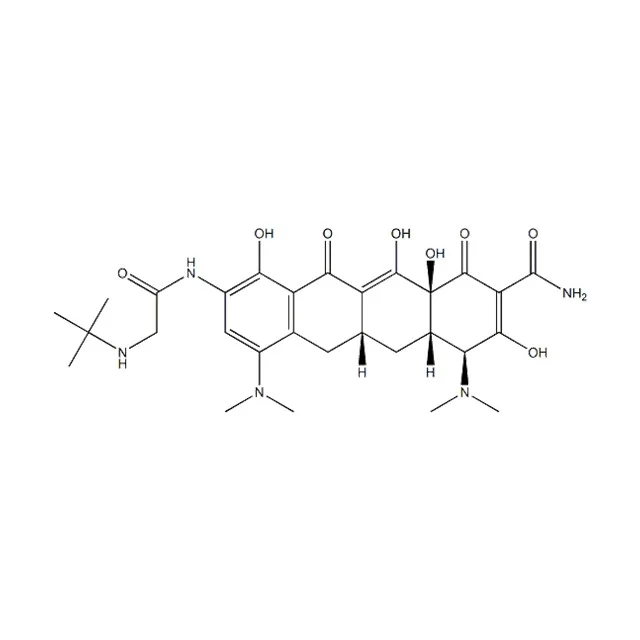
Tigecycline
Tigecycline is bacteriostatic and is a protein synthesis inhibitor by binding to the 30S ribosomal subunit of bacteria and thereby blocking entry of Aminoacyl-tRNA into the A site of the ribosome during prokaryotic translation.
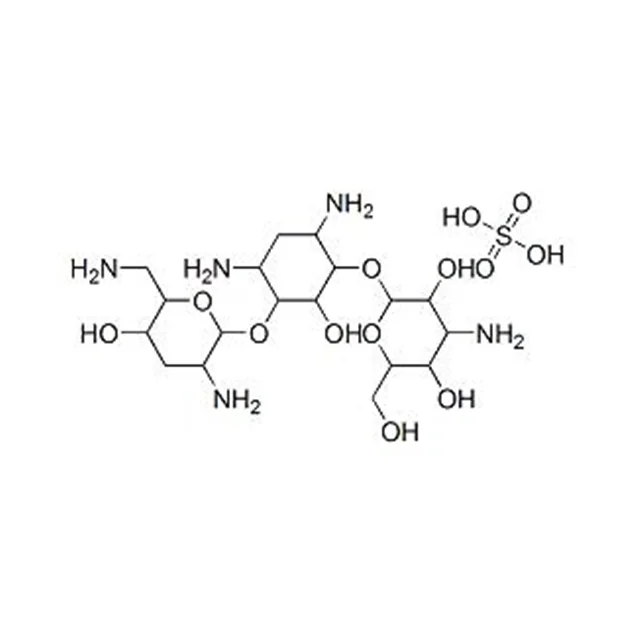
Tobramycin Sulphate
Tobramycin Sulphate is belong to aminoglycoside antibiotics,Character is white or kind of white powder or loose block.Mainly used for various gram-negative bacillus and infection caused by pseudomonas aeruginosa.
Vancomycin
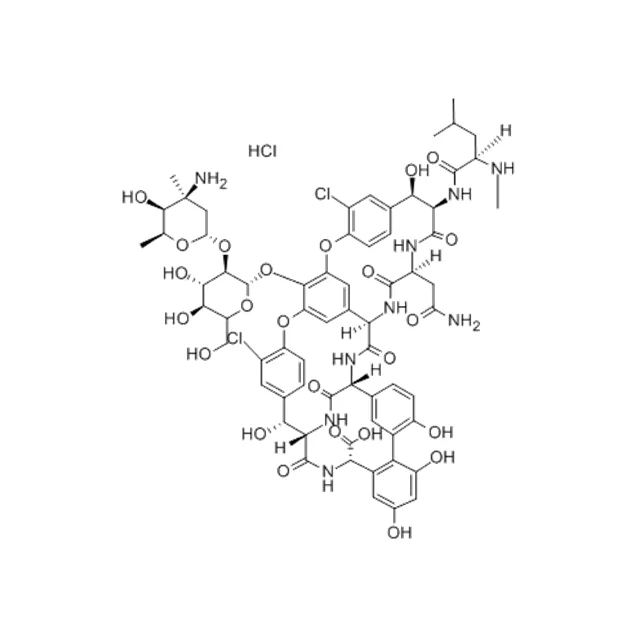
Vancomycin is a glycopeptide antibiotics macromolecular structure , vancomycin medicine dint strong, in other antibiotics on bacteria invalid will be used. Mainly used for Staphylococcus aureus (including resistance to penicillin and oxacillin resistant strains), Clostridium difficile, caused by infection and intestinal infection, such as endocarditis and sepsis, pseudomembranous enteritis.
Zidovudine
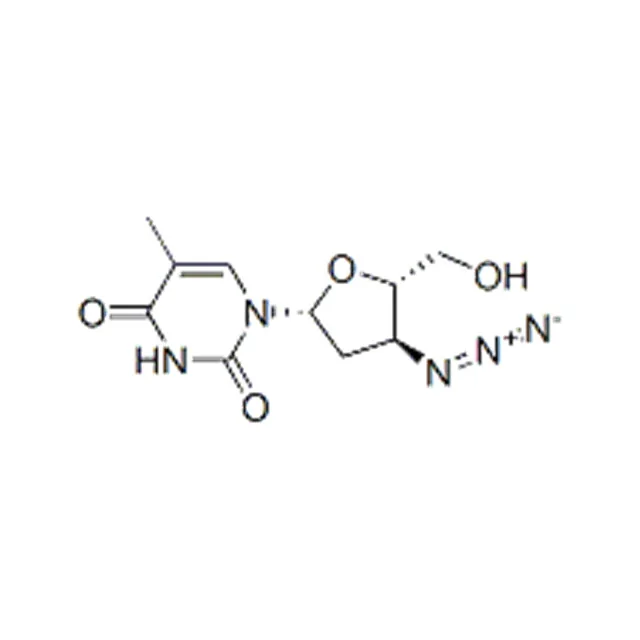
Zidovudine (ZDV), also known as azidothymidine (AZT), is an antiretroviral medication used to prevent and treat HIV/AIDS.It is of the nucleoside analog reverse-transcriptase inhibitor (NRTI) class. AZT inhibits the enzyme (reverse transcriptase) that HIV uses to synthesize DNA, thus preventing viral DNA from forming.