


Antibiotic Drugs API (46)
Showing 13–24 of 46 products · Page 2 of 4
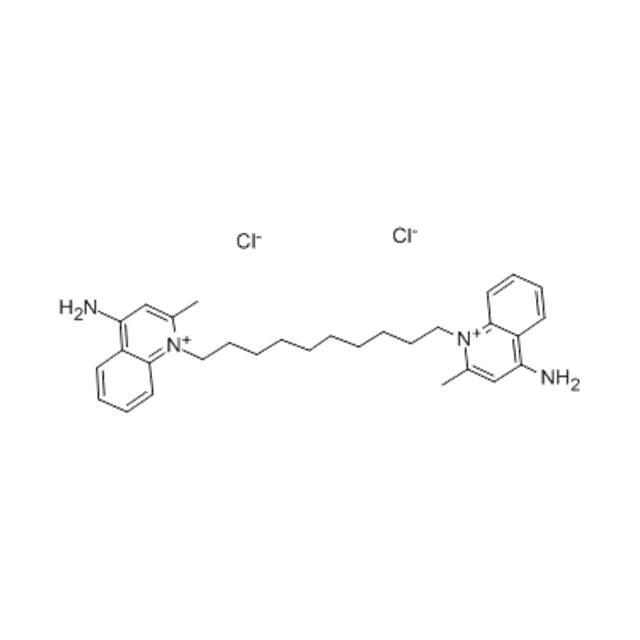
Dequalinium Chloride
Dequalinium chloride is a selective blocker of apamin-sensitive K+ channels and inhibitor of XIAP (X-linked inhibitor of apoptosis protein). The compound has induced apoptosis in leukemia B4 cells through disturbance of mitochondrial function, oxidative stress, and downregulation of Raf/MEK/ERK and PI3K/Akt signaling pathways.
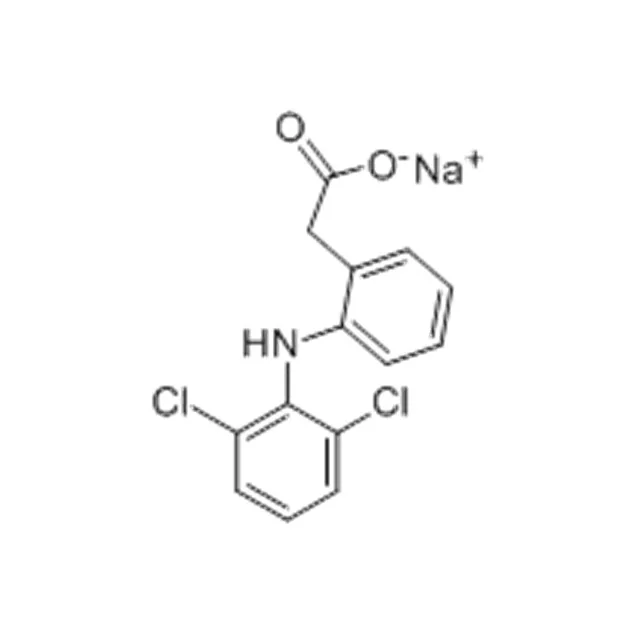
Diclofenac Sodium
Diclofenac sodium is a nonsteroidal anti-inflammatory drug (NSAID) which is primarily used to help treat the symptoms of arthritis. These medications can help reduce the swelling and inflammation caused by the disease to help provide comfort to the patient.
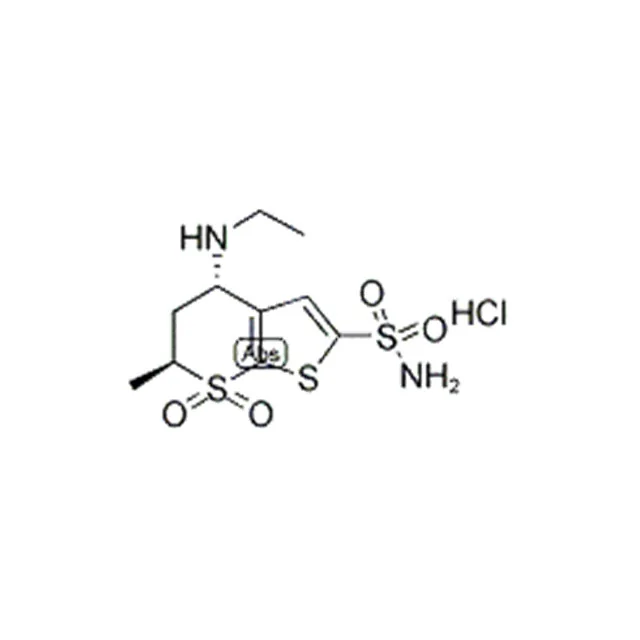
Dorzolomide Hydrochloride
Dorzolamide hydrochloride is used to lower increased intraocular pressure in open-angle glaucoma and ocular hypertension.
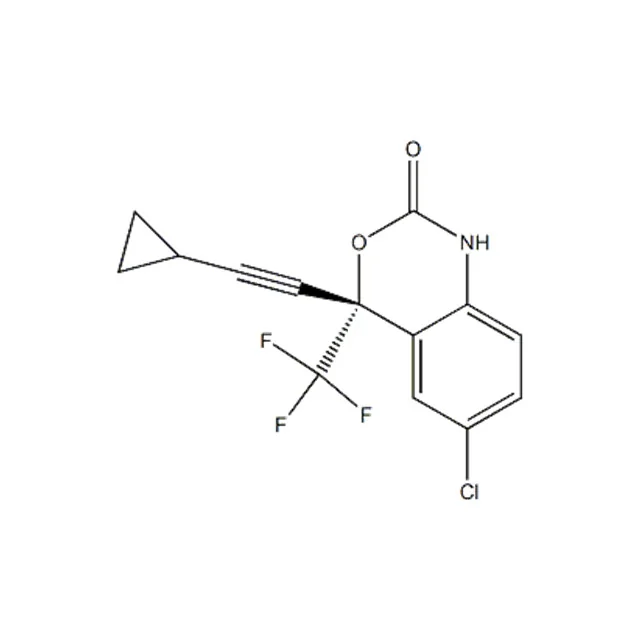
Efavirenz
Efavirenz is used as part of highly active antiretroviral therapy (HAART) for the treatment of human immunodeficiency virus (HIV) type 1.
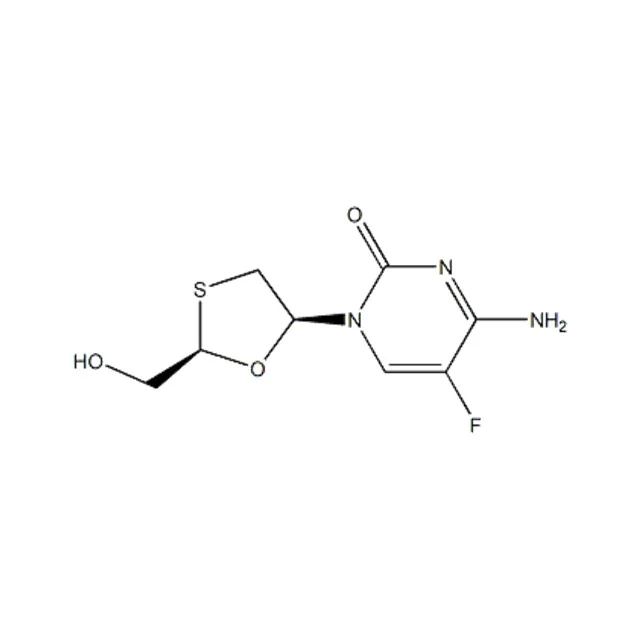
Emtricitabine
Emtricitabine is an analogue of cytidine. The drug works by inhibiting reverse transcriptase, the enzyme that copies HIV RNA into new viral DNA. By interfering with this process, which is central to the replication of HIV, emtricitabine can help to lower the amount of HIV, or "viral load", in a patient's body and can indirectly increase the number of immune system cells (called T cells or CD4+ T-cells). Both of these changes are associated with healthier immune systems and decreased likelihood of serious illness.
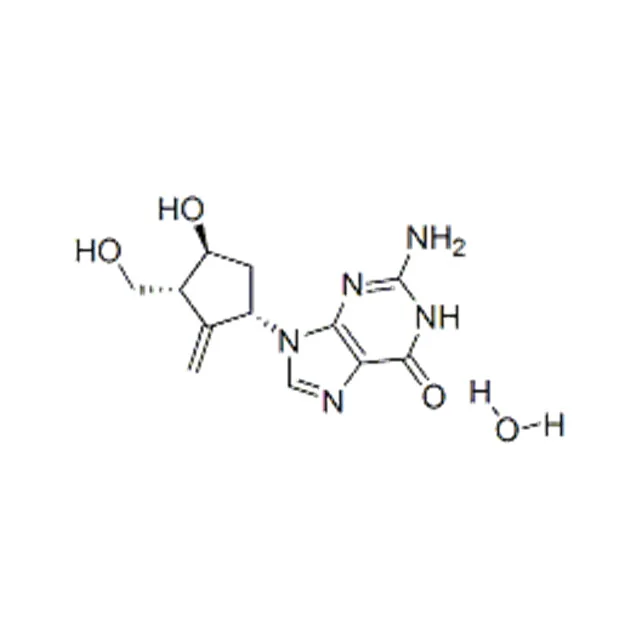
Entecavir Hydrate
Entecavir hydrate is a new kind of cyclopentyl acyl guanosine anti-hepatitis b virus medicine with its pharmacological effects similar as entecavir. It is clinically applied to the treatment of adult chronic hepatitis b in which there is active viral replication, increased serum transaminase ALT or active lesions showed from liver histology.
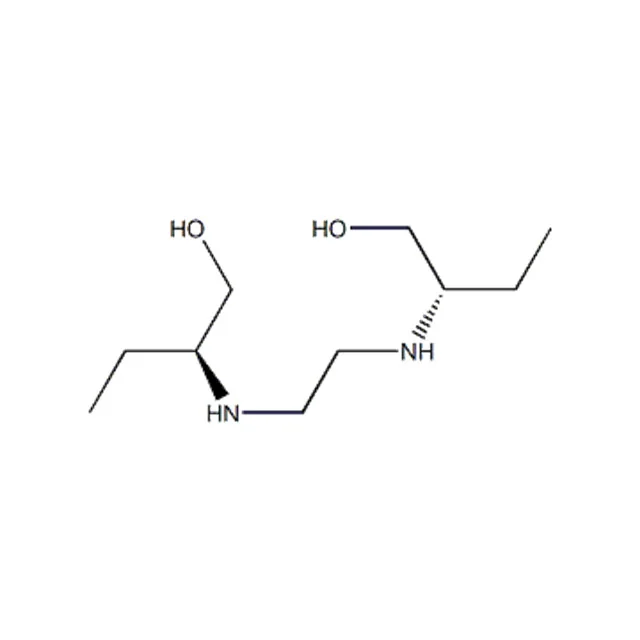
Ethambutol
Ethambutol (commonly abbreviated EMB or simply E) is a bacteriostatic antimycobacterial medicine prescribed to treat tuberculosis. It is usually given in combination with other tuberculosis medicine, such as isoniazid, rifampicin and pyrazinamide.
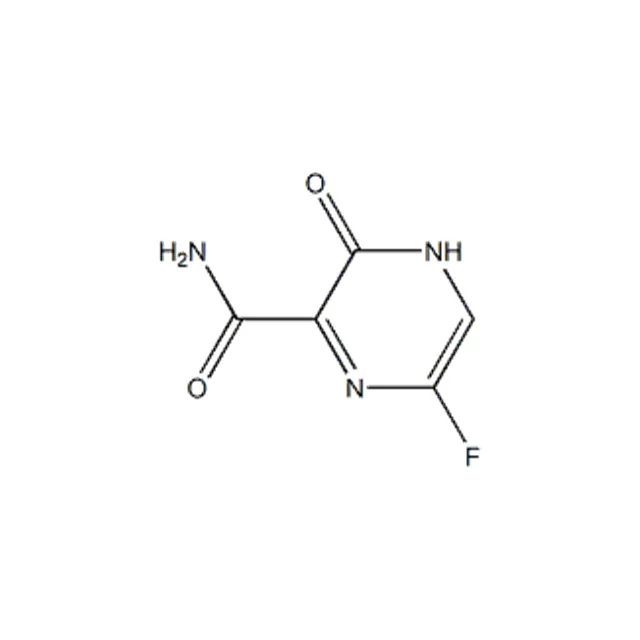
Favipiravir
Favipiravir is a nucleoside antiviral drug, the mechanism of action has not been fully explained. The target is the viral rna-dependent RNA polymerase. After oral absorption, the drug was converted into a bioactive nucleoside triphosphate of Favipiravir, whose structure was similar to that of purine Chemicalbook and could compete with purines for viral RNA polymerase.The nucleoside triphosphates of Favipiravir can also be inserted into viral RNA strands, inducing lethal mutations in the virus.Therefore, in terms of mechanism, Favipiravir has potential antiviral effect on various RNA viruses.
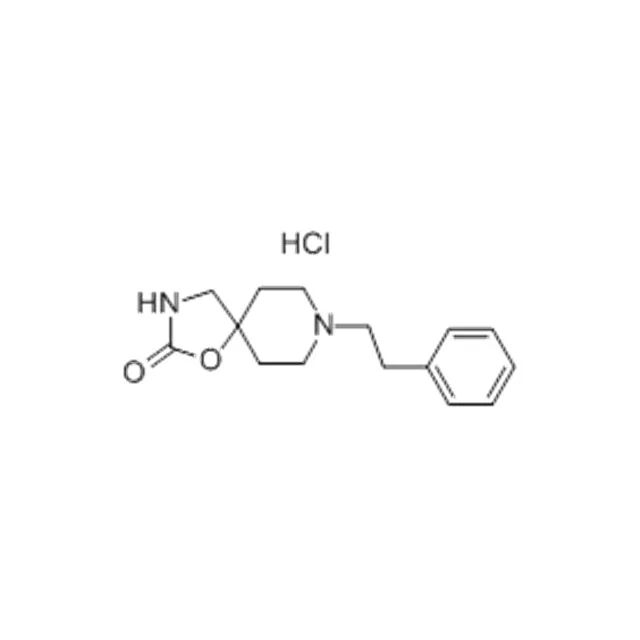
Fenspiride Hydrochloride
Fenspiride is an oxazolidinone spiro compound used as a drug in the treatment of certain respiratory diseases. The pharmacotherapeutic classification is antitussives. In Russia it is approved for the treatment of acute and chronic inflammatory diseases of ENT organs (ear, nose, throat) and the respiratory tract (like rhinopharyngitis, laryngitis, tracheobronchitis, otitis and sinusitis), as well as for maintenance treatment of asthma.
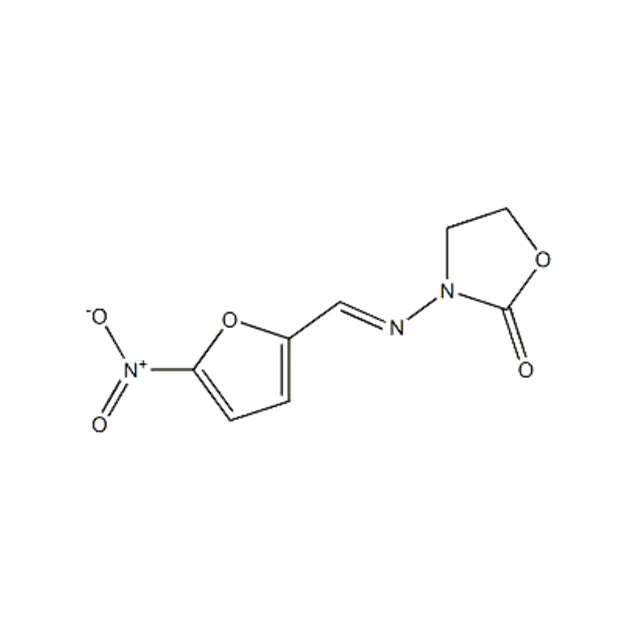
Furazolidon
Furazolidone has been used in human and veterinary medicine. In humans it has used to treat diarrhoea and enteritis caused by bacteria or protozoan infections. It has been used to treat traveler's diarrhoea, cholera and bacteremic salmonellosis. Use in treating Helicobacter pylori infections has also been proposed.As a veterinary medicine, furazolidone has been used with some success to treat salmonids for Myxobolus cerebralis infections.
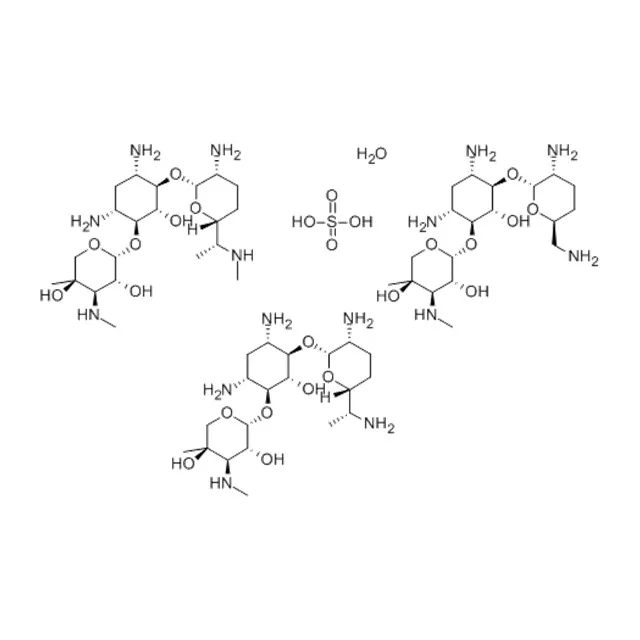
Gentamycin Sulfate
Gentamicin is an aminoglycoside antibiotic complex produced by fermentation of Micromonospora purpurea or M. echinospora. It is a mixture of 3 major components designated as C1 (C21H43N5O7), C1a (C19H39N5O), and C2 (C20H41N5O7). Gentamicin is used as the sulfate salt. Each component consists of five basic nitrogens and requires five equivalents of sulfuric acid per mole of gentamicin base. Gentamicin sulfate is a broad spectrum antibiotic. It inhibits the growth of a wide variety of Gram-positive and Gram-negative microorganisms, including strains resistant to tetracycline, chloramphenicol, kanamycin, and colistin, particularly strains of Pseudomonas, Proteus, Staphylococcus, and Streptococcus. It is effective against mycoplasma as well.
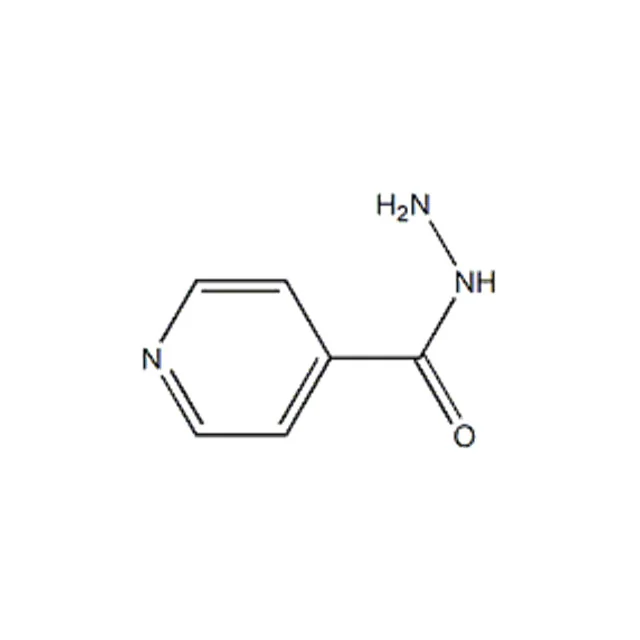
Isoniazid
Isoniazid is an antibacterial agent used primarily as a tuberculostatic. Target: Antibacterial Isoniazid is a prodrug and must be activated by a bacterial catalase-peroxidase enzyme that in M. tuberculosis is called KatG. KatG couples the isonicotinic acyl with NADH to form isonicotinic acyl-NADH complex. This complex binds tightly to the enoyl-acyl carrier protein reductase known as InhA, thereby blocking the natural enoyl-AcpM substrate and the action of fatty acid synthase. This process inhibits the synthesis of mycolic acid, required for the mycobacterial cell wall. A range of radicals are produced by KatG activation of isoniazid, including nitric oxide, which has also been shown to be important in the action of another antimycobacterial prodrug PA-824. Isoniazid is bactericidal to rapidly dividing mycobacteria, but is bacteriostatic if the mycobacteria are slow-growing.