


Antibiotic Drugs API (46)
Showing 1–12 of 46 products · Page 1 of 4
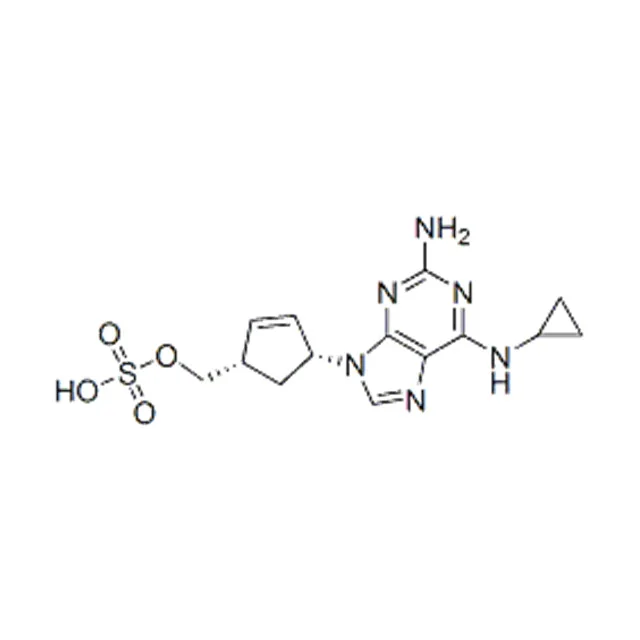
Abacavir Sulphate
Abacavir Sulfate, an indication for the treatment of human immunodeficiency virus (HIV) infection in adults, is combined with antiretroviral therapy.
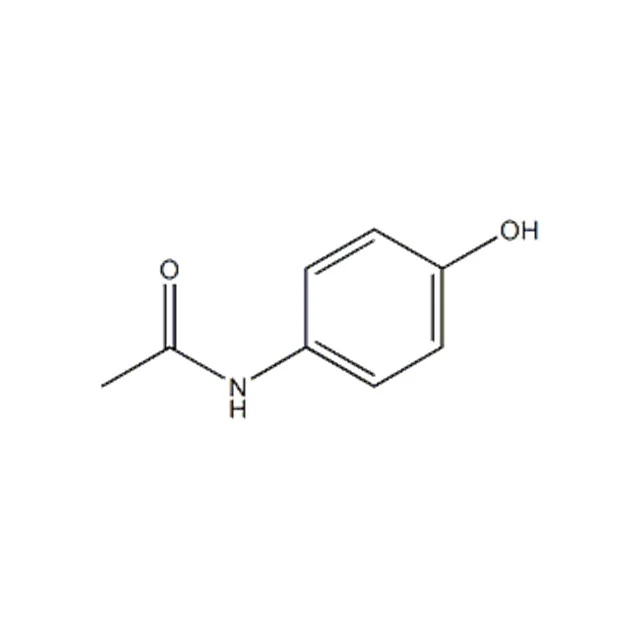
Acetaminophen
Acetaminophen is approved for reducing fever in people of all ages.
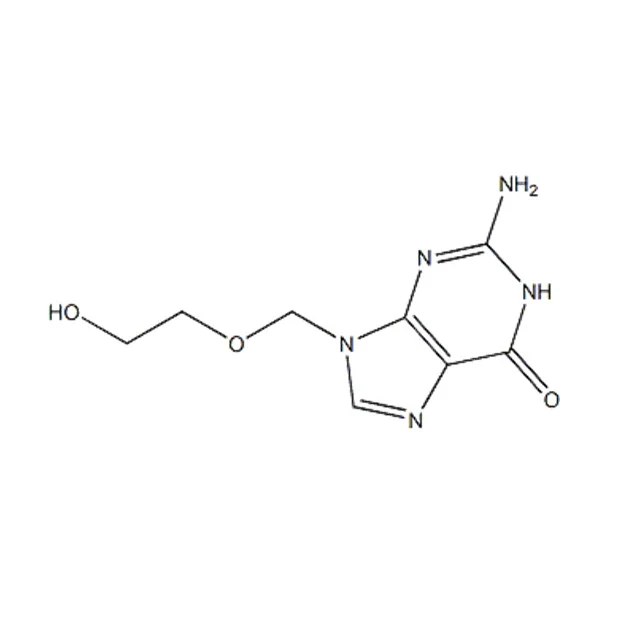
Acyclovir
Aciclovir (INN, BAN. Brand names: Cyclovir, Herpex, Acivir, Acivirax, Zovirax, Zoral, Xovir and Imavir) or acyclovir (USAN, former BAN), chemical name acycloguanosine, abbreviated as ACV, is a guanosine analogue antiviral drug. It is one of the most commonly used antiviral medicine, that is primarily used for the treatment of herpes simplex virus infections, as well as in the treatment of varicella zoster (chickenpox) and herpes zoster (shingles).

Ampicillin
Ampicillin is a beta-lactam antibiotic that has been used extensively to treat bacterial infections since 1961. Until the introduction of ampicillin by the British companyBeecham, penicillin therapies had only been effective against Gram-positive organisms such as staphylococci and streptococci. Ampicillin (originally branded as 'Penbritin') also demonstrated activity against Gram-negative organisms such as H. influenzae, coliforms and Proteus spp. Ampicillin was the first of a number of so-called broad spectrum penicillins subsequently introduced by Beecham. Ampicillin is part of the aminopenicillin family and is roughly equivalent to its successor, amoxicillin in terms of spectrum and level of activity. It can sometimes result in reactions that range in severity from a rash (in the case of patients that may unwittingly have mononucleosis) to potentially lethal allergic reactions such as anaphylaxis.
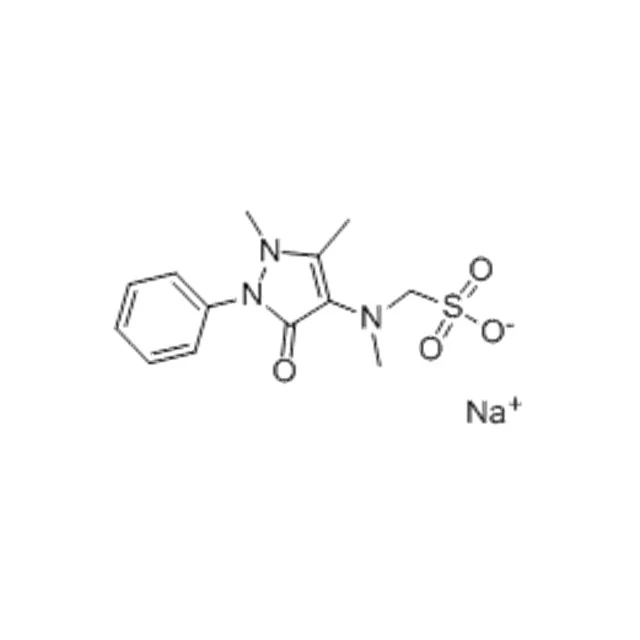
Analgin
It is primarily used for perioperative pain, although the clinical trial data to support this use is limited at best. It is also used for acute injury, colic, cancer pain, other acute/chronic forms of pain and high fever unresponsive to other agents.
Bacitracin
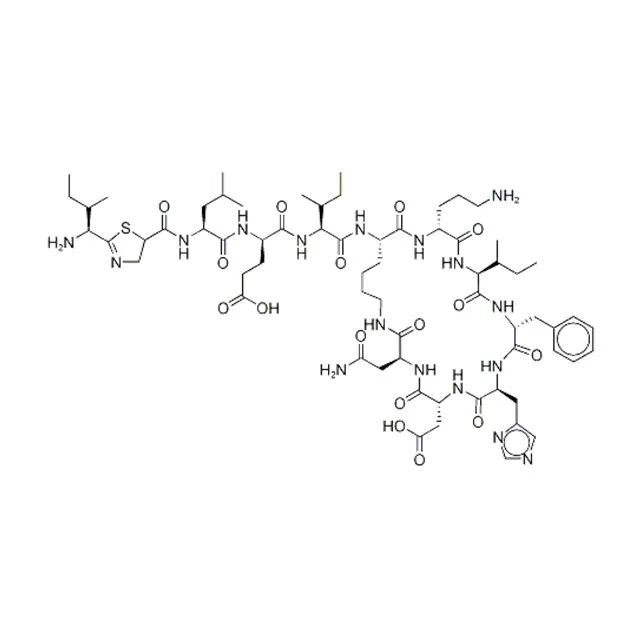
This product is mainly used as animal growth promoter in feed. Zinc, cadmium and mercury salts are used as feed additives because of their increased activity in the presence of zinc, cadmium and mercury salts. Growth promoters are non-nutritive additives, which can stimulate the growth of livestock and poultry, improve the rate of weight gain and feed utilization, and improve the health of livestock and poultry. It has strong antibacterial activity against most Gram-positive bacteria, similar to penicillin, and is also effective against penicillin-resistant Staphylococcus aureus. As a drug, it is mainly used to treat various infections caused by drug-resistant Staphylococcus aureus, such as sepsis, pneumonia, endocarditis and so on.
Cefazolin
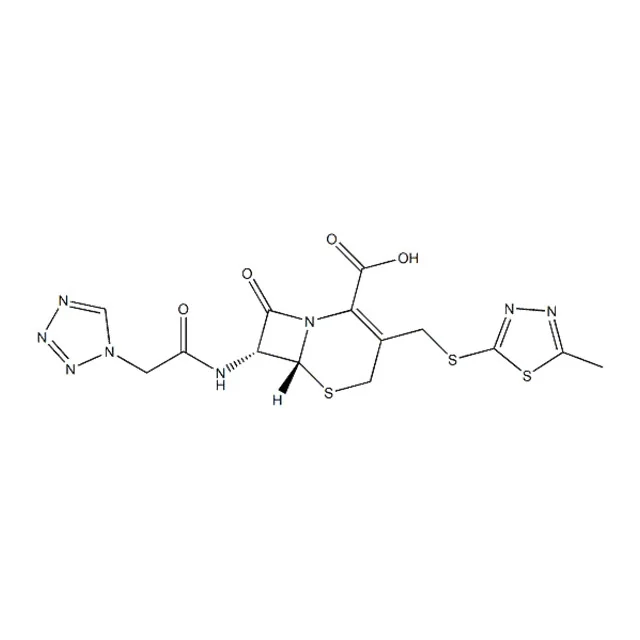
Cefazolin (INN), also known as cefazoline or cephazolin is an antibiotic useful for the treatment of a number of bacterial infections.It is a first-generation cephalosporin antibiotic. Cephalosporins fall into the category of β-Lactam (beta-lactam) antibiotics. Other antibiotics that fall into this category are penicillin derivatives, monobactams and carbapenems. This group of antibiotics works by inhibiting cell wall synthesis of the bacteria by binding to penicillin-binding proteins. These groups of antibiotics are known as bactericidal, meaning that they kill the targeted bacteria (as opposed to inhibiting reproduction as bacteriostatic antibiotics do).
Cefotaxime Sodium
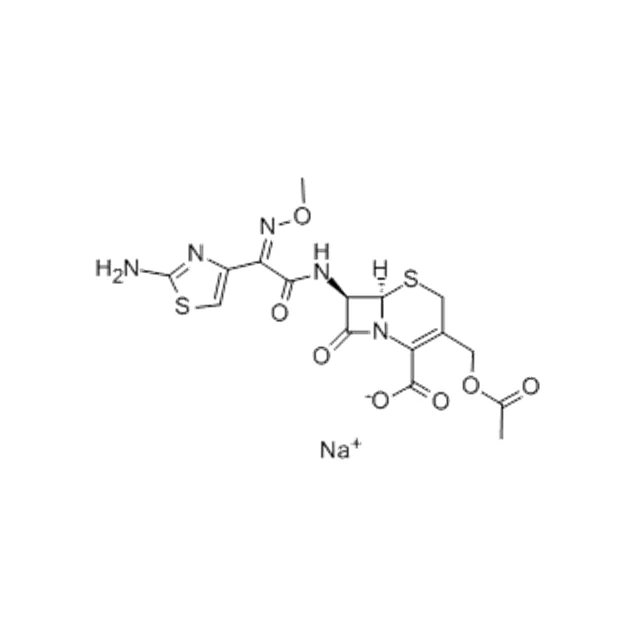
Cefotaxime Sodium is a class of broad-spectrum semi-synthetic antibiotic, penicillin, compared with a wider antibacterial spectrum, penicillin-resistant enzymes, high efficacy, low toxicity and fewer allergic reactions, etc., in the anti-infective therapy occupies an important position.
Celecoxib
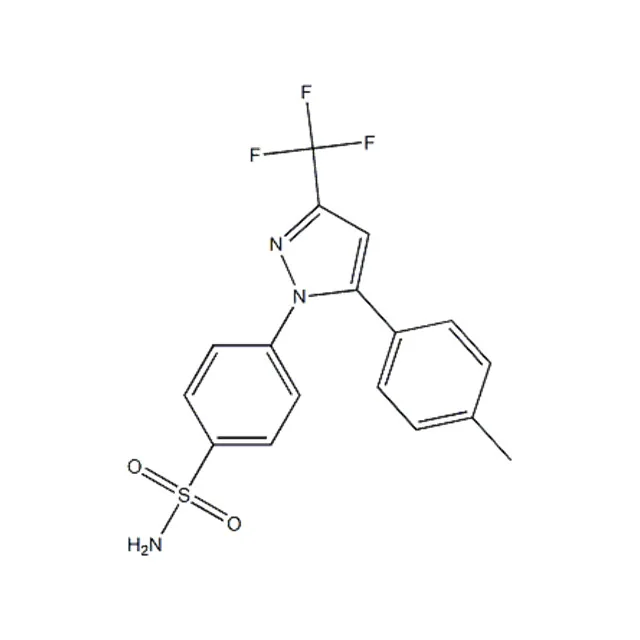
Celecoxib is used for osteoarthritis, rheumatoid arthritis, acute pain, painful menstruation, ankylosing spondylitis, and to reduce the number of colon and rectal polyps in people with familial adenomatous polyposis.
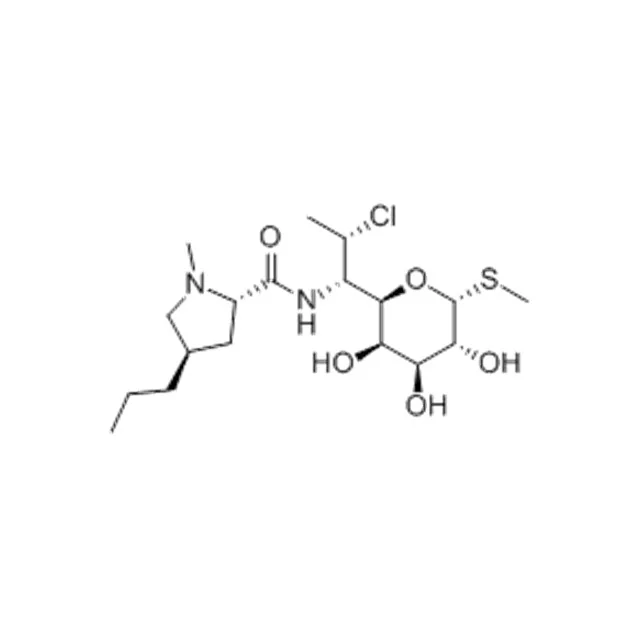
Clindamycin
Clindamycin is an antibiotic that fights bacteria in the body.Clindamycin is used to treat serious infections caused by bacteria.Clindamycin is a lincosamide antibiotic. It is usually used to treat infections with anaerobic bacteria, but can also be used to treat some protozoal diseases, such as malaria. It is a common topical treatment for acne and can be useful against some methicillin-resistant Staphylococcus aureus (MRSA) infections.The most severe common adverse effect of clindamycin is Clostridium difficile-associated diarrhea (the most frequent cause of pseudomembranous colitis). Although this side effect occurs with almost all antibiotics, including beta-lactam antibiotics, it is classically linked to clindamycin use.Clindamycin is marketed under various trade names, including Dalacin, Lincocin (Bangladesh), and Daclin. Combination products include Duac, BenzaClin, Clindoxyl and Acanya (in combination with benzoyl peroxide), and Ziana (with tretinoin). Clindamycin is also available as a generic drug.
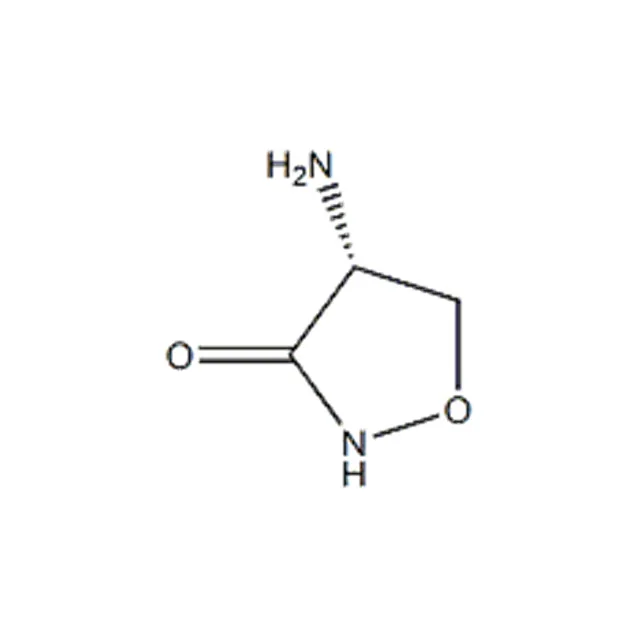
D-cycloserine
D-cycloserine is a colorless solid that is produced by some bacteria. It is an antibiotic effective against Mycobacterium tuberculosis. Since the discovery that cycloserine is able to penetrate into the central nervous system, numerous studies have been conducted to assess the efficacy of cycloserine for psychiatric disorders. It has been found to be effective in the treatment of some neurological disorders, due to its effect as a selective partial agonist of the N-methyl-D-aspartic acid (NMDA) glutamatergic receptors found in the basolateral nucleus of the amygdala. Specifically, cycloserine affects the glycine-binding sites which are important for opening these NMDA channels. Cycloserine is stable under basic conditions, with the greatest stability at pH = 11.5.
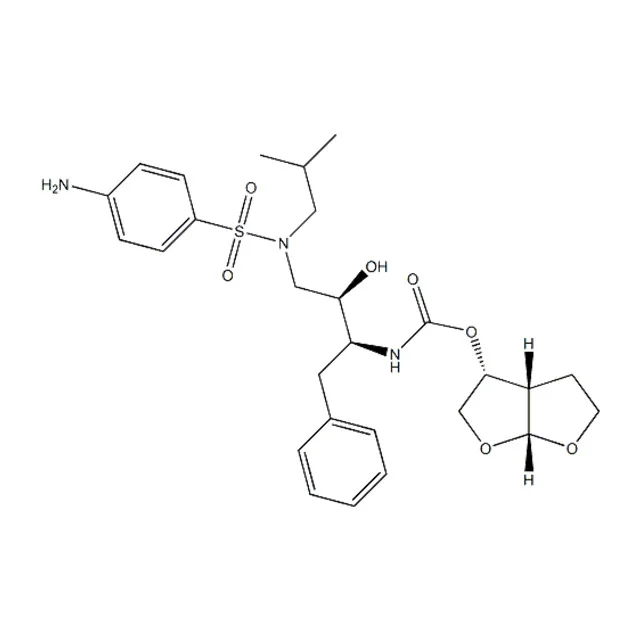
Darunavir
Darunavir (formerly known as TMC114) is a protease inhibitor medication used to treat HIV infection. Darunavir is an OARAC recommended treatment option for treatment-naïve and treatment-experienced adults and adolescents.