


Antibiotic Drugs API (46)
Showing 25–36 of 46 products · Page 3 of 4
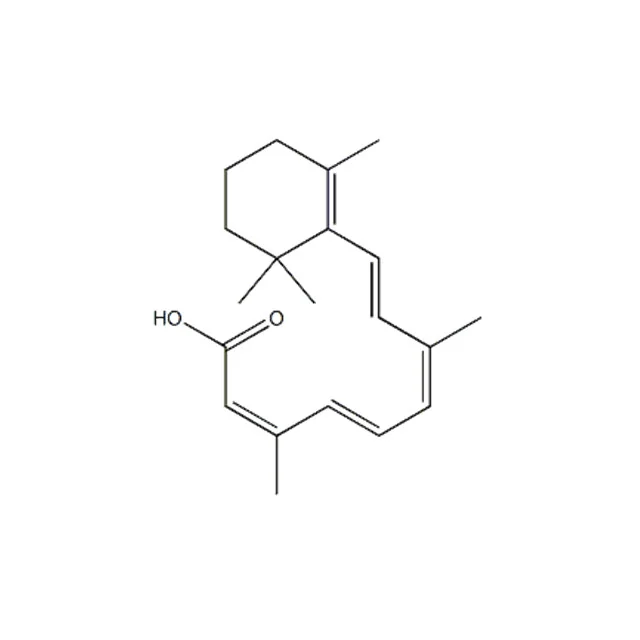
Isotretinoin
Isotretinoin (INN), also known as 13-cis retinoic acid, is an oral pharmaceutical medicine primarily used to treat cystic acne. Rarely, it is also used to prevent certain skin cancers (squamous-cell carcinoma), and in the treatment of other cancers. It is used to treat harlequin-type ichthyosis, a usually lethal skin disease, and lamellar ichthyosis. It is a retinoid, meaning it is related to vitamin A, and is found in small quantities naturally in the body. Its isomer, tretinoin, is also an acne medicine.
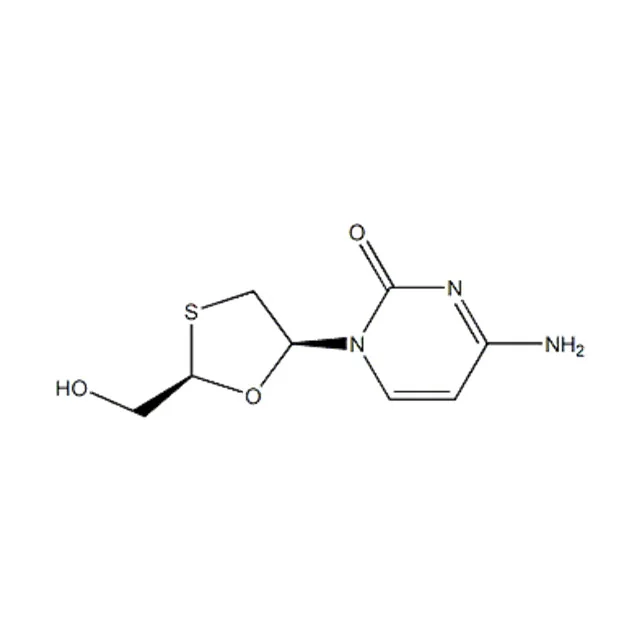
Lamivudine
Lamivudine is a new antiviral drug, belonging to the nucleoside reverse transcriptase inhibitors, both in vitro and in experimental infected animals in hepatitis B virus (HBV) has strong inhibitory effect, can inhibit the synthesis of HIV virus.
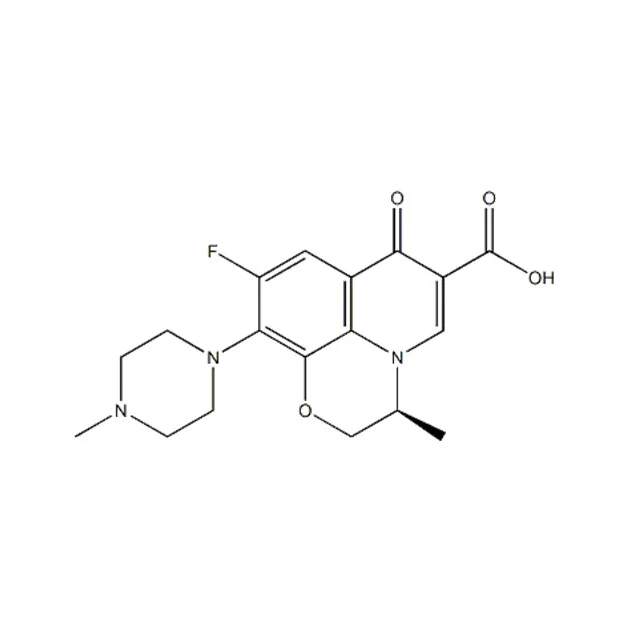
Levofloxacin
Levofloxacin is a broad-spectrum antibiotic of the fluoroquinolone medicine class, and the levo isomer of its predecessor ofloxacin.Levofloxacin is used to treat infections including: respiratory tract infections, cellulitis, urinary tract infections, prostatitis, anthrax, endocarditis, meningitis, pelvic inflammatory disease, traveler's diarrhea, tuberculosis and plague.
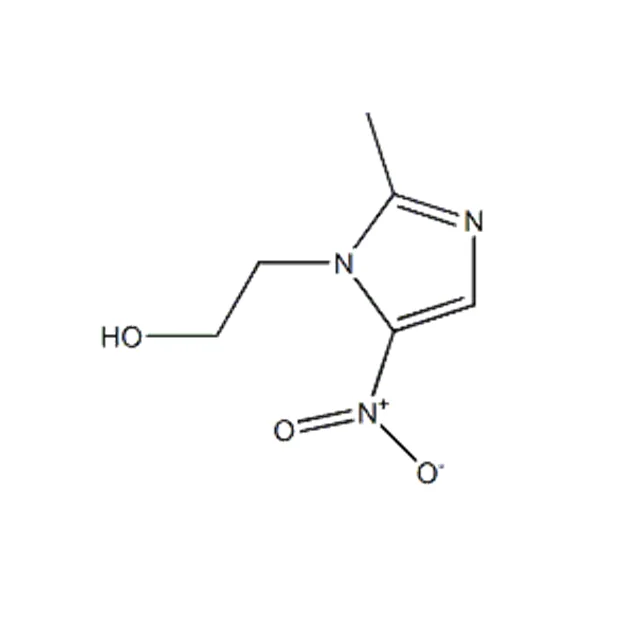
Metronidazole
Metronidazole (AAN, BAN, INN, USAN) (Flagyl and others) is a nitroimidazole antibiotic medication used particularly for anaerobicbacteria and protozoa. Metronidazole is an antibacterial against anaerobic organisms, amoebicide and antiprotozoal. It is the drug of choice for first episodes of mild-to-moderate Clostridium difficile infection.
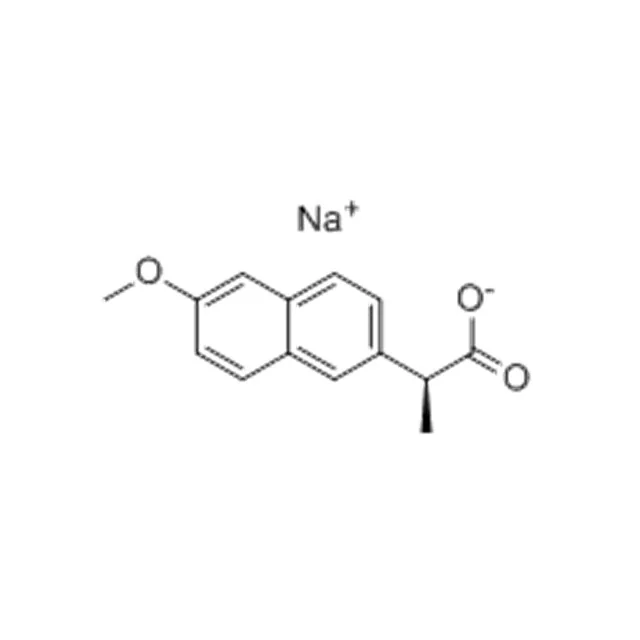
Naproxen Sodium 26159-34- 2 Sodiumnaprosyn
It is commonly used for the reduction of pain, fever, inflammation, and stiffness caused by conditions including migraine, osteoarthritis,kidney stones, rheumatoid arthritis, psoriatic arthritis, gout, ankylosing spondylitis, menstrual cramps, tendinitis, and bursitis, among others. It is also used for the treatment of primary dysmenorrhea.
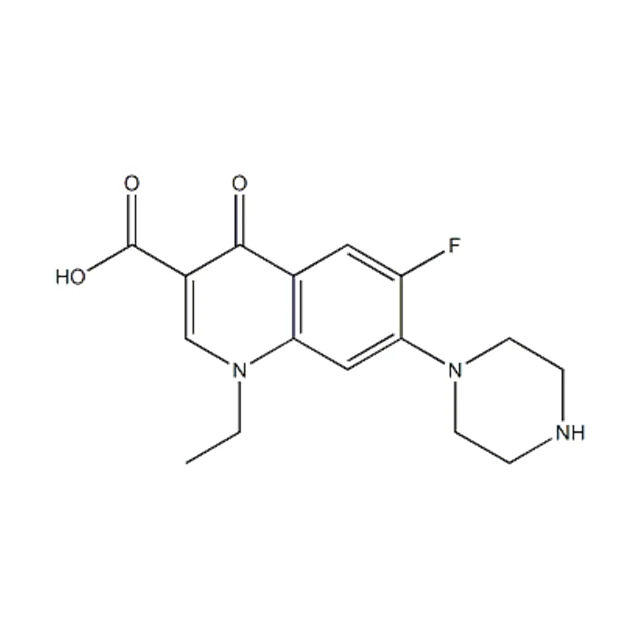
Norfloxacin
Norfloxacin has broad-spectrum and high-efficiency antimicrobial effect, wide treatment range, good oral absorption, low toxicity. It is mainly used in the treatment of urinary tract infection, biliary tract infection and intestinal infection in clinic, with remarkable curative effect.It is suitable for urinary tract infection, gonorrhea, prostatitis, intestinal infection, typhoid fever and other Salmonella infections. Antibiotics, used in the treatment of upper respiratory tract infections, urinary and gastrointestinal tract bacterial infections, biliary tract, surgery, gynecology and obstetrics and other infections have a better effect.
Polymyxin B Sulphate
Polymyxin B Sulphate is an antibiotic primarily used for resistant Gram-negative infections. It is derived from the bacterium Bacillus polymyxa. Polymyxin B is composed of a number of related compounds (see "Mixture composition"). It has a bactericidal action against almost all Gram-negative bacilli except the Proteus and Neisseria genera. Polymyxins bind to the cell membrane and alter its structure, making it more permeable. The resulting water uptake leads to cell death. Polymyxins are cationic, basic peptides that act like detergents (surfactants). Side effects include neurotoxicity and acute renal tubular necrosis. Polymyxins are used in the topical first-aid preparation Neosporin.
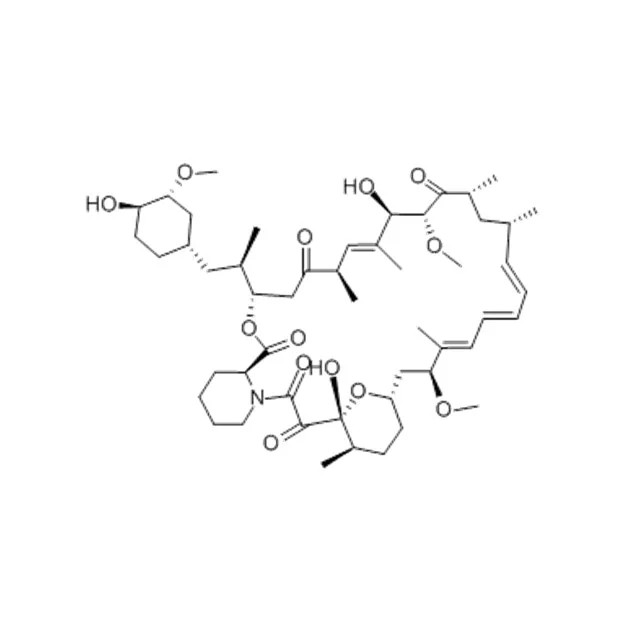
Rapamycin
Rapamycin is a macrolide compound obtained from streptomyces hygroscopicus that acts by selectively blocking the transcriptional activation of cytokines thereby inhibiting cytokine production. Rapamycin is a member of the macrolide immunosuppressant family and a FRAP inhibitor. Rapamycin exhibits binding and inhibitory actions to the FK506 binding protein (FKBP5) proline rotamase via simultaneous binding by FKBP12 and FRAP. FRAP (RAFT1) proteins exhibit homology to PI 4- and PI 3-kinases, which have PI 4-kinase and autophosphorylating activities.The rapamycin/FKBP complex does not inhibit the FRAP PI 4-kinase activity, but does inhibit FRAP autophosphorylation. Rapamycin is unique in its ability to inhibit lymphokine induced cell proliferation at the G1 and S phase as well as an irreversible cellular arrest at the G1 phase in S. cerevisiae cells. It also exhibits selective signal blocking leading to the activation of p70/85 S6 kinase, which is potentially due to the inhibition of FRAP autophosphorylation or protein kinase activity. Angiogenesis inhibition is also exhibited,possibly through the inhibition of the Akt pathway. Rapamycin is an inhibitor of mTOR.
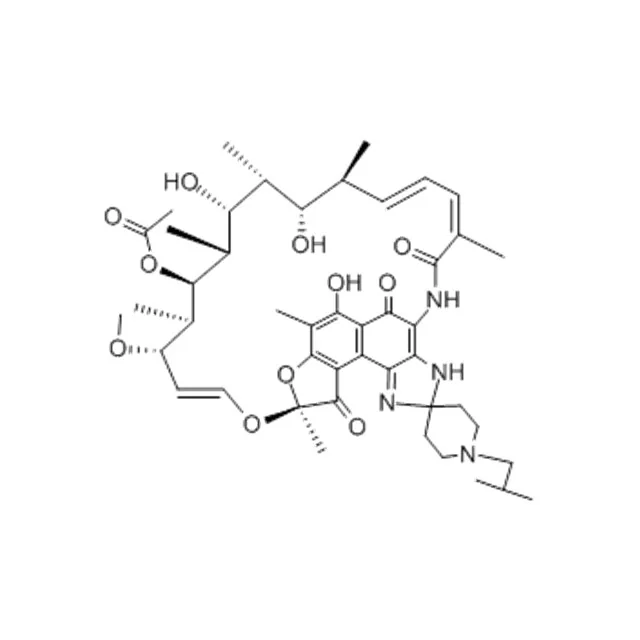
Rifabutin
Rifabutin (Rfb) is a bactericidal antibiotic medicine primarily used in the treatment of tuberculosis. The medicine is a semi-synthetic derivative of rifamycin S. Its effect is based on blocking the DNA-dependent RNA-polymerase of the bacteria. It is effective against Gram-positive and some Gram-negative bacteria, but also against the highly resistant mycobacteria, e.g. Mycobacterium tuberculosis, M. leprae, and M. avium intracellulare.
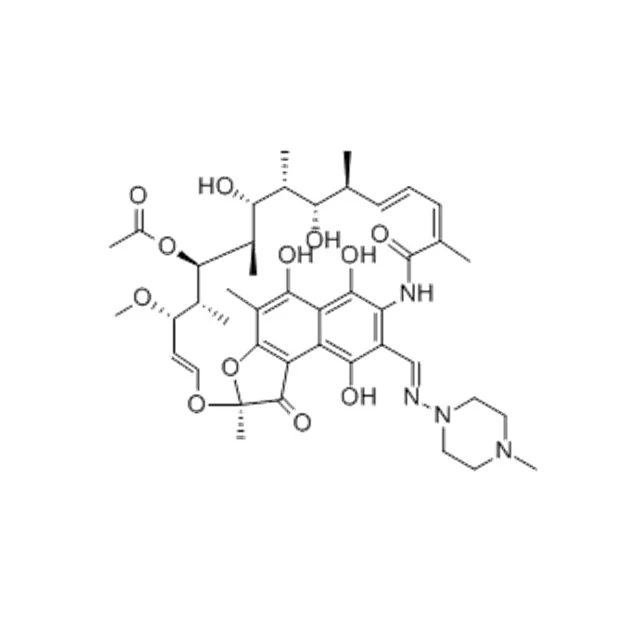
Rifampicin
Rifampicin is typically used to treat Mycobacterium infections, including tuberculosis and leprosy.With multidrug therapy used as the standard treatment of leprosy, rifampicin is always used in combination with dapsone and clofazimine to avoid eliciting drug resistance.
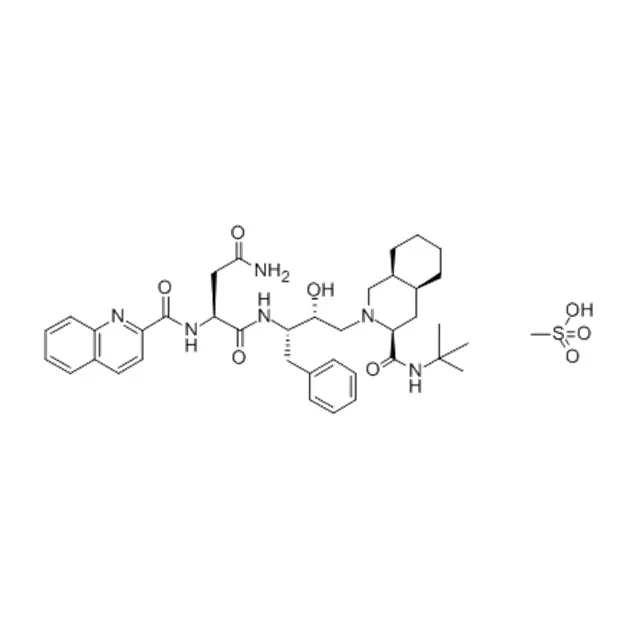
Saquinavir Mesylate
Saquinavir mesylate is an antiretroviral drug used together with other medications to treat or prevent HIV/AIDS.
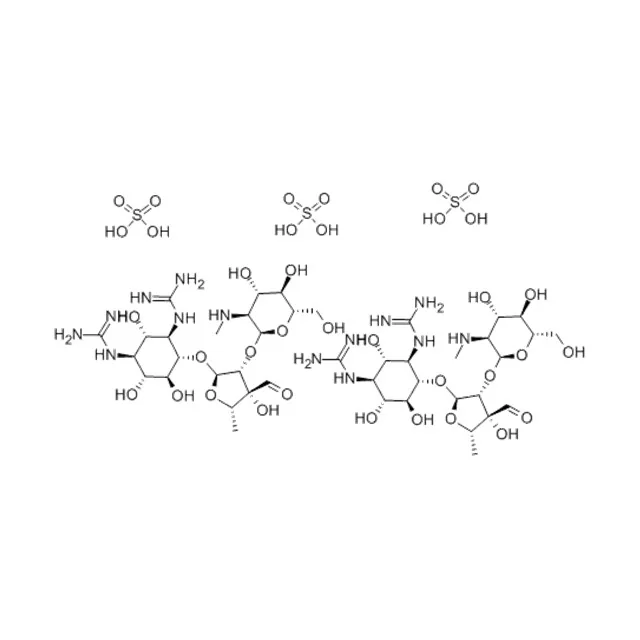
Streptomycin Sulfate
Streptomycin sulfate is a sulfate salt of streptomycin that is a protein synthesis inhibitor. Streptomycin is an antibiotic drug, it is used for treating tuberculosis, Brinell and non-hemolytic hammer bacillus caused infectious endocarditis, plague and tularemia, Haemophilus influenzae and gram-negative bacilli caused infections.