


Browse 961 Chemical Products and Raw Materials
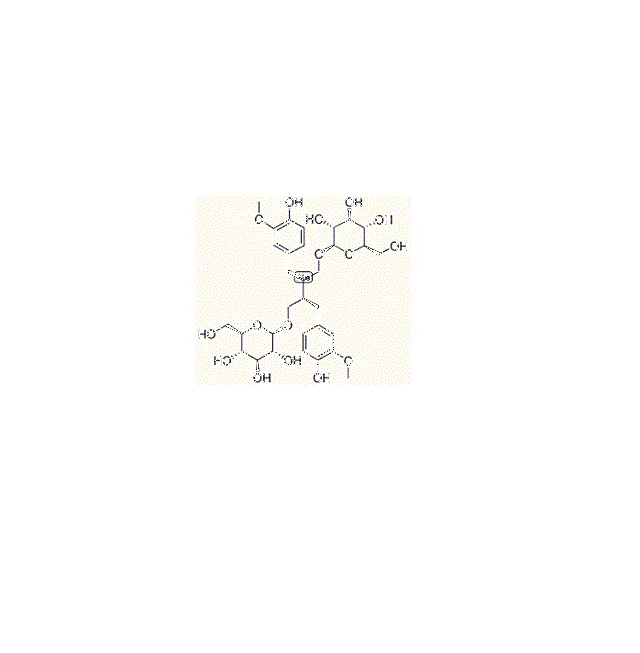
Secoisolarisiresinol Diglucoside
Secoisolarisiresinol Diglucoside is very similar with human estrogen phytoestrogens. The numbness lignans mainly exists in flaxseed, its content depends on flax varieties, climate and ecological conditions. The numbness lignans of estrogen dependent disease of breast cancer, prostate cancer, menstrual syndrome, osteoporosis prevention role.In addition, clinical studies have shown that Secoisolarisiresinol Diglucoside in gastrointestinal cancer, coronary heart disease, diabetes, kidney disease, oxidation resistance have beneficial effects.
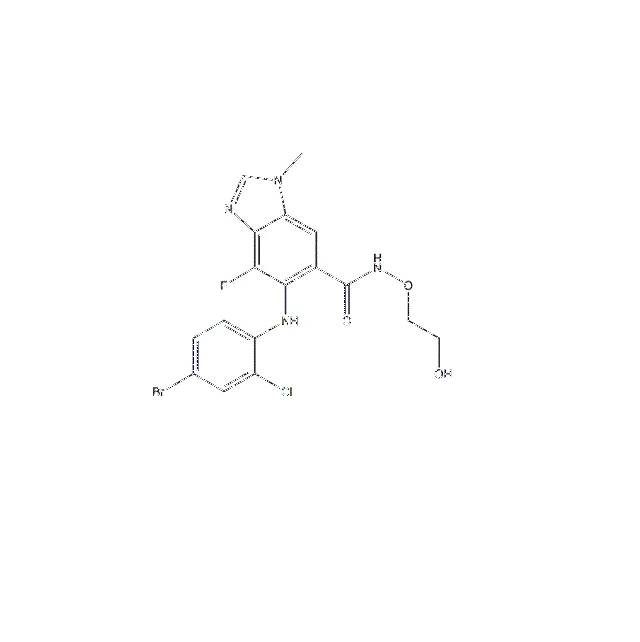
Selumetinib
Smetinib, developed by AstraZeneca, UK, is used to treat advanced non-small cell lung cancer. Smetinib inhibits the growth of a variety of tumors, including melanoma with b-raf-mutation and non-small cell lung cancer with K-ras mutation (NSCLC), mainly by regulating the level of key protein kinase MEK in the RA Raf-MEK-ERK pathway. It is mainly used for the treatment of cholangiocarcinoma, colorectal cancer and NSCLC. At present, smetinib is in the phase III clinical trial of non-small cell lung cancer.
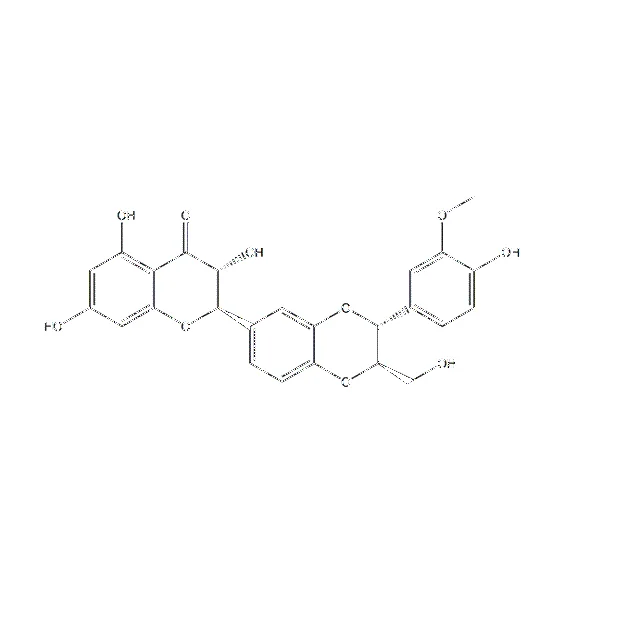
Silibinin
Silybin is a flavonoid lignan compound isolated from the seed of silybin Compositae, The main active ingredients are silibinin, isosilibinin, silibinin and silibinin, which can prevent the damage of chemical toxins, food toxins and drugs to the liver and promote the regeneration and repair of liver cells. They are called "natural liver protective drugs". Under normal temperature, it is a kind of white crystalline powder, odorless, slightly bitter and astringent, with hygroscopic property, easy to dissolve in acetone, ethyl acetate, methanol, ethanol, slightly soluble in chloroform, almost insoluble in water.
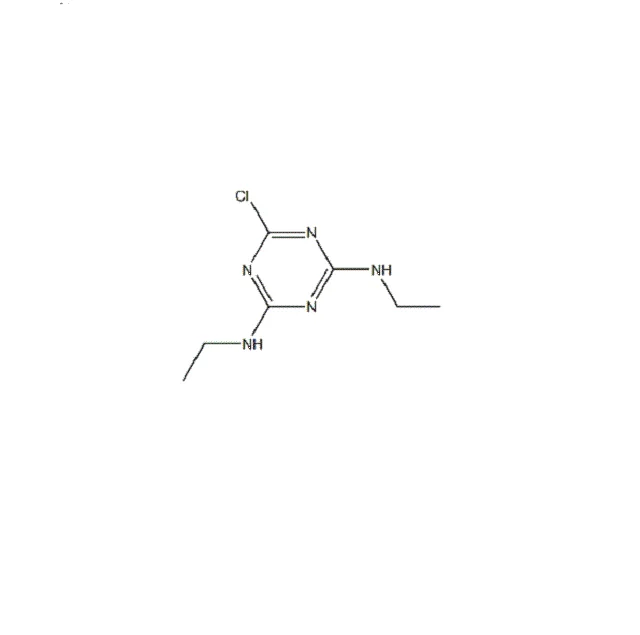
Simazine
Simazine is a triazine herbicide used to control broad-leaved weeds and annual grasses in crops; it acts by inhibiting photosynthesis.
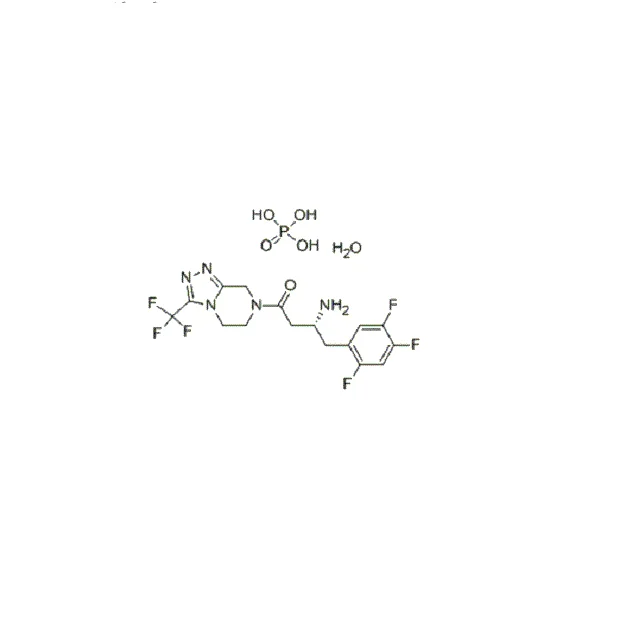
Sitagliptin Phosphate Monohydrate
Acid west his dean was first developed by Merck, Germany won the U.S. food and drug administration approved for the treatment of type 2 diabetes dipeptide base peptidase Ⅳ (DDP - 4) inhibitor medicine, is a new type of diabetes, can increase the body's own ability to reduce high blood sugar levels, inhibit the enzyme activity and relatively improve shortness of naturally occurring intestinal insulin, including sample glucagon peptide 1 promote insulin and glucose dependence peptide levels, increased insulin production is triggering the pancreas and the liver to stop glucose production, and finally the clinical effect of lowering blood sugar concentration. The characteristic of this product is in stimulating insulin secretion, at the same time can reduce hungry feeling, and will not put on weight, also won't hypoglycemia and edema occur, suitable for diabetic patients with poor blood sugar control and frequent hypoglycemia. 552 cases of clinically mild-to-moderate patients with type 2 diabetes, take a daily phosphate west he listed, take 100 milligrams, 12 weeks after can reduce glycated hemoglobin 0.6% - 0.6%
Sodium Acetate Trihydrate
Sodium acetate is also known as sodium acetate. Colourless, tasteless, transparent monoclinic, columnar crystal, or white crystalline powder. No smell. A little bitter. It is easily weathered and combustible in the air. Dehydration to anhydrous substance at 123 °C. Soluble in water, slightly soluble in ethanol.
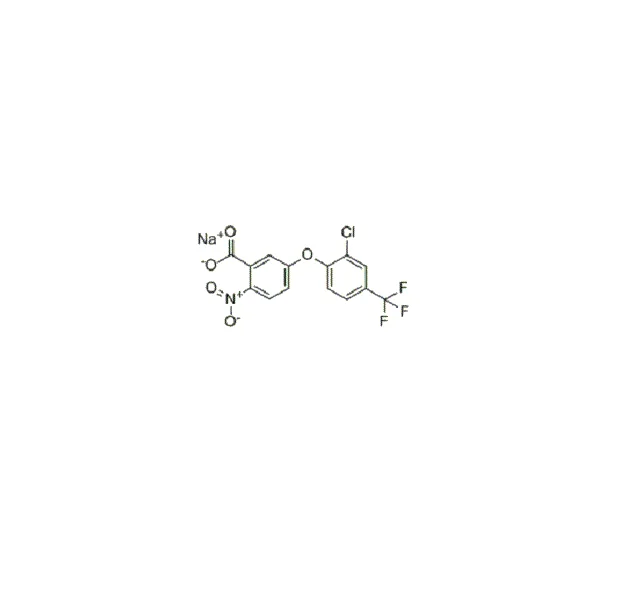
Sodium Acifluorfen
is a kind of efficient, broad-spectrum herbicide tag type, can be selectively control variety of broad-leaved weeds, belonging to protoporphyrin oxidase inhibitors, leaf and root absorption by weeds, soy, peanut and other crops.
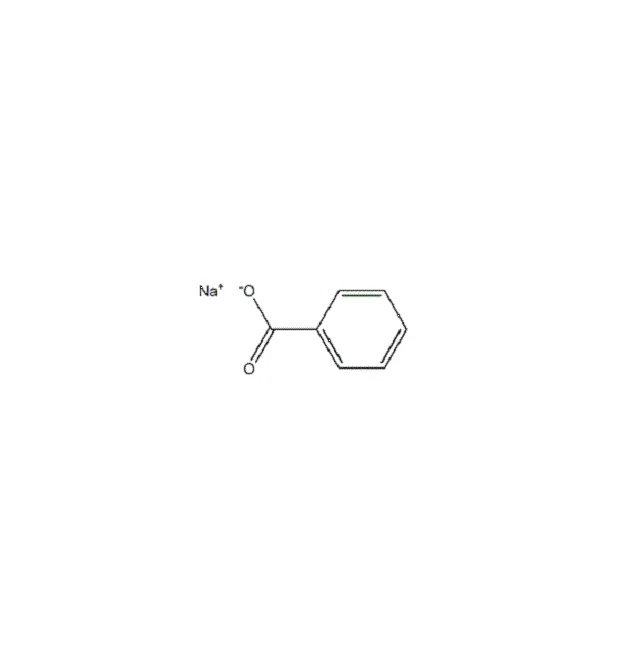
Sodium Benzoate
Sodium benzoate, also known as benzoic acid sodium, is a commonly used food preservative in China's food industry, odorless or with the smell of benzoin, sweet and astringent. It is stable in the air and can absorb moisture in the exposed air. It is naturally found in blueberry, apple, plum, cranberry, cranberry, prune, cinnamon and clove. Its germicidal property is weaker than benzoic acid. The germicidal power of 1.180g sodium benzoate is about equal to 1g benzoic acid. In acid environment, sodium benzoate has obvious inhibitory effect on many kinds of microorganisms. When pH is 3.5, 0.05% solution can completely inhibit the growth of yeast, but when pH is more than 5.5, the effect on many molds and yeast is poor. It has little effect in alkaline solution. In the process of biotransformation, sodium benzoate combines with glycine to form uric acid, or combines with glucuronic acid to synthesize glucosidic acid, which is excreted from urine without accumulation in the body. In the normal dosage range, it has no toxic effect on human body and is a safer preservative. It can be used in carbonated drinks, concentrated fruit juice, margarine, gum base, jam, jelly, soy sauce, etc. The ADI of human body is less than 5 mg / kg body weight (calculated by benzoic acid).
Sodium Bicarbonate
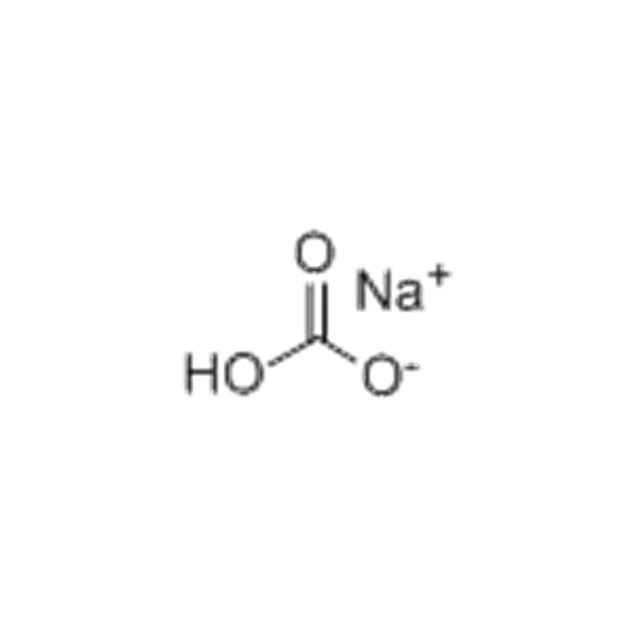
Sodium bicarbonate, referred to as “baking soda” is primarily used in cooking (baking), as a leavening agent. It reacts with acidic components in batters, releasing carbon dioxide, which causes expansion of the batter and forms the characteristic texture and grain in pancakes, cakes, quick breads, soda bread, and other baked and fried foods. Acidic compounds that induce this reaction include phosphates, cream of tartar, lemon juice, yogurt, buttermilk, cocoa, vinegar, etc. Sodium bicarbonate can be substituted for baking powder provided sufficient acid reagent is also added to the recipe.

Sodium Carbonate
The chemical formula of sodium carbonate is Na2CO3, commonly known as soda ash, soda, alkali ash and washing alkali, which is white powder and strong electrolyte in general. With a density of 2.532g/cm³ and a melting point of 851 °C, it is easy to dissolve in water and has the general properties of salt. It is a weak acid salt, slightly soluble in anhydrous ethanol and insoluble in propanol. After dissolving in water, it will undergo hydrolysis reaction, making the solution alkaline and corrosive to a certain extent. It can neutralize with acid, generate corresponding salt and emit carbon dioxide. It can decompose at high temperature to produce sodium oxide and carbon dioxide. Long term exposure to the air can absorb water and carbon dioxide in the air, generate sodium bicarbonate, and form a hard block. Hygroscopicity is very strong, it is easy to form hard block, and it does not decompose at high temperature.
Sodium Carboxy Methyl Cellulose CMC
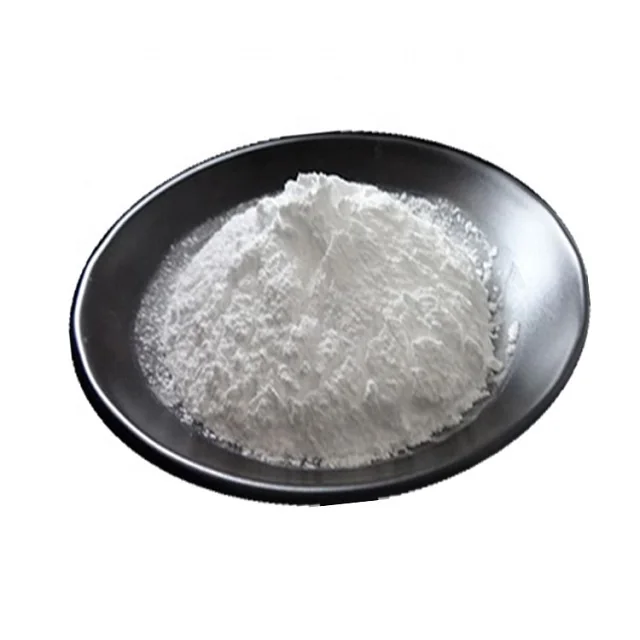
Carboxymethyl cellulose aka CMC is actually the sodium salt of carboxymethyl cellulose. CMC is used as a viscosity modifier or thickener, and to stabilize emulsions in various products including ice cream. CMC is known for its excellent water retaining capacity.
Sodium Chromate Tetrahydrate
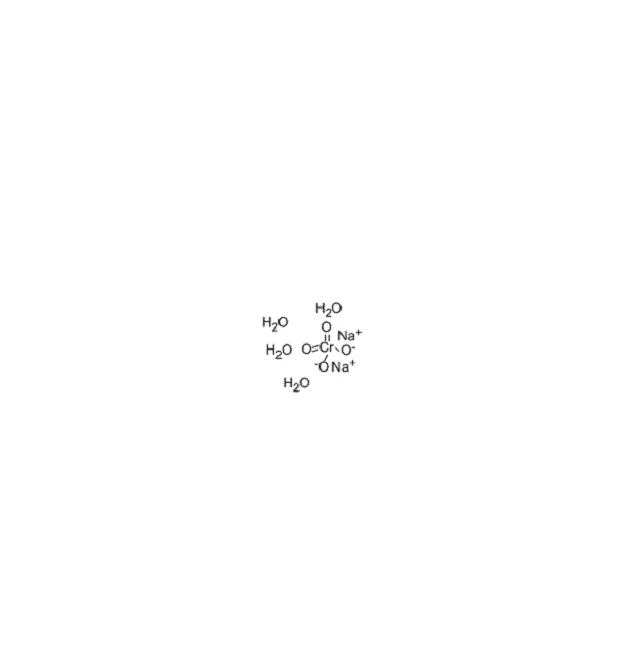
Yellow translucent triclinic crystal or crystalline powder. Soluble in water, slightly soluble in ethanol. It is mainly used in ink, paint, pigment, metal corrosion inhibitor, organic synthetic oxidant, tanning and dyeing.
Sodium Dehydroacetate
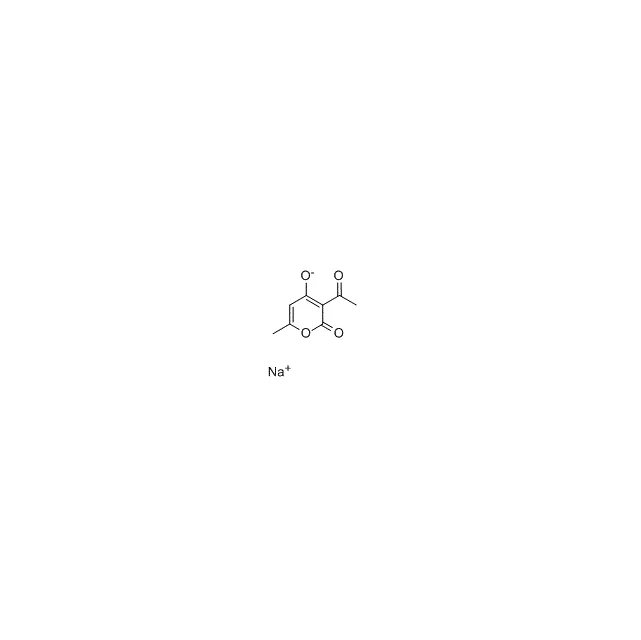
This product is white or light yellow, odorless, tasteless, easily soluble in water, and hardly soluble in organic substances such as ethanol. Melting point is 190°C, good light resistance and heat resistance. The solution is stable when heated at 120°C for 2 hours. The aqueous solution is neutral or slightly alkaline. It adopts instant spray drying to form powder, the product purity is high, the quality is stable, reliable, and the purity can reach above 98%. Low moisture (below 2.6%).
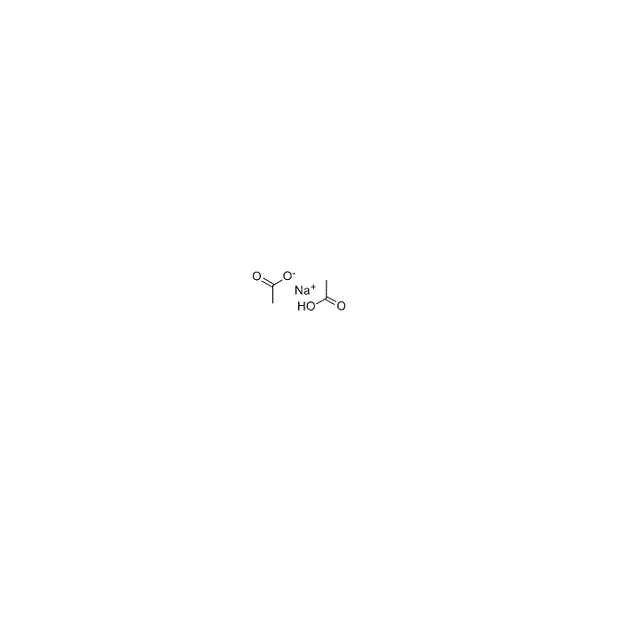
Sodium Diacetate
Sodium diacetate is white crystals with acetic acid odor, easy to absorb moisture, easily soluble in water, and decomposes when heated to above 150°C. It is flammable and stable in cool and dry conditions. Sodium diacetate mainly relies on the decomposed molecular acetic acid to have an antibacterial effect, and it has a good inhibitory effect on bacteria and molds. Sodium diacetate is an unspecified ADI substance and is designated as a GRAS substance by the US FDA.
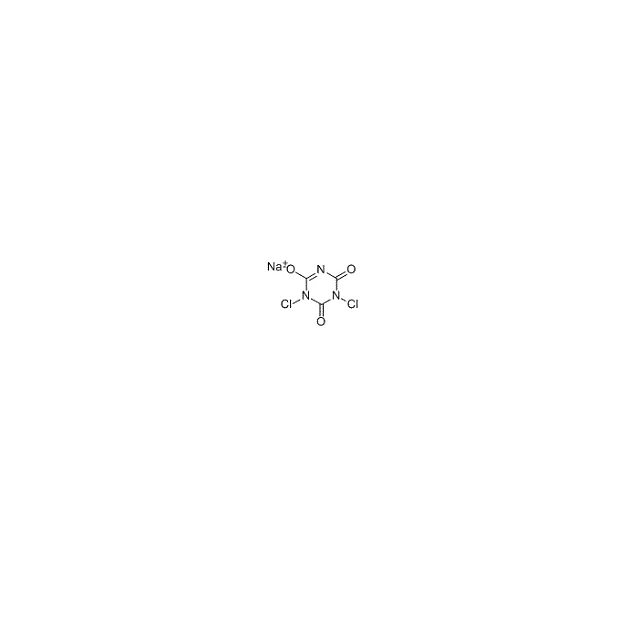
Sodium Dichloroisocyanurate
White crystalline powder with strong chlorine smell, containing 60% - 64.5% effective chlorine. It is stable and can be stored in hot and humid areas, with the available chlorine content decreasing only about 1%. Soluble in water, 25% (25 °C ). The pH value of 1% aqueous solution is 5.8-6.0, the concentration is increased, and the change of pH value is very small. The hydrolysis constant of hypochlorite is 1 × 10⁻⁴, which is higher than that of chloramine t. The stability of aqueous solution is poor, and the loss of effective chlorine is accelerated under the action of ultraviolet. Low concentration can quickly kill all kinds of bacteria, fungi and viruses, which has special effect on hepatitis virus. It has the characteristics of high chlorine content, strong bactericidal effect, simple process and low price. The toxicity of sodium dichloroisocyanurate is lower and its bactericidal effect is better than that of bleaching powder and chloramine-t. When metal reducing agent or acid synergist is mixed with potassium permanganate and sodium dichloroisocyanurate dry powder, chlorine fumigant or acid chlorine fumigant can be made. This kind of fumigant can produce gas with strong bactericidal effect after being ignited.
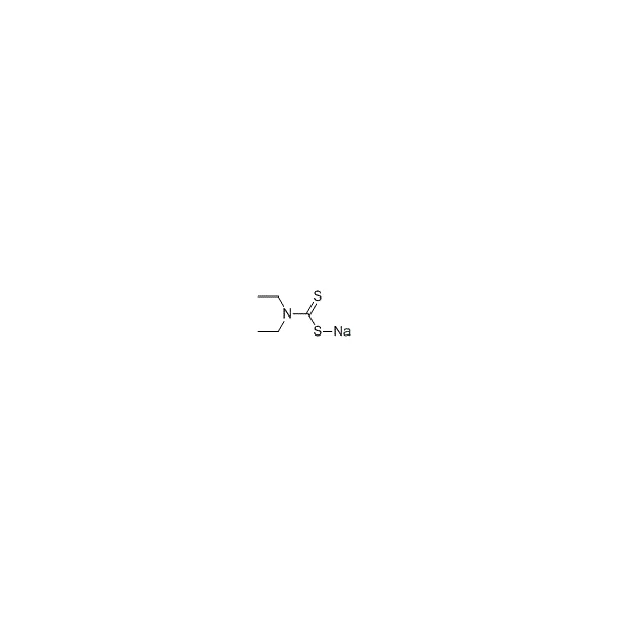
Sodium Diethyldithiocarbamate
Copper reagent is used in the color reaction of copper, as a precipitant and solvent extractant of soft metal ions, and as a photometric reagent for the determination of bismuth, copper, nickel and other metals.
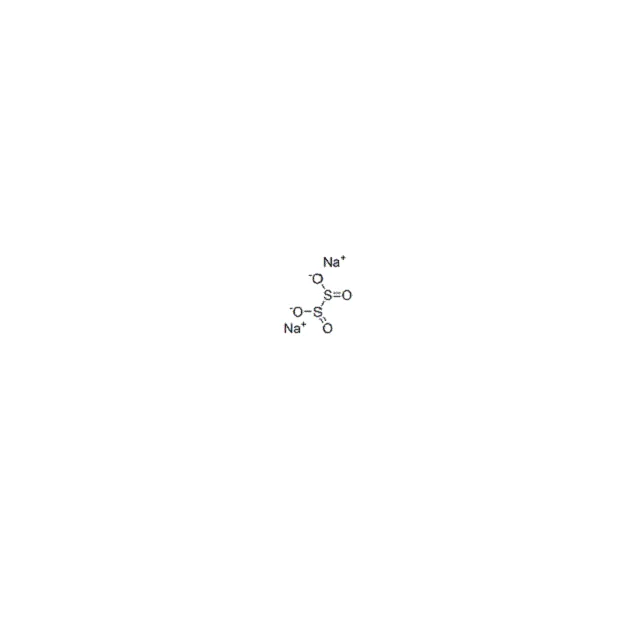
Sodium Dithionite
Sodium hydrosulfite, also known as sodium hydrosulfite, is a white sand like crystal or light yellow powder chemical product, with melting point of 300 °C (decomposition), ignition temperature of 250 °C, insoluble in ethanol, soluble in sodium hydroxide solution, which reacts strongly with water and burns.
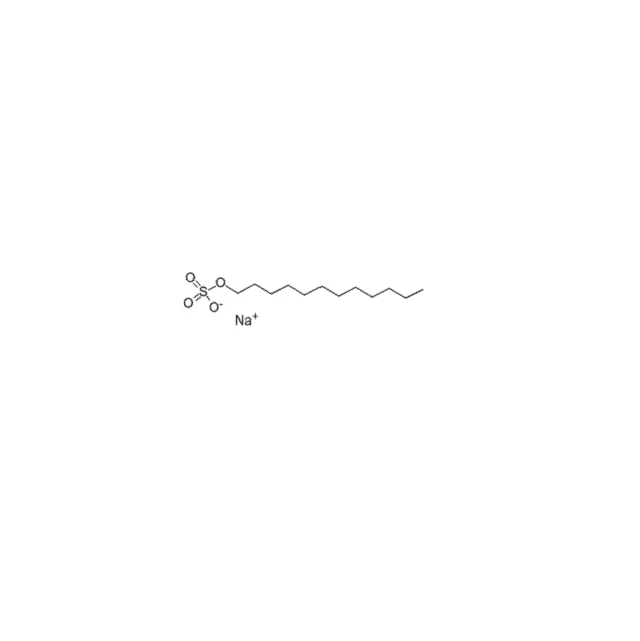
Sodium Dodecyl Sulfate
Sodium dodecyl sulfate is a kind of anionic surfactant, which is a typical representative of sulfate surfactants, abbreviated to SDS, also known as as as, K12, sodium cocoitol sulfate, sodium lauryl sulfate and foaming agent. The products sold on the market are usually white to yellowish crystalline powder, non-toxic, slightly soluble in alcohol, insoluble in chloroform and ether, easily soluble in water, complex with anions and non-ionic It has good compatibility, good emulsification, foaming, foaming, permeability, decontamination and dispersion performance, rich foam, rapid biodegradation, but the water solubility is inferior to that of fatty alcohol polyoxyethylene ether sodium sulfate (AES). It is not sensitive to alkali and hard water, but its stability is inferior to that of general sulfonate in acid condition, close to AES, and should not be more than 95 °C in long-term heating. The stimulation index of 10% solution is 3.3, higher than AES, lower than sodium dodecylbenzene sulfonate (LAS).
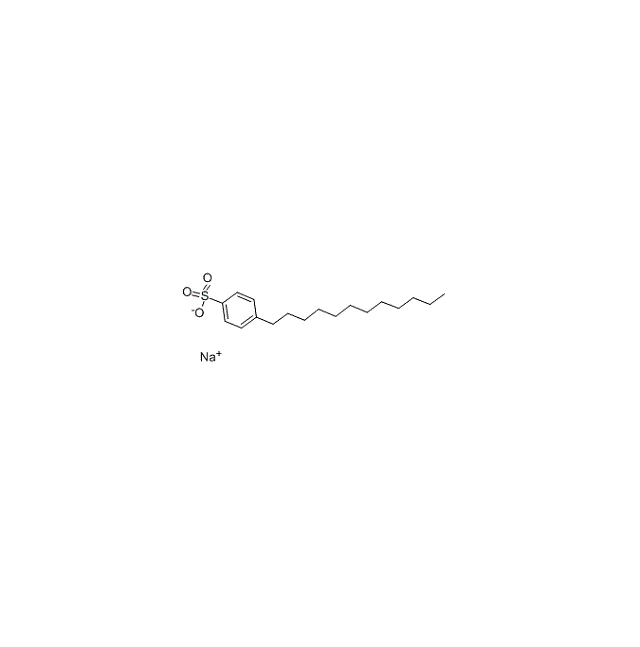
Sodium Dodecylbenzenesulphonate
Sodium dodecylbenzene sulfonate, SDBS for short, white or light yellow powder or flake solid. It is difficult to volatilize, soluble in water and becomes translucent solution. It is stable in chemical properties and slightly toxic to alkali, dilute acid and hard water. It is a common anionic surfactant.

Sodium Fluoride
Sodium fluoride is a colorless and bright crystal or white powder compound with specific gravity of 2.25, melting point of 993 °C and boiling point of 1695 °C. Soluble in water (solubility 10 °C 3.66, 20 °C 4.06, 30 °C 4.22, 40 °C 4.4, 60 °C 4.68, 80 °C 4.89, 100 ° c5.08), hydrofluoric acid, slightly soluble in alcohol. The aqueous solution is weak alkaline and soluble in hydrofluoric acid to form sodium hydrofluoride, which can corrode glass. Toxic! It is widely used as phosphating accelerator, agricultural insecticide, sealing material, preservative and other fields in coating industry.

Sodium Formate
It is also called sodium formic acid. There are two crystal water in the crystal, so it is also called sodium formate dihydrate, sodium formate dihydrate and sodium formic acid dihydrate. Sodium formate is one of the simplest organic carboxylates. It is a white crystal or powder with a slight smell of formic acid. Slightly deliquescent and hygroscopic. Soluble in about 1.3 parts of water and glycerin, slightly soluble in ethanol, octanol, insoluble in ether. Its aqueous solution is alkaline. When heated, sodium formate decomposes into hydrogen and sodium oxalate, and then generates sodium carbonate. Sodium formate is mainly used in the production of insurance powder, oxalic acid and formic acid. In leather industry, it is used as camouflage acid in chrome tanning process, catalyst and stabilizer, reducing agent in printing and dyeing industry. Sodium formate is harmless to human body and has irritating effect on eyes, respiratory system and skin.
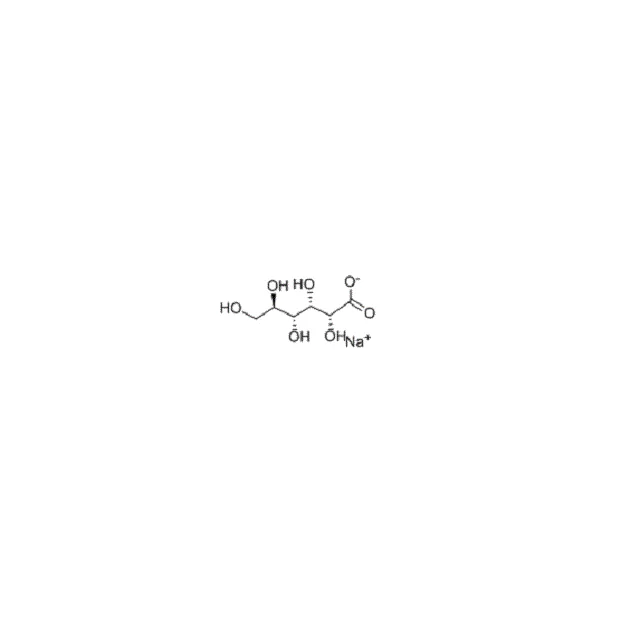
Sodium Gluconate
Sodium gluconate is widely used in industry. It can be used as high-efficiency chelating agent, steel surface cleaning agent, glass bottle cleaning agent, aluminum oxide coloring in electroplating industry, high-efficiency retarder, high-efficiency water reducer, etc. in construction, textile printing and dyeing, metal surface treatment, water treatment and other industries.
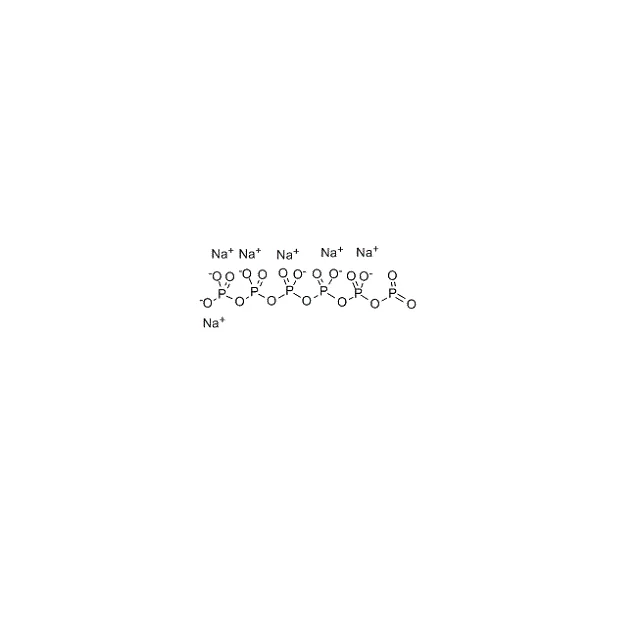
Sodium Hexametaphosphate
Sodium hexametaphosphate is a kind of sodium metaphosphate polymer, also known as "sodium polymetaphosphate", "sodium polymetaphosphate", "sodium metaphosphate vitreous", "Graham salt". It is a colorless transparent glassy solid or white powder in appearance. Its solubility in water is relatively large, but the dissolution rate is slow, and the aqueous solution shows acid reaction. The complex of divalent metal ions is more stable than that of monovalent metal ions. It is easy to hydrolyze to orthophosphate in warm water, acid or alkali solution. Sodium hexametaphosphate has a strong hygroscopicity and becomes sticky after hygroscopicity. Some metal ions (such as calcium, magnesium, etc.) have the ability to form soluble complexes, so they can be used to soften water. Precipitates can also be formed by plasma with lead and silver. These precipitates can be dissolved in excessive sodium hexametaphosphate solution to form complexes. Barium salt can also form complexes with sodium hexametaphosphate. It can be used as high efficient softener for power station, locomotive and vehicle boiler water, detergent assistant, control or anti-corrosion agent, cement hardening accelerator, streptomycin purification agent, cleaning agent for fiber industry and bleaching and dyeing industry. It is used in medicine as sedative, food industry as preservative, stabilizer and juice precipitant. In petroleum industry, it is used to prevent rust of drilling pipe and control viscosity of mud when drilling. It can also be used in textile printing and dyeing, tanning, papermaking, color film, soil analysis, radiochemistry and analytical chemistry. According to GB2760-1996, sodium hexametaphosphate is allowed to be used as food additive (water retention agent), which can be used in cans, juice drinks, dairy products, bean products, dye dispersants and water treatment agents.
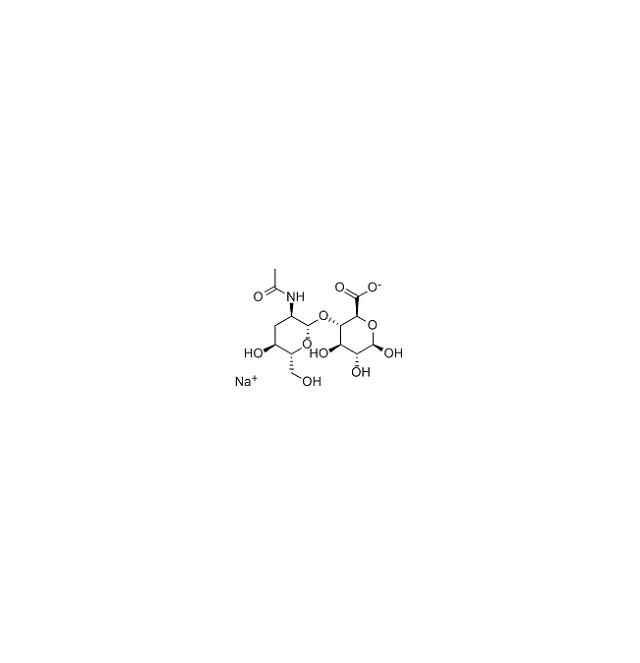
Sodium Hyaluronate
Sodium hyaluronate, also known as sodium hyaluronate, is a widely existing physiological active substance in human body. It is a high molecular weight straight chain mucopolysaccharide, which is polymerized by the disaccharide unit composed of glucuronic acid and acetaminohexose. Its molecular weight is 1 million. It can form a thick viscoelastic solution in water with physiological pH and ionic strength. Its molecular form is variable, so it can also be passed by a finer injection needle. The substance in sodium hyaluronate that does not produce inflammation is extracted, which is called Helon. When 10mg of this product is dissolved in 1ml of normal saline, its viscosity can be 200000 times higher than that of room water or normal saline. The protein content of Healon is less than 0.5%, which is a sterile high purity solution.