

Browse 961 Chemical Products and Raw Materials
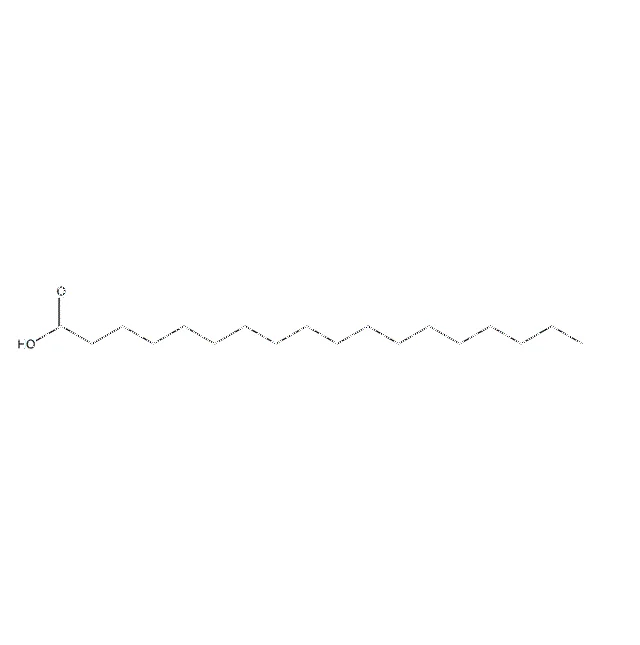
Stearic Acid
Stearic acid is one of the main long-chain fatty acids that make up oil. It exists in animal fat, oil and some vegetable oil in the form of glycerides. After hydrolysis, stearic acid is obtained. Stearic acid is a kind of fatty acid widely existing in nature. It has the chemical properties of general carboxylic acid. Almost all oils contain stearic acid with different contents. The content of stearic acid in animal fat is relatively high. For example, the content of stearic acid in tallow is up to 24%, the content of vegetable oil is less, tea oil is 0.8%, palm oil is 6%, but the content of cocoa fat is up to 34%.
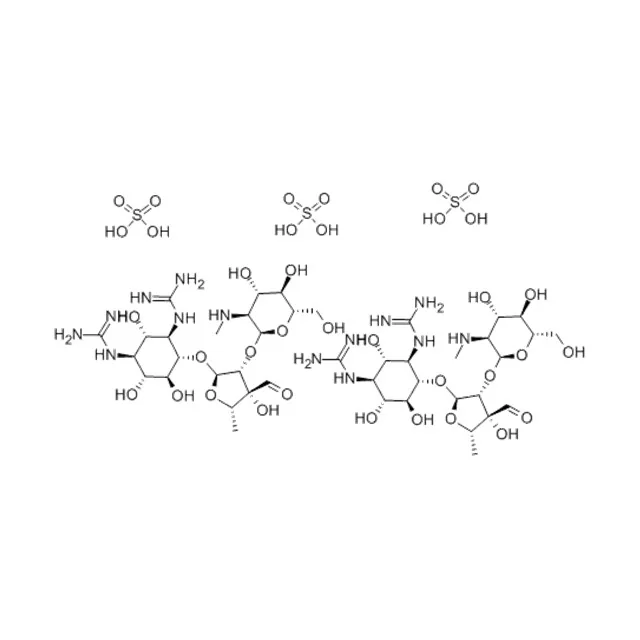
Streptomycin Sulfate
Streptomycin sulfate is a sulfate salt of streptomycin that is a protein synthesis inhibitor. Streptomycin is an antibiotic drug, it is used for treating tuberculosis, Brinell and non-hemolytic hammer bacillus caused infectious endocarditis, plague and tularemia, Haemophilus influenzae and gram-negative bacilli caused infections.
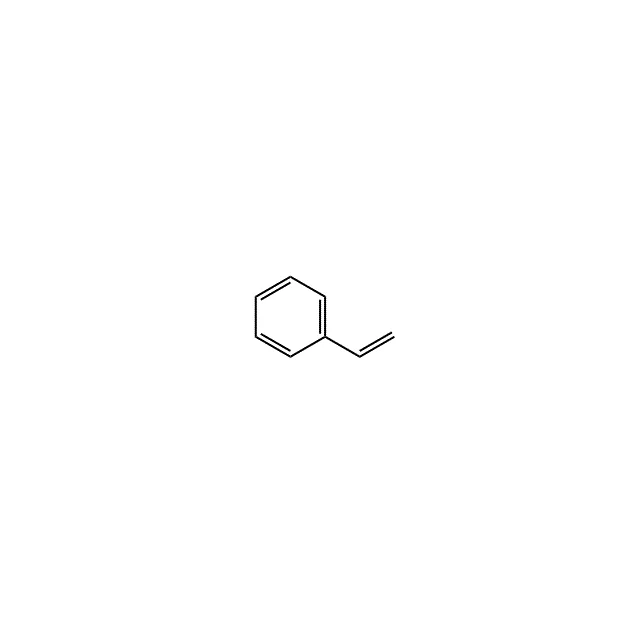
Styrene
Styrene is an organic compound formed by replacing one hydrogen atom of ethylene with benzene. The electrons of the vinyl group are conjugated with the benzene ring, which is a kind of aromatic hydrocarbon. Molecular formula C8H8, simple structure C6H5CH=CH2. Exist in Suhe Balsam (a natural fragrance). Colorless, oily liquid with special aroma. Melting point -30.6°C, boiling point 145.2°C, relative density 0.9060 (20/4°C), refractive index 1.546, viscosity 0.762cPat68°F. It is insoluble in water, soluble in ethanol and ether. It will gradually polymerize and oxidize when exposed to the air. Polymerization inhibitor [hydroquinone or tert-butylcatechol (0.0002% ~ 0.002%) must be added for stability Agent to delay its polymerization] can be stored. Industrially, it is an important monomer for synthetic resins, ion exchange resins and synthetic rubbers. Styrene can also undergo addition reactions specific to olefins.
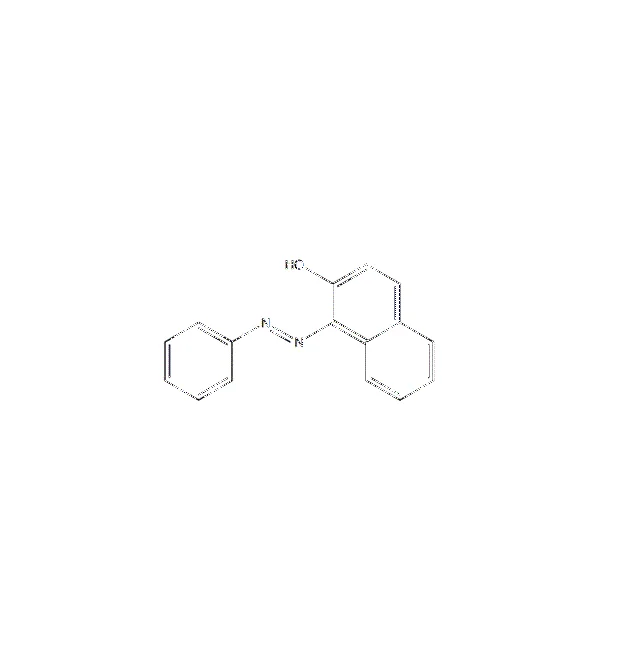
Sudan I
Yellow powder. Melting point 134 °C, insoluble in water, slightly soluble in ethanol, easily soluble in oil and mineral oil, soluble in acetone and benzene. It is orange red solution in ethanol, magenta in concentrated sulfuric acid, orange yellow precipitate after dilution, red solution after heating in concentrated hydrochloric acid, and dark green hydrochloride crystal after cooling.
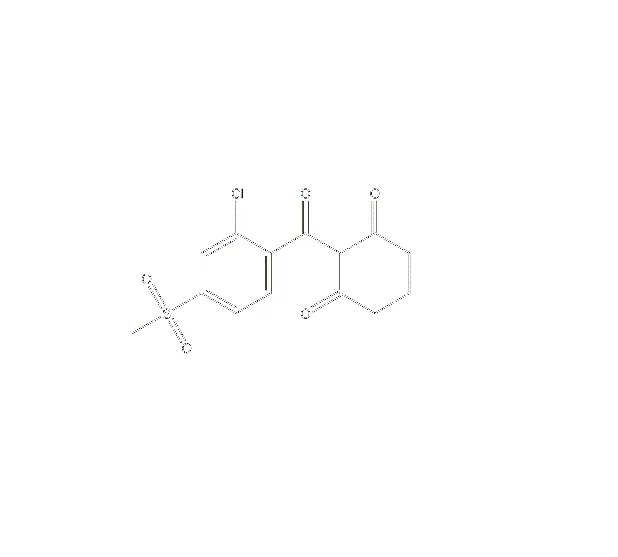
Sulcotrione
Apply to broad-leaved weeds and some monocotyledonous weeds such as Chenopodium album, eggplant, Solanum nigrum, Polygonum, Rumex knotweed ye, Digitaria Sanguinalis, bloodroot, Ceylon barnyard grass and wild Proso. Bud after application, the dosage of 300 ~ 450g/ha (active ingredient) dose can control broadleaf and grass weeds. Gao Jiliang (active ingredients) 900g/ha, the corn is also safe, but when the drought and the low-lying water, corn leaves will have a short time of bleaching symptoms, the weight of corn growth has no effect. Under normal rotation condition, the safety of winter wheat, barley, winter rapeseed, potato, beet and pea was safe. Can be used alone or mixed, continuous application of weed control in corn.
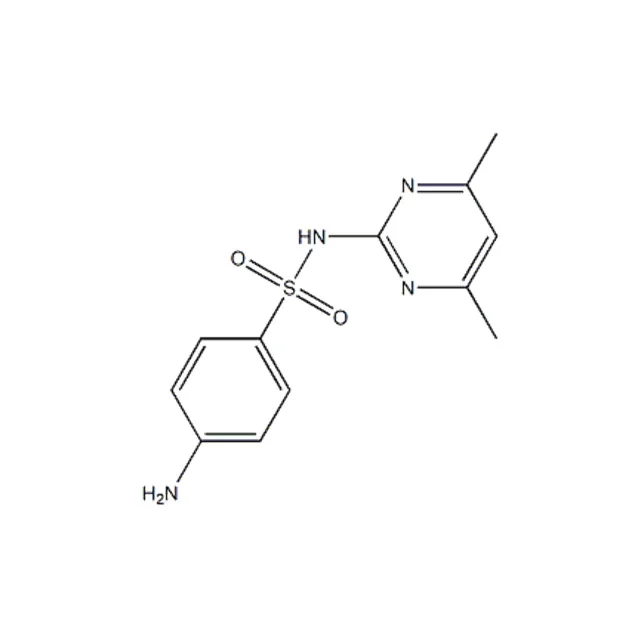
Sulfamethazine
Sulfamethazine is an antibacterial. Sulfamethazine blocks the synthesis of dihydrofolic acid by inhibiting dihydropteroate synthase. In addition, sulfamethazine is a structural analog and competitive antagonist of para-aminobenzoic acid (PABA) and can inhibit normal bacterial utilization of PABA for the synthesis of folic acid, which is an important metabolite in DNA synthesis.
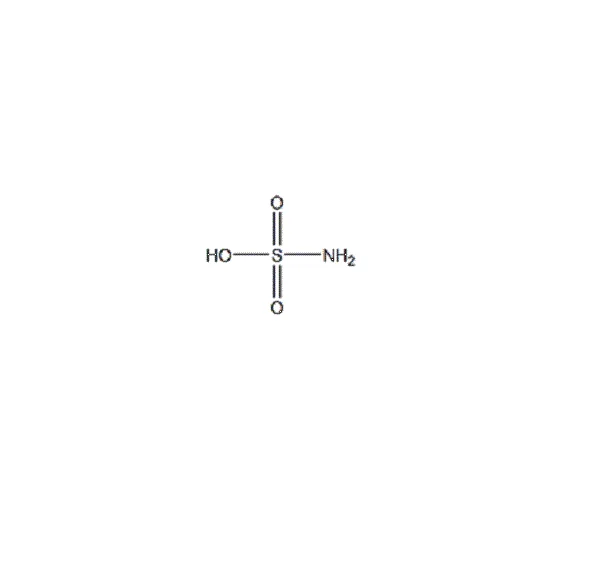
Sulfamic Acid
Sulfamic acid, also known as amidosulfonic acid, amidosulfuric acid, aminosulfonic acid, and sulfamidic acid, is a molecular compound with the formula H3NSO3. This colorless, water-soluble compound finds many applications. Sulfamic acid melts at 205 °C before decomposing at higher temperatures to H2O, SO3, SO2, and N2.
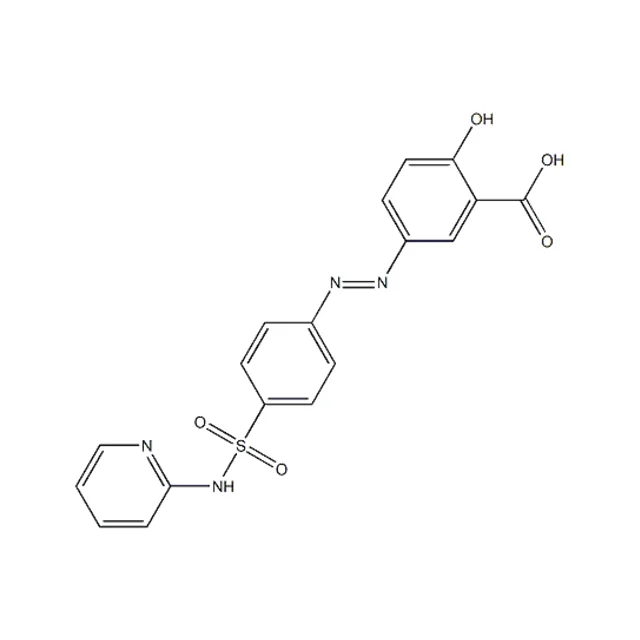
Sulfasalazine
Sulfasalazine is an antiinflammatory agent that inhibits GSH-H-transferase. Sulfasalazine largely inhibits NF-κB activation and induces apoptosis in T-lymphocytes. The compound also engages neutrophil apoptosis that can be abrogated by Tyr-K inhibitors, PKA inhibitors, or antioxidants. Sulfasalazine is shown to inhibit basic fibroblast growth factor-induced endothelial cell chemotaxis. Sulfasalazine is an inhibitor of TNFα and an activator of PPARγ.
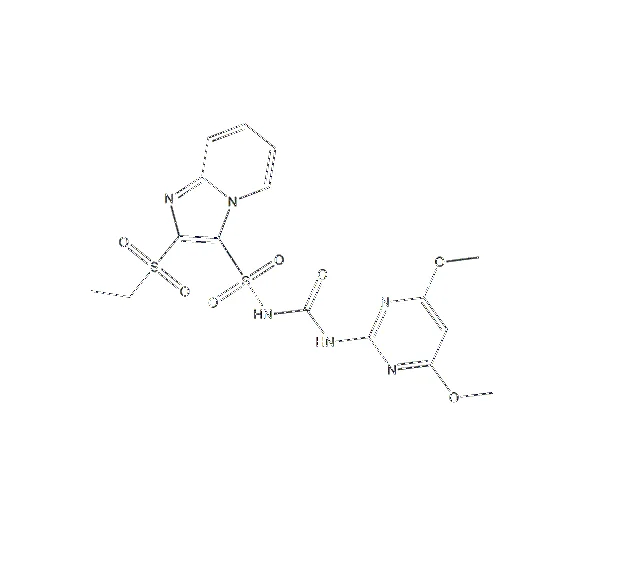
Sulfosulfuron
Contact MOSINTER for product specifications and supply information.
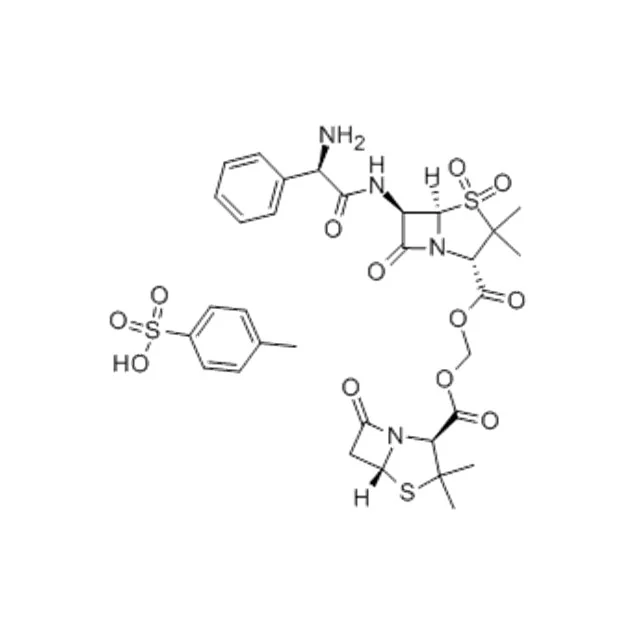
Sultamicillin Tosilate
Sultamicillin is indicated for infections caused by susceptible micro-organisms. Typical indications are upper respiratory tract infections including sinusitis, otitis media and tonsillitis; lower respiratory tract infections including bacterial pneumonias and bronchitis; urinary tract infections and pyelonephritis; skin and soft tissue infections; intra-abdominal infections and gonococcal infections.
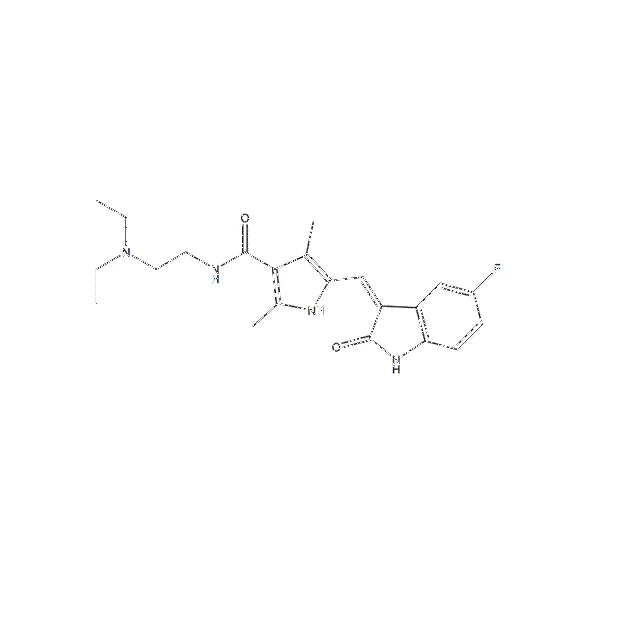
Sunitinib
This drug is a small molecular substance that can inhibit many receptor tyrosine kinases, some of which are involved in the process of tumor growth, pathological angiogenesis and tumor metastasis. By evaluating the activity of sunitinib in inhibiting various kinases (more than 80 kinds of kinases), it is proved that sunitinib can inhibit platelet-derived growth factor receptor, vascular endothelial growth factor receptor, stem cell factor receptor, FMS like tyrosine kinase-3, type 1 colony stimulating factor receptor and neurotrophic factor receptor derived from glial cell line. Biochemical and cellular assays confirmed that sunitinib can inhibit the activity of tyrosine kinase of these receptors, and the inhibition of sunitinib was proved in cell proliferation assay. Biochemical and cellular assays showed that the main metabolites were similar to those of sunitinib.
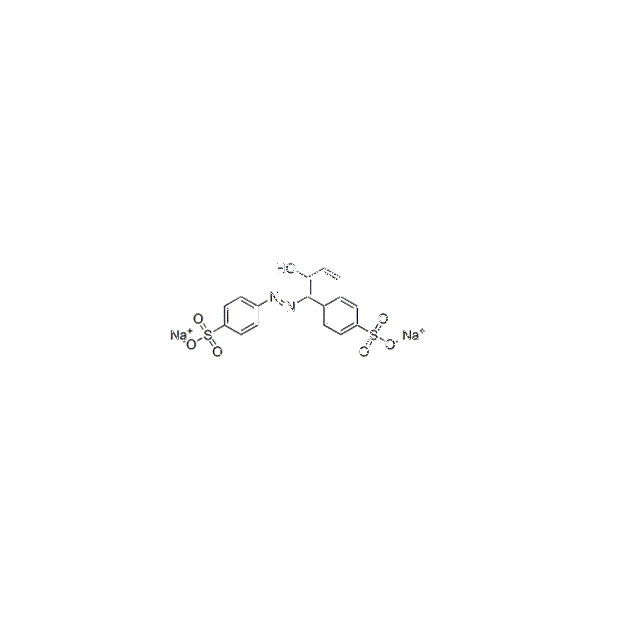
Sunset Yellow FCF
Orange-red powder or granules, odorless. It has strong hygroscopicity and is easy to bind to water. The aqueous solution is yellowish orange. It is also easy to dissolve in dry glycerin, propylene glycol, and a few ethanol, insoluble in oil. Lightfast. Heat resistant. Stable in citric acid and tartaric acid. Its aqueous solution does not change when it encounters concentrated hydrochloric acid, but turns red-brown when it encounters concentrated oxygen and sodium oxide. With acid dye characteristics, it can dye animal fibers directly.
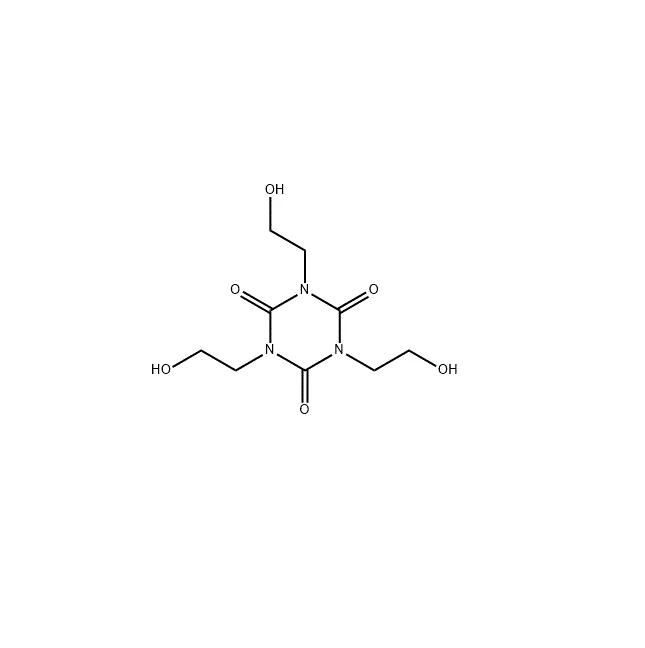
THEIC
1,3,5-Tris(2-hydroxyethyl)cyanuric acid is mainly used to prepare polyester heat-resistant insulating varnishes, and can also be used in coatings, medicines, pesticides and organic synthesis intermediates. Mainly used in the manufacture of heat-resistant enameled wires and paints with excellent mechanical properties, organic synthesis intermediates such as dyes, pharmaceuticals, and stabilizers in the PVC industry.
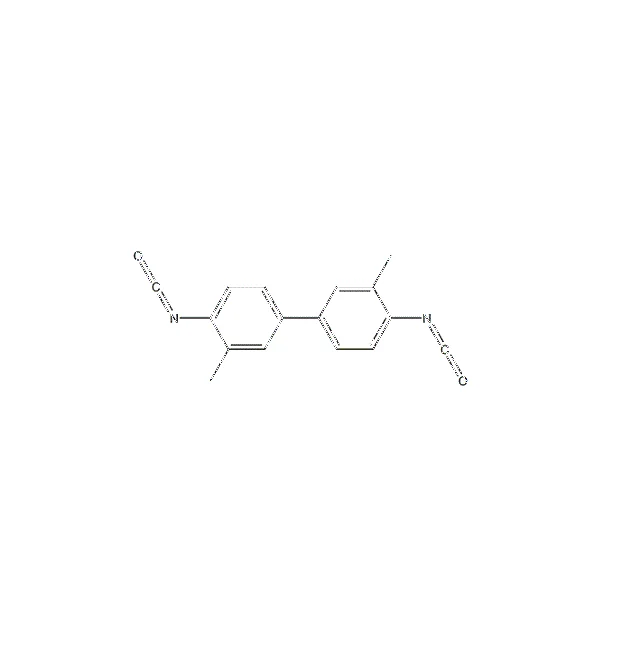
TODI
Raw materials of polyurethane elastomer (used for rubber, coating and foaming body); oil seal materials; heat-resistant resin modifier; raw materials of urea formaldehyde resin and heat-resistant coating; raw materials of polyamide imide high-function engineering plastics and biuret resin.
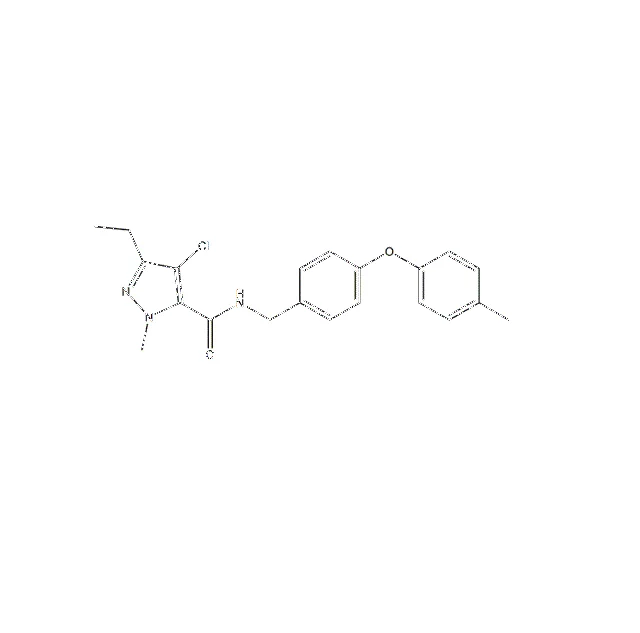
TOLFENPYRAD
Imidazolamide is a new type of pyrazomide insecticide and acaricide. Its efficiency and safety have been confirmed by various biological efficacy tests and safety tests. Zolamides have no cross resistance to other insecticides and acaricides currently used in the domestic market, and are rapidly degraded in plants, soil and water. Because of its protection, treatment, eradication, penetration, and non mutagenic characteristics, it is a new type of agricultural insecticide with great development potential and market vitality after triazole insecticides.
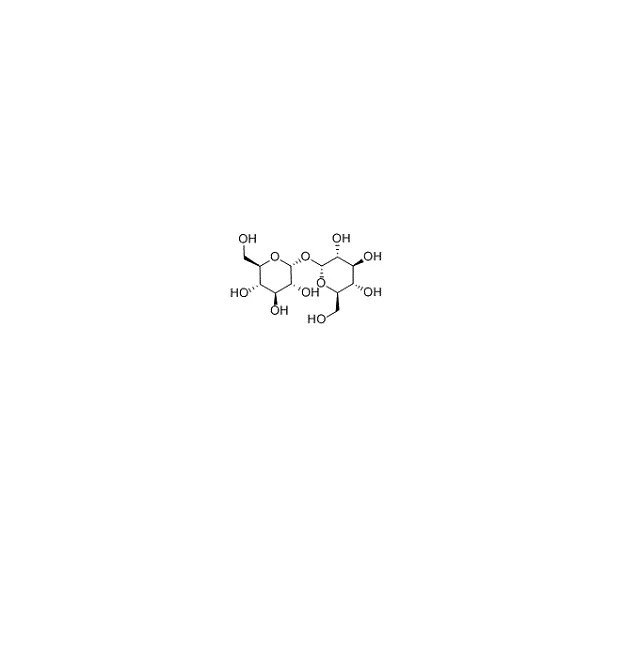
TREHALOSE
Trehalose, also known as α, α - trehalose, α - D-glucopyranosyl - α - d-glucopyranoside, mycose, is a non reducing disaccharide formed by the dehydration and condensation of the semiacetal hydroxyl groups on the different carbon atom (C1) of two molecules of D-glucopyranosyl. It is mainly divided into three kinds: α, α - trehalose, α, β - trehalose and β, β - trehalose. It exists in mould, algae, dry yeast, ergot, etc. and can also be synthesized artificially. It has the special function of preserving biological activity, can effectively protect the structure of cell membrane and protein, make the organism keep the cell moist under abnormal conditions, such as high temperature dehydration (drying, high osmotic pressure), freezing, and prevent the loss of nutrients and cell damage caused by water loss. Moreover, trehalose in vitro also has the characteristics of stabilizing the structure of biological membrane and protein, In the world, it is used to protect gene engineering enzymes, various viruses, vaccines, antibodies, protein factors, nucleic acids, etc., and as stabilizers and protectors of bioactive substances, it has broad application prospects in the fields of food, health products, cosmetics, medicine, molecular biology and agriculture.
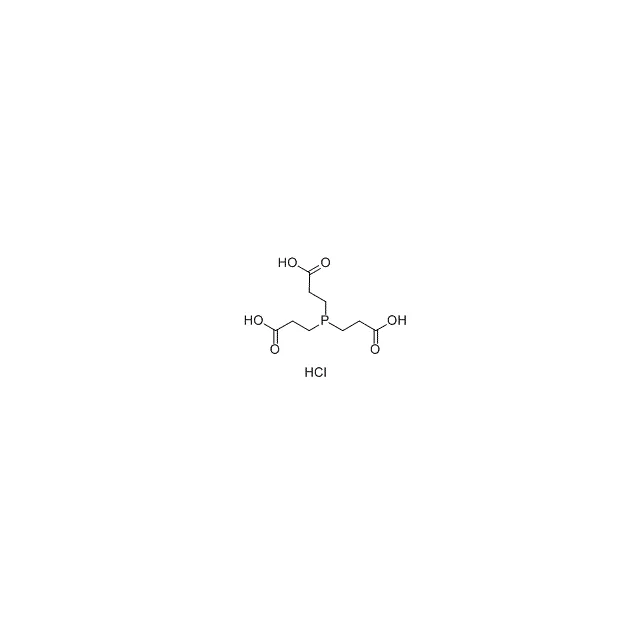
TRIS(2-CARBOXYETHYL)PHOSPHINE HYDROCHLORIDE
Tris(2-carboxyethyl)phosphine hydrochloride (TCEP hydrochloride) is a new type of reducing agent and deprotecting agent for sulfhydryl DNA. Sulfhydryl DNA terminal sulfur atoms tend to form dimers in solution, especially in the presence of oxygen. This dimerization greatly reduces the efficiency of some coupling reaction experiments (such as the immobilization of DNA in a biosensor); and adding tris(2-carboxyethyl)phosphine hydrochloride (TCEP hydrochloride) to the DNA solution ), which can be removed after a period of reaction to reduce DNA dimerization.
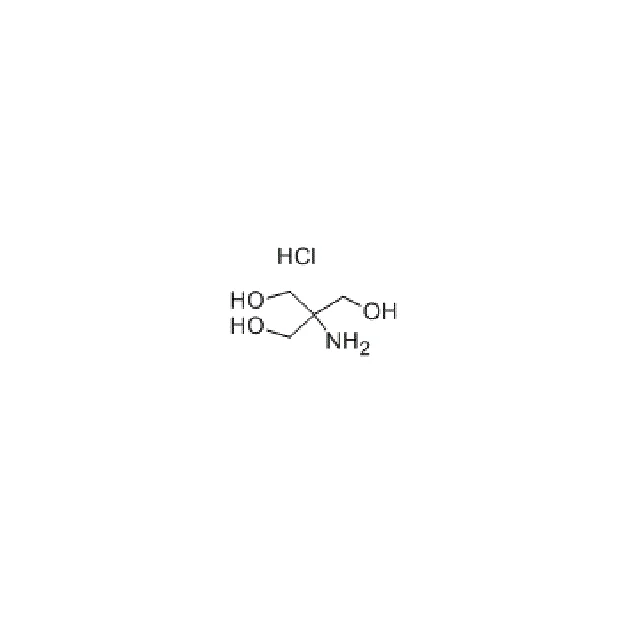
TRIS Hydrochloride
It is used for protein crystal growth under different pH conditions. The low ionic strength of Tris-HCL buffer can be used for the formation of the intermediate fibers of the nematode nuclear laminin. Tris-HCl is also one of the main components of protein running buffer. In addition, Tris-HCL is also an intermediate for the preparation of surfactants, vulcanization accelerators and some drugs. Tris-HCl is also used as a titration standard.
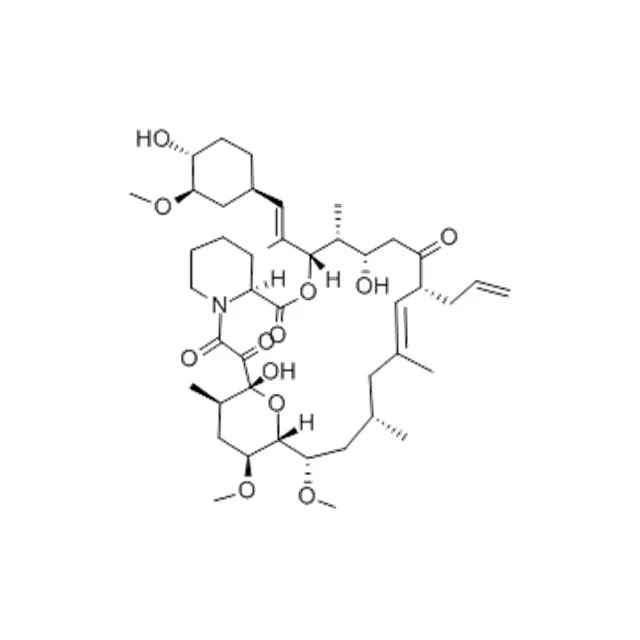
Tacrolimus
Tacrolimus is an immunosuppressive medicine used mainly after allogeneic organ transplant to reduce the activity of the patient's immune system and to lower the risk of organ rejection. It is also used in a topical preparation in the treatment of atopic dermatitis (eczema), severe refractory uveitis after bone marrow transplants, exacerbations of minimal change disease, TH2-mediated diseases such as Kimura's disease, and the skin condition vitiligo.
Talc
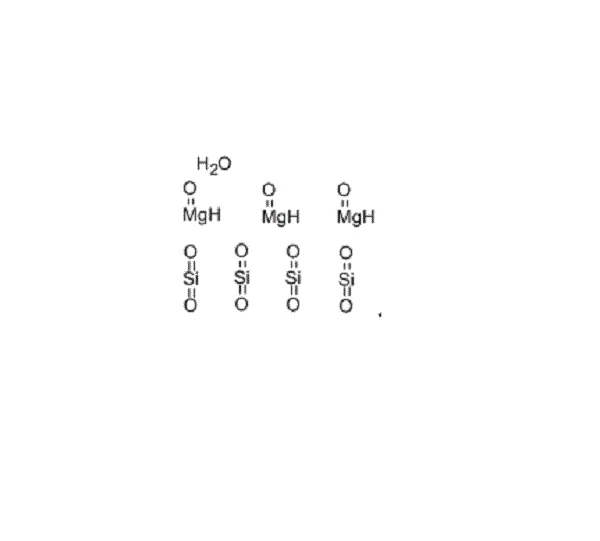
Talc (derived from Persian: تالک tālk; Arabic: تلك talk) is a mineral composed of hydrated magnesium silicate with the chemical formula H2Mg3(SiO3)4 or Mg3Si4O10(OH)2. In loose form, it is the widely used substance known as talcum powder. It occurs as foliated to fibrous masses, and in an exceptionally rare crystal form. It has a perfect basal cleavage, and the folia are non-elastic, although slightly flexible. It is the softest known mineral and listed as 1 on the Mohs hardness scale. It can be easily scratched by a fingernail. It is also sectile (can be cut with a knife). It has a specific gravity of 2.5–2.8, a clear or dusty luster, and is translucent to opaque. Talc is not soluble in water, but it is slightly soluble in dilute mineral acids. Its colour ranges from white to grey or green and it has a distinctly greasy feel. Its streak is white.
Tamoxifen Citrate
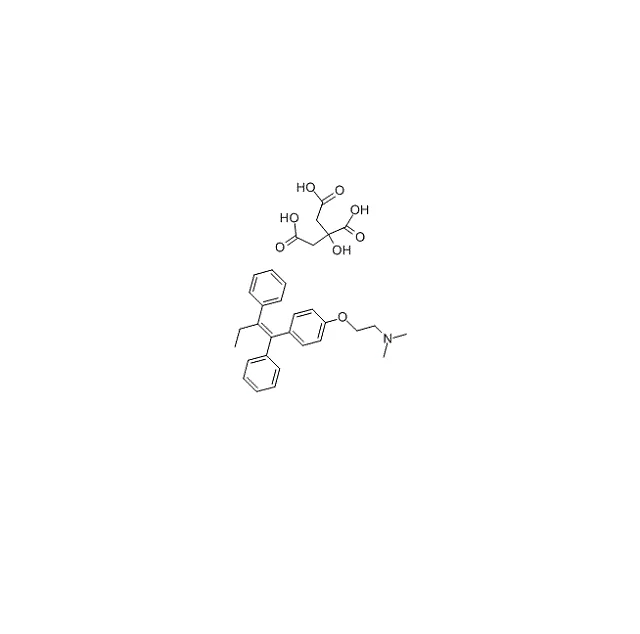
Tamoxifen citrate is an estrogen competitive antagonist. It is a non sterol anti estrogen drug. It can compete with estrogen (estradiol) in vivo and combine with estrogen receptor of breast cancer cells, so as to inhibit the effect of estrogen on cancer cells, hinder the growth and development of tumor cells, and play an anti-cancer effect. It is commonly used to treat all kinds of breast cancer, especially for postmenopausal women with estrogen receptor and progesterone receptor positive and low prostate specific antigen level.
Tartrazine
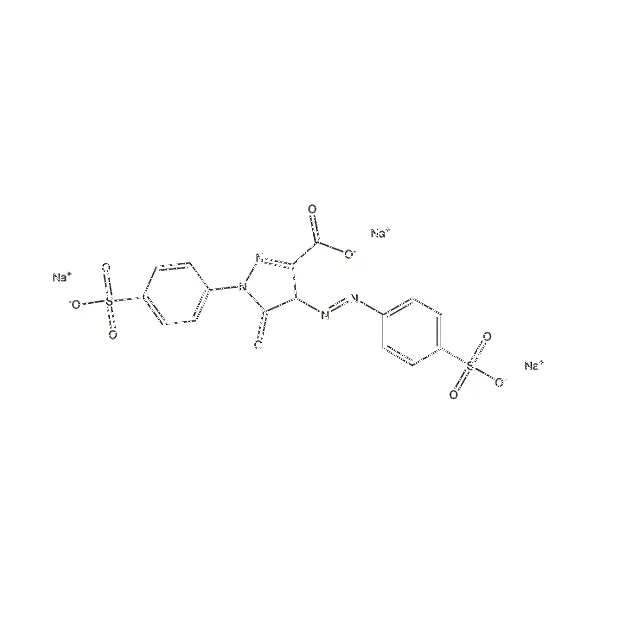
Orange yellow uniform powder, 0.1% aqueous solution is yellow, odorless. It is soluble in water, glycerin and propylene glycol, slightly soluble in ethanol, and insoluble in oil. The solubility at 21°C is: 11.8% (water), 3.0% (50% ethanol). It has good heat resistance, acid resistance, light resistance and salt resistance. It is stable to citric acid and tartaric acid, but has poor oxidation resistance. It turns red when exposed to alkali and fades when reduced. The maximum absorption wavelength is 428nm±2nm. Rat oral LD50 is greater than 2000mg/kg, ADI is 0 ~ 7.5mg/kg (FAO/WHO, 1994).
Tebuconazole
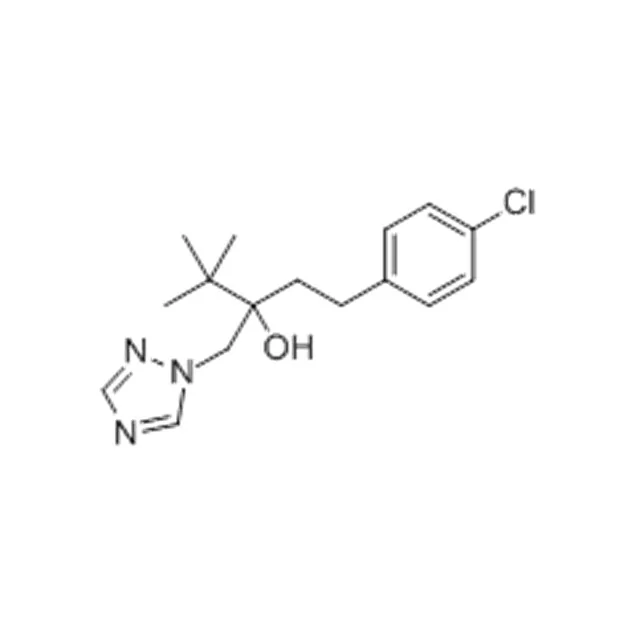
Tebuconazole is a systemic foliar fungicide with a broad range of activity. It is used on grasses grown for seed, mushrooms, corn, wild rice, peanuts, almonds, sorghum, oats, pecans, apricots, peaches, nectarines, plums and prunes. On cereals it controls diseases caused by Erysiphe graminis, Leptosphaeria nodorum, Pseudocerosporella.
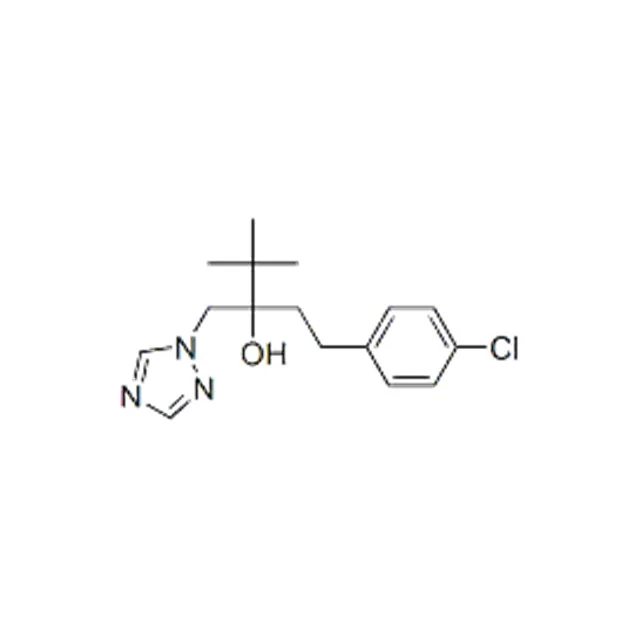
Tebuconazole
Tebuconazole is a systemic foliar fungicide with a broad range of activity. It is used on grasses grown for seed, mushrooms, corn, wild rice, peanuts, almonds, sorghum, oats, pecans, apricots, peaches, nectarines, plums and prunes. On cereals it controls diseases caused by Erysiphe graminis, Leptosphaeria nodorum, Pseudocerosporella .