


Browse 961 Chemical Products and Raw Materials
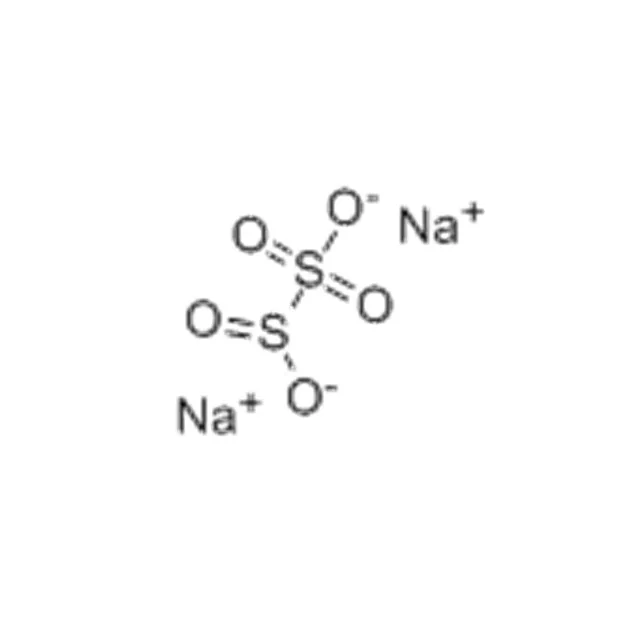
Sodium Metabisulfite
Sodium metabisulfite or sodium pyrosulfite (IUPAC spelling; Br. E. sodium metabisulphite or sodium pyrosulphite) is an inorganic compound of chemical formula Na2S2O5. The substance is sometimes referred to as disodium (metabisulfite). It is used as a preservative and antioxidant in food and is also known as E223.
Sodium Metasilicate
Sodium metasilicate is a kind of salt of silicic acid, which belongs to inorganic salt product. Its molecular formula is Na2SiO3 · nH2O. It is a white powder or crystal particle which is non-toxic, tasteless and pollution-free. It is easy to dissolve in water, not in alcohol and acid. The aqueous solution is alkaline. It is easy to absorb moisture and deliquesce in the air. It has the ability of descaling, emulsifying, dispersing, wetting, permeability and buffering pH value, Sodium metasilicate is a kind of low molecular crystal produced by the hydrothermal reaction of common foamed alkali and caustic soda. The commodity includes anhydrous, five water and nine hydrate. Among them, the nine hydrate only exists in the market of our country. It is a technology urgently developed by sodium metasilicate in 1980s The emergency product with low technical content will release crystal water when its melting point is only 42 °C and 30-40 °C, which brings inconvenience to use. It is easy to change into liquid or paste shape when it is stored, and is being phased out gradually. However, due to some user habits and some fields are not very interested in crystal water, sodium metasilicate jiushui still has a certain market.
Sodium Nitrite
Colorless or yellow crystal, with relative density of 2.168 (0 °C), melting point of 271 °C, and decomposition at 320 °C. It is soluble in water and its aqueous solution is alkaline due to the hydrolysis of nitrite. Sodium nitrite has both oxidability and reducibility, mainly oxidability. It is mainly oxidized in acid solution and reductive in alkaline solution or in case of strong oxidant. It can cause combustion or explosion by friction or impact with sulfur, phosphorus, organic matter, etc.
Sodium O-isobutyl Dithiocarbonate
It is a strong collector for sulfide ores of various non-ferrous metals, especially for flotation of various copper ores and pyrites.
Sodium Oxalate
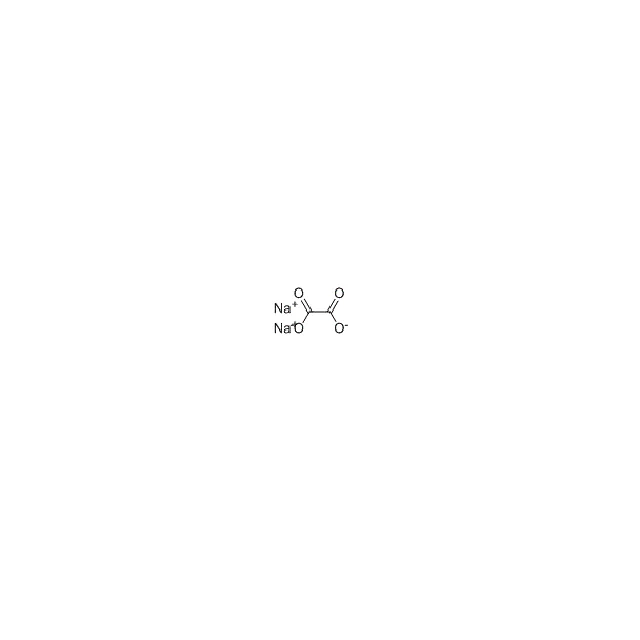
White crystalline powder. Soluble in water, insoluble in ethanol. It is mainly used as the intermediate of oxalic acid production, and can also be used in cellulose finishing agent, textile, leather processing, etc. In analytical chemistry, it is used as the standard for the calibration of potassium permanganate solution. Fireworks yellow luminous agent.
Sodium Percarbonate
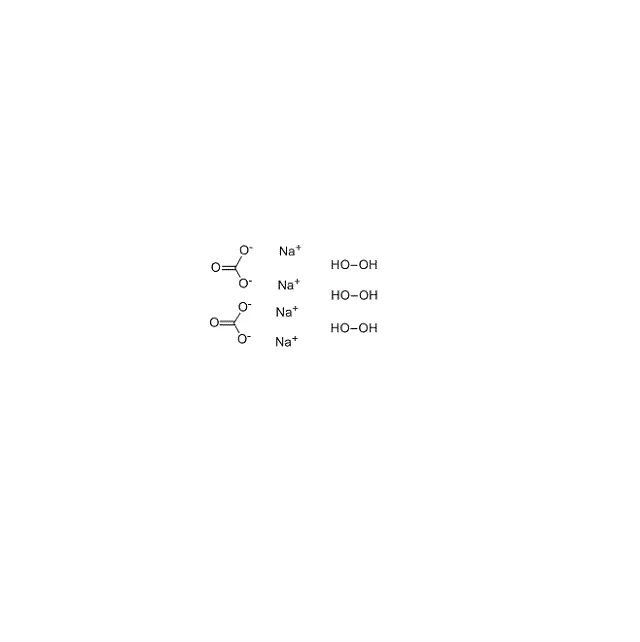
Sodium percarbonate is a strong oxidant. The appearance is white crystal or crystalline powder, and oxygen can be released in case of moisture. Sodium percarbonate is the addition compound of hydrogen peroxide and sodium carbonate, which is mainly used as bleaching agent and oxidant, as well as decontamination agent, cleaning agent and bactericide in chemical industry, papermaking, textile, dyeing and finishing, food, medicine, health and other departments. Other uses are similar to sodium perborate, which can replace sodium perborate to save boron salt.
Sodium Polyacrylate
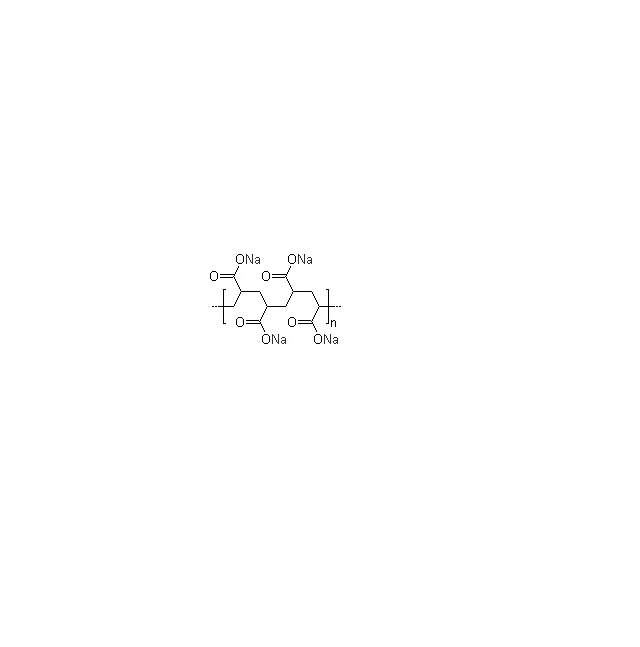
Sodium polyacrylate is a new functional polymer material and an important chemical product. The solid product is white (or light yellow) block or powder, and the liquid product is colorless (or light yellow) viscous liquid. From acrylic acid and its esters as raw materials, through aqueous solution polymerization. Tasteless, soluble in sodium hydroxide aqueous solution, precipitated in calcium hydroxide, magnesium hydroxide and other aqueous solutions. It is often used as water treatment agent, brine refining, latex thickening, and also as food viscosity and emulsification.
Sodium Polyphosphate
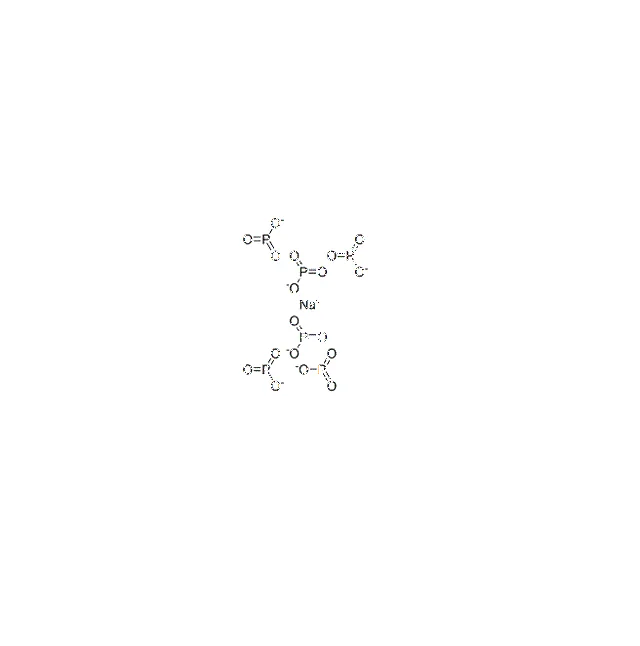
Sodium hexametaphosphate is used as a soft water agent in dyeing or post-treatment. It can capture calcium and magnesium ions from the precipitate of insoluble calcium soap, magnesium soap or calcium dye and magnesium dye, and make the precipitate dissolve again. In other words, when sodium hexametaphosphate is introduced into the solution, sodium soap can be regenerated. Even when calcium soap or magnesium soap has formed, the clot of calcium soap or magnesium soap will disappear. Similarly, sodium hexametaphosphate can regenerate dyes.
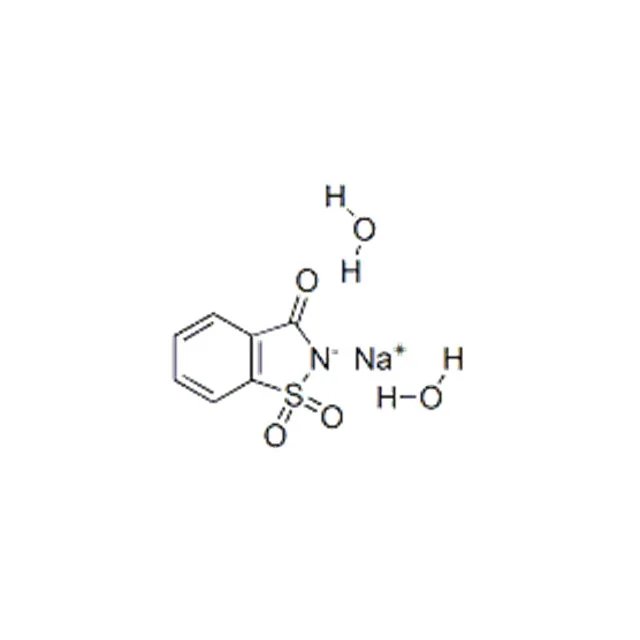
Sodium Saccharin
Sodium Saccharin is a sweet taste agent.its sweet degree is about 500 times sweeter than that of sugar. It is widely used in foodstuff, drinks.
Sodium Silicate
Sodium silicate is widely used in almost all sectors of the national economy. In the chemical system, it is used to manufacture silica gel, silica, zeolite molecular sieve, sodium metasilicate pentahydrate, silica sol, layer silicon, instant powder sodium silicate, potassium sodium silicate and other silicate products. It is the basic raw material of silicon compounds. In developed countries, more than 50 kinds of deep-processing products with sodium silicate as raw material have been developed, some of which have been used in the fields of high, fine and advanced science and technology; in light industry, they are indispensable raw materials in detergents such as washing powder and soap, as well as water softener and precipitant aid; in textile industry, they are used in dyeing aid, bleaching and sizing; in machinery industry, they are widely used in casting and grinding wheel Manufacturing and metal preservatives, etc.; in the construction industry, it is used to manufacture quick drying cement, acid resistant cement waterproof oil, soil curing agent, refractories, etc.; in agriculture, it can manufacture silicon fertilizer; in addition, it is used as silicon aluminum catalyst, soap filler, corrugated adhesive, laboratory crucible and other high temperature resistant materials, metal preservative, water softener, detergent assistant, etc Agents, refractories and ceramic raw materials, bleaching, dyeing and sizing of textiles, mineral processing, water-proof, leakage stoppage, wood fire prevention, food corrosion prevention and adhesive making, etc.

Sodium Sulfide
Sodium sulfide, also known as sulfurized alkali, stinky soda and stinky alkali, is colorless or purplish prismatic crystal under normal temperature. Industrial sodium sulfide is usually pink, brownish red and earthy yellow block due to impurities. It has rotten egg odor, corrosive and toxic, with a density of 2.427. Decomposition at 920 °C. Soluble in cold water, soluble in hot water, almost all of them are hydrolyzed to sodium hydroxide and sodium hydrosulfide (15.4g at 10 °C and 57.2g at 90 °C). The aqueous solution is strongly alkaline and corrosive to copper, wood, skin, etc. Slightly soluble in ethanol, insoluble in ether. Sodium sulfide reacts with strong acid to release hydrogen sulfide. Deliquescence in air, easy to oxidize into sodium thioate. Sodium sulfide is mainly used as raw material of raw hide depilating agent, pulp cooking agent, sulfide dye, dye intermediate reducing agent, fabric dyeing mordant, ore flotation agent, viscose fiber desulfurizer and raw material of producing sodium hydrosulfide and sodium polysulfide.
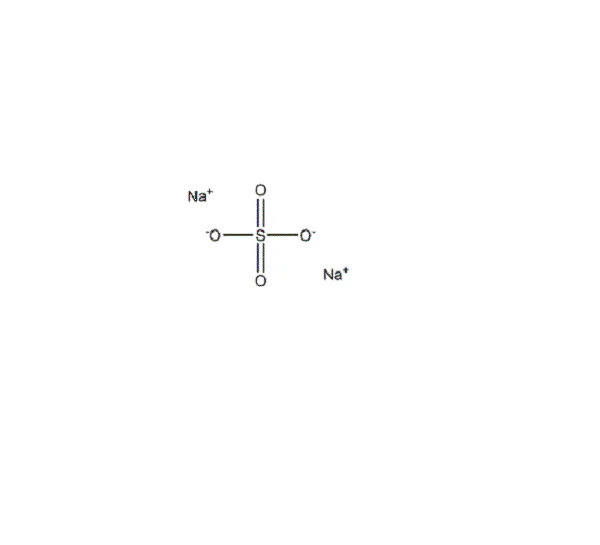
Sodium Sulphate Anhydrous
Sodium sulfate is the sodium salt of sulfuric acid. When anhydrous, it is a white crystalline solid of formula Na2SO4 known as the mineral thenardite; the decahydrate Na2SO4•10H2O is found naturally as the mineral mirabilite, and in processed form has been known as Glauber’s salt or, historically,sal mirabilis since the 17th century. Another solid is the heptahydrate, which transforms to mirabilite when cooled. With an annual production of 6 million tonnes, it is a major commodity chemical product.
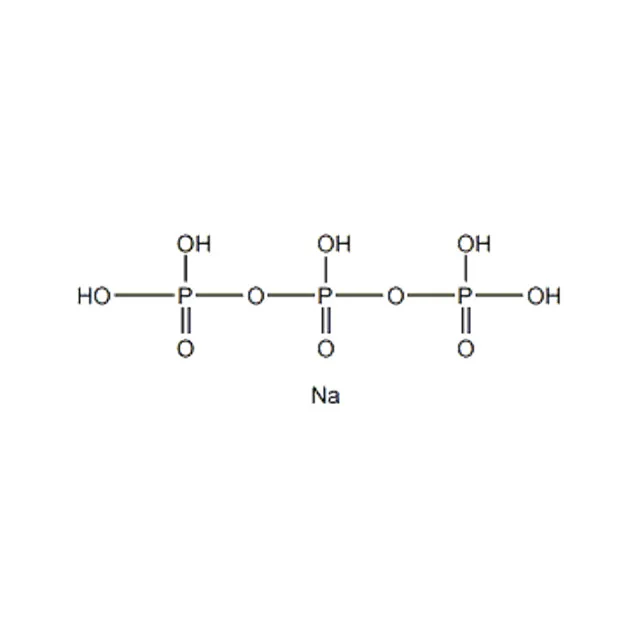
Sodium Tripolyphosphate
Sodium Tripolyphosphate (STPP) is a preservative for seafood, meats, poultry, and animal feeds. It is common in food production as E number E451. In foods, STPP is used as an emulsifier and to retain moisture.
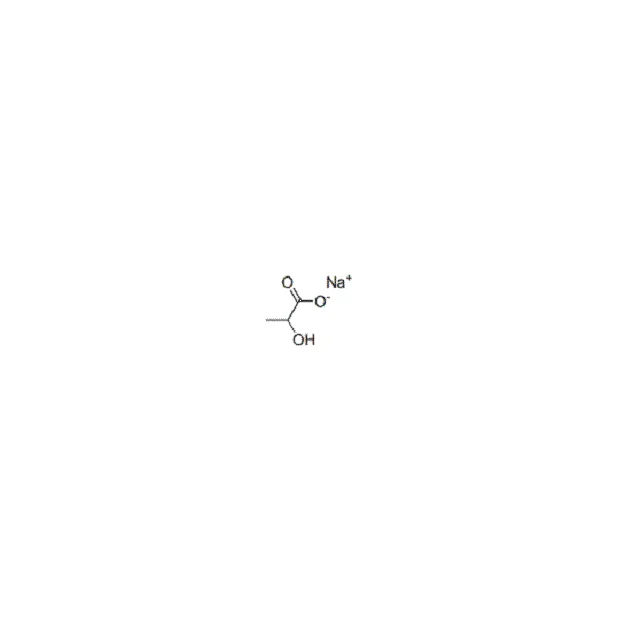
Sodium lactate
Sodium lactate is a chemical substance with the molecular formula C3H5O3Na. With a molecular weight of 112.06, it is a colorless or almost colorless transparent liquid that can be dissolved in water, ethanol, and glycerin. It is used in food preservation, moisturizing, flavor enhancement and pharmaceutical raw materials. It can also be used as medicine to relieve acidosis caused by diarrhea, dehydration, diabetes, nephritis and other diseases. It is also used as a seasoning, a plasticizer for casein plastic, an antifreeze, a humectant, a substitute for glycerin, and an anticorrosion agent for alcohol antifreeze.
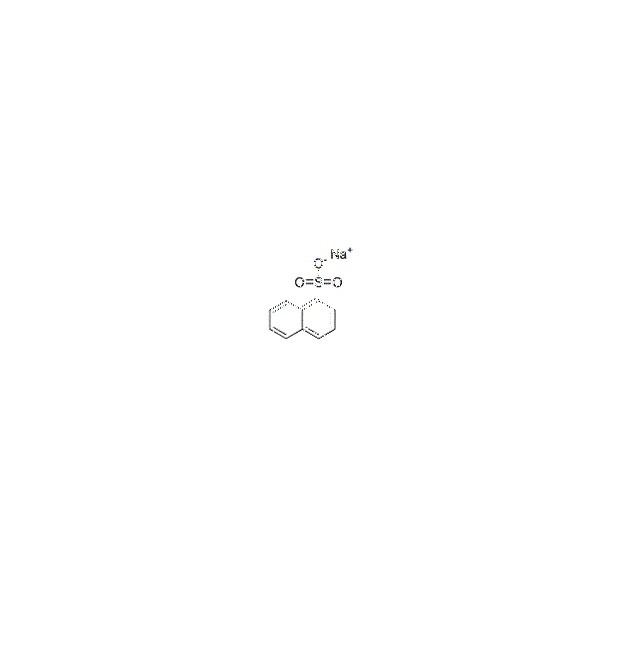
Sodium Α-naphthyl Acetate
Sodium a-naphthylacetate is a broad-spectrum plant growth regulator. It has the function and physiological function of endogenous auxin. It can promote the form of adventitious roots and roots, accelerate the rooting of cuttings and seeds, promote the division and expansion of cells, promote the differentiation of chemical books into buds and flower buds, accelerate the synthesis of chlorophyll, promote the fruit expansion, prevent the falling of flowers and fruits, and change the male and female flowers Ratio, as well as to promote the root and leaf exuberance of plants, improve the yield, improve the quality, and enhance the resistance to drought, cold and disease.
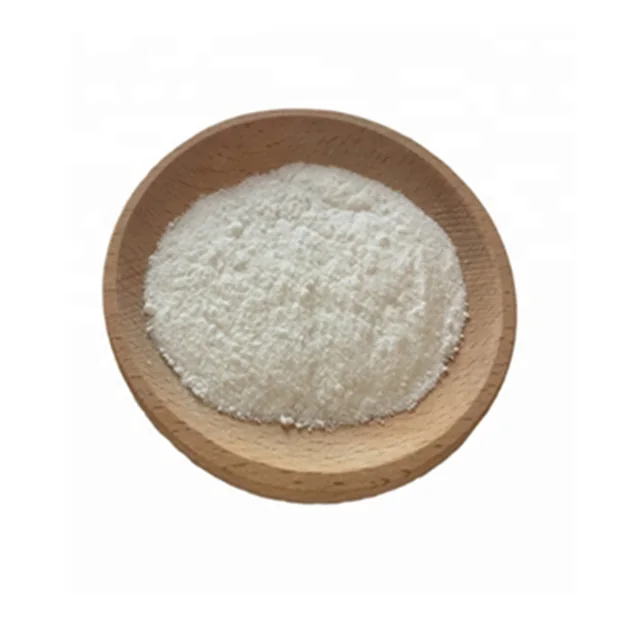
Solid Acrylic Resin
Acrylic resin, commonly known as plexiglass, is a polymer compound polymerized by methyl methacrylate. Commonly used synthesis methods include anionic polymerization, solution polymerization, bulk polymerization, and suspension polymerization. In addition, the resin has excellent characteristics such as easy coloring, light weight, not easy to break, and good processing performance. Therefore, it is often used as a substitute for glass, optical lenses, lenses, etc. In addition, with the development of acrylic resins and their modified polymers, acrylic resins are also widely used in pharmaceutical preparations and coatings.
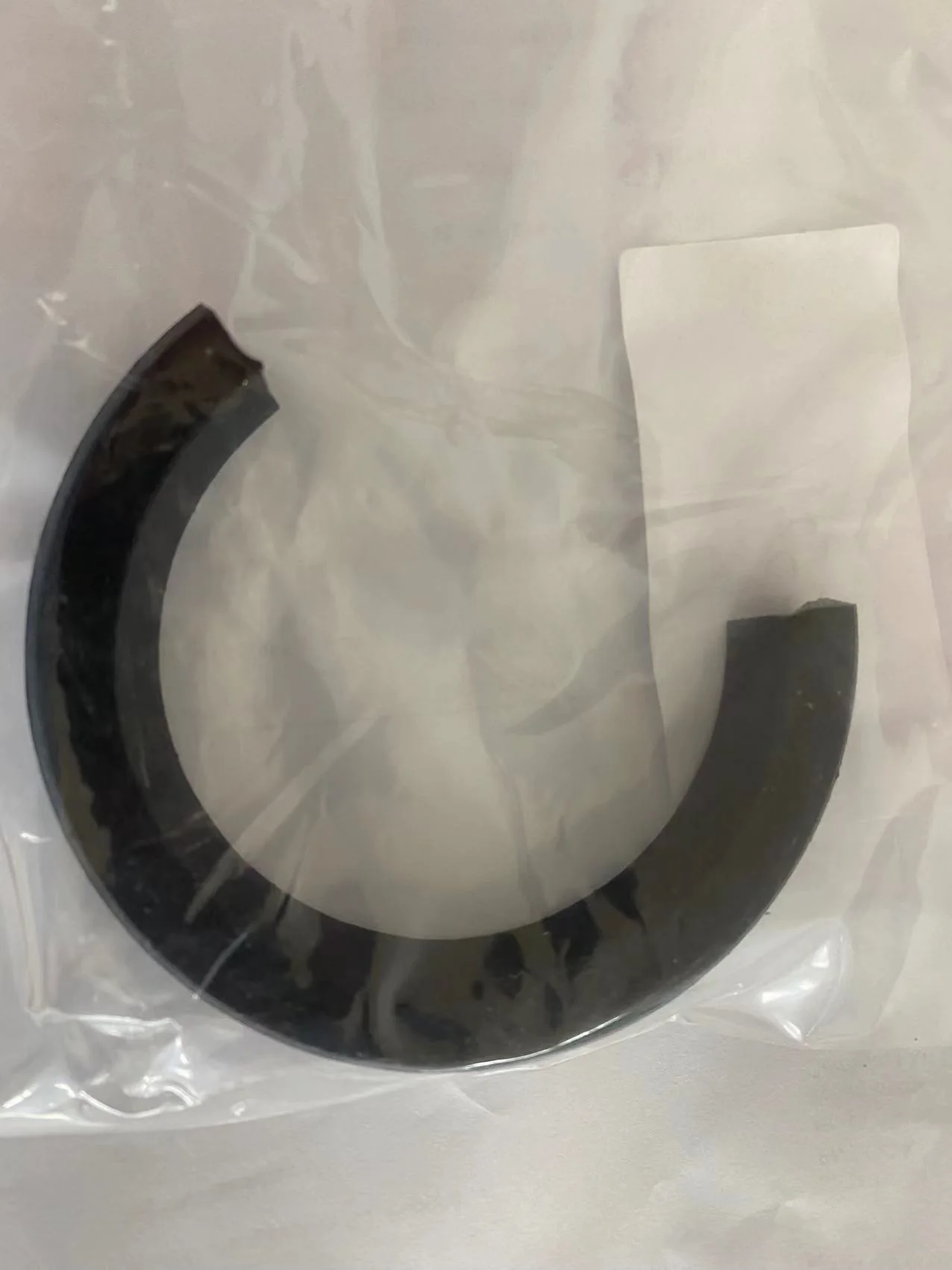
Soluble Rubber
Working (dissolving) temperature: 70-110°CWorking environment: clean water or 1%-3% potassium chloride (KCL) The combination of pressure bearing and soluble metal can reach 50-70Mpa and
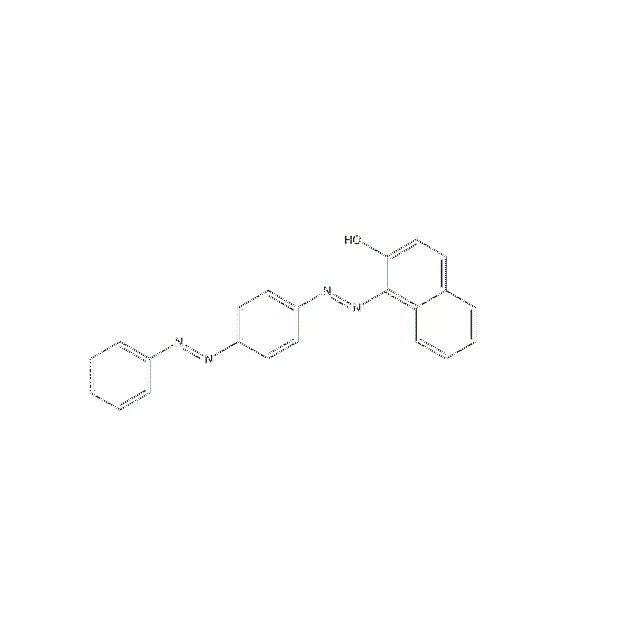
Solvent Red 23
Brownish red powder (crystallized by acetic acid as brownish green crystal), soluble in methanol, ethanol, DMSO and other organic solvents, comes from synthetic dyes.
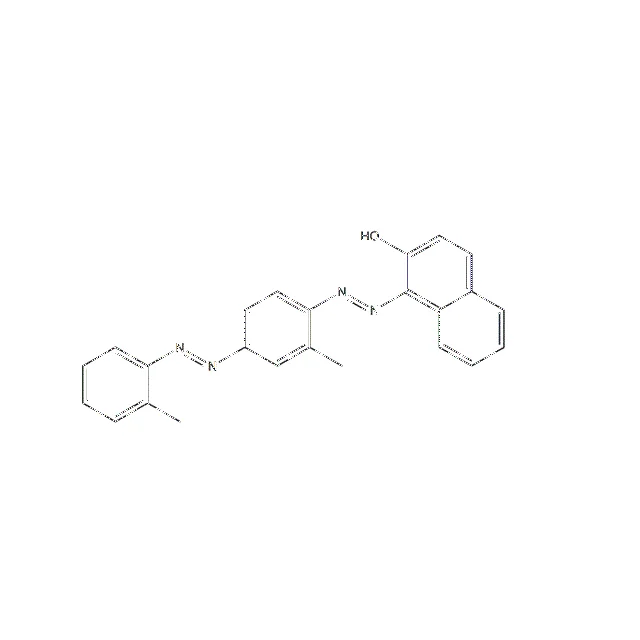
Solvent Red 24
Dark red powder. Melting point 184-185 °C. Insoluble in water, soluble in ethanol and acetone, soluble in benzene, candlelight, transparent plastic red 301.
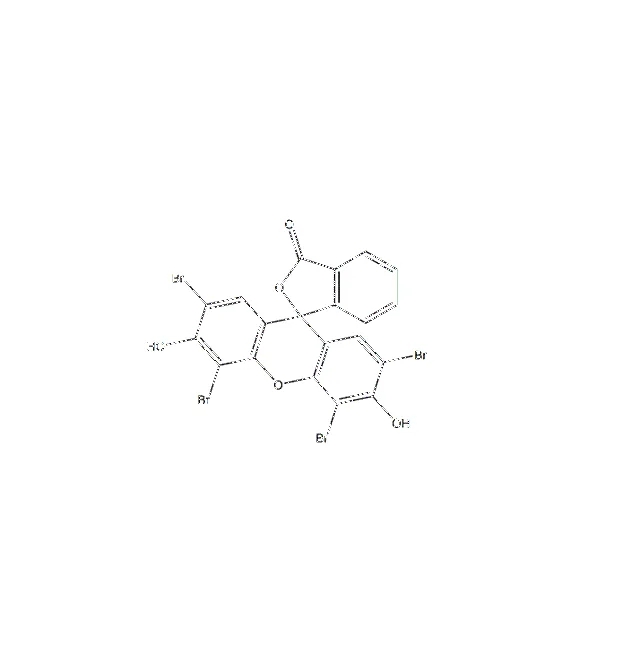
Solvent Red 43
Solvent Red 43, also known as 2 ', 4', 5 ', 7' - tetrabromo-3 ', 6' - dihydroxyspiro [isophenylpropylfuran-1 (3H), 9 '(9h) - Zhan ton] - 3-one, is a dye and pigment with molecular formula c20h10br4o5 and molecular weight 649.9064.
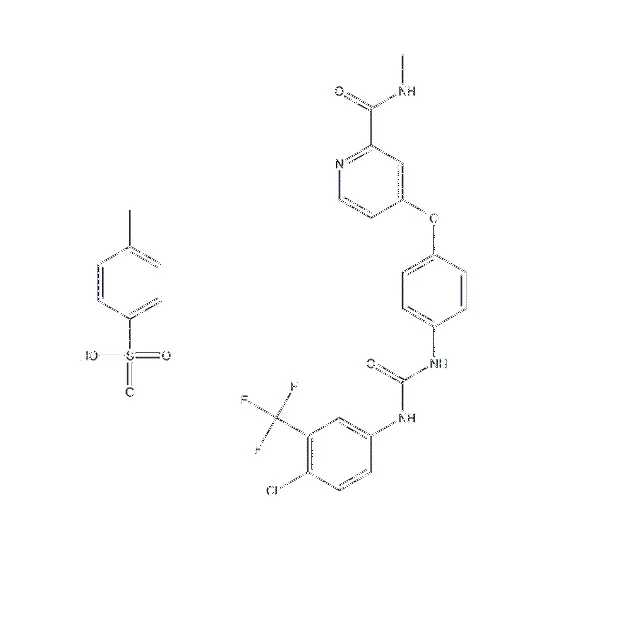
Sorafenib Tosylate
Sorafenib toluene sulfonate is a new multi-target anti-tumor drug, which was developed by Bayer pharmaceutical company in Germany. It can act on tumor cells and tumor blood vessels at the same time. It has dual antitumor effects: it can directly inhibit the proliferation of tumor cells by blocking the Raf / MEK / ERK mediated cell signaling pathway, and it can also block the formation of tumor neovascularization by inhibiting VEGF and PDGF receptor, and indirectly inhibit the growth of tumor cells.
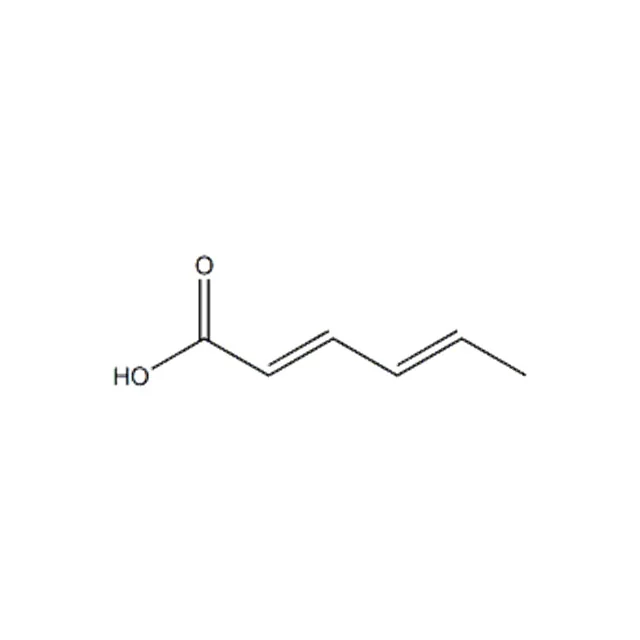
Sorbic Acid
Sorbic acid and its salts, such as sodium sorbate, potassium sorbate, and calcium sorbate, are antimicrobial agents often used as preservatives in food and drinks to prevent the growth of mold, yeast, and fungi. In general the salts are preferred over the acid form because they are more soluble in water, but it is the acid form that is active. The optimal pH for the antimicrobial activity is below pH 6.5. Sorbates are generally used at concentrations of 0.025% to 0.10%. Adding sorbate salts to food will, however, raise the pH of the food slightly so the pH may need to be adjusted to assure safety. It is found in many other foods, such as cheeses and breads.
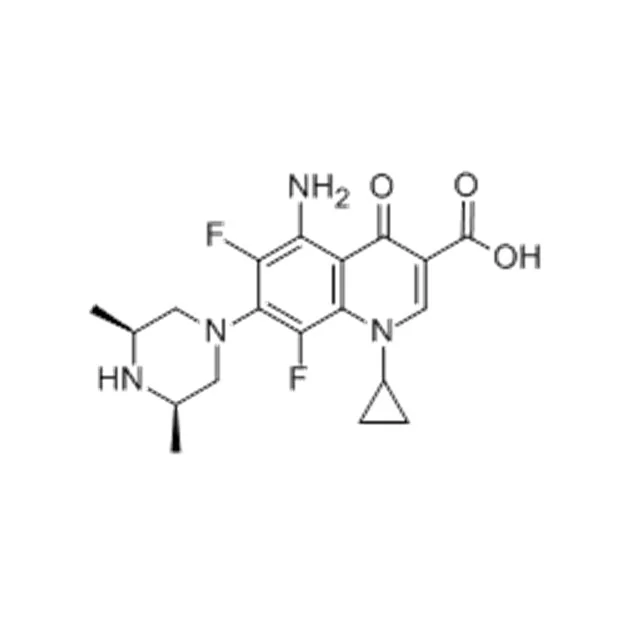
Sparfloxacin
Sparfloxacin (spar FLOX a sin), trade names Spacin in Bangladesh, Zagam and Zagam Respipac, is a fluoroquinolone antibiotic used in the treatment of bacterial infections. The compound is indicated for treating community-acquired lower respiratory tract infections (acute sinusitis, exacerbations of chronic bronchitis caused by susceptible bacteria, community-acquired pneumonia). Sparfloxacin, like other quinolones and fluoroquinolones, are bactericidal medicine, actively killing bacteria. Quinolones inhibit the bacterial DNA gyrase or the topoisomerase IV enzyme, thereby inhibiting DNA replication and transcription. Quinolones can enter cells easily and therefore are often used to treat intracellular pathogens such as Legionella pneumophila and Mycoplasma pneumoniae. For many gram-negative bacteria DNA gyrase is the target, whereas topoisomerase IV is the target for many gram-positive bacteria. Eukaryotic cells do not contain DNA gyrase or topoisomerase IV.
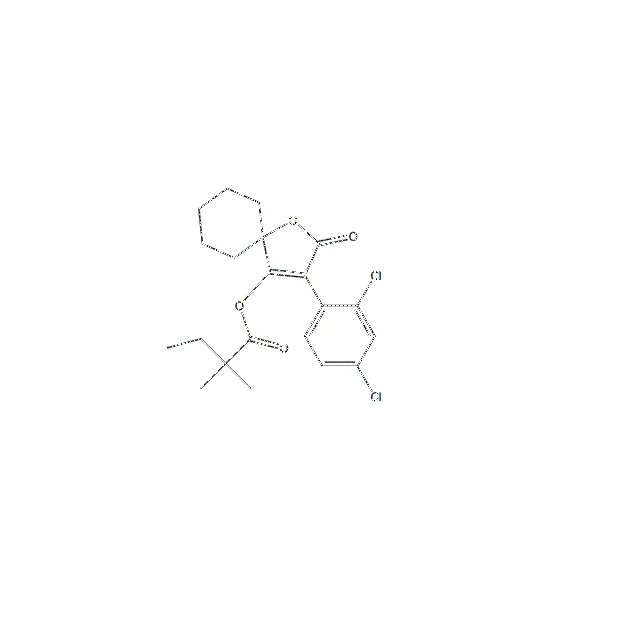
Spirodiclofen
Spirodinyl ester is a kind of chemical substance, its molecular formula is c21h24cl2o4. White powder appearance, no special smell, contact killing effect, no inhaling. It has a good killing effect on mite eggs, young mites and RUOYE mites, but it has no effect on adult mites, but it can inhibit the hatching rate of female mites.