


Browse 961 Chemical Products and Raw Materials
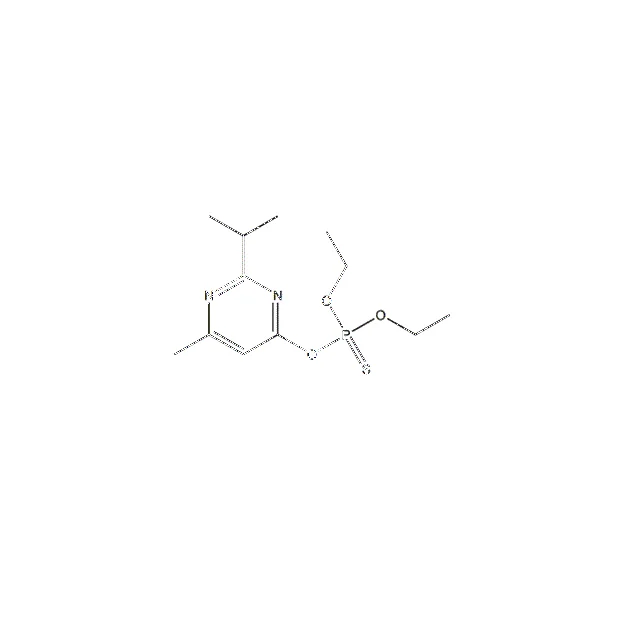
Diazinon
The broad-spectrum insecticide has the functions of contact killing, stomach poisoning, fumigation and certain inhaling, as well as better killing mites and eggs. Control rice borer and rice leafhopper, using 50% EC 15 ~ 30g/100m2, spray water 7.5kg, control 90% to 100%. Control cotton aphid, cotton red bee spider, cotton thrips and cotton leafhopper, using 50% EC 7.5 ~ 12mL/100m2, spray evenly on water, and control 92% to 97%. To control underground pests of mole cricket in North China and beetle in North China, 75 ml of 50% emulsifiable oil, 3.75 kg of water, 45 kg of seed dressing, and 7 hours of pressing can be used for sowing, or 37 kg of wheat seed dressing can be used for sowing after the seeds are absorbed and slightly dried. Control the cabbage caterpillar and vegetable aphid, use 50% EC 6 ~ 7.5mL/100m2, spray evenly 6 ~ 7.5kg of water. To control onion leaf fly, legume fly and rice gall midge, spray 7.5 to 15mL/100m2 of 50% EC and spray water evenly from 7.5 to 15kg. In order to control the grub, 2% granule 0.19kg/100m2 was used. Be careful not to mix with copper containing fungicide and propargyrum.
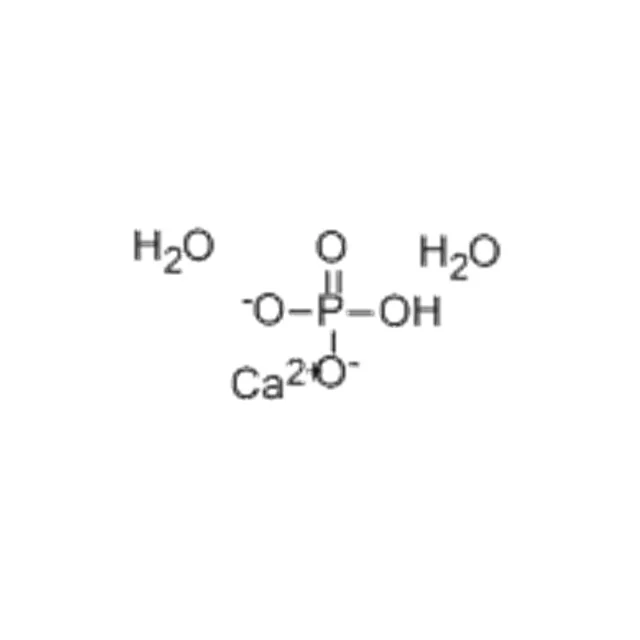
Dicalcium Phosphate
Dicalcium Phosphate, also known as dibasic calcium phosphate or calcium monohydrogen phosphate, is a type of calcium phosphate that isdibasic. Dicalcium phosphate is mainly used as a dietary supplement in prepared breakfast cereals, dog treats, enriched flour, and noodle products.
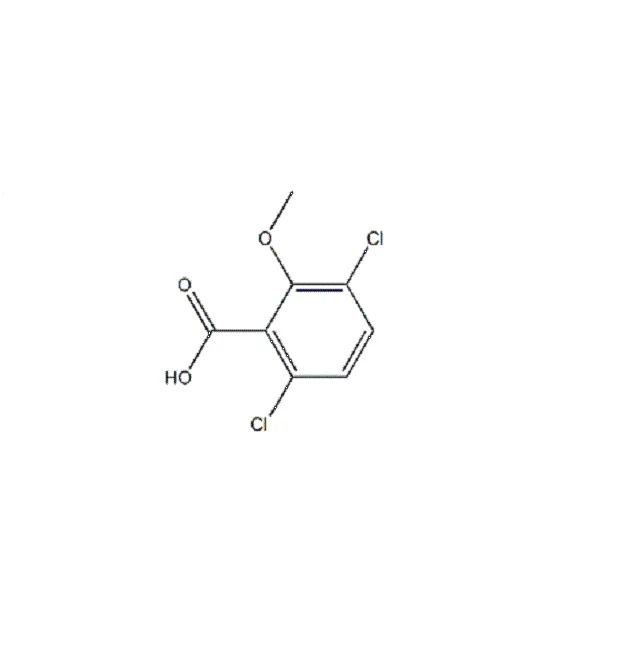
Dicamba
belongs to the department of benzoic acid herbicides, have uptake conduction effect, has the significant control effect on the annual and perennial broadleaf weeds.
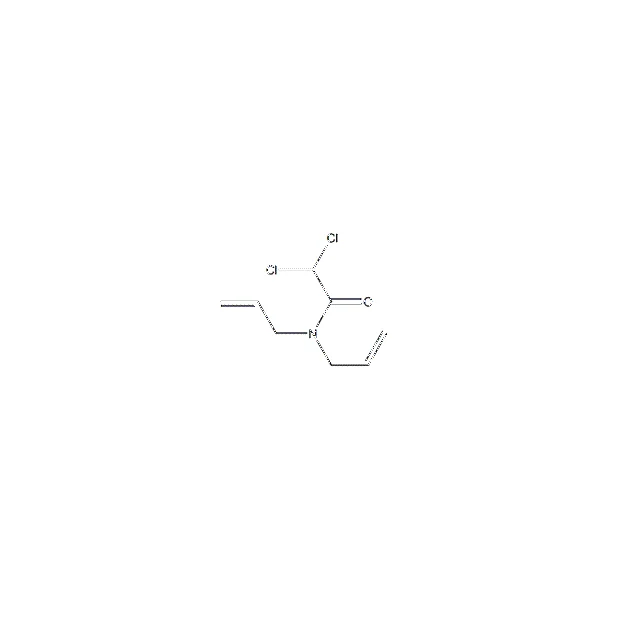
Dichlormid
1. as acetochlor protectant, it can be used for seed dressing, and can also be combined with herbicide spray for soil treatment.
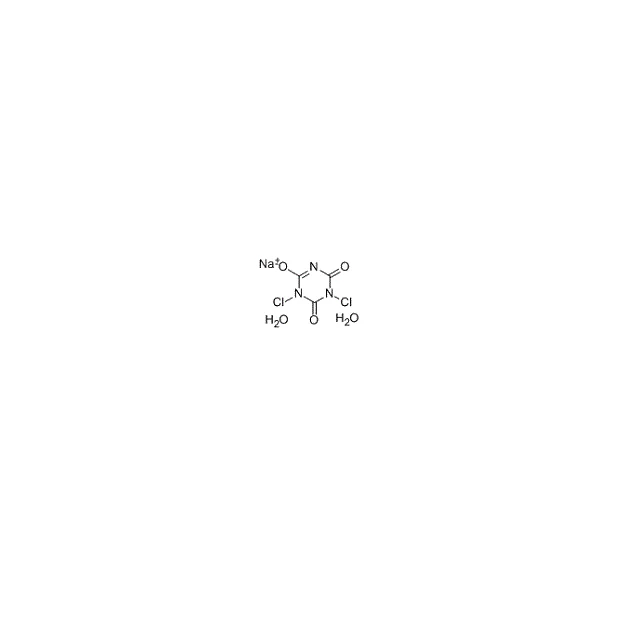
Dichloroisocyanuric Acid Dihydrate Sodium Salt
As a kind of disinfectant, it can sterilize drinking water, swimming pool, tableware and air, light against infectious diseases as routine disinfection, preventive disinfection and environmental sterization in different places, act as disinfectant in raising silkworm, livestock, poultry and fish, and also can be used to prevent wool from shrinkage bleach the textile and clean the industrial circulating water. The product has high efficiency and constant performance and has no harm to human beings. It enjoys good reputation both at home and abroad.
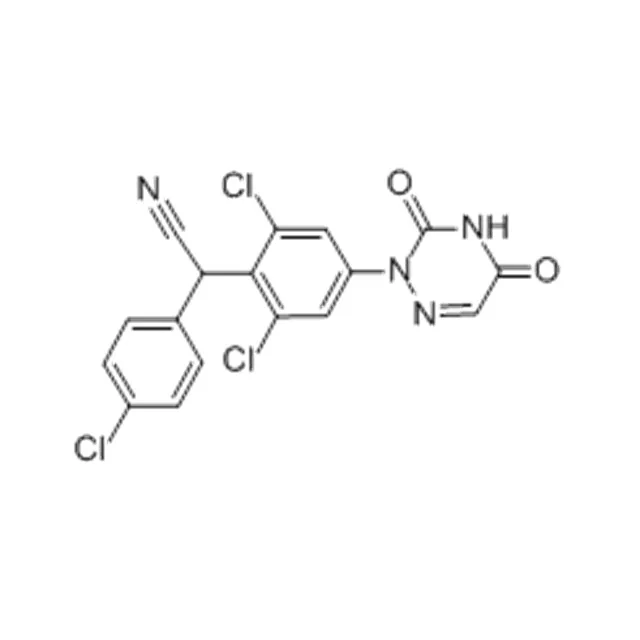
Diclazuril
As a kind of new-type, Diclazuril is a kind of high-efficiency and low-toxicity anti-coccidiosis additive. Diclazuril is widely used for chicken coccidiosis disease. It can reach the peak effect on coccidiosis. It has reliable destroying and inhibiting effect to all kinds of coccidial.
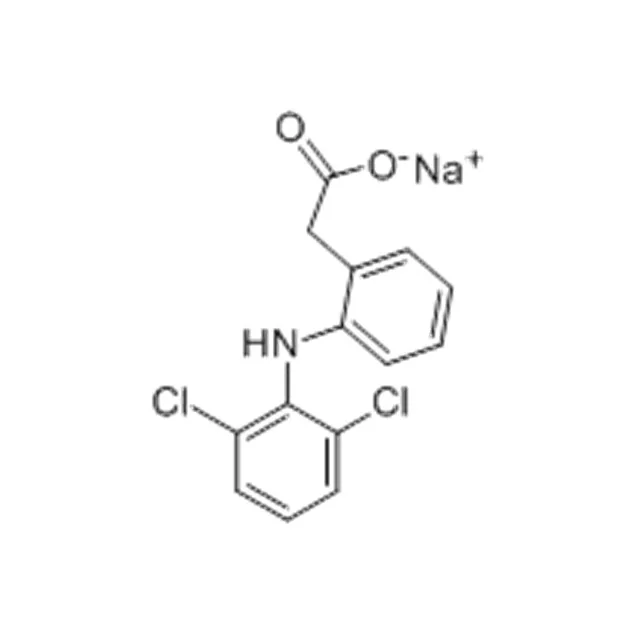
Diclofenac Sodium
Diclofenac sodium is a nonsteroidal anti-inflammatory drug (NSAID) which is primarily used to help treat the symptoms of arthritis. These medications can help reduce the swelling and inflammation caused by the disease to help provide comfort to the patient.
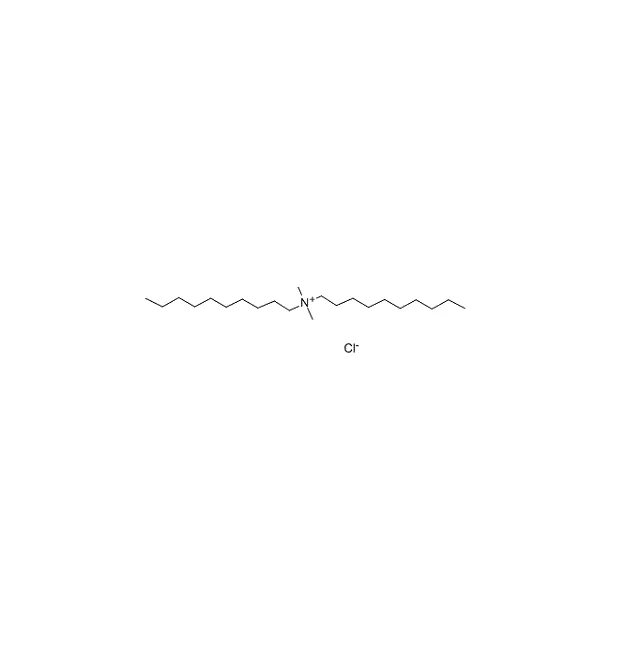
Didecyl Dimethyl Ammonium Chloride
DDAC is a kind of mothproofing agent for wool fabric to prevent insect diseases, and is used as disinfectant and fungicide in medicine, health and civil use. DDAC is one of the third-generation products of quaternary ammonium bactericide, its ability of killing microorganisms is significantly better than that of the first and second generation products .Besides, It can be used as fungicides and bactericidal algae killer in oilfield water injection and industrial circulating cooling water system. When used as moth-proofing for woolen fabrics, it can be filled, impregnated or sprayed; Used as an antiseptic to treat hard surfaces, it can be combined with chlorine dioxide.
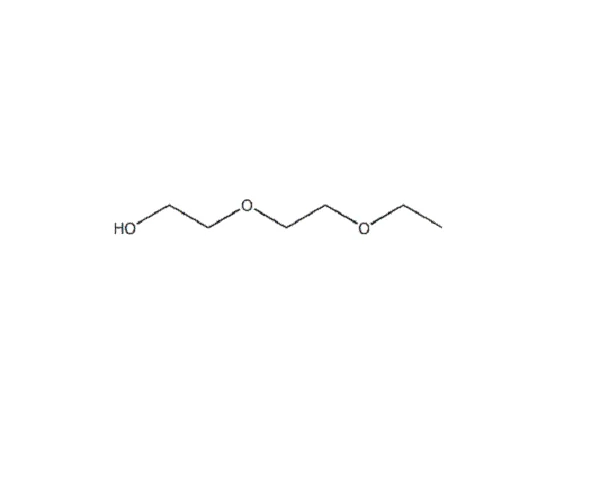
Diethylene Glycol Monoethyl Ether
2-(2-Ethoxyethoxy)ethanol, also known under trade names Carbitol, Carbitol cellosolve, Transcutol, Dioxitol, Poly-solv DE, and Dowanol DE, is an industrial solvent. It is a clear, colorless, hygroscopic liquid. Structurally it is an alcohol and an ether, a triethylene glycol with missing one hydroxyl group with formula CH3CH2OCH2CH2OCH2CH2OH. At direct contact it causes drying of skin by leaching fats, and is mildly irritating to the eyes. It is flammable.
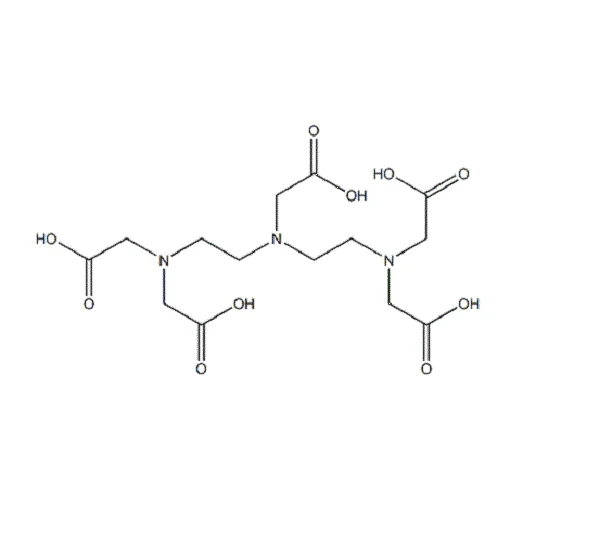
Diethylenetriaminepentaacetic Acid
DTPA is an effective chelating agent, used in chelate fertilizers, used in Acrylic production
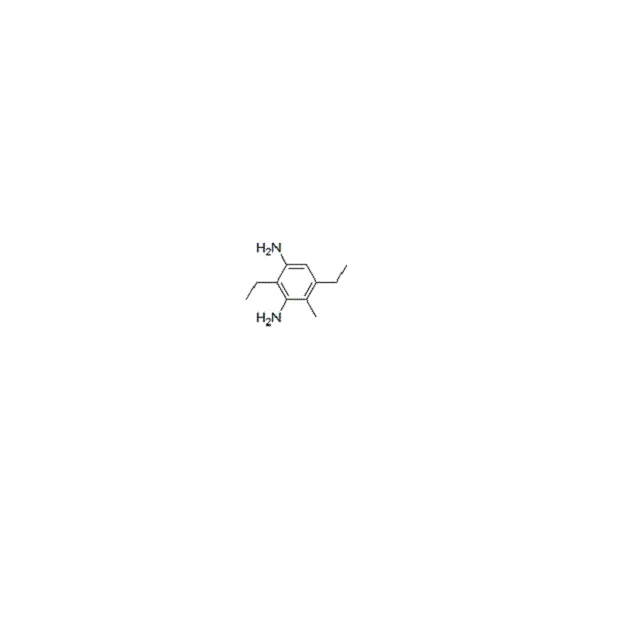
Diethyltoluenediamine
Diethylmethylenediamine is a mixture of two isomers of diethylmethylenediamine (detda). It is light yellow to red brown transparent liquid with ammonia flavor at room temperature, slightly soluble in water, soluble in polar organic solvents such as alcohol, ether, ketone, etc., and has good compatibility with polyether and polyester polyols. Long term exposure to the air will darken the color. Diethylmethylenediamine is flammable and highly corrosive. Skin and eye contact can cause irritation and serious burns. It is harmful to take by mistake. Specific toxicity data is lack. Please refer to Methylenediamine for its toxicity. Its main uses are curing agent, antioxidant, chain extender, lubricant, polyurethane raw material, amine catalyst, etc.
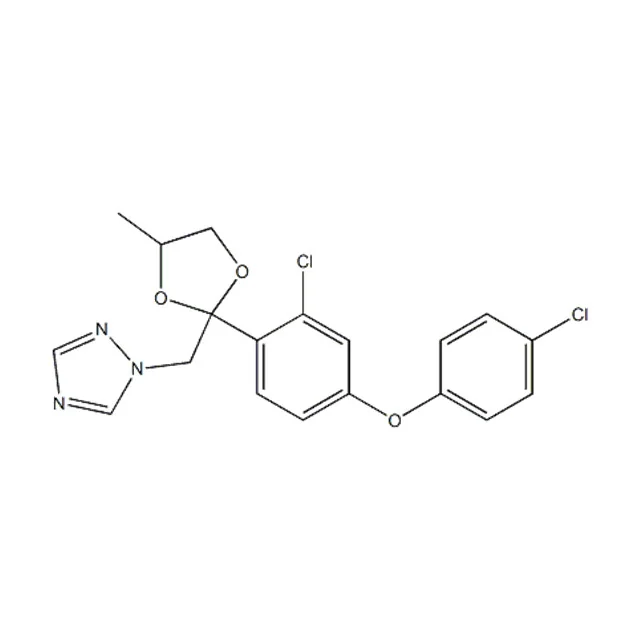
Difenoconazole
Difenoconazole 95%TC is a kind of Systemic fungicide with a novel broad-range activity protecting the yield and crop quality by foliar application or seed treatment.
Diflufenican
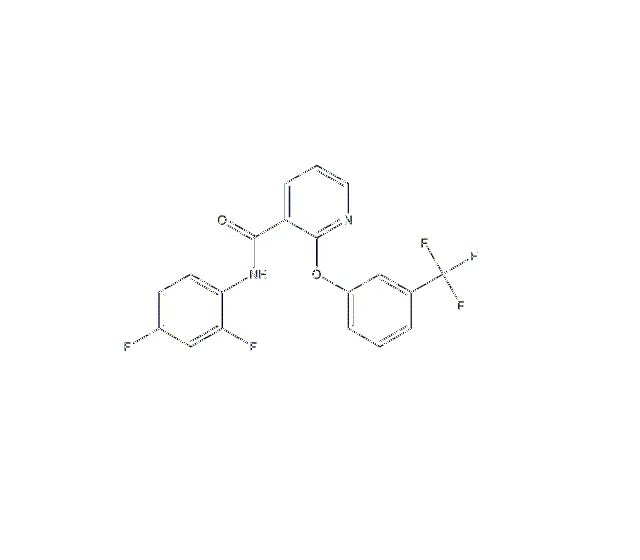
The diflufenican is a selective contact and residual herbicide that can be applied pre-emergence and post-emergence. It can be absorbed through the shoots of the germinating seeding with limited translocation. Its mode of mechanism is via a bleaching action through inhibiting the carotenoid biosynthesis process, further blocking photosynthesis process and causing plant death. It is used for the treatment of some broad leaved weeds such as Stellaria media (Chickweed), Veronica Spp (Speedwell), Viola spp, Geranium spp (Cranesbill) and Laminum spp (Dead nettles). It has been approved for use on barley, durum wheat, rye, triticale and wheat. It can be used in combination with isoproturon or other cereal herbicides.
Diflufenican
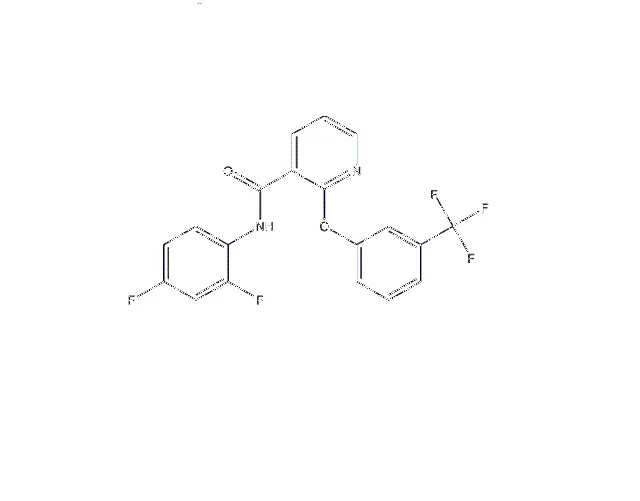
The diflufenican is a selective contact and residual herbicide that can be applied pre-emergence and post-emergence. It can be absorbed through the shoots of the germinating seeding with limited translocation. Its mode of mechanism is via a bleaching action through inhibiting the carotenoid biosynthesis process, further blocking photosynthesis process and causing plant death. It is used for the treatment of some broad leaved weeds such as Stellaria media (Chickweed), Veronica Spp (Speedwell), Viola spp, Geranium spp (Cranesbill) and Laminum spp (Dead nettles). It has been approved for use on barley, durum wheat, rye, triticale and wheat. It can be used in combination with isoproturon or other cereal herbicides.
Dihydroavermectin B1a
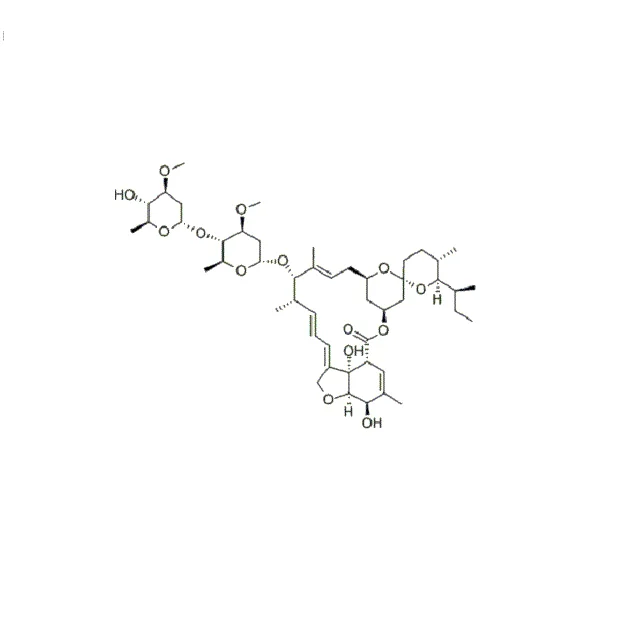
Contact MOSINTER for product specifications and supply information.
Dimethoate
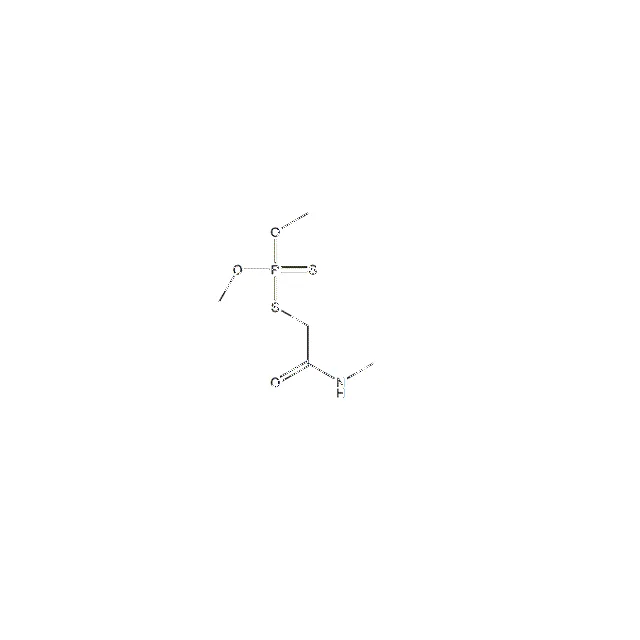
Pure product is white crystal, industrial product is light yellow solid or light yellow liquid with garlic odor. m. P.52-52.5 °C, relative density 1.277 (20 °C). Refractive index n65d1.5334 (65 °C), volatility 0.107mg/m3. The vapor pressure is 1.13 × 10⁻³pa (25 °C). At room temperature, the solubility is 80% methanol, 70% acetone, 70% dichloromethane, 65% chloroform, 65% cyclohexanone, 60% benzene, 40% toluene, 6.5% xylene, 2.0% carbon tetrachloride, 0.1% petroleum ether, and 2.9% in water. It is stable in the acid medium chemical book, easy to hydrolyze in the alkaline medium, k = 6.8min-1.mol-1 (25 °C), and heavy metal ions (copper, manganese, iron) have catalytic hydrolysis. The hydrolysis rate T1 / 2 in aqueous solution is as follows: > 100D (pH 4,21 °C), 120h (pH 7,20 °C), 6.5h (pH 9,70 °C), 1min (pH 13,21 °C). In the storage period, it will decompose slowly, the decomposition speed is related to the purity and temperature, the purity is high, the temperature is low, the decomposition speed is slow, 40% emulsifiable oil is stored at room temperature for one year, the content drops about 5%. The thermal stability is poor and isomerization occurs during heating.
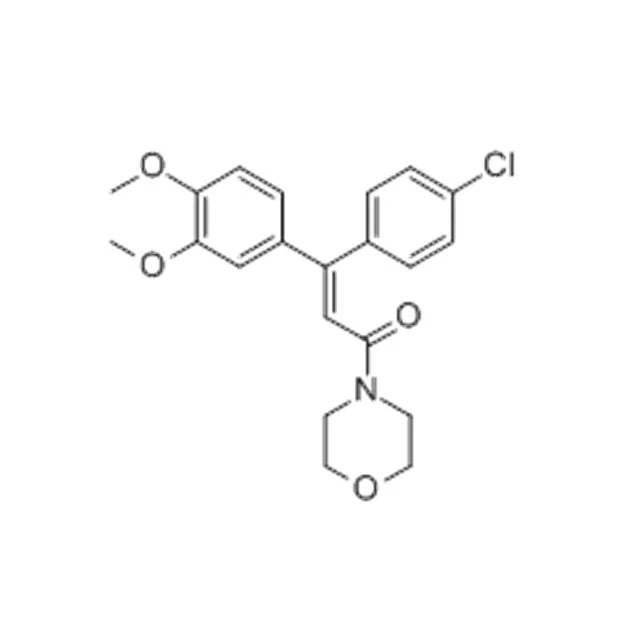
Dimethomorph
Dimethomorph is a cinnamic acid derivative and a member of the morpholine chemical family. Dimethomorph is a mixture of E- and Z-isomers in the ratio of about 1:1 and only the Z-isomer has the fungicidal activity. It fungicidal activity works by the inhibition of sterol (ergosterol) synthesis. Dimethomorph is a systemic fungicide to protect against various fungal pathogens in vines and other crops.
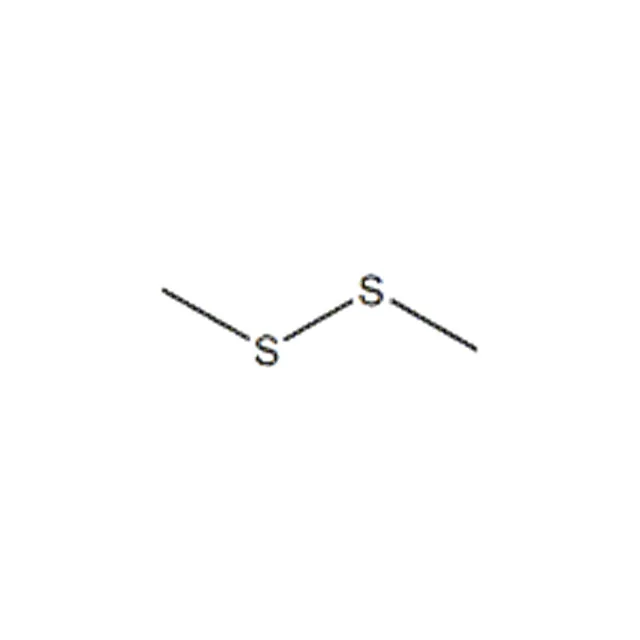
Dimethyl Disulfide
Dimethyl Disulfide (DMDS) is an organic chemical compound with the molecular formula CH3SSCH3 which is the simplest disulfide. It is a flammable liquid with an unpleasant, garlic-like odor. DMDS is used as a food additive in onion, garlic, cheese, meats, soups, savory flavors, and fruit flavors. Industrially, DMDS is used in oil refineries as a sulfiding agent.
Dimethyl Thio-toluene Diamine
Dimethyl Thio-toluene Diamine CAS 106264-79-3
Dimethylglyoxime
White crystal. Melting point: 238-240 °C. Soluble in alcohol, ether, acetone and pyridine. The solubility of chloroform, toluene and xylene is very small. It is used as analytical reagent, redox indicator and chromatographic analysis reagent.
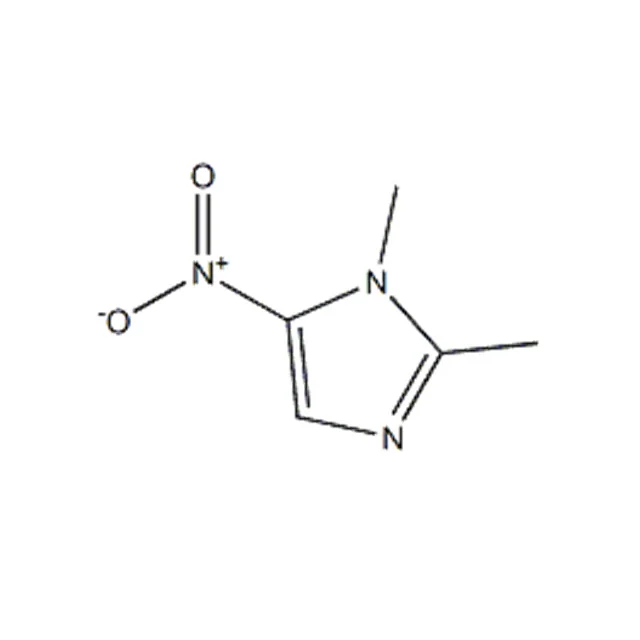
Dimetridazole
Dimetridazole is a drug that combats protozoan infections. It is a nitroimidazole class drug. Dimetridazole is a protozoan such as trichomonas, trichomonas vaginalis, colonic pouch, and flagellate, and bacteria such as Neisseria arrhythmias, Clostridium, Staphylococcus aureus, Vibrio cholerae, and Treponema pallidum. It has a significant inhibitory effect and is an effective drug for the treatment of turkey blackhead disease and pig red peony. Dimetridazole can also be used as a growth promoter to promote pig and chicken production and increase feed conversion. When dimetridazole is used as a feed additive, the product is first premixed with 10-20 times the feed amount during feed processing, and then uniformly mixed with the total amount of feed required. Or first mix dimetridazole with an appropriate amount of carrier, then add to the feed and stir. Granulation and other processes have no effect on the efficacy of this product when processing compound feed. Dimetridazole can be mixed into the feed, or added to drinking water for drinking by livestock and poultry.
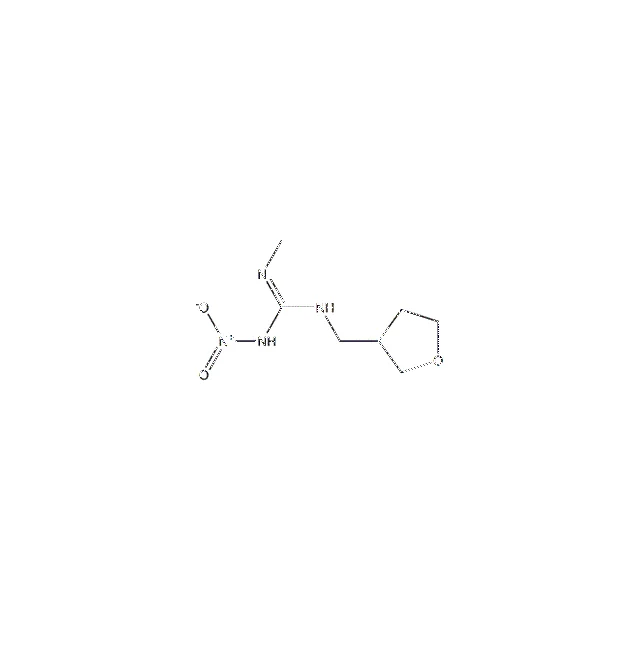
Dinotefuran
Furosemide (the latest generation of super nicotine insecticides. Its chemical structure is quite different from the existing nicotine insecticides. Its tetrahydrofuran group has replaced the previous Chloropyridine group and chlorothiazolyl group, and it does not contain halogen elements. At the same time, its performance is different from that of nicotine.
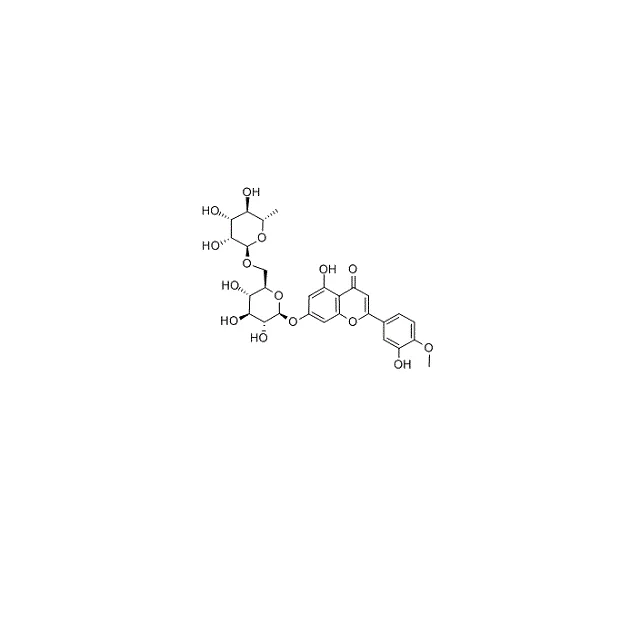
Diosmin
Diosmin, also known as aimilang, is a kind of medicine for treating various symptoms related to acute hemorrhoids attack, and also can be used for treating various symptoms related to venous lymphoid insufficiency (heavy leg, pain, discomfort of morning rising from acid and swelling). The characteristics of diosmin are as follows: 1. It has a specific affinity for the venous system, enhances the tension of the vein without affecting the arterial system; 2. It can reduce the viscosity of the blood, increase the flow rate and reduce stasis; 3. It can enhance the contraction of the lymphatic system and the speed of lymphatic drainage, accelerate the reflux and reduce edema. 4. Diosmin, which is sold on the market, adopts the technology of micronization. After using the drug, the contact area increases, the absorption is more, and the bioavailability is higher. It is suitable for acute attack of various hemorrhoids and hemorrhoids. It can also treat chronic venous insufficiency, such as varicose veins, leg ulcers, etc.
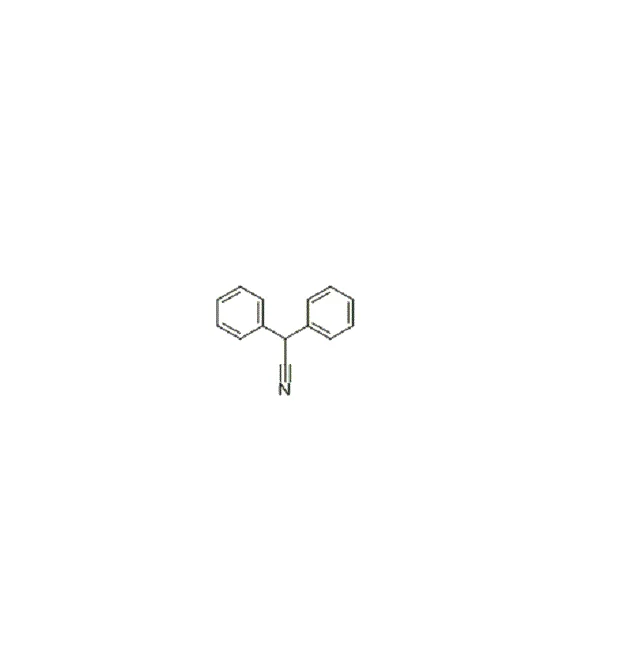
Diphenylacetonitrile
Diphenylacetonitrile undergoes anhydrous condensation with ethyl-4-bromo-butyrate. This is followed by its hydrolysis in alkaline medium that is used in the quantitative determination of 3-cyano-3,3-diphenylpropionic acid.