


Indicator (87)
Showing 25–36 of 87 products · Page 3 of 8
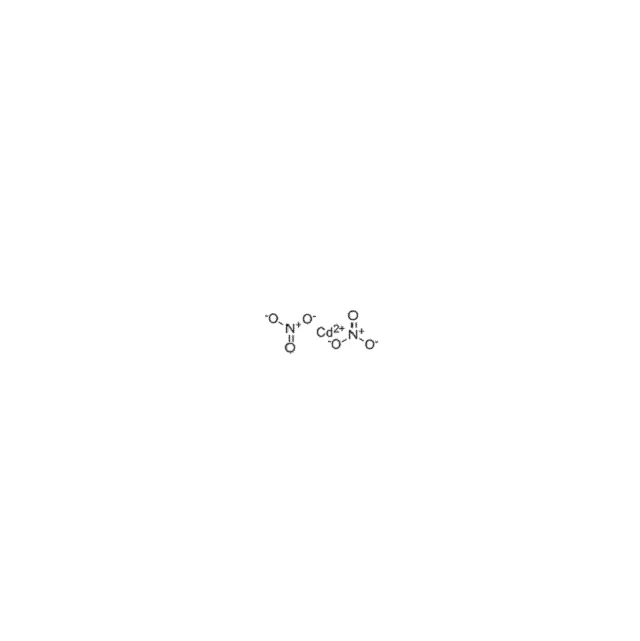
Cadmium Nitrate
Cadmium nitrate is a white chemical with the molecular formula of CD (NO3) 2. It is easy to deliquesce, soluble in water, ethanol, acetone and ethyl acetate, almost insoluble in concentrated nitric acid. It is usually used to make some chemicals containing cadmium.
Cadmium Sulfate
The anhydrous substance is a white powder with a melting point of 1000 °C and a relative density of 4.691. It absorbs moisture and is easily soluble in water. At 25 °C, 77.2g anhydrous salt can be melted per 100g of water, which is more soluble than the corresponding zinc sulfate, and the temperature change has little effect on the solubility, so it is used as a standard battery.
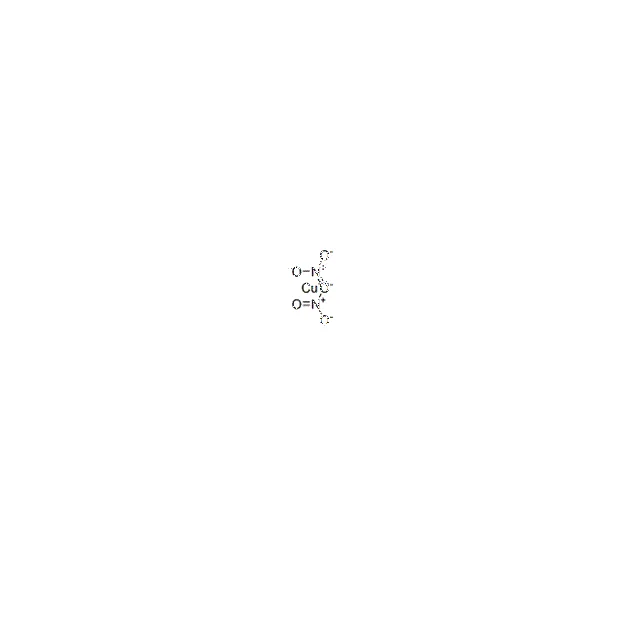
Copper Dinitrate
Chemical formula Cu (NO3) 2, white powder. It is easy to be deliquesced and soluble in water. The solubility is 45g at 0 °C. It can be re precipitated by adding concentrated nitric acid. Red hot decomposition into oxides of nitrogen and copper oxide, hydrochloric acid decomposition. The common hydrates are hexahydrate Cu (NO3) 2.6h2o and trihydrate Cu (NO3) 2.3H2O. The former is a blue crystal with a relative density of 2.074. When the temperature is 26.4 °C, it loses the crystal water and forms a trihydrate. When the temperature is 65 °C, it decomposes into a basic salt. The latter is dark blue trihedral crystal, molecular weight 241.60, melting point 114.5 °C, blue columnar crystal, density 2.32g/cm³. Soluble in water and ethanol, green in concentrated solution, light blue in dilute solution, easy to deliquesce. It was dissolved in crystal water at 114.5 °C, lost nitric acid and formed basic copper nitrate when heated to 170 °C, and decomposed into copper oxide when heated to 200 °C. It is oxidizable and easy to explode or burn when mixed with carbon, sulfur and other substances. It is used for copper plating, pesticide making, enamel and dyestuff etc. Copper nitrate can be prepared by the reaction of copper oxide or copper block with dilute nitric acid.
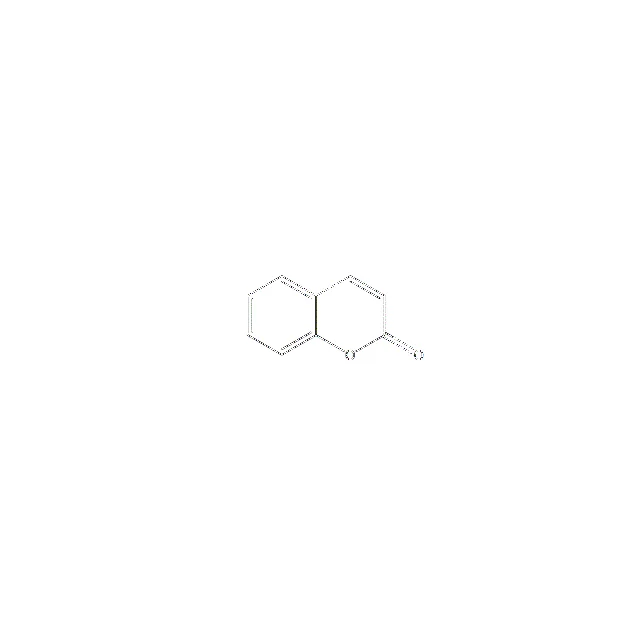
Coumarin
Coumarin was found in black beans in 1820. Coumarins exist in many plants as glycosides. It has a strong smell of black beans, sweet smell of fresh mowing and chocolate, and it has a long lasting fragrance. The aroma of fresh hay is largely caused by the production and release of coumarin during the fermentation and decomposition of glycosides in the process of hay drying. Coumarin is used to make spices. It is often used in the preparation of new mowing type and Fuqi type spices. As well as violet, sunflower, Cymbidium, hawthorn, orchid, lavender and other essence. Together with vanillin, it can be used for flavoring of sweets, cakes and so on. Adding tobacco can increase the natural flavor. Adding coumarin to the plating solution of zinc plating (or cadmium, nickel) can reduce the porosity and increase the brightness of the coating. Coumarin is the raw material for other spices and many other chemicals. Xiangdou is the mother of a large class of derivatives. Some of these derivatives exist in nature, some of them are synthesized by synthetic methods.
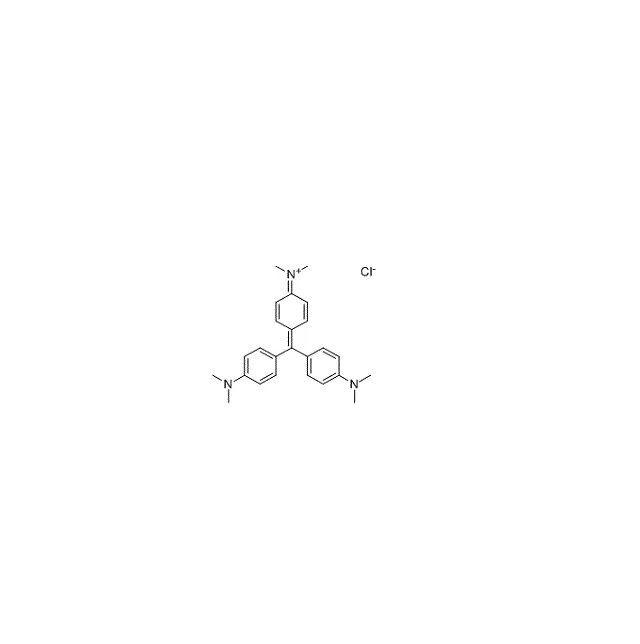
Crystal Violet
Methyl violet can be used as dye, acid-base indicator and disinfectant, and can be used as external medicine after dilution. The industrial grade products of methyl violet are called alkaline violet 5bn and alkaline cyanine lotus. They are mainly used for dyeing of silk, acrylic fiber, hemp, paper, leather, pigment, printing oil and ink, etc.
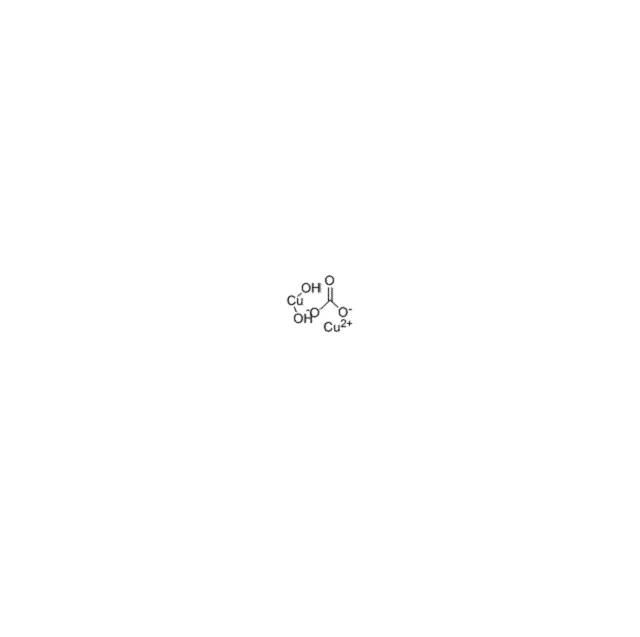
Cupric Carbonate Basic
Basic copper carbonate, also known as copper carbonate, is malachite green, so it is also called malachite, which is a precious mineral gem. It is copper and oxygen in the air, carbon dioxide and water and other substances produced by the reaction, also known as copper rust, green color. Heating in the air will break down into copper oxide, water and carbon dioxide. Dissolve in acid and form corresponding copper salt. It is also soluble in cyanide, ammonium salt and alkali metal carbonate solution to form copper complex. When boiled in water or heated in a strong alkaline solution, brown copper oxide can be formed and decomposed into black copper oxide at 200 °C. It is unstable in hydrogen sulfide atmosphere and can react with hydrogen sulfide to form copper sulfide. According to the ratio of cuco3: H2O, there are more than ten kinds of basic copper carbonate compounds. It exists in the form of malachite in nature.
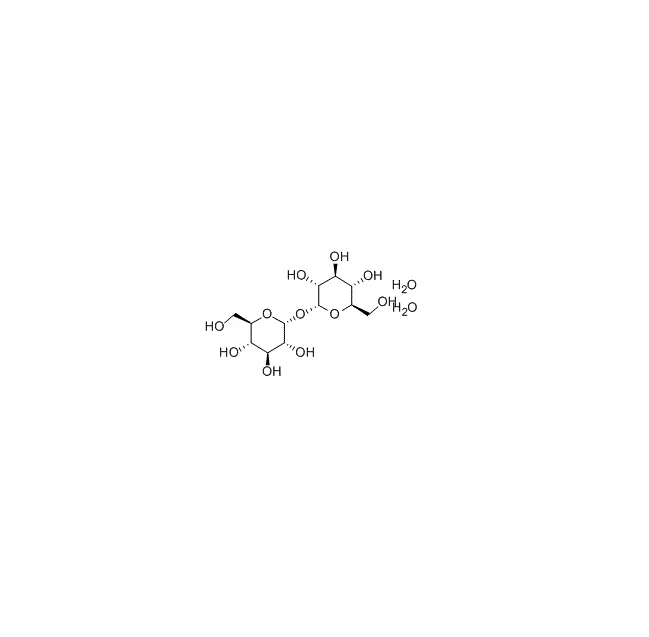
D(+)-Trehalose Dihydrate
Baking products In bakery products, trehalose has a variety of potential use values: it can adjust the sweetness and aroma of icing on cakes, biscuits and pastries, bread cream and fruit fillings, without compromising storage life and making people Taste the original flavor of the product. At the same time, trehalose helps reduce the fat in cookies, bread cream and icing, and produces a unique frosting feeling in delicious cakes and fast food.
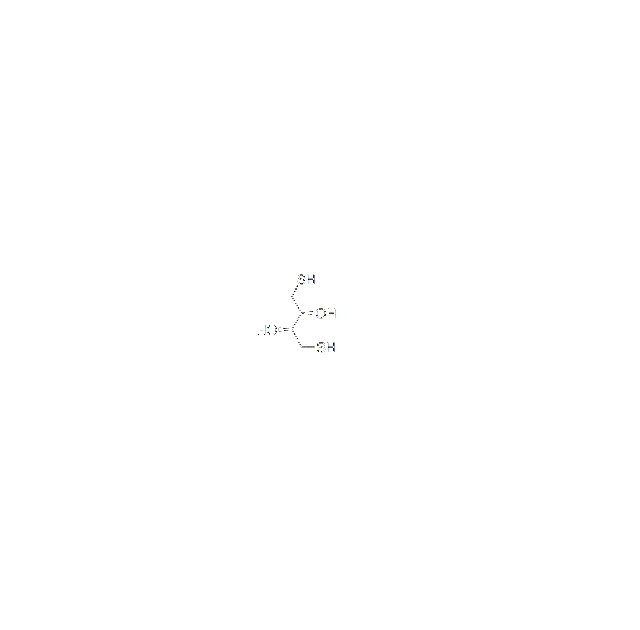
DL-Dithiothreitol
Dithiothreitol is a common reducing agent, also called DTT, which has a strong reducibility. Its reducibility is largely due to the conformational stability of the six membered ring (containing disulfide bond) in its oxidation state. The reduction force is affected by pH value, and can only play a reduction role when pH value is greater than 7. This is because only the deprotonized thiol anion (- S -) has the reaction activity, while mercaptan (- SH) has no activity, while mercaptol PKA is generally ~ 8.3.
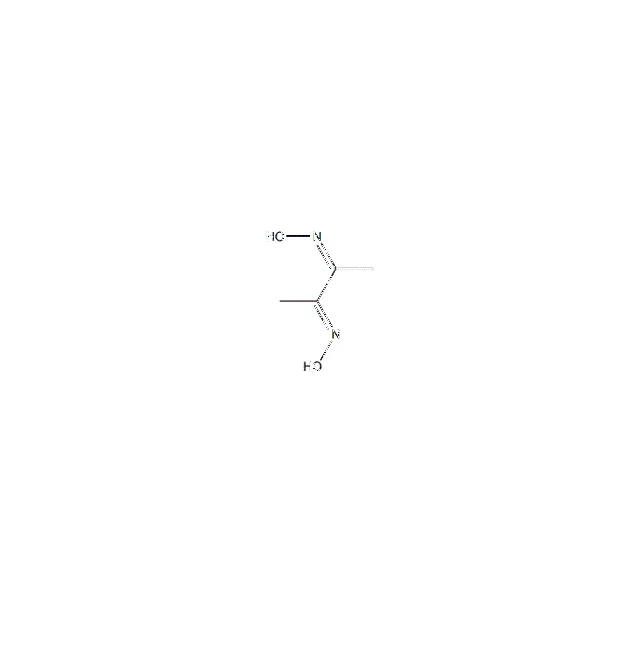
Dimethylglyoxime
White crystal. Melting point: 238-240 °C. Soluble in alcohol, ether, acetone and pyridine. The solubility of chloroform, toluene and xylene is very small. It is used as analytical reagent, redox indicator and chromatographic analysis reagent.
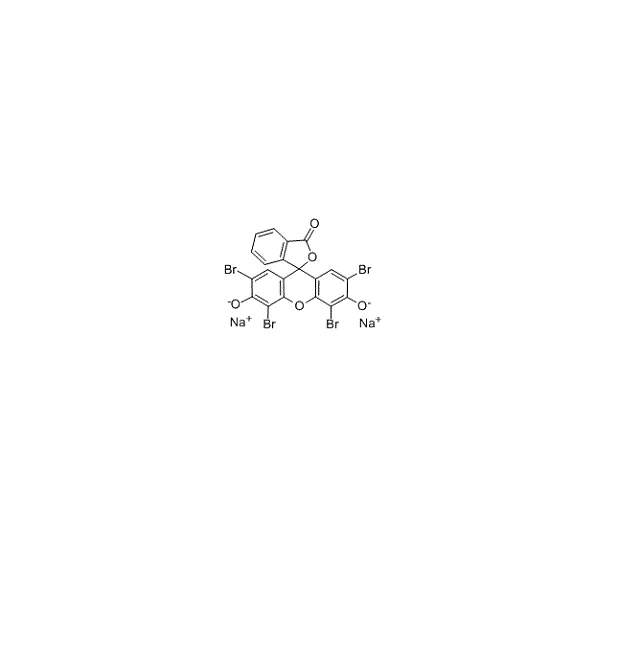
EOSIN
Water soluble eosin Y is a kind of chemically synthesized acid dye. It dissociates into anions with negative charge in water, and combines with cations with positive amino charge of protein to dye cytoplasm. Cytoplasm, red blood cell, muscle, connective tissue and eosinophilic particles are dyed red or pink in varying degrees, which is in sharp contrast with blue nucleus.
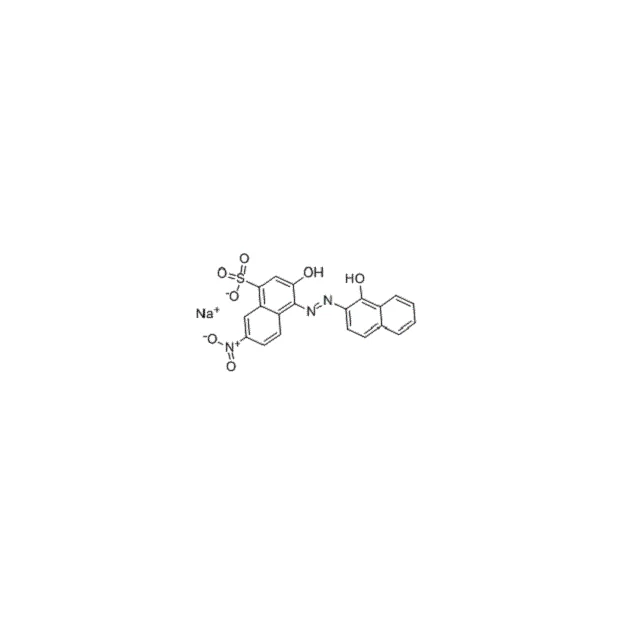
Eriochrome Black T
Dark brown powder. It is soluble in water and is Zao red to oar red; slightly soluble in alcohol and brownish pinkish red; slightly soluble in acetone. It is dark blue in concentrated sulfuric acid, light red brown after dilution, and orange yellow in concentrated nitric acid. There was no significant change in the aqueous solution and concentrated hydrochloric acid; the concentrated sodium hydroxide solution turned brown and magenta. The solubility in water (90 °C) is 25g / L. When dyeing, copper and iron are encountered, and the color light has great influence.
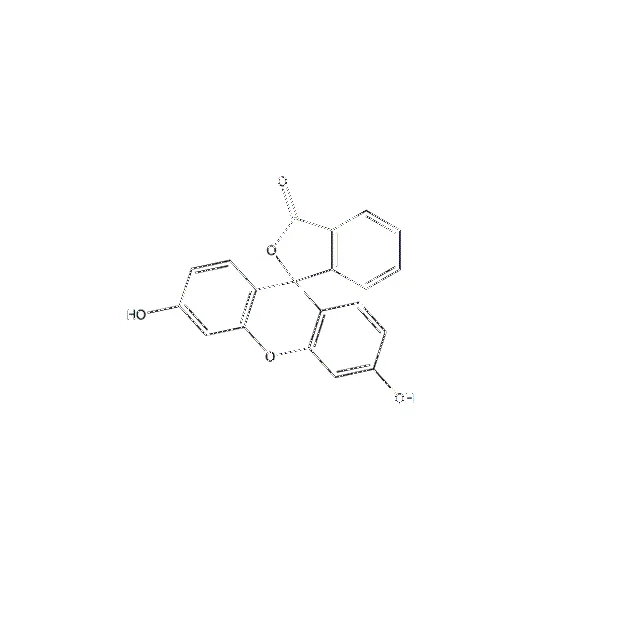
Fluorescein
Orange yellow or light orange red crystalline powder. Melting point 314-316 °C (decomposition). Soluble in hot ethanol, glacial acetic acid, alkali solution, green fluorescence, insoluble in water, benzene, chloroform and ether.