


Indicator (87)
Showing 37–48 of 87 products · Page 4 of 8

Fluorescein Sodium
Fluorescein sodium is a diagnostic drug for fundus angiography. It can not stain normal corneal epithelium, but can stain the damaged corneal epithelium green, so it can show corneal damage, ulcer and other lesions.
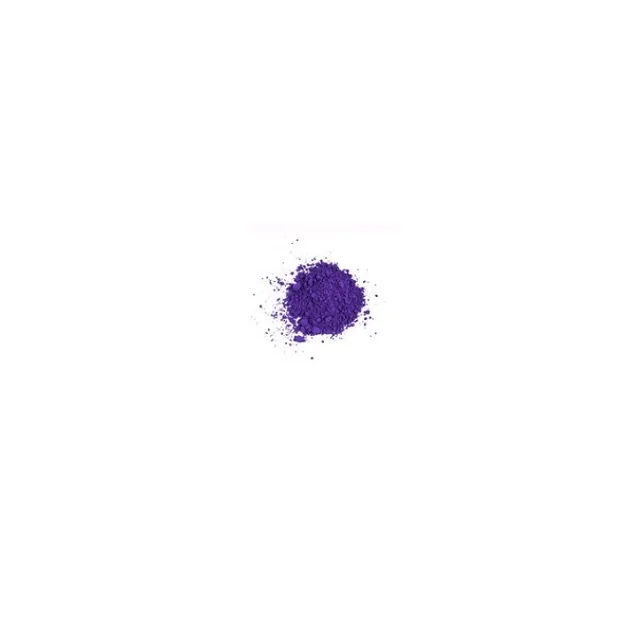
Giemsa Stain
Geimer's pigment can be used as dye intermediate and analytical reagent. It can be used for the determination of indole, fecal odor, urinary blue mother, tryptophan, ergot alkali, etc. it can also be used to distinguish serum rash and scarlet fever. In terms of dye, it can be used to synthesize thermosensitive dye.
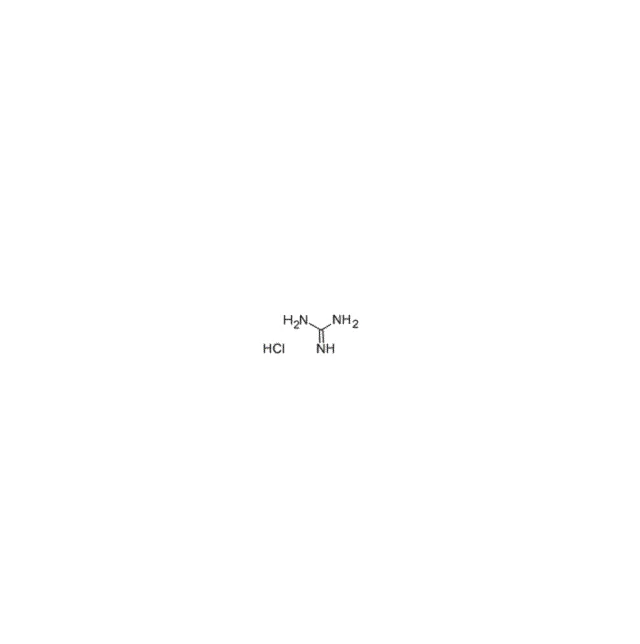
Guanidine Hydrochloride
Guanidine hydrochloride, white or yellowish mass. It is used as the intermediate of medicine, pesticide, dyestuff and other organic compounds. It is an important raw material for the manufacture of sulfonamides and folate. It can also be used as an antistatic agent for synthetic fiber.
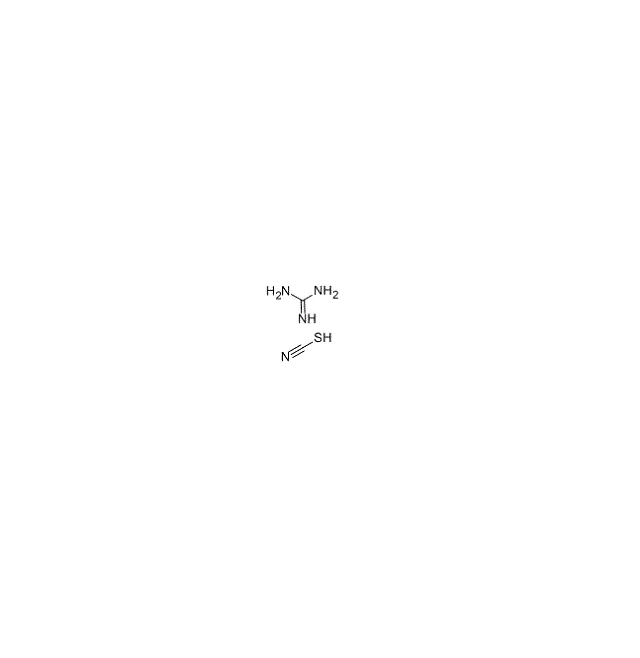
Guanidine Thiocyanate
Guanidine isothiocyanate is a kind of uncoupler and a kind of strong denaturant of protein. It can dissolve protein and make the secondary structure of protein disappear. The cell structure is degraded and nucleoprotein is separated from nucleic acid rapidly. It is used to denature and lyse cells, extract RNA and DNA, without RNase and DNase activity.

Iron Chloride Hexahydrate
Yellowish brown crystal or massive solid, odorless, astringent. Melting point 37 °C. Boiling point: 280-285 °C. Soluble in water, soluble in ethanol and ether. Its aqueous solution is strongly acidic, which makes the protein coagulate. It is deliquescent and can deliquesce into reddish brown liquid in the air.
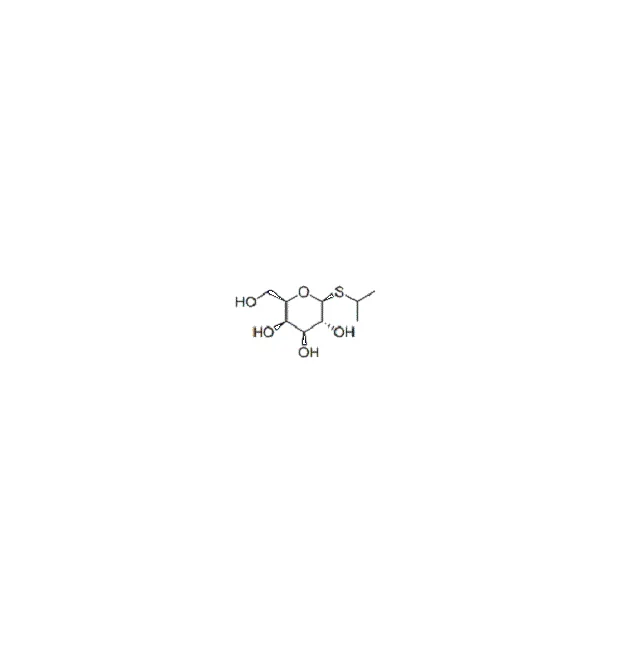
Isopropyl-beta-D-thiogalactopyranoside
Isopropylthiogalactoside (IPTG) is a strong inducer, which is not metabolized by bacteria and is very stable, so it is widely used in the laboratory. IPTG is often used to clone β - galactosidase. It is often used in combination with X-gal or bluo gal for blue white screening of recombinant bacterial colonies, which can induce the expression of lac operon in E.coli. IPTG binds to lacI repressor and changes its conformation to prevent the inhibition of lacZ.
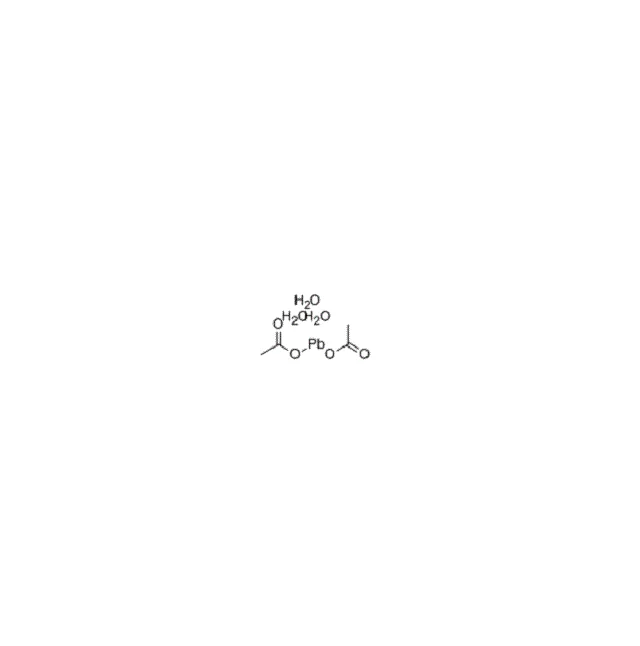
Lead Acetate Trihydrate
Lead acetate trihydrate is colorless crystal, white particle or powder, which will deliquesce. Soluble in water, sweet. Lead acetate trihydrate is used to produce all kinds of lead salts, pigments, dyestuffs, lead plating, polyester catalysts, waterproof paints, desiccants, pesticides and medicines.
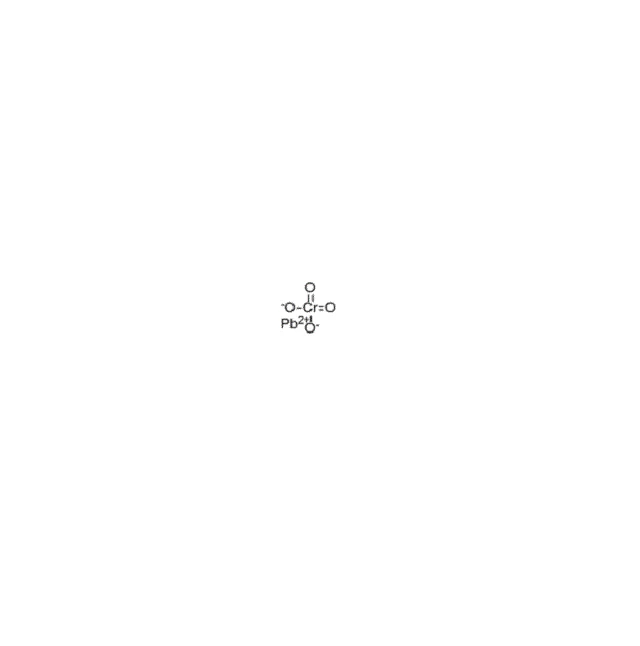
Lead Chromate
Yellow or orange powder. Relative density d156.12. Melting point 844 °C. Soluble in strong inorganic acid and alkali solution, insoluble in water and oil. High colouring power, strong covering power, no pulverization in the atmosphere. In the sunlight, the color becomes dark after a long time of sun exposure, and it is easy to become black when encountering hydrogen sulfide gas. The color light varies with the ratio of raw materials and manufacturing conditions. The products are lemon chrome yellow, light chrome yellow, medium chrome yellow, dark chrome yellow and orange chrome yellow.
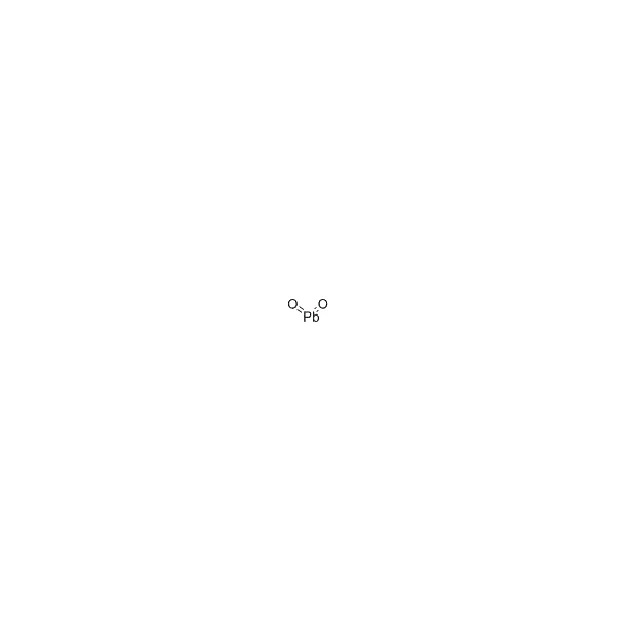
Lead Dioxide
Dark brown microcrystalline heavy powder. Soluble in dilute hydrochloric acid, slightly soluble in acetic acid, insoluble in water and alcohol. Mainly used in the manufacture of dyes, matches, fireworks and synthetic rubber. It can be used to make lead dioxide anode instead of platinum anode.
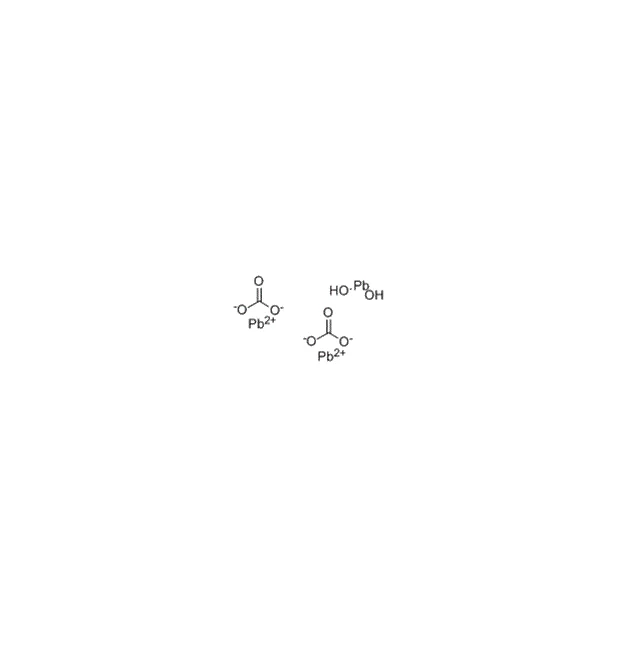
Lead(II) Carbonate Basic
The molecular formula of basic lead carbonate is 2pbco3 · Pb (OH) 2, commonly known as white lead or white lead powder. White heavy powder. Toxic! The density is 6.14, which belongs to hexagonal system. It will decompose after heating and decompose at 400 °C. Insoluble in water and ethanol, soluble in acetic acid and nitric acid, slightly soluble in carbon dioxide aqueous solution. Soluble in acetic acid, nitric acid and caustic solution. It can form lead soap with high fatty acids. Good weather resistance. However, the contact with air containing a small amount of hydrogen sulfide will turn black gradually.
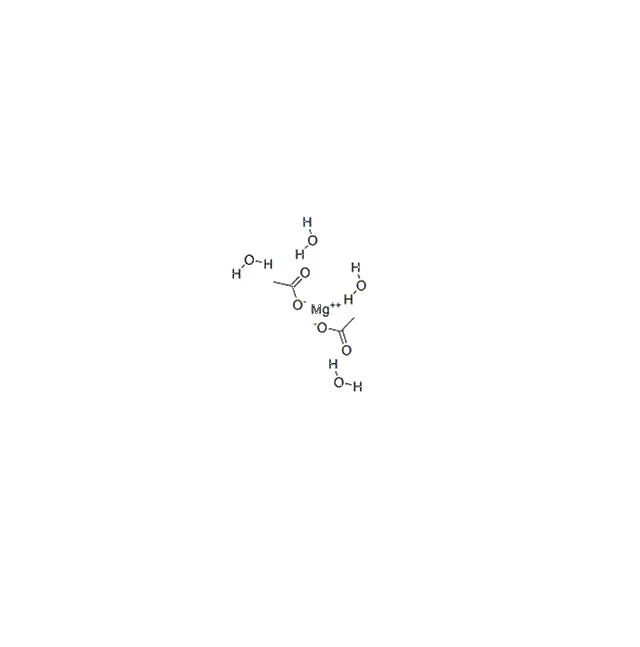
Magnesium Acetate Tetrahydrate
Colorless crystal, easy to deliquesce. Soluble in water and alcohol. It is used for feed additive and cosmetics; preparation of uranyl magnesium acetate for determination of sodium; used for medicine, industry, deodorization, sterilization, preservative, textile dyeing, eosin dyeing, aniline black fixation and other purposes.
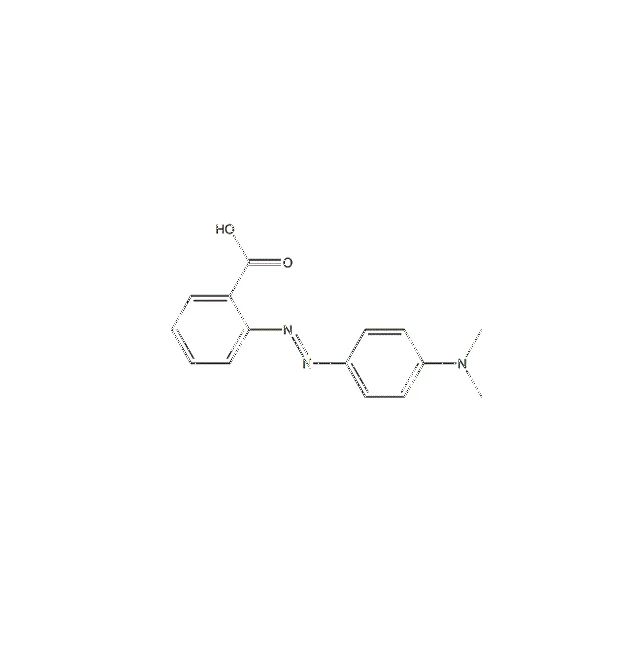
Methyl Red
Glossy purple crystal or reddish brown powder. Melting point 180-182 °C. Soluble in ethanol, glacial acetic acid, almost insoluble in water. Methyl red is one of the commonly used acid-base indicators, with a normal concentration of 0.1% ethanol solution, ph4.4 (red) - 6.2 (yellow). It is also used for living protozoa staining.