

Indicator (87)
Showing 13–24 of 87 products · Page 2 of 8
Azure II
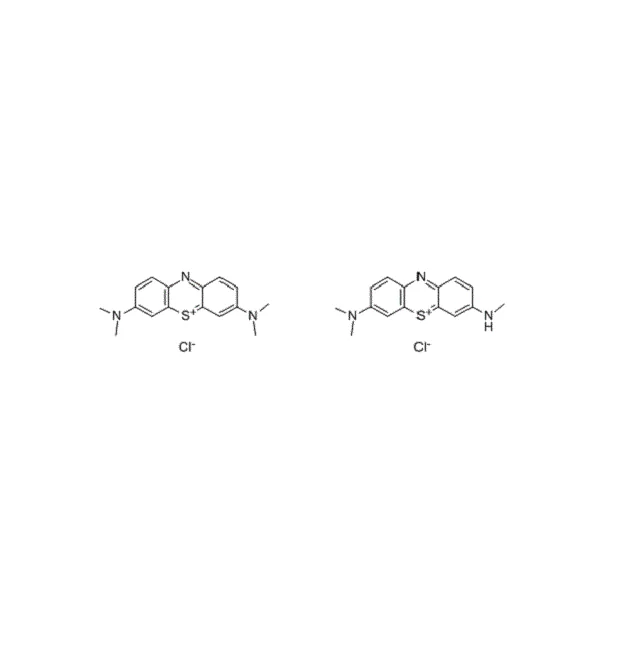
Dark green powder is an equal mixture of methylene blue and azure I; it is dark blue in water, slightly soluble in ethanol, slightly soluble in chloroform and insoluble in ether.
Barium Carbonate
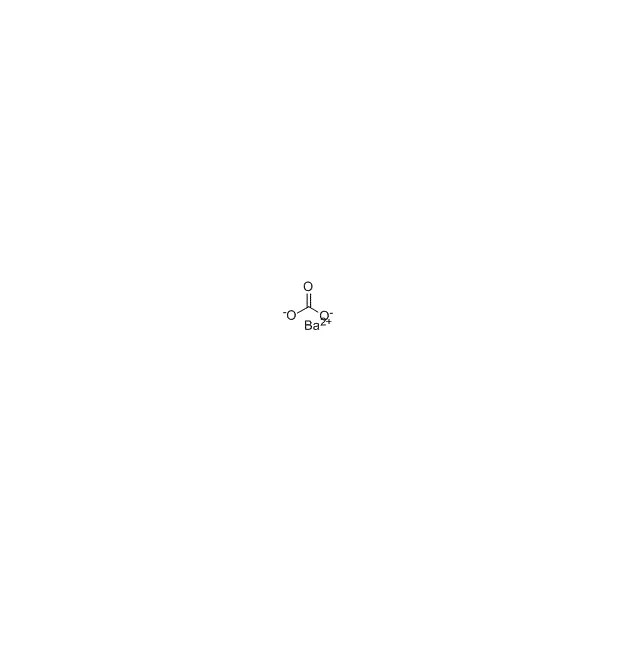
Barium carbonate, chemical formula BaCO3, molecular weight 197.35. Hexagonal fine crystal or white powder. Insoluble in water, density 4.43 g / cm2, melting point 1740 °C (8820 kpa-90 atmospheric pressure). It decomposes at 1450 °C and emits carbon dioxide. Slightly soluble in water containing carbon dioxide, also soluble in ammonium chloride or ammonium nitrate solution to form complex, soluble in hydrochloric acid and nitric acid to release carbon dioxide. Toxic. It is used in electronic, instrument and metallurgical industries. Prepare fireworks, signal bombs, ceramic coatings, optical glass accessories. It is also used as rodenticide, water clarifier and filler.
Barium Chromate
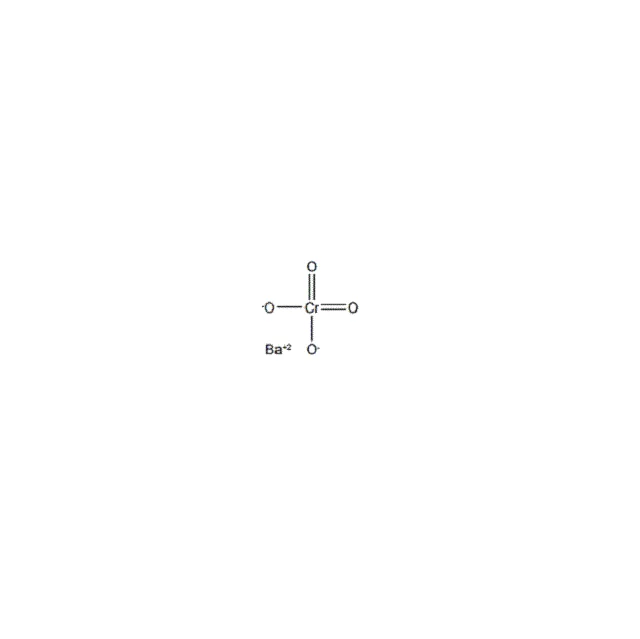
Barium chromate, yellow orthorhombic powder crystal. It is used to make pigments, ceramics, glass, safety matches, etc., and to test the existence of chromic acid.
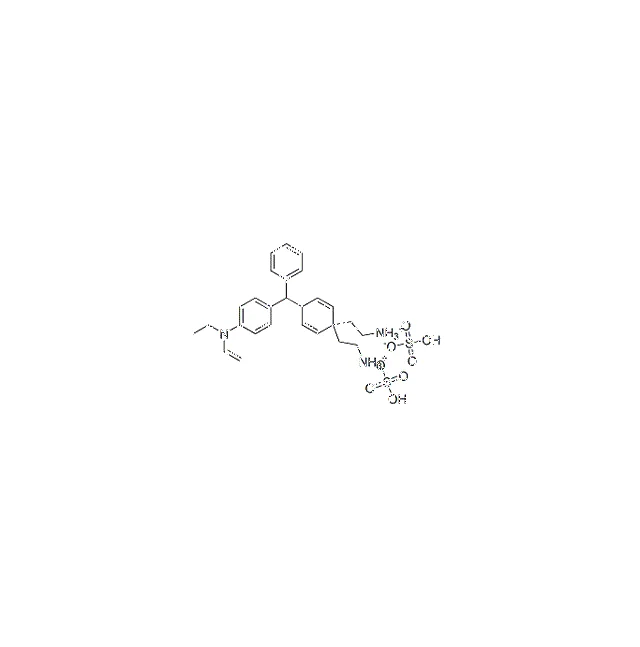
Basic Green 1
Green shiny gold sand. Soluble in cold water and hot water, the aqueous solution is green. Very soluble in ethanol, green. It is yellow in concentrated sulfuric acid and green after dilution. Sodium hydroxide is added to the aqueous solution to produce light green precipitate.
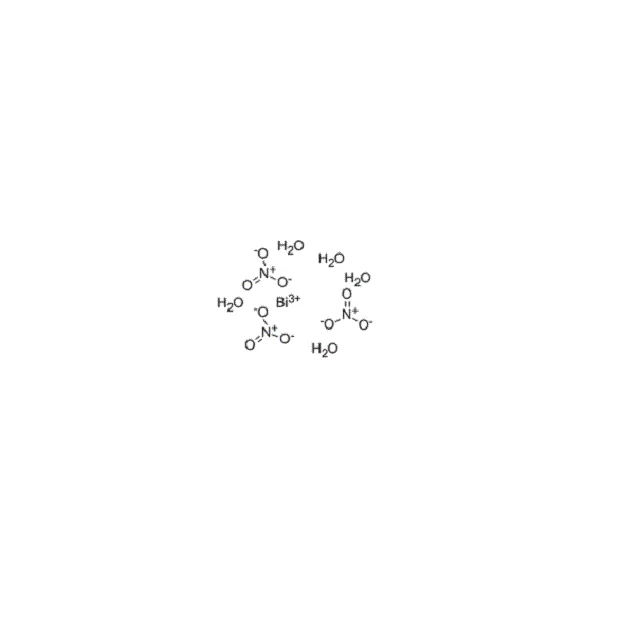
Bismuth Nitrate Pentahydrate
Triclinic crystallization. Soluble in nitric acid. Soluble in glycerin, acetone and dilute acid. Insoluble in ethanol and ethyl acetate. Used in the manufacture of other bismuth salts. Precipitation of alkaloids. Make all kinds of catalyst materials. Shiny paint. Enamel.
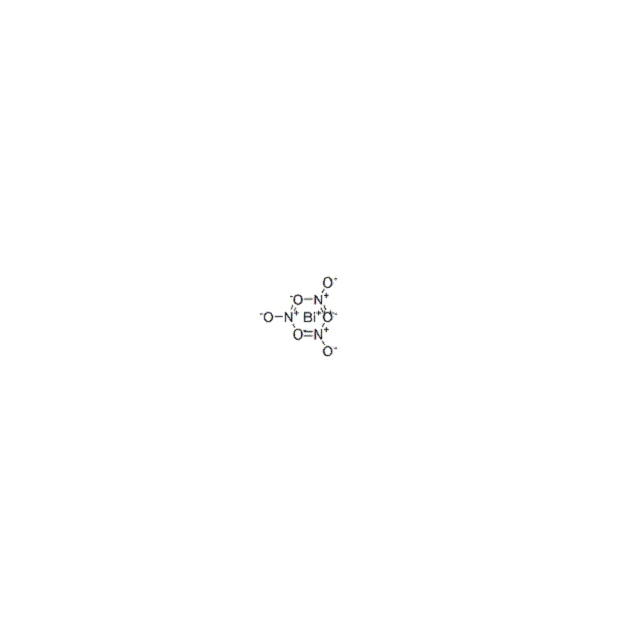
Bismuth Subnitrate
White heavy powder, pearlescent luster, slightly deliquescence. Soluble in hydrochloric acid, nitric acid and dilute sulfuric acid, insoluble in water and alcohol. It is commonly used in pharmaceutical industry to neutralize gastric acid and astringent drugs, and to treat gastric and duodenal ulcer and diarrhea.
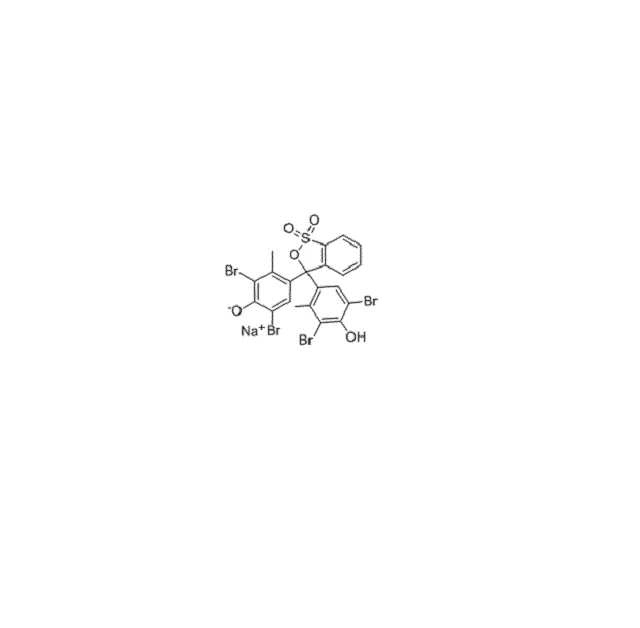
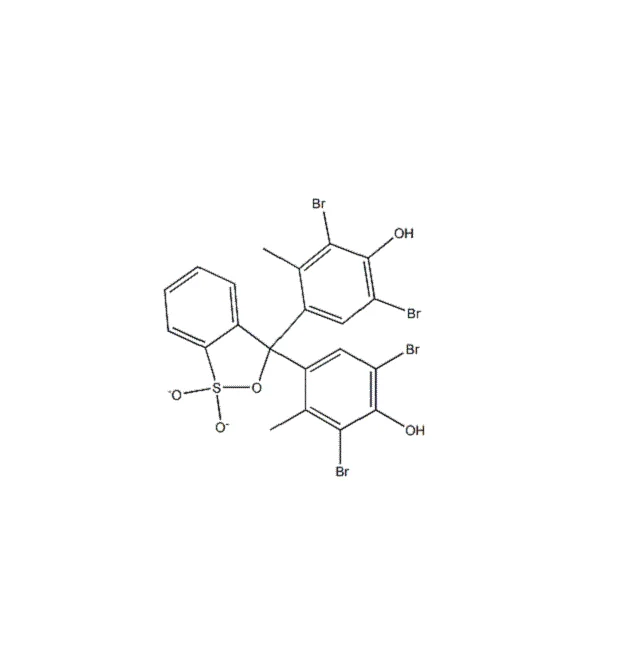
Bromocresol Green
Bromocresol green is also known as 3,3 ′, 5,5 ′ - tetrabromo-m-cresyl sulfonyl phthalein and γ - Sultane. The precipitates from acetic acid are fine yellowish crystals. The relative molecular weight is 698.05. Melting point: 218-219 °C. Slightly soluble in water, soluble in ethanol, ether, ethyl acetate and benzene. It is very sensitive to alkali, and it appears special blue-green when meeting with alkaline aqueous solution. Bromocresol green can be used as indicator. It is yellow when pH = 3.8 and blue green when pH = 5.4.
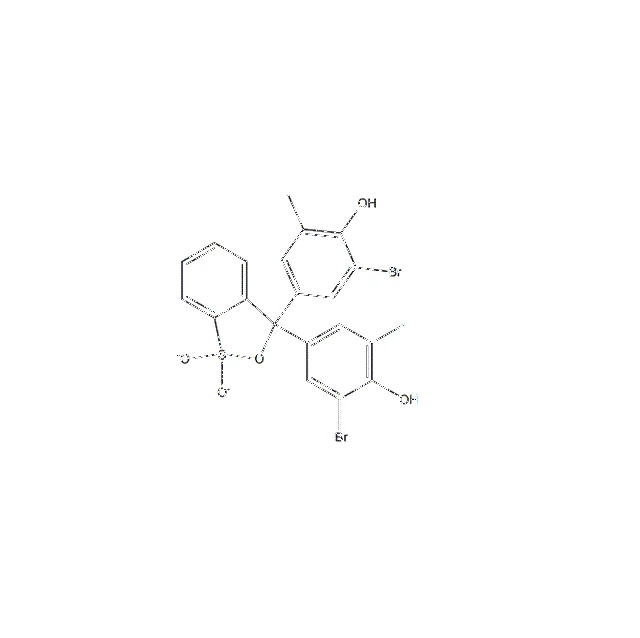
Bromocresol Purple
Light yellow rose crystal powder. Insoluble in water, soluble in ethanol, yellow, soluble in dilute sodium hydroxide and dilute sodium carbonate solution, purplish red, melting point 241-242 °C.
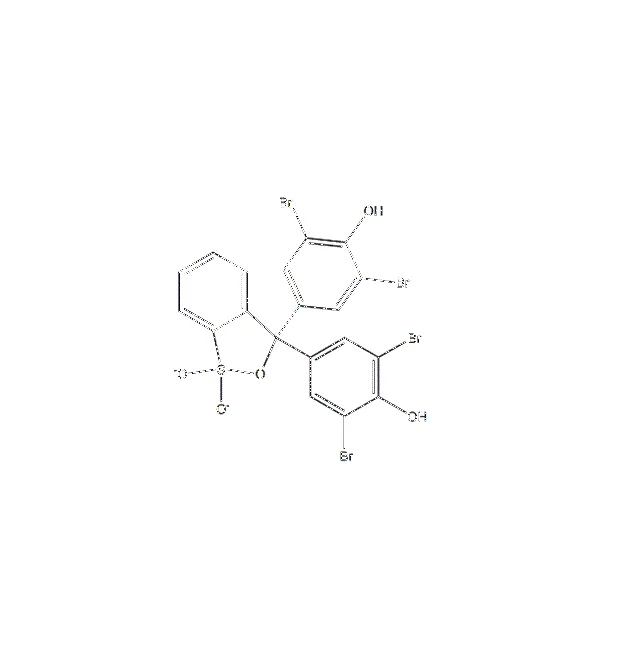
Bromophenol Blue
Bromophenol blue is a colorless or light rose red fine crystal. Soluble in ethanol, benzene, ether and other organic solvents, slightly soluble in water, the aqueous solution is yellow, blue purple in alkaline solution. It is mainly used as acid-base indicator. The range of pH change is 3.0-4.6, and the color changes from yellow to blue purple through green.
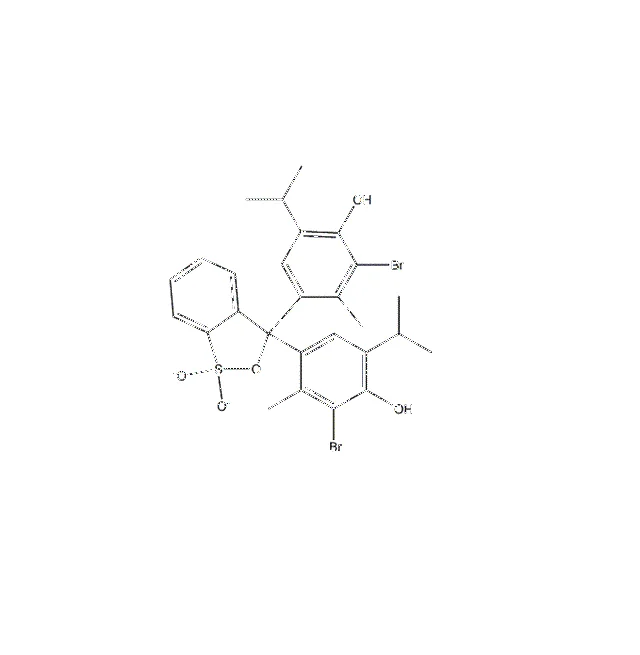
Bromothymol Blue
Bromothymol blue, also known as bromothymol blue. BTB for short. Bromothymol blue is a kind of acid-base indicator and adsorption indicator. It is often used as a respiratory reagent for aquatic organisms in biological experiments.
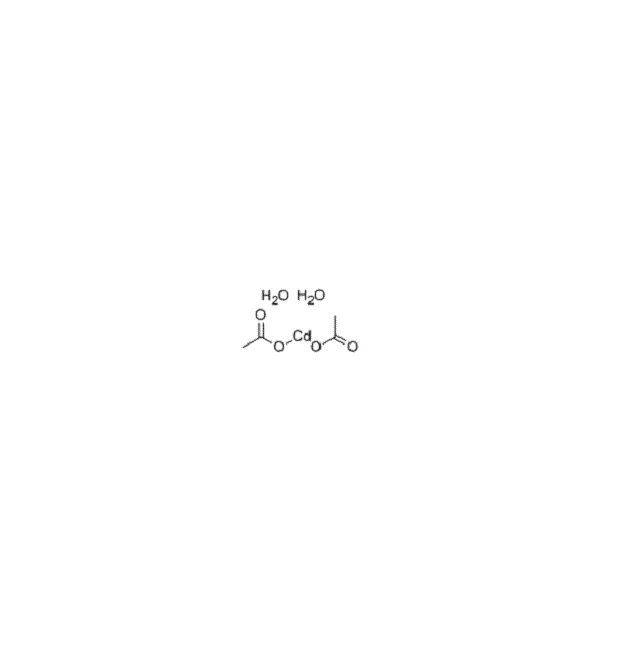
Cadmium Acetate Dihydrate
Usually in the form of dihydrate, at 130 °C, the crystal water is lost and becomes anhydrous. The melting point of anhydrous substance is 256 °C, the relative density is 2.341, and the relative density of dihydrate is 2.01. It has the smell of acetic acid, soluble in water and ethanol, and is easy to deliquesce.