


Food Additive Chemicals (38)
Showing 13–24 of 38 products · Page 2 of 4
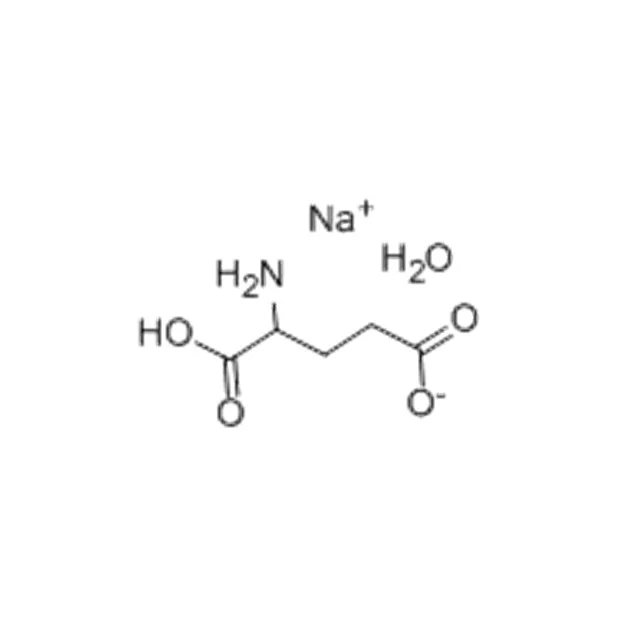
DL-monosodium Glutamate
Monosodium glutamate (MSG) is used as a flavor enhancer in food preparation.
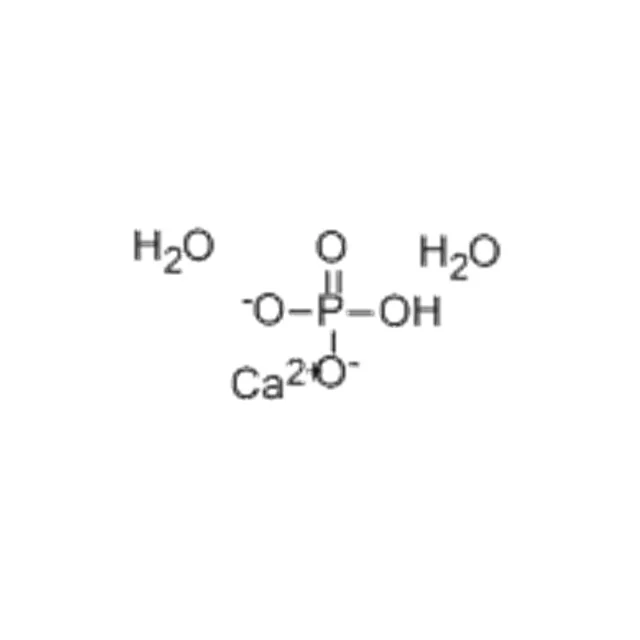
Dicalcium Phosphate
Dicalcium Phosphate, also known as dibasic calcium phosphate or calcium monohydrogen phosphate, is a type of calcium phosphate that isdibasic. Dicalcium phosphate is mainly used as a dietary supplement in prepared breakfast cereals, dog treats, enriched flour, and noodle products.
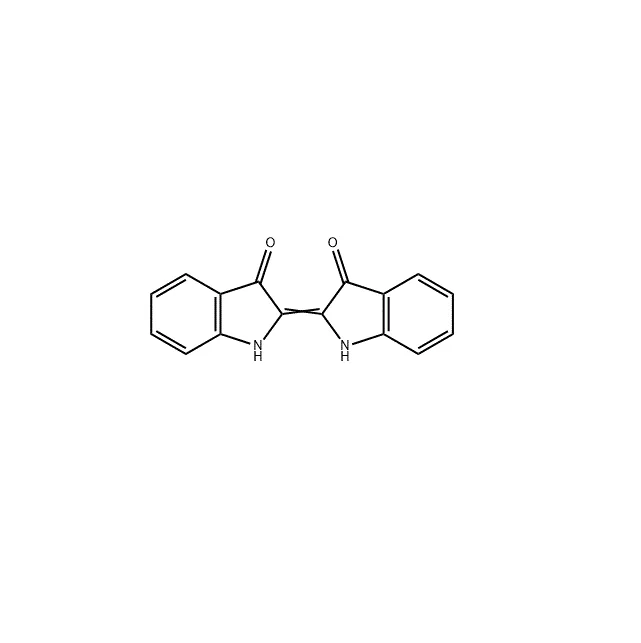
Indigo
Dark blue powder, insoluble in water. It is used for dyeing various fabrics. It is a blue coloring agent with strong indigo color and very good fastness. It has been loved by people for thousands of years. It is an edible synthetic pigment and is suitable for use with other pigments.
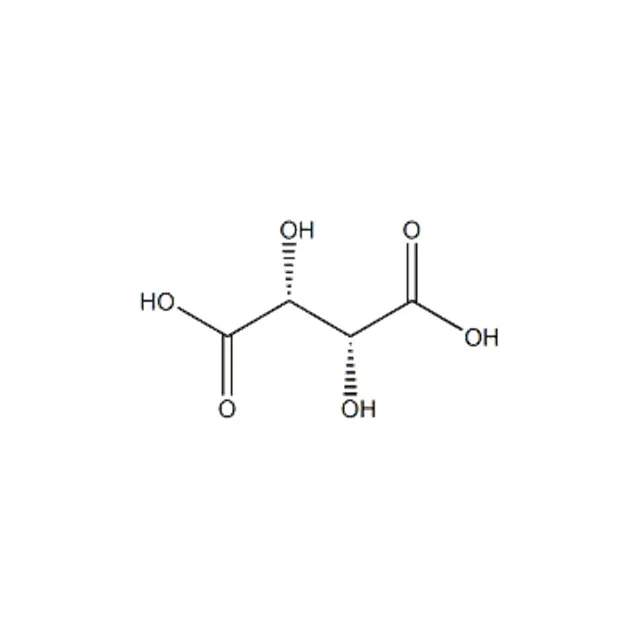
L-Tartaric Acid
L(+)- tartaric acid is widely used as an acidic agent in beverages and other foods.Used as biochemical reagent, masking agent and beer foaming agent. L(+)- tartaric acid is widely used as an acidic agent in beverages and other foods. It is used in wines, soft drinks, candies, breads and certain gelatinous desserts.
Molasses
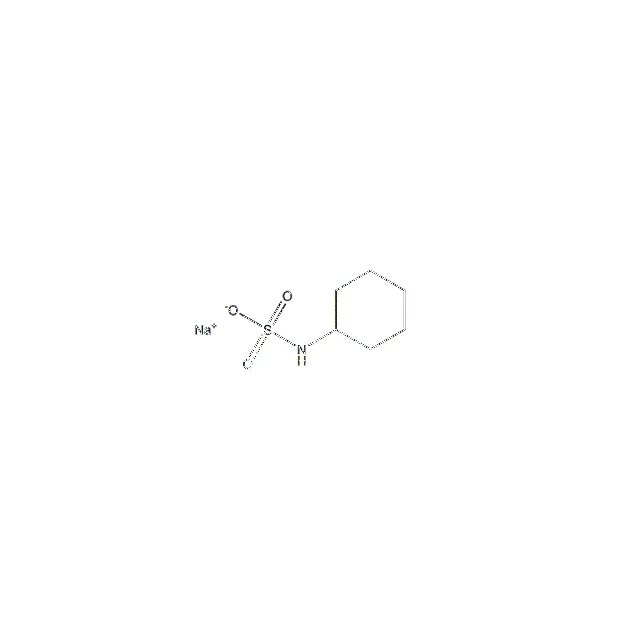
The chemical name of sodium cyclamate is sodium cyclamate, white needle-like, flaky crystal or crystalline powder. Odorless. It tastes sweet, and the sweetness of its dilute solution is about 30 times that of sucrose. 10% aqueous solution is neutral (pH 6.5), stable to heat, light and air. Slightly bitter after heating. The decomposition temperature is about 280°C, and no banana saccharification reaction occurs. Stable under alkaline conditions, slightly decomposed under alkaline conditions. It is soluble in water (1g/5ml) and propylene glycol (1g/5ml), almost insoluble in ethanol, ether, benzene and chloroform.
Nisin
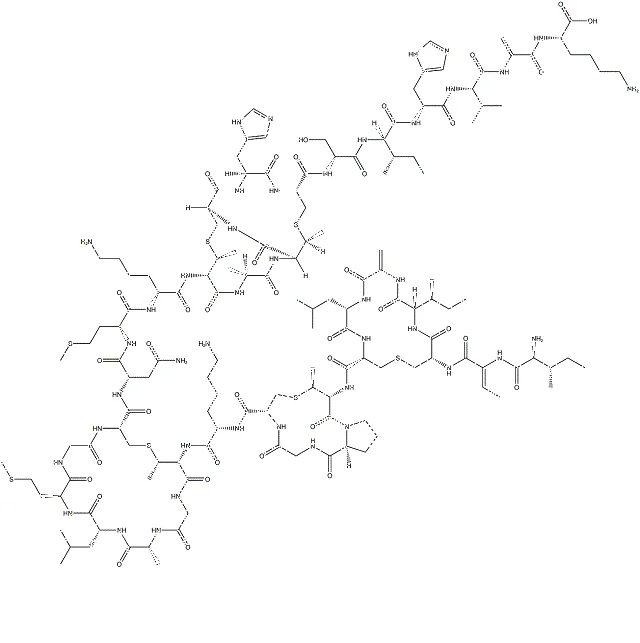
Nisin, also known as nisin or transliterated as nisin, is a polypeptide substance produced by nisin. It consists of 34 amino acid residues and has a molecular weight of about 3500 Da. Since nisin can inhibit most Gram-positive bacteria and has a strong inhibitory effect on the spores of Bacillus, it is widely used in the food industry as a food preservative. After eating, it is quickly hydrolyzed into amino acids under the physiological pH conditions of the human body and the action of α-chymotrypsin, which will not change the normal flora in the human intestines and produce resistance problems such as other antibiotics, and will not interact with other antibiotics. It is a kind of natural food preservative with high efficiency, non-toxicity, safety and no side effects.
Phosphoric Acid
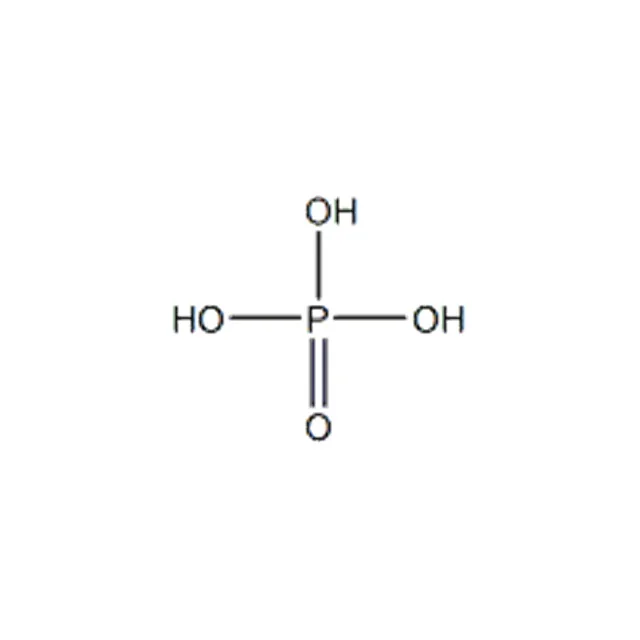
Food-grade phosphoric acid (additive E338) is used to acidify foods and beverages such as various colas. It provides a tangy and sour taste. Various salts of phosphoric acid, such asmonocalcium phosphate, are used as leavening agents.
Potassium Sorbate
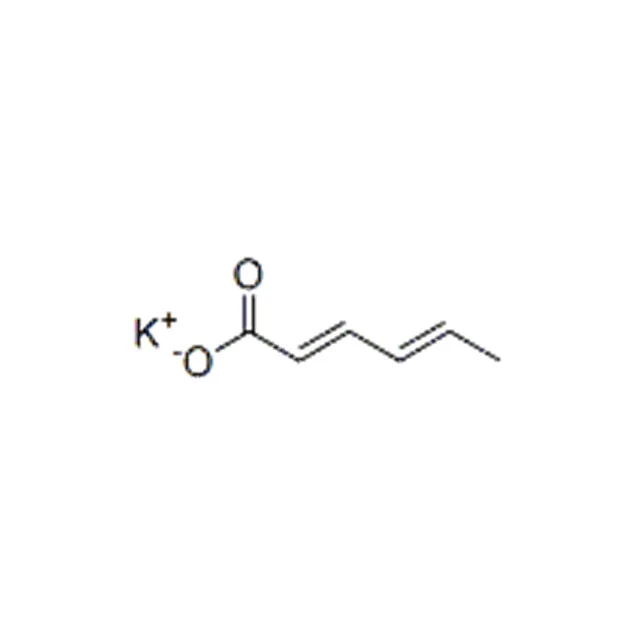
Potassium sorbate is safe preservative efficient, widely used in food, beverages, tobacco. Potassium sorbate is used to inhibit molds and yeasts in many foods, such as cheese, wine, yogurt, dried meats, apple cider, soft drinks and fruit drinks, and baked goods.
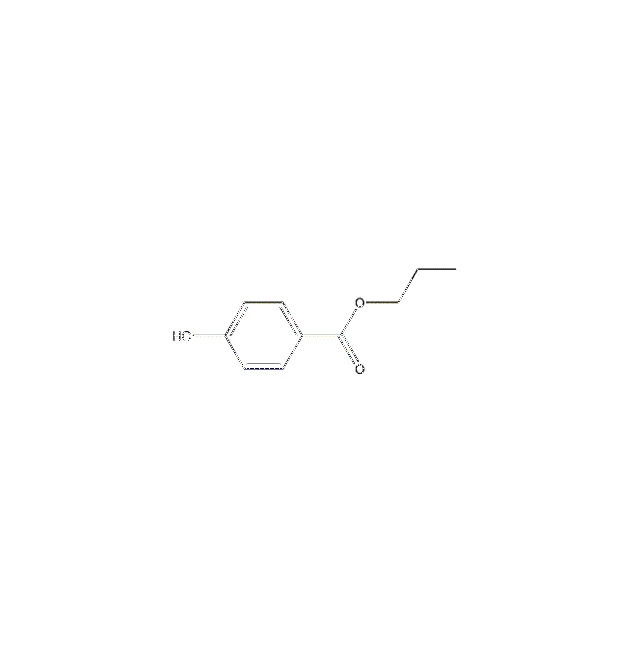
Propylparaben
Propyl Nipagin, also known as niposol, propyl 4-hydroxybenzoate, propyl p-hydroxybenzoate. It is a kind of white crystal or powder with special smell. It is a food additive and organic synthetic raw material. It is a kind of food additive and organic synthetic raw material. It can be used as antiseptic and antiseptic additive for medicine, food, perfume, film and high-grade products, as well as organic synthetic reagent.
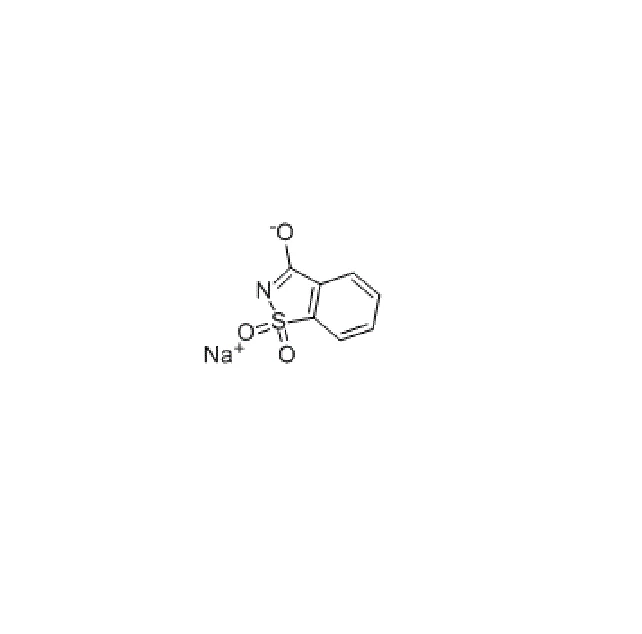
Saccharin Sodium
Colorless to white orthorhombic crystals or white crystalline weathered powder. Odorless or slight smell. It is extremely sweet, even in 10,000 times the aqueous solution, there is still very strong sweetness, the sweetness threshold is about 0.00048%. The sweetness in the dilute solution is about 500 times that of sucrose. It has a sweet taste when the concentration is thin, and a bitter taste when it is thick (greater than 0.026%), so the concentration when used alone should be less than 0.02%. When heated under acidic conditions, the sweetness disappears. And the formation of bitter anthranilic acid. It is easily soluble in water (1g/1.5 ml ) and slightly soluble in ethanol (1g/50 ml ).
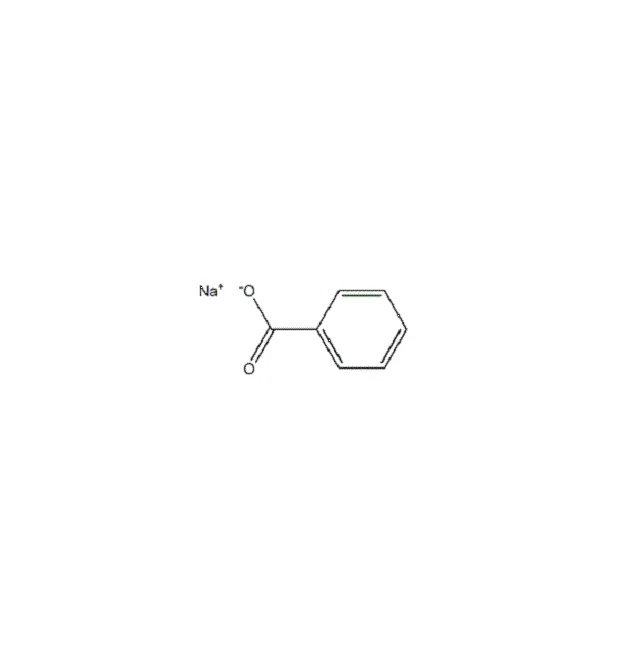
Sodium Benzoate
Sodium benzoate, also known as benzoic acid sodium, is a commonly used food preservative in China's food industry, odorless or with the smell of benzoin, sweet and astringent. It is stable in the air and can absorb moisture in the exposed air. It is naturally found in blueberry, apple, plum, cranberry, cranberry, prune, cinnamon and clove. Its germicidal property is weaker than benzoic acid. The germicidal power of 1.180g sodium benzoate is about equal to 1g benzoic acid. In acid environment, sodium benzoate has obvious inhibitory effect on many kinds of microorganisms. When pH is 3.5, 0.05% solution can completely inhibit the growth of yeast, but when pH is more than 5.5, the effect on many molds and yeast is poor. It has little effect in alkaline solution. In the process of biotransformation, sodium benzoate combines with glycine to form uric acid, or combines with glucuronic acid to synthesize glucosidic acid, which is excreted from urine without accumulation in the body. In the normal dosage range, it has no toxic effect on human body and is a safer preservative. It can be used in carbonated drinks, concentrated fruit juice, margarine, gum base, jam, jelly, soy sauce, etc. The ADI of human body is less than 5 mg / kg body weight (calculated by benzoic acid).
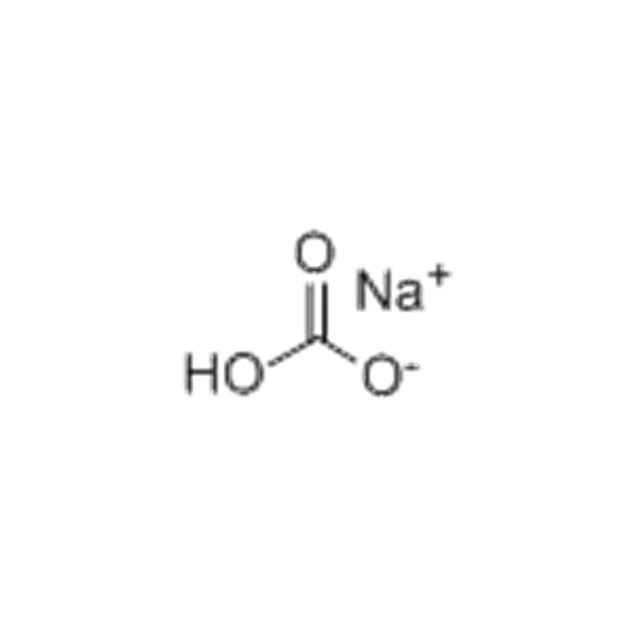
Sodium Bicarbonate
Sodium bicarbonate, referred to as “baking soda” is primarily used in cooking (baking), as a leavening agent. It reacts with acidic components in batters, releasing carbon dioxide, which causes expansion of the batter and forms the characteristic texture and grain in pancakes, cakes, quick breads, soda bread, and other baked and fried foods. Acidic compounds that induce this reaction include phosphates, cream of tartar, lemon juice, yogurt, buttermilk, cocoa, vinegar, etc. Sodium bicarbonate can be substituted for baking powder provided sufficient acid reagent is also added to the recipe.