


Food Additive Chemicals (38)
Showing 25–36 of 38 products · Page 3 of 4
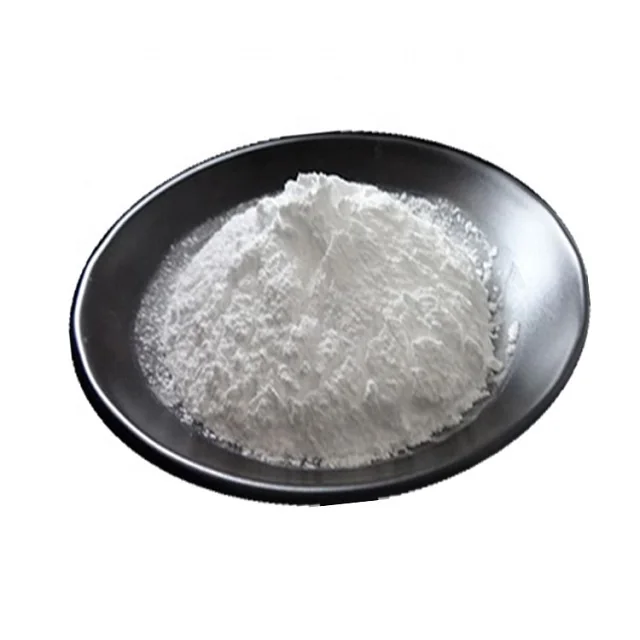
Sodium Carboxy Methyl Cellulose CMC
Carboxymethyl cellulose aka CMC is actually the sodium salt of carboxymethyl cellulose. CMC is used as a viscosity modifier or thickener, and to stabilize emulsions in various products including ice cream. CMC is known for its excellent water retaining capacity.
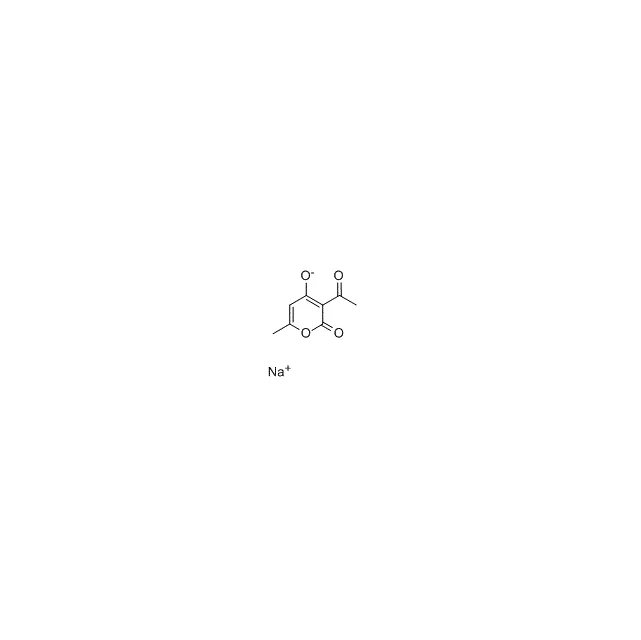
Sodium Dehydroacetate
This product is white or light yellow, odorless, tasteless, easily soluble in water, and hardly soluble in organic substances such as ethanol. Melting point is 190°C, good light resistance and heat resistance. The solution is stable when heated at 120°C for 2 hours. The aqueous solution is neutral or slightly alkaline. It adopts instant spray drying to form powder, the product purity is high, the quality is stable, reliable, and the purity can reach above 98%. Low moisture (below 2.6%).
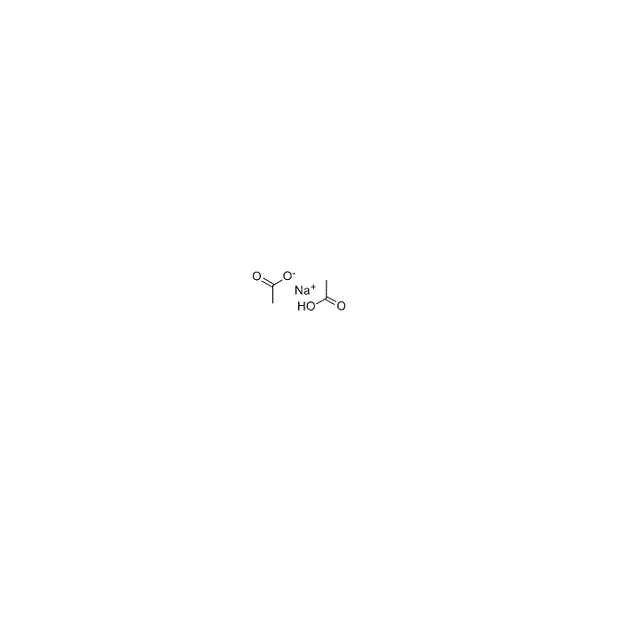
Sodium Diacetate
Sodium diacetate is white crystals with acetic acid odor, easy to absorb moisture, easily soluble in water, and decomposes when heated to above 150°C. It is flammable and stable in cool and dry conditions. Sodium diacetate mainly relies on the decomposed molecular acetic acid to have an antibacterial effect, and it has a good inhibitory effect on bacteria and molds. Sodium diacetate is an unspecified ADI substance and is designated as a GRAS substance by the US FDA.
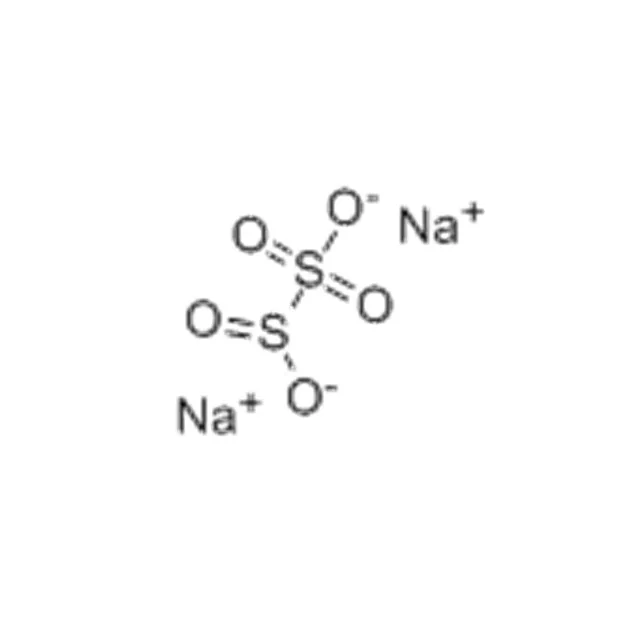
Sodium Metabisulfite
Sodium metabisulfite or sodium pyrosulfite (IUPAC spelling; Br. E. sodium metabisulphite or sodium pyrosulphite) is an inorganic compound of chemical formula Na2S2O5. The substance is sometimes referred to as disodium (metabisulfite). It is used as a preservative and antioxidant in food and is also known as E223.
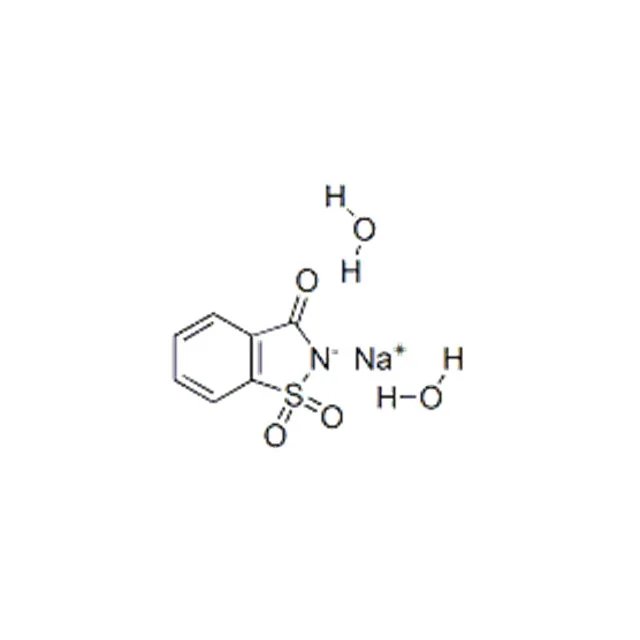
Sodium Saccharin
Sodium Saccharin is a sweet taste agent.its sweet degree is about 500 times sweeter than that of sugar. It is widely used in foodstuff, drinks.
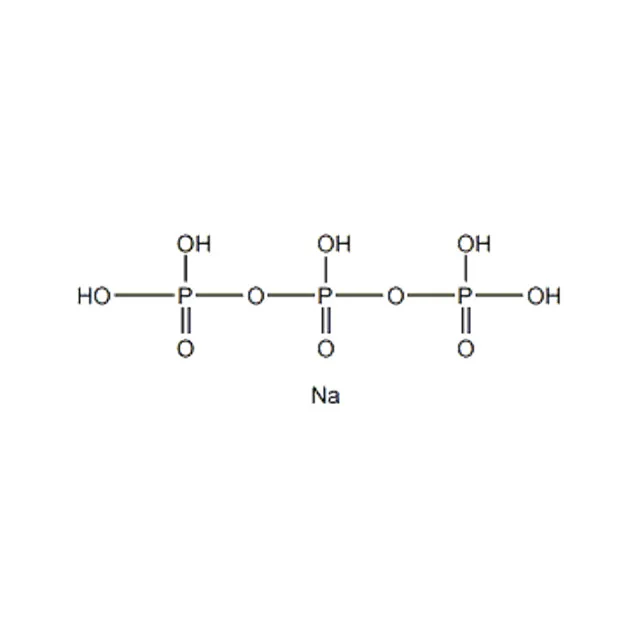
Sodium Tripolyphosphate
Sodium Tripolyphosphate (STPP) is a preservative for seafood, meats, poultry, and animal feeds. It is common in food production as E number E451. In foods, STPP is used as an emulsifier and to retain moisture.
Sodium lactate
Sodium lactate is a chemical substance with the molecular formula C3H5O3Na. With a molecular weight of 112.06, it is a colorless or almost colorless transparent liquid that can be dissolved in water, ethanol, and glycerin. It is used in food preservation, moisturizing, flavor enhancement and pharmaceutical raw materials. It can also be used as medicine to relieve acidosis caused by diarrhea, dehydration, diabetes, nephritis and other diseases. It is also used as a seasoning, a plasticizer for casein plastic, an antifreeze, a humectant, a substitute for glycerin, and an anticorrosion agent for alcohol antifreeze.
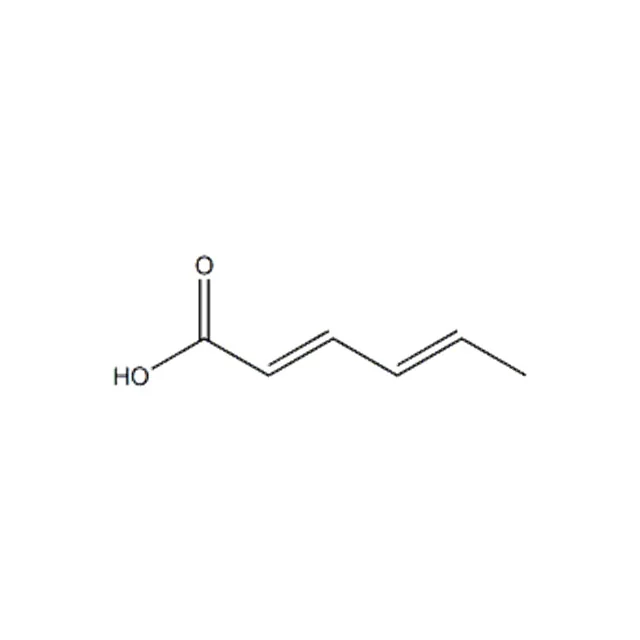
Sorbic Acid
Sorbic acid and its salts, such as sodium sorbate, potassium sorbate, and calcium sorbate, are antimicrobial agents often used as preservatives in food and drinks to prevent the growth of mold, yeast, and fungi. In general the salts are preferred over the acid form because they are more soluble in water, but it is the acid form that is active. The optimal pH for the antimicrobial activity is below pH 6.5. Sorbates are generally used at concentrations of 0.025% to 0.10%. Adding sorbate salts to food will, however, raise the pH of the food slightly so the pH may need to be adjusted to assure safety. It is found in many other foods, such as cheeses and breads.
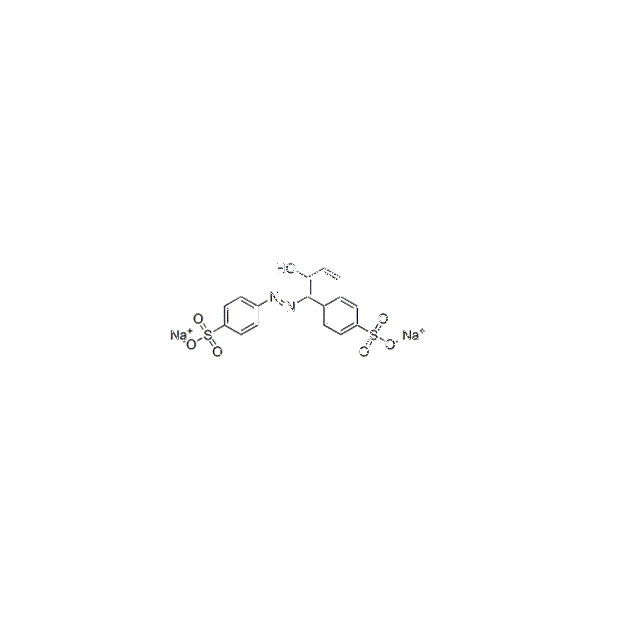
Sunset Yellow FCF
Orange-red powder or granules, odorless. It has strong hygroscopicity and is easy to bind to water. The aqueous solution is yellowish orange. It is also easy to dissolve in dry glycerin, propylene glycol, and a few ethanol, insoluble in oil. Lightfast. Heat resistant. Stable in citric acid and tartaric acid. Its aqueous solution does not change when it encounters concentrated hydrochloric acid, but turns red-brown when it encounters concentrated oxygen and sodium oxide. With acid dye characteristics, it can dye animal fibers directly.
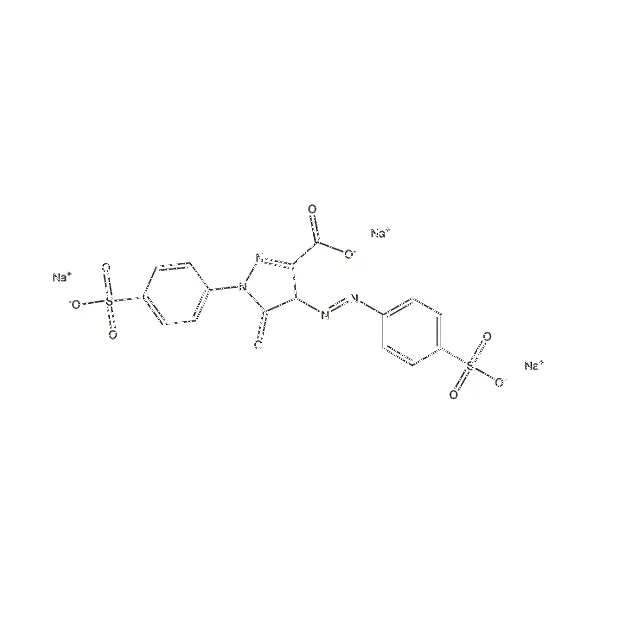
Tartrazine
Orange yellow uniform powder, 0.1% aqueous solution is yellow, odorless. It is soluble in water, glycerin and propylene glycol, slightly soluble in ethanol, and insoluble in oil. The solubility at 21°C is: 11.8% (water), 3.0% (50% ethanol). It has good heat resistance, acid resistance, light resistance and salt resistance. It is stable to citric acid and tartaric acid, but has poor oxidation resistance. It turns red when exposed to alkali and fades when reduced. The maximum absorption wavelength is 428nm±2nm. Rat oral LD50 is greater than 2000mg/kg, ADI is 0 ~ 7.5mg/kg (FAO/WHO, 1994).
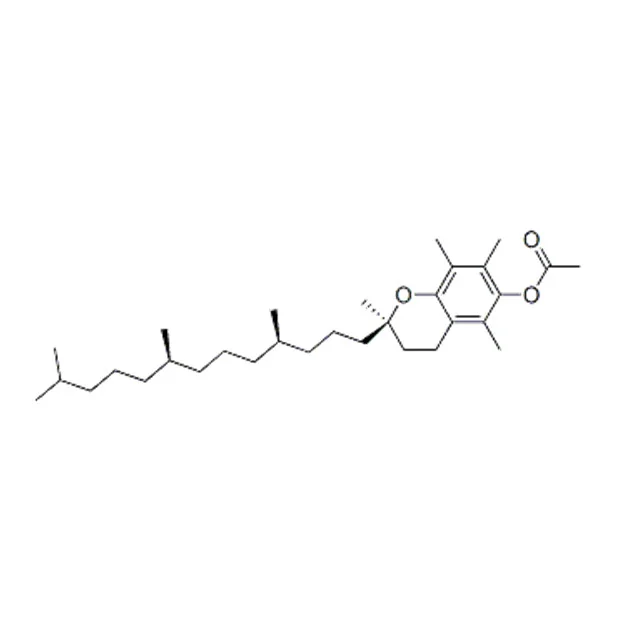
Tocopheryl Acetate
Tocopheryl acetate, also known as vitamin E acetate, is a common vitamin supplement with the molecular formula C31H52O3 (for ‘α’ form). It is the ester of acetic acid and tocopherol (vitamin E).
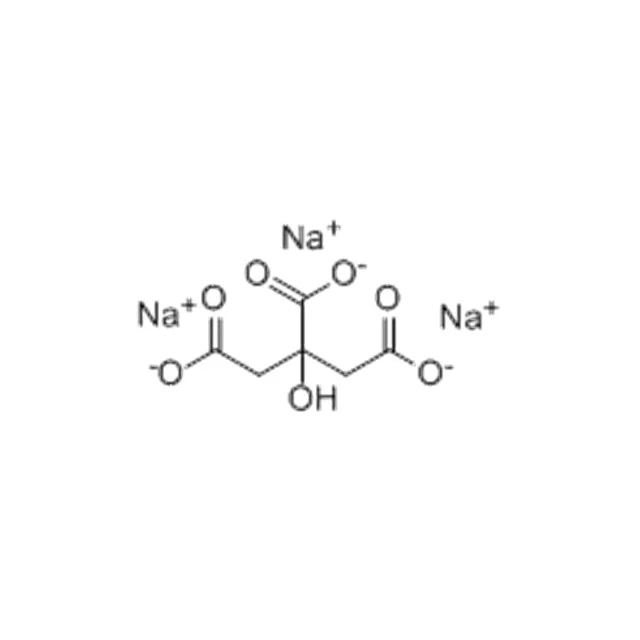
Trisodium Citrate
Trisodium citrate is chiefly used as a food additive, usually for flavor or as a preservative. Its E number is E331. Sodium citrate is employed as a flavoring agent in certain varieties of club soda. Sodium citrate is common as an ingredient in Bratwurst, and is also used in commercial ready to drinkbeverages and drink mixes, contributing a tart flavor.