


Pharmaceutical Chemicals API (267)
Showing 157–168 of 267 products · Page 14 of 23
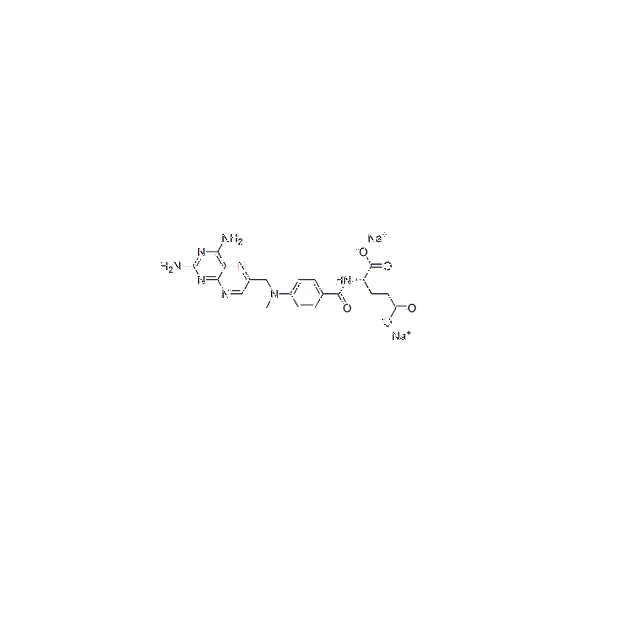
Methotrexate Disodium Salt
Test method: abdominal intake dosage: 120 mg/kg, male mating test object before 60 days (county) : rodents - rat toxicity type: reproductive toxicity effect: 1. The influence of his father - testis, epididymis and sperm tube 2 copies of male fertility index (such as # # men and women each impregnated with men fertile pregnancy women) 2. Test method: abdominal intake dosage: 284 mg/kg test object: rodents - rat toxicity type: acute toxic effects: the side effects of detailed didn't report other than lethal dose values
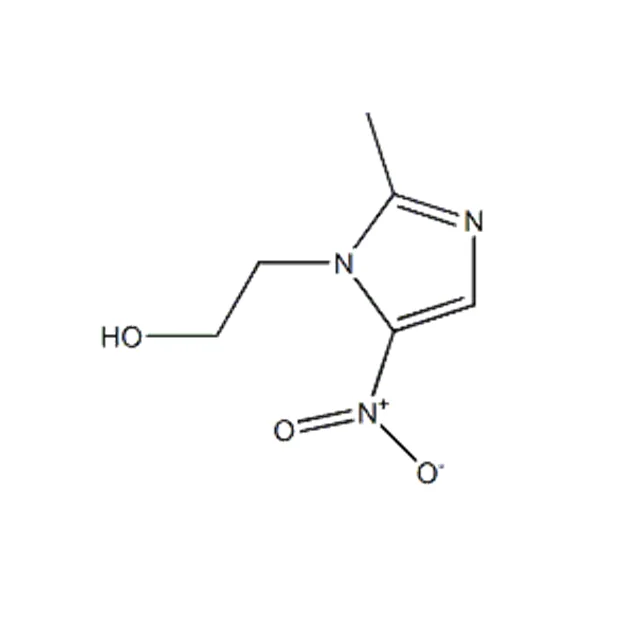
Metronidazole
Metronidazole (AAN, BAN, INN, USAN) (Flagyl and others) is a nitroimidazole antibiotic medication used particularly for anaerobicbacteria and protozoa. Metronidazole is an antibacterial against anaerobic organisms, amoebicide and antiprotozoal. It is the drug of choice for first episodes of mild-to-moderate Clostridium difficile infection.
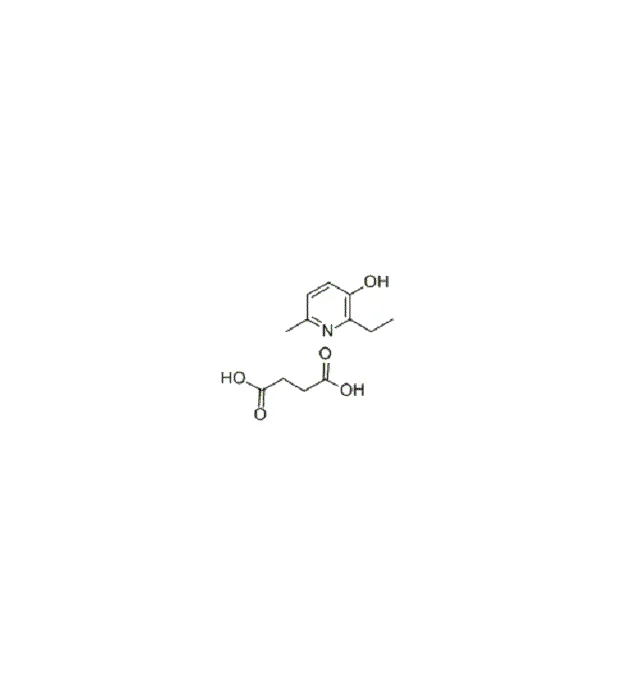
Mexidol
Emoxypine was first synthesized by L.D. Smirnov and K.M. Dumayev, then studied and developed in the Institute of Pharmacology,
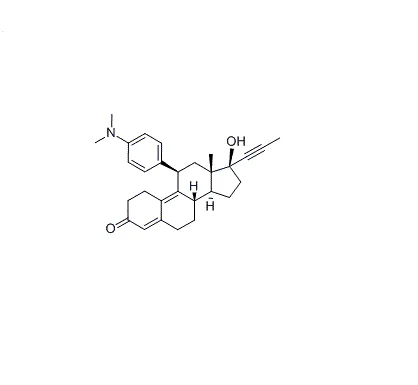
Mifepristone
Mifepristone (or RU-486) is a synthetic steroid compound with both antiprogesterone and antiglucocorticoid properties. The compound is a 19-nor steroid with substitutions at positions C11 and C17 (17 beta-hydroxy-11 beta-[4-dimethylamino phenyl] 17 alpha-[1-propynyl]estra-4,9-dien-3-one), which antagonizes cortisol action competitively at the receptor level.
Mildronate
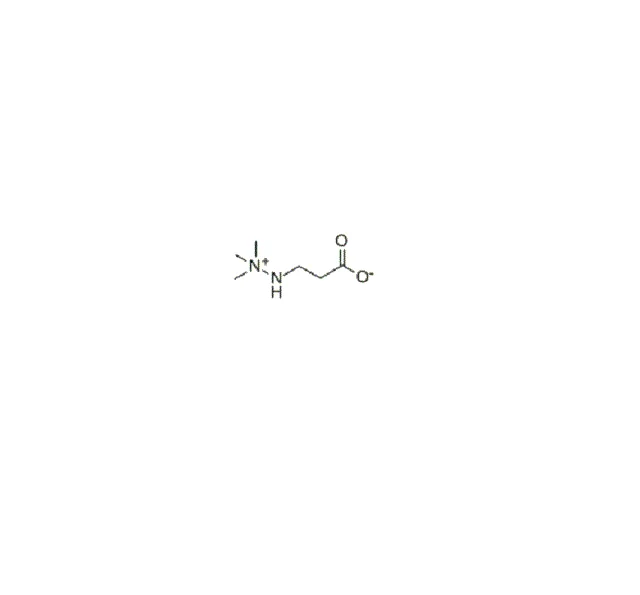
Meldonium (also known as Mildronate, THP, MET-88, Mildronāts or Quaterine) is a clinically used anti-ischemic drug that is currently manufactured and marketed by Grindeks, a pharmaceutical company based in Latvia.] It is used in Lithuania and the Russian Federation,but is not approved by the Food and Drug Administration for use in the United States.
Minoxidil
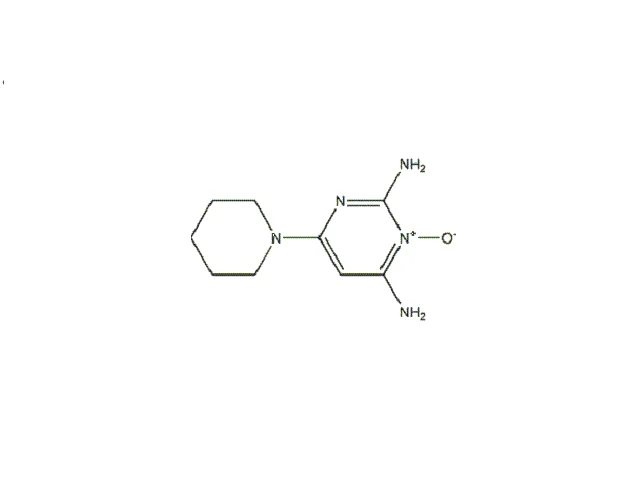
Minoxidil is an antihypertensive vasodilator medication. It also slows or stops hair loss and promotes hair regrowth. Now off-patent, it is availableover-the-counter for the treatment of androgenic alopecia. Widely used for the treatment of hair loss, it has been proven clinically effective in both the prevention of loss and in establishing varying degrees of hair re-growth in males and females suffering pattern baldness. Minoxidil must be used indefinitely for continued support of existing hair follicles and the maintenance of any experienced hair regrowth.
Miriplatin
Miplatin is a platinum anticancer drug developed by Sumitomo pharmaceutical plant Club of Japan. The specification of freeze-dried powder injection is 70mg / dose. It has a significant effect on the treatment of liver cancer, malignant lymphoma, non-small cell lung cancer, small cell lung cancer and superficial bladder cancer. The mechanism of action is similar to other platinum drugs. It can inhibit the synthesis and replication of DNA and the growth of tumor by producing alkylation complexes and acting on DNA to form cross-linking within and between chains. Animal studies have shown that after TACE, MIPT suspension can be targeted to accumulate in tumor tissue slow-release active ingredients, which has good antitumor effect, and its antitumor activity is better than that of jingsitatin. The clinical study showed that the ratio of TeV in the two groups was 26.5% (22 / 83) and 17.9% (7 / 39), the two-year survival rates were 75.9 and 70.3%, and the three-year survival rates were 58.4% and 48.7%, respectively. Compared with jingsitatin, no hepatic vascular injury (no effect on the second treatment) was found in the group of miplatin, and the irreversible damage (adverse effect on the prognosis) to the hepatobiliary system was reduced, and the safety was better than jingsitatin. Miplatin is a kind of anticancer drug, which is soluble in the fatty acid ethyl ester of papaverine iodide oil and administered in the hepatic artery. It has a high affinity with the fatty acid ethyl ester of papaverine iodide oil, and remains in the tumor site after administration in the hepatic artery. The platinum component in the suspension can be slowly released into the blood or tissue for a long time. The bivalent platinum compound combines with DNA, and inhibits the proliferation of cancer cells by preventing DNA synthesis It improves the anti-cancer effect. Clinical trials show that the product has a good anti-cancer effect in patients who have received this treatment for the first time, or in patients who have received other treatment methods such as hepatectomy.
Mitoxantrone
Miplatin is a platinum anticancer drug developed by Sumitomo pharmaceutical plant Club of Japan. The specification of freeze-dried powder injection is 70mg / dose. It has a significant effect on the treatment of liver cancer, malignant lymphoma, non-small cell lung cancer, small cell lung cancer and superficial bladder cancer. The mechanism of action is similar to other platinum drugs. It can inhibit the synthesis and replication of DNA and the growth of tumor by producing alkylation complexes and acting on DNA to form cross-linking within and between chains. Animal studies have shown that after TACE, MIPT suspension can be targeted to accumulate in tumor tissue slow-release active ingredients, which has good antitumor effect, and its antitumor activity is better than that of jingsitatin. The clinical study showed that the ratio of TeV in the two groups was 26.5% (22 / 83) and 17.9% (7 / 39), the two-year survival rates were 75.9 and 70.3%, and the three-year survival rates were 58.4% and 48.7%, respectively. Compared with jingsitatin, no hepatic vascular injury (no effect on the second treatment) was found in the group of miplatin, and the irreversible damage (adverse effect on the prognosis) to the hepatobiliary system was reduced, and the safety was better than jingsitatin. Miplatin is a kind of anticancer drug, which is soluble in the fatty acid ethyl ester of papaverine iodide oil and administered in the hepatic artery. It has a high affinity with the fatty acid ethyl ester of papaverine iodide oil, and remains in the tumor site after administration in the hepatic artery. The platinum component in the suspension can be slowly released into the blood or tissue for a long time. The bivalent platinum compound combines with DNA, and inhibits the proliferation of cancer cells by preventing DNA synthesis It improves the anti-cancer effect. Clinical trials show that the product has a good anti-cancer effect in patients who have received this treatment for the first time, or in patients who have received other treatment methods such as hepatectomy.
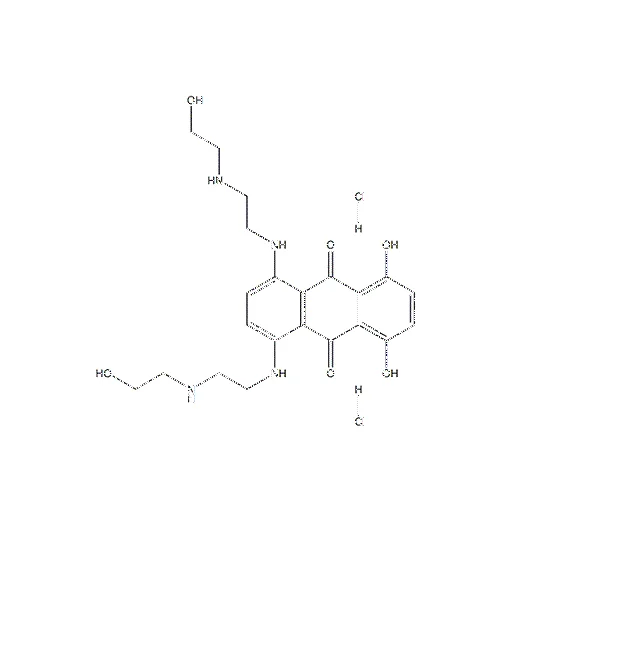
Mitoxantrone Hydrochloride
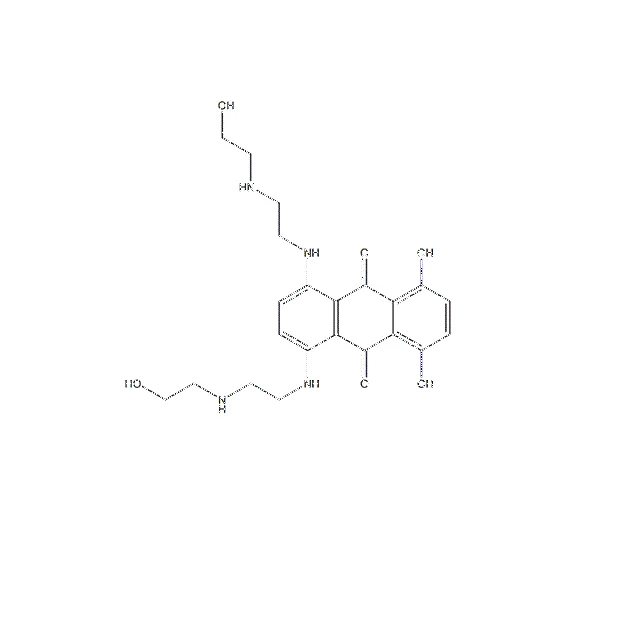
It is used in the treatment of certain types of cancer, mostly metastatic breast cancer, acute myeloid leukemia, and non-Hodgkin's lymphoma. It was also shown to improve the survival of children suffering from first relapse of acute lymphoblastic leukaemia.The combination of mitoxantrone and prednisone is approved as a second-line treatment for metastatic hormone-refractory prostate cancer. This combination has been the first line of treatment, until recently, when combination of docetaxel and prednisone has been shown to improve survival and disease-free period.Mitoxantrone is also used to treat multiple sclerosis (MS), most notably the subset known as secondary progressive MS. Mitoxantrone will not cure multiple sclerosis, but is effective in slowing the progression of secondary progressive MS and extending the time between relapses in relapsing-remitting MS and progressive relapsing MS.
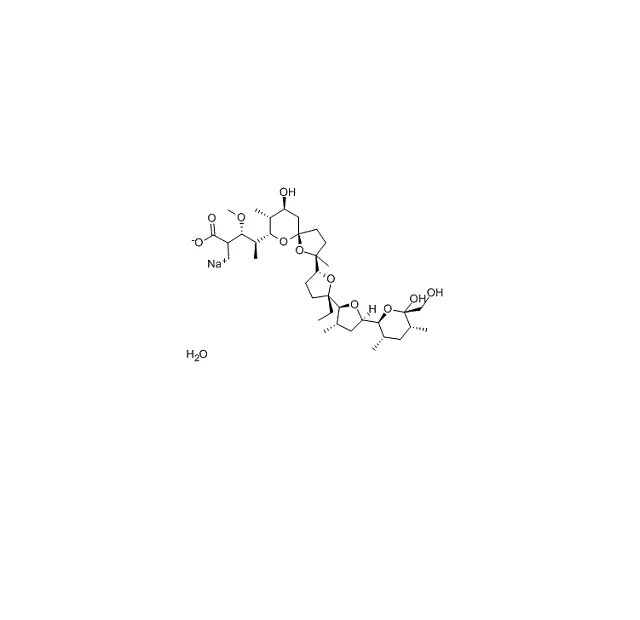
Monensin Sodium
1. Monensin sodium, as an anticoccidial agent, can be used in the feed of broilers under 16 weeks of age, the dosage is 90-110g / T, the laying period is forbidden, and the stopping period is 3 days. Horses are not allowed to use, and will die after use; it is prohibited to use it at the same time with temicin and zhutaomycin.
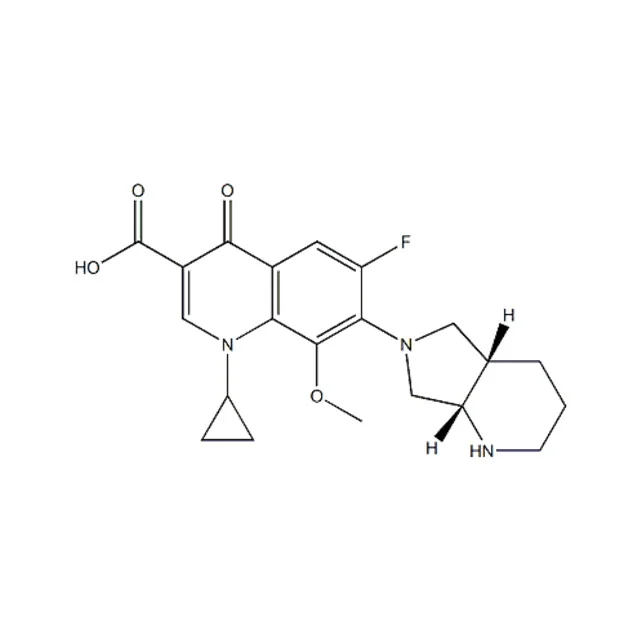
Moxifloxacin
Moxifloxacin is a fourth-generation synthetic fluoroquinolone antibacterial agent. Its antibacterial spectrum includes enteric Gram-(−) rods (Escherichia coli, Proteus species, Klebsiella species), Haemophilus influenzae, atypical bacteria (Mycoplasma, Chlamydia, Legionella), and Streptococcus pneumoniae, and anaerobic bacteria. It differs from earlier antibacterials of the fluoroquinolone class such as levofloxacin and ciprofloxacin in having greater activity against Gram-positive bacteria and anaerobes. Because of its potent activity against the common respiratory pathogen Streptococcus pneumoniae, it is considered a "respiratory quinolone".
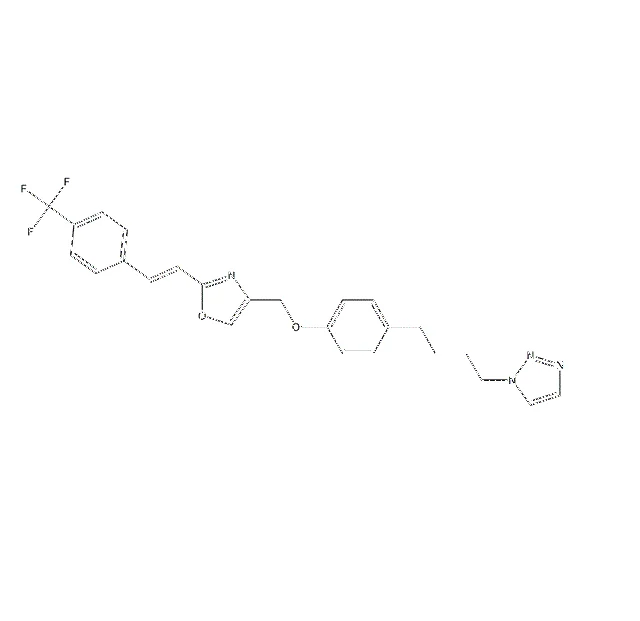
Mubritinib
Mubritinib (TAK-165) is a potent Neu (HER2) and Cdc2 p34 inhibitor with IC50 of 6 nM and 0.2μM, respectively. TAK 165