

Browse 961 Chemical Products and Raw Materials
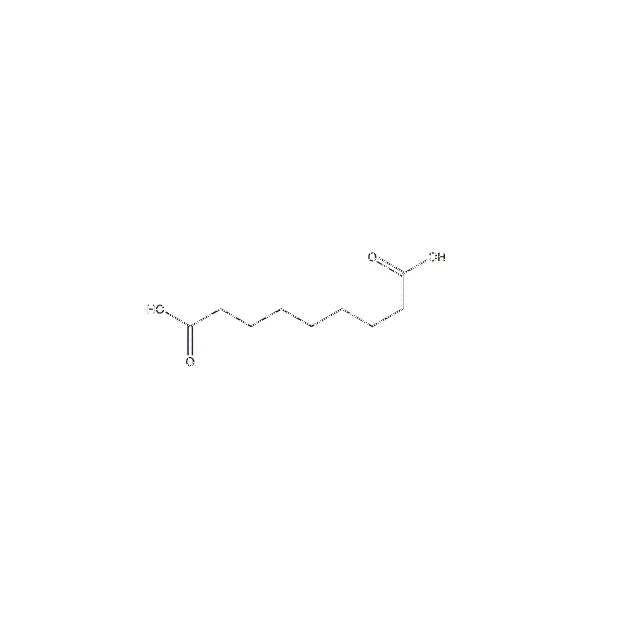
Azelaic Acid
Azelaic acid is a skin disease prevention and treatment drug, mainly used for acne, chloasma and skin melanin deposition. It is also an important organic synthesis intermediate. It is also used in plastics, rubber and other industries to synthesize plasticizers, aviation oil to synthesize low-temperature high-speed lubricating oil, electrolytic capacitor manufacturing and other aspects. At present, the main production method is to prepare azelaic acid from unsaturated fatty acids such as oleic acid and triglycerides such as castor oil and cottonseed oil.
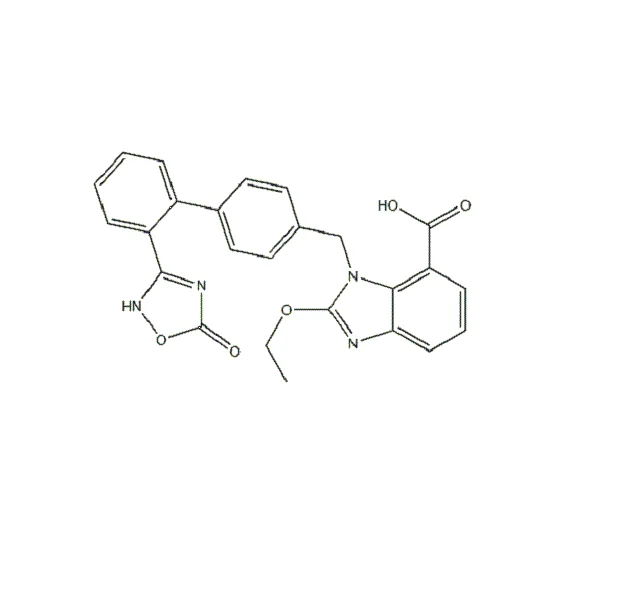
Azilsartan
Azilsartan (INN, codenamed TAK-536) is an angiotensin II receptor antagonist used in the treatment of hypertension that was developed by Takeda.
Azilsartan Medoxomil Potassium
Azilsartan kaMedoxomil (CAS: 863031-24-7)
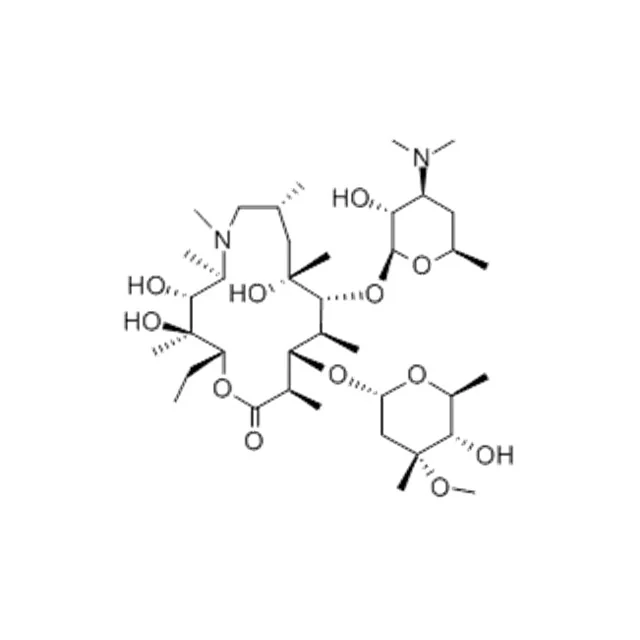
Azithromycin
Azithromycin is used to treat or prevent certain bacterial infections, most often those causing middle ear infections, strep throat, pneumonia, typhoid, and sinusitis; It has been used primarily to prevent bacterial infections in infants and those with weaker immune system. It is also effective against certain sexually transmitted infections, such as non-gonococcal urethritis, chlamydia, and cervicitis.
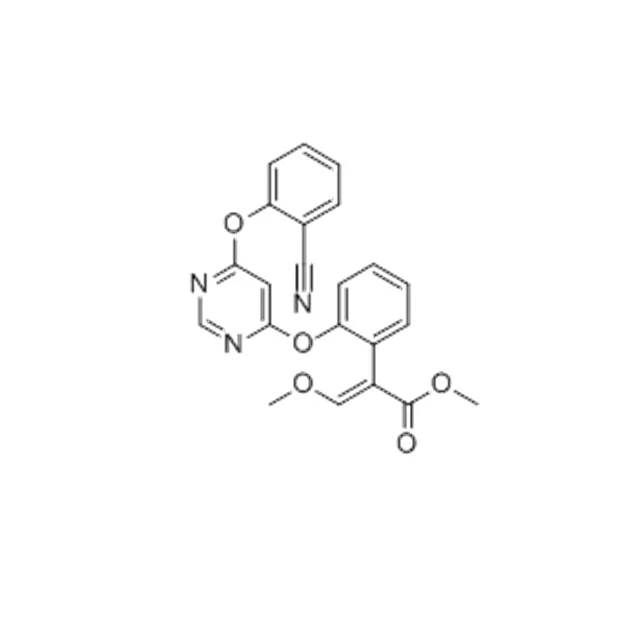
Azoxystrobin
Azoxystrobin is a systemic fungicide commonly used in agriculture.
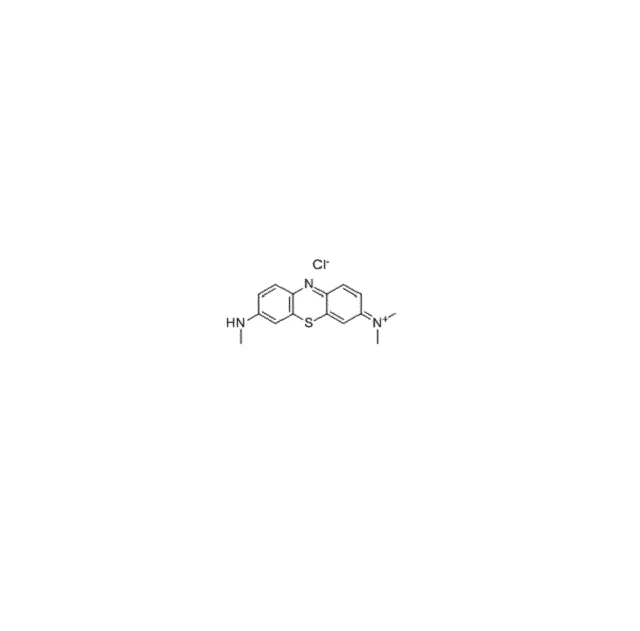
Azure B
Azurol B is used as a biological dye and can be used for the determination of lignin peroxidase.
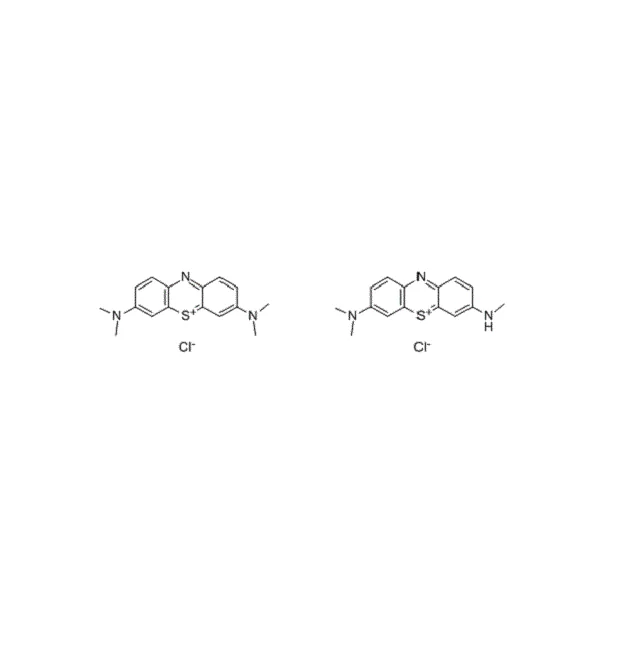
Azure II
Dark green powder is an equal mixture of methylene blue and azure I; it is dark blue in water, slightly soluble in ethanol, slightly soluble in chloroform and insoluble in ether.
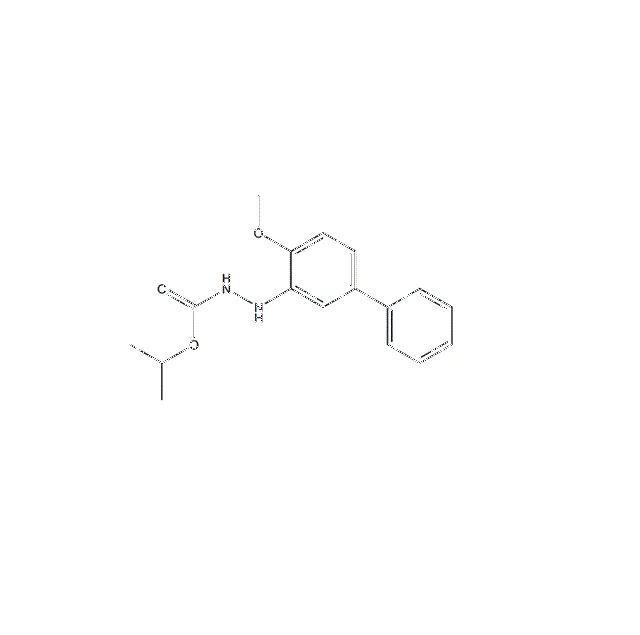
BIFENAZATE
Diphenyl hydrazine is a new type of acaric agent for selective leaf spray. Its mechanism of action is its unique action on the inhibitor of mitochondrial electron transport chain complex III [1]. It is effective for all life stages of mites, with egg killing activity and knockdown activity for adult mites (48-72 h), and has a long period of validity. The duration of validity is about 14 days, and it is recommended to use within the dose range for crop safety. Low risk to parasitoids, predacious mites and sandflies.
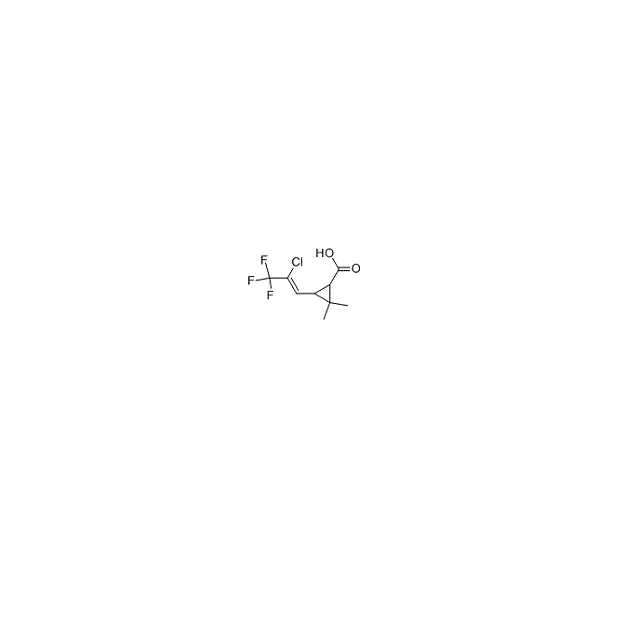
BIFENTHRIN ACID
This product is a white powder solid, m.p.108-110 °C, insoluble in water, soluble in benzene, toluene and other organic solvents. Pyrethroid is one of the important intermediates of pyrethroid insecticides. It can be used to synthesize pyrethroid with high efficiency.
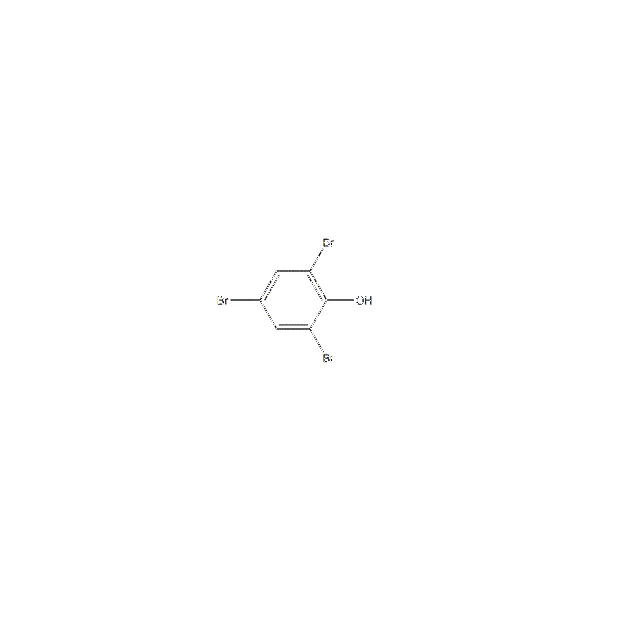
BROMOL
White acicular crystal. Melting point 95-96 °C (sublimation), boiling point 244 °C, relative density 2.55. Soluble in alcohol, chloroform, ether and caustic solution, almost insoluble in water, sweet. It is used to produce bismuth tribromophenol and so on. Tribromophenol can be polymerized into 2,6-dibromophenyl ether by solution polycondensation or aqueous precipitation polycondensation. It is a newly developed flame retardant, which can be used in nylon 66, thermoplastic polyester, modified polyphenylene ether and other engineering plastics, as well as high impact polystyrene and ABS resin.
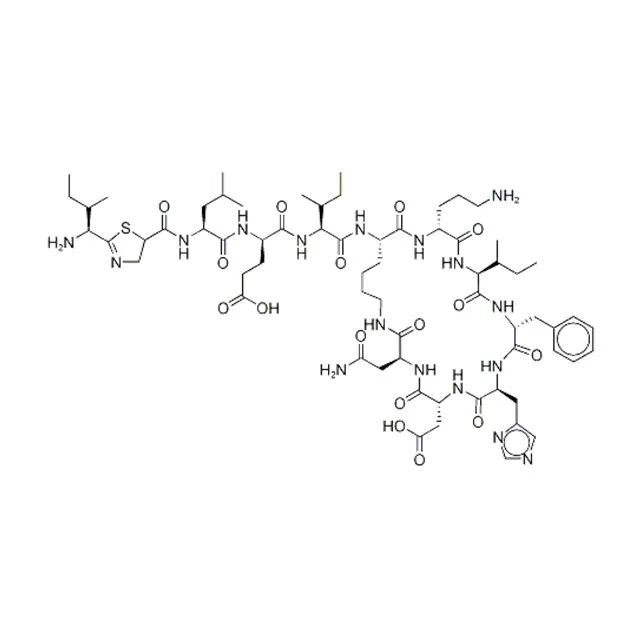
Bacitracin
This product is mainly used as animal growth promoter in feed. Zinc, cadmium and mercury salts are used as feed additives because of their increased activity in the presence of zinc, cadmium and mercury salts. Growth promoters are non-nutritive additives, which can stimulate the growth of livestock and poultry, improve the rate of weight gain and feed utilization, and improve the health of livestock and poultry. It has strong antibacterial activity against most Gram-positive bacteria, similar to penicillin, and is also effective against penicillin-resistant Staphylococcus aureus. As a drug, it is mainly used to treat various infections caused by drug-resistant Staphylococcus aureus, such as sepsis, pneumonia, endocarditis and so on.
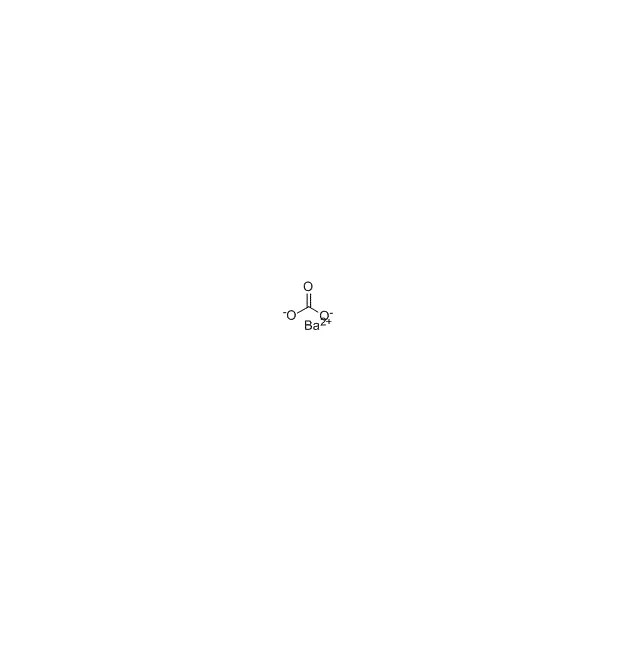
Barium Carbonate
Barium carbonate, chemical formula BaCO3, molecular weight 197.35. Hexagonal fine crystal or white powder. Insoluble in water, density 4.43 g / cm2, melting point 1740 °C (8820 kpa-90 atmospheric pressure). It decomposes at 1450 °C and emits carbon dioxide. Slightly soluble in water containing carbon dioxide, also soluble in ammonium chloride or ammonium nitrate solution to form complex, soluble in hydrochloric acid and nitric acid to release carbon dioxide. Toxic. It is used in electronic, instrument and metallurgical industries. Prepare fireworks, signal bombs, ceramic coatings, optical glass accessories. It is also used as rodenticide, water clarifier and filler.
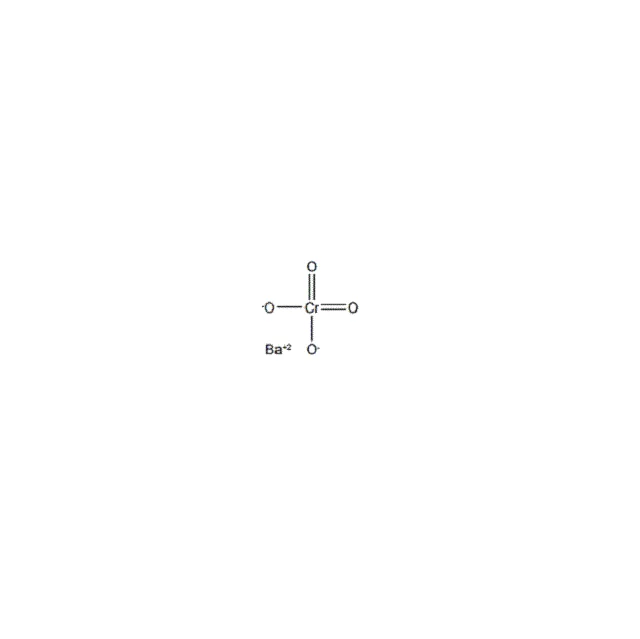
Barium Chromate
Barium chromate, yellow orthorhombic powder crystal. It is used to make pigments, ceramics, glass, safety matches, etc., and to test the existence of chromic acid.
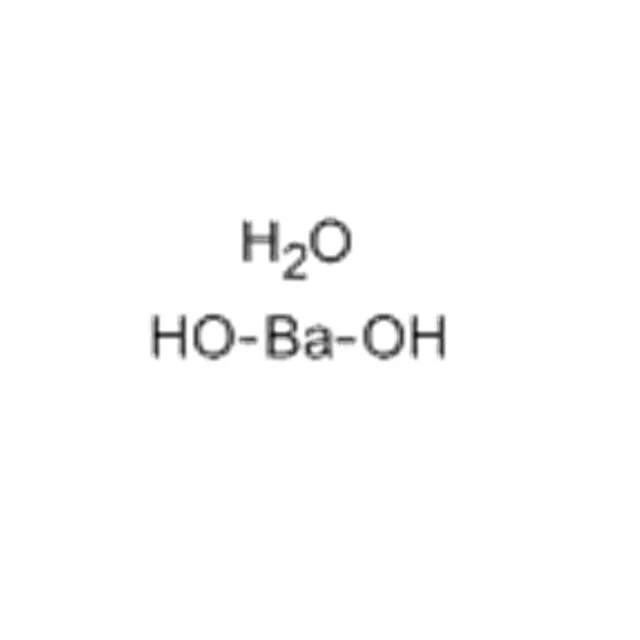
Barium Hydroxide Monohydrate
Barium hydroxide is the chemical compound with the formula Ba(OH)2. Also known as baryta, or baryta-water, it is one of the principal compounds ofbarium. The white granular monohydrate is the usual commercial form. Barium hydroxide is used in analytical chemistry for the titration of weak acids, particularly organic acids. Its clear aqueous solution is guaranteed to be free of carbonate, unlike those of sodium hydroxide and potassium hydroxide, as barium carbonate is insoluble in water. This allows the use of indicators such as phenolphthalein or thymolphthalein (with alkaline colour changes) without the risk of titration errors due to the presence ofcarbonate ions, which are much less basic.
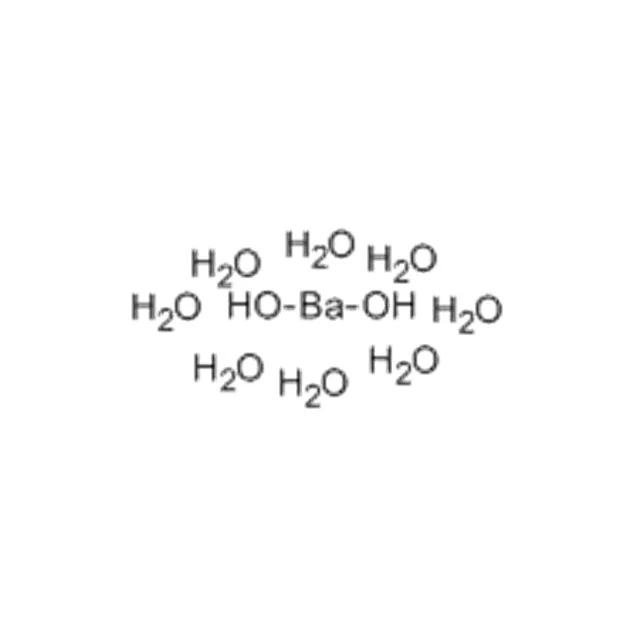
Barium Hydroxide Octahydrate
Barium hydroxide is used in analytical chemistry for the titration of weak acids, particularly organic acids. Its clear aqueous solution is guaranteed to be free of carbonate, unlike those of sodium hydroxide and potassium hydroxide, asbarium carbonate is insoluble in water. This allows the use of indicators such as phenolphthalein or thymolphthalein(with alkaline colour changes) without the risk of titration errors due to the presence of carbonate ions, which are much less basic. Barium hydroxide is used in organic synthesis as a strong base, for example for the hydrolysis of esters and nitriles.
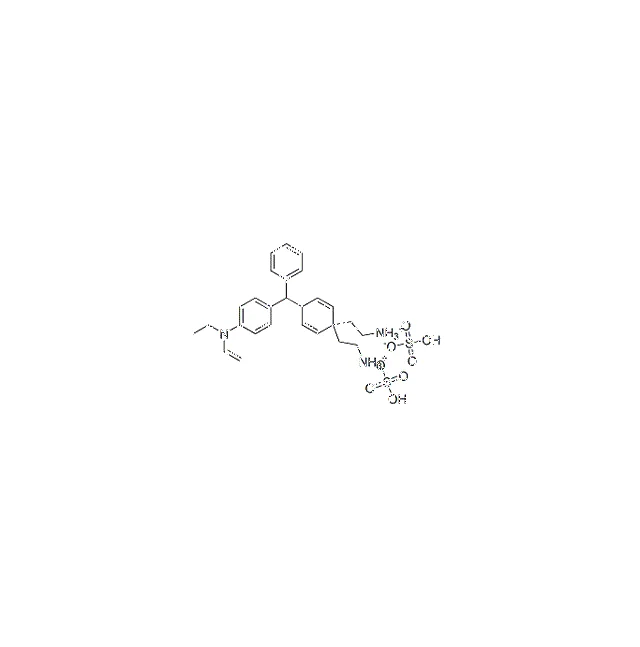
Basic Green 1
Green shiny gold sand. Soluble in cold water and hot water, the aqueous solution is green. Very soluble in ethanol, green. It is yellow in concentrated sulfuric acid and green after dilution. Sodium hydroxide is added to the aqueous solution to produce light green precipitate.
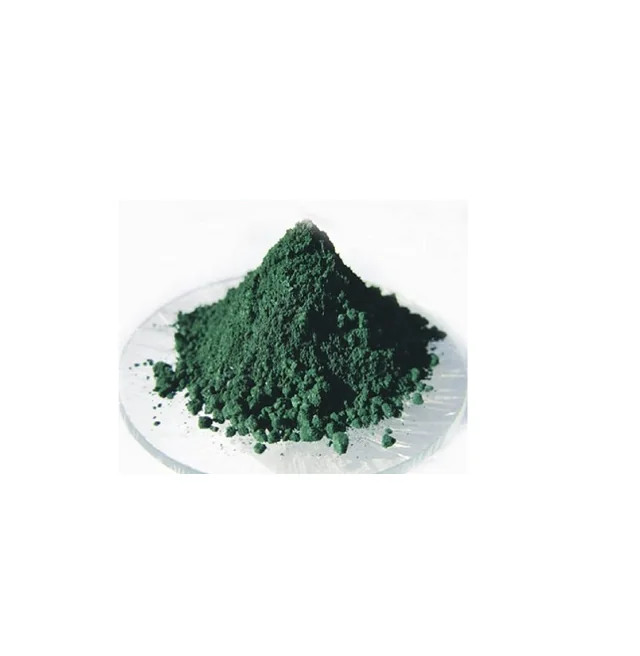
Basic Green 4
Green with sparkling crystals. Soluble in water, easily soluble in ethanol, all are blue-green. The dye is yellow in concentrated sulfuric acid, and turns dark orange after dilution; orange in concentrated nitric acid, orange-brown after dilution; sodium hydroxide is added to its aqueous solution to produce a white precipitate with green light. Dyeing at high temperature (120°C), the shade does not change. Dyeing on acrylic with light fastness class 4-5. is a synthetic dye and antibacterial agent that is potentially carcinogenic. It can be used as a biological stain to dye cells or tissue into blue-green for easy study under the microscope. Also used as a dye for silk, leather and paper.
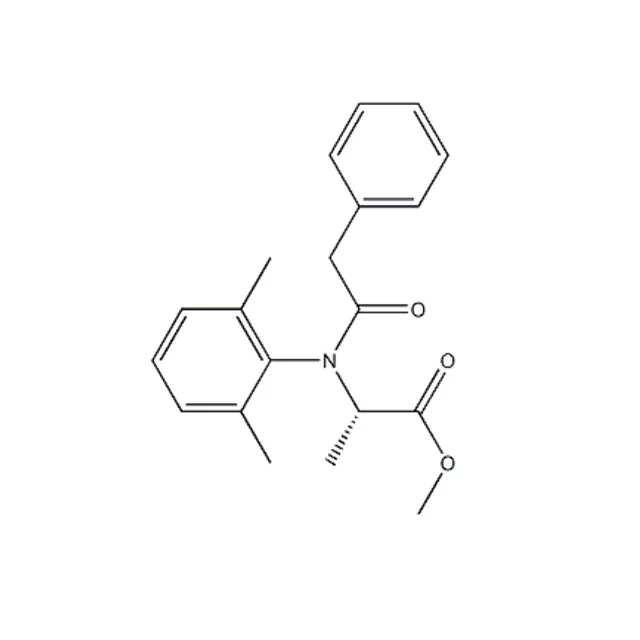
Benalaxyl
Benalaxyl is sysytemic fungicide, used to control grape downy mildew, tomato late blight and potato late blight, tobacco downy mildew.
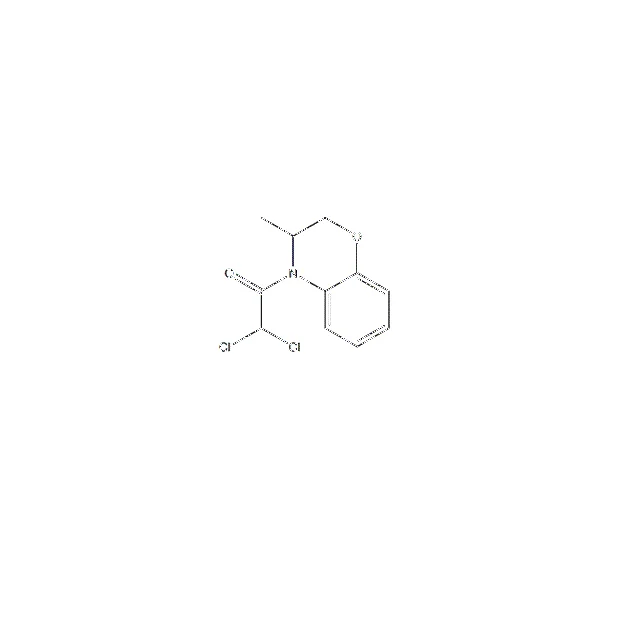
Benoxacor
It is an antidote of Chloroamide herbicide. Under normal and adverse environmental conditions, it can increase the resistance of Maize to metolachlor. The activity of metolachlor to sensitive strains was not affected when 30 metolachlor were used before replanting or after sprouting.
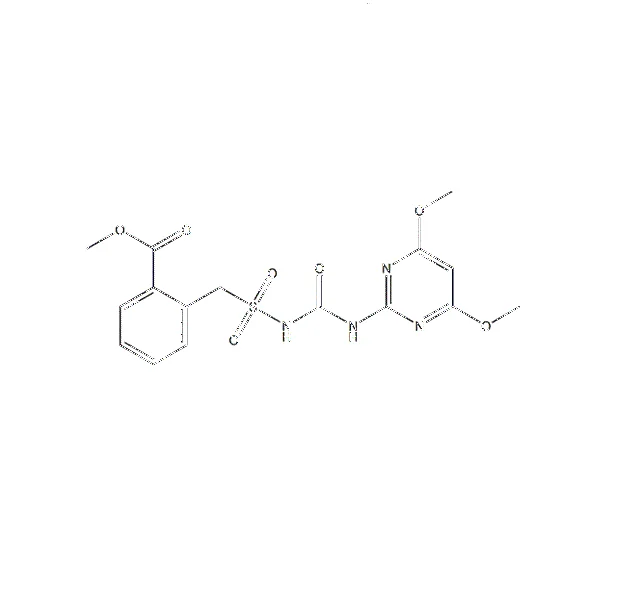
Bensulfuron Methyl
An acetolactate synthase inhibitor, it is used as a herbicide for the control of a variety of both annual and perennial weeds in crops, particularly wheat and rice.
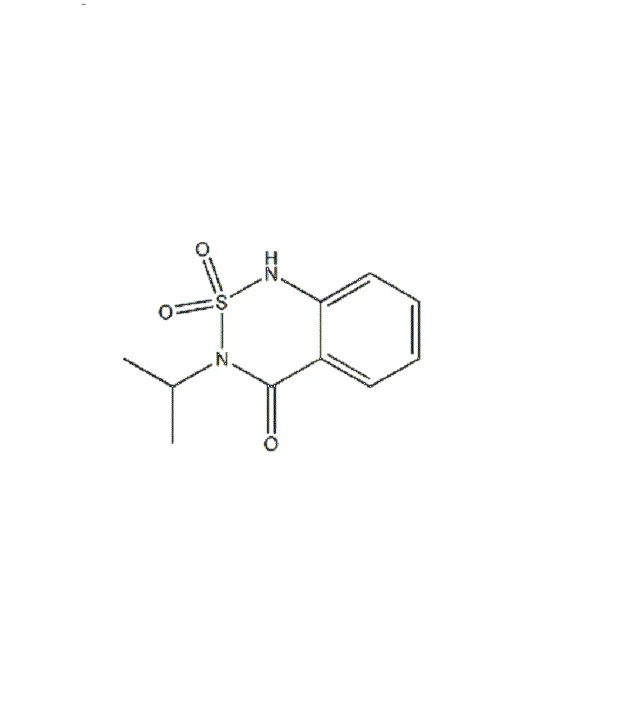
Bentazone
Selective post-emergent herbicide: A post-emergence herbicide used to control broadleaf weeds in crops such as beans, corn, mint, soybeans, rice, and peanuts. All products formerly marketed in the U.S. contain the sodium salt of bentazon as the active ingredient, referred to as sodium bentazon. Also used in selective post-emergent control of broadlelaf weeds and sedges in alfalfa, asparagus, cereals, clover, digitalis, dry peas, flax, garlic, grasses, green lima beans, mint, onions, potatoes, snap beans for seed, sorghum, soybeans and sugarcane.
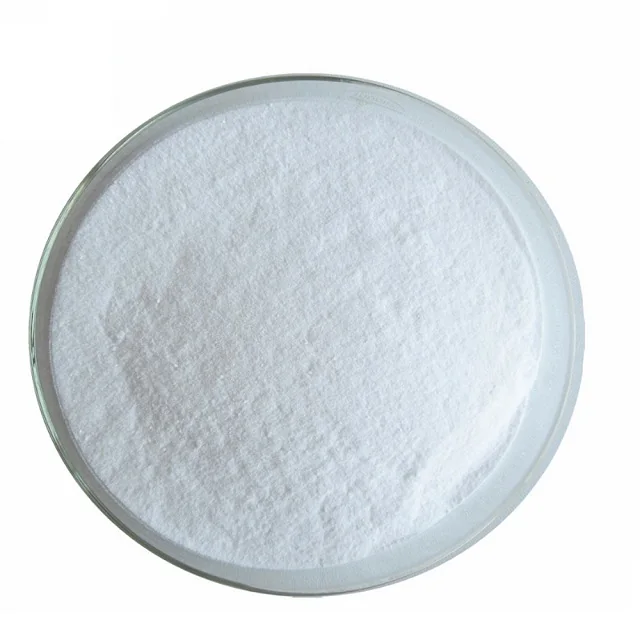
Bentonite Powder Montmorillonite
Bentonite, also known as bentonite, bentonite, and bentonite, is a kind of clay or clay rock with montmorillonite as the main mineral component. The name given by American scholar W.C. Knight in 1898 when he studied the Cretaceous argillaceous rocks near Wyoming, USA. Bentonite is mainly composed of water-containing aluminosilicate minerals. In addition to the main mineral montmorillonite, it also often contains clay minerals such as illite, kaolinite, chlorite, halloysite, beidellite, etc. The associated components include zeolite minerals and calcite, quartz, feldspar, Glass debris, rock debris, etc.
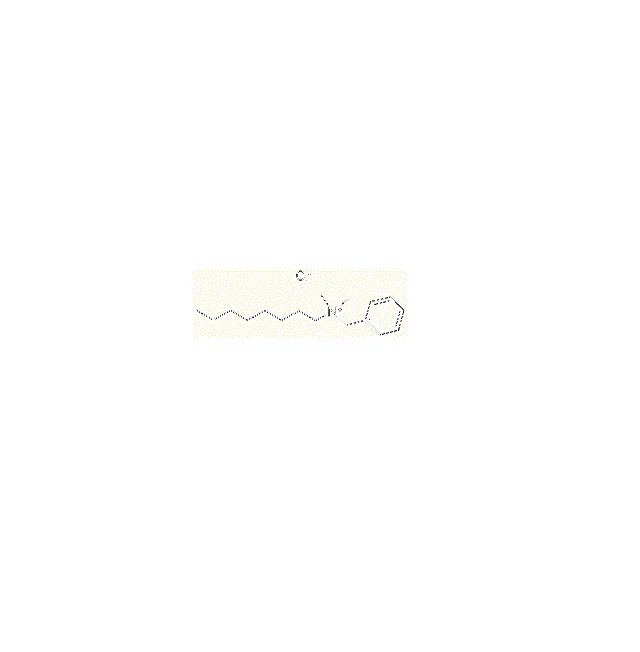
Benzalkonium Chloride
Benzalkonium chloride, also known as jieermiao, and benzalkonium bromide are widely used in clinical use as cationic surfactants. They are dissociated into cationic active groups in aqueous solution. They are clean and bactericidal. They have strong and rapid bactericidal power, low toxicity, little irritation to skin and mucous membrane. They can change the permeability of bacterial plasma membrane, make the cytoplasmic substances of bacteria permeate, and hinder their metabolism It has strong killing effect on Gram-positive bacteria, but has no effect on Pseudomonas aeruginosa, acid fast bacteria, virus and bacterial spore. It can combine with protein rapidly, and reduce the effect significantly in the presence of blood, cotton, cellulose and organic matter. It is mainly used for disinfection of skin, wound, mucous membrane and surgical instruments, and also used as bacteriostatic in liquid preparations.
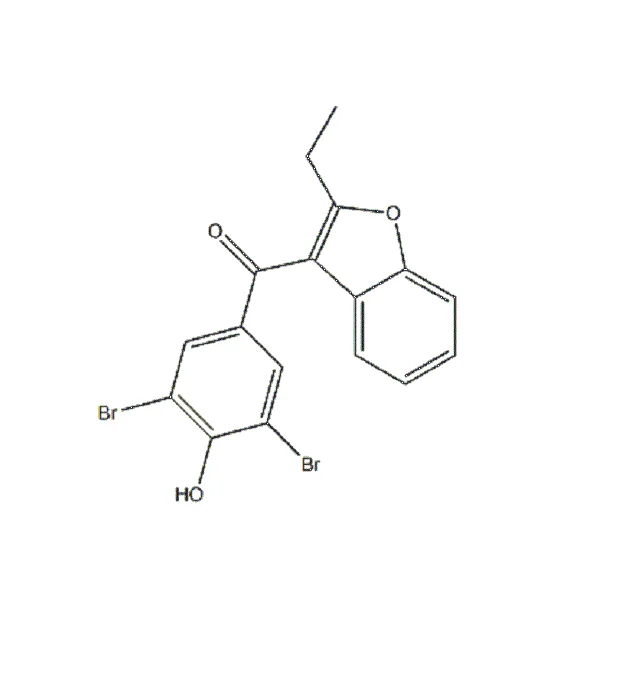
Benzbromarone
Benzbromarone (INN) is a uricosuric agent and non-competitive inhibitor of xanthine oxidase used in the treatment of gout, especially when allopurinol, a first-line treatment, fails or produces intolerable adverse effects. It is structurally related to the antiarrhythmic amiodarone.