

Insecticides Farm Chemicals (53)
Showing 25–36 of 53 products · Page 3 of 5
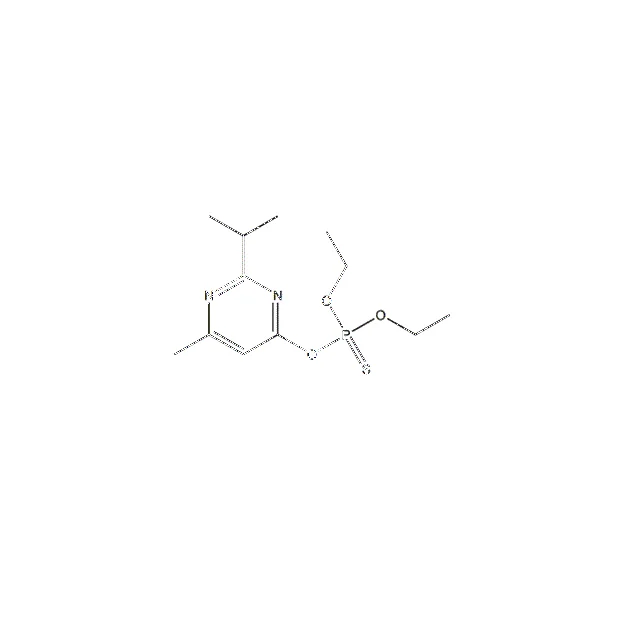
Diazinon
The broad-spectrum insecticide has the functions of contact killing, stomach poisoning, fumigation and certain inhaling, as well as better killing mites and eggs. Control rice borer and rice leafhopper, using 50% EC 15 ~ 30g/100m2, spray water 7.5kg, control 90% to 100%. Control cotton aphid, cotton red bee spider, cotton thrips and cotton leafhopper, using 50% EC 7.5 ~ 12mL/100m2, spray evenly on water, and control 92% to 97%. To control underground pests of mole cricket in North China and beetle in North China, 75 ml of 50% emulsifiable oil, 3.75 kg of water, 45 kg of seed dressing, and 7 hours of pressing can be used for sowing, or 37 kg of wheat seed dressing can be used for sowing after the seeds are absorbed and slightly dried. Control the cabbage caterpillar and vegetable aphid, use 50% EC 6 ~ 7.5mL/100m2, spray evenly 6 ~ 7.5kg of water. To control onion leaf fly, legume fly and rice gall midge, spray 7.5 to 15mL/100m2 of 50% EC and spray water evenly from 7.5 to 15kg. In order to control the grub, 2% granule 0.19kg/100m2 was used. Be careful not to mix with copper containing fungicide and propargyrum.
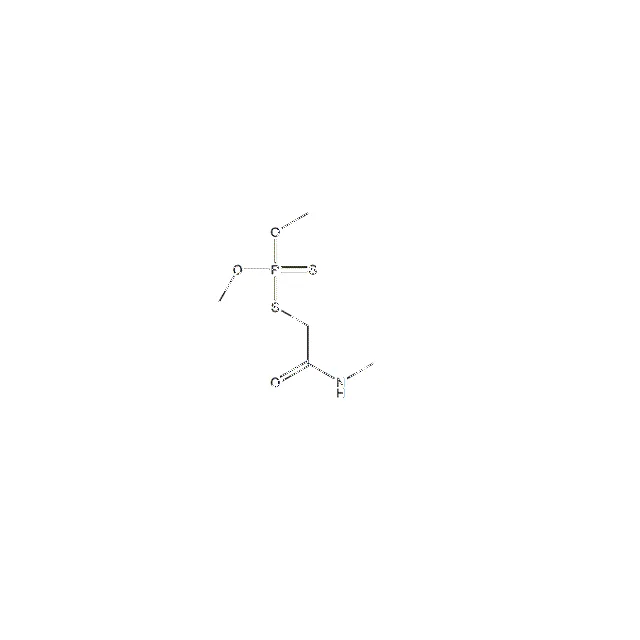
Dimethoate
Pure product is white crystal, industrial product is light yellow solid or light yellow liquid with garlic odor. m. P.52-52.5 ℃, relative density 1.277 (20 ℃). Refractive index n65d1.5334 (65 ℃), volatility 0.107mg/m3. The vapor pressure is 1.13 × 10⁻³pa (25 ℃). At room temperature, the solubility is 80% methanol, 70% acetone, 70% dichloromethane, 65% chloroform, 65% cyclohexanone, 60% benzene, 40% toluene, 6.5% xylene, 2.0% carbon tetrachloride, 0.1% petroleum ether, and 2.9% in water. It is stable in the acid medium chemical book, easy to hydrolyze in the alkaline medium, k = 6.8min-1.mol-1 (25 ℃), and heavy metal ions (copper, manganese, iron) have catalytic hydrolysis. The hydrolysis rate T1 / 2 in aqueous solution is as follows: > 100D (pH 4,21 ℃), 120h (pH 7,20 ℃), 6.5h (pH 9,70 ℃), 1min (pH 13,21 ℃). In the storage period, it will decompose slowly, the decomposition speed is related to the purity and temperature, the purity is high, the temperature is low, the decomposition speed is slow, 40% emulsifiable oil is stored at room temperature for one year, the content drops about 5%. The thermal stability is poor and isomerization occurs during heating.
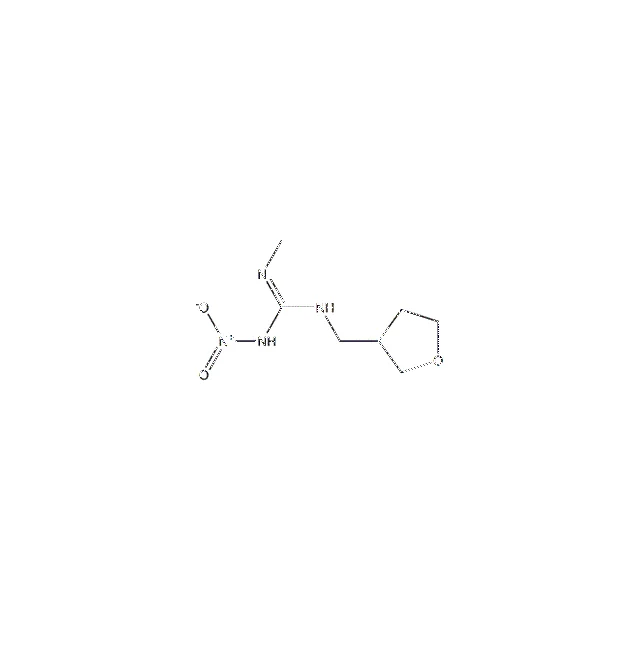
Dinotefuran
Furosemide (the latest generation of super nicotine insecticides. Its chemical structure is quite different from the existing nicotine insecticides. Its tetrahydrofuran group has replaced the previous Chloropyridine group and chlorothiazolyl group, and it does not contain halogen elements. At the same time, its performance is different from that of nicotine.
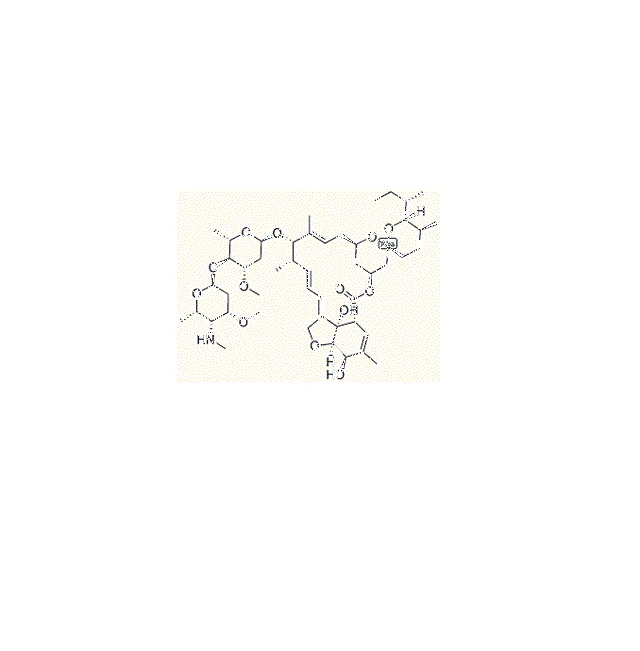
Emamectin Benzoate
Carbamate benzoate is a kind of non residual and pollution-free biological pesticide. It has a very high activity to the larvae of Lepidoptera and many other pests and mites. It has both stomach toxicity and contact killing effect. It has a very good effect at a very low dose (0.084 ~ 2G / HA). In addition, it has no harm to the beneficial insects in the process of pest control, which is conducive to the comprehensive pest control. In addition, it is also beneficial to the comprehensive pest control In addition, the insecticidal spectrum is expanded and the toxicity to human and livestock is reduced. Methaamamectin benzoate can enhance the function of neuroplasm, such as glutamate and GABA, so that a large number of chloride ions enter into nerve cells, resulting in the loss of cell function and disruption of nerve conduction. The larvae stop eating immediately after contact, causing irreversible paralysis and reaching the highest lethal rate within 3-4 days. Because of the close combination of abamectin benzoate and soil, it is not leached, nor accumulated in the environment. It can be easily absorbed by crops and permeated into the epidermis through movement and transfer, so that the applied crops have long-term residual effect. The second high peak of insecticidal death rate appears in more than 10 days, and it is rarely affected by environmental factors such as wind and rain.
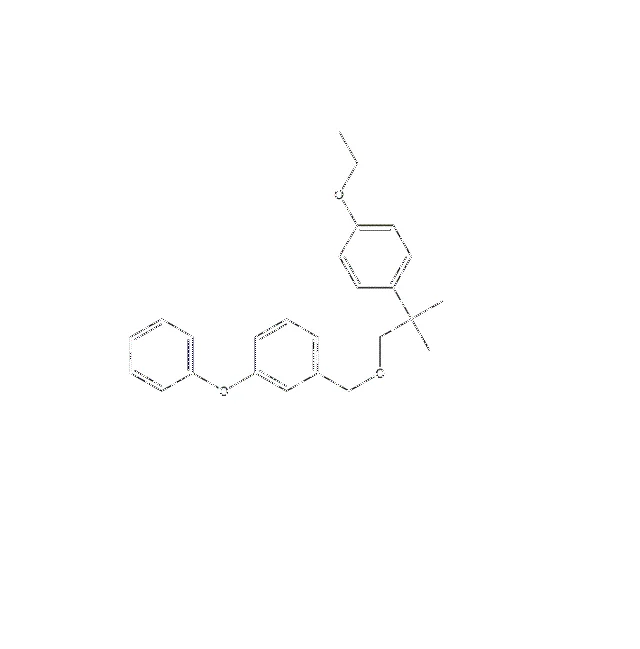
Etofenprox
This product has the characteristics of broad insecticidal spectrum, high insecticidal activity, fast knockdown speed, long residual period, and crop safety. It has the functions of contact killing, stomach poison and inhaling. It is used for the control of Lepidoptera, Hemiptera, Coleoptera, Diptera, Orthoptera and Isoptera pests, such as brown louse, white backed planthopper, black tailed leafhopper, cotton bollworm, red bollworm, peach aphid, melon aphid, white powder louse, cabbage worm, tea caterpillar, tea geometrid, tea prickly moth, peach and pear moth, citrus leafminer, tobacco nightmoth, Plutella, corn borer, stem borer, soybean moth, etc. No effect on mites. In order to prevent cotton bollworm and pink bollworm, during the period of egg hatching, larvae sprayed into buds and bolls before spraying with water with 10% suspension concentrate 15 to 18mL/100m2. The rice planthopper was treated with water spray of 0.6 to 0.9g active ingredient /100m2, water spray or 20% EC of 0.9 ~ 1.4g active ingredients.
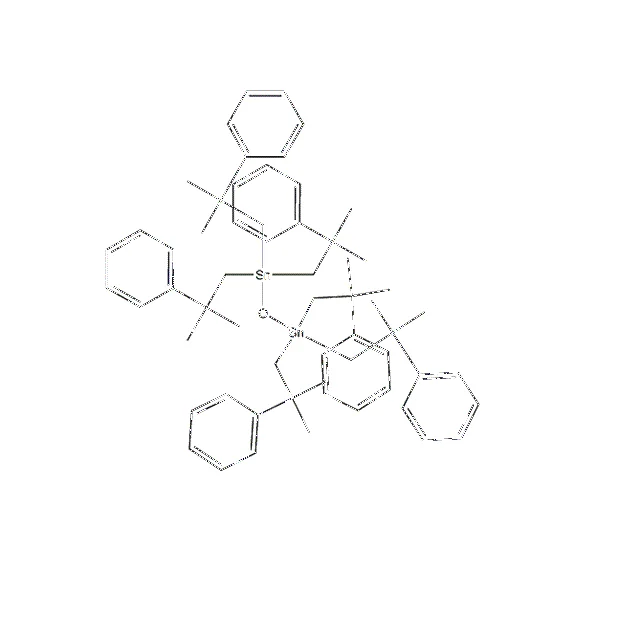
Fenbutatin Oxide
Organotin acaricide. It has good control effect on plant mite, gall mite and rust mite, good activity on young mite and adult mite, mainly contact killing effect, long residual effect, no inhaling effect, and poor effect on egg. It has no interaction with mites resistant to organophosphorus and is safe for crops and natural enemies. When it is used at high temperature, its effect is good. It can be used to control leaf mites in citrus, apple, pear, grape, tea tree, beans, eggplant, melon, tomato and other vegetables, as well as edible mites in ornamental plants. For example, prevention and cure of Citrus spider mite, spray with 2000~2500 wetting powder of 50% wettable powder, spray with 2000 times liquid of rust mite, while mites and rust mites can be treated simultaneously. The Hawthorn and apple spider mite were sprayed with 1000~1500 WP of 50% WP. The Tetranychus eggplant, beans and other vegetables were sprayed with 1500~2500 times liquid. The tea tree short mite and orange mite were sprayed with 1000~1500 times liquid.
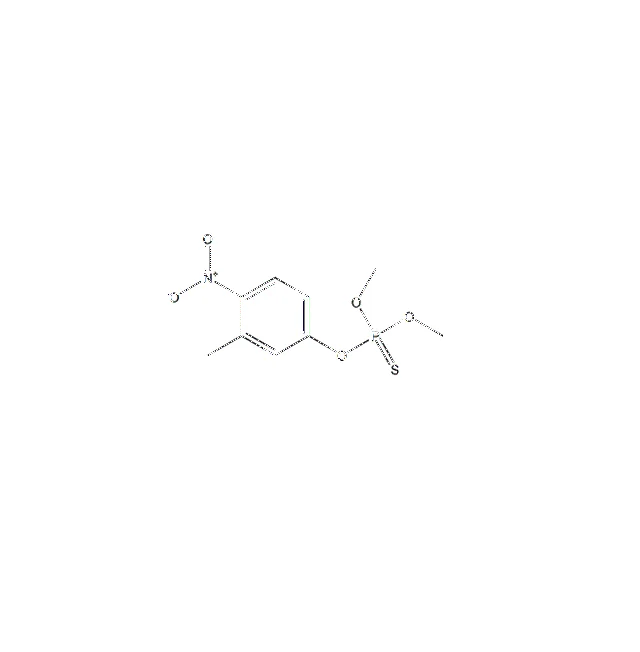
Fenitrothion
Broad spectrum insecticide has strong contact killing effect, good stomach toxicity, no inhaling and fumigating effect, but it has osmosis effect in plants. It has a special effect on the Chilo suppressalis, and can also prevent and control the Chilo suppressalis, the stem borer, the rice leaf roller, the rice bract early, the rice leafhopper, the rice planthopper, the rice thistle, the cotton aphid, the cotton bollworm, the red bollworm, the bug, the cotton thistle, the Spodoptera litura, the slime worm, the sweet potato weevil, the tea geometrid, the pear small carnivore, the peach small carnivore, the cabbage borer, the pine caterpillar, etc. It is mainly used for rice borer, soybean, cotton, fruit tree, tea, vegetable, etc. For example, to prevent rice borers, during the incubation period, use 50% milk oil 18.8 to 22.5mL per 100 square meters to pour water 60 to 75kg, or 50% to 7.5 to 11.3mL, spray 7.5 to 9kg of water, and control cotton bollworm, pink bollworm, cotton thrips, and spray with 1000~1500 times of 50% emulsifiable concentrate. It is easy to cause damage to sorghum and rape.
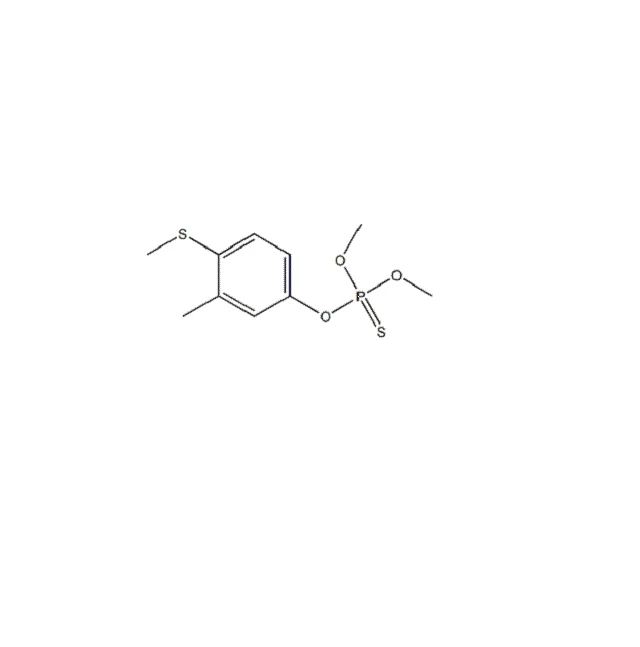
Fenthion
Bethion is a toxic insecticide, which has high toxicity to dogs and poultry, high toxicity to bees and no chronic toxicity. It has the functions of contact killing and stomach toxicity to pests and certain permeability to crops, but it has no function of internal absorption and conduction. It has a wide range of insecticidal and rapid functions. It is suitable for the control of many pests on rice, cotton, fruit trees, vegetables and soybeans, as well as mites. It is oxidized into sulfoxide and sulfone in plant body, and its insecticidal activity is improved. The common pesticide formulation is 50% phoxim emulsifiable concentrate.
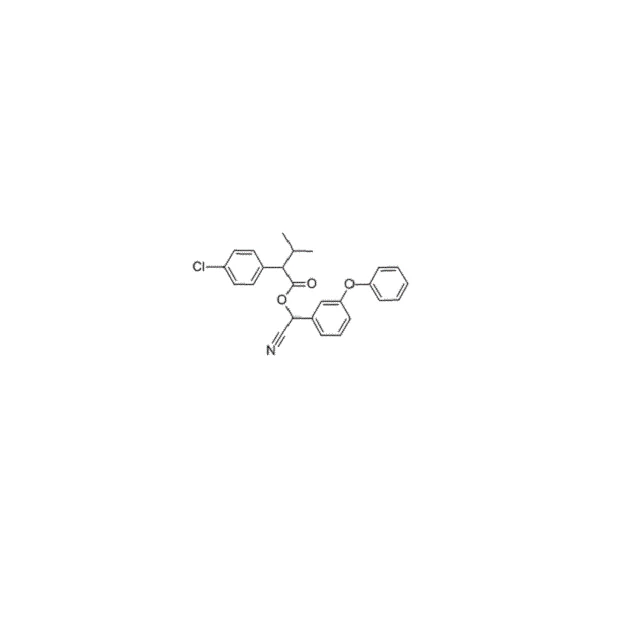
Fenvalerate
Broad spectrum, high efficiency and fast pyrethroid. It is mainly used for contact and stomach toxicity. It has no internal absorption and is ineffective against mites. It is effective for Lepidoptera larvae, Orthoptera, Hemiptera and Diptera pests. It is used to control cotton aphids, leafhoppers, bug bugs, cabbage worms, cabbage worms, soybean borers, wheat stickworms, pink bollworms, cotton bollworms, and citrus leaf miner larvae. It is recommended to spray 2000 times water with 20% EC. Be careful not to use near mulberry garden, fish pond and bee farm. The resistant aphids and bollworms should not be used.
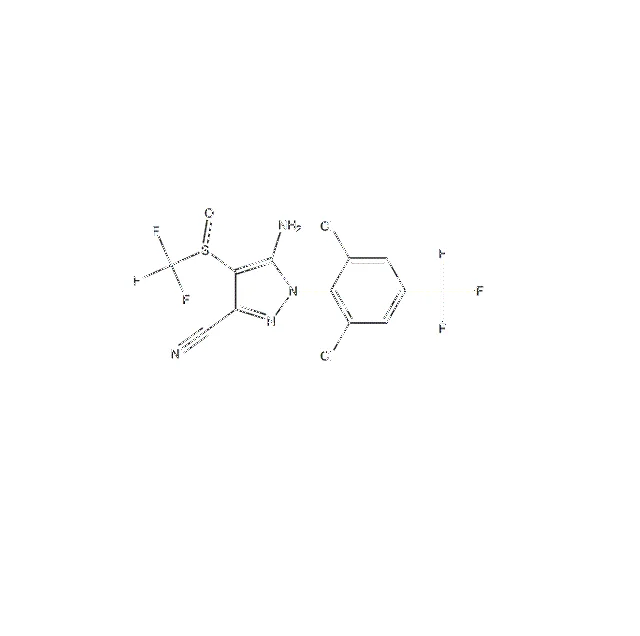
Fipronil
The pure product is white solid, m.p.200.5-201 ℃, relative density 1.48-1.63, vapor pressure 3.73 × 10⁻⁷pa (2.8 × 10⁻⁷pa) (20 ℃). Solubility: acetone 54.6g/100ml, dichloromethane 2.23g/100ml, methanol 13.75g/100ml, hexane and toluene 0.3g/ml, water 1.9mg/l. Partition coefficient (n-octanol / water) 4.0. It is stable under normal storage conditions, with a half-life of 135d in water and 8h in water. It is mainly used in rice, sugarcane, potato and other crops. Animal health care is mainly used to kill fleas and lice and other parasites on cats and dogs.
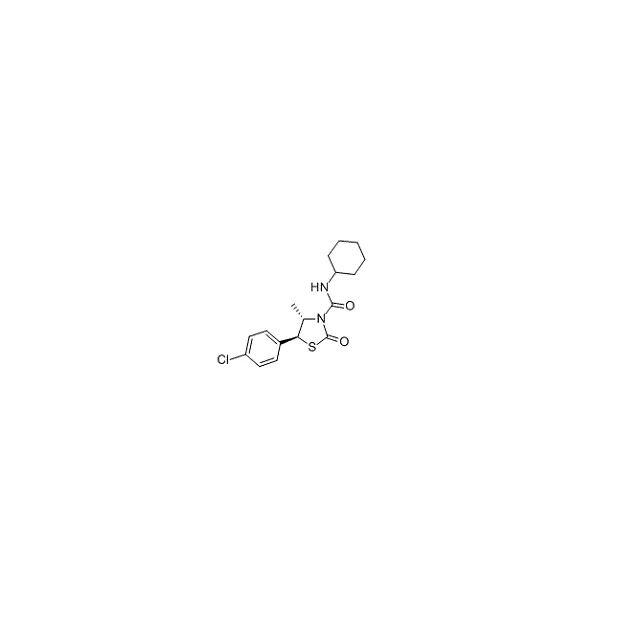
Hexythiazox
As a growth regulator of thiadiazine insects, thioacaridone has high selectivity, strong contact effect and stomach toxicity. It has good control effect on homopterous planthoppers, leafhoppers, whiteflies and scale hydrocarbon pests, and also has long-lasting larvicidal activity against some coleoptera pests and mites. It can effectively control planthoppers and leafhoppers on rice, leafhoppers on tea, leafhoppers on potatoes, whiteflies on oranges and vegetables, and scale insects and scale insects on oranges. According to the domestic research, it has a certain role of internal absorption and transportation in rice plants. The mechanism of action is to inhibit chitin synthesis and interfere metabolism of insects, so that nymphs can not molt, or molt deformity, or feathering deformity and die slowly, with high nymph killing activity. Generally, the recommended dose can not directly kill the adults, but can reduce egg laying, egg hatching rate and life span. Generally, the effect can be seen only 3-7 days after the application of the medicine. It has no direct killing power to the adults, but it can shorten their life span, reduce their oviposition, and produce mostly sterile eggs. Even if the larvae hatch, they will die soon. It has good control effect on Hemiptera, leafhoppers, whiteflies and scale insects, and the effective period is more than 30 days. It is safe to natural enemies, and there is no cross resistance between thiaacaridone and other insecticides. The effect of the drug is slow, and the pest can be controlled 3-7 days after application. When the density of insect population is high, it should be mixed with quick acting agents.
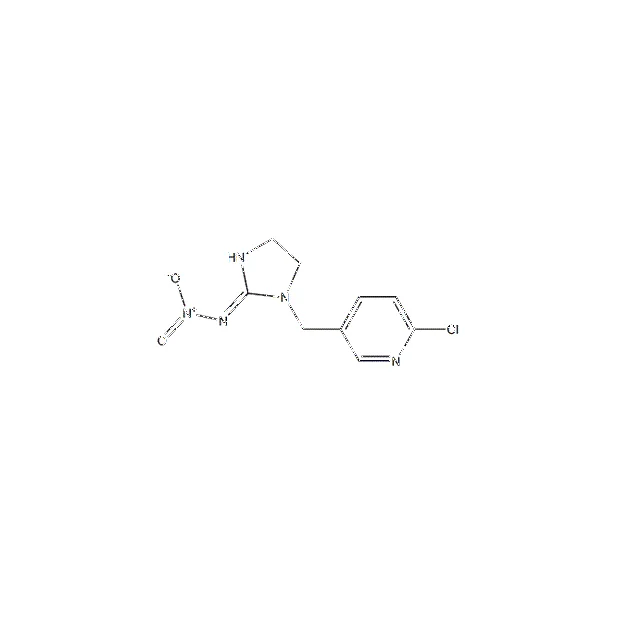
Imidacloprid
Imidacloprid, also known as mimaphid, piriujing, chlorpyrifos and Bidan, is a kind of high-efficiency and broad-spectrum insecticide with stomach toxicity and contact killing effect. It has a long period of efficacy and has a good control effect on the insect pests of the bayonet mouthparts. The drug is a new structure compound. Its action point in insect body is nicotinic acid acetylcholinesterase receptor, which interferes with the motor nervous system of insect. This mechanism is completely different from the traditional insecticide, so it has no cross resistance. The medicine is mainly used to control the thorn sucking mouthparts pests on rice, wheat, cotton and other crops.