

Insecticides Farm Chemicals (53)
Showing 1–12 of 53 products · Page 1 of 5
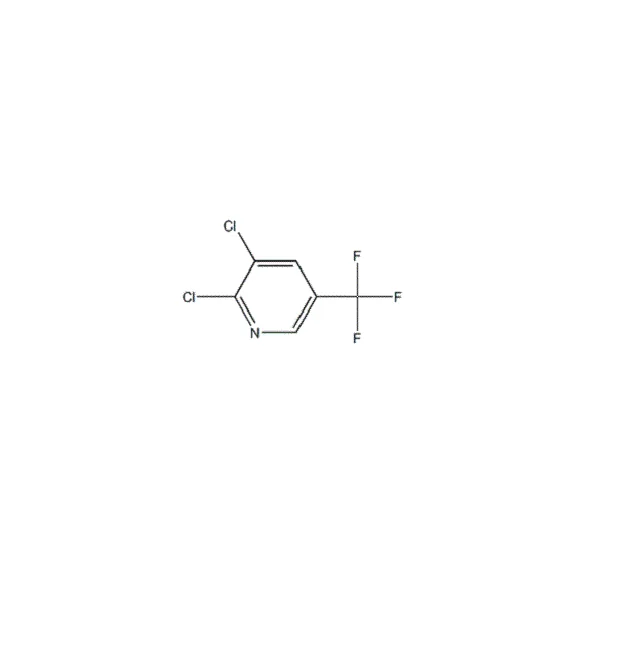
2,3-Dichloro-5-(trifluoromethyl)pyridine
2,3-dichloro-5-trifluoromethylpyridine is the intermediate of diflubenzuron and diflubenzuron, and it can also be used to synthesize the herbicide flupyrifenone.
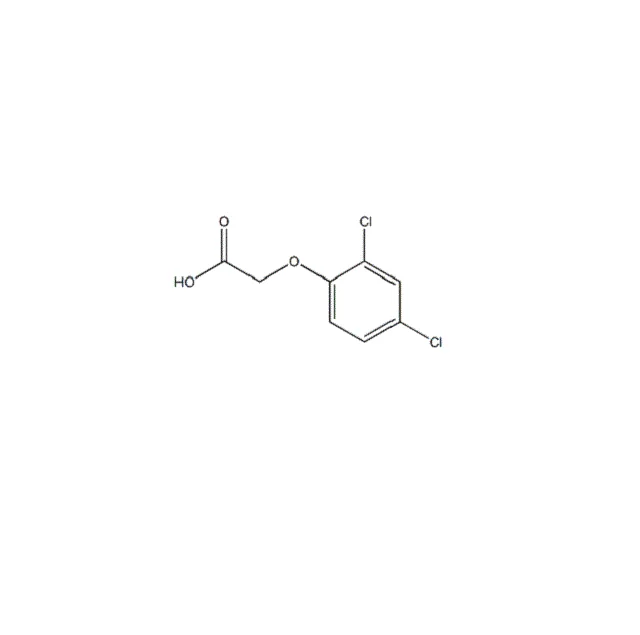
2,4-Dichlorophenoxyacetic Acid
White crystal. Melting point: 138 ℃, boiling point: 160 ℃ (53pa). Soluble in ethanol, acetone, ether, benzene and other organic solvents, insoluble in water. The oral ld50375mg / kg of rats. As a chemical antiseptic and bactericide, it can be used for the fresh-keeping of vegetables and fruits according to the regulations of our country. The maximum usage is 0.01g/kg, and the residue is not more than 2.0mg/kg.
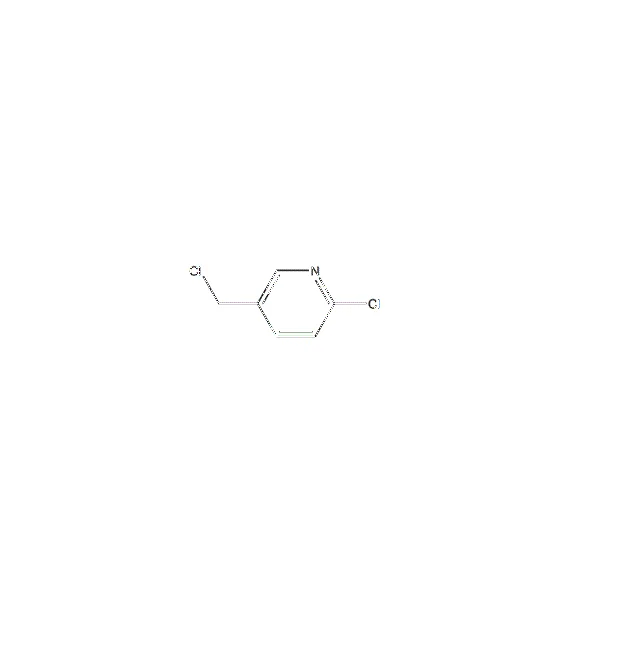
2-Chloro-5-chloromethylpyridine
2- chloro-5-chloromethylpyridine is colorless crystal, m.p.35-36 ℃, b.p.88-90 ℃ / 400pa, industrial product is orange red liquid or viscous, with pungent smell, soluble in a variety of organic solvents, weak alkali, soluble in organic acids. 2-chloro-5-chloromethylpyridine is the intermediate of imidacloprid and acetamiprid.
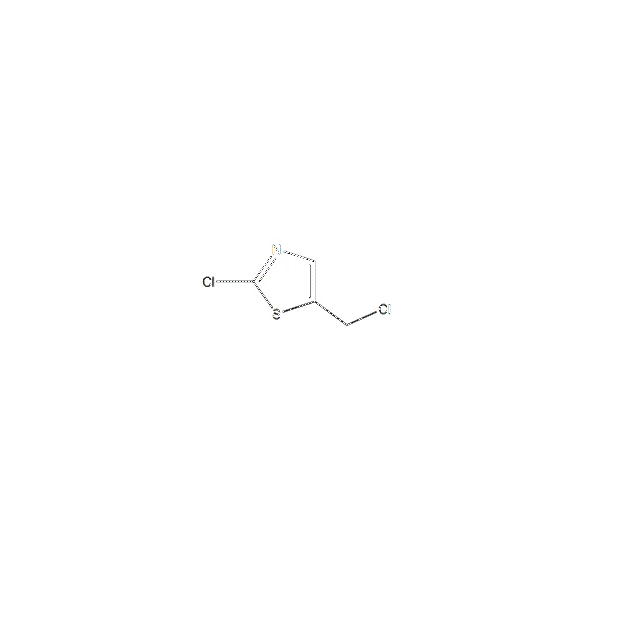
2-Chloro-5-chloromethylthiazole
2-chloro-5-chloromethylthiazole (CCMT) is a kind of light yellow crystal or light yellow liquid with content of ≥ 98% and melting point of 29-31 ℃. It is a necessary intermediate for the synthesis of thiamethoxam, thiametholine, chlorothialine and other second-generation new nicotine insecticides. The action mechanism of the second generation of new nicotine insecticides is similar to that of the first generation of new nicotine insecticides, but it has the advantages of lower dosage, wider insecticidal spectrum and higher safety. It can not only prevent and control the above ground and underground pests, but also treat the stems, leaves, soil and seeds.
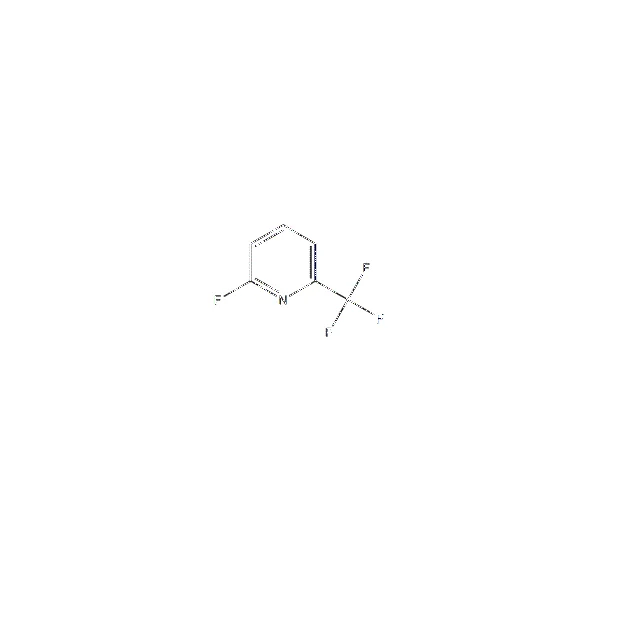
2-Fluoro-6-trifluoromethylpyridine
Boiling point: 121.6 ± 35.0 ° C (predicted)
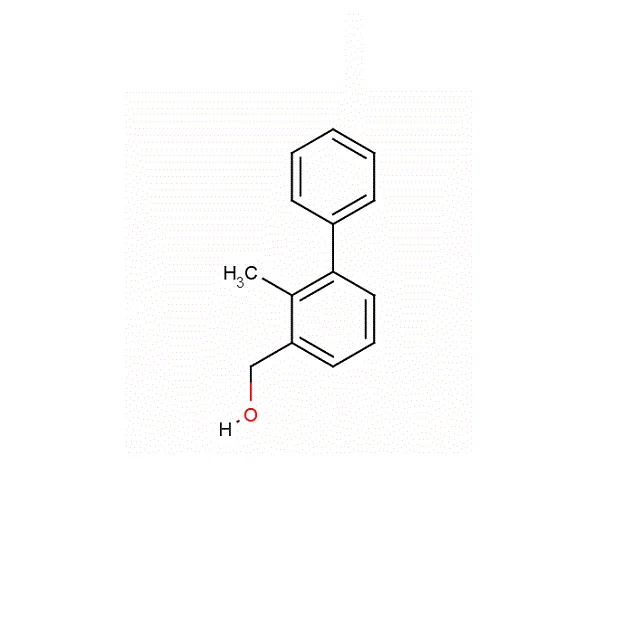
2-methyl-3-biphenylmethyanol
It is white crystal at room temperature, soluble in ethanol, benzene, toluene and other organic solvents, insoluble in water. Biphenyl alcohol is flammable. Moderate toxicity, lack of specific toxicity data and toxic symptoms, please refer to the relevant toxicity of biphenyls. It is mainly used as pesticide intermediates such as pyrethroid insecticides.
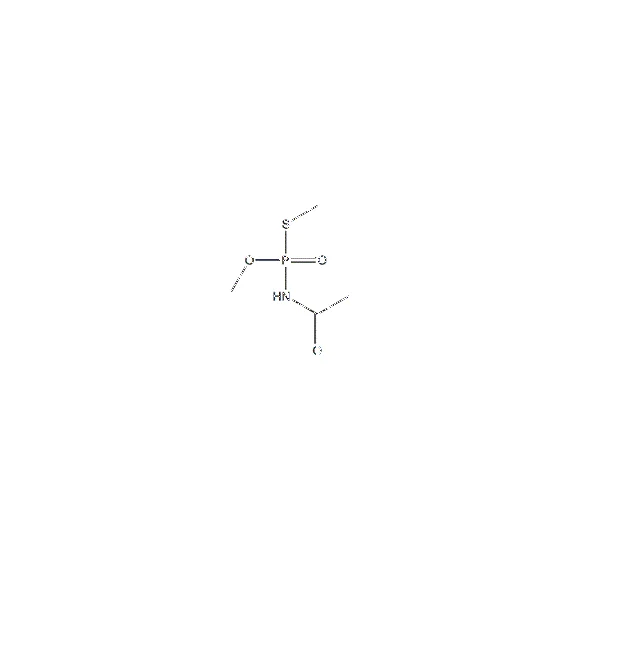
Acephate
Acephate, also known as high phosphorus control, was found by Dr. J.M. Grayson of the United States in 1972 to be a highly effective and low toxic broad-spectrum organic phosphorus insecticide, which can be absorbed and transported by plants, and has the functions of stomach toxicity, contact killing, fumigation and egg killing. The gastric toxicity to Lepidoptera is greater than the contact toxicity, and the contact toxicity to aphids and mites is slower. Generally, the contact toxicity is exerted 2-3 days after application. The half-life in soil is three days. The mechanism of action is to inhibit cholinesterase in insects. Acephate can last for 10-15 days on the leaves. It has good control effect on the main pests of rice, wheat, cotton, corn, vegetable, legume, fruit tree, sugarcane, tobacco, herbage, tea and other crops. It is mainly used to control rice planthopper, leafhopper, thrips, leaf roller, borer, cotton weevil, cotton bollworm, fruit fruit fruit borer, cabbage worm, Plutella xylostella, Spodoptera crassifolia, various aphids, armyworm, etc. If it is mixed with carbaryl, dimethoate and other pesticides, it has synergistic effect and can increase the duration of efficacy.
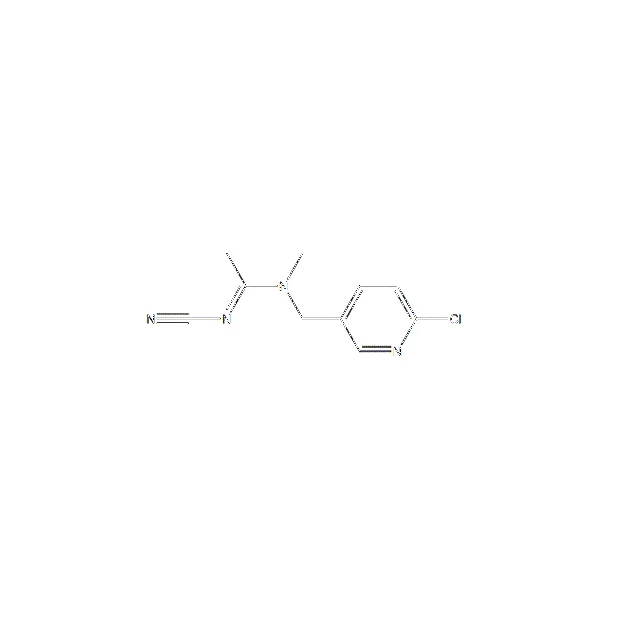
Acetamiprid
Acetamiprid, also known as mobiland, is a new insecticide, belonging to nitromethylene heterocyclic compounds. It acts on nicotinic acetylcholine receptor at the synapse of insect nervous system, interferes with the stimulation and conduction of insect nervous system, causes the blocking of nervous system pathway, and causes the accumulation of neurotransmitter acetylcholine at the synapse, which leads to insect paralysis and eventually death. It has the functions of contact killing, stomach toxicity, strong penetration, quick effect and long duration.
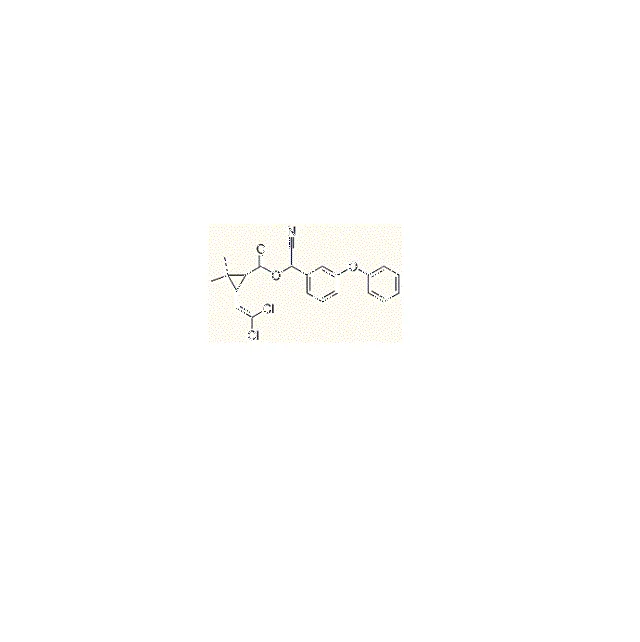
Alpha-Cypermethrin
The pure product is white to cream crystal. m. P.80.5 ℃, relative density 1.12, vapor pressure 170 × 10-6pa at 20 ℃. Soluble in alcohol, ketone and aromatic hydrocarbon organic solvents, such as 515g / L cyclohexanone, 315g / L xylene, solubility in water 5-10mg / L (0.01-0.2mg / L). It is stable in acid and neutral conditions, hydrolyzable in strong alkaline conditions and has good thermal stability. Cypermethrin efficient isomer. It has the functions of contact killing and stomach toxicity, broad insecticidal spectrum, fast knockdown rate and high biological activity. It is mainly used to control various crop pests and sanitary pests on cotton, vegetables, fruit trees and tea.
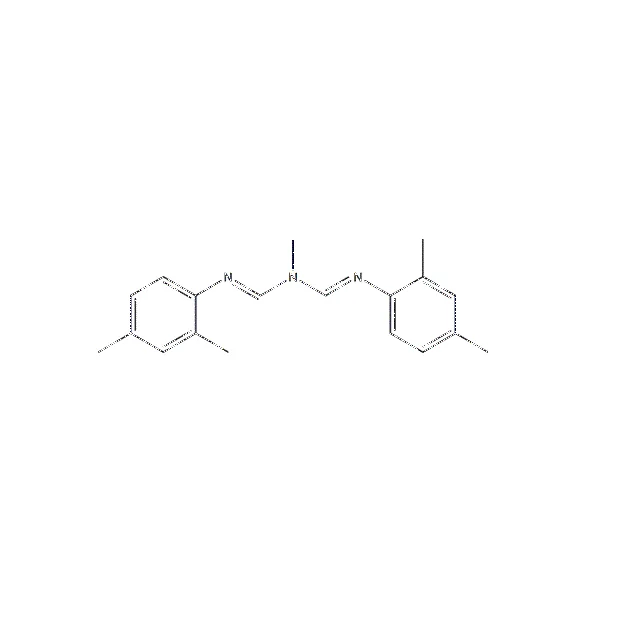
Amitraz
Amitraz is also known as acaricide, amitraz and acaricide. It is a kind of broad-spectrum amitraz insecticide, which belongs to moderate toxicity. The original drug is white or yellow needle like crystal with the taste of some carbonamines, with a density of 0.3, melting point of 86-87 ℃, vapor pressure of 506.6 × 10⁻⁷pa at 20 ℃, slightly soluble in water, soluble in xylene, acetone, methanol and other organic solvents. It is stable for temperature and light under anhydrous condition. Unstable in acid. It is not inflammable and explosive. It is easy to decompose and deteriorate when stored in a humid place for a long time. It has the functions of contact killing, antifeeding and repellent, as well as stomach poison, fumigation and inhaling. It is effective for all kinds of mites, but not for overwintering eggs. It has a variety of toxic mechanisms, mainly inhibiting the activity of monoamine oxidase and stimulating the non cholinergic synapses in the central nervous system of mites. Mites resistant to other acaricides also had higher activity. The effective period is 40-50 days. It is mainly used in fruit trees, vegetables, tea, cotton, soybeans, beets and other crops to control all kinds of mites. It has good control effect on wood lice, some Lepidoptera eggs, scale, aphid, cotton bollworm, pink bollworm and so on. It can also control tick mites of cattle, sheep and bee mites. Dimeform can be mixed with organophosphorus, pyrethroids, abamectin and other pesticides, which has synergistic effect and can expand the insecticidal spectrum. The mixture was 10.8% avermectin.
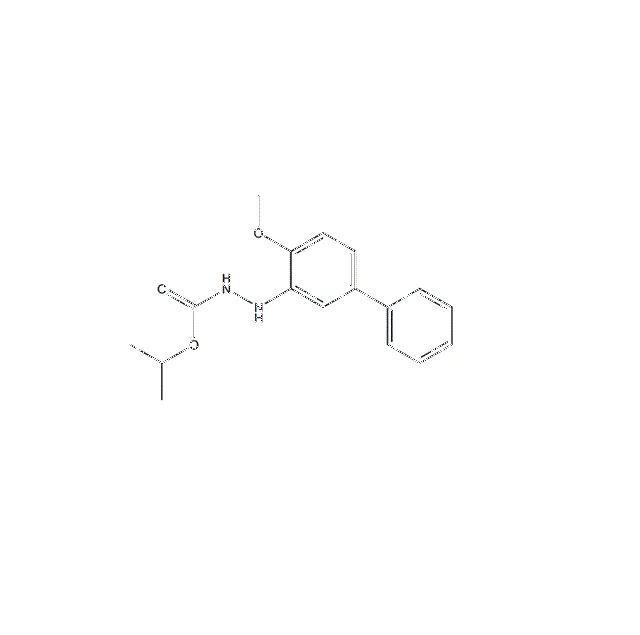
BIFENAZATE
Diphenyl hydrazine is a new type of acaric agent for selective leaf spray. Its mechanism of action is its unique action on the inhibitor of mitochondrial electron transport chain complex III [1]. It is effective for all life stages of mites, with egg killing activity and knockdown activity for adult mites (48-72 h), and has a long period of validity. The duration of validity is about 14 days, and it is recommended to use within the dose range for crop safety. Low risk to parasitoids, predacious mites and sandflies.