

Insecticides Farm Chemicals (53)
Showing 13–24 of 53 products · Page 2 of 5
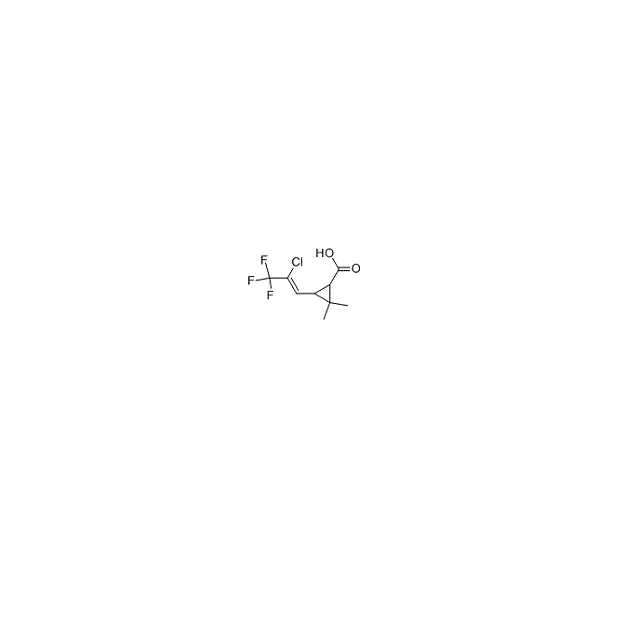
BIFENTHRIN ACID
This product is a white powder solid, m.p.108-110 ℃, insoluble in water, soluble in benzene, toluene and other organic solvents. Pyrethroid is one of the important intermediates of pyrethroid insecticides. It can be used to synthesize pyrethroid with high efficiency.
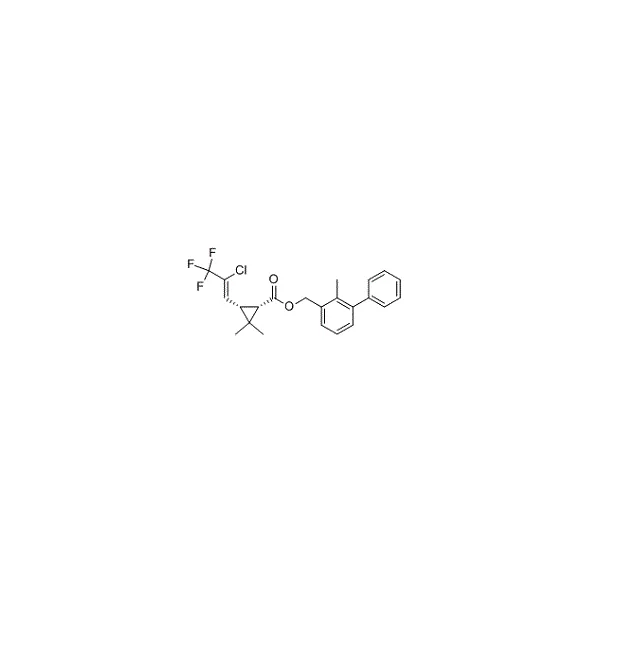
Bifenthrin
Bifenthrin is one of the new agricultural insecticides developed rapidly in the 1970s and 1980s, which is widely used in the world. Bifenthrin has moderate toxicity to human and livestock. It has high affinity and insecticidal activity in the soil. It has stomach toxicity and contact killing effect on insects. It is used in a variety of crops to control aphids, mites, cotton bollworm, pink bollworm, peach borer, leafhopper and other pests.
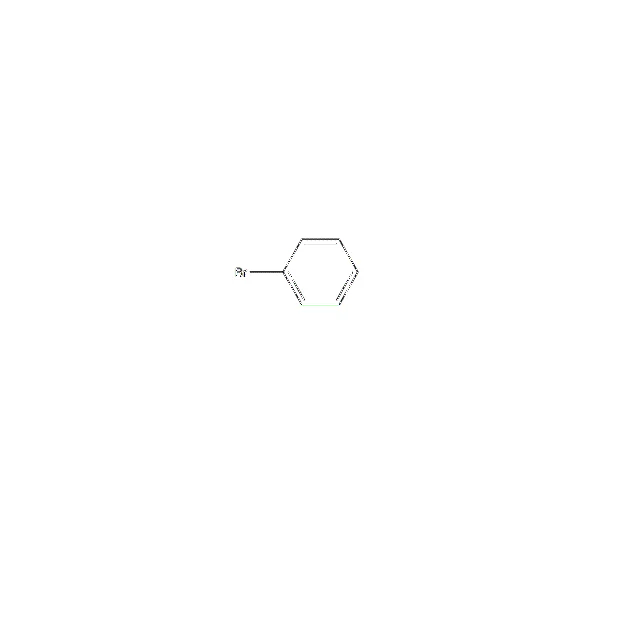
Bromobenzene
The product is colorless and mobile liquid at room temperature, with pleasant aromatic smell, and is miscible with benzene, chloroform and petroleum hydrocarbon. It is irritant to the skin and anesthetic to the nerves. Its toxicity is stronger than chlorobenzene. Inhalation of the vapor can cause anemia and damage to the liver. The electrophilic substitution of bromobenzene is more difficult than that of benzene. The second substituent enters the o or P position of bromine atom (similar to chlorobenzene). The interaction between bromobenzene and metallic magnesium can produce phenylmagnesium bromide, which is an important Grignard reagent in organic synthesis.
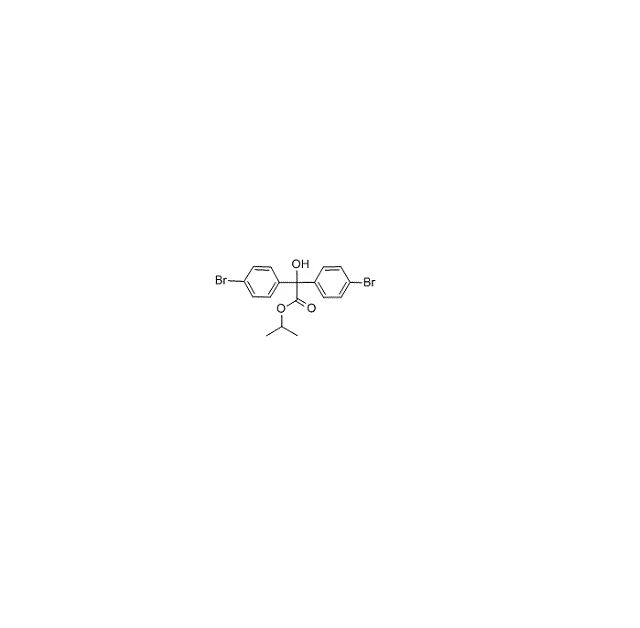
Bromopropylate
Broad spectrum acaricide has strong contact killing effect and no inhaling effect. It has high activity to RUOYE mite, adult mite and egg, but the effect of temperature change is not significant. It can be used in cotton, fruit trees, vegetables, tea trees to control Tetranychus, gall mite, linear mite and other harmful mites. For example, control of Tetranychus citrus spider mite, spray with 1250~2500 times liquid of 50% emulsifiable concentrate, spray of 2500 times of rust mite, spray of hawthorn spider mite and apple spider mite with 1000~1250 times liquid; spraying tea leaf mite and orange mite with 2000~4000 times liquid; prevent cotton spider mite from 20 to 30mL of 50% emulsifiable concentrate, spray 50 to 75kg of water; 50% MEC of 25 TEG to 40mL of various vegetable mites, spray water 50 to 75kg. The pesticide has a long residual period, is safe to crops, natural enemies and bees, and has cross resistance to dicofol.
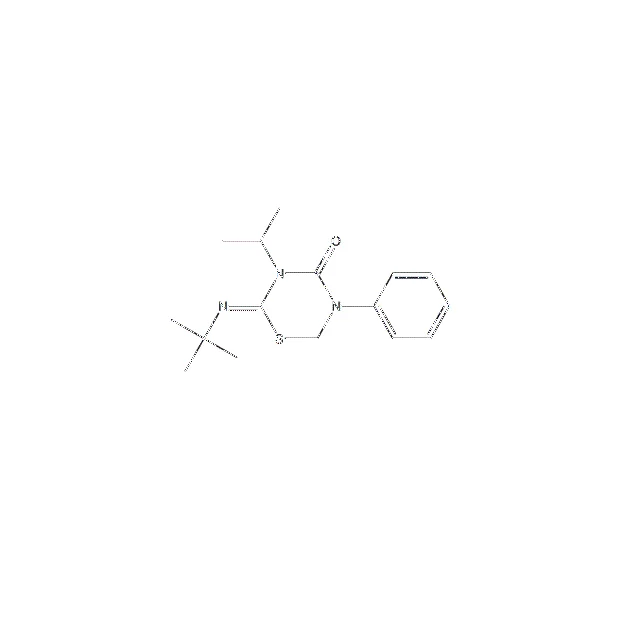
Buprofezin
Thiazidone is a new type of selective insecticide which can inhibit the growth and development of insects. It has strong contact effect and stomach toxicity. The mechanism of action is to inhibit the synthesis of chitin and interfere with metabolism of insects, resulting in the deformity of nymphs after peeling or the deformity of adult wings and slow death. Generally, the effect is not obvious until 3-7 days after the application of the insecticide, but it can shorten the life span, reduce the amount of spawning, and produce mostly sterile eggs, and the larvae will die soon even if they hatch. Thiazinone is highly selective and has good control effect on homopterous planthoppers, leafhoppers, whiteflies and scale insects. It also has long-lasting larvicidal activity against some Coleoptera and mites. It can effectively control planthoppers and leafhoppers on rice, leafhoppers on tea, leafhoppers on potatoes, whiteflies on oranges and vegetables, scale insects on oranges, scale insects on fruit trees and tea trees, etc. The effective period is more than 30 days. It is safe to the natural enemies of pests and has good comprehensive effect. There is no problem of cross resistance with other insecticides.
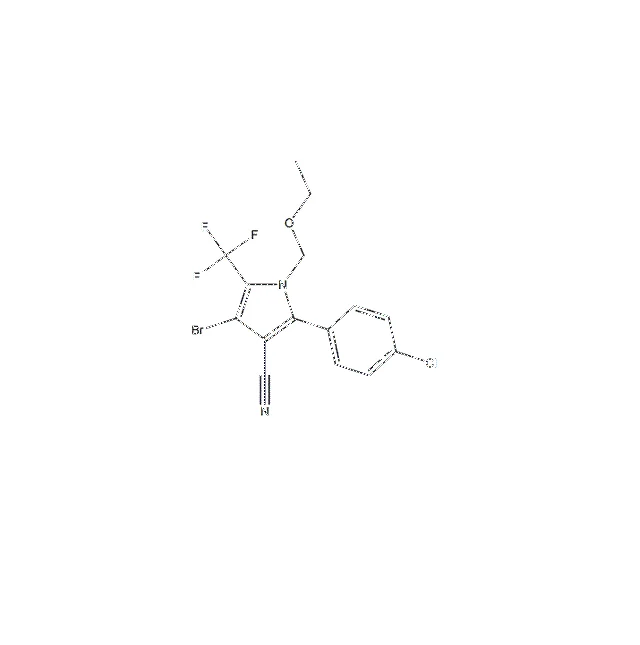
Chlorfenapyr
A novel pyrrole insecticide and acaricide. It has good control effect on borer, sucking and chewing pests and mites. It is more effective than cypermethrin and flufenpropathrin, and its acaricidal activity is stronger than dicofol and tricyclohexyltin. The insecticide has the following characteristics: broad-spectrum insecticidal and acaricidal agents; both gastric toxicity and contact killing effect; no cross resistance with other insecticides; moderate residual activity in crops; selective endosuction activity through root absorption in nutrient solution; moderate oral toxicity to mammals, low dermal toxicity; low effective application amount (100g effective ingredient / hm2). Its remarkable insecticidal activity, acaricidal activity and unique chemical structure have attracted extensive attention.
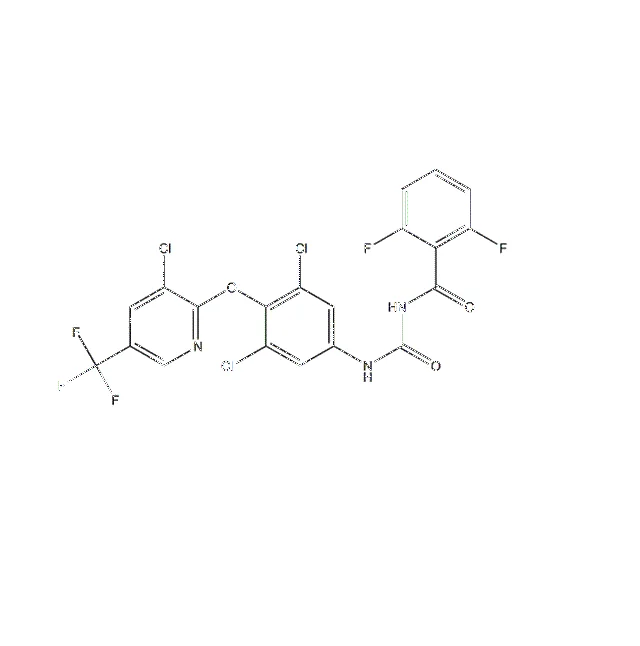
Chlorfluazuron
Fludiureas are benzoylureas, which have unique mechanism, high efficiency, low toxicity and environmental friendliness. It can be used in vegetables, cotton, fruit trees, pine trees, etc., mainly for the control of cabbage worm, Plutella xylostella, cotton bollworm, Apple peach small carnivore and pine caterpillars, etc., with remarkable control effect, especially for the control of vegetable pests, it will become one of the main varieties to replace the high toxic pesticides used now, and provide a new pesticide variety for the production of green food.
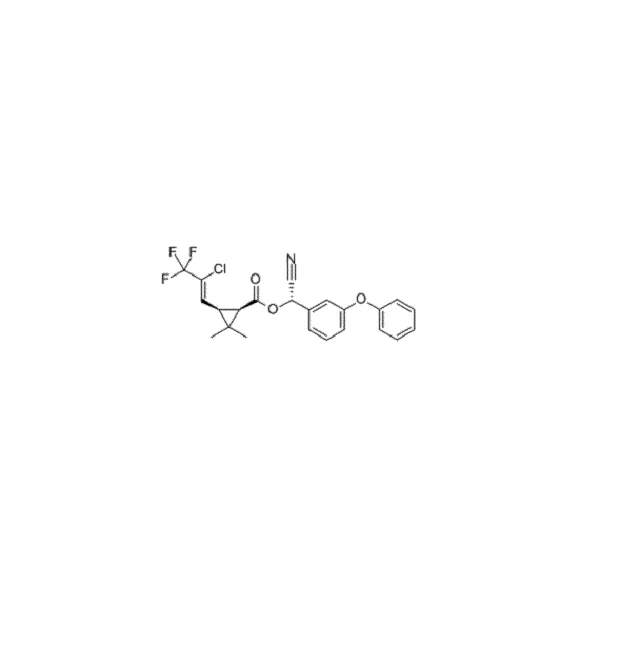
Cyhalothrin
It is an effective, broad-spectrum and quick acting pyrethroid insecticide and acaricide. It is mainly contact killing and stomach toxicity, and has no inhaling effect. It has good effect on Lepidoptera, Coleoptera, Hemiptera and other pests, as well as leaf mite, rust mite, gall mite, tarsonid mite, etc. it can be treated simultaneously when the mite and mite are concurrent, and it can prevent and control cotton bollworm, cabbage worm, cabbage constrictor aphid, tea geometrid, tea caterpillar, tea orange gall mite, leaf gall mite, orange leaf moth, orange aphid, and citrus leaf mite, rust mite, peach fruit borer It can also be used to control a variety of surface and public health pests. In order to prevent cotton bollworm and Helicoverpa armigera, the 2.5% generation of second, third times of egg spray was used to spray the red spider, the bridging worm and the cotton bollworm. The control of cabbage caterpillar and aphid were sprayed at the concentration of 6 ~ 10mg/L and 6.25 ~ 12.5mg/L respectively, and the spraying of 4.2 ~ 6.2mg/L concentration was carried out to control the leaf miner of citrus.
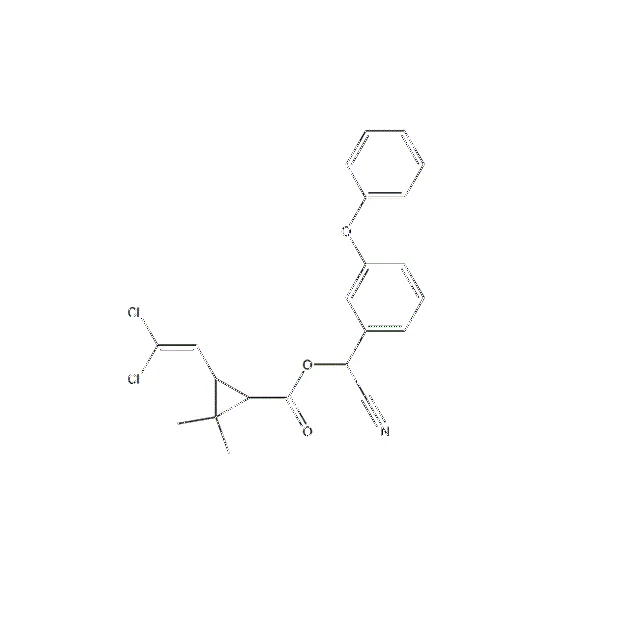
Cypermethrin
Cypermethrin is also known as methotrexate, cymbush, ripord, arrivo and cyperkill. Industrial products are yellow to brown viscous solids and viscous liquids at 60 ℃. It is stable to light, slow weight loss when the temperature is higher than 220 ℃, stable under weak acid neutral condition, decomposes in case of alkali, and hydrolysis half-life is 1 day. Cypermethrin is a moderately toxic insecticide, which acts on the nervous system of insects and disrupts the nervous function of insects through its interaction with sodium channels. It has the functions of contact killing and stomach toxicity, without inhaling. It has broad insecticide spectrum, rapid efficacy, stable to light and heat, and can kill the eggs of some pests. The control effect of this medicine on organophosphorus resistant insects is good, but it is not good for mites and mirids. It has a long residual period and is safe for crops when used correctly. It can be used to control flies, cockroaches, mosquitoes, fleas, lice, bedbugs and many other health pests in public places. It can also be used to control parasites outside livestock: ticks, mites and so on. In agriculture, it is mainly used to control Coleoptera, Lepidoptera, Orthoptera, Diptera, Hemiptera and Homoptera on alfalfa, cereal crops, cotton, grape, corn, rape, pear, potato, soybean, beet, tobacco and vegetables.
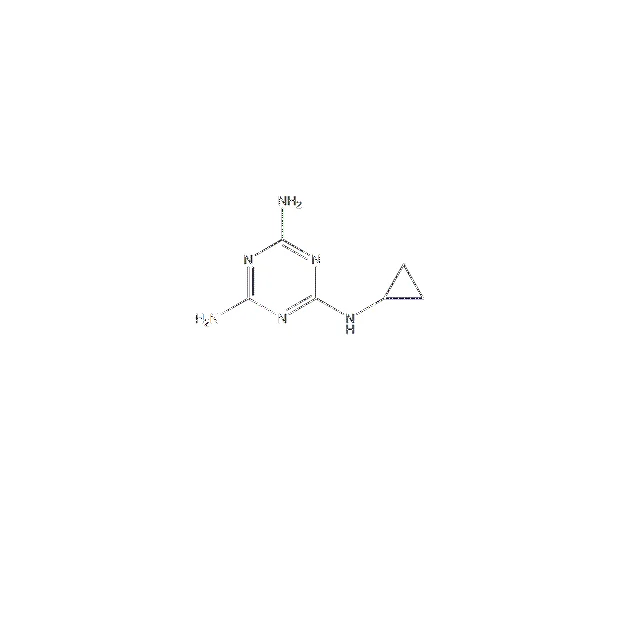
Cyromazine
Insect growth regulators against leafminer. It can make the larva and pupa of Diptera have morphological distortion during their development, and the emergence of adults is inhibited or incomplete, which indicates that it is due to the interference of molting and pupation. No matter by oral or local application, it has no lethal effect on adults, but the hatchability of eggs decreases after oral administration. It has the function of internal absorption on plants and strong conduction on leaves. It is absorbed by roots and transmitted to the top when applied to soil. It was applied to beans, carrots, celery, melons, lettuce, onions, peas, green peppers, potatoes and tomatoes with 12-30g / 100L medicament, or 75-225g / hm2. The effect of high dose was significantly longer than that of low dose. The dosage of soil application is 200-1000g / hm2, and the high dosage can keep the effect for 8 weeks.
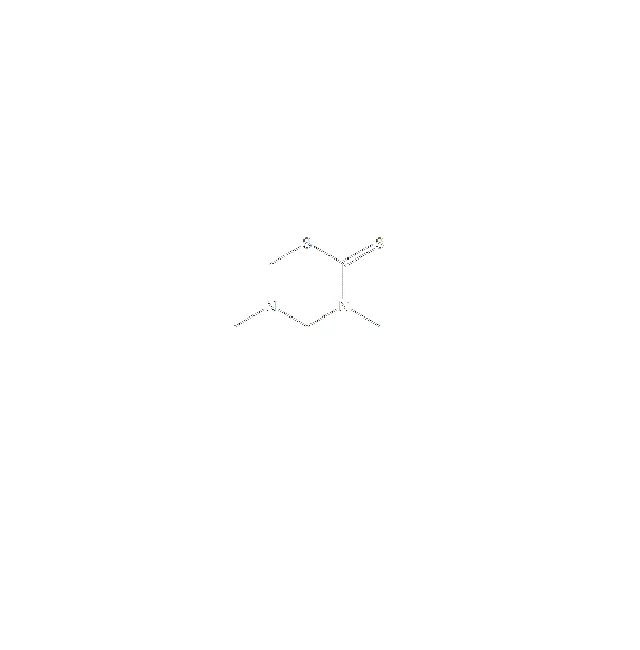
Dazomet
The pure product is white needle crystal, odorless, m.p.99.5 ℃ (decomposition) (104-105 ℃). The vapor pressure is 400 × 10-6pa. Soluble in acetone and chloroform; slightly soluble in ethanol and benzene; insoluble in ether and carbon tetrachloride; solubility in water is 0.12% at 25 ℃, slightly increased in warm water. It is easy to decompose in aqueous solution, and the decomposition speed is accelerated when the temperature is above 45 ℃, which affects the effect of medicament; it is easy to decompose in case of strong acid and alkali. Broad spectrum pesticide. Methyl isothiocyanate, formaldehyde and hydrogen sulfide are decomposed in the soil by the nematicide with fumigation effect, which can kill the root nodule nematode, stem nematode and heterodermic nematode. In addition, it has the functions of killing insects, killing bacteria and weeding.
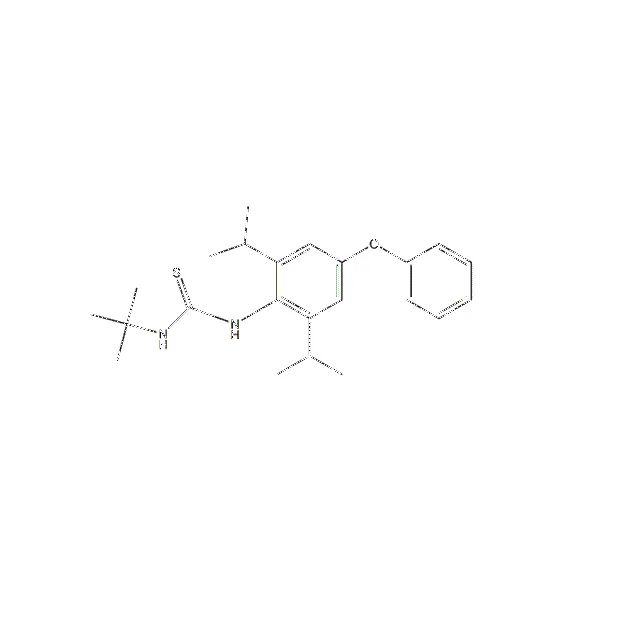
Diafenthiuron
White crystal, m.p.149.6 ℃, vapor pressure 2 × 10⁻⁶pa (220 × 10-9pa (20 ℃). Solubility at 20 ℃: dichloromethane 600g / L, cyclohexanone 380g / L, toluene 320G / L, acetone 280g / L, xylene 210g / L, hexane 8g / L, water 0.05mg/l. Stable to light. Thiourea insecticides and acaricides. It is mainly used in cotton, fruit trees, vegetables, ornamental plants, soybeans and other crops to control all kinds of mites, whiteflies, Plutella xylostella, Pieris rapae, aphids, leafhoppers, leafminers, scale insects and other pests and mites. The recommended dosage is 0.75-2.3g active ingredient / 100m2, with a duration of 21 days. The potion is safe for natural enemies.