

Insecticides Farm Chemicals (53)
Showing 37–48 of 53 products · Page 4 of 5
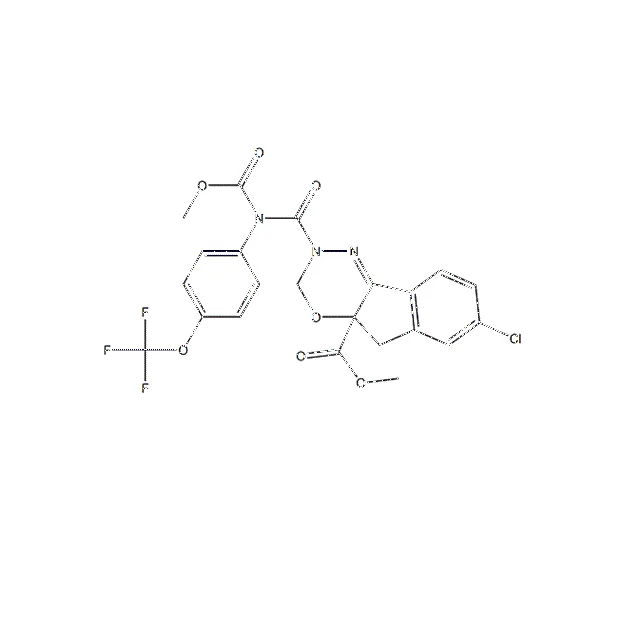
Indoxacarb
Ninhydrin is a typical representative of oxadiazine insecticides, and is also the first commercial sodium channel blocking insecticide (racemates are initially listed, and a rich group is newly listed). Although studies show that ninhydrin has a unique mechanism of action, which is different from any other existing insecticides, from a biological point of view, insect resistance to insecticides is a kind of stress Chemical phenomenon, which is accompanied by the selective action of insecticides on insects, exists the possibility of resistance of any new insecticides, including ninhydrin.
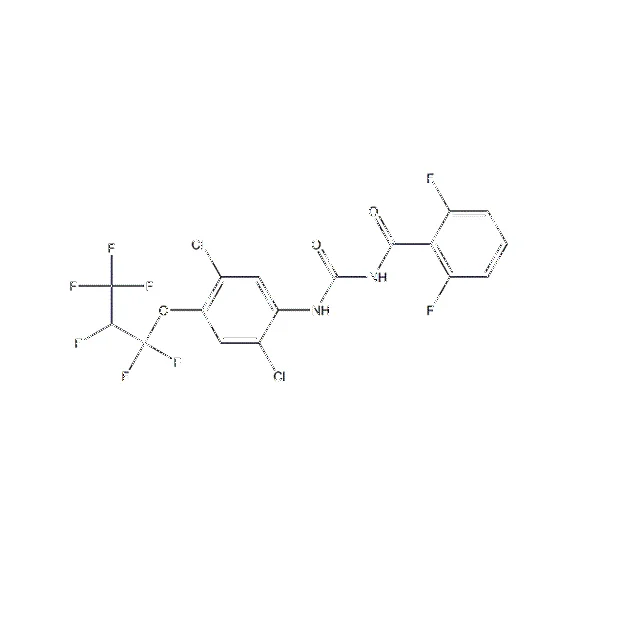
Lufenuron
It is mainly used for killing cat and dog in animal health.
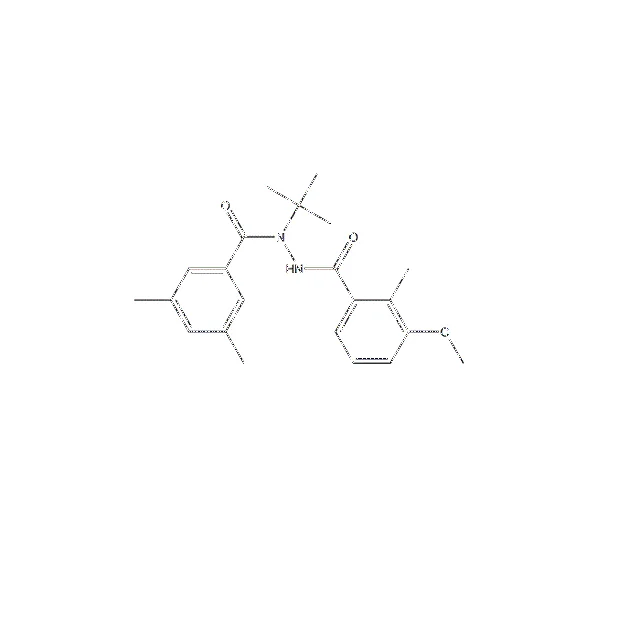
METHOXYFENOZIDE
Diarylhydrazide insect growth regulators and ecdysone insecticides interfere with the normal growth and development of insects and inhibit their feeding. It is mainly used for the functions of vegetables and farmland to control Lepidoptera pests on vegetables (melons, eggplants and fruits), apples, corn, cotton, grapes, kiwifruit, walnuts, flowers, beets, tea and field crops (rice, sorghum, soybeans). Especially for larvae and eggs. It is safe for beneficial insects and mites, with contact killing, root inhaling and other activities. Environmentally friendly. The recommended dosage is 20-30g active ingredient / hm2.
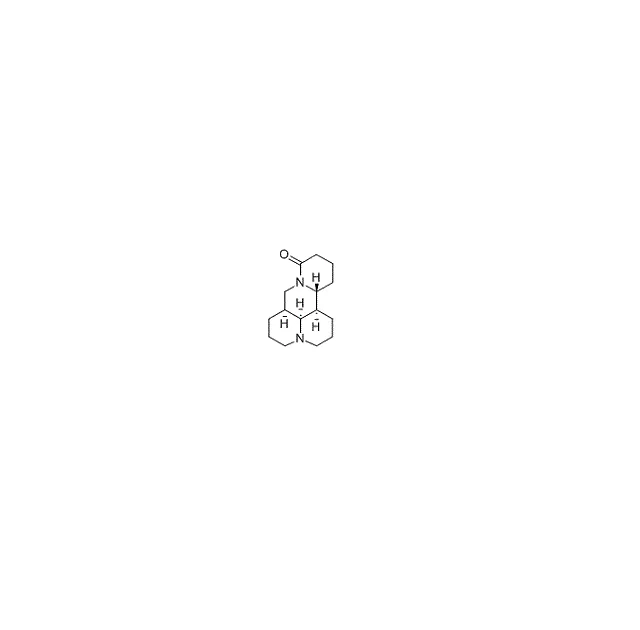
Matrine
Matrine is an alkaloid extracted from the roots, stems and fruits of Sophora flavescens, a legume plant, by ethanol and other organic solvents. The main components of Sophora flavescens are matrine, Oxymatrine, sophocarpine, Oxysophocarpine, sophoridine and other alkaloids. The content of matrine and Oxymatrine is the highest. With different crystallization conditions, matrine has four crystal types: α - type: acicular, melting point 76 ℃; β - type: short prismatic, melting point 87 ℃; γ - type: oily liquid, static transformation to α - type; δ - type: leaflike or prismatic, melting point 84 ℃. These crystal forms can transform into the same salts. Relative density is 1.0888 (85 / 4 ℃), refractive index is 1.52865 (85 ℃) [α] d20-39.11 ℃ water. Soluble in cold water, ethanol, ether, chloroform and benzene, insoluble in petroleum ether, less soluble in hot water than in cold water. Oxymatrine was produced by hydrogen peroxide oxidation. Matrine and Oxymatrine are easy to dissolve in water. However, the oxygen atoms in Oxymatrine share a pair of electrons with N atoms through a semi polar coordination bond, which is similar to alkaloid salts to a certain extent and has a large polarity. Therefore, the solubility in water is higher than that of matrine, and the solubility in organic solvent is lower than that of matrine.
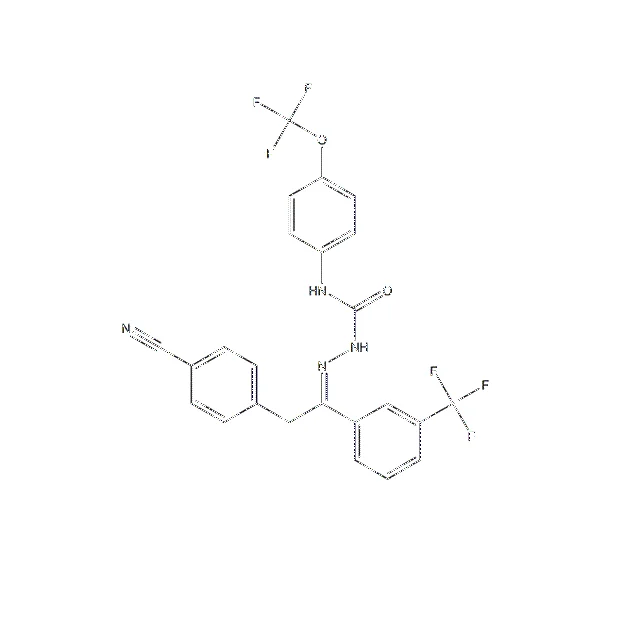
Metaflumizone
Cyfluzonazone is a new mechanism of action of insecticides, through the attachment to the receptor of sodium ion channel, blocking the passage of sodium ion, and no cross resistance with pyrethroids or other kinds of compounds. The drug is mainly through insect feeding into its body to produce stomach poison to kill pests, with little contact killing effect and no inhaling effect. The drug has a good control effect on target pests and larva of all ages. After the insect is fed, the drug enters the insect body, blocks the sodium ion channel on the axon membrane of the insect neuron through a unique mechanism of action, so that the sodium ion cannot pass through the axon membrane, and then suppresses the nerve impulse to make the insect body relax and paralyze excessively. After a few hours, the insect stops feeding and dies within 1-3 days.
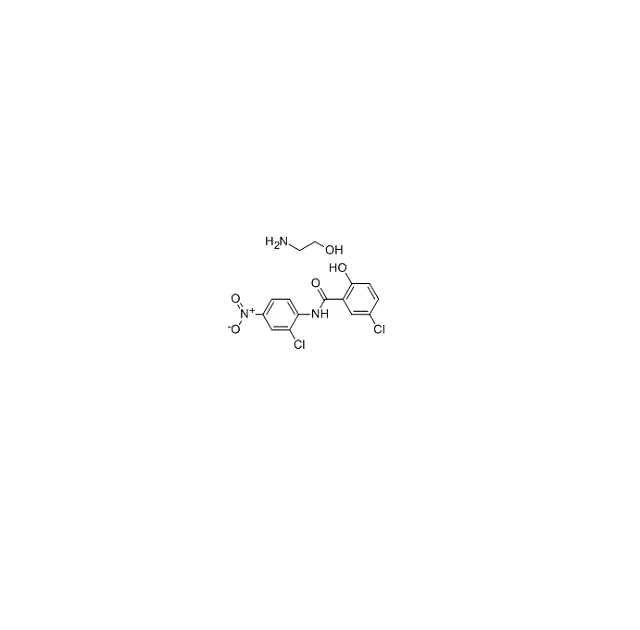
Niclosamide Ethanolamine Salt
Niclosamide ethanolamine salt is a chemical substance with the molecular formula of c15h15cl2n3o5. Do not let undiluted or large amount of products that are slightly harmful to water contact with groundwater, watercourse or sewage system. Do not discharge materials into the surrounding environment without permission of the government.
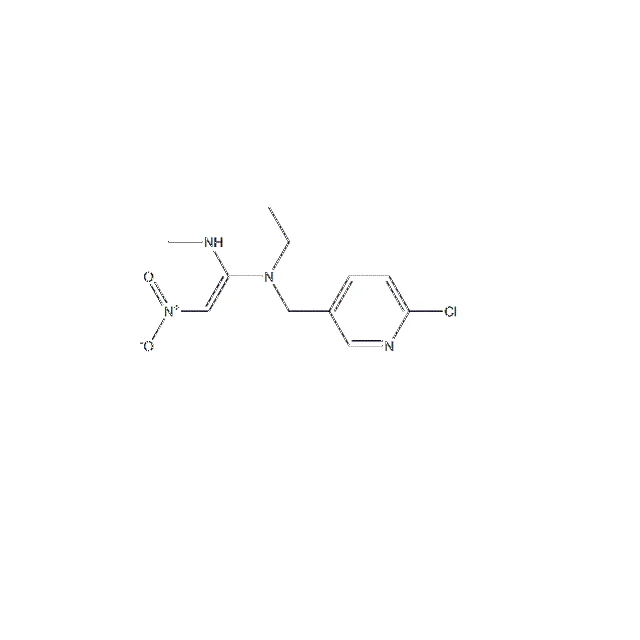
Nitenpyram
Nicotinimide is a new product developed in Japan after imidacloprid and imidacloprid. It has excellent absorption, penetration, broad insecticidal spectrum, and is safe and harmless. It is a new generation product for the control of insect pests such as whitefly, aphid, pear Psylla, leafhopper and thrips.
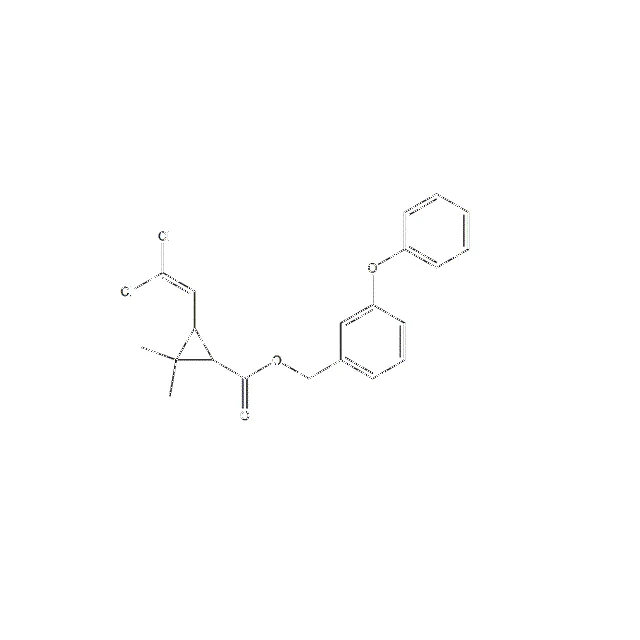
Permethrin
The pure product is solid, and the original drug is brownish yellow viscous liquid or semi-solid. Relative density 1.21 (20 ℃), 1.202 (32 ℃), m.p.34-35 ℃, b.p.200 ℃ / 1.33pa, 220 ℃ / 39.99pa, vapor pressure 4.53 × 10⁻⁵pa (25 ℃), refractive index n20d1.5690, flash point > 200 ℃, viscosity 25 × 10-2Pa · s (30 ℃). At 30 ℃, the solubility is more than 50% in acetone, methanol, ether and xylene, less than 3% in glycol and less than 0.03mg/l in water. Permethrin is stable in acid and neutral conditions and decomposes in alkaline medium; its half-life is 500h in water and 15d (20 ℃) in fertile soil; its half-life is about 4D in visible light and ultraviolet light, and its half-life is up to 3 weeks in weak light; the agent is resistant to rain wash.
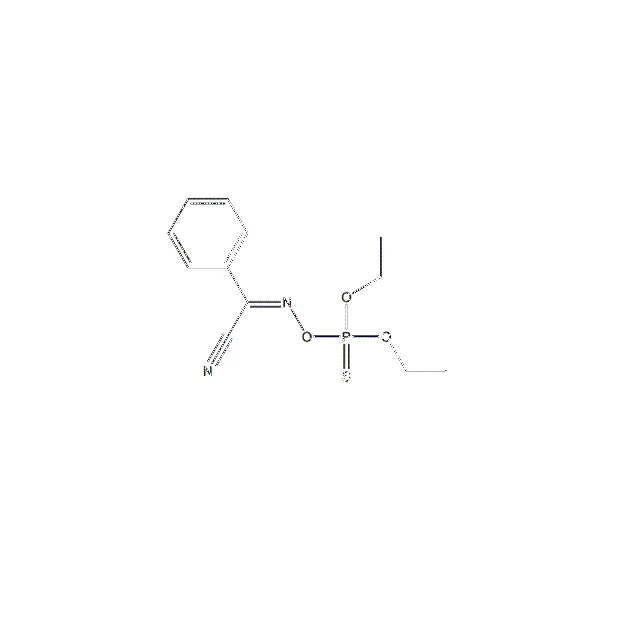
Phoxim
Phoxim, also known as oxime and fenitrothion, is a synthetic organophosphorus insecticide with low toxicity. It has the characteristics of high efficiency, low toxicity, wide spectrum, long residual period of insecticide, and has strong contact and stomach toxicity to pests. Its rapid killing effect on mosquitoes, flies, lice, mites is second only to dichlorvos and pyrethroid, and stronger than malathion and bethion. It has low toxicity to human and livestock, fish, bee and natural enemy of insect, such as Trichogramma and ladybug. The oral LD50 of rats is 1882-2066mg / kg, which belongs to low toxicity. The residual effect of indoor residual spraying of phoxim is longer, generally up to about 3 months. It is used to treat livestock surface parasitic diseases, such as sheep mite and pig scabies, and kill mosquitoes, flies, bedbugs and cockroaches in the surrounding environment. It also has good effect on the larvae of many Lepidoptera pests that harm peanut, wheat, rice, cotton, corn, fruit trees, vegetables, mulberry, tea and other crops, and has certain killing effect on the eggs of insects. It is also used to prevent and control many kinds of pests such as rice borer, rice leaf roller, rice bract, armyworm, cotton bollworm, rice planthopper, cotton aphid, thrips, black tailed leafhopper and small land tiger. It should be noted that sorghum is sensitive to Phoxim and should not be sprayed. Corn field can only be used to control corn borer, and not spray against aphids and sticky worms.
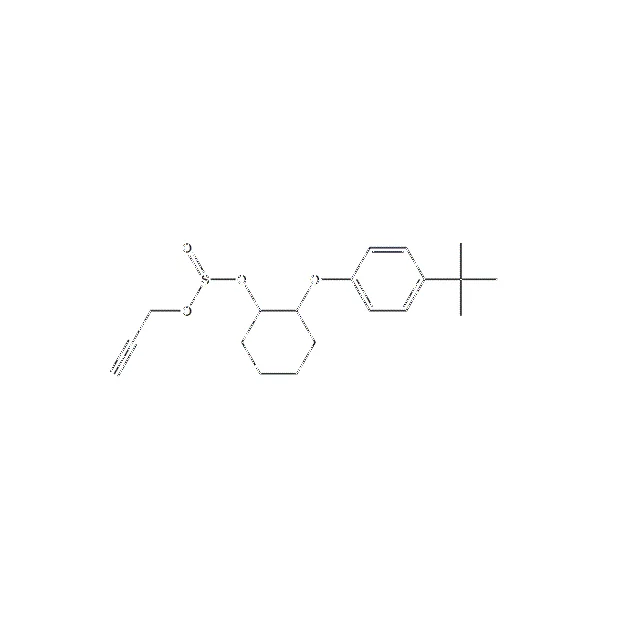
Propargite
The original medicine is a yellowish brown viscous liquid. The relative density is 1.14 (25 ℃), the temperature is 160 ℃, the refractive index is n20d1.5223. It is easy to dissolve in most organic solvents such as acetone, methanol, ethanol, benzene and so on. Its solubility in water is only 0.5mg/l. It is stable in the neutral solution, and can not be mixed with strong acid and alkali.
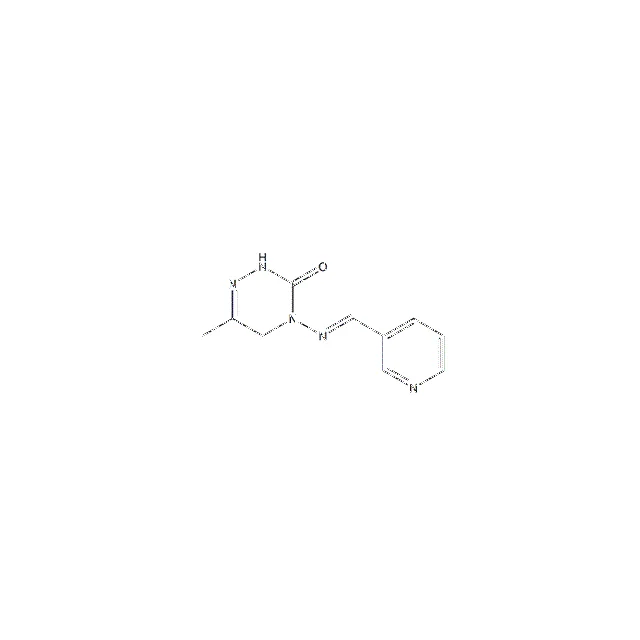
Pymetrozine
Pymetrozine belongs to pyridyl or triazine insecticides. Pymetrozine has high control effect on aphids, planthoppers, leafhoppers and whiteflies of rice, vegetable, cotton, wheat and fruit trees. The insecticide has excellent selectivity to Homoptera pests, better selectivity to aphids than the best insecticide, Pirimicarb, and good inhaling ability.
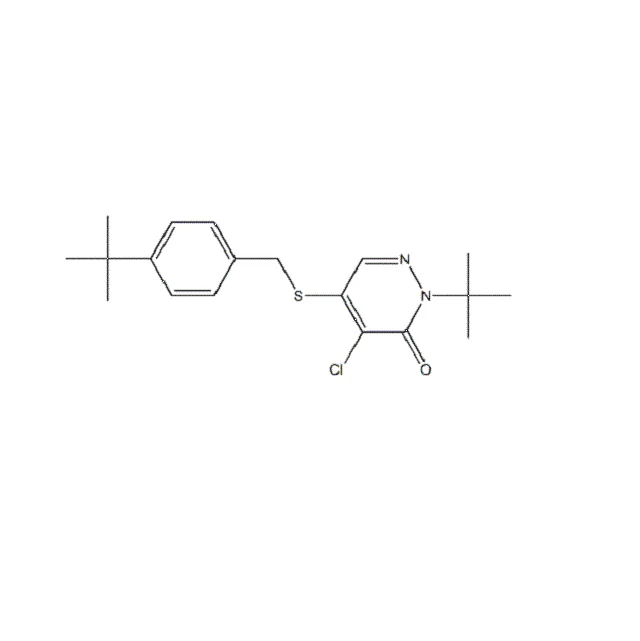
Pyridaben
The pure product is white and tasteless crystalline solid. m. P.111-112 ℃, relative density 1.22 (20 ℃), vapor pressure 0.25 × 10⁻³pa (20 ℃). Solubility: acetone 460g / L, xylene 390g / L, benzene 110g / L, n-octanol 63g / L, ethanol 57g / L, cyclohexane 320G / L, hexane 10g / L, water 0.012mg/l. When stored at 50 ℃ for 3 months and under general conditions for 2 years, it is stable in most organic solvents and unstable to light.