


Rare Earth (31)
Showing 13–24 of 31 products · Page 2 of 3
Gadolinium Oxide
Samarium gadolinium mixed rare earth solution was prepared from monazite or mixed rare earth ore by extraction and purification. Gadolinium oxalate was precipitated with oxalic acid, and gadolinium oxide was prepared by separation, drying and burning.

Gallium(III) Oxide
Gallium oxide is also known as gallium oxide. Gallium oxide (Ga2O3) is a wide band gap semiconductor, eg= 4.9eV For a long time, people have been paying attention to its conductivity and luminescent properties. Ga2O3 is a kind of transparent oxide semiconductor material, which has a wide application prospect in optoelectronic devices. It is used as the insulating layer of GA based semiconductor material and ultraviolet filter. It can also be used as an O2 chemical detector.
Holmium Oxide
Holmium oxide, also known as holmium trioxide, has the chemical formula Ho2O3. It is a compound composed of rare earth element holmium and oxygen, and dysprosium oxide is one of the most paramagnetic substances known. Holmium oxide is one of the components of erbium oxide minerals. In its natural state, holmium oxide often coexists with trivalent oxides of lanthanides, and special methods are needed to separate them. Holmium oxide can be used to prepare glass with special colors. The visible absorption spectrum of glass and solution containing holmium oxide has a series of sharp peaks, so it is traditionally used as a standard for spectrophotometer calibration.
Indium(III) Oxide
Indium oxide is a new n-type transparent semiconductor functional material, which has wide band gap, small resistivity and high catalytic activity. It has been widely used in photoelectric field, gas sensor and catalyst. In addition to the above functions, indium oxide particles have the surface effect, quantum size effect, small size effect and macro quantum tunneling effect.
LUTETIUM OXIDE
Lutetium oxide is used to make magnetic materials, optical glasses, colorants of ceramics, laser materials, luminous materials and electronic materials. Lutetium oxide based transparent ceramic materials will play an important role in the future digital radiography technology system, especially suitable for the application of static digital imaging and fluorescence inspection, and also a new type of polycrystalline laser working medium.
Lanthanum Oxide
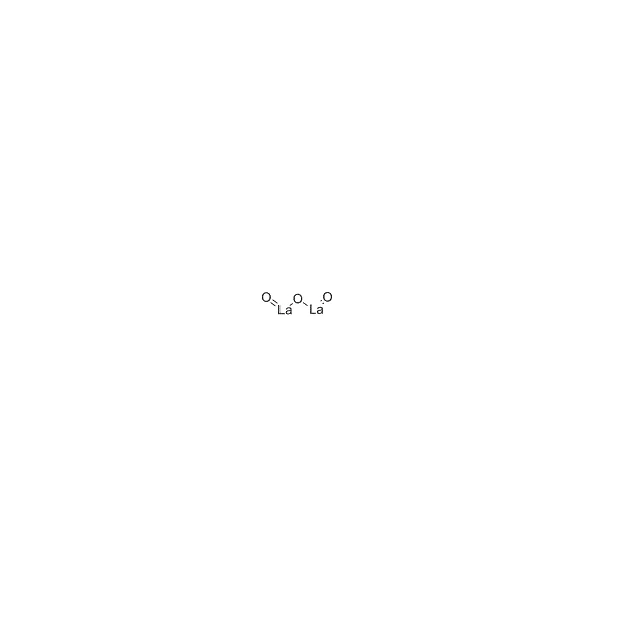
Lanthanum oxide is a chemical substance with the molecular formula of La2O3. Slightly soluble in water, easily soluble in acid, easy to absorb carbon dioxide and water in exposed air, mainly used for manufacturing precision optical glass and optical fiber.

Neodymium Oxide
Neodymium oxide is mainly used as colorant for glass and ceramics, raw material for manufacturing metal neodymium and strong magnetic neodymium iron boron. Adding 1.5% - 2.5% nano neodymium oxide to magnesium alloy or aluminum alloy can improve the high temperature performance, air tightness and corrosion resistance of the alloy, which is widely used as aerospace materials. In addition, nano-sized yttrium aluminum garnet doped with nano-sized neodymium oxide produces short wave laser beam, which is widely used in industry for welding and cutting of thin materials with thickness less than 10 mm. In medical treatment, nano neodymium oxide doped yttrium aluminum garnet laser is used instead of scalpel to remove or disinfect wound. Nano neodymium oxide is also used for coloring glass and ceramic materials, as well as rubber products and additives.
Niobium oxide
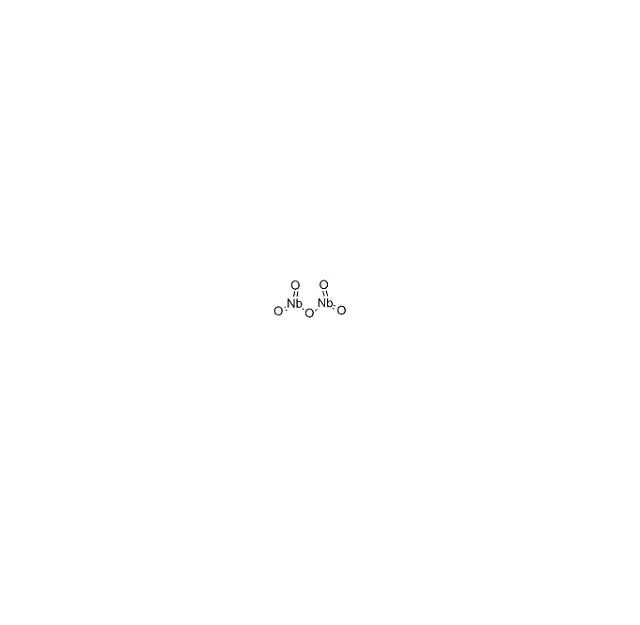
Niobium pentoxide is used as nickel niobate single crystal to make special optical glass, high and low frequency capacitors and piezoelectric ceramic components. It is also used to produce various niobium alloys for ferroniobium and special steel. It is the raw material for the preparation of niobium and its compounds. It is also used as catalyst and refractory.

Praseodymium Oxide
Black powder, density 6.88g/cm³, melting point 2042 °C, boiling point 3760 °C. Insoluble in water, soluble in acid to form trivalent salts. Good conductivity. It is used in building ceramics and daily ceramics. It can be mixed with ceramic glaze to make colored glaze, or used as underglaze pigment alone. The pigment is light yellow, pure and elegant in color, and used to make permanent magnet. Using low-cost praseodymium neodymium metal to replace Pure Neodymium metal to make permanent magnet material, its oxygen resistance and mechanical properties are obviously improved, and it can be processed into various shapes of magnets. Widely used in all kinds of electronic devices and motors; used in oil catalytic cracking. Adding praseodymium and neodymium to Y zeolite can improve the activity, selectivity and stability of catalyst, be used in abrasive polishing, and be used in optical fiber field.
SAMARIUM
It is quite stable in dry air and forms oxide film on the surface in humid air. It will not decompose if used and stored according to specifications. Avoid contact with acids, oxides, moisture. Soluble in acid, insoluble in water. It is easy to combine with non-metallic elements. Fine powder can self ignite. It exists in nature in the form of trivalent samarium salt. It can be used as neutron absorber, photoelectric equipment and alloy.
SCANDIUM
Scandium is a kind of chemical element, the element symbol is SC, the atomic number is 21, it is a soft, silver white transition metal, melting point 1541 °C, boiling point 2831 °C. Soluble in water, it can react with hot water, and darken easily in the air. The main valence is + 3. It is often mixed with gadolinium, erbium and so on. Its output is very small, and its content in the crust is about 0.0005%. Scandium is often used to make special glass and light heat-resistant alloy.
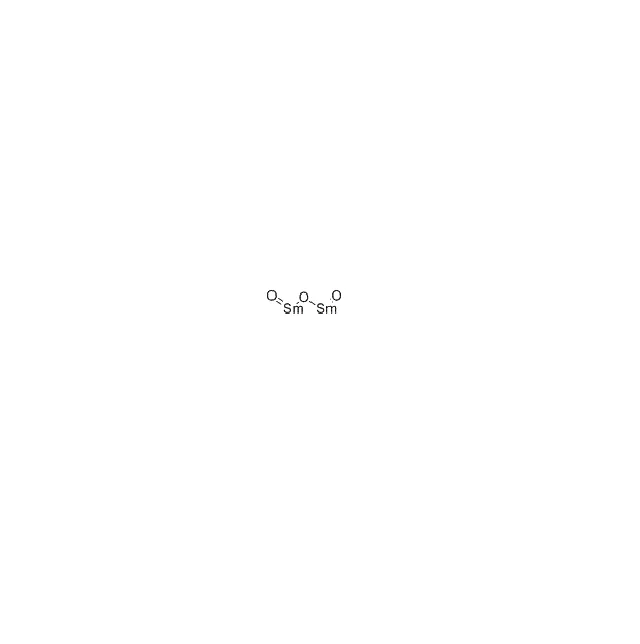
Samarium Oxide
White with yellowish powder. Insoluble in water, soluble in acid. It can be used as material for making metal samarium, magnetic material and memory element, glass additive for infrared absorption, coating in photosensitive material, permanent magnetic material for making samarium cobalt and raw material for producing metal samarium.