


Other Chemical Products (187)
Showing 169–180 of 187 products · Page 15 of 16
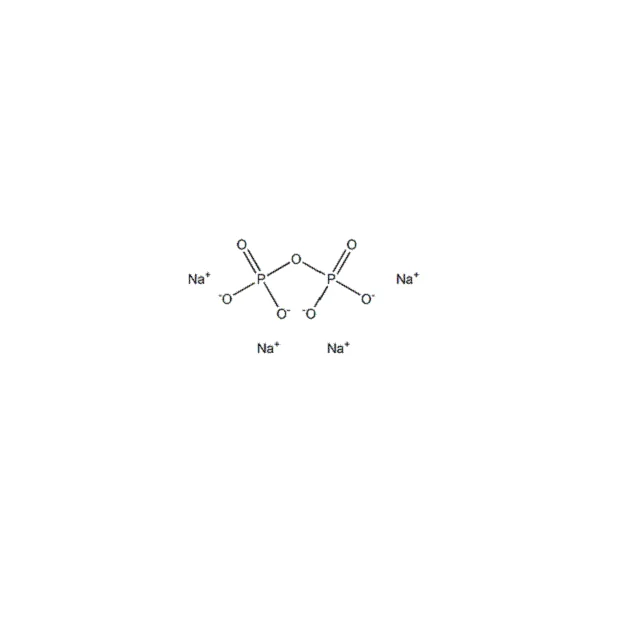
Tetrasodium Pyrophosphate
Anhydrous sodium pyrophosphate is colorless and transparent crystal or white powder. The relative density is 1.824 and the melting point is 880 °C. It is soluble in water and insoluble in alcohol. Its aqueous solution is alkaline, easily weathered and hygroscopic. It has a strong pH buffer and a certain chelating effect on metal ions. Anhydrous sodium pyrophosphate is mainly used as soft water agent, dyeing and bleaching assistant, wool degreaser, boiler cleaner, metal ion chelating agent, dispersant, auxiliary for dyeing and fine bleaching of grass products. Synthesis of washing additives. Oil well mud regulator, production of ABS resin additives. Used as complexing agent for copper in electroplating solution. Sodium pyrophosphate decahydrate is mainly used as toothpaste stabilizer. In the food industry as emulsifier, buffer, chelating agent, gelling agent, stabilizer. When sodium pyrophosphate and Ag⁺ meet, white silver pyrophosphate is formed, while the reaction between orthophosphate and Ag⁺ produces yellow silver orthophosphate precipitate, which is a characteristic reaction of distinguishing two salts. Sodium pyrophosphate can integrate with metal particles, disperse, flocculate, emulsify, prevent lipid and oxidation, increase viscosity of casein, etc. When pH value is high, it can inhibit food corruption.
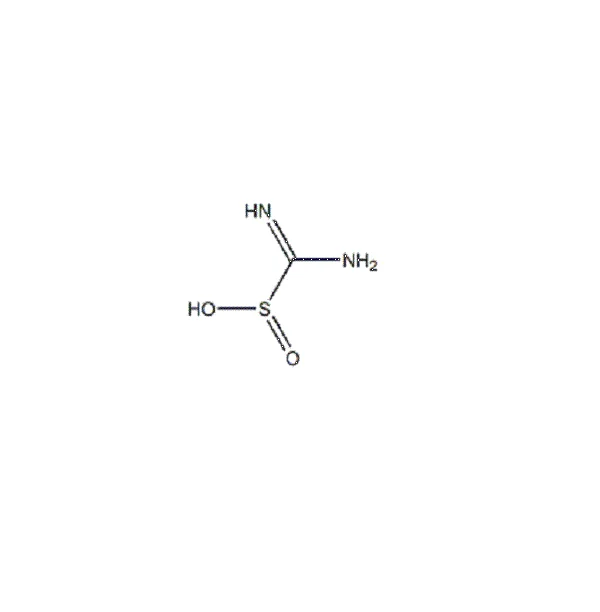
Thiourea Dioxide
Thiourea dioxide or thiox is an organosulfur compound that is used in the textile industry. It functions as a reducing agent. Thiourea dioxide is not a dioxide, but instead is a derivative of a sulfinic acid (RS(O)(OH), hence the alternative name formamidine sulfinic acid.It is widely used in chemical industry, textile industry, is a strong reducing agent, sodium hydrosulfite in the dyeing increasingly replacing the field occupies a significant position.
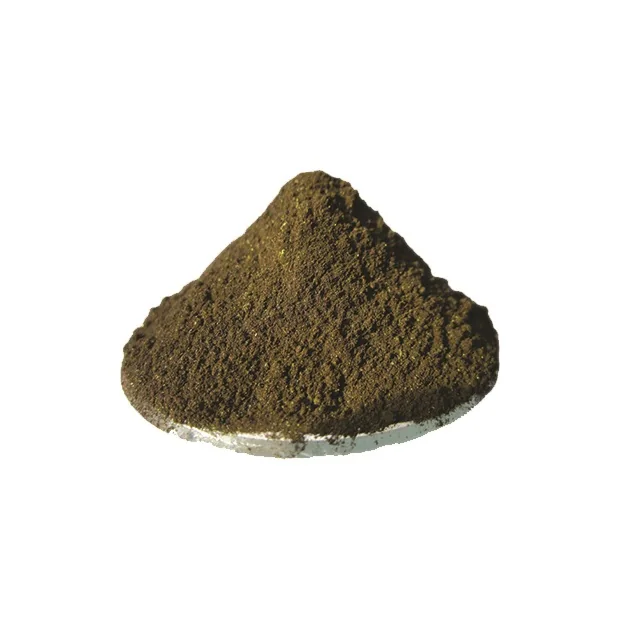
Thymol Blue
Brown-green crystalline powder with peculiar odor; soluble in ethanol, it turns yellow, soluble in dilute lye, it turns blue, insoluble in water; the maximum absorption wavelength is 594 (376) nm, insoluble in water, soluble in ethanol, and it turns yellow. It is prepared by the condensation of Liphenol and o-sulfobenzoic anhydride, and there are two discoloration ranges: (1) the acid range is pH 1.2-2.8, from red to yellow; (2) the alkali range is pH 8.0-9.6, from Yellow to blue.
Titanium Dioxide TiO2
The most important application areas are paints and varnishes as well as paper and plastics, which account
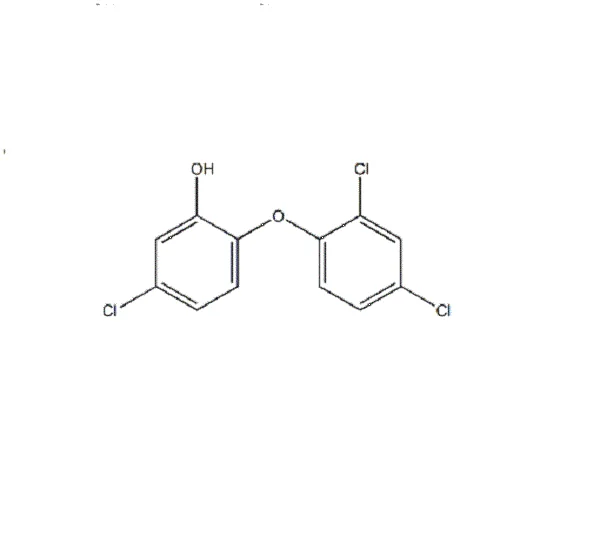
Triclosan
Triclosan, similar in its uses and mechanism of action to triclocarban, is an antibacterial and antifungal agent found in numerous consumer products, including soaps, detergents, toys, and surgical cleaning treatments. Its efficacy as an antimicrobial agent and the risk of antibacterial resistance remains controversial. Additional research seeks to understand its potential effects on organism and environmental health.
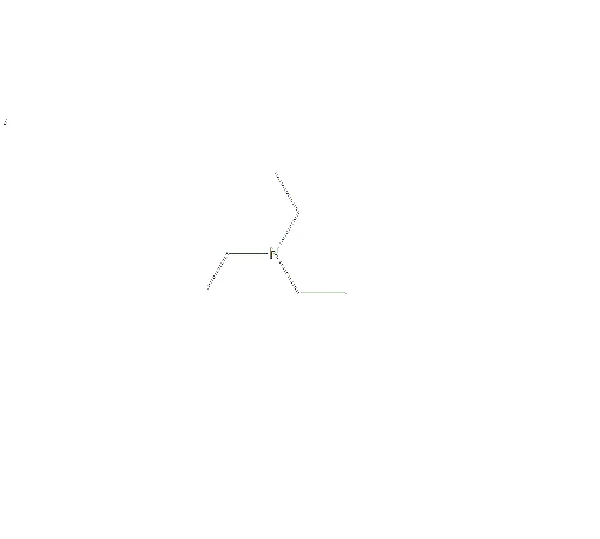
Triethylamine
Triethylamine is the chemical compound with the formula N(CH2CH3)3, commonly abbreviated Et3N. It is also abbreviated TEA,
Trifluoroacetic Acid
Colorless volatile smoking liquid, similar to acetic acid, with hygroscopic and irritating odor. Influenced by electron absorbing trifluoromethyl, it has strong acidity, which is 100000 times stronger than acetic acid. Melting point - 15.2 °C , boiling point 72.4 °C , density 1.5351g/cm³ (1 °C ). It is miscible with water, fluorohydrocarbon, methanol, ethanol, ether, acetone, benzene, carbon tetrachloride and hexane, and can partially dissolve carbon disulfide and alkanes above six carbon. It is an excellent solvent for protein and polyester. It is also an excellent solvent for organic reactions, , giving results that are difficult to obtain with general solvents. For example, when quinoline is catalytic hydrogenated in general solvents, pyridine ring is preferentially hydrogenated, but benzene ring is preferentially hydrogenated in trifluoroacetic acid. Trifluoroacetic acid is decomposed into fluoroform and carbon dioxide in the presence of aniline. It can be reduced to trifluoroacetaldehyde and trifluoroethanol by sodium borohydride or lithium aluminum hydride. Stable above 205 °C , ester and amide derivatives are easy to hydrolyze, so they can be used to prepare sugar, amino acid and peptide derivatives in the form of acid or anhydride. It is easy to dehydrate to trifluoroacetic anhydride under the action of phosphorus pentoxide.
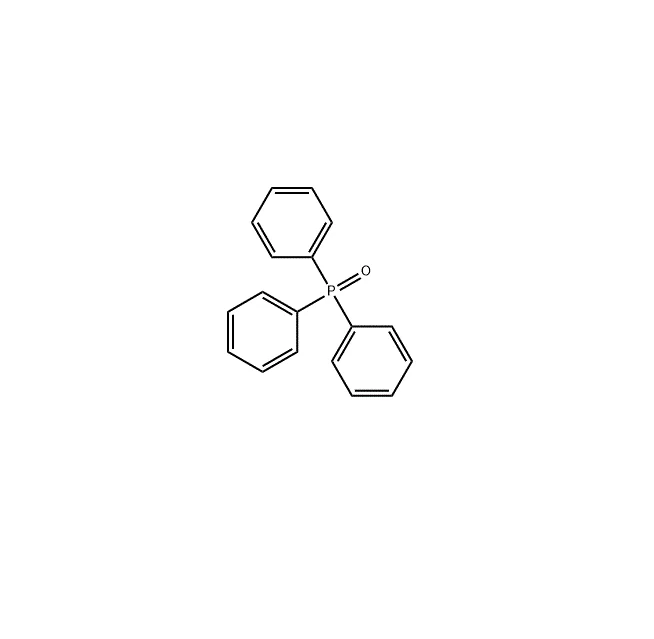
Triphenylphosphine Oxide
Pure white crystalline powder, soluble in alcohol and benzene, insoluble in petroleum ether, slightly soluble in hot water, irritating. This product is mainly used as a solvent, catalyst, and corrosion inhibitor; it is also used in the synthesis of rubber accelerators and other fine chemicals. It is also used as a polyurethane catalyst and a catalyst for the synthesis of aminobenzyl penicillin and hydroxybenzyl penicillin.
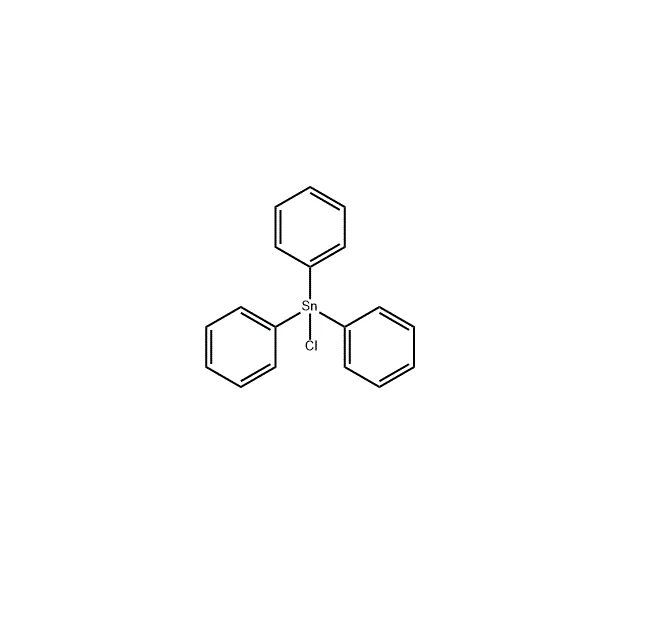
Triphenyltin Chloride
Triphenyltin chloride is a white or grayish white powder crystal, insoluble in water, easily soluble in organic solvents (benzene, xylene, ethanol, etc.), colorless after dissolution, and stable at room temperature. It has medium toxicity and can be degraded in natural environment and metabolized in organism). The coating on the metal does not have double potential corrosion.
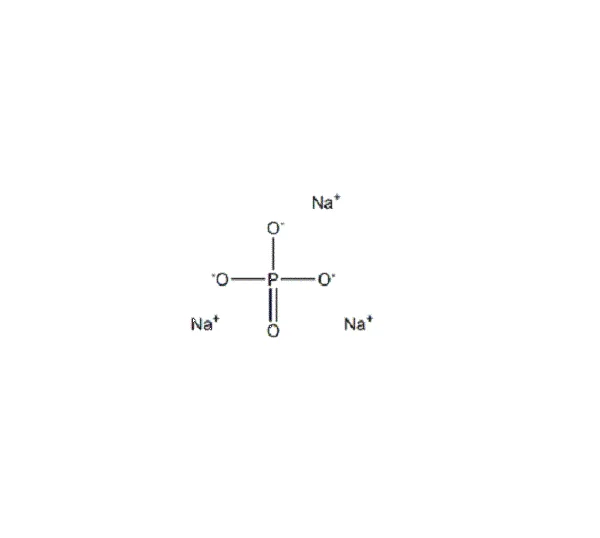
Trisodium Phosphate
Trisodium phosphate (TSP) is the inorganic compound with the formula Na3PO4. It is a white,
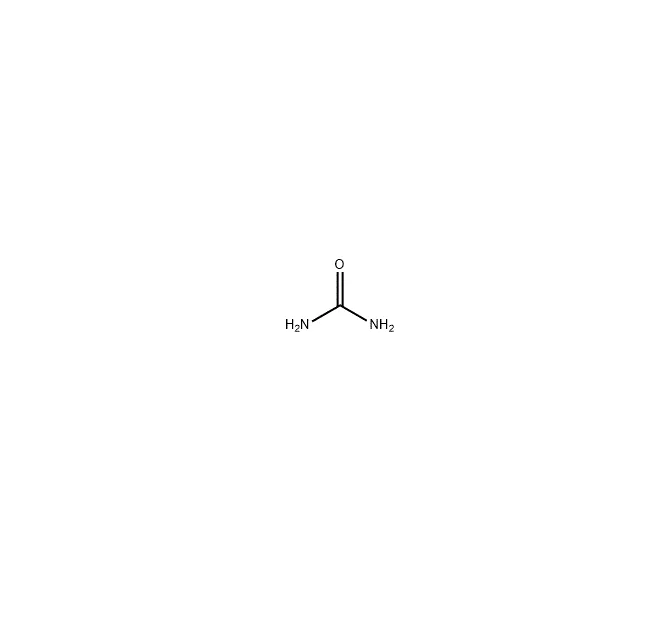
Urea
Urea, also known as urea or carbonamide, is a final product of protein metabolism in humans and mammals, and it is also a major organic nitrogen compound excreted by animals. The pure product is white granular or needle-like or prismatic crystals, mixed with heavy metals such as iron, and then appears reddish or yellow. It is tasteless and odorless, easily soluble in water, ethanol and benzene, but hardly soluble in ether and chloroform. 100 kilograms of water can dissolve 105 kilograms of urea at 20°C, and absorb heat during dissolution. The aqueous solution showed a neutral reaction. The nitrogen content of pure product is 46.65%, agricultural urea is 42% ~ 46%, and it contains a small amount of biuret, generally less than 2%, which is usually harmless to crop growth; the specific gravity and bulk density of urea are small, per cubic meter of fertilizer It weighs 0.65 tons.
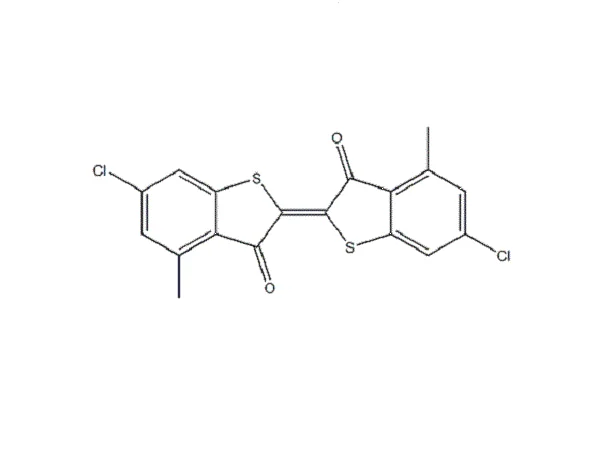
Vat Red 1
physico-chemical property:Hue and color, Colourful Huang Guanggong